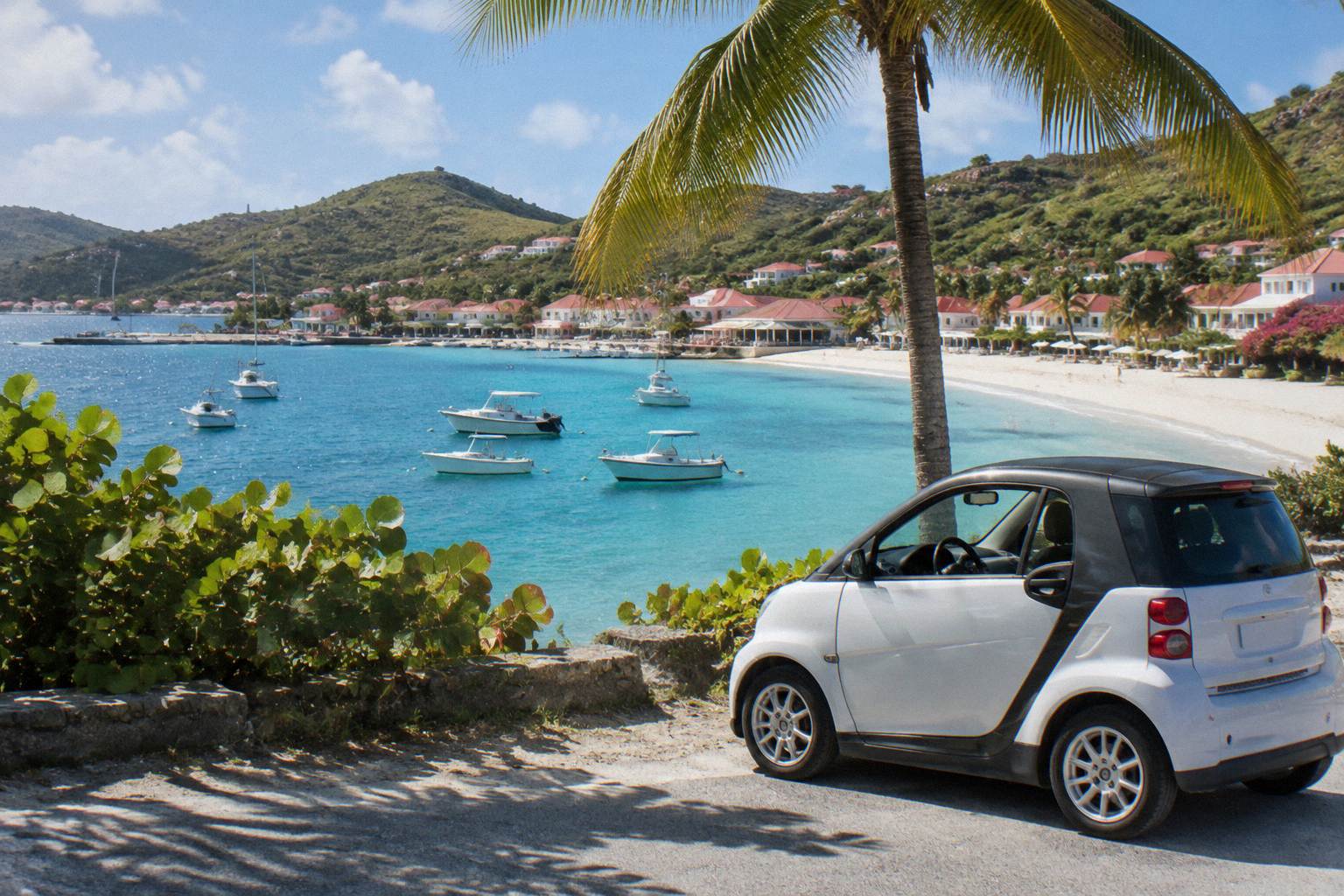
Rainy Day Plans For St Barts
St Barthelemy, better known as St Barts, gets 891.3 mm of rain a year, and most of it falls in a short wet season rather than all day. Here is how to spend a rainy day on the island without losing it.
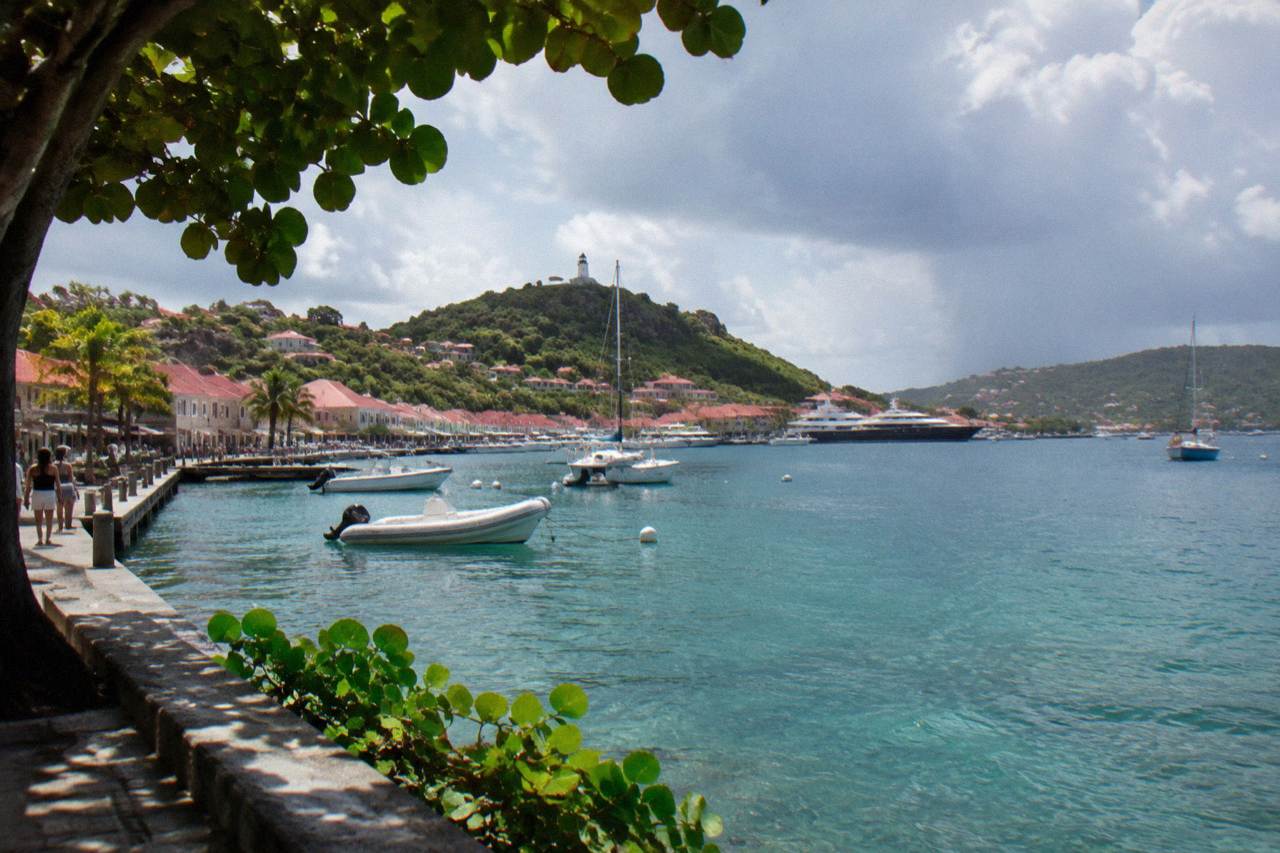
Rain in St Barts usually arrives as showers rather than all-day downpours. The Meteo-France normals for 1991 to 2020 show October as the wettest month at 135.6 mm and February with the least at 38.4 mm, so a wet day plan is mostly a matter of timing: museums and shops in Gustavia, a long lunch, and flexible boat or beach plans around the breaks in the weather.
Rain in St Barthelemy, the small French Caribbean island everyone calls St Barts, rarely means a lost day. The climate here works in showers and downpours that pass, not in the grey all-day drizzle of northern Europe, and the island's compact scale means a change of plan costs minutes rather than hours. This itinerary lays out what a wet day on the island can look like: what the rain numbers actually say, where to spend a blocked-out afternoon, which boat options still make sense, and how to reorder a trip around the weather instead of cancelling parts of it.
The starting point is honesty about the weather rather than optimism. The Meteo-France normals, 1991 to 2020, for the St Barthelemy station give the island 891.3 mm of rain a year, with a clear shape to the year: a drier stretch from February through April, and a wetter one from August through November. A rain plan is not pessimism on this island. It is ordinary trip planning, the same as packing reef-safe sunscreen.
How Much Rain Does St Barts Actually Get?
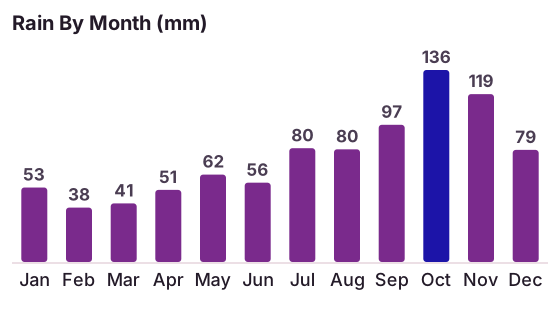
St Barts receives 891.3 mm of rain a year, and the distribution matters more than the total: October averages 135.6 mm, the highest month in the Meteo-France normals for 1991 to 2020, while February averages 38.4 mm, the lowest. Mean daily highs stay between 28.5 C in January and 31.7 C in September, so rain here falls as warm tropical showers, and the sea stays warm, about 26 C in winter to about 29 C from August to October.
That distribution, not the annual figure, is what shapes a rainy day plan. A trip in February or March is unlikely to need one at all. A trip in October or November almost certainly will, and the showers in those months can be heavy while they last. The pattern is also fast-moving: a Caribbean shower that darkens the sky in mid-afternoon often clears within the hour, which is why the itinerary below is built around flexible blocks rather than a fixed timetable.
| Month | Average Rain (mm) | Mean Daily High (C) | Mean Daily Low (C) |
|---|---|---|---|
| January | 52.6 | 28.5 | 23.5 |
| February | 38.4 | 28.6 | 23.3 |
| March | 41.4 | 29.0 | 23.5 |
| April | 50.9 | 29.8 | 24.2 |
| May | 61.7 | 30.7 | 25.1 |
| June | 56.0 | 31.2 | 25.9 |
| July | 80.4 | 31.2 | 26.0 |
| August | 79.6 | 31.6 | 26.3 |
| September | 96.9 | 31.7 | 26.2 |
| October | 135.6 | 31.4 | 25.8 |
| November | 118.6 | 29.9 | 25.0 |
| December | 79.2 | 28.9 | 24.1 |
All figures are Meteo-France normals, 1991 to 2020, for the St Barthelemy station. One reading of the table worth pausing on: even the wettest month keeps a mean daily high above 31 C. Rain on this island is a temperature experience, not a cold one, and the practical response to a shower is often shelter and a drink for an hour rather than a full rework of the day.
What To Do In St Barts When It Rains?
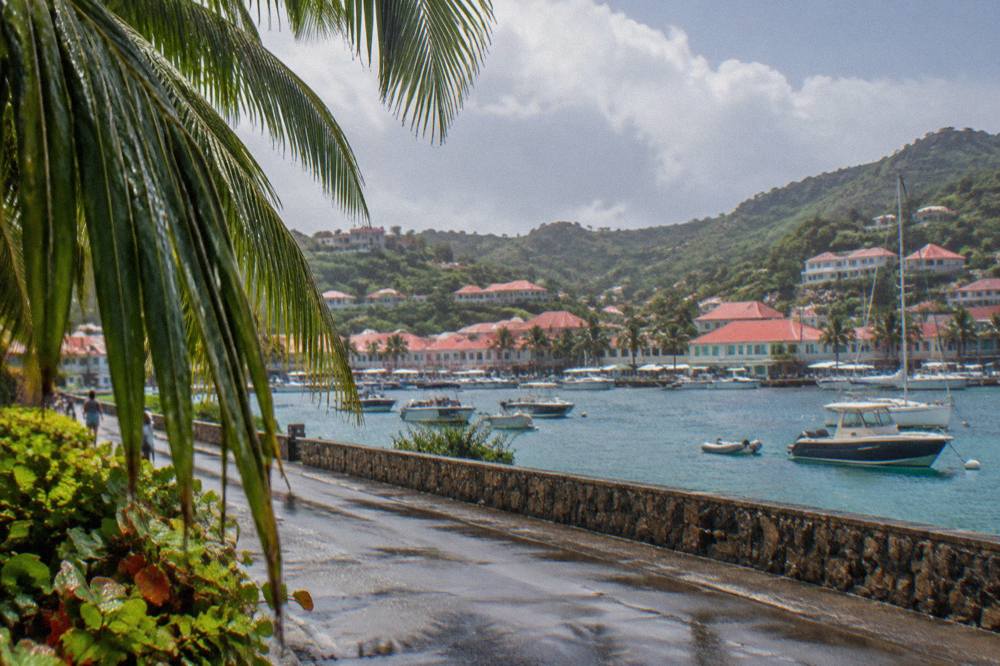
The core of a rainy day in St Barts is Gustavia: the island's harbour capital holds its museums, its densest stretch of shops and galleries, and enough covered corners to fill a blocked afternoon. From there the plan extends to Corossol's shell museum on the sheltered west coast and to spa time at the hotels that offer it. Beaches stay public and open, and a shower that passes can put you back on the sand the same afternoon.
A workable sequence looks like this. Morning: the Wall House Museum, whose collections cover the Swedish period, in Gustavia, when energy is high and the crowds of shoppers have not yet built. Midday: a long French-influenced lunch in Gustavia, which on a wet island day is not a compromise but one of the better hours the island offers. Afternoon: the shopping streets and galleries around the harbour, or a drive out to Corossol to the shell museum, a small village institution on the leeward side of the island where the weather often behaves differently than on the exposed south coast.
The shopping point deserves emphasis for a wet day. Gustavia's retail is concentrated and walkable, with jewellers, fashion boutiques and galleries clustered around the harbour streets, so a rain plan that routes through town turns weather into an advantage. For a broader view of what the island sells and where, the St Barts shopping guide covers it in detail, and the St Barts art and galleries guide maps the gallery scene for anyone who would rather look than buy.
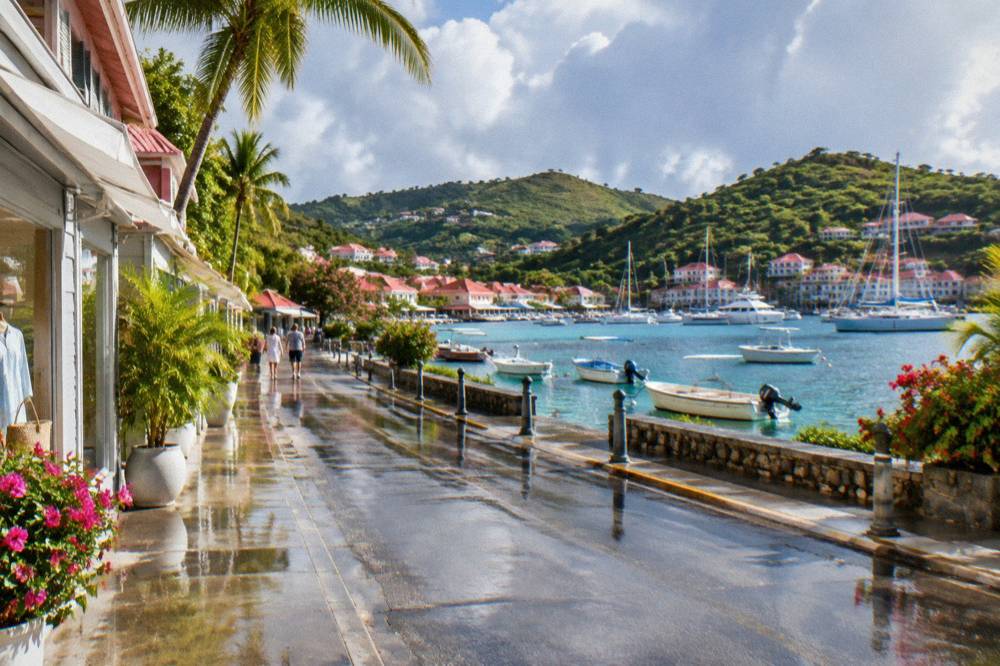
There is no guided walking tour of Gustavia listed here for this island, and no free or tip-based walk exists here either. The town is genuinely walkable on your own, the harbour is impossible to lose, and the fort viewpoints above town, described in the Fort Karl guide and the Fort Gustaf guide, sit a short steep walk from the quays if the rain lifts.
Rain also changes what is worth doing underwater. Turtles and reef fish do not leave because of a shower, and the St Barts sea turtles guide explains where they are commonly seen, though the marine reserve's rules apply in any weather: the environment agency's regulatory-zones page lists a 5-knot speed limit in its zones, a ban on jet skis, a no-dogs rule on the beaches and a strict no-touching rule for turtles. For travellers whose wet-day instinct is a boat day rather than a museum day, the options below all run from St Martin or Sint Maarten across to St Barts, and every one of them is a matter of weather judgment on the morning itself.
The group sail and snorkel trip to Gustavia, Colombier Beach and Ile Fourchue is the per-person option, and it is the one to check first if a rainy day falls early in your trip: it runs on fixed days from St Martin, its season on the listing runs from 12 May to 31 August 2027, and its snorkelling stops sit inside the marine reserve where the 5-knot rule keeps the water quiet. Details, current dates and pricing are on the operator's live listing: See the live listing.
Do Boat Tours To St Barts Still Run When It Rains?
Boat tours from St Martin to St Barts generally run in rain, because operators judge sea state rather than rainfall: a warm shower over flat water changes nothing, while a swell without a drop of rain can cancel a crossing. Every trip listed here departs from St Martin or Sint Maarten, decisions are made by the operator on the morning, and the ferry operators publish the same logic, weather-dependent service with cancellations when conditions demand.
That distinction between rain and sea state is the single most useful thing to understand about a wet day here. Caribbean rain often comes with little wind, and a shower over calm water is a non-event for a boat. What grounds crossings is swell and wind, particularly on the exposed stretch between the two islands. Operators make that call themselves, and travellers' role is to be reachable on the morning, to have read the cancellation terms when booking, and to hold a flexible plan for the day either way.
A private charter changes the arithmetic in one specific way: the schedule is yours rather than the operator's. On a day of passing showers, a private trip can wait out a squall in Gustavia and run to Colombier or Ile Fourchue in the clear window after it, which a fixed shared departure cannot do. The Nikki Beach private charter from Sint Maarten adds a beach club stop to that same flexibility, pairing a boat day with an afternoon under cover if the sky closes in.
For travellers combining rain-planning with a longer trip, the overnight catamaran option gives the most weather slack of anything listed here, two days and a night to absorb whatever the sky does. The 2-day-1-night catamaran page describes the route from St Martin. And for planning how a St Barts day trip slots into a wider island stay, the St Barts versus St Martin comparison and the guide on St Maarten before or after St Barts are the two pages to read.
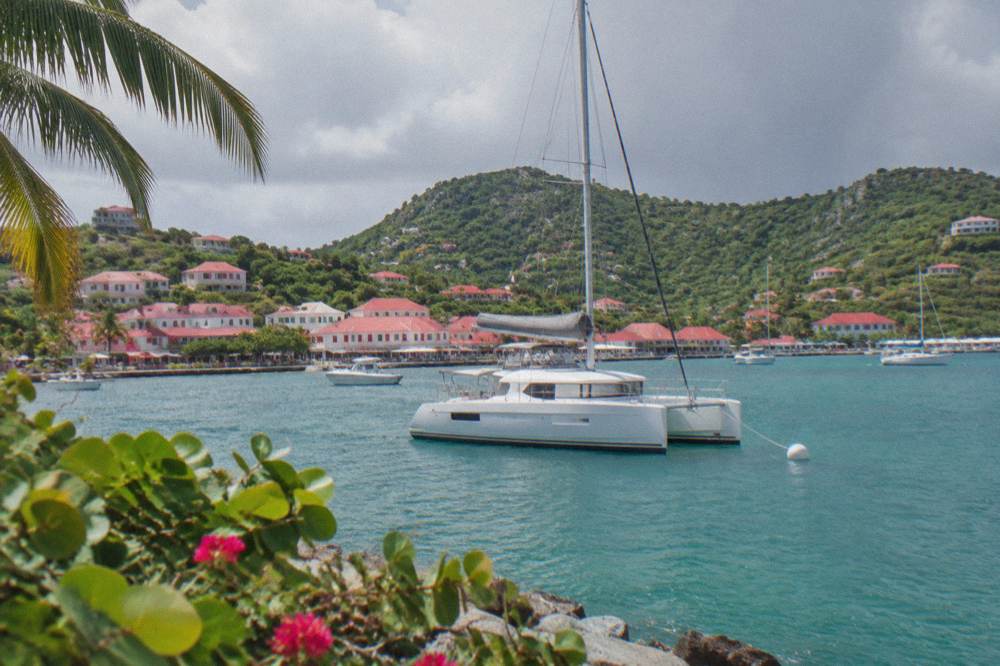
Which St Barts Museums And Indoor Spots Fill A Wet Afternoon?
Gustavia holds the Wall House Museum, whose collections cover the island's Swedish history and which is small enough for one wet afternoon, while Corossol village on the west coast has its shell museum. Add the island's hotel spas and the galleries around the harbour, and St Barts can cover a blocked afternoon without repeating itself, all on an island of about 21 square kilometres where nothing is far from anything.
The museums are modest in the way small-island museums are, and that is the point of them on a rainy day: unhurried, inexpensive to visit, and close together. The shell museum in Corossol sits in a village that still reads as a fishing community rather than a resort, and the drive out to it, sheltered on the leeward side, is itself a reasonable rain-day activity. Detailed write-ups of each are in the Corossol beach and village guide and the Wall House Museum guide.
| Indoor Or Covered Stop | Where It Sits | What It Covers |
|---|---|---|
| Wall House Museum | Gustavia, by the harbour | Island history in a historic harbour building |
| Corossol shell museum | Corossol village, west coast | Shell collections and traditional island crafts |
| Hotel spas | Various, booked direct with each property | Treatments and covered relaxation facilities |
| Galleries and boutiques | Gustavia harbour streets | Art, jewellery and fashion, mostly under cover |
Two cautions keep this section honest. First, many hotels and restaurants close each autumn and reopen in waves between mid-October and early November, so spa availability on a shoulder-season trip should be confirmed with the property directly. Second, opening hours for the small museums are not published in any detail in the material available to this site, so treat an afternoon visit as a plan to confirm rather than a timetable to rely on. Neither caution changes the structure of the day: town for the covered hours, coast for the clear ones.
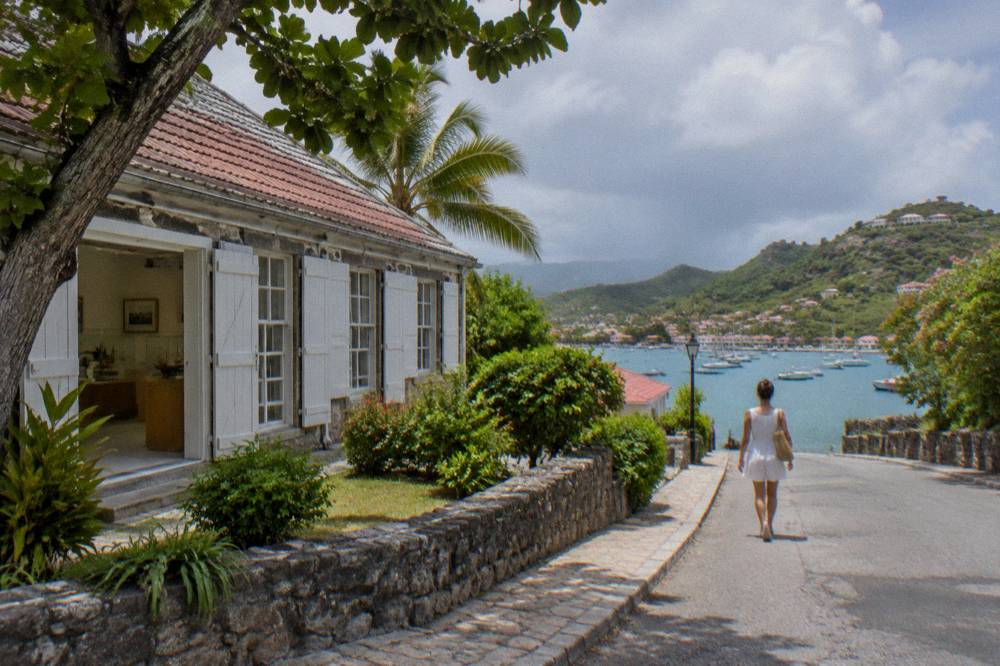
Can You Still Go To The Beach In St Barts Rain?
Yes, and often it is the best time: all St Barts beaches are public and free, rain does not close them, and a warm shower on a near-empty beach is a different experience from a crowded midday one. The practical limits are the road to the beach, since the island's roads are narrow, steep and winding, and lightning, which is a real reason to leave the water rather than a formality.
The beach list on this island runs long: Saint-Jean, Gouverneur, Saline, Shell Beach (Grand Galet), Flamands, Colombier, Grand Cul-de-Sac, Lorient, Toiny, Corossol and more, every one public. A shower that passes over Gustavia may be missing Saline entirely, and the reverse, because the island's hills split the weather. Locals who need no guidance on this can be skipped; visitors can use it: on a showery day, pick two beaches on different coasts and let the sky choose between them. The best beaches by coast guide does exactly that mapping.
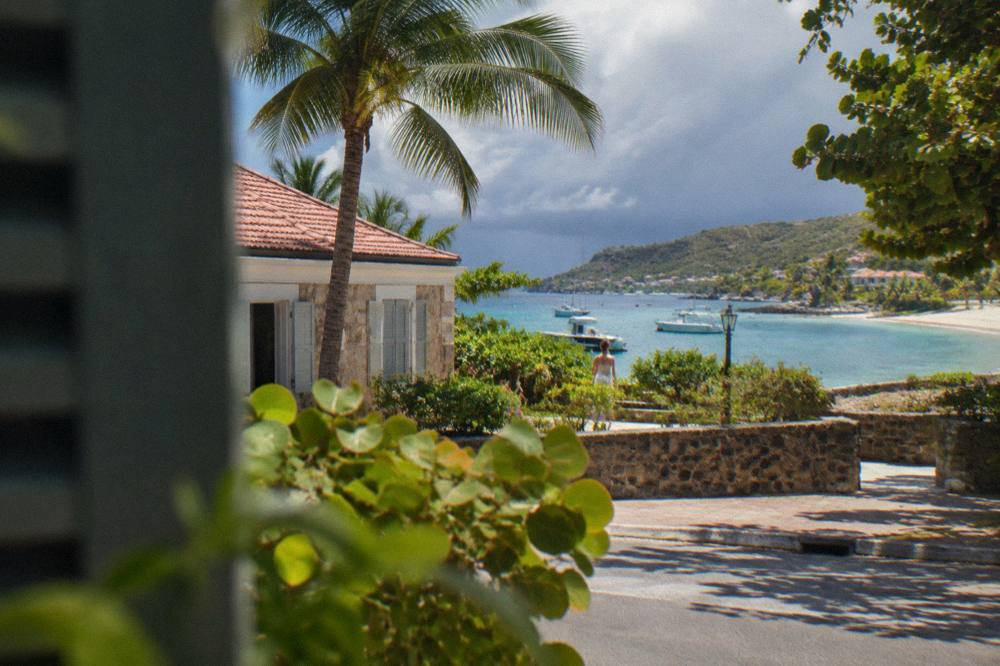
Snorkelling in rain is fine; snorkelling in thunder is not. The land-based snorkelling spots are profiled in the snorkelling beaches guide, and the reserve rules apply regardless of weather, no touching turtles, no gloves in the water, no collecting shells or coral, and no jet skis anywhere in the zones. The environment agency's beach rules also prohibit dogs on all beaches island-wide, an old municipal order that applies rain or shine.
For a trip built around water clarity rather than weather luck, the private charter from St Martin is priced per group rather than per person, which suits a family or a group of friends who want the boat, the schedule and the swim stops to themselves on whatever clear window the day provides.
What Should You Know About St Barts Rain And Hurricane Season?
The Atlantic hurricane season runs from 1 June to 30 November, with peak activity from mid-August to mid-October and a climatological peak near 10 September, which overlaps St Barts' wettest months of October at 135.6 mm and November at 118.6 mm. Hurricane Irma struck the island in September 2017. A storm cannot be forecast for a specific date.
What this means for a trip is narrower than the word hurricane suggests. The season is long, but the island's rain problem and its storm problem are different in scale: the first is a scheduling nuisance, the second is rare and monitored. During the season, the standard practice is simply to watch the official forecasts as travel dates approach, and to hold refundable arrangements where the terms allow. The National Hurricane Center publishes the Atlantic outlook, and Meteo-France covers the St Martin and St Barthelemy area directly.
| Season Marker | Dates | Source |
|---|---|---|
| Atlantic hurricane season | 1 June to 30 November | NOAA |
| Peak of activity | Mid-August to mid-October | NOAA |
| Climatological peak | Near 10 September | NOAA |
| Wettest month in St Barts | October, 135.6 mm | Meteo-France normals, 1991 to 2020 |
| Hurricane Irma landfall | September 2017 | Historical record |
The seasonal closure pattern matters here too. Many hotels and restaurants close for the autumn and reopen in waves between mid-October and early November, which is precisely the wettest stretch of the year. A late-autumn rainy-day plan should therefore assume a thinner dining and hotel map than a February one, and villa accommodation, available year-round, is the more weather-proof base in that window. The St Barts low season guide and the St Barts hurricane season guide cover the practicalities in full, and the October in St Barts page and November in St Barts page do the same month by month.
How Do You Rework A St Barts Itinerary Around The Weather?
You reorder rather than cancel: keep one indoor anchor per day, hold the beach and boat blocks as swappable, and let the morning forecast decide which runs, because on a 21 square kilometre island nothing is more than a short drive from anything. Book the boat day for early in the trip so a weather cancellation can be retried, and keep Gustavia, Corossol and the spa options as the standing wet-day blocks.
The reordering principle is the whole trick. A fixed itinerary fails in the tropics; a modular one does not. The table below is the swap logic in one view, built from the blocks already covered in this guide.
| Planned Block | If The Sky Closes | If The Sky Holds |
|---|---|---|
| Morning beach | Gustavia museums, then coffee in town | Run the beach early, showers build later |
| Boat day from St Martin | Rebook to the next clear day, operators permit this | Depart as planned, sea state decides |
| Lunch outdoors | Long lunch indoors in Gustavia | Beachside table as booked |
| Afternoon snorkel | Galleries and shopping around the harbour | Snorkel the sheltered coast |
| Sunset viewpoint | Spa or an early dinner in town | Sunset spots guide as planned |
Readers planning the whole trip, not just the wet day, can start from the St Barts itinerary guide and its day-count versions, including three days, four days and the one week itinerary, each of which can absorb a swap of this kind without breaking. The first timer itinerary is the best starting point if this trip is your first on the island, and St Barthelemy Travel holds the full set.
One more option belongs in any weather-flexible plan: the private sailboat charter from Sint Maarten, a full-day sailing format priced per group, with the schedule set by the party rather than a shared timetable. On a day of broken weather it is the format most able to dodge the showers.
What Should You Pack For Rain On A St Barts Trip?
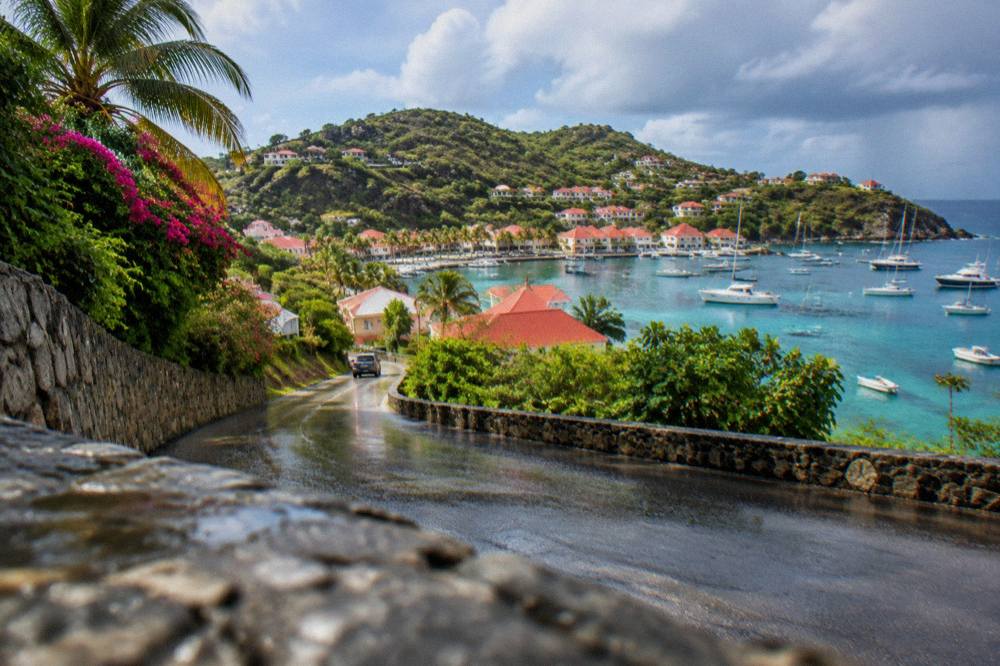
Pack for warm rain: a light rain layer or a compact umbrella, quick-drying clothes over cotton, dry bags for phones and documents on boat days, and reef-safe sunscreen anyway, because sun breaks through fast and the ultraviolet exposure in the tropics is high even under cloud. Waterproof sandals earn their space in the wetter months from August through November, when monthly rainfall runs from 79.6 mm up to 135.6 mm.
Footwear is the under-planned item. The island's roads and beach paths are steep in places, and wet stone and wet concrete are the actual hazards of a St Barts shower, not the rain itself. A shoe with grip is worth more than an umbrella on this island, and the full clothing logic, including evening dress norms in Gustavia, is set out in the St Barts packing list and the St Barts dress code guide.
Electronics deserve a dry bag on any boat day, rain or no rain, since spray is constant on the crossing from St Martin. The ferry seasickness guide is worth reading before that crossing in any season, because the same swells that cancel boats in rough weather can make a calm-looking day uncomfortable for passengers who have not planned for it.
Common Questions About Rainy Days In St Barts
What is the rainiest month in St Barts?
October, at 135.6 mm on average, followed by November at 118.6 mm, according to the Meteo-France normals, 1991 to 2020, for the St Barthelemy station. February is the lowest month at 38.4 mm.
Does it rain all day in St Barts?
Rarely. The island's rain falls mainly as showers and passing downpours rather than continuous rain, and a wet afternoon often clears within hours. A full-day washout is possible in the wet season but is not the norm.
Do boat tours to St Barts get cancelled for rain?
Not for rain alone. Operators on this corridor judge sea state and swell, and rainfall over calm water usually does not stop a departure. Cancellation decisions rest with each operator on the morning of the trip.
Are St Barts beaches open when it rains?
Yes. All beaches on the island are public and free, and rain does not close them. Lightning is the one weather reason to leave the water, and the marine reserve's rules, including no touching of turtles and no dogs on beaches, apply in all conditions.
Is St Barts worth visiting in the wet season?
The wet months overlap the island's low season, when many hotels and restaurants close for the autumn and reopen between mid-October and early November, and when villa stays are the more available base. Trips in those months trade some open doors and some weather risk for a quieter island, and the St Barts in October page covers the trade-off in detail.
A rainy day in St Barts is a scheduling problem with a small island's worth of answers: museums and galleries in Gustavia, the shell museum in Corossol, a long lunch, spa time, and beaches and boat trips slotted into whatever clear window the day provides. Plan the blocks, watch the morning forecast, and the weather stops being the itinerary.