Seeing Sea Turtles In St Barts
St Barthelemy, a small French island in the Caribbean, sits inside a national marine reserve where green and hawksbill sea turtles feed in shallow bays. This guide covers where turtles are found, the rules that protect them, and how to plan a boat or snorkel day around them.
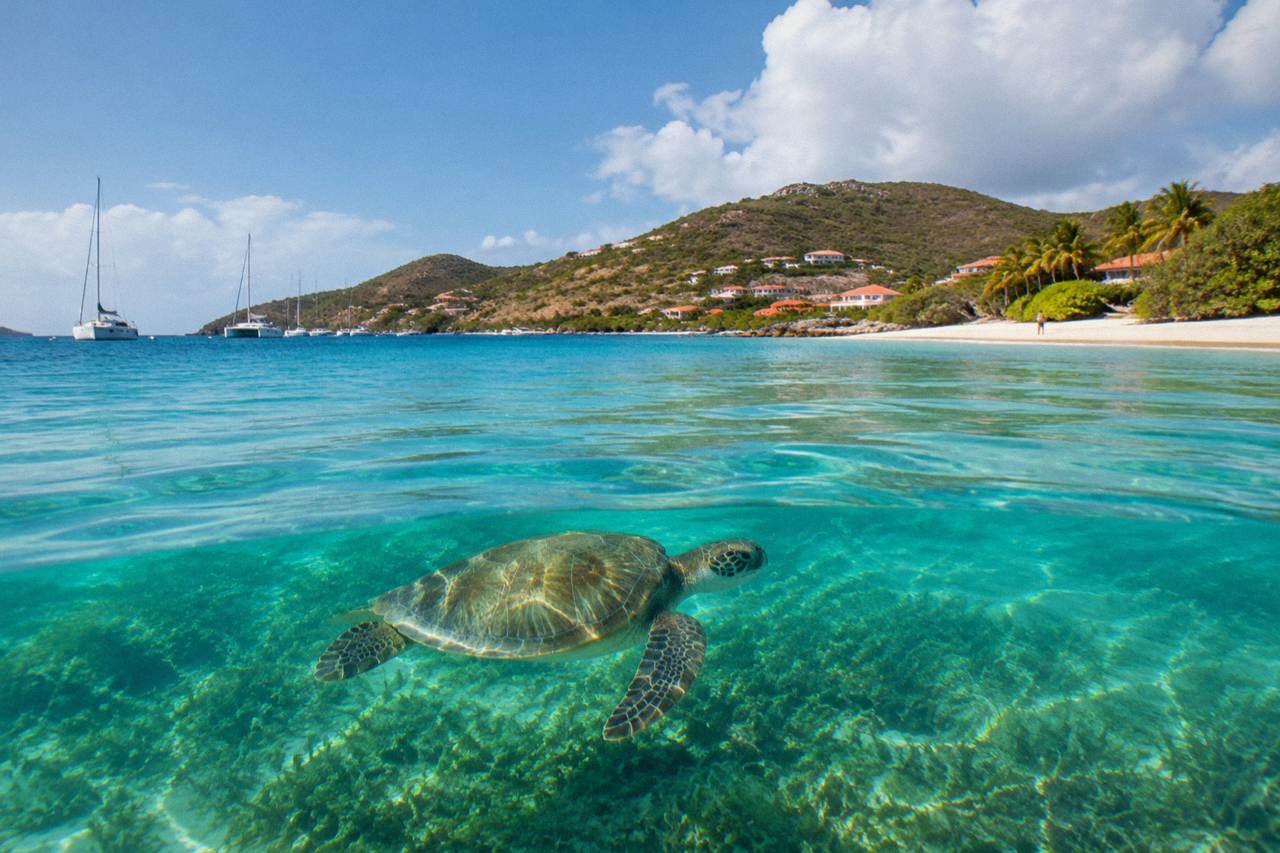
Green and hawksbill sea turtles feed in the waters of the St Barts marine reserve, notably the Grand Cul-de-Sac lagoon and around Colombier. The environment agency forbids touching, chasing or feeding them, bans jet skis, sets a 5-knot limit in its zones and bars dogs from the beaches. Boat day trips that visit these waters depart from St Martin or Sint Maarten.
St Barthelemy, usually written St Barts, is a small French island in the Caribbean whose surrounding waters fall largely inside the Réserve Naturelle Nationale de Saint-Barthélemy, a national marine reserve managed by the island's environment agency. Two sea turtle species, the green turtle and the hawksbill turtle, are described by the agency as common in the reserve's waters, feeding in the seagrass of the Grand Cul-de-Sac lagoon and around Colombier. Seeing one is a matter of being in the right bay at the right hour and following the rules that protect them, rules the agency enforces with speed limits, gear bans and a flat prohibition on touching any turtle.
This guide lays out where turtles are documented around the island, exactly what the reserve's regulatory-zones page says you may and may not do, how to behave in the water with them, and which boat day trips from St Martin reach the bays where they feed. It also covers what to do if you come across a nest on a beach, and answers the questions snorkelers ask most often before a trip. Nothing here promises a turtle on any given day: the agency publishes no sighting schedule, and wild animals keep their own hours. What it does promise is that a day spent in the reserve's bays, done by the rules, is the best-supported way to share the water with them.
Where To See Sea Turtles In St Barts
The environment agency's beach and reserve pages place green and hawksbill turtles in the Grand Cul-de-Sac lagoon and around Colombier, two areas inside the marine reserve where seagrass beds and sheltered water make feeding habitat. The agency describes both species as common there and asks visitors not to touch, chase or disturb them. No page promises a turtle on any particular day, so treat these bays as the documented feeding grounds rather than a guaranteed sighting.
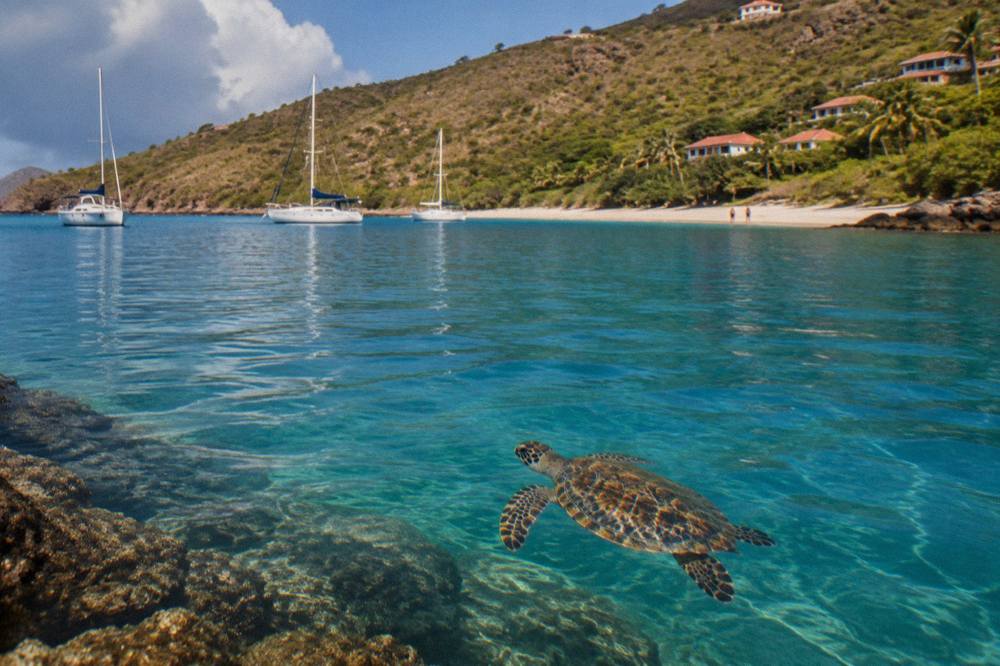
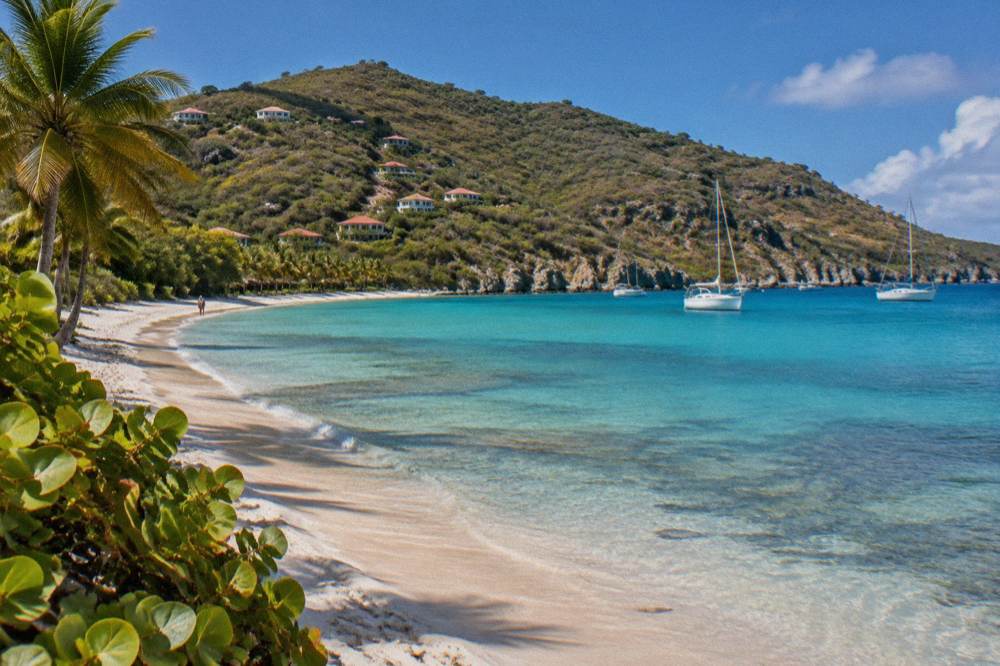
Grand Cul-de-Sac is the shallow, sheltered bay on the island's northeastern side, and the agency's turtle pages single out its lagoon as a place where green turtles feed on seagrass. Because the bay is shallow and the reserve's rules apply in the water, it is the one place where a swimmer or snorkeler standing on a public beach has a realistic chance of sharing the water with a feeding turtle without a boat. All beaches on St Barts are public, so access to the sand costs nothing, and no operator on the island sells an on-island turtle excursion: the list of bookable day trips on this site all depart from St Martin or Sint Maarten and arrive by sea.
Colombier, on the island's northwestern tip, is the other named area. It sits inside the reserve's protected zones, reachable by boat or on foot, and the agency lists it alongside Ile Fourchue as a bay with specific anchoring and mooring rules. Around Colombier, hawksbill turtles are associated with the reef and rock habitat rather than seagrass, which matches how the two species divide their feeding: greens graze grass, hawksbills work the reef. The agency's regulatory-zones page is the reference for what is allowed in each zone, and its beach page covers the shore side of the same rules.
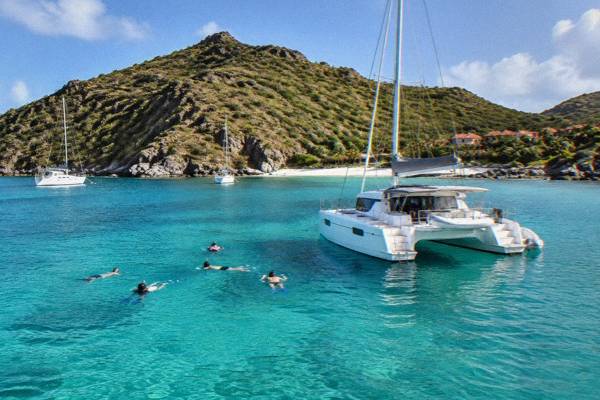
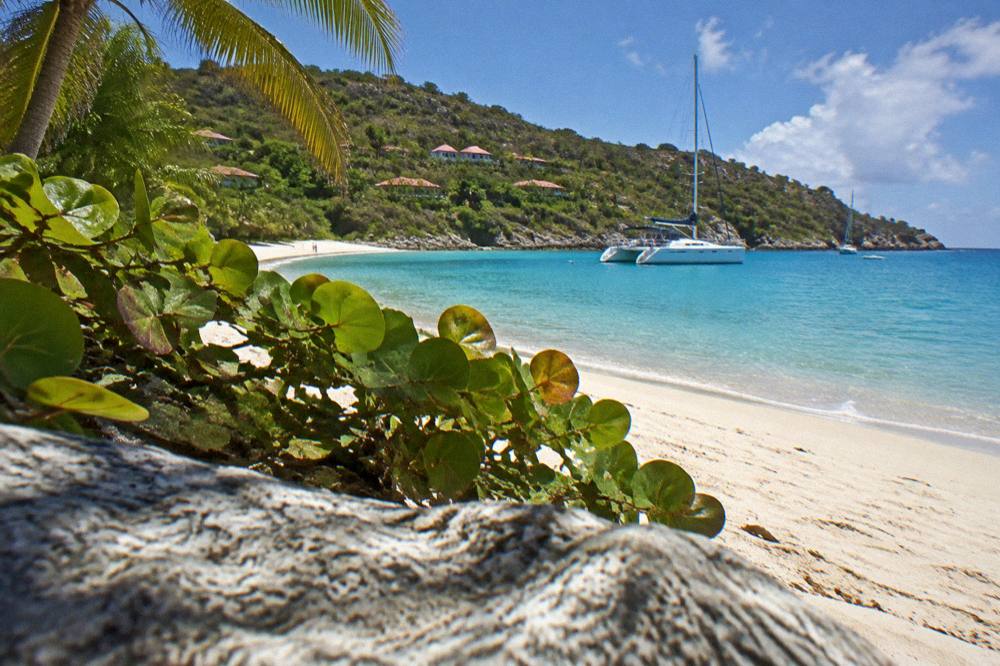
For most travelers staying on St Martin or Sint Maarten, or basing themselves on St Barts and willing to sail out for the day, the practical route into Colombier's water is a boat trip. The featured day trip on this site, the Gustavia, Colombier and Ile Fourchue group sail, spends its day in exactly these bays, with snorkel stops, and you can See the operator's live listing. The broader set of things to do in St Barts covers the island's other public beaches and sights.
St Barts Air And Sea Temperatures By Season
Meteo-France 1991-2020 normals show warm water in every month
| Mean daily high, January | 28.5 C |
|---|---|
| Mean daily high, September | 31.7 C |
| Sea temperature, winter Warm enough for snorkeling in every | about 26 C |
| month | |
| Sea temperature, August to October | about 29 C |
| Hurricane season runs 1 June to 30 November |
Meteo-France 1991-2020 climate normals for St Barthelemy.
What Rules Protect Turtles In The St Barts Marine Reserve?
The environment agency's regulatory-zones page sets a 5-knot speed limit in its zones, bans jet skis, seabobs, electric surfboards and towed sports, forbids touching, chasing or feeding protected species including sea turtles, and bars dogs from beaches and from the water inside the reserve. It also bans gloves in the water, bans collecting coral, shells or sand, and restricts drones near reserve zones. These rules exist to protect turtles and their habitat.
The full list matters because several of the bans catch visitors by surprise. The no-gloves rule, for example, exists to stop people handling marine life, and it applies to snorkelers as much as divers. The collecting ban covers shells, rocks, plants, crustaceans and coral, so the souvenir you pocket from the seabed is contraband. The dog ban is island-wide rather than reserve-specific: a municipal order bars dogs from every beach on St Barts, even on a leash, partly to protect nesting wildlife including turtles. Drones are prohibited in and near the reserve without prior authorization.
The speed limit and the anchoring rules shape the boat side of a turtle day. Inside the reserve's zones, vessels hold to 5 knots, and in Colombier and Ile Fourchue bays the agency prefers ecological mooring buoys over anchoring, with restrictions on vessel size and time. Noise pollution and underwater lighting are also addressed by the rules. For a swimmer, the short version is simple: keep distance, keep your hands to yourself, and let the animal choose whether to stay.
How Do You Snorkel Responsibly Around Turtles In St Barts?
Snorkel slowly, keep several body lengths of distance, never block a turtle's path to the surface, and never touch, chase or feed it, which the reserve's rules explicitly forbid. Fins stay off the reef and seagrass, gloves stay on the boat, and nothing leaves the water, not shells, not coral, not sand. If a turtle approaches you, stay still and let it pass. Report any nest or injured turtle to the environment agency.
The surfacing rule is the one that matters most in practice. Turtles are air-breathing reptiles that feed underwater and must rise to breathe, and a swimmer parked directly above a feeding animal can cut off that route. Horizontal distance solves it: angle off to the side, float, and watch. The agency also asks visitors to reduce light and noise near nesting areas, which on a practical level means no flash photography at dusk on a beach and no drones over the shoreline.
Gear discipline is straightforward. Fins that kick the seabed stir sediment over the seagrass the greens are grazing and can break coral the hawksbills are working. The gloves ban removes the temptation to grab. Snorkel vests and pool noodles are fine; scooters, seabobs and any motorized or electric propulsion in the water are not, and the reserve's zone rules name them directly.
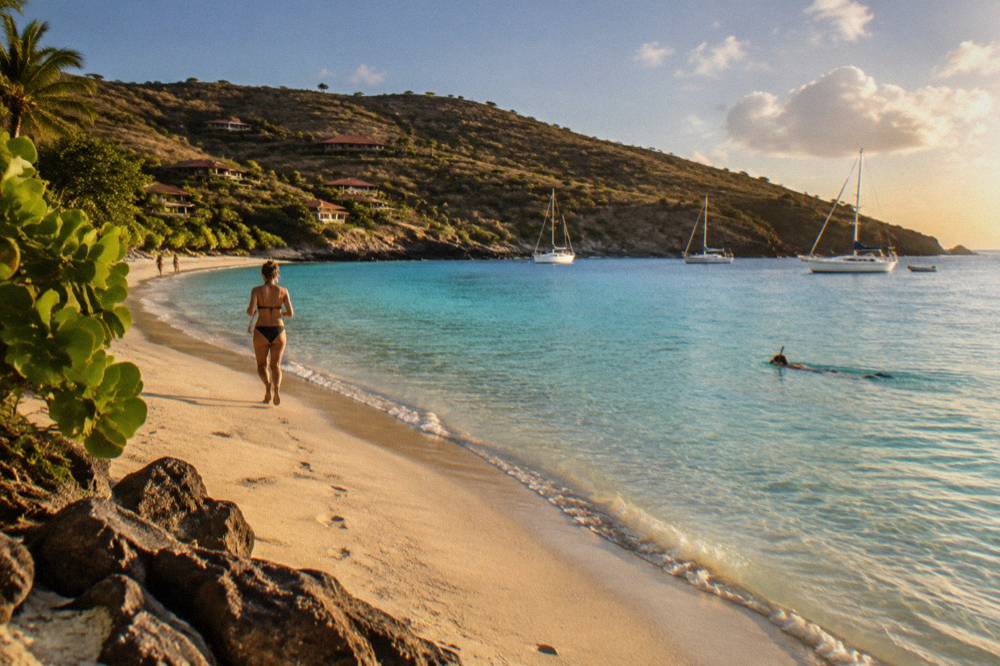
Time of day and conditions are worth planning even though no source promises calm water anywhere. The Meteo-France normals for St Barthelemy, 1991-2020, show the island warm year round, with a mean daily high of 28.5 C in January rising to 31.7 C in September, so the water is warm in every month; sea temperature runs about 26 C in winter to about 29 C from August to October. Hurricane season runs 1 June to 30 November with its peak from mid-August to mid-October, and the crossing from St Martin can be rough, so sea state, not temperature, is the variable that decides a boat day. The operators' live listings show weather-cancellation terms.
What Kinds Of Turtles Live Around St Barts?
Two species are documented around the island by the environment agency: the green sea turtle, a seagrass grazer associated with the Grand Cul-de-Sac lagoon, and the hawksbill turtle, a reef feeder associated with rocky habitat such as the waters around Colombier. Both are protected species under the reserve's rules, and both are strictly off limits to touch, chase, feed or handle.
Neither species is unique to St Barts; both range across the Caribbean, and both are listed as threatened internationally. What the island offers is protected habitat inside a national reserve with enforcement and clear rules, which is why the agency can describe them as common in specific bays rather than occasional. Telling the two apart in the water is a matter of shape and behavior: the green turtle has a smoother, rounder shell and is most often seen cropping seagrass in the lagoon, while the hawksbill has a serrated shell edge and a beak-like mouth suited to prying at reef surfaces. The full index of guides sits on St Barthelemy Travel.
The reserve also protects their habitat rather than just the animals. Seagrass beds, reef structure and nesting beaches all fall under the agency's zones, and the beach rules, from the dog ban to the light-and-noise guidance near nesting areas, exist because turtles come ashore to nest on the island's beaches. The agency asks that any nest or sighting be reported to it directly.
Turtle Species And Habitat Around St Barts
| Species | Feeding habitat noted by the agency | Where typically seen | Reserve protection |
|---|---|---|---|
| Green sea turtle | Seagrass beds | Grand Cul-de-Sac lagoon | No touch, no chase, no feed |
| Hawksbill turtle | Reef and rock habitat | Waters around Colombier | No touch, no chase, no feed |
Marine Reserve Rules That Affect A Turtle Day
| Rule | What it means in practice | Applies to |
|---|---|---|
| 5-knot speed limit | Boats slow to a crawl inside reserve zones | All vessels in zones |
| No touching turtles | Hands off, always, even if approached | Swimmers, snorkelers, divers |
| No feeding protected species | Do not bait or attract animals | Everyone in the water |
| No gloves in the water | Prevents handling and collecting | Snorkelers and divers |
| No collecting | Shells, coral, sand and rock stay put | Everyone |
| No jet skis or towed sports | Motorized water toys are banned in the reserve | All users |
| No dogs on beaches | Island-wide, even on a leash | Beach visitors |
| Drones restricted | Authorization required near reserve zones | Drone operators |
Can You See Turtles From The Shore In St Barts?
Yes, in principle, and the Grand Cul-de-Sac lagoon is the documented case: a shallow public beach and bay where green turtles feed on seagrass close enough to shore that a swimmer can encounter one without a boat. The agency names the lagoon specifically, all beaches are public and free, and the same no-touch rules apply from the sand as from a deck. No source promises a sighting on any given day.
This is the budget answer to the turtle question. St Barts has no on-island bookable excursion of any kind, and no walking tour exists either; what it has instead is a ring of public beaches, one of which fronts a documented feeding lagoon. Grand Cul-de-Sac sits at the end of its own road on the island's northeast side, and the area guide to Grand Cul-de-Sac covers the bay's position and access. Arrive early or late in the day for the flattest light and calmest water, swim out gently over the grass beds, and float.
The shore option has one hard limit: hawksbill habitat around Colombier is harder to reach without a boat or a hike, and the bay's shore side involves the Colombier trail. The Colombier beach guide and the Colombier hike guide cover that approach. The environment agency prints no walking time, no trail difficulty rating and no parking claim for it, and neither does this site.
What the shore option cannot give you is Ile Fourchue, the small protected island west of St Barts that appears in the reserve's mooring rules alongside Colombier. That is boat territory, which is why the day trips below exist. Before booking anything, the practical pages on how to get to St Barts and the ferry operators and schedule guide cover the crossing from St Martin, which runs from Philipsburg with Great Bay Express, about 45 minutes, or from Marigot with Voyager, about 50 to 60 minutes.
What Should You Do If You Find A Turtle Nest In St Barts?
Keep your distance, do not touch the eggs or the sand around them, keep light and noise down, keep dogs away, and report the nest to the environment agency, whose published emergency number for nests and turtle sightings is 06 90 31 70 73. The agency also asks that waste be removed from nesting beaches, since debris and dogs are documented threats to nests.
The beach-side rules serve the nesting cycle. Female turtles come ashore at night to lay, hatchlings emerge weeks later and head for the brightest horizon, which is why the agency asks for reduced light near nesting areas: a phone torch or a beach bonfire can misdirect a hatchling inland. The practical tourist behavior is simple. Fill in any hole you dig in the sand before you leave, take your rubbish with you, and if you see a tracked-up patch of sand above the tide line that looks like a nest, do not investigate it with your hands.
Dogs are a special case because the island bans them from every beach anyway, so the rule is already decided: leave the dog at your villa or hotel. If you are traveling with one, the municipal order and the reserve rules both apply, and the fine risk described on the agency's beach page is real. The same page lists waste and dogs as the main human-linked threats to nests on the island.
Injured or entangled turtles go to the same number. Do not attempt to move a stranded adult or push a hatchling to the water; the agency's guidance is to report and let trained responders handle it. None of this requires any special equipment or fee, which is consistent with the island's general position that its beaches and open public places are free and unguided.
Which Boat Tours Visit Turtle Waters Near St Barts?
Every bookable trip listed here departs from St Martin or Sint Maarten and sails to St Barts, with the group sail and several private charters stopping at Colombier and Ile Fourchue, the reserve bays the environment agency associates with turtle habitat. None departs from St Barts itself, none is sold as a turtle-guarantee trip, and all snorkeling inside the reserve follows the no-touch rules described above.
The per-person option is the group sail and snorkel day, which runs only from 12 May to 31 August 2027 on its listing and spends its route among Gustavia, Colombier and Ile Fourchue. Outside that window, the trip list is private charters priced per group: an 8-hour full-day charter, a private charter from St Martin, a Nikki Beach charter, a 7.5-hour private sailboat, and a 2-day 1-night private catamaran for anyone who wants the overnight version of the same waters. Prices, ratings and durations render in the blocks below from the live listings; this page never types them.
Comparing The Boat Day Options For Turtle Waters
| Trip | Type | Departure | Reaches Colombier or Ile Fourchue | Best for |
|---|---|---|---|---|
| Gustavia, Colombier and Ile Fourchue group sail | Group day trip, per person | St Martin / Sint Maarten | Yes, both | Solo travelers and pairs |
| Private charter from St Martin | Private day charter | St Martin | Yes, itinerary with the captain | Families, own schedule |
| Full-day private charter | Private day charter | St Martin / Sint Maarten | Yes, itinerary with the captain | Groups up to 10 |
| 7.5-hour private sailboat | Private sailing day | Sint Maarten | Yes, sailing route | Sail preference |
| Nikki Beach private charter | Private day charter | Sint Maarten | Boat plus beach club stop | Combining boat and shore |
| 2-day 1-night private catamaran | Overnight charter | St Martin | Yes, overnight in the area | A full slow circuit |
Whichever you pick, the crew handles the reserve rules as a matter of course: the 5-knot zones, the ecological moorings at Colombier and Ile Fourchue, and the no-touch brief before anyone gets in the water. Your job as a guest is the part the rules assign to you personally, which is hands off the animals, fins off the seabed, and nothing collected. If you are still choosing between a boat day and basing on the island, the guides to St Barts hotels and renting a car in St Barts cover the stay-and-explore version of the trip.
When Is The Best Time Of Year For Turtle Waters In St Barts?
The water is warm enough for snorkeling in every month, with sea temperature of about 26 C in winter rising to about 29 C from August to October, so the choice of season is about sea state and island rhythm rather than temperature. Hurricane season runs 1 June to 30 November with its peak from mid-August to mid-October, and many hotels and restaurants close each autumn and reopen between mid-October and early November.
The Meteo-France normals, 1991-2020, frame the year: a mean daily high of 28.5 C in January to 31.7 C in September, 891.3 mm of rain across the year, with October the wettest month at 135.6 mm and February the driest at 38.4 mm. Rain on a tropical island mostly comes in showers rather than all-day gray, but the autumn months combine the wettest normals with the hurricane peak, and the ferry crossing from St Martin can be rough when the sea is up, so a boat-based turtle day in that window is more likely to be rescheduled.
The other seasonal fact worth knowing is the group sail's own calendar: its per-person departures run from 12 May to 31 August 2027 on its listing, which places the one per-person option squarely in the late spring and summer shoulder. The private charters run year round at sea, subject to weather. For trip planning by month, the best time to go season guide breaks the whole year down, and the St Barts hurricane season guide covers the storm window in detail.
Common Questions About Sea Turtles In St Barts
Can you swim with sea turtles in St Barts?
Yes, in the sense that green and hawksbill turtles feed in waters you can swim and snorkel in, notably the Grand Cul-de-Sac lagoon and around Colombier. The reserve's rules apply the moment you enter the water: no touching, chasing or feeding, no gloves, nothing collected. No operator offers a guided on-island turtle swim; boat day trips from St Martin visit the bays with snorkel stops.
What kind of turtles are in St Barts?
The environment agency documents two species commonly present: green sea turtles, which graze seagrass in the Grand Cul-de-Sac lagoon, and hawksbill turtles, associated with reef and rock habitat such as the waters around Colombier. Both are protected under the marine reserve's rules.
Is it legal to touch a sea turtle in St Barts?
No. The environment agency's regulatory-zones page forbids touching, chasing or feeding protected species, with sea turtles named explicitly, and adds a no-gloves rule in the water designed to stop handling. Violations fall under the reserve's enforcement.
Where is the best place to see turtles in St Barts?
The two documented areas are the Grand Cul-de-Sac lagoon for green turtles and the waters around Colombier for hawksbills, per the environment agency. Grand Cul-de-Sac is reachable from a public beach without a boat; Colombier is reached by boat or on foot. No source guarantees a sighting on a given day.
What do you do if you find a turtle nest on a St Barts beach?
Keep back, keep lights and noise down, keep dogs away, and report it to the environment agency at 06 90 31 70 73. Do not touch the eggs or disturb the sand, fill in any holes you dug, and take your rubbish with you.
Are there turtle tours that leave from St Barts itself?
No tour listed here departs from St Barts. Every bookable trip leaves from St Martin or Sint Maarten and sails to St Barts, stopping at reserve bays including Colombier and Ile Fourchue. From the island's own shore, the public beaches and the Grand Cul-de-Sac lagoon are the free, unguided alternative.
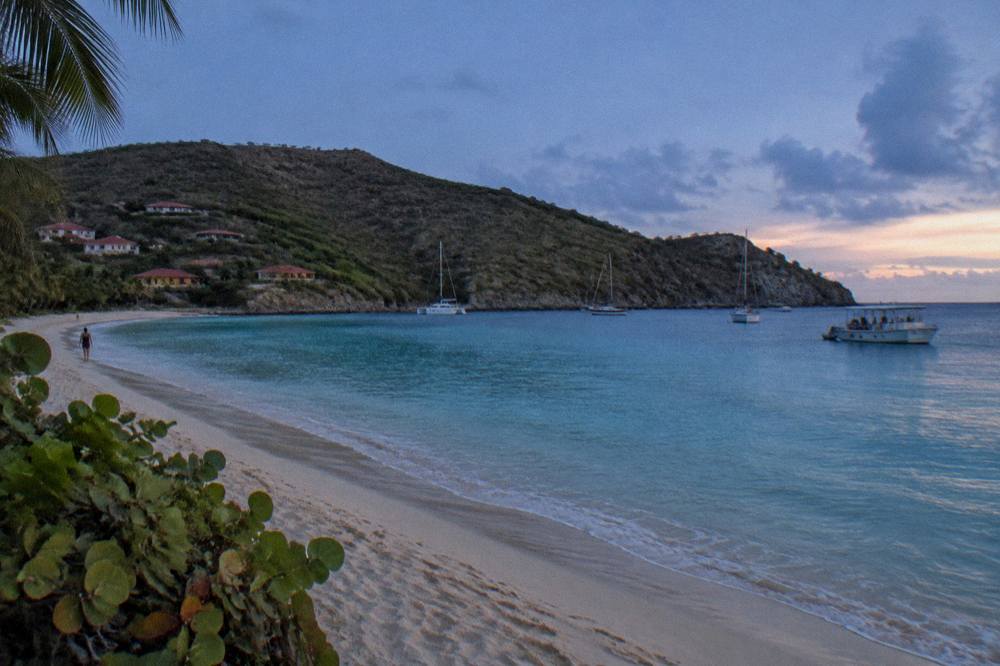
A turtle day in St Barts comes down to three honest facts: the animals are documented and protected in specific bays, the rules that protect them are short and easy to follow, and the boats that reach the best of those bays leave from the neighboring island. Float quietly over the seagrass at Grand Cul-de-Sac, or let a crew from St Martin put you over the reef at Colombier, and let the turtle decide the rest.