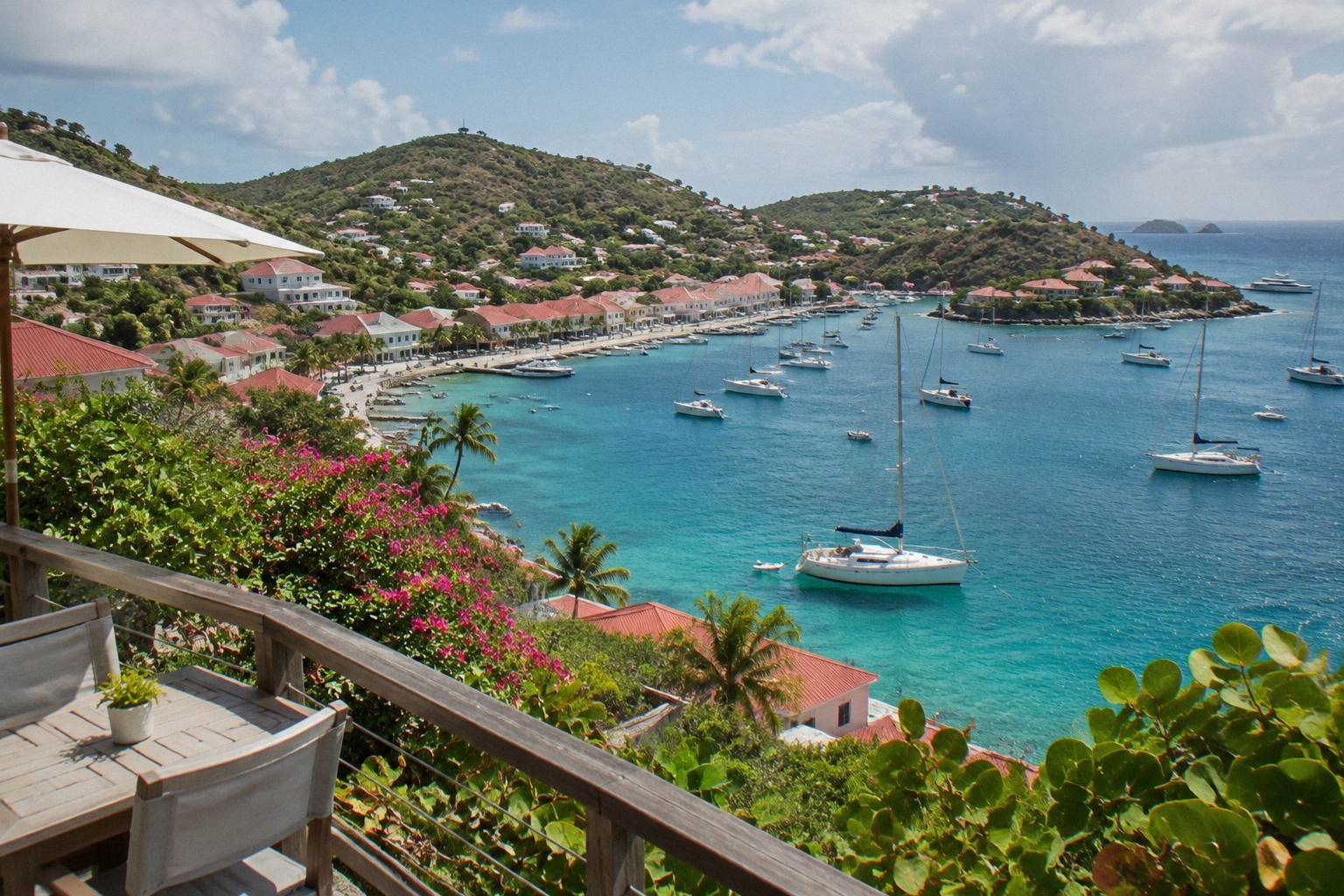
Wall House Museum
The Wall House Museum sits on the quay in Gustavia, the harbour capital of St Barthelemy, and collects the island's paperwork, maps and everyday objects in one small public building facing the water.
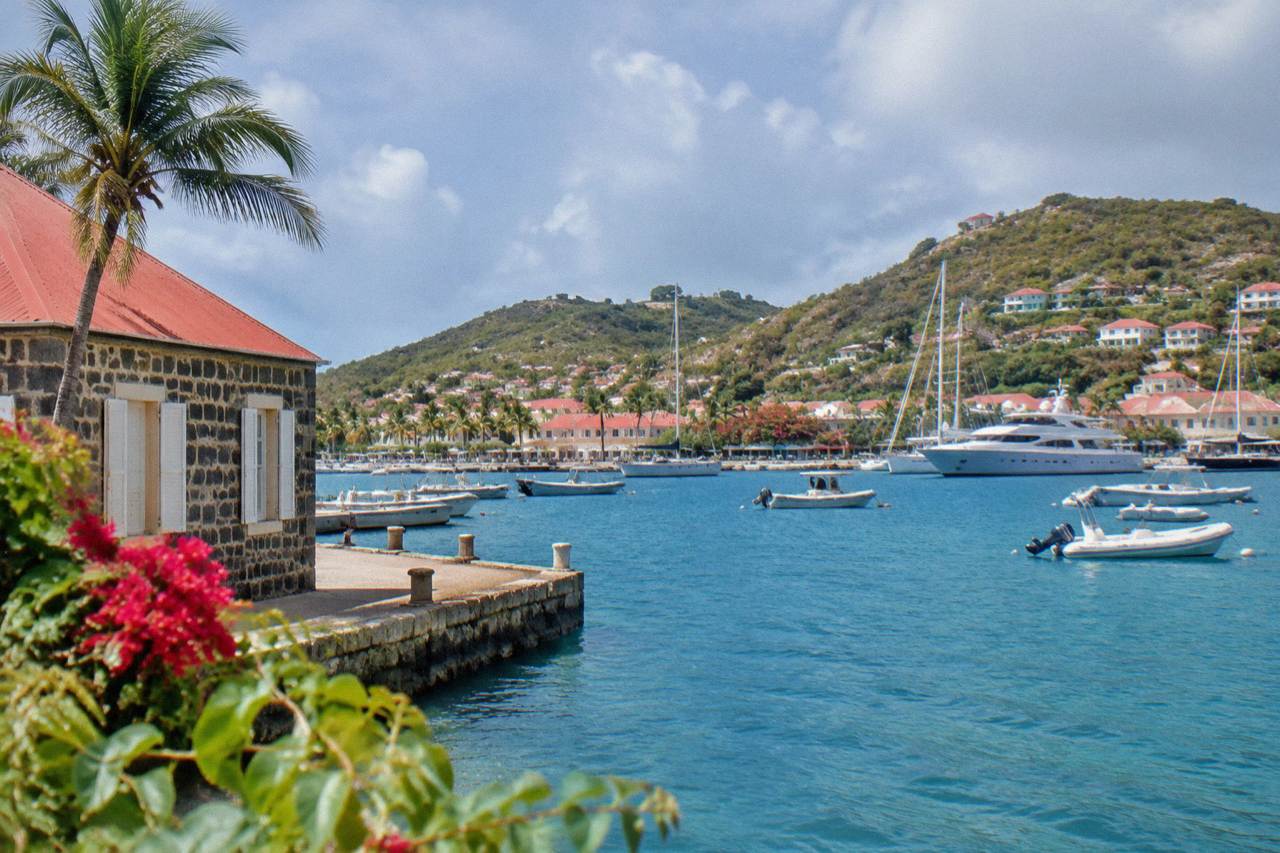
The Wall House Museum is a small history museum on the Gustavia harbor front in St Barts, steps from the ferry quay and the town's stone warehouses, covering the island's past in documents, maps and objects.
St Barthelemy, usually written St Barts, keeps its history in unexpected places, and the Wall House Museum is one of them: a small stone building on the Gustavia harbor front where the island's past is gathered into maps, documents and everyday objects. Gustavia is the capital and harbour town of this French Caribbean island, an overseas collectivity of France since 2007, and the museum stands right on the quay where ferries from St Martin tie up and superyachts swing on their moorings. This page from St Barthelemy Travel covers what the museum is, where it sits, what a visit involves, and how to fold it into a wider day around Gustavia and the coast.
What Is The Wall House Museum In St Barts?
The Wall House Museum is a small public history museum on the Gustavia harbor quay in St Barts, the capital of St Barthelemy, and it presents the island's past through maps, documents, photographs and everyday objects rather than through large collections. It sits in a stone building that belongs to the old harbor row, a short walk from where the ferries arrive. The museum is one of only a handful of indoor cultural sites on an island of about 21 square kilometres and roughly 10,700 residents, alongside the Saint-Barthelemy museum pieces displayed elsewhere in town and the shell collection at Corossol.
The island's historical record is short and specific: St Barthelemy became a French overseas collectivity in 2007, Hurricane Irma struck in September 2017, and the airport is named for Gustaf III. The Wall House Museum exists because the island's story is broader than those dates, and its displays, which the tourism committee's listings describe in general terms as the island's heritage, give a rainy-day or hot-afternoon alternative to the beaches. No opening hours, ticket price or exhibit inventory for the museum is given here, so confirm those details locally in Gustavia before counting on a visit.
That absence of printed detail matters less than you might think. The museum's value is its position: it is one of the few free-of-crowds, walk-in cultural stops in a town that is otherwise about the harbor, the boutiques and the quays. If the doors happen to be shut, the walk along the harbor row past the stone warehouses delivers much of the same atmosphere.
Where Is The Wall House Museum In Gustavia?
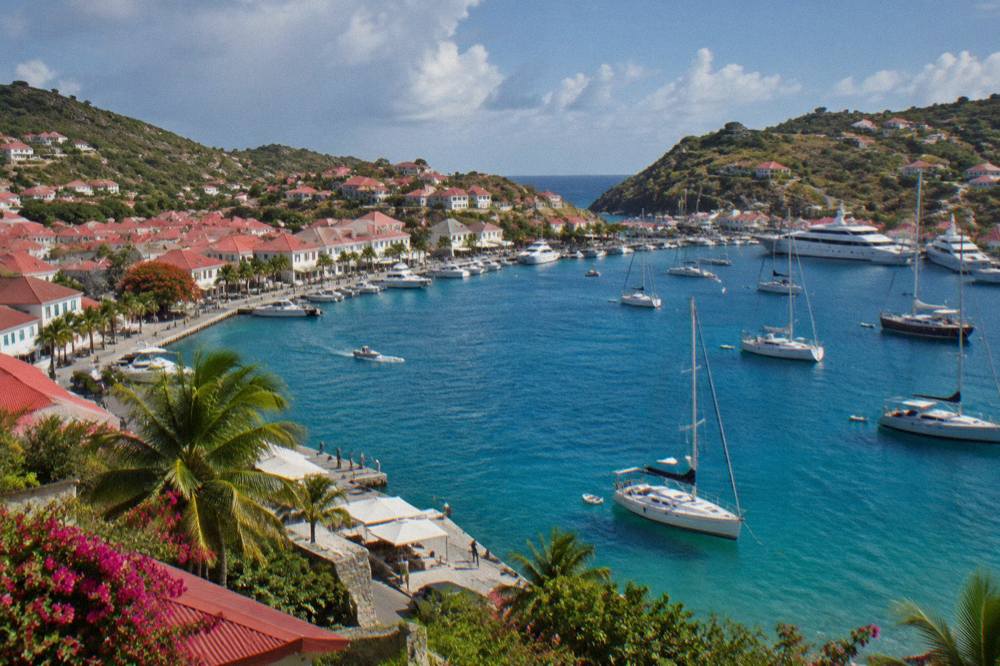
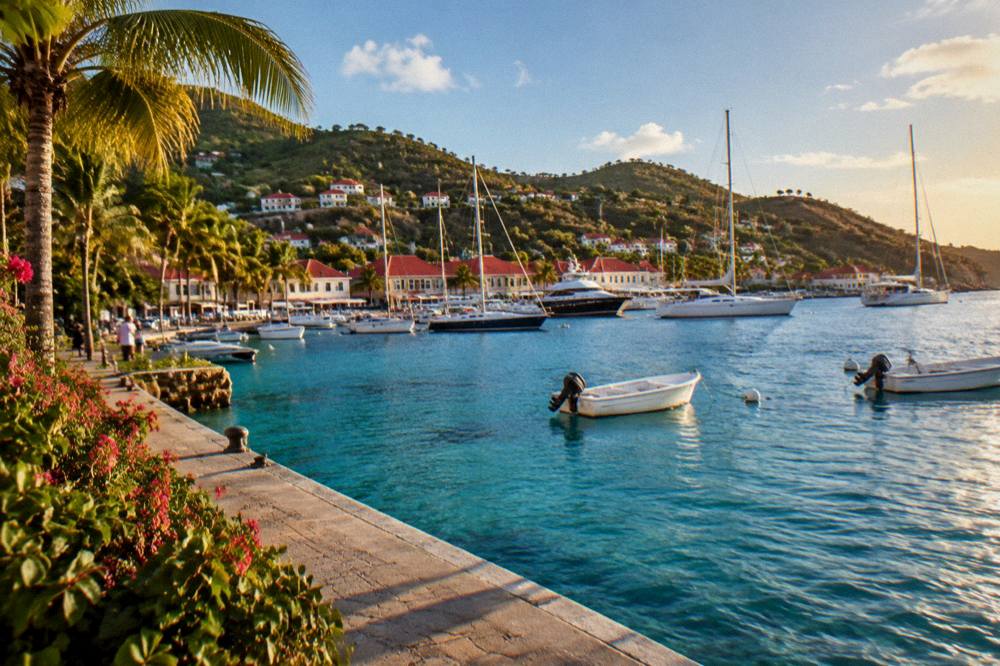
The Wall House Museum stands on the harbor front in Gustavia, on the quay side of St Barts' capital, within a short walk of the ferry dock, the main shopping streets and the town's other landmarks such as Fort Karl and Fort Gustaf, which sit on the headlands above the harbor. Gustavia wraps around a U-shaped bay, and the harbor row of stone and clapboard buildings faces the water where yachts and tenders come and go. Everything in the town core is reachable on foot.
The layout is simple. The quay runs along the waterline, the shopping streets climb behind it, and the forts occupy the high ground at either side of the bay. A visitor arriving by ferry from St Martin walks off the dock straight into this core. A visitor arriving by small plane at Gustaf III Airport, up the hill at Saint-Jean, reaches town by taxi or rental car. The drive is short but steep in places, on the narrow roads typical of the island.
| Landmark | Position Relative To Gustavia Harbor |
|---|---|
| Wall House Museum | On the quay, harbor side of the town core |
| Ferry dock | On the waterfront, a short walk along the quay |
| Fort Karl | Headland at one side of the bay, above the harbor |
| Fort Gustaf | Headland at the other side of the bay, above the harbor |
| Shell Beach (Grand Galet) | Short walk west of the harbor, beyond the quay |
| Gustaf III Airport | At Saint-Jean, over the hill from Gustavia |
Cruise visitors should note one structural fact: ships tender to Gustavia, there is no cruise pier, so even ship passengers arrive on the same waterfront as everyone else. The town is compact enough that a tender arrival, a museum stop and a lap of the harbor fit inside a normal port call. Pair the visit with the Gustavia harbor guide for the full waterfront picture, and with Fort Karl and Fort Gustaf for the headland walks.
What Can You See Inside The Wall House Museum St Barts?
Inside, the Wall House Museum presents the heritage of St Barts in displays of documents, maps, photographs and objects connected to the island's past, housed in a historic stone building on the Gustavia quay; a visit is best treated as a small, quiet browse rather than a scheduled tour. What the tourism committee's materials describe is a heritage collection in the harbor row, complementing the Swedish-era story also told at the island's other history displays, which the St Barts museum and Swedish history page covers in parallel.
Gustavia's name and the island's Swedish chapter are the reason so much of the town's built fabric looks as it does: stone warehouses, thick walls, and building names that have followed the harbor through its changes. The museum building itself belongs to that fabric. The town is the capital, the island has been a French overseas collectivity since 2007, and the buildings around the quay predate that by a long way. Specific dates, architects and restoration stories are not recorded.
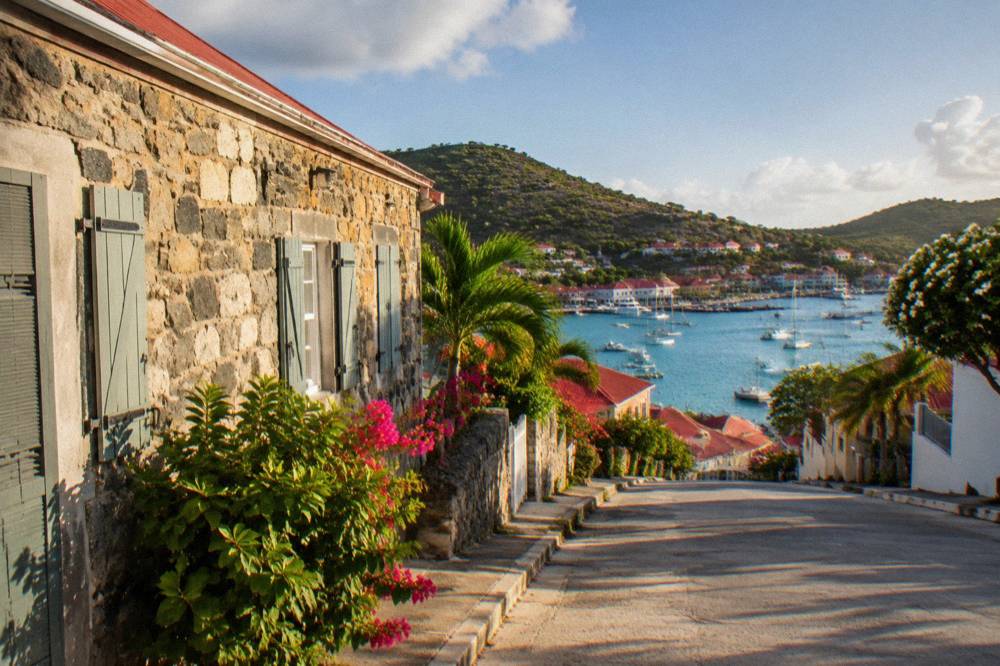
For practical planning, treat the museum as a 30-to-60-minute stop in the middle of a Gustavia walk rather than a destination in its own right. The climate supports that: Meteo-France normals, 1991-2020, put the mean daily high at 28.5 C in January and 31.7 C in September, so a midday indoor stop is a natural fit in any month.
| Month | Mean Daily High (C) | Mean Daily Low (C) | Rain (mm) |
|---|---|---|---|
| January | 28.5 | 23.5 | 52.6 |
| April | 29.8 | 24.2 | 50.9 |
| July | 31.2 | 26.0 | 80.4 |
| October | 31.4 | 25.8 | 135.6 |
Source for figures: Meteo-France climate normals, 1991-2020, for the St Barthelemy station. October is the wettest month in the table at 135.6 mm, which makes indoor stops like the museum more useful in autumn, though no month on the island is cold.
How Does The Wall House Museum Fit Gustavia's Swedish Story?
The Wall House Museum sits in a town whose streets, stone warehouses and very name carry a layered colonial past, and the one dated fact that stands for St Barts here is its status as a French overseas collectivity since 2007, so the museum should be read as the local keeper of a story whose specific dates, treaties and building chronologies are best learned on site rather than from a distance. Gustavia is named for a Swedish king, and the island's period under the Swedish crown is the chapter most associated with the harbor's stone architecture, a matter of naming and fabric.
The town core is where that story is legible. The harbor row, the forts on the headlands and the street names form a coherent historical landscape that can be walked in under an hour, with the museum as the indoor anchor. Visitors who want more can also look at Corossol village on the leeward side, a traditional settlement whose shell museum holds a very different collection: worked shells rather than documents.
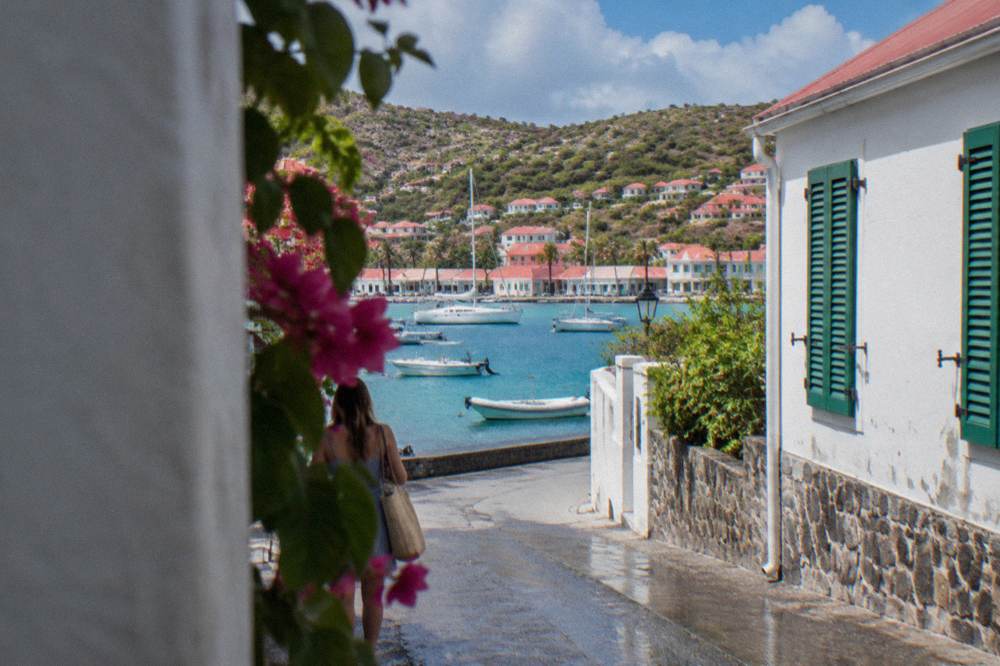
Two cautions keep this honest. First, no walking tour is listed here: no free or tip-based guided walk is bookable on St Barts, and the beaches and open public places are the island's free attractions. Second, the forts and the lighthouse around Gustavia are map landmarks: name them, walk to them, but expect no interpretive panels, hours or trail descriptions to be guaranteed here.
What Else Can You See Around Gustavia In St Barts?
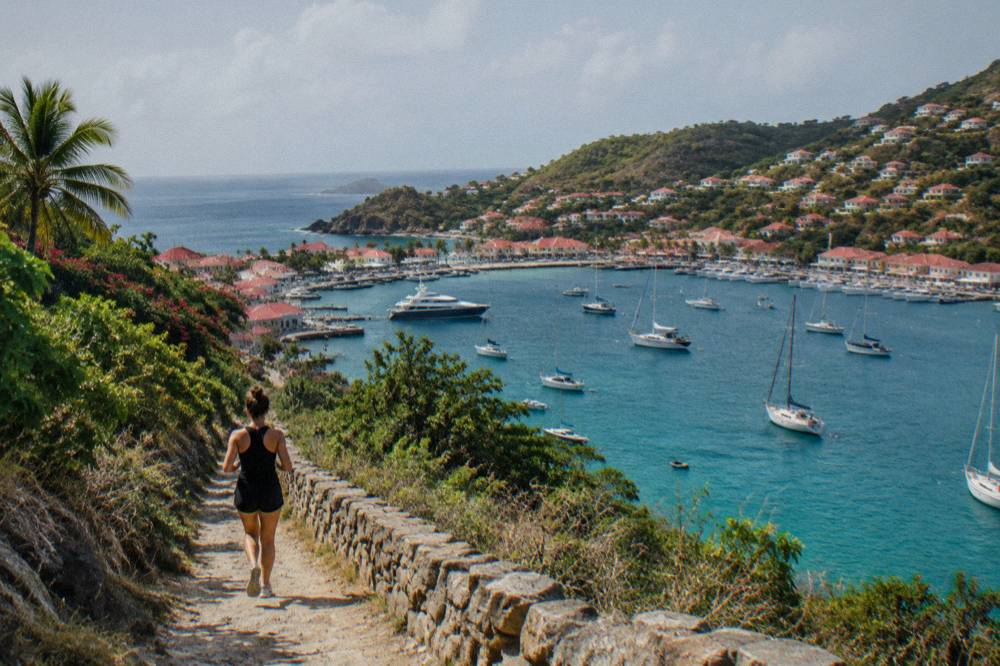
Around the Wall House Museum, Gustavia packs a compact set of sights into a walkable core: the harbor itself with its tenders and superyachts, the headland forts at either side of the bay, the boutique streets behind the quay, the famous cash-only institution Le Select, and Shell Beach a short walk west of the harbor, all within a town you can cross on foot in well under an hour. The museum is the natural midpoint of that loop.
| Stop | What It Is | Where It Sits |
|---|---|---|
| Gustavia harbor | Working yacht harbor and waterfront | Center of town |
| Wall House Museum | Small heritage museum | On the quay |
| Fort Karl | Headland fortification and viewpoint | Above the harbor |
| Fort Gustaf | Headland fortification and viewpoint | Above the harbor |
| Le Select | Long-standing town bar institution | Behind the quay |
| Shell Beach (Grand Galet) | Public beach | Short walk west of the harbor |
Beyond town, the public beaches ring the island: Gouverneur, Saline, Colombier, Flamands, Saint-Jean, Lorient, Grand Cul-de-Sac and Toiny among them, every one of them public under island law. The environment agency's regulatory-zones page lists the marine reserve's rules for the water around them: a 5-knot limit in protected zones, no jet skis, 23 listed dive sites, no dogs on beaches and no touching of turtles. Those rules shape any boat day out of the harbor.
When Is The Best Time To Visit The Wall House Museum In St Barts?
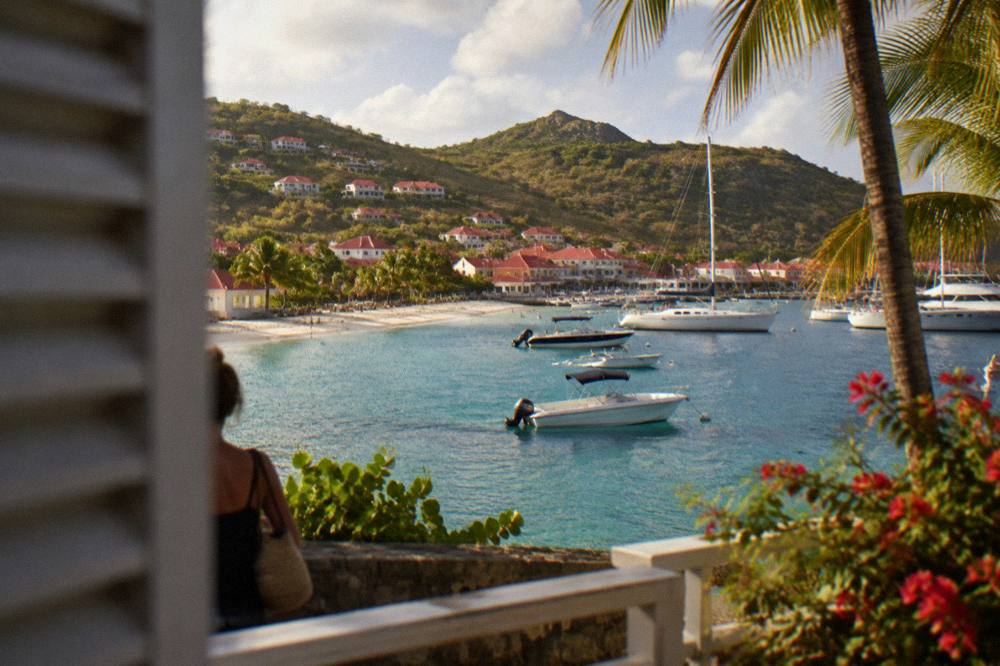
Any month works for the Wall House Museum itself, since St Barts stays warm year round with mean daily highs between 28.5 C in January and 31.7 C in September per the Meteo-France normals of 1991 to 2020, but the surrounding season matters: the December to April high season brings full hotel and restaurant operation, while late August to mid-October brings the hurricane-season peak and the annual autumn closures that see many properties shut and reopen between mid-October and early November. The museum, being a public cultural site rather than a hotel restaurant, is not part of that closure wave in any way the record confirms.
The seasonal rhythm of the island is worth a table, because it drives everything around a museum visit:
| Period | Season Character | Notes For Planning |
|---|---|---|
| December to April | High season | Full operation, events cluster, harbor busiest |
| May to June | Shoulder | Warm, quieter, sea about 27 C |
| July to mid-August | Warm low season | Music Festival falls in January, not here |
| Mid-August to mid-October | Hurricane-season peak | Many hotels and restaurants closed |
| Mid-October to November | Reopening wave | Properties reopen through this window |
Hurricane season runs 1 June to 30 November in the Atlantic, with the climatological peak near 10 September; Irma struck the island in September 2017. No storm can be predicted for a date, and this site does not try. What the calendar does give is events: the St Barth Music Festival runs 8 to 18 January 2027 in its 43rd edition, the Gourmet Festival runs 9 to 15 November 2026, the Bucket Regatta falls in mid-March, and Les Voiles de St Barth and the Film Festival land in April and late April or early May respectively on their organizer's announcements. A museum stop slots easily into any of those weeks.
How Do You Combine The Wall House Museum With A St Barts Boat Day?
The strongest pairing for the Wall House Museum is a morning on the water and an afternoon in Gustavia, because every bookable boat tour listed here departs from St Martin or Sint Maarten and calls at St Barts, so day-trippers step off the ferry or a charter directly onto the same quay the museum stands on. The two scheduled ferry operators are Great Bay Express from Philipsburg on the Dutch side, a crossing of about 45 minutes, and Voyager from Marigot on the French side, about 50 to 60 minutes; both are about figures from the operators, the crossing can be rough, and fares belong on the operators' own pages.
For travelers already lodged on St Barts, the same logic runs in reverse: the harbor is the island's transport hub, so a museum visit tags naturally onto any harbor errand, a ferry send-off, or an evening on the quay. The full picture of crossing options, airports and connections is in the site's guide to getting to St Barts landing page and its linked transport guides.
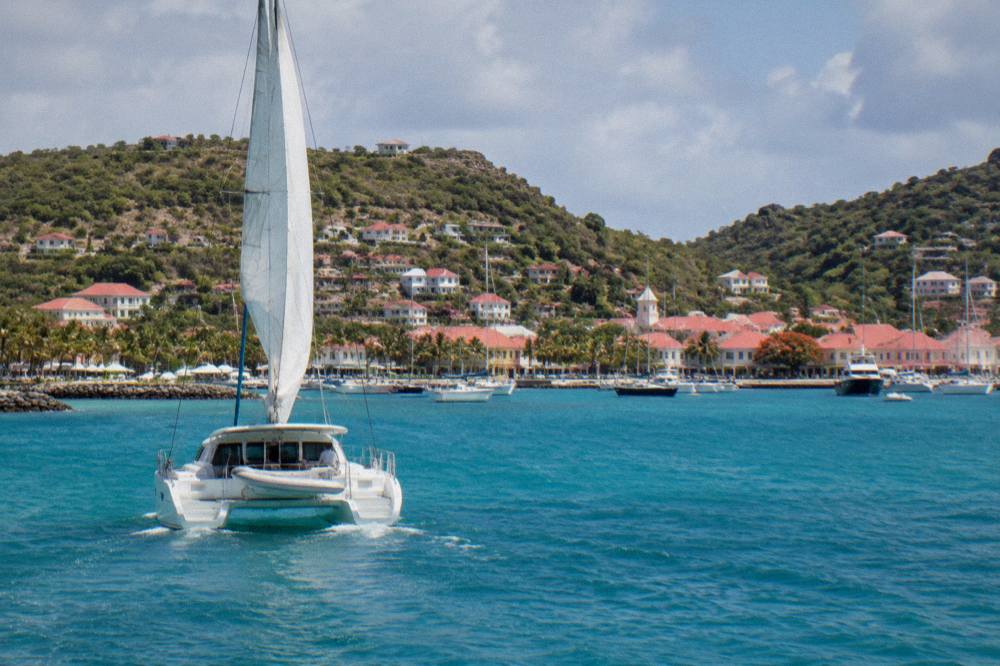
The day trips by water, all departing from St Martin or Sint Maarten, look like this in outline; prices, ratings and durations render in the listing blocks below rather than in prose:
The group sail listed above is the one per-person product listed here, and its listing dates the per-person sail to 12 May to 31 August 2027; the rest of the trip list consists of private charters priced per group. None of them departs from Gustavia, so none conflicts with a museum afternoon.
Is The Wall House Museum Worth Your Time In St Barts?
For travelers who like their islands with context, yes: the Wall House Museum costs little time, sits on the main quay of St Barts' only town, and is one of the few indoor stops on an island otherwise defined by its public beaches and its water, making it a sensible add-on rather than a reason to travel. The honest framing is that St Barts is an outdoor destination: all beaches are public, the marine reserve sets the tone on the water, and the town itself is the main man-made attraction.
The decision matrix is simple. Rain in the forecast, or a tender port call, or an hour to kill before a ferry: the museum earns its place. A pure beach-and-boat week: skip it without guilt. Families can split the difference, since the harbor loop with its forts and the short walk to Shell Beach entertains children who have no patience for display cases.
What Should You Know Before Visiting The Wall House Museum In St Barts?
Before visiting, know that the Wall House Museum is a small municipal-style heritage site on the Gustavia quay in St Barts whose hours and admission are not carried in this site's available information, that Gustavia itself is fully walkable and reached by taxi, rental car or ferry, and that no guided walking tour of the town is bookable listed here, so the visit is self-guided by nature. Confirm hours locally, in person or through the tourism committee's office, before structuring a day around it.
The island uses the euro, French is the official language with English widely spoken, and the time zone is UTC-4 with no daylight saving.
For travelers arriving by sea on a private basis, the harbor also handles yacht arrivals, and the charter options from St Martin cover both day trips and an overnight catamaran product. Each of those is covered on its own tour page on this site.
Common Questions About The Wall House Museum In St Barts
What is the Wall House Museum in St Barts?
It is a small heritage museum on the Gustavia harbor quay in St Barts, the capital of St Barthelemy, displaying documents, maps, photographs and objects connected to the island's past.
Where is the Wall House Museum located?
It stands on the harbor front in Gustavia, on the quay side of the town core, within a short walk of the ferry dock, the shopping streets, the headland forts and Shell Beach on the west side of the harbor.
How much time should you allow for the Wall House Museum?
Treat it as a 30-to-60-minute stop in the middle of a Gustavia walk. The town core, the harbor loop and the headland forts fit comfortably into a half day at a relaxed pace.
Is there a guided walking tour of Gustavia or St Barts?
No guided or tip-based walking tour is bookable listed here. The beaches and open public places of St Barts are free to visit, and a walk around Gustavia is easily done independently.
Can you visit the Wall House Museum on a day trip from St Martin?
Yes. Ferries from Philipsburg, about 45 minutes, and Marigot, about 50 to 60 minutes, arrive at the Gustavia quay within a short walk of the museum, and charter boats from St Martin and Sint Maarten call at the same harbor.
What else is near the Wall House Museum?
Gustavia harbor, Fort Karl and Fort Gustaf on the headlands, the boutiques behind the quay, Le Select, and Shell Beach a short walk west, plus the museum's displays on the island's Swedish-era history and the shell museum at Corossol a short drive away.
The Wall House Museum will never be the reason anyone crosses from St Martin, but it is the right-sized pause in the right-sized town: a stone building on the quay that holds the island's memory while the harbor outside holds everything else.