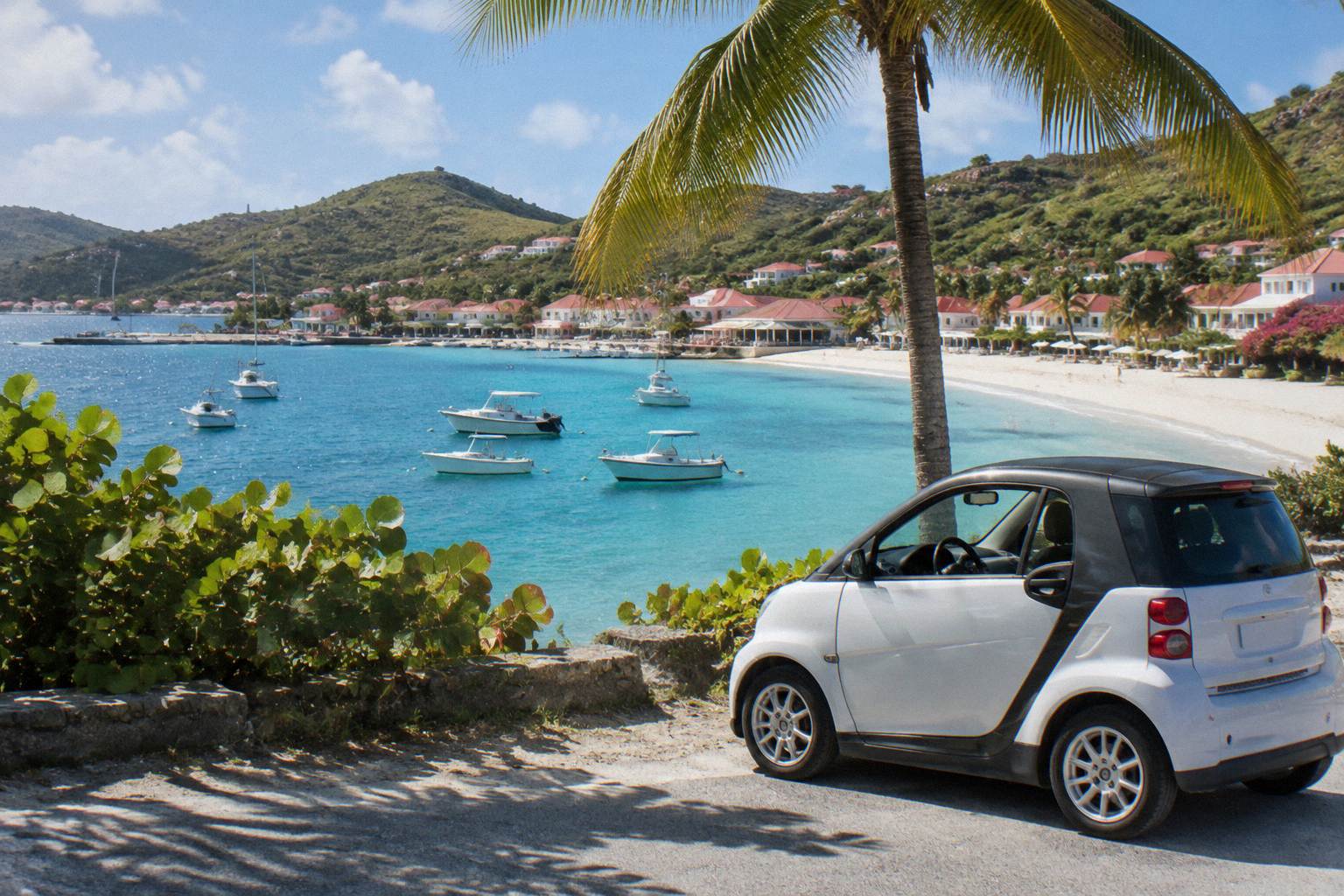
Inter Oceans Shell Museum In Corossol
The Inter Oceans shell museum sits in Corossol, a fishing village on the west coast of St Barts north of Gustavia, and this guide covers what it is, how to reach the village and what to combine with a visit.
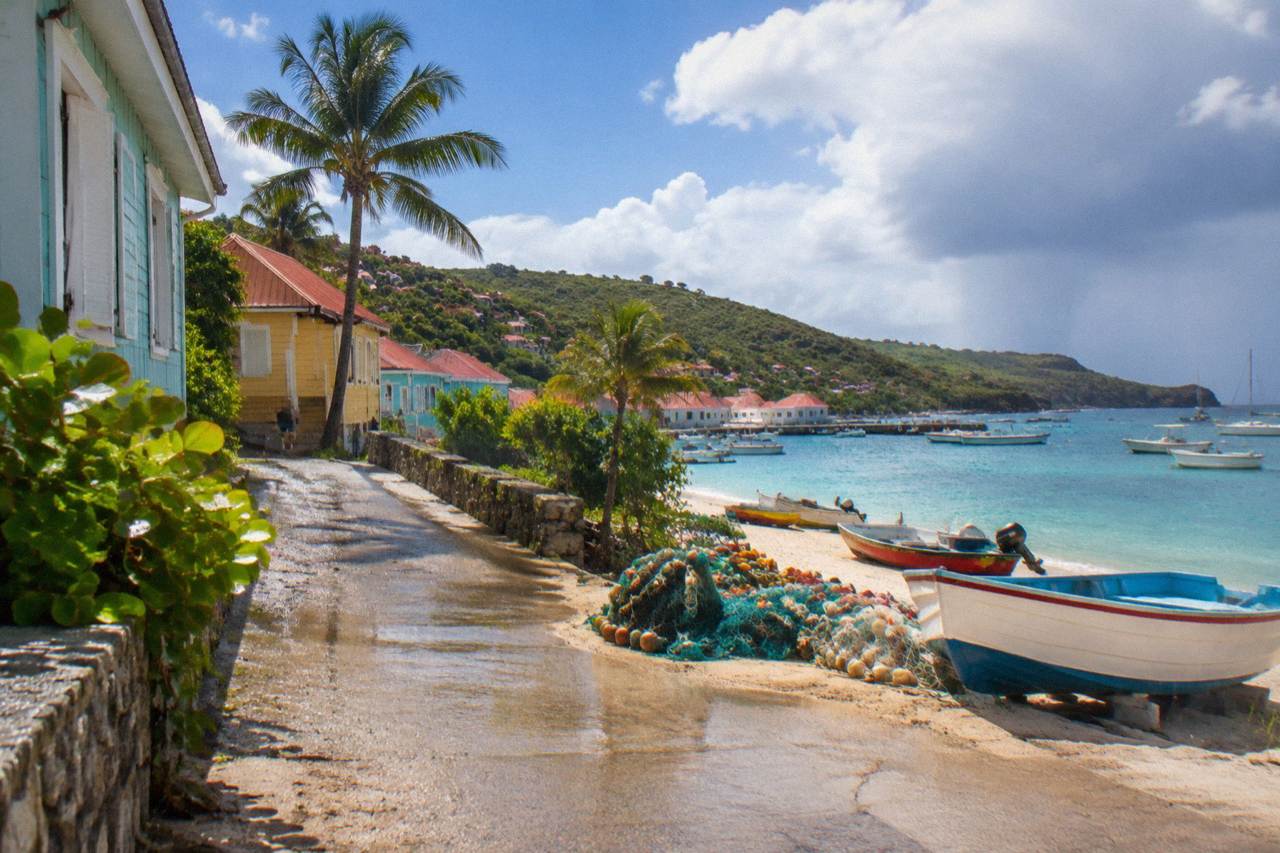
The Inter Oceans shell museum is a small private museum in Corossol village on the Caribbean island of St Barts, displaying collections of shells. The village sits on the island's west coast north of Gustavia and can be reached by road; no hours or ticket details are published, so check locally before visiting.
St Barthelemy, usually written St Barts, is a small French island in the Caribbean, and on its west coast, north of the harbour capital Gustavia, sits the quiet village of Corossol. The village is home to the Inter Oceans shell museum, a small private museum whose collections of shells give the place its name and its reason for being on the island's short list of indoor stops. This guide from the St Barthelemy Travel desk covers what the museum is, where Corossol sits on the island map, how to reach the village, and what to combine with a visit, from the neighbouring public beach to boat day trips that depart from St Martin and call at St Barts.
What Is The Inter Oceans Shell Museum In St Barts?
The Inter Oceans shell museum is a small private museum in Corossol village on St Barts, a French Caribbean island, and it displays collections of shells gathered from the sea. It is one of the few indoor attractions on an island better known for its beaches, and it shares the village with a shell heritage tied to Corossol's fishing community, according to the island's tourism committee.
That is the honest shape of it. St Barts is about 21 square kilometres of hills, red-roofed Gustavia and public beaches, with roughly 10,700 residents, and its attraction list is short: a harbour, two forts, a few small museums and the beaches themselves. The Inter Oceans shell museum belongs to that small museum group, alongside the Wall House Museum in Gustavia which covers the island's Swedish period, and it is the only one devoted to shells.
Published information includes no opening hours, ticket price or collection size for the museum, so none of those details can be given here. The practical approach is to treat it as a stop that may need local confirmation: the Corossol area guide on this site describes the village, and the island's tourism committee lists Corossol among its village destinations. What the museum offers, in plain terms, is a shaded, quiet half hour in a village that moves at its own pace, on an island where the alternative attractions are all outdoors.
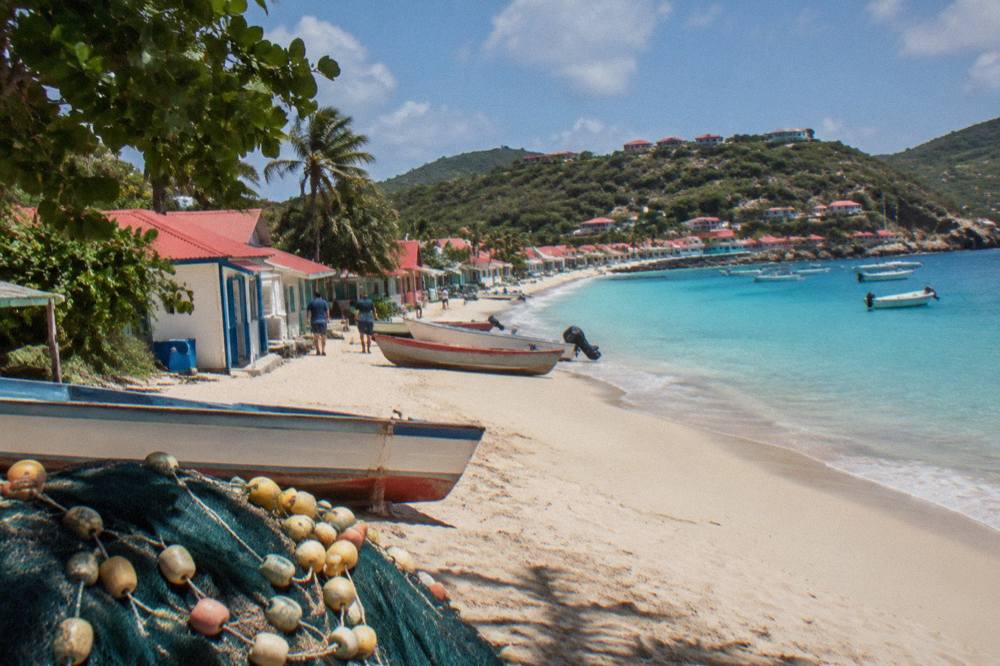
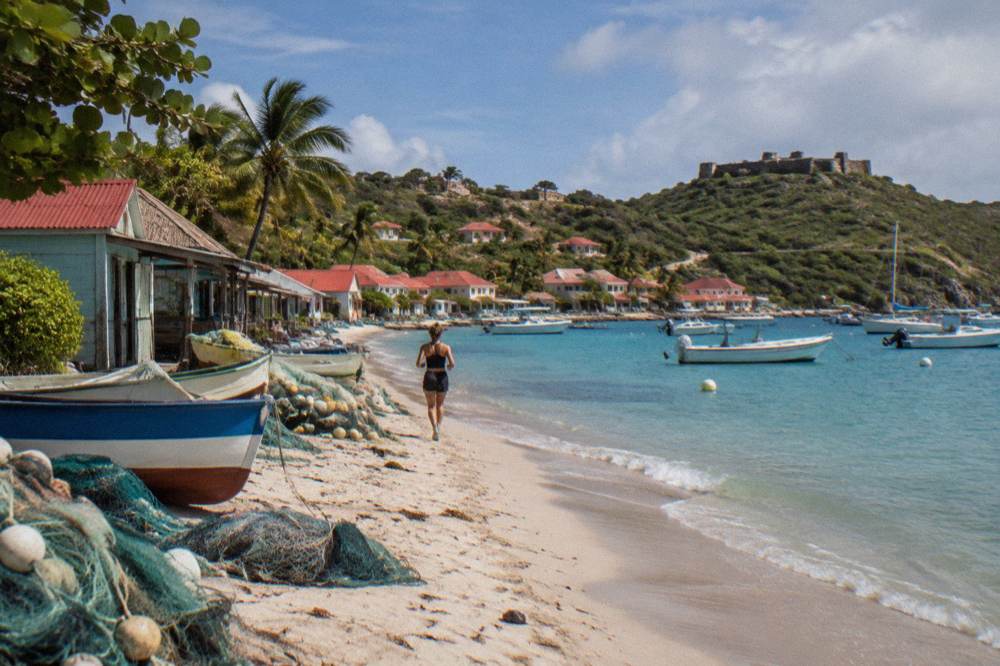
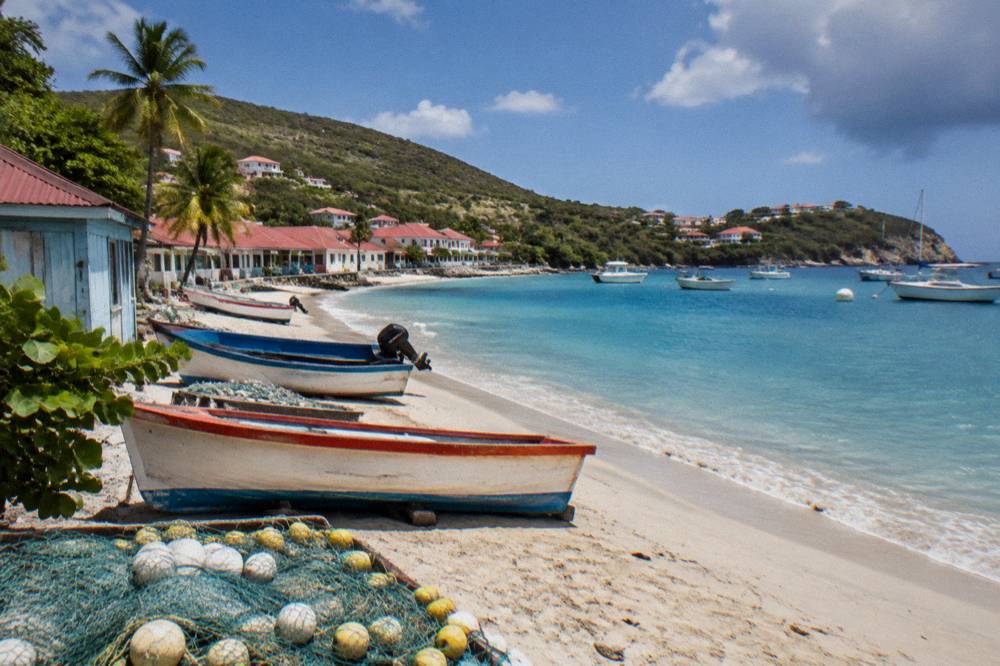
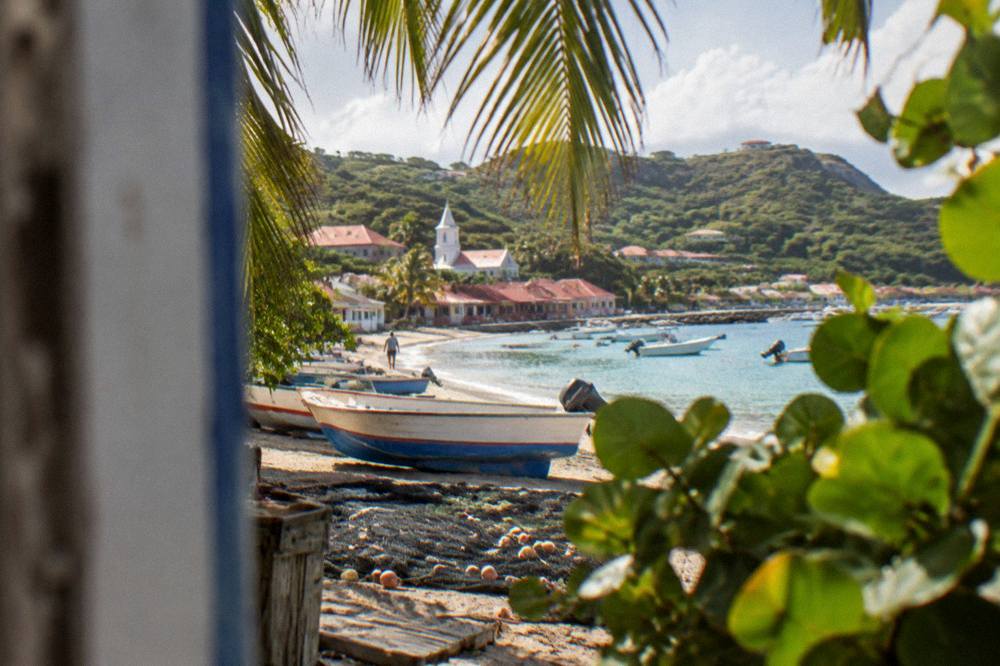
The village itself deserves as much of the visit as the museum. Corossol sits on the west coast facing the Caribbean Sea, north of Gustavia, and it keeps the character of a fishing settlement rather than a resort: modest houses, a church, a small public beach at Corossol beach and village, and a slower rhythm than the capital. The annual Fete de Saint-Louis, honouring the village's patron saint, is held in Corossol in late August alongside the island's patron saint feast day on 24 August, both listed by the tourism committee.
Where Is Corossol Village In St Barts?
Corossol is a village on the west coast of St Barts, on the Caribbean Sea side of the island, north of Gustavia and reached by one of the island's narrow winding coast roads. It sits below the hills of the island's western side, with the public beach of Corossol at its shore, and it is one of the named settlements on the island's official village list.
To place it on the map: Gustavia, the capital, occupies a natural harbour on the west coast, and the road north out of town climbs and drops through the hills toward Corossol, which lies a few headlands further up the same coast. North of Corossol the coast continues toward Flamands and the island's northwest; inland, the hills rise toward the centre of the island. Driving is on the right, roads are narrow, winding and steep, the island-wide limit is 50 km/h with 30 km/h in built-up areas, and Avis, Budget and Hertz all have counters at Gustaf III Airport along with local agencies and Mini Moke rentals.
| Place on St Barts | Position on the island | What available information allow |
|---|---|---|
| Gustavia | Harbour capital on the west coast | Shops, the harbour, Wall House Museum, two forts |
| Corossol | West coast, north of Gustavia | Fishing village, church, shell museum, public beach |
| Saint-Jean | North coast by the airport | Public beach, village, airport at its edge |
| Flamands | Northwest coast | Public beach |
| Grand Cul-de-Sac | Northeast coast | Public beach, lagoon area |
| Lorient | North coast east of Saint-Jean | Public beach, village |
The exact driving time and distance between Corossol and Gustavia remain unclear. The island is small and the road network is a loop with a handful of spurs, so a rental car or a taxi covers it easily in a morning; taxis on St Barts work on route-based tariffs with surcharges in the evening and on Sundays, and there are no meters, so agree the fare before setting off.
A practical pairing for a Corossol morning: the shell museum, a walk through the village, and the public beach at its shore. All beaches on St Barts are public, and the named beaches list maintained from the tourism committee includes Corossol among them, so nothing at the village shore is gated or private. Say only what the name and map support: the beach is public, it faces the Caribbean Sea, and the village sits behind it.
How Do You Get To Corossol And St Barts From St Martin?
Visitors reach St Barts through St Martin, flying into Princess Juliana Airport (SXM) and then crossing to the island either by small plane or by ferry, and Corossol is then reached by road from Gustavia or the airport. St Barth Commuter flies from SXM, Grand Case (SFG) and Pointe-a-Pitre (PTP), Tradewind flies from San Juan (SJU) and Antigua (ANU), and two ferries, Great Bay Express from Philipsburg and Voyager from Marigot, serve Gustavia.
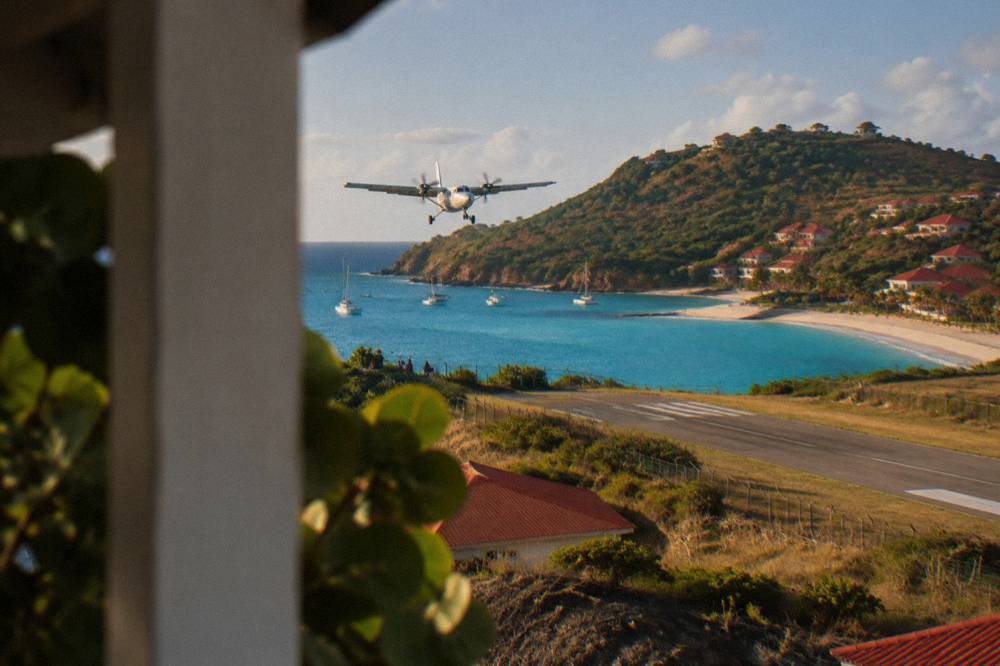
That access chain shapes every visit, because Gustaf III Airport at St Barts has a 646 m runway that takes only small STOL turboprops, in daylight and visual conditions, with no jets landing on the island. The ferry crossings are alternatives: Great Bay Express runs from Bobby's Marina in Philipsburg on the Dutch side, about 45 minutes to Gustavia, and Voyager runs from the Marigot terminal on the French side, about 50 to 60 minutes, with both operators running roughly two to three sailings a day in each direction, more in peak season. The crossing can be rough, and sailings are subject to weather.
| Route to St Barts | Operator | Departure point | Notes from operators |
|---|---|---|---|
| Air from SXM | St Barth Commuter | Princess Juliana, Sint Maarten | Small turboprops, multiple daily flights |
| Air from SFG | St Barth Commuter | Grand Case, St Martin | Small turboprops |
| Air from PTP | St Barth Commuter | Pointe-a-Pitre, Guadeloupe | Small turboprops |
| Air from SJU | Tradewind | San Juan, Puerto Rico | Pilatus PC-12 service |
| Air from ANU | Tradewind | Antigua | Seasonal service |
| Ferry | Great Bay Express | Bobby's Marina, Philipsburg | About 45 minutes, passport required |
| Ferry | Voyager | Marigot Ferry Terminal, St Martin | About 50 to 60 minutes |
Arriving by sea is also how the island's day-trip visitors come in, and this is where a Corossol morning connects with the rest of the island. Every bookable boat tour listed here departs from St Martin or Sint Maarten, never from St Barts itself, and the group sail that this site features, the Boomerangs group sail to Colombier and Ile Fourchue, leaves from the St Martin side and spends its day around St Barts' northwest coast. Its season runs from 12 May to 31 August 2027 on its listing. See the live listing
Entry formalities are worth a line before the ferry section ends. St Barts is outside the Schengen area, so ETIAS and EES do not govern entry, and ETIAS is not live. A passport is required for the ferry, with check-in typically 45 to 60 minutes before departure; US travellers need a passport book rather than a card, and travellers should check their own government's travel advice for current passport-validity rules, since government advice differs.
What Can You Combine With The Shell Museum Around Corossol?
A Corossol visit combines naturally with the village's public beach, the Wall House Museum and harbour sights in Gustavia to the south, and the west coast's other public beaches, all reachable on the island's short road loop. The shell museum, the Wall House Museum and the two Gustavia forts form the island's small indoor-and-heritage set, while the beaches carry the rest of any St Barts day.
In Gustavia, about 20 minutes of island geography to the south along the coast road, the Wall House Museum covers the island's past as a Swedish possession before it became a French overseas collectivity in 2007, and Fort Karl and Fort Gustaf sit above the harbour as map landmarks. The Gustavia harbor itself is the island's working centre: shops, the quay and, in season, visiting yachts and cruise tenders, which anchor offshore because the island has no cruise pier. On the west coast south of Corossol, Shell Beach (Grand Galet) sits within reach of Gustavia, a public beach whose name makes a fitting echo of the shell museum's theme.
North of Corossol the coast road continues toward Flamands beach, and the north shore carries Saint-Jean beach by the airport, Lorient beach and, further east, Grand Cul-de-Sac beach. The island's full sightseeing set, including these stops, is gathered on the site's things to do in St Barts page. No walking times, trail lengths or per-beach conditions are printed for any of these, because only names and map positions are available.
| Stop near Corossol | Direction from the village | Type | Detail |
|---|---|---|---|
| Corossol beach | At the village shore | Public beach | Caribbean Sea side, public |
| Shell Beach (Grand Galet) | South, near Gustavia | Public beach | Public, by the capital |
| Wall House Museum | Gustavia | Museum | Island history exhibits |
| Fort Karl | Gustavia | Landmark | Above the harbour |
| Fort Gustaf | Gustavia | Landmark | Above the harbour |
| Flamands beach | North along the coast | Public beach | Public, northwest coast |
Two marine notes apply to any coast-hopping day. The St Barts marine reserve, run by the island's environment agency, sets a 5-knot speed limit in its zones, bans jet skis, lists 23 dive sites and asks visitors not to touch turtles; dogs are not allowed on the beaches. And Colombier beach, on the island's northwest, is reached by boat or by a walk, with no walk time or length given, which makes a boat day trip the practical way to see it.
What Is The Weather Like In St Barts When You Visit Corossol?
St Barts is warm all year, with Meteo-France climate normals for 1991 to 2020 showing mean daily highs from 28.5 C in January to 31.7 C in September, and 891.3 mm of rain across the year, of which October is the wettest month at 135.6 mm. The sea is warm year round, about 26 C in winter to about 29 C from August to October.
Those figures come from the Meteo-France normals table for the St Barthelemy station, and they matter for planning because the wettest months overlap the Atlantic hurricane season, which runs from 1 June to 30 November with its peak from mid-August to mid-October and a climatological peak near 10 September. No storm, rain or crowd outcome can be predicted for any date. What the normals do support is the broad picture: warm temperatures in every month, a modest dry-season low in February and March, and a wetter autumn.
| Month | Mean daily high (C) | Mean daily low (C) | Rain (mm), Meteo-France normals 1991 to 2020 |
|---|---|---|---|
| Jan | 28.5 | 23.5 | 52.6 |
| Feb | 28.6 | 23.3 | 38.4 |
| Mar | 29.0 | 23.5 | 41.4 |
| Apr | 29.8 | 24.2 | 50.9 |
| May | 30.7 | 25.1 | 61.7 |
| Jun | 31.2 | 25.9 | 56.0 |
| Jul | 31.2 | 26.0 | 80.4 |
| Aug | 31.6 | 26.3 | 79.6 |
| Sep | 31.7 | 26.2 | 96.9 |
| Oct | 31.4 | 25.8 | 135.6 |
| Nov | 29.9 | 25.0 | 118.6 |
| Dec | 28.9 | 24.1 | 79.2 |
For a museum-and-village morning, weather matters less than for a beach day, and that is part of the shell museum's quiet usefulness: it is one of the few stops on the island that works whatever the sky is doing. The island's rainy day itinerary makes the same point with the island's whole indoor set.
When Is The Best Time To Visit St Barts And Corossol?
The December to April window aligns with the island's high season, its sailing events and its festival calendar, while May and June bring the same warm climate with fewer confirmed commitments; autumn carries the hurricane-season peak and the annual pattern in which many hotels and restaurants close and reopen between mid-October and early November. Only two coming events carry confirmed dates: the St Barth Music Festival from 8 to 18 January 2027 and the Gourmet Festival from 9 to 15 November 2026.
The seasonal pattern is consistent across sources: high season runs roughly November to April, the Bucket Regatta takes place in mid-March, Les Voiles de St Barth falls in April with 2027 dates unconfirmed, and the Film Festival lands in late April or early May with dates to be announced. Many hotels and restaurants close each autumn, typically from late August, and reopen in waves between mid-October and early November, with villas available year round as the alternative. That reopening wave feeds straight into the Gourmet Festival in November, which brings guest chefs into island restaurants.
| Event or season on St Barts | Timing | Status of the date |
|---|---|---|
| High season | Roughly December to April | Seasonal pattern |
| Bucket Regatta | Mid-March | Recurring, dates on the organiser site |
| Les Voiles de St Barth | April | 2027 dates not confirmed |
| Film Festival | Late April or early May | Dates to be announced |
| Fete de Saint-Barthelemy | 24 August | Listed by the tourism committee |
| Fete de la Saint-Louis, Corossol | 25 August | Listed by the tourism committee |
| Gourmet Festival | 9 to 15 November 2026 | Confirmed |
| Music Festival | 8 to 18 January 2027 | Confirmed, 43rd edition |
Corossol's own moment in that calendar is late August, when the Fete de la Saint-Louis brings processions and local food to the village to honour its patron saint, the day after the island-wide patron saint feast day in Gustavia. It is the one time of year when the village, rather than the capital or the beaches, is the island's centre of attention.
Can You Visit Corossol And St Barts On A Day Trip From St Martin?
Yes, St Barts works as a day trip from St Martin or Sint Maarten, either by ferry from Philipsburg or Marigot or by small plane, and several private charter boats listed here make the crossing a full day at sea with stops at St Barts beaches and bays; all of them depart from the St Martin side, never from St Barts itself. The ferry day-trip format is well established, with about 45 minutes from Philipsburg and about 50 to 60 minutes from Marigot.
The boat option deserves more attention than it usually gets, because St Barts' most famous waters, Colombier bay and Ile Fourchue, sit in the marine reserve and are simplest to reach from the sea. The featured group sail covers exactly that ground, sailing from St Martin with time at Colombier and Ile Fourchue; its per-person format runs only from 12 May to 31 August 2027 on its listing. Outside that window, or for a party that wants its own boat, the private options below are priced per group rather than per person, and all of them leave from Simpson Bay, Cole Bay, Anse Marcel or Grand Case on the St Martin side.
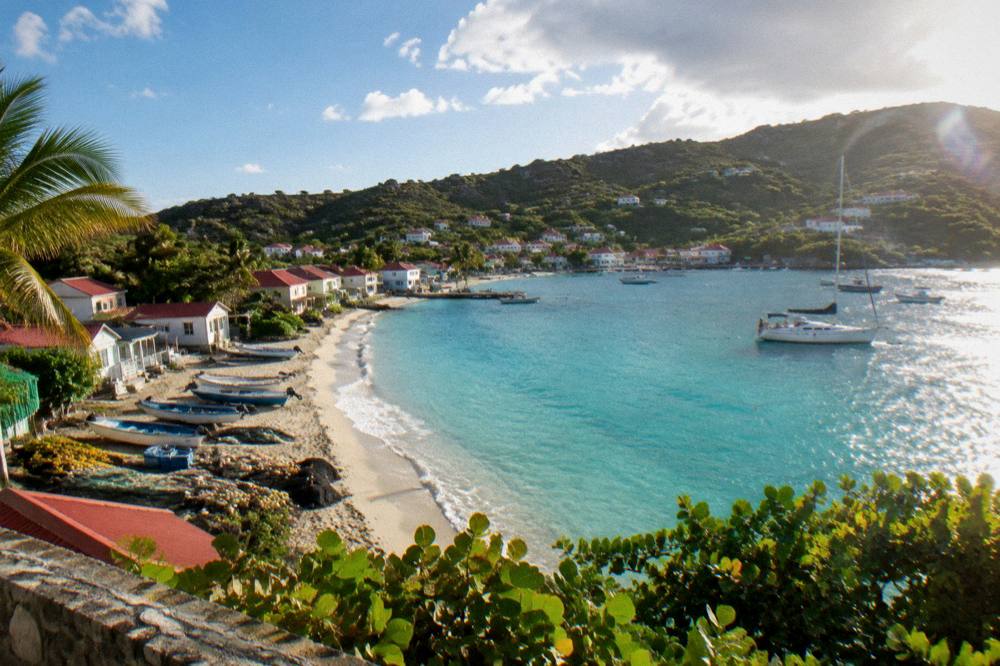
A day trip by sea does not reach Corossol, whose museum needs a road visit from Gustavia, so the honest framing is a two-part plan: a boat day for the reserve bays, and an island day, arriving by ferry or plane, for Gustavia, Corossol and the beach loop. On the island day, the ferry terminals and the airport both connect to the road network by taxi or rental car, and Corossol is a short drive along the west coast from either.
What Should You Know Before Visiting The Shell Museum In Corossol?
Plan the shell museum as a flexible stop: its opening hours and ticket price can change, so confirm locally or through the tourism committee before making it the centrepiece of a day, and keep a fallback in the village itself, its public beach, and the Wall House Museum in Gustavia. Bring euros for small island spending, expect French and English, and remember that many island businesses close in autumn and reopen between mid-October and early November.
The island runs on the euro, French is the official language with English widely spoken, the time zone is UTC-4 with no daylight saving, plugs are types C and E, and the emergency numbers are the standard French ones, 15 for medical, 17 for police, 18 for fire and 112 as the European number. A tourist tax, the taxe de sejour, applies to paid accommodation and is collected by the lodging provider rather than at entry.
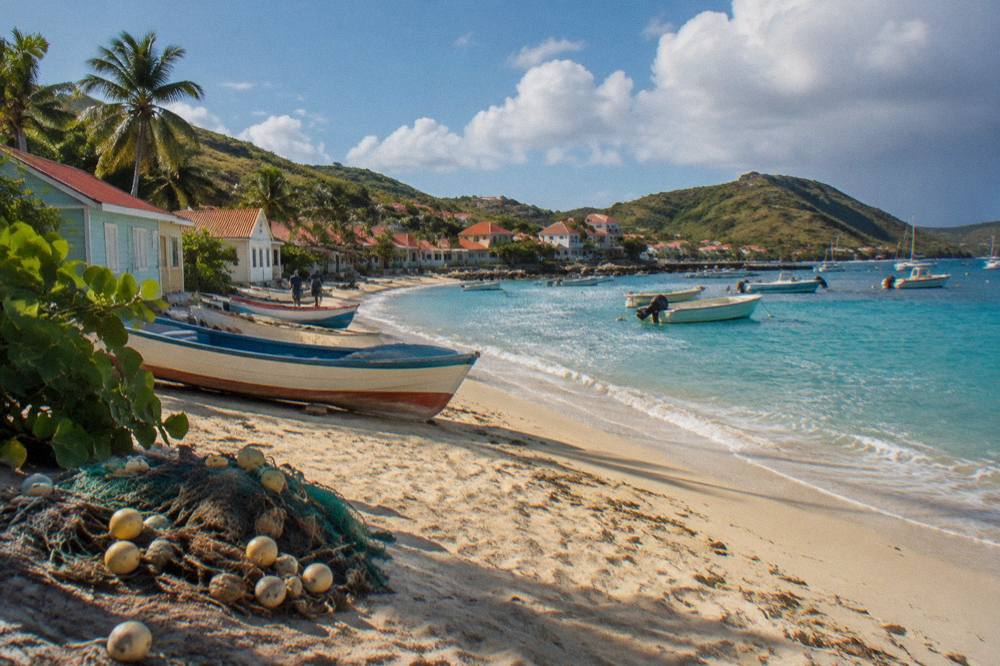
For the village itself, respect the marine and beach rules that apply island-wide: no dogs on beaches, nothing collected from the reserve, no touching of turtles. Shells on the protected beaches and in the reserve zones are part of what the environment agency protects, which puts the museum's collections, gathered and displayed under one roof, in a useful light for visitors who might otherwise be tempted to pocket a souvenir from the shore.
If the day turns to boat plans, the full-day and overnight options below cover the two ends of the private spectrum, both per group and both departing from the St Martin side.
Common Questions About The Corossol Shell Museum In St Barts
What is the Inter Oceans shell museum in St Barts?
It is a small private museum in Corossol village on the west coast of St Barts, displaying collections of shells. No published opening hours, ticket price or collection size exist, so treat it as a stop to confirm locally during your visit.
Where is the Corossol shell museum located?
It is in Corossol village, on the Caribbean Sea side of St Barts, north of the capital Gustavia along the west coast road. The village is one of the island's named settlements and has a public beach at its shore.
How do you get to Corossol in St Barts?
Reach St Barts by small plane from St Martin or by ferry from Philipsburg or Marigot, then drive or take a taxi along the west coast road from Gustavia. Driving is on the right; roads are narrow, winding and steep, with a 50 km/h island-wide limit and 30 km/h in built-up areas.
Can you swim at Corossol beach in St Barts?
The beach at Corossol is public, like all beaches on St Barts, and sits at the village shore facing the Caribbean Sea. Dogs are banned on all beaches island-wide.
Can you visit the shell museum on a day trip from St Martin?
Not by boat directly: the day-trip boats from St Martin call at Gustavia and the reserve bays, and none departs from St Barts. Combine a boat day for Colombier and Ile Fourchue with a separate island day by ferry or plane for Corossol and its museum.
Is the Corossol shell museum open in autumn?
The museum has no seasonal schedule of its own. As a pattern, many St Barts hotels and restaurants close in late summer and reopen between mid-October and early November, so autumn visitors should confirm locally what is open.
The Inter Oceans shell museum will never be the reason someone crosses an ocean, and it does not need to be. It is a quiet, shaded stop in a fishing village that keeps a version of St Barts the harbour crowds never see, and it pairs well with the west coast's public beaches, the museums and forts of Gustavia, and a boat day out of St Martin through the marine reserve. For wider planning, the site's guide to things to do in St Barts and the answer to can you swim at Shell Beach in St Barts carry the rest of the island.