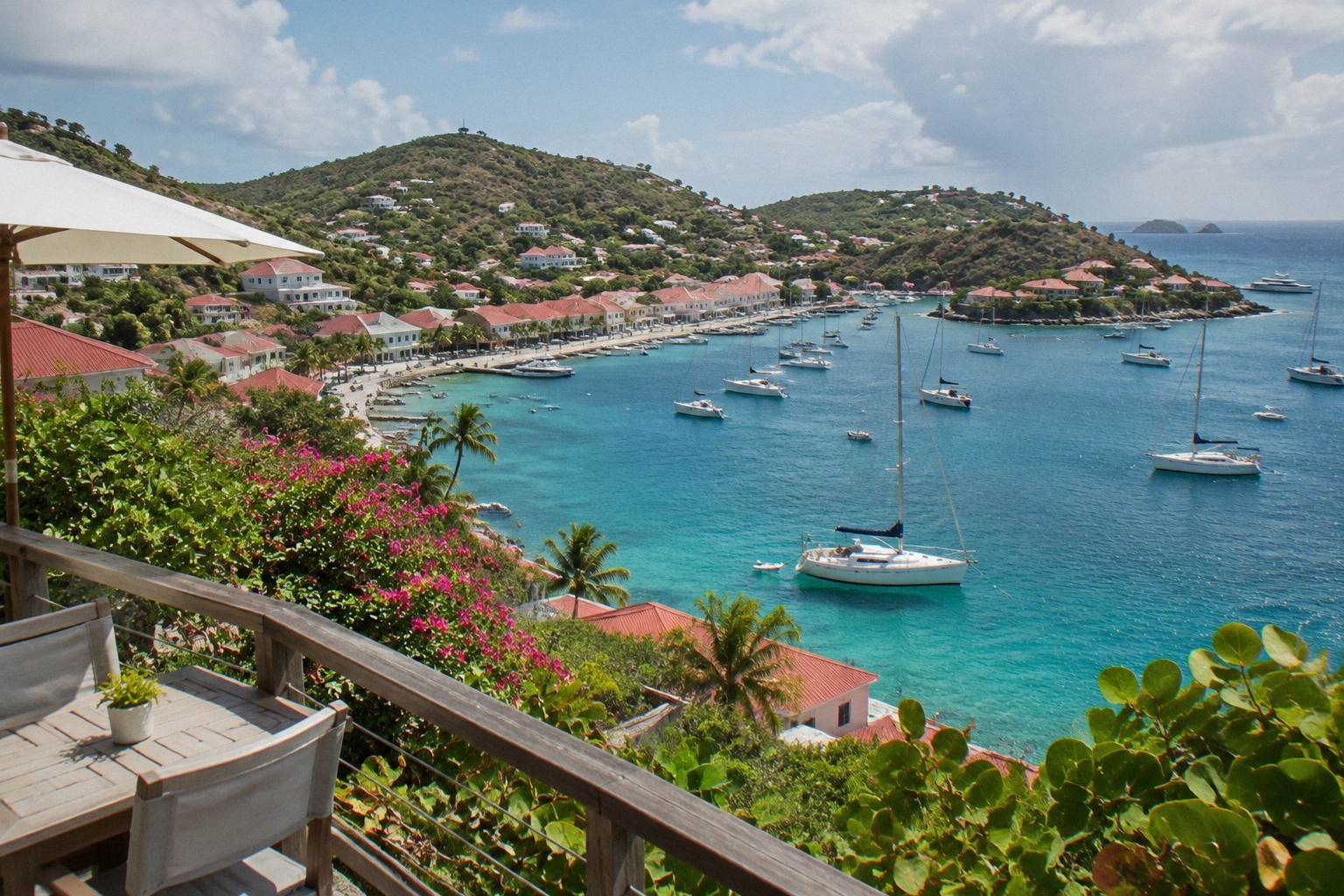
Shopping In St Barts
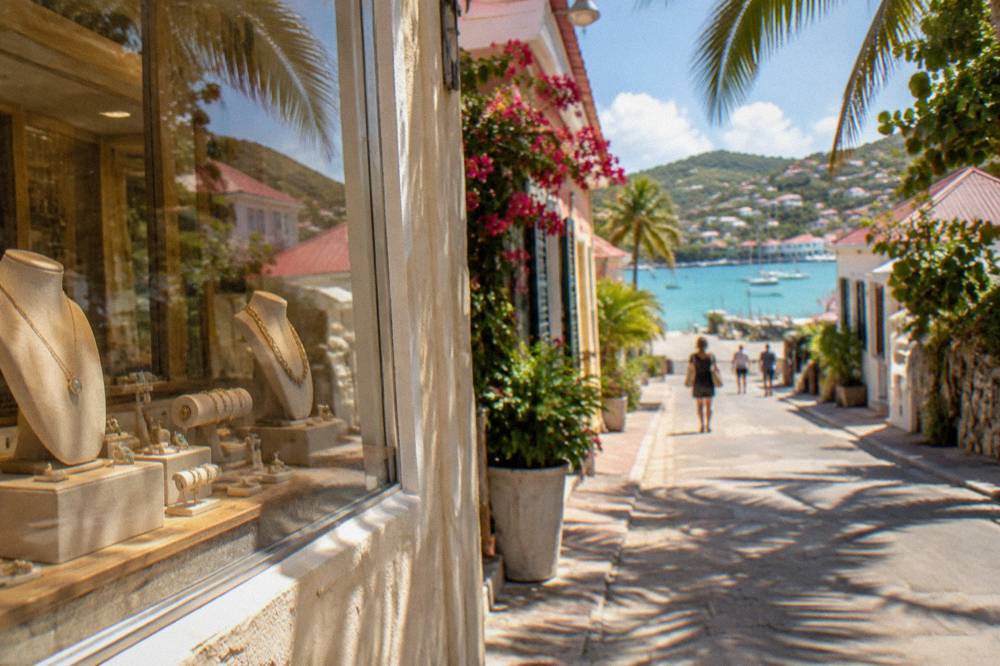
St Barthelemy, the small French Caribbean island known as St Barts, concentrates its shopping in Gustavia's harbor streets and the strip around Saint-Jean, with luxury boutiques, jewelers, galleries and grocery stores all within a few minutes' drive.
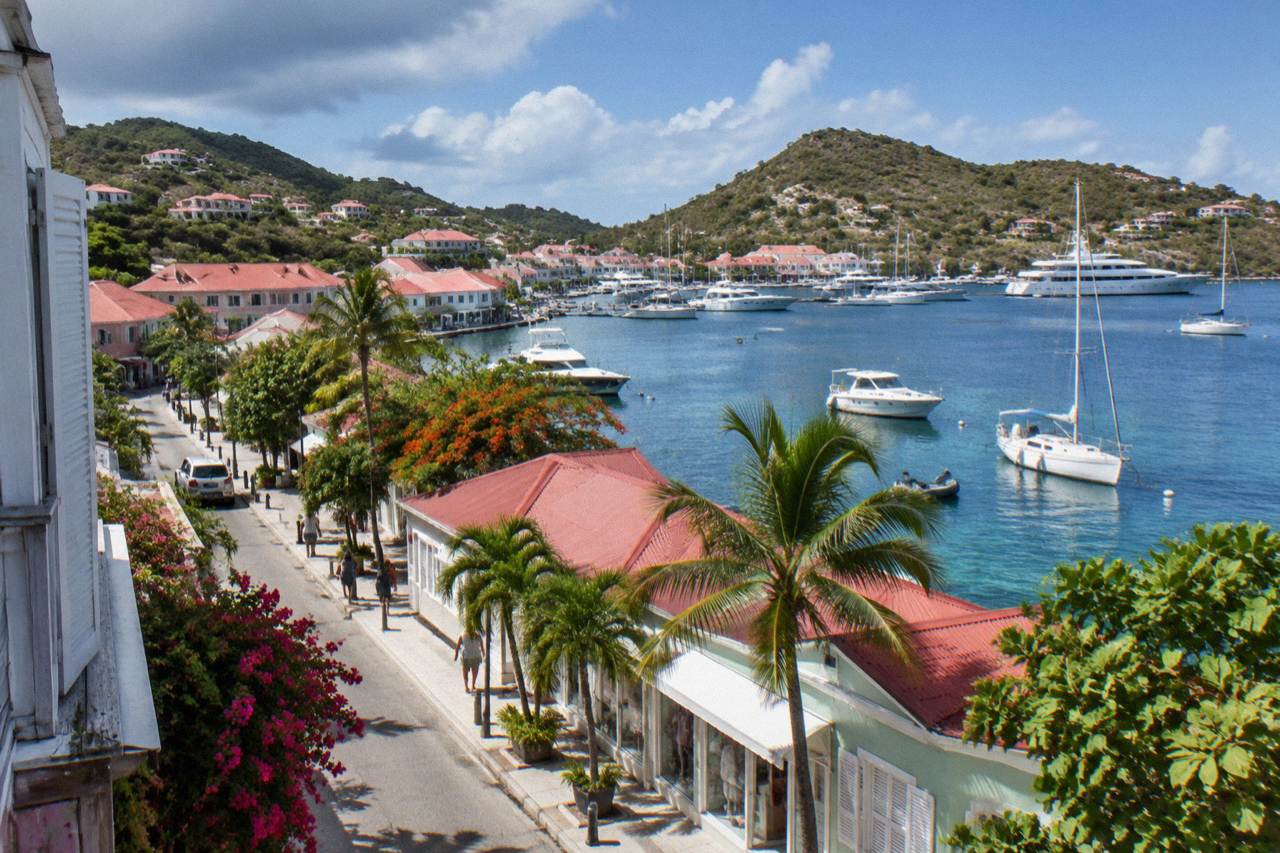
Shopping in St Barts centers on Gustavia and Saint-Jean: luxury fashion and jewelry near the harbor in Gustavia, swimwear, surf brands and practical stores around Saint-Jean, and galleries plus grocery shops scattered across the island. The currency is the euro, the island is outside the Schengen area, and every arrival route passes through St Martin or another gateway first.
St Barthelemy, written St Barts and known to France as an overseas collectivity since 2007, is a hilly island of about 21 square kilometres with roughly 10,700 residents, and nearly all of its retail life sits in two places: the harbor capital of Gustavia and the commercial strip around Saint-Jean near the airport. The currency is the euro, French is the official language with English widely spoken, and the island's beaches and open public places are free, which leaves a visitor's budget free for what the shops actually sell. This page from the St Barthelemy Travel editorial desk sets out the districts, the product categories, the customs and currency rules, and the practical planning that makes a shopping day work on an island with no direct flights from outside the Caribbean.
Where Is The Best Shopping In St Barts?
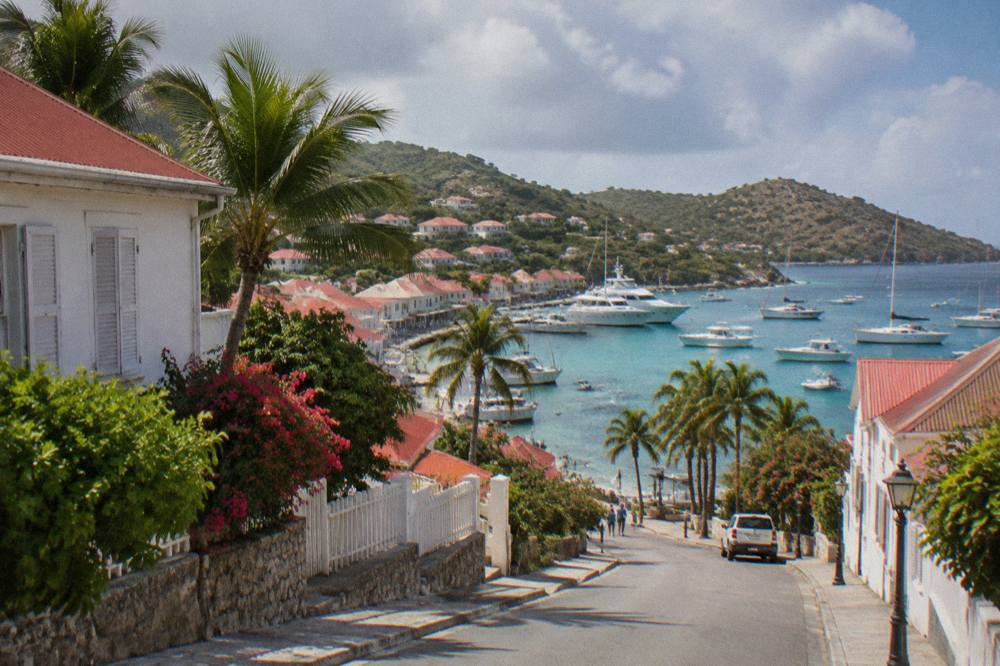
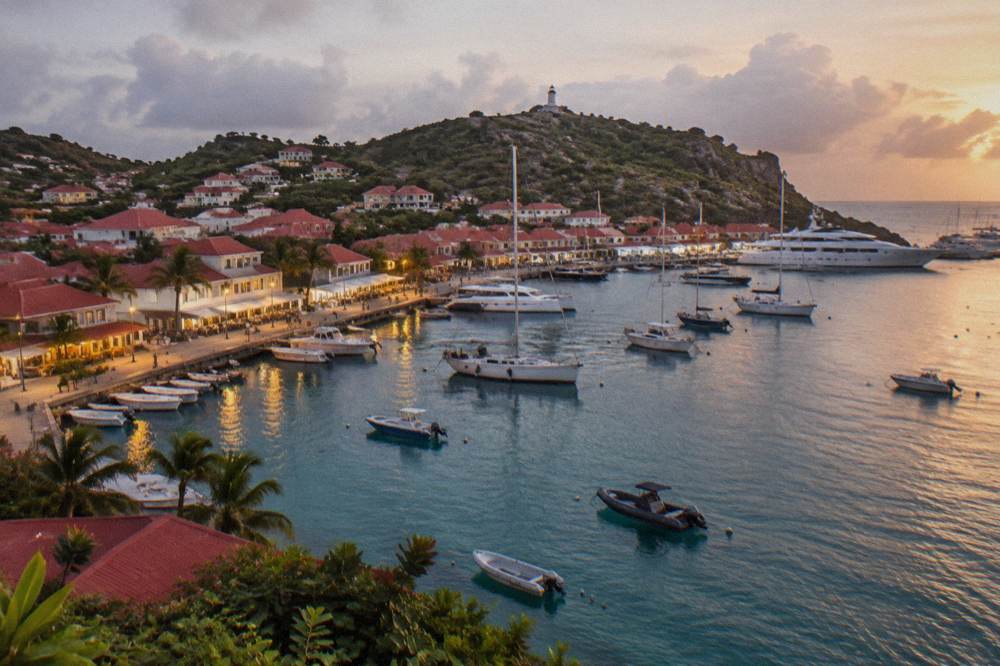
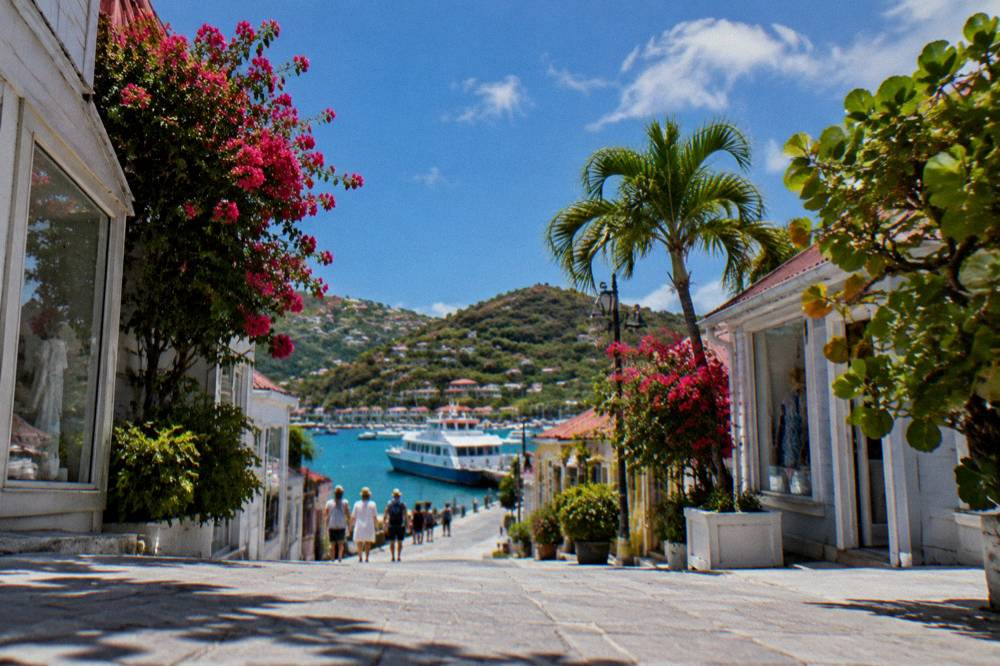
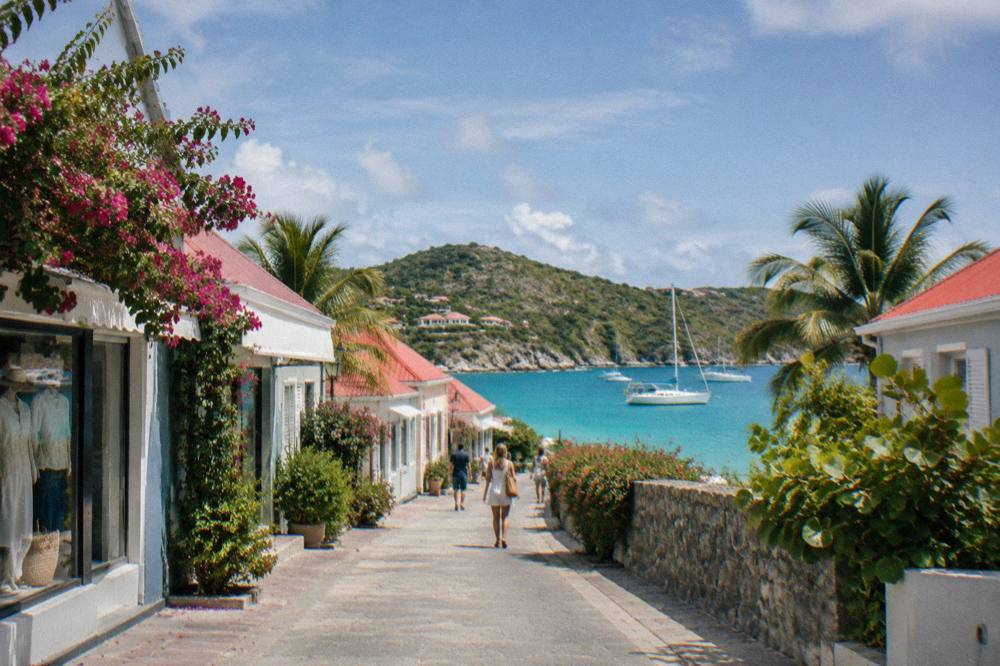
Shopping in St Barts splits between Gustavia and Saint-Jean, and both are walkable cores a short drive apart. Gustavia, the harbor capital, carries the luxury boutiques, jewelers and galleries along its streets behind the quay, while Saint-Jean, beside Gustaf III Airport, holds the swimwear, surf and practical retail that serves daily island life. Corossol, Lorient and Grand Cul-de-Sac add small scattered shops rather than districts.
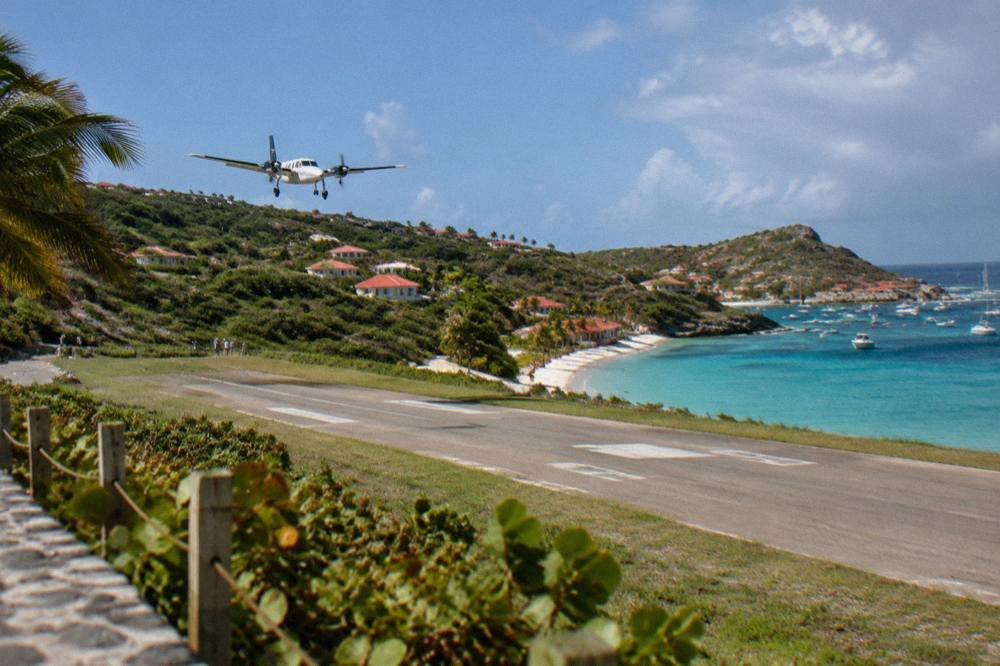
The harbor setting matters more than on most islands. Cruise passengers tender ashore in Gustavia, and the port authority confirms there is no cruise pier, so the town's shops sit within an easy walk of where tender boats land. Arrivals by small plane land at Gustaf III Airport, whose 646 m runway handles only small STOL turboprops in daylight conditions, and Saint-Jean's retail strip begins essentially at the airport's edge. A visitor who arrives by ferry from Philipsburg or Marigot steps ashore in Gustavia itself.
The Gustavia shopping area guide covers the harbor streets in detail, district by district. For orientation, the table below is the short version of what each part of the island offers a shopper.
| District | Position | Retail character |
|---|---|---|
| Gustavia | Harbor capital, southwest coast | Luxury fashion, jewelry, watches, galleries, harborfront convenience |
| Saint-Jean | South coast beside the airport | Swimwear, surf and beachwear, pharmacies, everyday retail |
| Lorient | North coast | Small local shops and services |
| Grand Cul-de-Sac | Northeast coast | Beach-club and hotel-adjacent retail |
| Corossol | West coast | Village-scale shops, quiet pace |
Because the island is small and hilly, a rental car, a taxi or a pre-arranged transfer connects the districts quickly; the St Barts car rental guide explains the counters at the airport, which include Avis, Budget and Hertz alongside local agencies and Mini Mokes. Driving times on the island depend on the specific journey.
What Can You Buy In St Barts?
The island's retail mix runs to luxury fashion and accessories, jewelry and watches, swimwear and beachwear, art and photography galleries, cigars and spirits, and everyday groceries and pharmacy goods. Gustavia's streets carry the prestige end, Saint-Jean carries the beach and practical end, and galleries plus grocery shops appear across several villages. Prices on the island are in euros.
The comparison travelers most often ask about concerns duty-free status. St Barts is a French overseas collectivity outside the Schengen area, and French customs rules apply to what you bring home, not the island's own pricing. The honest advice is to check your own country's customs limits before buying, and to keep receipts, because French rules on cash mean declaring amounts over the equivalent of 10,000 euros when carrying that sum.
For everyday needs rather than luxuries, the St Barts grocery guide is the dedicated page: villas are a large share of the island's accommodation, and stocking a kitchen is a normal first stop after arrival. The table below is a category map rather than a recommendation of any named shop.
| Category | Where it clusters | Typical buyer |
|---|---|---|
| Luxury fashion and accessories | Gustavia | Visitors on a short harbor stay |
| Jewelry and watches | Gustavia | Special-occasion and gift shoppers |
| Swimwear and beachwear | Saint-Jean | Arriving travelers replacing gear |
| Art and photography | Gustavia and scattered galleries | Visitors wanting a durable souvenir |
| Spirits, wine and cigars | Gustavia and grocery stores | Villa guests stocking in |
| Pharmacy and everyday goods | Saint-Jean and Gustavia | Anyone, including residents |
A shopping day pairs naturally with time on the water, since the public beaches cost nothing and the bookable boat trips all leave from the St Martin side. The group sail to Gustavia, Colombier and Ile Fourchue departs from St Martin or Sint Maarten and includes time in Gustavia itself, which is why it is the tour this page features: a harbor town with a shopping street is literally part of the itinerary.
Is Shopping In St Barts Duty-Free?
St Barts applies French customs rules as a French overseas collectivity, and it sits outside the Schengen area, so a Schengen visa does not authorize entry and ETIAS does not govern arrival. The island has a reputation as a duty-free port, so treat the duty-free question as one for your own customs authority, not the shop counter.
The entry framework is as follows. The 2012 French order governs arrivals, US, UK, Canadian and EU citizens are generally visa-exempt for short stays of up to 90 days, an onward ticket is needed, and passport requirements vary by citizenship, with US travelers needing a passport book rather than a card and UK passports needing validity beyond departure. The practical customs notes for shoppers: cash over the equivalent of 10,000 euros must be declared, and French rules on restricted goods apply. The full entry picture, including the ferry and flight documents, is in the how to get to St Barts guide.
One payment point is worth stating plainly. The euro is the island's currency, cards are widely taken in the towns, and US dollars are accepted in some places informally, though change and rates are the merchant's affair. Local costs on this island are quoted in euros; where this site shows a bookable tour's price, that price comes in US dollars from the operator's live listing.
When Is The Best Time Of Year For Shopping In St Barts?
The high season from December to April is when the island's retail and hotel sector is fully open, with the Meteo-France normals for 1991 to 2020 showing mean daily highs of 28.9 C in December and 29.8 C in April, but October is the wettest month at 135.6 mm and many hotels and shops close for the autumn, reopening between mid-October and early November. The St Barth Gourmet Festival runs 9 to 15 November 2026 and marks the season's restart.
The autumn closure pattern is the single most useful fact for a shopping-oriented trip. Each year, many hotels and restaurants on the island close for the low season and reopen in waves, so a visit in late September or early October finds a thinner retail and dining scene than the same streets in December. By November the island is largely back in operation, and the Music Festival from 8 to 18 January 2027 gives midwinter visitors an evening plan that costs nothing to walk past.
| Month | Mean daily high (C) | Rain (mm) | Retail season note |
|---|---|---|---|
| January | 28.5 | 52.6 | Full high season, Music Festival 8 to 18 Jan 2027 |
| April | 29.8 | 50.9 | High season tail, sailing events |
| August | 31.6 | 79.6 | Low season, some closures |
| September | 31.7 | 96.9 | Deepest closure period, hurricane-season peak window |
| October | 31.4 | 135.6 | Wettest month, reopenings begin mid-month |
| November | 29.9 | 118.6 | Reopening wave, Gourmet Festival 9 to 15 Nov 2026 |
| December | 28.9 | 79.2 | Peak season begins, New Year period busy |
Figures are Meteo-France normals, 1991 to 2020, for the St Barthelemy station. Hurricane season runs from 1 June to 30 November with its peak from mid-August to mid-October, and no prediction of a storm or of shop openings belongs on a planning page; the seasonal pattern is the only safe generalization.
How Do You Plan A Shopping Day Around Getting To St Barts?
Every arrival to St Barts passes through a gateway, most commonly St Martin, and the two choices for the last leg are a small plane or a ferry: St Barth Commuter flies from SXM, Grand Case and Guadeloupe, Tradewind flies from San Juan and Antigua, Great Bay Express runs a ferry from Philipsburg taking about 45 minutes, and Voyager runs from Marigot taking about 50 to 60 minutes, all according to the operators' own pages.
A shopping day therefore starts with a ferry or flight decision, not with a shop list.
The ferry operators' pages set the practical rules: a passport is required, check-in opens well before departure and closes shortly before sailing, and sailings are subject to weather, because the crossing can be rough. For fares and timetables, the ferry operators and schedule guide carries the details, including how the SXM airport-to-ferry connection works.
| Arrival route | Last-leg operator | Departure point | About the crossing or flight |
|---|---|---|---|
| Ferry, Dutch side | Great Bay Express | Bobby's Marina, Philipsburg | About 45 minutes |
| Ferry, French side | Voyager | Marigot Ferry Terminal | About 50 to 60 minutes |
| Small plane from SXM | St Barth Commuter, Winair | Princess Juliana (SXM) | A short hop, frequent route |
| Small plane, French side | St Barth Commuter | Grand Case (SFG) | A short hop |
| Small plane from the US gateway | Tradewind | San Juan (SJU), Antigua (ANU) | A short hop, bookable in advance |
Cruise passengers have the simplest shopping logistics of all: ships tender to Gustavia and the shops start at the quay, as the St Barts cruise port guide explains. Day-trippers arriving by boat from St Martin can also build a town-and-water day, since several charter products include Gustavia time alongside snorkeling stops.
Can You Combine Shopping With A Boat Day From St Martin?
Yes, and it is the most efficient shape for a short visit: every bookable boat trip listed here departs from St Martin or Sint Maarten and calls at St Barts, and the group sail includes time in Gustavia, meaning harbor-side shopping and swimming at Colombier or Ile Fourchue can share one day. Private charters, from single-day sailboats to a two-day one-night catamaran, let a group set its own balance of town time and water time.
The distinction matters for planning. The group sail is priced per person and, on its listing, runs only from 12 May to 31 August 2027, which places it in the low-season window rather than the December-to-April peak. The private options, including the private charter from St Martin and the overnight catamaran, are priced per group and run to a group's own schedule, so a family that wants two hours in Gustavia's boutiques before an afternoon on the water tells the skipper rather than fitting a fixed timetable.
Marine-reserve rules shape the water half of such a day. The environment agency's regulatory-zones page lists a 5-knot speed limit inside reserve zones, a ban on jet skis and other motorized water devices, a no-touch rule for turtles and corals, a ban on dogs at beaches and restrictions on anchoring at places such as Colombier and Ile Fourchue, where buoys are preferred. None of that touches the shopping, but it explains why boat itineraries move at the pace they do.
What Should You Know About Luggage And Getting Purchases Home?
Purchases leaving St Barts follow French customs rules, and the practical constraints are the island's own transport: arrivals by ferry land with whatever they carry, small STOL turboprops have limited baggage holds, and amounts of cash over the equivalent of 10,000 euros must be declared. Keep receipts, check your home country's duty-free limits, and remember the airport at Gustavia operates in daylight and visual conditions only, so late-day departures do not exist.
The airport's character is described in the St Barts airport guide: a 646 m runway on a slope beside Saint-Jean beach, no jets, special pilot certification for the approach, and operations that end shortly after sunset. For a shopper, that means heavy or bulky purchases are better shipped or planned around the ferry, where baggage rules are the operator's own.
Wine, spirits and cigars are the categories most affected. French rules govern what crosses borders, and a Schengen-free French collectivity means the entry and exit formalities are the French ones rather than a Caribbean common market's. The safe pattern is receipts in hand and a check of your own customs authority's website before you fly.
What Free Things Pair Well With A Shopping Trip To St Barts?
All of St Barts' beaches are public and free, Gustavia's harbor front, Fort Karl and Fort Gustaf are open public places to walk, and no free or tip-based guided walking tour is listed here, so the no-cost half of any day is self-guided by design. The things to do in St Barts guide lists the fuller set, but the free core is simple: beaches, harbor streets and viewpoints.
A realistic free loop out of Gustavia: the harbor quay, the Wall House Museum and the island's Swedish-history sites give the town its context, and the sunset spots guide points to where the day ends. Shells and sand are another matter: the marine reserve's rules ban collecting coral, shells, sand and rocks in its zones, so souvenirs of that kind belong in shops, not pockets.
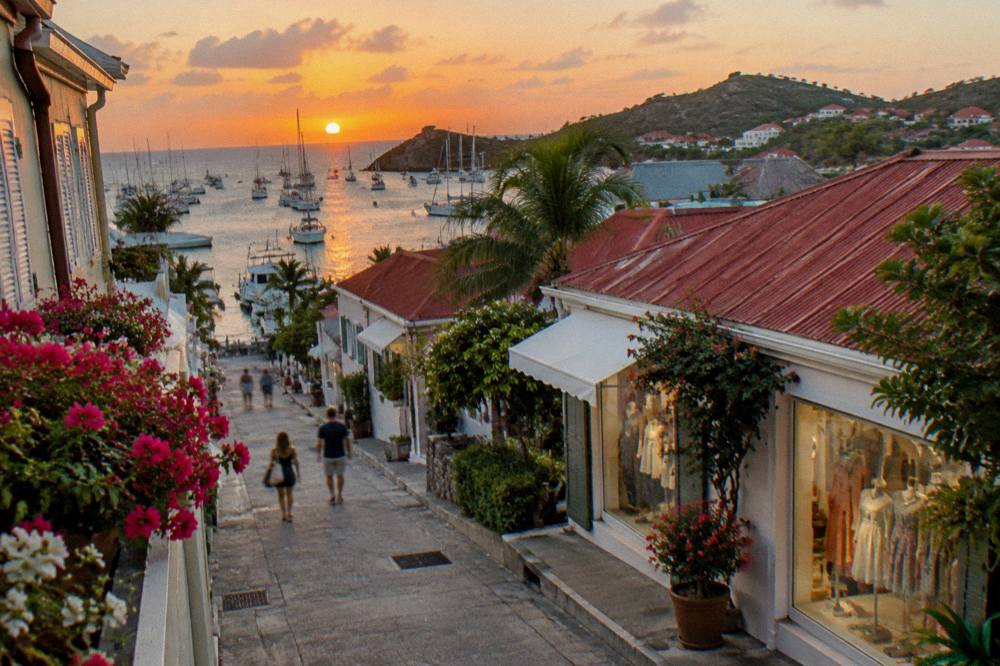
For visitors whose real interest is the island's retail calendar, the year has anchor moments beyond the shops themselves. The St Barts New Year's Eve guide covers the December-to-January period when the harbor fills, and the reopening wave each late October and early November is when the seasonal boutiques return, with the Gourmet Festival from 9 to 15 November 2026 marking the moment the island is fully back.
A closing note on expectations. This island is about 21 square kilometres with one harbor capital and one airport-side commercial strip, and its shopping is the shopping of a small, wealthy French collectivity: concentrated, European in character, and priced in euros. Visitors arriving by ferry from St Martin for a single day, or tendering from a cruise ship, can walk the whole of Gustavia's retail core between breakfast and lunch, add a beach by afternoon, and still be back at the quay before the last sailing. Plan around the autumn closures, carry a passport rather than assuming an ID card works, and let the things to do in St Barts page fill whatever hours the shops do not.
Common Questions About Shopping In St Barts
Is shopping in St Barts duty-free?
St Barts applies French customs rules as an overseas collectivity outside the Schengen area. The island has a duty-free reputation, but allowance figures differ by nationality, so check your own customs authority's limits before buying and keep your receipts.
What currency is used for shopping in St Barts?
The euro is the island's currency. Cards are widely accepted in Gustavia and Saint-Jean, and US dollars are taken informally in some places, but rates and change are up to the merchant. Bookable tour prices on this site are shown in US dollars from the operator's live listing, with no conversion implied.
Where do cruise passengers shop in St Barts?
Cruise ships tender to Gustavia and there is no cruise pier, so passengers land within walking distance of the harbor streets, where the luxury boutiques, jewelers and galleries are concentrated. Saint-Jean's beachwear and practical retail is a short taxi ride away.
Do shops close in autumn on St Barts?
Yes, as a yearly pattern. Many hotels and shops close in the late-summer low season and reopen in waves between mid-October and early November, with the St Barth Gourmet Festival from 9 to 15 November 2026 marking the season's full restart. Individual shop reopening dates are not published in advance.
Can you bring wine or cigars home from St Barts?
French customs rules govern what leaves the territory, and St Barts is outside the Schengen area. Keep receipts and check your home country's duty-free allowances.
Is there a free walking tour of Gustavia's shops?
No free or tip-based guided walking tour is listed here. Gustavia is compact and walkable, the harbor streets are open public places, and a self-guided walk from the quay covers the retail core easily.