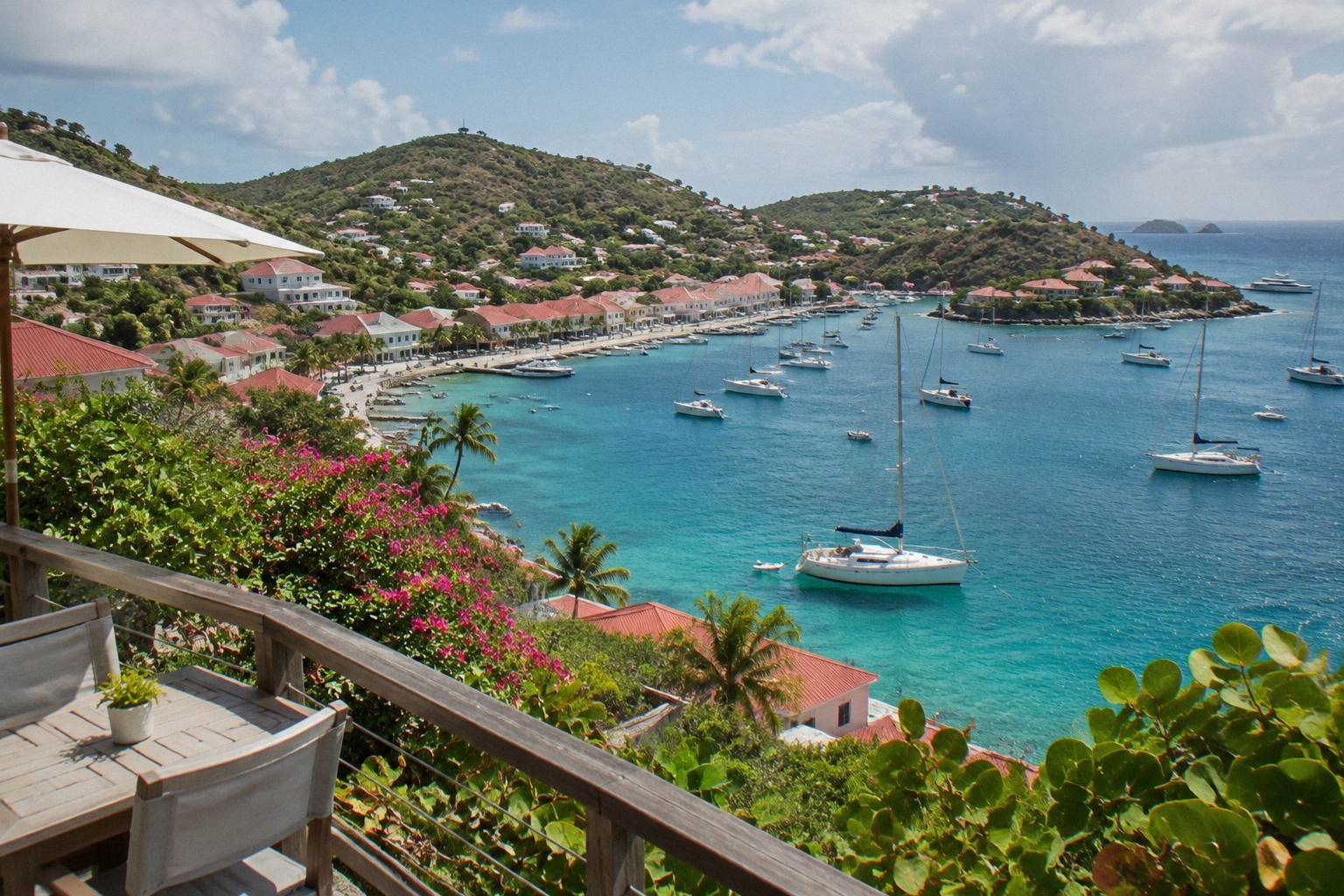
Lorient Area Guide
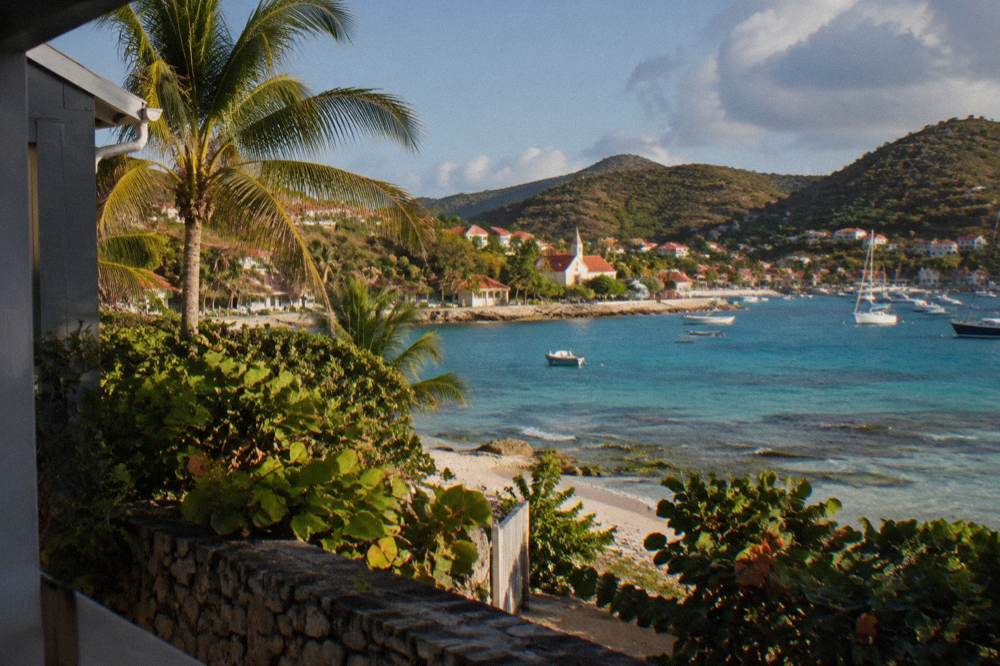
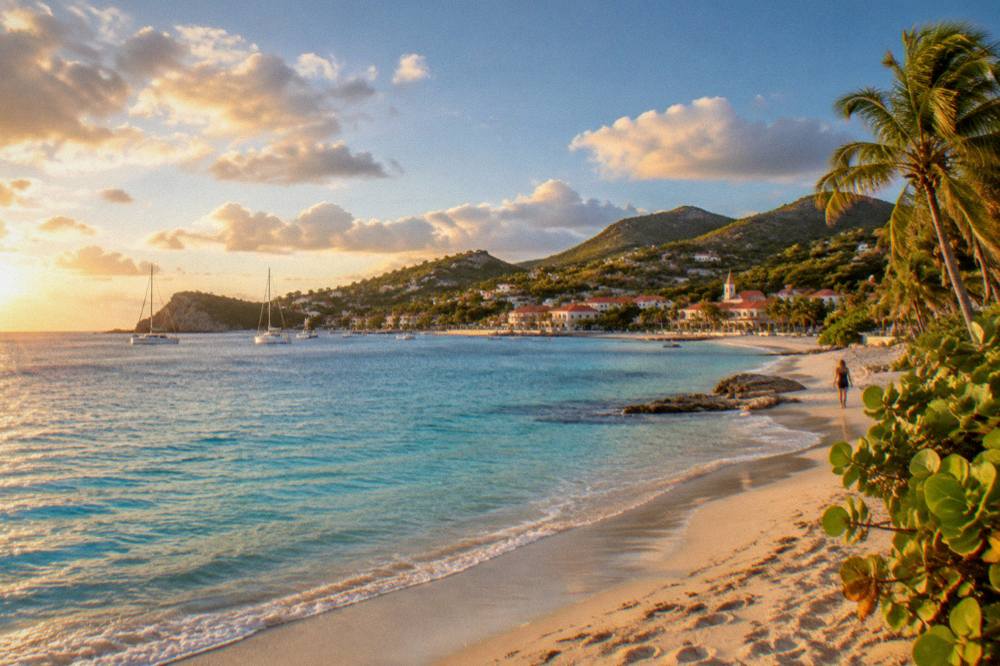
Lorient sits on the north coast of St Barthelemy, a quiet residential area around a public beach of the same name, within easy reach of Saint-Jean and the airport.
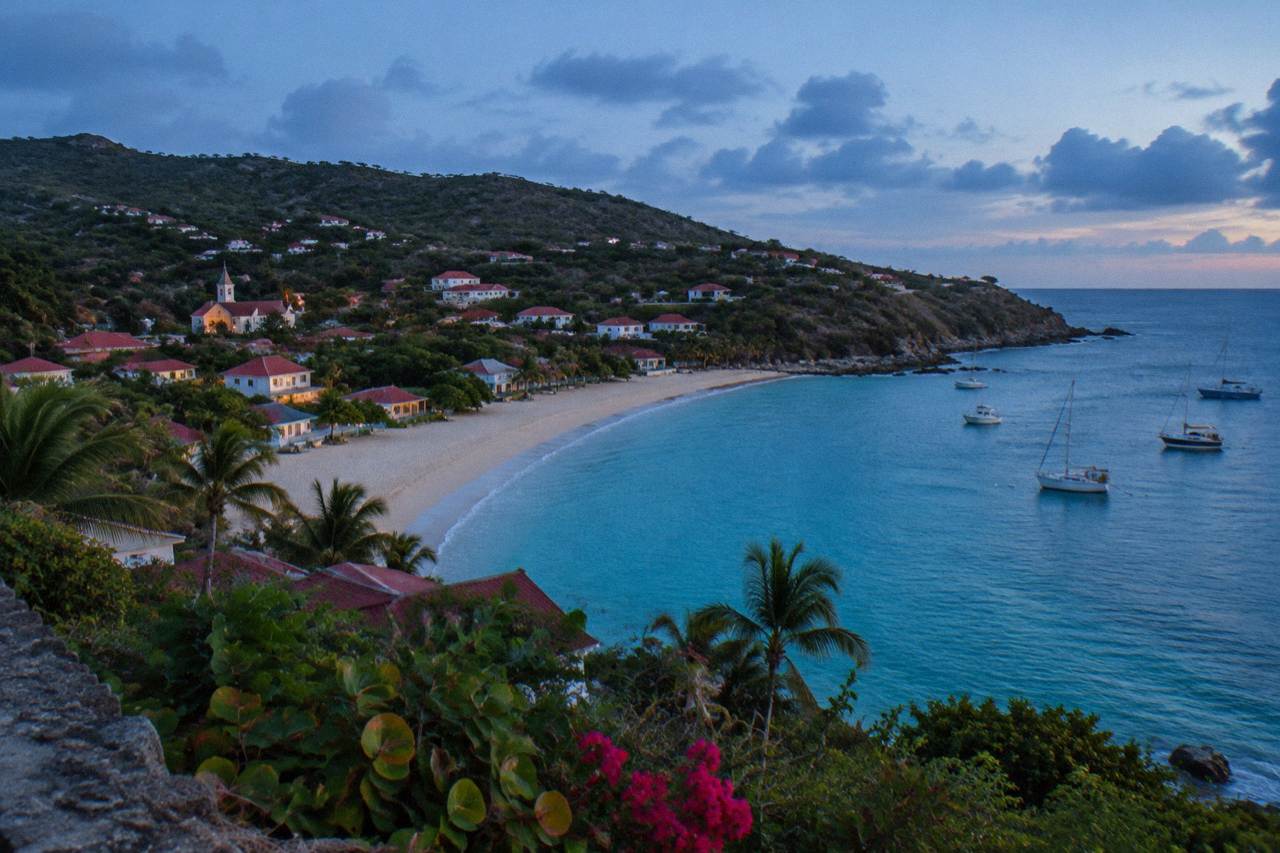
Lorient is a residential area on St Barts' north coast, anchored by a public beach, sitting between Gustavia and Grand Cul-de-Sac on the island's main road. It is known as a low-key place to stay with villas and a small hotel scene, and it puts the whole island within a short drive.
Lorient is one of the named areas of St Barthelemy, the small French island in the Caribbean also known as St Barts. It sits on the island's north coast, roughly between the airport at Saint-Jean and the bay of Grand Cul-de-Sac, and it is built around a public beach of the same name. The area mixes villas climbing the hillside, a small commercial cluster near the shore, and one of the beaches the tourism committee lists among the island's public strands. This guide from St Barthelemy Travel covers what the area is, where it sits, what the reserve rules mean for the water here, and how it fits into a stay on an island of about 21 square kilometres.
Where Is Lorient In St Barts?
Lorient sits on the north coast of St Barts, east of Saint-Jean and the airport, west of Grand Cul-de-Sac, on the road that circles the island. It is a residential area of villas and small commercial buildings around a public beach of the same name. Gustavia, the capital and harbour town, lies to the southwest along the same road. Nothing on the island is far: the whole territory covers about 21 square kilometres.
That geography is the area's main practical selling point. A stay in Lorient sits between the island's airport at Saint-Jean, where the 646 m runway handles small turboprops only, and the shallow bay of Grand Cul-de-Sac, with Gustavia reachable along the same coast road. The island is an overseas collectivity of France since 2007, with the euro as currency, French as the official language and English widely spoken, and roughly 10,700 residents.
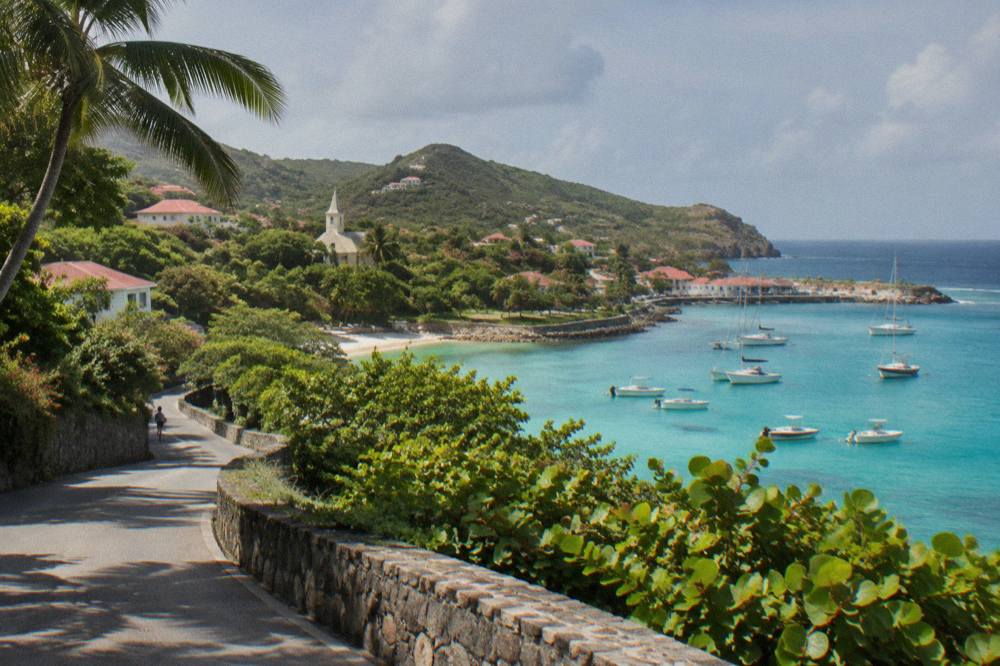
The area guide map on this site places Lorient clearly: it is the neighborhoods map of St Barts that shows how the named areas stack up along the coast, from Corossol in the west to Toiny in the southeast. Lorient's position between the busier Saint-Jean strip and the quieter eastern bays is what defines its character.
| Named area | Position on St Barts | Character |
|---|---|---|
| Gustavia | Southwest, main harbour | Capital, shops and port |
| Saint-Jean | North coast, airport side | Beach, airport, commerce |
| Lorient | North coast, east of Saint-Jean | Residential, public beach |
| Grand Cul-de-Sac | Northeast | Shallow bay, water sports |
| Flamands | Northwest | Long beach, hotel side |
| Corossol | West, facing the sea | Village, quiet shore |
What Is The Lorient Area Known For?
Lorient is known as a calm residential area around a public beach, with a villa market and a small cluster of everyday commerce, rather than as a resort strip. The tourism committee lists Lorient among the island's named public beaches, and the area is repeatedly described as a family-friendly, low-key base. It holds no marina, no cruise tender point and no airport: those sit in Gustavia and Saint-Jean.
The beach is the anchor. Like every beach on St Barts, Lorient beach is public and free to access, a point the tourism committee makes for all the named strands, from Saint-Jean to Saline. Beyond the name and the map position, the constraints are strict and worth repeating in practical terms: all beaches here are public, and no source rates one beach above another. A page that promises "the best beach on the island" is guessing.
Around the beach, the area is residential. Villas climb the slopes behind the shore, and the island's villa managers, including WIMCO, Sibarth and St Barth Properties, operate across the whole territory rather than in one area. Lorient is simply a hillside of villas above a shore of sand. What the map supports is simple: a hillside of villas, a shore of sand, a small commercial cluster, and roads that are narrow, winding and steep, as every driving guide for the island notes.
For travellers comparing bases, the best area to stay in St Barts question comes down to trade-offs, and Lorient's trade-off is quiet against proximity. It is not the shopping and harbour life of Gustavia, and not the airport-side energy of Saint-Jean. It sits between them.
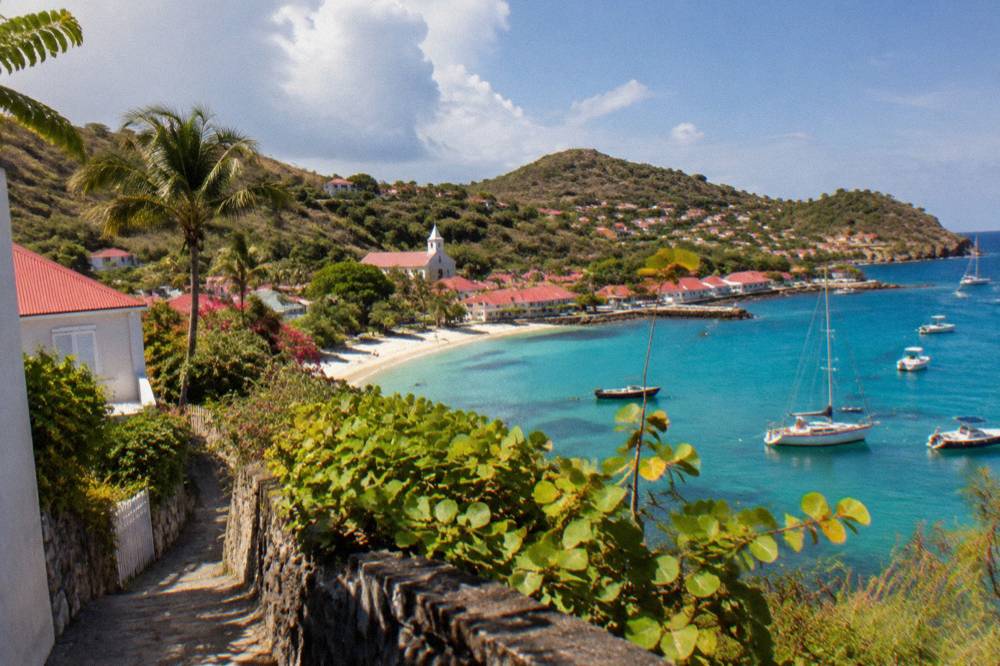
For a different angle on the island, several boat products listed here visit St Barts from St Martin, and one of them is the group sail and snorkel trip that covers Gustavia, Colombier and Ile Fourchue in a day. See the live listing
What Rules Apply On Lorient Beach And In The Water?
The St Barts marine reserve sets a 5-knot speed limit in its zones, bans jet skis and other motorized water devices, prohibits dogs on the island's beaches, and forbids touching, chasing or feeding protected species including sea turtles, according to the environment agency's regulatory-zones page. The reserve lists 23 dive sites across its waters. Anchoring rules and ecological mooring buoys apply in the protected bays.
These rules come from the Agence Territoriale de l'Environnement, the territorial environment agency, and they matter for any traveller who plans to swim, snorkel or anchor off St Barts. The dog ban deserves emphasis because it is island-wide rather than reserve-specific: dogs are prohibited on all beaches, under a longstanding municipal order, even on a leash. Signs stand at beach entrances.
The turtle rules matter here too. Green and hawksbill turtles are present in St Barts waters, and the environment agency asks that nests and sightings be reported rather than approached. Touching a turtle, standing on coral, or collecting shells, sand or rocks are all prohibited in the reserve zones. Gloves are banned in the water to prevent collecting. For a fuller treatment of the turtle rules and where they apply, see St Barts sea turtles.
| Rule | What it means in practice | Source of the rule |
|---|---|---|
| 5-knot speed limit | Slow transit inside reserve zones | Environment agency regulatory zones |
| No jet skis or seabobs | No motorized or electric water devices in zones | Environment agency regulatory zones |
| No dogs on beaches | Island-wide, on leash or off | Municipal order, longstanding |
| No touching turtles | No touching, chasing or feeding protected species | Environment agency regulatory zones |
| No collecting | No coral, shells, sand, rocks or urchins taken | Environment agency regulatory zones |
| No gloves in water | Ban aimed at preventing collecting | Environment agency regulatory zones |
The sea itself is warm year round, about 26 C in winter to about 29 C from August to October in secondary figures, and the climate is tropical with no cold season. The Meteo-France normals for 1991 to 2020 show a mean daily high of 28.5 C in January rising to 31.7 C in September, with 891.3 mm of rain across the year and October the wettest month at 135.6 mm. Hurricane season runs 1 June to 30 November, with the peak of activity from mid-August to mid-October.
Where To Stay In Lorient?
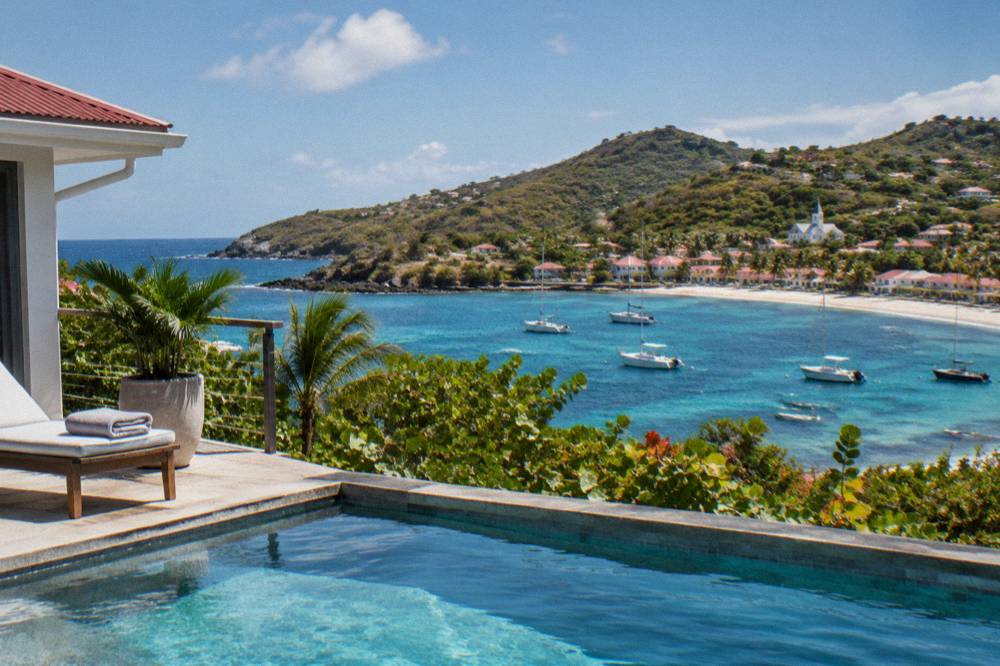
Lorient offers villas on the hillside and a small hotel presence, bookable through the island's villa managers, including WIMCO, Sibarth and St Barth Properties, and through the major rental platforms. Rates in the area vary sharply by season. The area is described as quieter than Saint-Jean or Gustavia, which is its draw.
The honest framing is that St Barts has a large villa market and a hotel scene that skews toward the high end, and that Lorient is on the villa-and-quiet end of that split. Villa managers on the island operate territory-wide, so a search for a Lorient villa runs through the same specialists as a search anywhere else. The comparison that matters is with neighbours: Flamands and its long beach to the northwest, Grand Cul-de-Sac and its shallow bay to the east, and the Toiny coast beyond it.
One seasonal pattern shapes any booking here. Many hotels and restaurants on St Barts close each autumn and reopen in waves between mid-October and early November, a recurring rhythm rather than a set of fixed dates, so a stay in the deep low season can meet closed doors that have nothing to do with the area itself. Villas generally remain available year round, which is why a Lorient villa is often the autumn answer.
| St Barts area | Accommodation character | Seasonal note |
|---|---|---|
| Lorient | Villas on the hillside, quiet residential base | Villas generally year round |
| Saint-Jean | Hotel and commerce strip by the airport | Hotel closures in autumn |
| Flamands | Upscale hotel side on a long beach | Autumn closure wave common |
| Grand Cul-de-Sac | Resort and villa bay | Reopening mid-October to early November |
| Gustavia | Town stays, shops and the harbour | Town core stays active |
How Do You Get Around Lorient And St Barts?
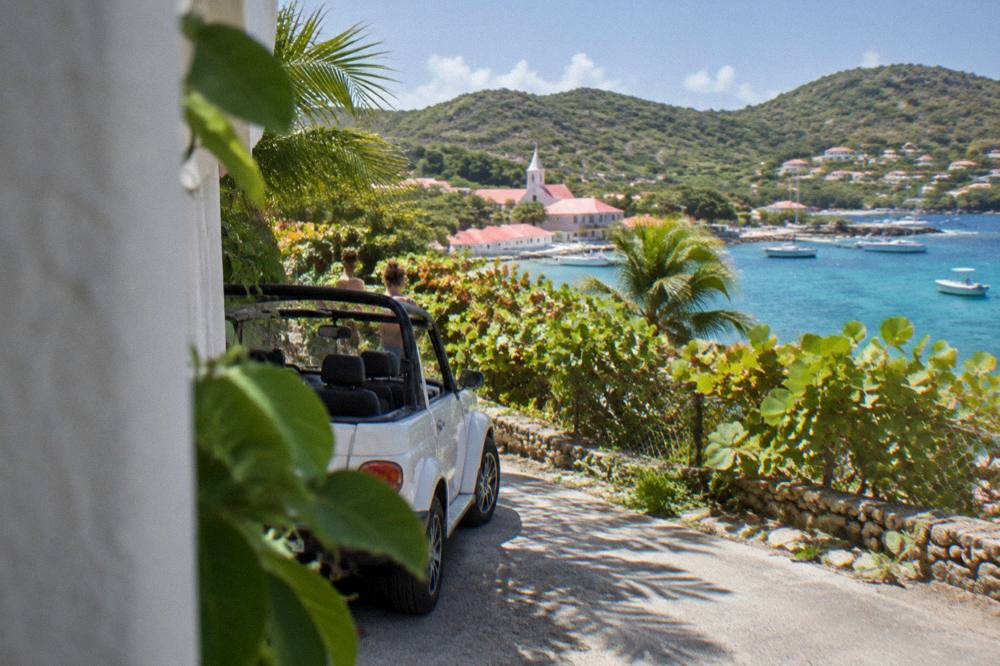
Driving is on the right, roads are narrow, winding and steep, the island-wide speed limit is typically 50 km/h with 30 km/h in Gustavia and Saint-Jean, and rental counters at the airport include Avis, Budget and Hertz alongside local agencies and Mini Moke specialists. French right-of-way rules apply. Parking is free but scarce in Gustavia in high season.
A car is the practical answer for a Lorient stay, and the renting a car in St Barts question comes up for almost every visitor because the island's roads are the island's character: steep climbs, tight corners and short hops. The Mini Moke, the open-air vehicle associated with the island, is available through local agencies rather than the international brands, and automatics predominate across fleets of small compacts and small SUVs.
Licensing is straightforward for most visitors: a valid home-country licence, with an International Driving Permit typically needed only for licences in non-Roman alphabets. Terms vary by company, including minimum driver age, so the specific rental agreement is the place to confirm. No fare, rate or tariff appears on this page.
For arrivals, the geography matters. Long-haul flights land at St Martin, San Juan, Guadeloupe or Antigua, and the last leg to St Barts is a small plane or the ferry, because the runway at Gustaf III takes small STOL turboprops only, in daylight and visual conditions. Two ferry operators serve Gustavia: Great Bay Express from Philipsburg on the Dutch side, and Voyager from Marigot on the French side. The crossing can be rough, and schedules shift with season and weather.
What Can You See Around Lorient In St Barts?
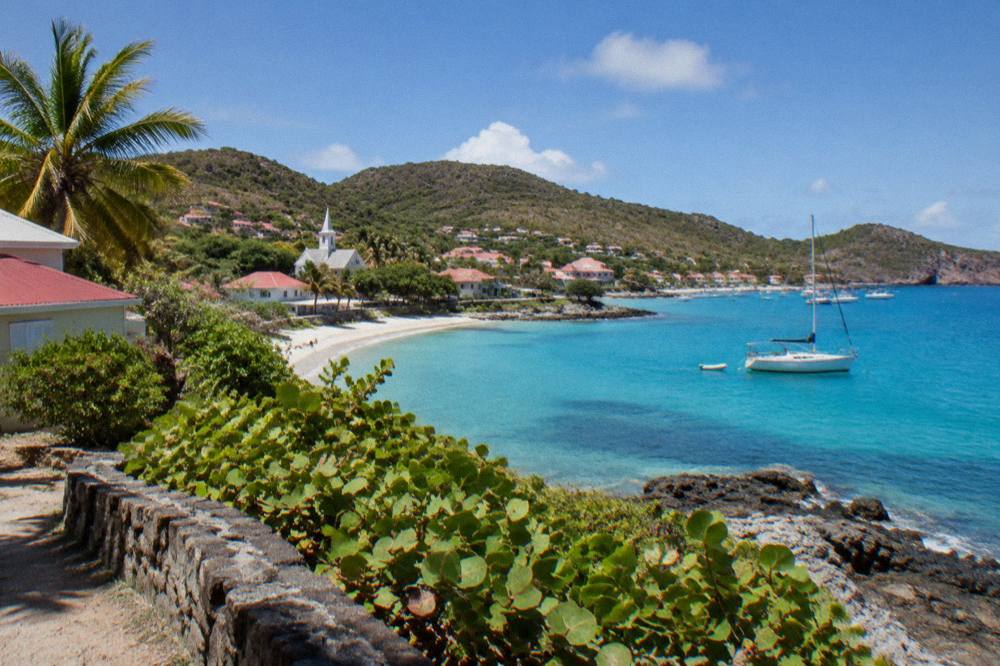
Around Lorient, the named sights within a short drive are the public beaches of Saint-Jean, Flamands and Grand Cul-de-Sac, the village of Corossol to the west, the Colombier beach area to the northwest, and the harbour, shops and lookouts of Gustavia. The tourism committee lists all beaches as public and free. Colombier is reached by boat or on foot, and no walking time is published for the trail.
The island rewards a loop. A day can run from Lorient beach east to the Grand Cul-de-Sac bays, back through Gustavia for the harbour and the shopping, then northwest to Flamands and the trailhead at Colombier. The fortifications above Gustavia, the Wall House Museum and the island's Swedish-era history, from the time before it became a French overseas collectivity in 2007, fill the cultural side. Free enjoyment on St Barts is the beaches and open public places, and no guided walking tour is listed here.
| Sight near Lorient | Direction from Lorient | Access |
|---|---|---|
| Saint-Jean beach | West, past the airport | Public beach, road access |
| Flamands beach | Northwest | Public beach, road access |
| Colombier beach | Northwest by boat or trail | Boat or walk, no trail time published |
| Grand Cul-de-Sac | East | Public beach, road access |
| Corossol village | West | Village shore, road access |
| Gustavia harbour | Southwest | Town, tender point for cruise ships |
From the water, the coastline reads differently. The boat products listed here all depart from St Martin or Sint Maarten and visit St Barts, and they approach the island the way sailors have always done, from the sea, with Gustavia's harbour, the marine reserve bays and Ile Fourchue in the itinerary. For a traveller based in Lorient, these are day trips with a St Martin start rather than island activities, which is worth understanding before booking.
When Is The Best Time To Be In Lorient?
The busiest and driest months run roughly December through April, when the Meteo-France normals, 1991-2020, show mean daily highs of 28.5 to 29.8 C and monthly rain between 38.4 and 50.9 mm. The warmest months, September at 31.7 C, overlap the hurricane season from 1 June to 30 November, whose peak runs mid-August to mid-October with October the wettest month at 135.6 mm.
That is the whole seasonal picture from the site's climate table, and it is worth reading rather than skimming, because the island never gets cold and the choice is really about rain risk, hotel openings and event dates. The pattern of autumn closures in the hotel and restaurant trade means the island itself is quieter in September and early October, then reopens in waves from mid-October. By the time the Gourmet Festival runs, 9 to 15 November 2026 on its announced dates, the high season is effectively underway.
| Month | Mean daily high (C) | Rain (mm) | Seasonal note |
|---|---|---|---|
| January | 28.5 | 52.6 | High season, Music Festival 8 to 18 Jan 2027 |
| February | 28.6 | 38.4 | Least rain in the normals |
| April | 29.8 | 50.9 | Les Voiles sailing week, April, dates unconfirmed |
| July | 31.2 | 80.4 | Hurricane season, quieter island |
| September | 31.7 | 96.9 | Deepest low season, autumn closures |
| October | 31.4 | 135.6 | Wettest month, reopenings from mid-October |
For travellers who want the water warm, the sea runs about 26 C in winter to about 29 C from August to October in secondary figures, always "about". For travellers who want the island fully open, the November-to-April window is when the hotels, beach clubs and restaurant tables are running, and when the ferry and flight schedules are at their fullest, though schedules shift.
Is Lorient A Good Base For A St Barts Trip?
Lorient suits travellers who want a quiet, residential base with a public beach at the door and the rest of a 21-square-kilometre island within a short drive, and it suits families and long-stay villa guests in particular. It does not suit travellers who want to walk out of the door into Gustavia's harbour life or Saint-Jean's commerce strip. Every named beach is public, so the beach itself costs nothing.
The practical verdict comes down to transport. With a car, Lorient's position between the airport, Saint-Jean, Grand Cul-de-Sac and Gustavia makes it a genuinely central base, and the drive is part of the island's appeal in any case, hilltops and sea views on every leg. Without a car, the area's quiet becomes isolation, because the roads are steep and there is no transit network worth the name. The do you need a car in St Barts question answers itself for this area: yes.
For itinerary planning, this site's first-timer itinerary and the three days in St Barts plan both work from a Lorient base without adjustment, and the family itinerary suits the area's character especially well. Longer stays can reach the day trips from St Barts toward St Martin, Anguilla or Saba by ferry or small plane.
Common Questions About The Lorient Area Of St Barts
Is Lorient beach public?
Yes. Every beach on St Barts is public and free to access, and the tourism committee lists Lorient among the island's named beaches. Dogs are prohibited on all beaches island-wide, under a longstanding municipal order, even on a leash.
How far is Lorient from Gustavia?
Lorient sits on the north coast east of Saint-Jean, and Gustavia lies to the southwest along the same island road. The island covers about 21 square kilometres, so no crossing is long.
Can you swim and snorkel at Lorient?
The water around St Barts is warm year round, about 26 C in winter to about 29 C from August to October in secondary figures. Marine reserve rules apply island-wide: no touching turtles or coral, no collecting shells or sand, and no jet skis or other motorized water devices in the reserve zones.
Is Lorient a good place to stay with a family?
The area is repeatedly described as a quiet, residential base with a public beach, which suits families, and villas generally stay available year round even when hotels close in autumn. A car is effectively necessary, because the island's roads are steep and there is no meaningful transit network.
Do tours leave from Lorient?
No bookable tour listed here departs from St Barts at all. Every boat product departs from St Martin or Sint Maarten and visits St Barts, so a traveller based in Lorient joins those trips from the St Martin side, typically as part of a day trip or an overnight.
When do hotels and restaurants reopen near Lorient?
Many hotels and restaurants across St Barts close each autumn and reopen in waves between mid-October and early November. It is a recurring pattern rather than a fixed calendar, so confirm the specific property close to travel dates.