Grand Cul-De-Sac Area Guide
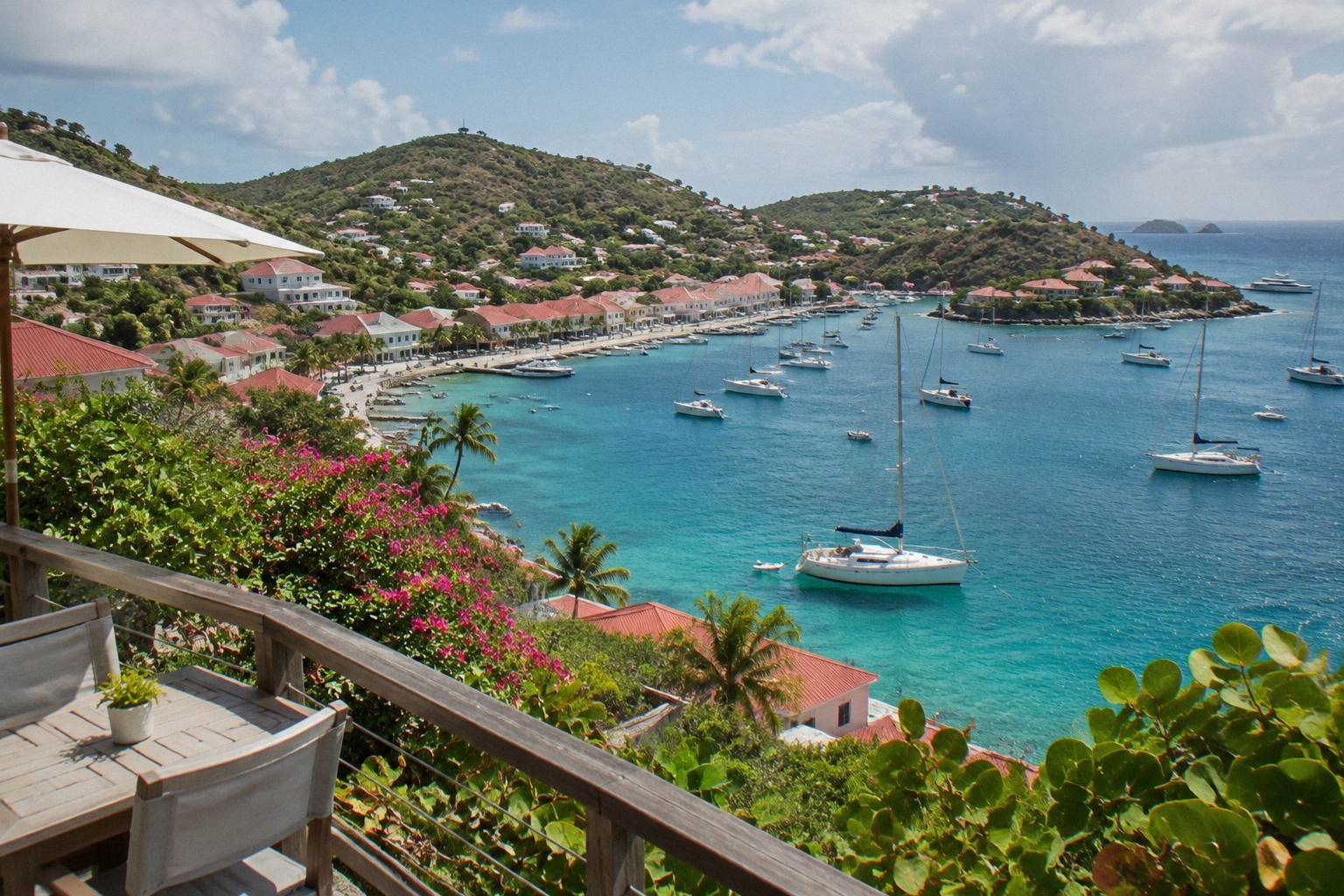
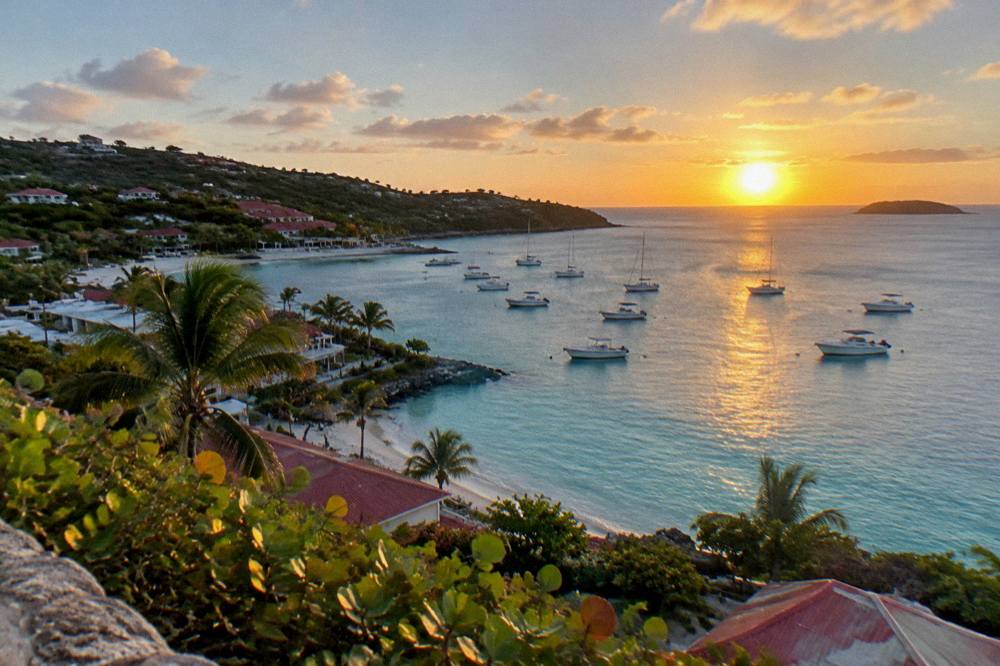
Grand Cul-de-Sac sits on the north-east shore of St Barts, a shallow lagoon fringed by public beach and backed by low hills, with three of the island's known hotels and the calmest-reading water on this coast according to the marine reserve's own zone map.
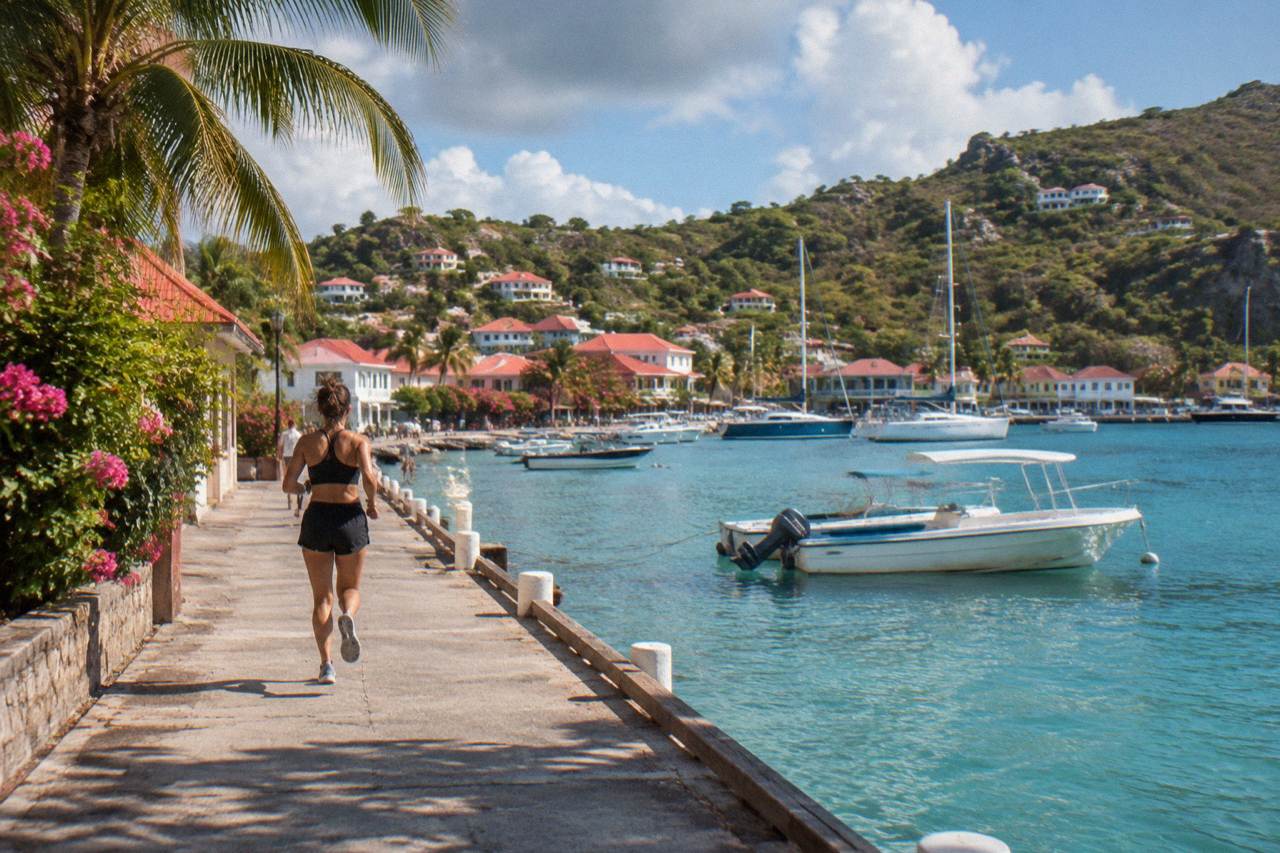
Grand Cul-de-Sac is a residential and resort area on the north-east shore of St Barts, around a shallow lagoon listed by the environment agency as a sea turtle habitat, with Le Guanahani, Le Barthelemy and Le Sereno as the named properties in the area.
Grand Cul-de-Sac is a lagoon-side area on the north-east shore of St Barts, the small French Caribbean island of St Barthelemy, about 21 square kilometres of hills and public beaches where the euro is the currency and French the official language. The area wraps around a shallow bay that the island's environment agency, the Agence Territoriale de l'Environnement, lists as one of its protected marine zones, a place where green and hawksbill turtles are recorded as common. For travellers weighing where to stay, this shore offers a different proposition from Gustavia's harbour front or the surf beaches of the south coast, and this guide covers the beach rules, the named hotels, the climate numbers and how the area compares with its neighbours.
Where Is Grand Cul-De-Sac In St Barts?
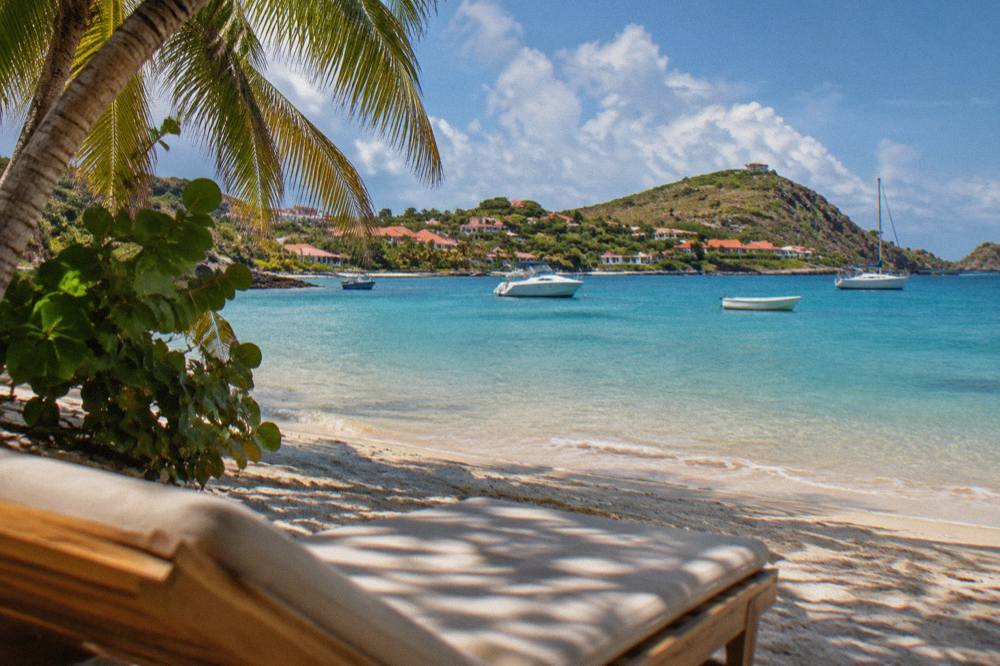
Grand Cul-de-Sac is the area around a shallow bay on the north-east coast of St Barts, facing the Atlantic side of the island between Lorient and Toiny on the coastal road, with Petit Cul-de-Sac at its inner end and the headland of Pointe Milou to the north. The beach there is public, like every beach on the island, and the bay itself is inside the marine nature reserve's regulated zone, with villas on the hillsides and the island's hotel cluster along the shore.
The geography matters for planning. The bay opens to the north-east, which places it on the opposite side of the island from Gustavia, the harbour capital where the ferries dock and the shops concentrate. The tourism committee's material lists Grand Cul-de-Sac among the island's named public beaches, alongside Lorient to the west and Toiny to the south-east, and the map shows the area as one of the few low-lying flats on an otherwise steep island. Petit Cul-de-Sac, the smaller cove at the head of the bay, has its own page at Petit Cul-de-Sac on St Barts, and the main strand is covered in the Grand Cul-de-Sac beach guide.
Driving is on the right, and the island's roads are narrow, winding and steep, with a single roundabout near the airport at Saint-Jean. The area sits on the island's circular coastal road, connected west to Lorient and south over the hill to Toiny.
Why Stay In Grand Cul-De-Sac Rather Than Gustavia Or St Jean?
Grand Cul-de-Sac trades harbour-town walkability for a quiet lagoon shore inside a protected marine zone, on an island where every beach is public and the environment agency records turtles in the bay. Gustavia holds the shops, the ferry terminal and the port; Saint-Jean holds the airport and the island's busiest beach; Grand Cul-de-Sac holds shallow water, three named hotels and a residential hillside, which suits travellers basing themselves around one bay.
The choice is really about which shore frames the trip. Staying in Gustavia, covered in the Gustavia where-to-stay guide, puts the ferry, the boutiques and the harbour restaurants at the door, at the price of being the island's working port. Saint-Jean, covered in the Saint-Jean area guide, puts the airport runway and a long public beach together. Grand Cul-de-Sac has neither the port nor the runway: it is the shore the marine reserve's zone map draws a line around, with turtle habitat recorded in the lagoon and a 5-knot speed limit on the water.
One way to see the area is from the sea, and the only bookable boats listed here depart from St Martin or Sint Maarten, never from St Barts. The Nikki Beach private charter is one such product, a private day trip from Sint Maarten that rounds the St Barts coast; its page at Nikki Beach St Barth private charter shows the itinerary, and See the operator's live listing. The charters below cover the full range listed here.
The comparison extends island-wide, and the best area to stay in St Barts walks every shore in one place. The table below holds the map facts for the main contenders.
| Area | Position on the island | What The Map Shows |
|---|---|---|
| Gustavia | South-west harbour | Capital and port, ferry terminal, shops |
| Saint-Jean | North-central coast | Gustaf III Airport on the beach's edge |
| Grand Cul-de-Sac | North-east shore | Shallow lagoon bay, marine reserve zone |
| Lorient | North coast, west of Grand Cul-de-Sac | Public beach, residential area |
| Toiny | South-east coast | Public beach, wild coast designation on the tourism map |
| Flamands | North-west coast | Long public beach |
| Saline | South coast | Public beach, reached from the coastal road |
Which Hotels Sit In Grand Cul-De-Sac St Barts?
Three named properties sit in or beside Grand Cul-de-Sac: Le Guanahani, becoming Airelles Le Guanahani on 1 November 2026 with its tables reopening 1 November 2026, Le Barthelemy Hotel and Spa with tables reopening 22 October 2026, and Le Sereno on the same shore. The seasonal pattern is that many island hotels close in autumn and reopen between mid-October and early November.
Le Guanahani is the area's best-documented property this season. The reporting says Rosewood management ended there on 1 October 2026 and the property reopens on 1 November 2026 under the French Airelles collection, with no major renovation planned; the property sits on the Grand Cul-de-Sac shore along with Le Barthelemy, whose tables reopen 22 October 2026, and Le Sereno, whose reopening reporting varies between late October and mid-November 2026. These dated reopenings are working-list figures from the island's restaurateurs' association calendar and can slip by days.
No nightly, weekly or seasonal rate for any of the three is given. Rates vary by season, and each property's own booking page shows them. The seasonal rhythm is clear: the closure window typically runs from mid or late August, and the reopenings cluster between 15 October and early November. Booking a stay in that window means confirming the property's own dates directly.
| Property | Area | Seasonal Pattern |
|---|---|---|
| Le Guanahani (becoming Airelles Le Guanahani) | Grand Cul-de-Sac | Tables reopen 1 November 2026 |
| Le Barthelemy Hotel and Spa | Grand Cul-de-Sac | Tables reopen 22 October 2026 |
| Le Sereno | Grand Cul-de-Sac shore | Reporting varies, late October to 16 November 2026 |
Villas are the other lodging route, and the island has a large villa market. The named managers are WIMCO, Sibarth and St Barth Properties, all of which take direct bookings with on-island concierge; where to stay in St Barts covers the hotel-versus-villa question in detail, and the villa pages on this site go deeper still. The Grand Cul-de-Sac hillside is one of the island's villa areas, with the flats around the bay carrying the hotel cluster.
Is The Water At Grand Cul-De-Sac Good For Swimming And Snorkeling?
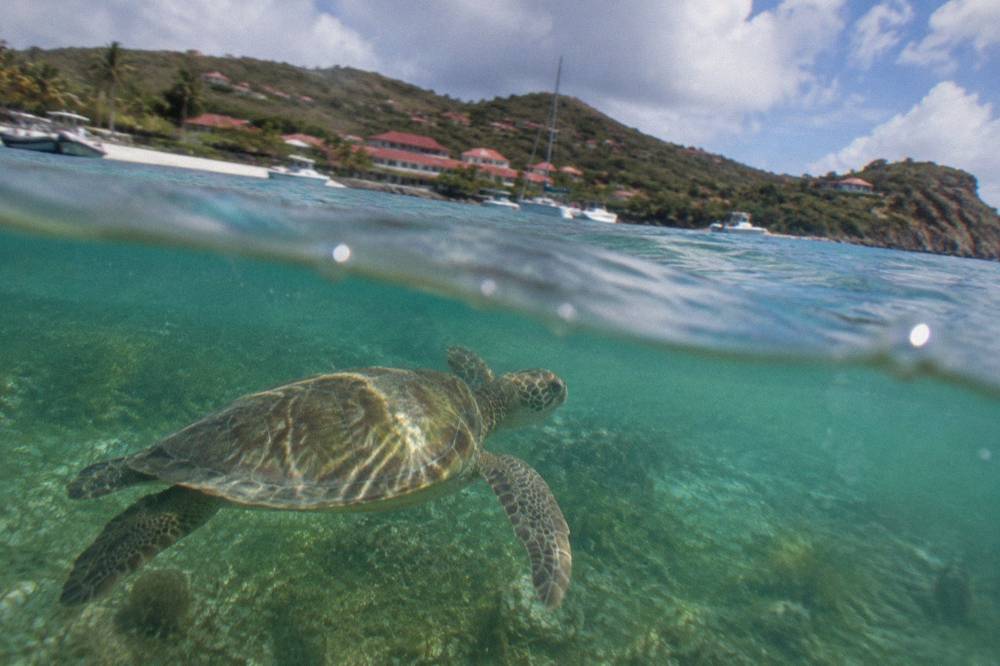
The Grand Cul-de-Sac lagoon is listed by the environment agency as a marine reserve zone where green and hawksbill turtles are common, with a strict ban on touching, chasing or feeding them, and with reserve-wide rules that include a 5-knot speed limit, no jet skis or seabobs, no gloves in the water and no collecting coral, shells or sand. The beach itself is public, like every beach on St Barts.
Those rules are the practical answer. The environment agency's regulatory-zones page is the source for all of them, and its turtle page adds that nests and sightings can be reported to a dedicated line, 06 90 31 70 73, and that light and noise near nesting areas should be reduced. The lagoon's turtle record is why the no-touch rule matters here more than anywhere: this is one of the two bays the agency names for turtle sightings, alongside Colombier on the north-west coast.
| Marine reserve rule | What it means at Grand Cul-de-Sac |
|---|---|
| 5-knot speed limit | Applies to vessels inside the reserve's zones, including this bay |
| No touching turtles | Green and hawksbill turtles are recorded as common here |
| No gloves in the water | Prevents collecting while snorkeling |
| No collecting | Coral, plants, shellfish, crustaceans, sand, rocks and shells |
| No dogs | Municipal order 86-27 bans dogs from all island beaches |
| No jet skis or seabobs | Motorized and electric water devices are banned in the zones |
What this page does not say is what a first-page guide often will: no claim appears here about the sand, the waves, the currents, lifeguards, toilets or parking. The sea temperature around St Barts runs about 26 C in winter to about 29 C from August to October, from a secondary source, and is described only as warm. Snorkeling from shore is a known island activity, and the land-access snorkeling beaches are covered in the best-snorkeling pages on this site; the deepest snorkeling inventory listed here is by boat, departing from St Martin or Sint Maarten.
What To Do Near Grand Cul-De-Sac In St Barts?
The activities around Grand Cul-de-Sac are the public beach and lagoon, the turtle waters of the marine reserve, the neighbouring cove of Petit Cul-de-Sac, the walk to nearby headlands, and boat trips that depart from St Martin or Sint Maarten and visit St Barts' coasts. There is no bookable on-island tour and no jet ski or towed-watersport option anywhere in the reserve's zones.
Start with what is free. All beaches on St Barts are public and free to access, and the open public places of Gustavia, the headlands and the island's roads cost nothing. No free or tip-based guided walk exists on the island. Hiking is real, and the island's hiking pages on this site list the routes, including the Colombier walk, covered in the Colombier area guide, which is reached by boat or on foot with no distance printed.
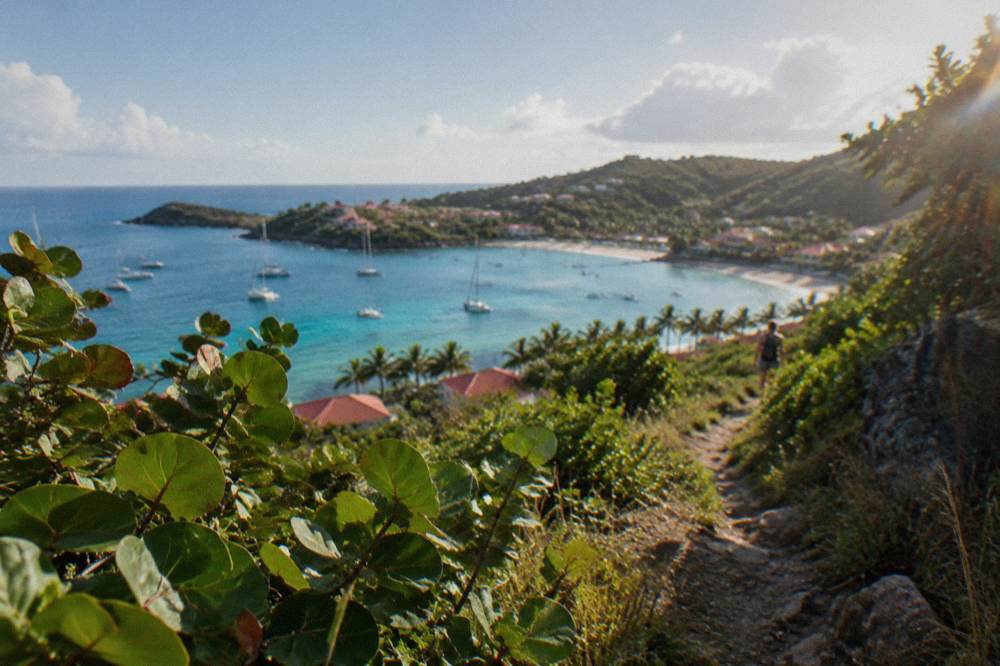
Then the water. Every bookable product listed here is a boat day from St Martin or Sint Maarten, which means a Grand Cul-de-Sac base pairs naturally with one or two days of crossing to or from the neighbouring island. The overnight catamaran option below is the only multi-day product, a private trip from St Martin with a night at St Barts.
For a single long day on the water, the private day charters run eight hours from St Martin or Sint Maarten, and the group sail visits Gustavia, Colombier and Ile Fourchue on its route. The table lists what the trip list actually holds; every departure is from the neighbouring island.
| Product listed here | Kind | Departure |
|---|---|---|
| Boomerangs group sail and snorkel | Group day trip | St Martin or Sint Maarten |
| 8-Hour private charter | Private day charter | St Martin or Sint Maarten |
| Private charter from St Martin | Private day charter | St Martin or Sint Maarten |
| Nikki Beach private charter | Private day charter | Sint Maarten |
| 2-Day 1-Night private catamaran | Overnight charter | St Martin |
| 7.5-Hour private sailboat | Private day charter | Sint Maarten |
For the broader on-island inventory, things to do in St Barts is this site's root page, and it keeps the bare list; this page deliberately avoids repeating it.
Do You Need A Car When Staying In Grand Cul-De-Sac?
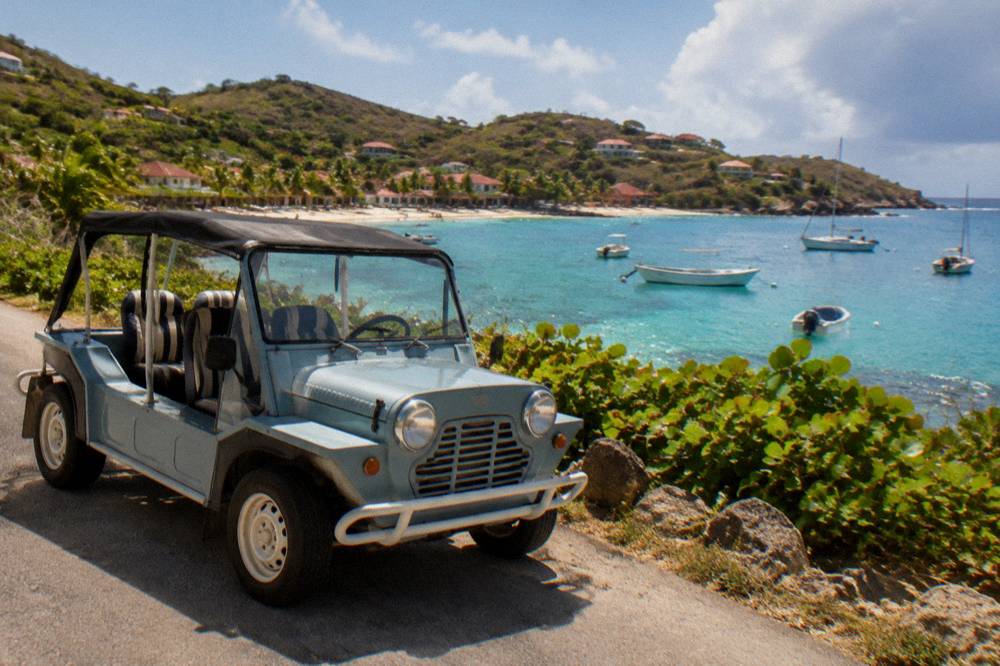
Driving on St Barts is on the right, on narrow, winding and steep roads, and rental counters at Gustaf III Airport include Avis, Budget and Hertz alongside local agencies, with Mini Mokes available from local operators. A car is the standard way to move around the island, and the coastal road reaches this area from Lorient and Toiny.
The driving facts are these: French traffic rules apply, there is one roundabout near the airport, and local agencies rent the open-air Mini Moke as well as small cars. Everything else a rental decision needs, from price to age policy, varies by company and is on each counter's own terms. The scooter and Mini Moke pages on this site carry the available details.
Taxis exist on the island; no route fare appears here. The general car-rental and getting-around guides on this site cover the practicalities without rates. What matters for this area specifically is position: the airport is at Saint-Jean on the north-central coast, and the coastal road runs from there through Lorient to Grand Cul-de-Sac and on over the hill to Toiny, a loop the map supports even where no timing is printed.
When Is The Best Time To Stay In Grand Cul-De-Sac?
The Meteo-France climate normals for 1991 to 2020 show St Barts warm year-round, with a mean daily high of 28.5 C in January rising to 31.7 C in September, 891.3 mm of rain a year, February the lowest month at 38.4 mm and October the wettest at 135.6 mm; the hurricane season runs 1 June to 30 November with its peak mid-August to mid-October, and many hotels, including this area's, close in autumn and reopen between mid-October and early November.
Those are the numbers, and they frame the calendar. The dry-reading months of February through April coincide with the high season, the sailing events and the busiest calendar on the island: the Bucket Regatta in mid-March, Les Voiles de St Barth in April, and the Film Festival in late April or early May. The Gourmet Festival runs 9 to 15 November 2026 and the Music Festival 8 to 18 January 2027, both dated from organiser announcements. Autumn is the quietest and wettest window, overlapping the hurricane-season peak and the hotel closures.
| Month | Mean daily high C | Mean daily low C | Rain mm |
|---|---|---|---|
| Jan | 28.5 | 23.5 | 52.6 |
| Feb | 28.6 | 23.3 | 38.4 |
| Mar | 29.0 | 23.5 | 41.4 |
| Apr | 29.8 | 24.2 | 50.9 |
| May | 30.7 | 25.1 | 61.7 |
| Jun | 31.2 | 25.9 | 56.0 |
| Jul | 31.2 | 26.0 | 80.4 |
| Aug | 31.6 | 26.3 | 79.6 |
| Sep | 31.7 | 26.2 | 96.9 |
| Oct | 31.4 | 25.8 | 135.6 |
| Nov | 29.9 | 25.0 | 118.6 |
| Dec | 28.9 | 24.1 | 79.2 |
No prediction of storms, rain, crowds or availability appears anywhere on this page, for any date. The pattern is useful; a forecast for a chosen week is not. Travellers booking the autumn shoulder should also hold the hotel-closure window in mind, since a late-October arrival can land between one property reopening and its neighbour still closed.
How Does Grand Cul-De-Sac Compare With Other St Barts Areas?
Grand Cul-de-Sac is the north-east lagoon shore, with the marine reserve's turtle zone, three named hotels and a residential hillside; Lorient to its west is a residential north-coast beach area, Toiny to its south is the wild south-east coast, and the north-west, west and south coasts hold Flamands, Gustavia with Shell Beach, and Saline. Every area's beaches are public, and the choice comes down to which shore and which walking distance matter most.
The full comparison lives in the area guides: Lorient, Flamands, Toiny, Pointe Milou, Corossol, Saline and the island-wide best area to stay in St Barts. For the celebrity-lodging angle, the answered pages where celebrities stay in St Barts and the most luxurious place to stay in St Barts cover the topic in depth.
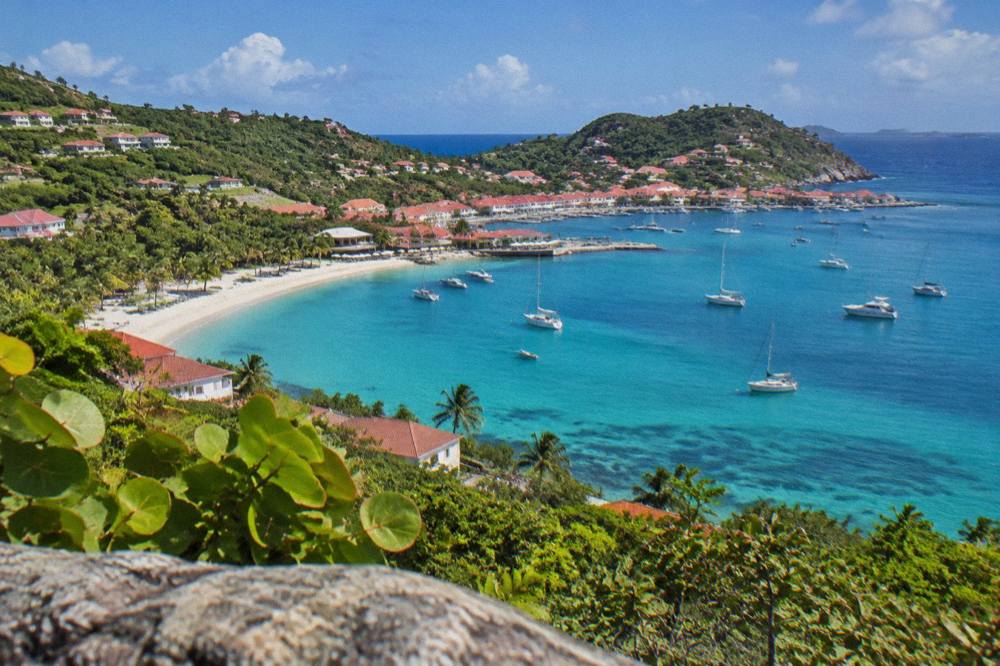
A stay here pairs well with a day on the water, and the boats below round the island's coasts including this one.
Whether this shore is the right base is ultimately a question of priorities, and this St Barthelemy Travel guide holds the rest of the island's area pages, hotel guides and ferry pages to finish the comparison. Grand Cul-de-Sac's case: a protected lagoon with recorded turtles, three named hotels, a public beach, and quiet by position rather than by reputation.
Common Questions About Grand Cul-De-Sac St Barts
Is Grand Cul-de-Sac beach public?
Yes. Every beach on St Barts is public and free to access, and the tourism committee's material lists Grand Cul-de-Sac among the island's named beaches.
Can you see turtles at Grand Cul-de-Sac?
The environment agency records green and hawksbill turtles as common in the lagoon. Touching, chasing or feeding them is banned, and nests or sightings can be reported to the agency's line, 06 90 31 70 73.
Are dogs allowed on Grand Cul-de-Sac beach?
No. A municipal order, number 86-27, bans dogs from all beaches on St Barts, on or off leash, and violations are subject to a fine.
Which hotels are in Grand Cul-de-Sac?
The named properties are Le Guanahani, becoming Airelles Le Guanahani on 1 November 2026, Le Barthelemy Hotel and Spa, and Le Sereno. Each property's own booking page shows current rates.
Do hotels in Grand Cul-de-Sac close in autumn?
Many hotels and restaurants on St Barts close each autumn and reopen between mid-October and early November. For 2026 the working lists show Le Barthelemy's tables reopening 22 October and the Guanahani tables 1 November under the Airelles name.
Can you take a boat tour from Grand Cul-de-Sac?
Every bookable boat tour listed here departs from St Martin or Sint Maarten, never from St Barts, and none departs from Grand Cul-de-Sac. Jet skis and towed watersports are banned inside the marine reserve's zones.