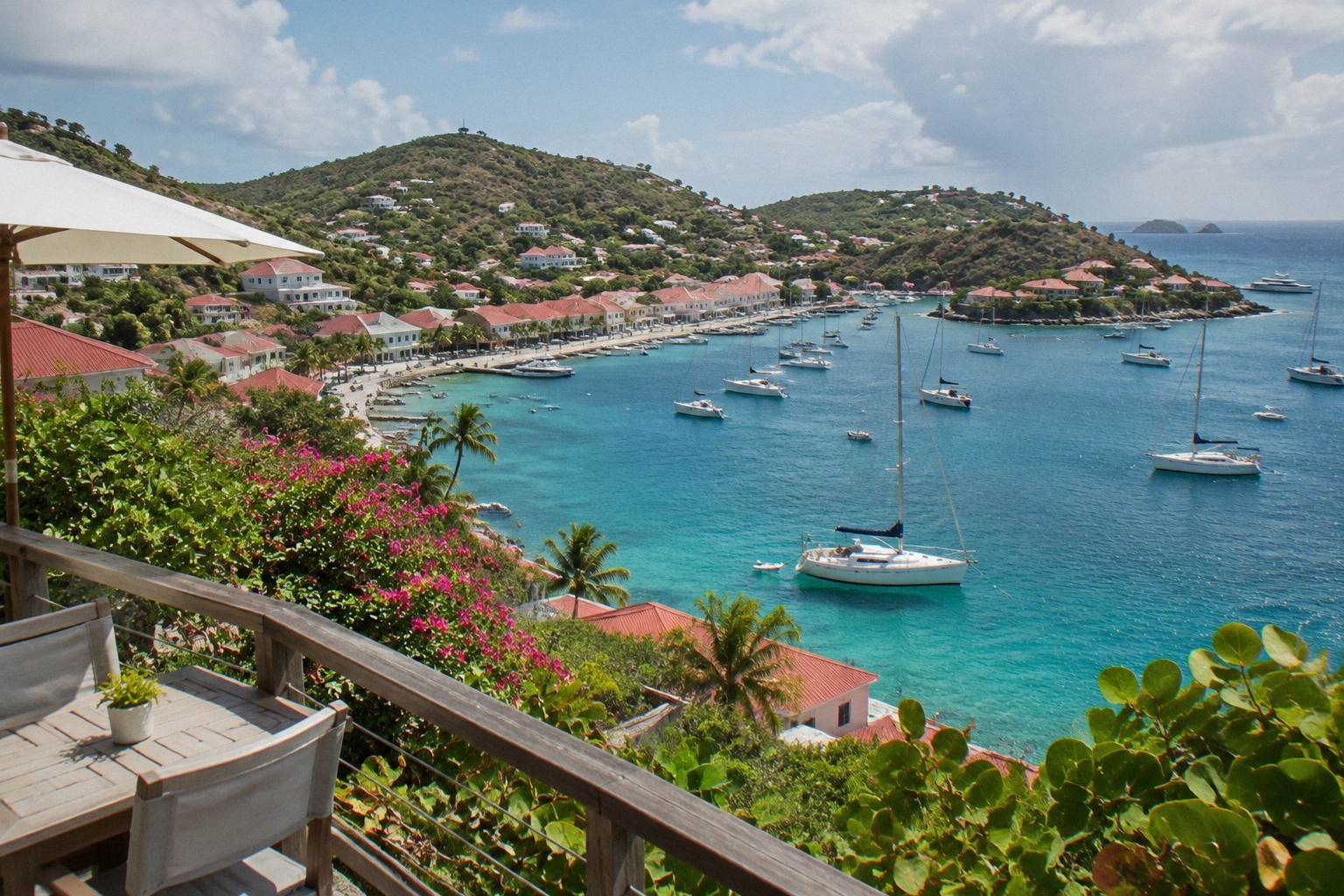
Toiny Area Guide
Toiny sits on the southeast coast of St Barthelemy, a quiet residential corner of hills, villas and one long public beach, far from the harbour lights of Gustavia.
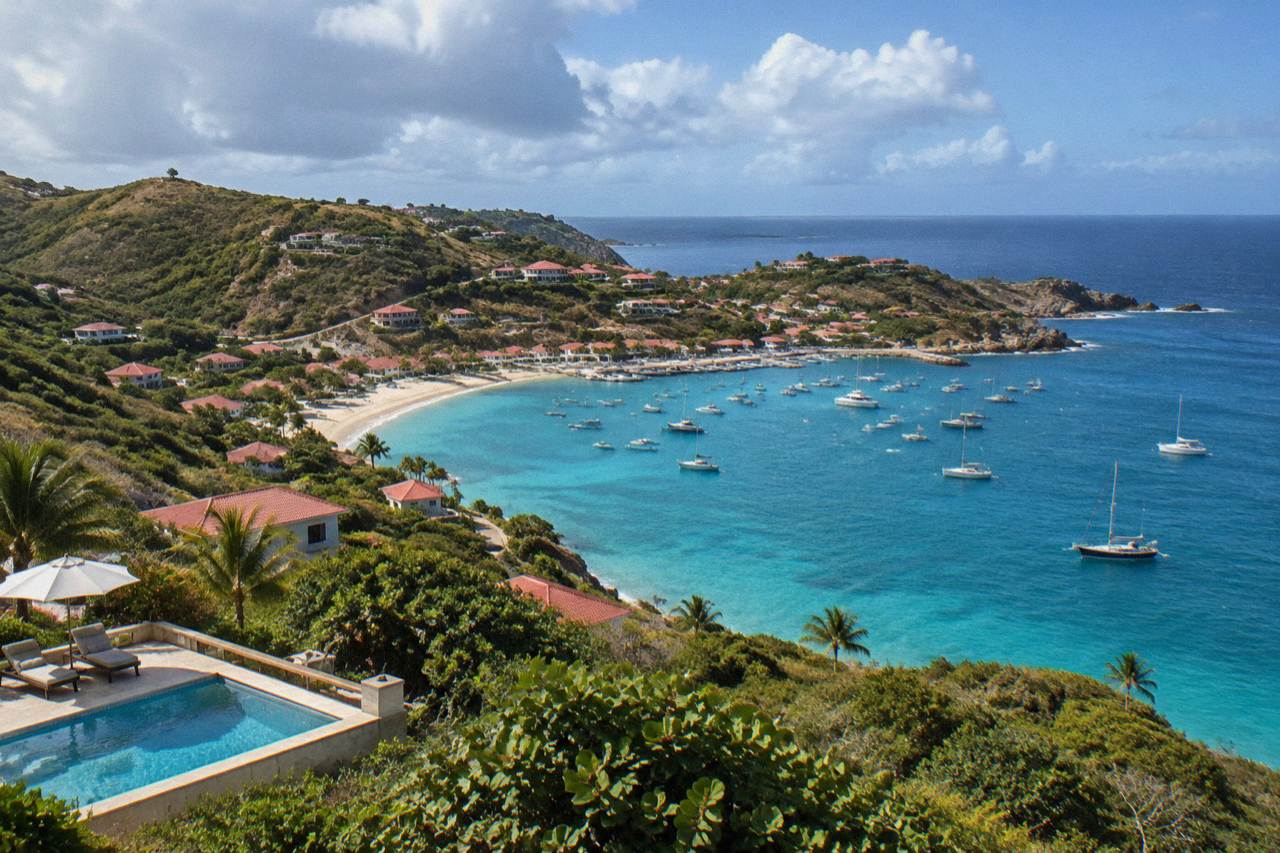
Toiny is the quiet southeast corner of St Barts, about 21 square kilometres of island in total, known for its residential feel, its public beach at Anse de Toiny and Hotel Le Toiny, one of the island's established luxury properties.
Toiny is the quiet southeast corner of St Barthelemy, usually written St Barts, a small French island in the Caribbean of about 21 square kilometres with roughly 10,700 residents. The area folds around a bay on the windward side of the island, where a line of green hills drops toward a long public beach and a coast road that threads between them. It is residential in character: no village square, no shopping street, none of the harbour crowd of Gustavia. What it offers is space, coastline and silence, which is exactly why the island's villa market and one of its established hotels settled here. This guide covers where Toiny sits, what the area is like, the beach, staying and getting around, and the boat trips that visit the island from St Martin.
Where Is Toiny In St Barts?
Toiny occupies the southeast coast of St Barts, east of Grand Cul-de-Sac and south of Lorient and Saint-Jean, on the windward side of the island facing the open Atlantic. The bay is called Anse de Toiny and the beach at it is public, like every beach on St Barts. Gustavia, the capital and harbour town, sits on the leeward west side, while Toiny looks the other way, out toward open water.
The geography matters more here than on most parts of the island. St Barts is small, roughly 21 square kilometres, and its road network loops around the coast with spurs into the hills. Toiny sits near the end of one of those loops, which is part of why the area stays quiet: a traveller has to mean to go there. The full sweep of the island's named areas, from Corossol in the west around to Pointe Milou, Vitet and Devet in the east, is laid out on the St Barts neighborhoods map, and Toiny sits at the southeastern edge of that arc.
On the map the area's neighbours are clear. Grand Cul-de-Sac lies just to the north along the coast, a shallow bay with its own character, and Lorient is the next settlement beyond it. Inland and to the northeast the hills of Vitet and Devet rise between Toiny and the rest of the island. The Toiny coast has its own attraction page with the detail of the shoreline.
| Place | Position relative to Toiny | Character |
|---|---|---|
| Grand Cul-de-Sac | North along the coast | Shallow bay, hotels, water activity |
| Lorient | Northwest, past Grand Cul-de-Sac | Residential, beach, village feel |
| Gustavia | West side of the island | Capital, harbour, shops and restaurants |
| Saline | South, over the headland | Beach and dunes |
What Kind Of Area Is Toiny In St Barts?
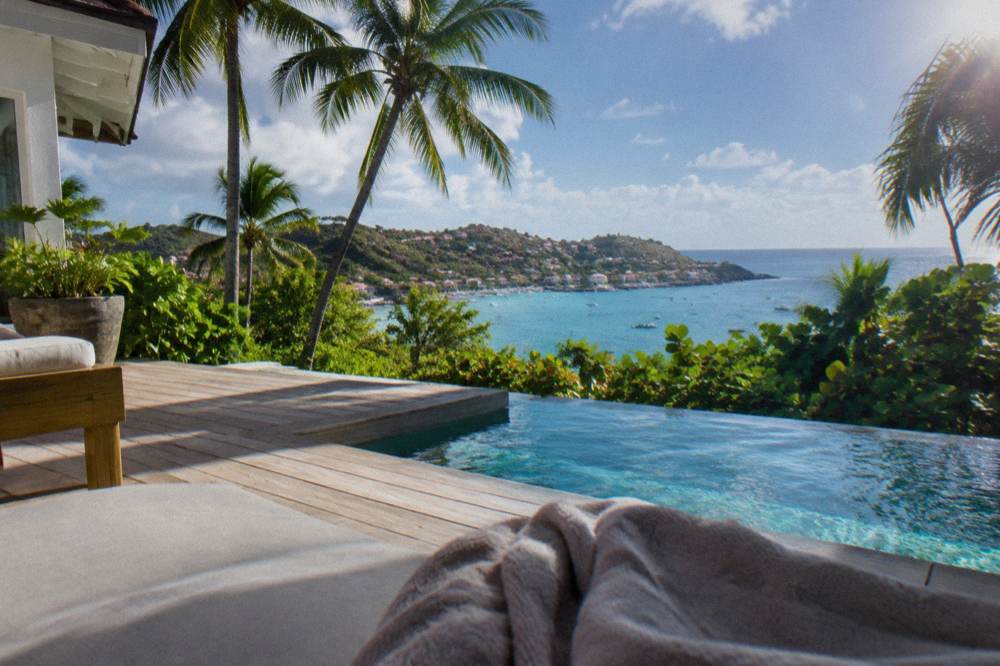
Toiny is a residential and villa district rather than a village or resort strip: the area holds private villas on the hillsides, one established luxury hotel near the bay, and a coast road, with no shopping street or nightlife of its own. The tourism committee lists Toiny among the island's named beach areas, and its character is quiet and spread out rather than built up.
That residential identity shapes everything about a stay here. The island's villa market is large, with managers such as WIMCO, Sibarth and St Barth Properties operating on St Barts, and the southeast hills hold a significant share of that inventory. Villas sit along the ridgelines above the bay, set back from the road behind walls and gardens. Anyone weighing a villa against a hotel room can compare the two models on the hotel versus villa page, a decision that matters more in Toiny than almost anywhere else on the island, because the hotel options in the area itself are limited.
The one property that anchors the area is Hotel Le Toiny, an established luxury hotel near the bay, covered in detail on the Hotel Le Toiny guide. Like many hotels on St Barts it follows the island's seasonal pattern: properties across the island close each autumn and reopen in waves between mid-October and early November for the high season, so the area's rhythm is set less by month-by-month events than by that annual cycle of closing and reopening.
For readers comparing areas before committing, the honest summary is this: Toiny trades convenience for quiet. The best area to stay guide breaks the island down by travel style, and Toiny consistently lands on the secluded end of that spectrum.
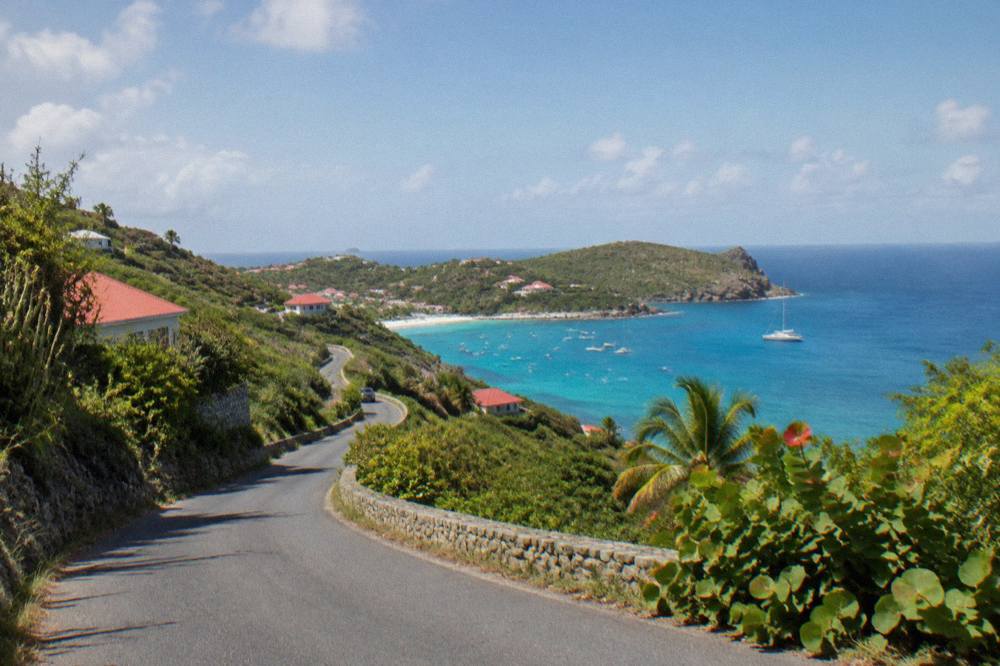
One point worth repeating, because it catches planners out: no bookable tour listed here departs from St Barts at all. Every boat trip leaves from St Martin or Sint Maarten and visits the island as a day trip. A traveller staying in Toiny who wants a structured day on the water either joins a departure from the St Martin side or books a private charter that collects a route around the island from there. The trio above shows the range, from a per-person group sail to full-day and overnight private charters.
What Is The Beach At Toiny Like?
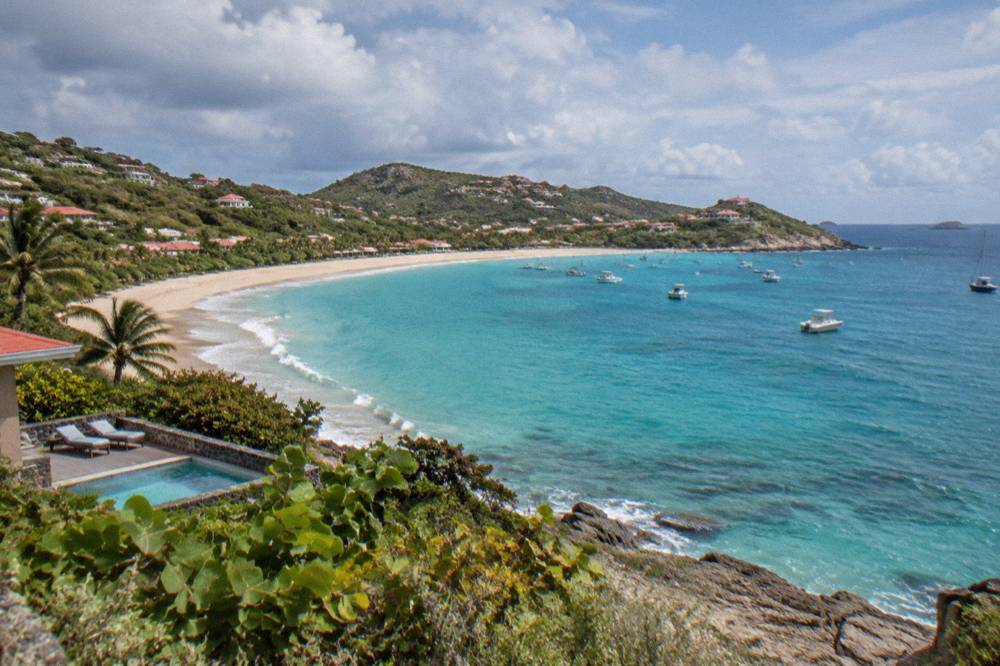
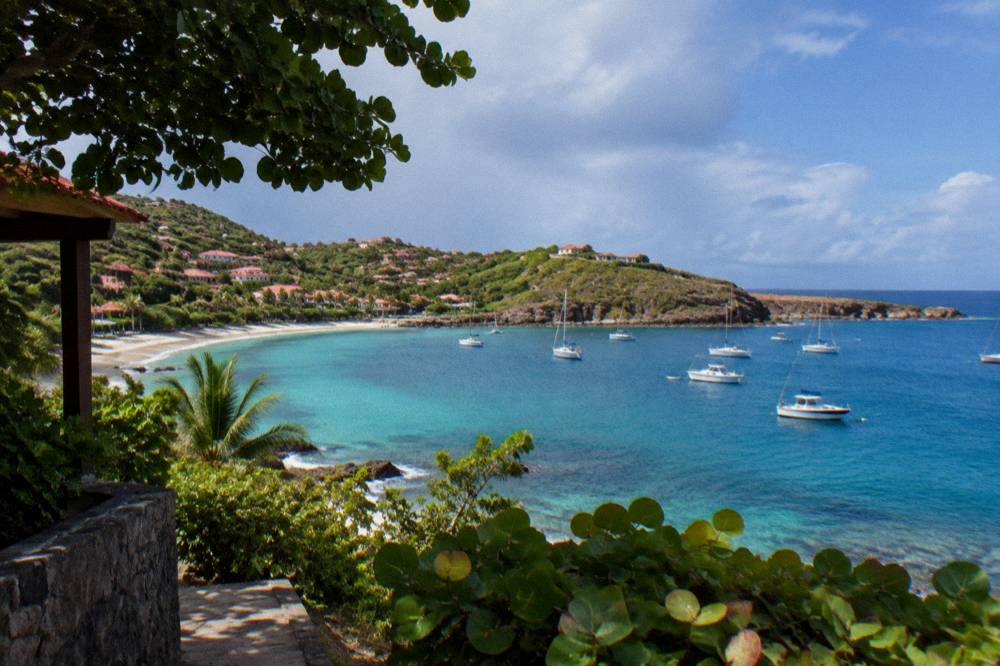
The beach at Toiny, Anse de Toiny, is public, like every beach on St Barts, and sits at the foot of the bay on the island's southeast, windward coast facing open Atlantic water. The tourism committee's beach list names Toiny among the island's public beaches, and the coastline here runs long and unbroken compared with the pocket coves of the leeward side.
In short: a long curving bay, open to the Atlantic, at the end of the area's coast road, with the hills of the residential area behind it. The island's environment agency, the Agence Territoriale de l'Environnement, regulates the surrounding marine areas, and its rules apply on and around every beach on St Barts: a 5-knot speed limit in the reserve's zones, no jet skis, no dogs on beaches, and no touching or disturbing protected species including sea turtles. Green and hawksbill turtles are present in St Barts waters and the agency asks that nests and sightings be reported rather than approached. The full index of guides sits on St Barthelemy Travel.
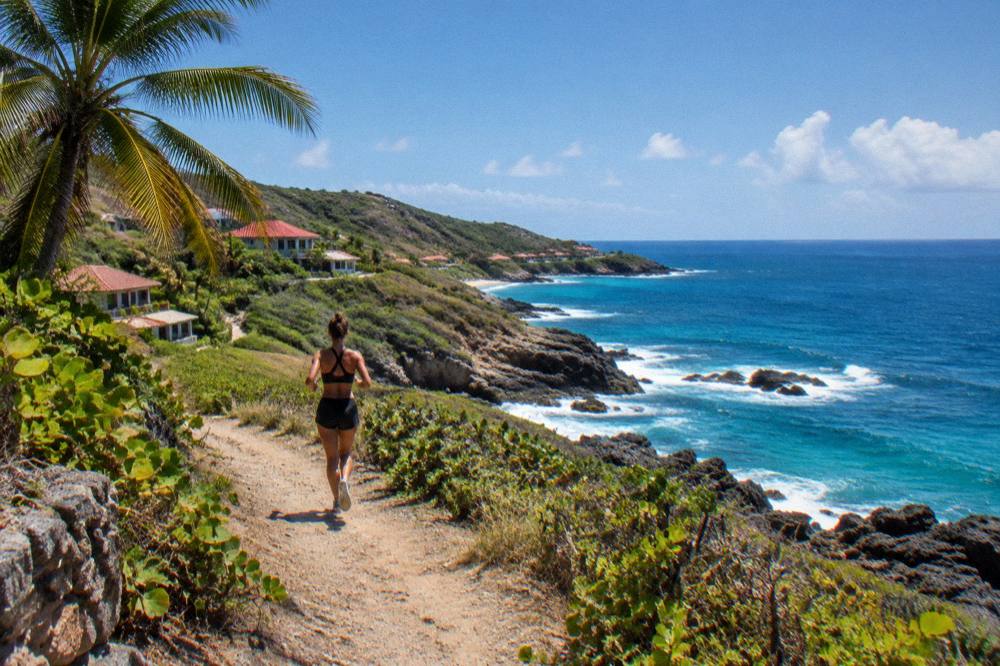
The windward position is the area's defining physical fact. The southeast coast takes the steady Atlantic trade winds that shape the whole island, which is why the hills are green and the coastline reads wilder than the sheltered bays near Gustavia. Readers comparing shorelines can work through the full set on the best beaches by coast page, which separates the leeward beaches such as Flamands and Saint-Jean from the windward ones.
| Beach | Coast | Access character |
|---|---|---|
| Toiny (Anse de Toiny) | Southeast, windward | Long bay at the end of the area's road |
| Grand Cul-de-Sac | Northeast | Shallow bay beside the lagoon area |
| Lorient | North central | Bay beside the residential area |
| Saline | South | Behind the dunes, reached from the road |
| Flamands | Northwest, leeward | Wide bay below the hills |
| Colombier | Northwest | Reached by boat or by a walk |
The comparison table above sticks to position and access character. This site does not rate any beach on St Barts as calm, safe, quiet or best. What can be said is structural: Toiny is the windward option in the set, Colombier is the one with no road access, and the rest sit on the island's more sheltered northern and western sides.
Where To Stay In Toiny?
Toiny's accommodation is dominated by private villas on the hillsides plus Hotel Le Toiny near the bay, and the area has no budget properties, hostels or resort strip; the island as a whole has no hostels at all. Rates vary by season and each property's own booking page shows them; the autumn closure pattern means many properties close between late August and the mid-October to early November reopening window.
The villa route is the area's specialty. A large villa market operates across St Barts, run through specialist managers, and the southeast hills between Toiny, Vitet and Devet hold a substantial share of it. Booking usually runs directly through the manager rather than through general travel sites, with on-island concierge support as part of the service. The St Barts villas guide covers how that market works and what to check before signing.
The hotel route in Toiny itself is short: Hotel Le Toiny is the area's established property, and it follows the island's seasonal rhythm described above. Beyond the area boundary, Grand Cul-de-Sac, Flamands and Saint-Jean hold most of the island's other named hotels, each covered in its own area guide. A useful planning distinction: Toiny suits a traveller who wants seclusion and is happy to drive everywhere, while Saint-Jean or Gustavia suit a traveller who wants to walk to shops and dinner. The Gustavia where to stay guide covers the capital end of that trade-off.
| Stay type in Toiny | What it is | Booking route |
|---|---|---|
| Hillside villa | Private house with pool, run by a villa manager | Direct via the manager |
| Hotel Le Toiny | The area's established luxury hotel | The property's own booking page |
| Apartment or guesthouse | Limited, mostly in other areas of the island | Direct or via booking platforms |
Do You Need A Car In Toiny?
Yes, in practice a rental car is close to essential for a stay in Toiny, because the area is residential, spread along hills and a coast road, with no village services within walking distance of most villas. Roads on St Barts are narrow, winding and steep, driving is on the right, the island speed limit is 50 km/h with 30 km/h in built-up areas, and Avis, Budget and Hertz all have counters at the airport alongside local agencies and Mini Moke specialists.
To handle those narrow hill roads on your own schedule, book a rental car.
That is the picture of driving on the island, and in Toiny it is felt more than anywhere. The area's roads climb and drop between the ridge and the bay, and there is no ferry terminal, no airport and no town centre inside the area boundary. The car rental guide covers the practicalities, and the question of whether a car is worth it at all is weighed, with the alternatives, in do you need a car in St Barts.
The main alternative is the taxi, which operates on official route-based tariffs with surcharges in the evening and on Sundays and holidays; the taxi guide has the detail. For a villa stay of a week or more, it makes sense to combine the two: a car for the daily rhythm, taxis for evenings. The rental car tips page lists what to check at pickup, which matters on roads this steep.
| Getting around from Toiny | How it works | Best for |
|---|---|---|
| Rental car or Mini Moke | Counters at SBH plus local agencies | A stay of several days or more |
| Taxi | Route-based tariffs, evening and Sunday surcharges | Evenings and one-off trips |
| Walking | Practical only within the immediate bay area | Short walks, not area-to-area travel |
What Is Near Toiny In St Barts?
The nearest named areas to Toiny are Grand Cul-de-Sac to the north, with its shallow bay and hotel cluster, and Lorient beyond it, while the hills of Vitet and Devet rise inland to the northeast; Saline lies over the headland to the south, and Gustavia sits across the island on the west coast. Each of these has its own guide, and all are connected by the island's loop road network.
Because St Barts is only about 21 square kilometres, "near" covers the whole island; no two points are far apart in absolute terms, though the hills make every drive slower and more interesting than the raw distance suggests. The practical planning point is what each neighbour adds to a Toiny stay. Grand Cul-de-Sac is the closest thing to a low-key activity hub on this side of the island, with its shallow bay. Lorient adds a more lived-in, village-scale feel. Saline adds one of the island's best-known beaches behind its dunes.
On the far side of the island, Gustavia holds the shops, the harbour and the restaurant scene, covered in the Gustavia restaurants and Gustavia shopping guides. A day in the capital paired with a quiet evening back in Toiny is a pattern that suits the area well.
For readers planning the whole island rather than one corner, the things to do overview gathers the options, and the itinerary pages, from a long weekend to a full week, show how a Toiny base slots into each.
When Is The Best Time To Be In Toiny?
The Meteo-France climate normals for St Barts, 1991 to 2020, show a mean daily high of 28.5 C in January rising to 31.7 C in September, with 891.3 mm of rain across the year and October the wettest month at 135.6 mm; hurricane season runs 1 June to 30 November with its peak from mid-August to mid-October, so the December to April window is the island's high season.
Those figures come from the island's weather station normals and are the only climate numbers this site prints. The pattern they describe is a warm tropical year with modest seasonal swing, a slightly wetter and warmer second half, and a hurricane-season overlap with the autumn low period. Toiny feels that seasonal rhythm through accommodation rather than weather drama: the high season brings the villa market and the hotel to full operation, while the autumn months bring the island-wide closure pattern, with properties reopening in waves between mid-October and early November.
Two further seasonal facts matter for planning. The sea around St Barts is warm year-round, about 26 C in winter and about 29 C from August to October. And the one per-person group sail listed here runs only from 12 May to 31 August 2027 on its listing, so travellers pairing a Toiny stay with that trip should check the date window before building an itinerary around it.
| Month | Mean daily high (C) | Rain (mm) | Season note |
|---|---|---|---|
| January | 28.5 | 52.6 | High season |
| February | 28.6 | 38.4 | High season, lowest monthly rainfall in the normals |
| April | 29.8 | 50.9 | End of the high season |
| July | 31.2 | 80.4 | Hurricane season, low season on the island |
| September | 31.7 | 96.9 | Highest mean daily high in the normals, autumn closures |
| October | 31.4 | 135.6 | Wettest month in the normals, reopenings begin |
Can You Visit Toiny On A Boat Trip From St Martin?
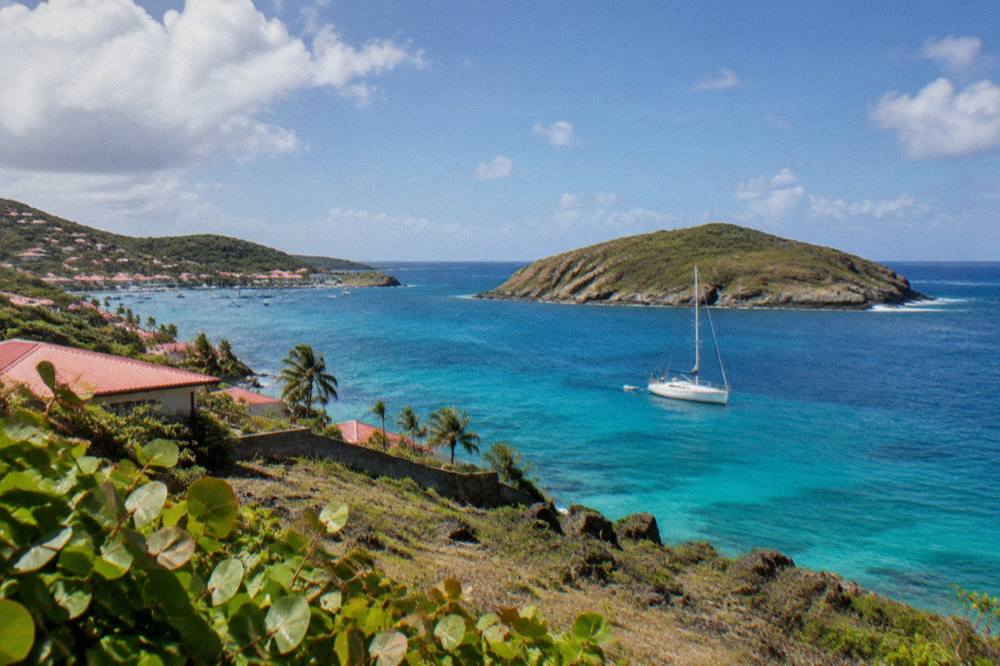
Yes, in the sense that boat trips from St Martin and Sint Maarten visit St Barts as a day trip, but they do not call at Toiny's bay as a scheduled stop; the group sail listed here routes to Gustavia, Colombier Beach and Ile Fourchue, while private charters can shape their own itinerary around the island with the operator. Every departure listed here leaves from the St Martin side, never from St Barts.
This is the practical reality of the island's tour market. Travellers staying on St Martin, or flying into SXM and wanting a day on St Barts, have three broad options listed here: a per-person group sail, private day charters priced per group, and an overnight private catamaran. Travellers already staying in Toiny would use them in reverse, crossing to St Martin to join a departure, or simply treating them as a way to see the island's leeward highlights from the water.
The group sail above is the one per-person product listed here, and its route covers the northwest highlights rather than the southeast coast where Toiny sits. That is a fair sample of the island: Colombier, with no road access, is precisely the kind of place a boat reaches better than a car.
A private charter, like the one above, changes the calculus: priced per group rather than per person, it lets a party set its own stops with the operator, subject to the marine reserve's rules on speed, anchoring and protected zones. The environment agency's 5-knot limit inside reserve zones and its bans on jet skis and on disturbing turtles apply to every vessel, charter or otherwise.
What Practical Facts Should A Toiny Visitor Know?
St Barts uses the euro, with French as the official language and English widely spoken, plugs are type C and E, and the island's emergency numbers are 15 for medical, 17 for police, 18 for fire and 112 as the general European emergency number; entry is outside the Schengen area, and US, UK, Canadian and EU citizens are generally visa-exempt for short tourist stays, with passport requirements varying by nationality, so check your own government's travel advice.
A few of those facts deserve expansion. Entry rules are set by French authorities under an order of 18 April 2012, as amended, and St Barts sits outside the Schengen area, so a Schengen visa does not authorize entry and the planned ETIAS system does not govern arrival. The island's taxe de sejour, a local stay tax, is collected by accommodations rather than at the border, generally as a percentage of the nightly price. The passport and customs and entry guides carry the detail.
Money and practicalities are covered in the currency guide, including card acceptance, and electricity in the electricity guide. The island's time zone is UTC minus 4 with no daylight saving, an hour ahead of US Eastern Standard Time in winter and aligned with US Eastern Daylight Time in summer.
| Practical item | St Barts |
|---|---|
| Currency | Euro |
| Official language | French, English widely spoken |
| Plug types | C and E |
| Emergency numbers | 15 medical, 17 police, 18 fire, 112 general |
| Time zone | UTC minus 4, no daylight saving |
| Entry | Outside Schengen; visa-exempt for US, UK, Canadian and EU citizens on short stays |
Common Questions About Toiny St Barts
Is Toiny beach public?
Yes. Every beach on St Barts is public, including the beach at Anse de Toiny, and the tourism committee lists Toiny among the island's named public beaches.
Is Toiny a good area to stay in for a first visit to St Barts?
It depends on what a first visit is for. Toiny offers seclusion, villas and a quiet residential coastline, but no village services within the area, so it suits travellers happy to drive. First-timers who want walkable shops and restaurants usually base themselves in Gustavia or Saint-Jean instead.
How far is Toiny from Gustavia?
Toiny sits on the southeast coast and Gustavia on the west side of the island, which is about 21 square kilometres in total. The island's loop road connects the two.
Are there restaurants in Toiny?
This site names no individual restaurant, bar or beach club anywhere on St Barts. The area is residential rather than commercial, and the island's main restaurant scene sits in Gustavia, covered in the Gustavia restaurants guide.
Can you swim with turtles near Toiny?
Green and hawksbill turtles are present in St Barts waters. The environment agency's rules are strict: no touching, chasing or feeding turtles, no gloves in the water, and nests or sightings should be reported to the agency rather than approached.
Do tours of St Barts leave from Toiny?
No bookable tour listed here departs from St Barts at all. Every trip leaves from St Martin or Sint Maarten and visits St Barts, whether as a group sail, a private charter or an overnight catamaran.
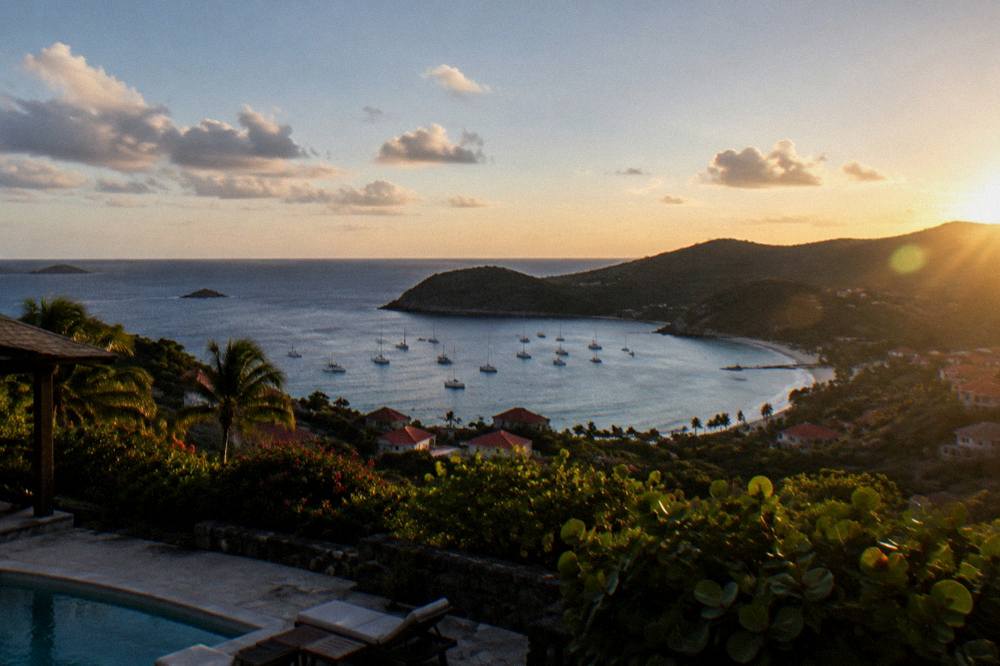
Toiny rewards a particular kind of traveller: one who wants the island's quietest coast, a villa in the hills or a stay at its established hotel, and a car for everything else. Pair it with a day on the water from the St Martin side, a run into Gustavia for the harbour and the shops, and a slow loop of the neighbouring bays, and the southeast corner holds its own against anywhere on St Barts.