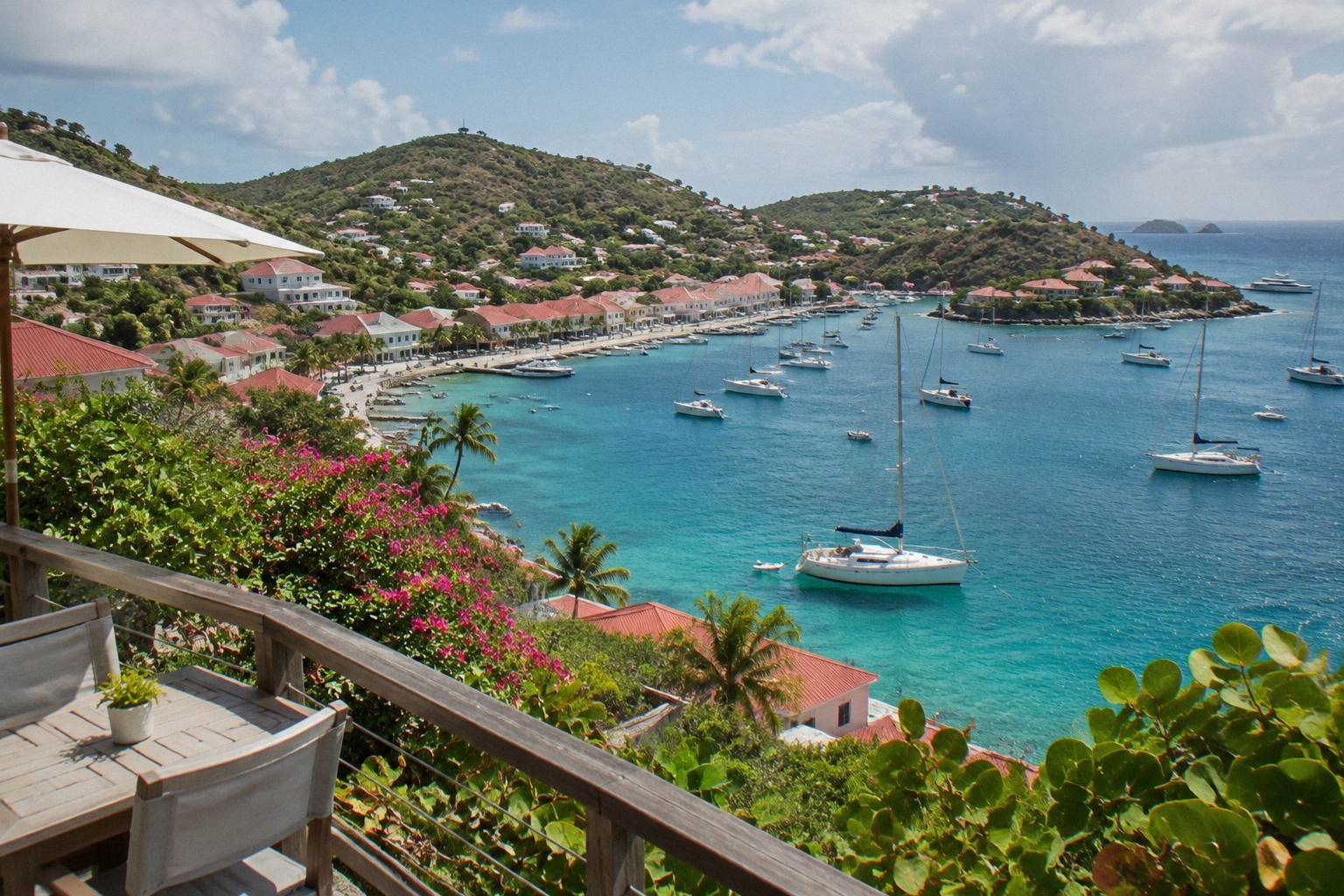
Best Area To Stay In St Barts
St Barthelemy is a small French island of about 21 square kilometres, and every area of it sits within a short drive of a public beach. This guide compares each area of St Barts so the choice of where to stay matches what a trip is actually for.
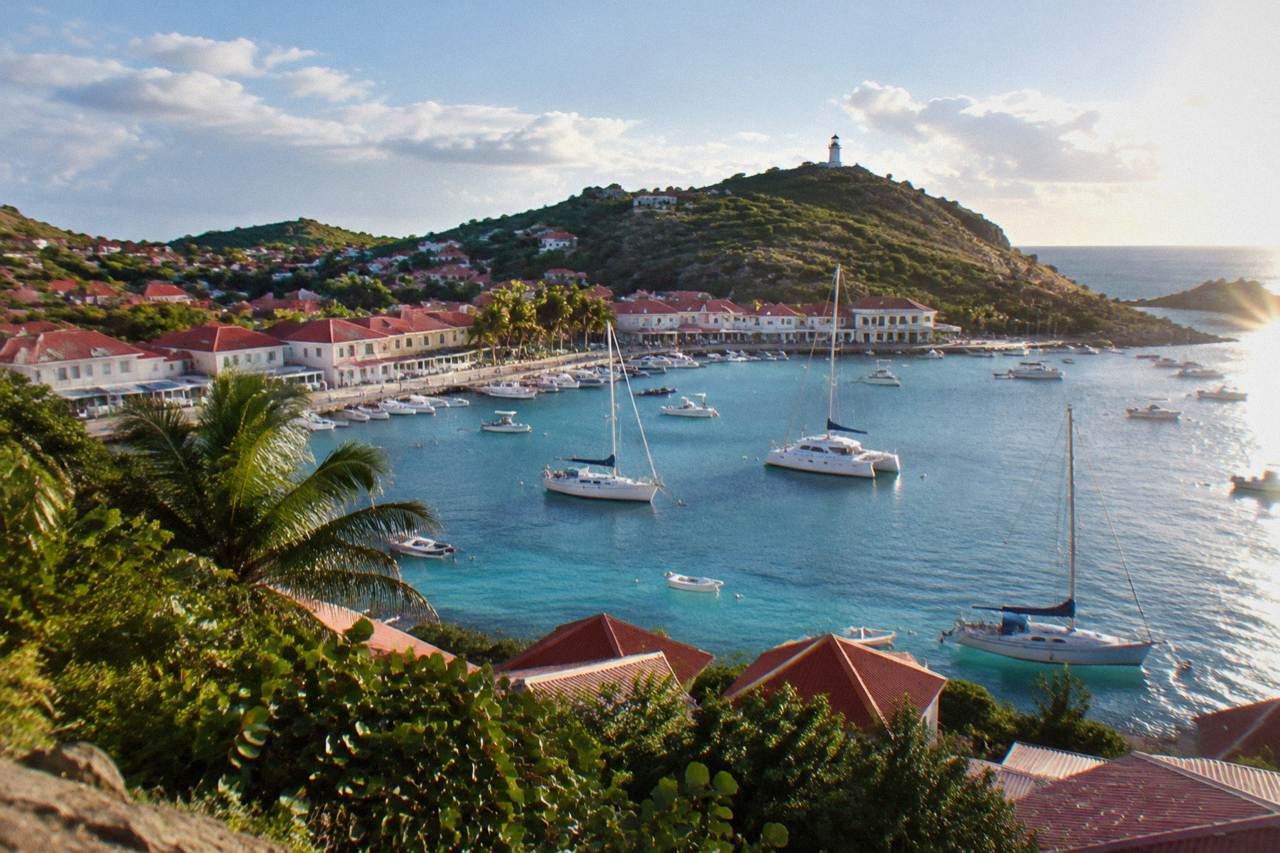
Gustavia suits a walkable harbour stay, St Jean suits beach-and-action convenience, and the quieter south and east coasts, Toiny, Saline, Colombier and Grand Cul-de-Sac, suit travelers who want space, villas and calm bays. There is no single best area to stay in St Barts: the island is small, all beaches are public, and the right area depends on whether a trip is built around the harbour, a hotel, or a villa with a view.
St Barthelemy, usually written St Barts, packs a harbour capital, fourteen or so named public beaches and a spine of green hills into about 21 square kilometres, and the question of the best area to stay in St Barts is really a question of which coastline a trip is built around. The island has been an overseas collectivity of France since 2007, the euro is the currency, French is the official language and English is widely spoken, and roughly 10,700 residents share roads that are narrow, steep and driven on the right. Every area described here holds at least one public beach, and no beach on the island is private, which changes the calculus compared with most Caribbean islands: the choice of area is about atmosphere, walks, views and the villa or hotel, not about gatekeeping sand.
This guide walks through the areas one by one, then compares them for specific trip types: first visits, honeymoons, families, villa rentals and quiet escapes. Because the bookable boat products that visit St Barts all depart from St Martin or Sint Maarten, the area choice on the island itself is purely about where to sleep, eat and swim. The St Barthelemy Travel area guides cover each neighbourhood in more depth, and the neighborhoods map of St Barts places them all on one picture.
Which Area Of St Barts Is Best For A First Visit?
For a first visit, St Jean and Gustavia are the two areas that make the island easiest to read: St Jean puts a traveller beside one of the island's most recognizable beaches and the airport's famous approach, while Gustavia puts everything walkable, shops, the harbour and restaurant terraces, within a flat stroll. Both areas hold hotel options and villa options, and both sit close to the island's main road arteries, which matters because the roads are steep and a first-time driver benefits from short hops. The trade is simple: Gustavia is the town, St Jean is the beach crossroads, and everything else on the island is within a short drive of one or the other.
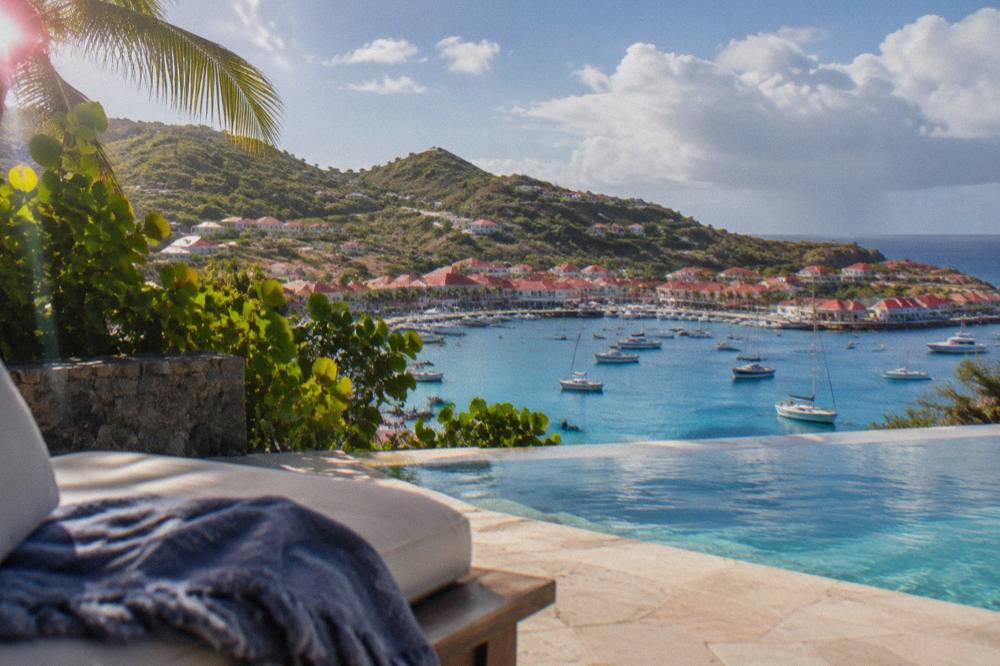
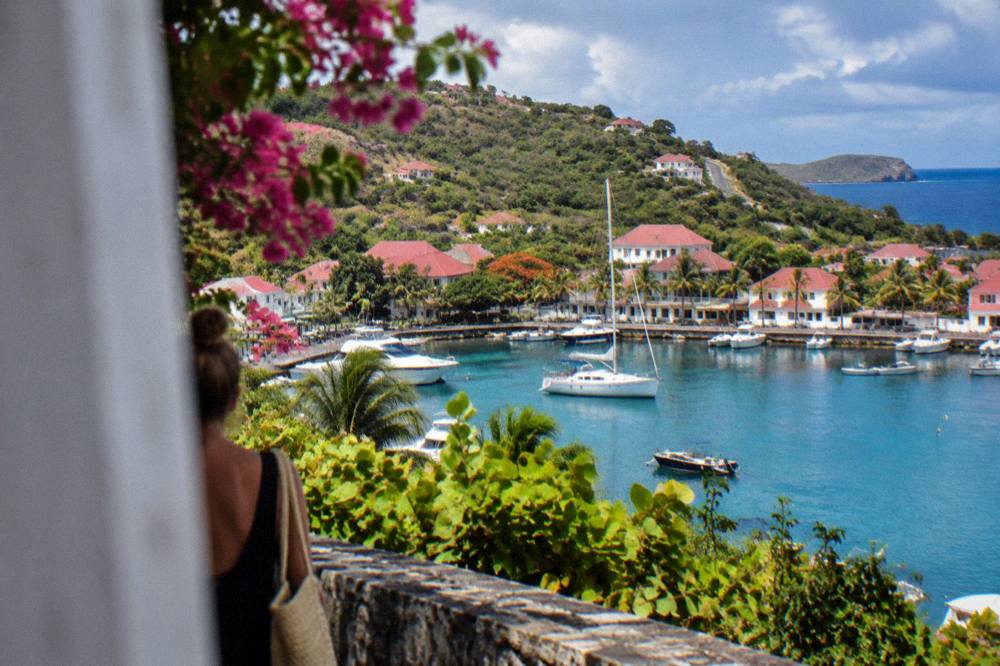
St Jean sits around a bay on the north coast, with the strip of shops and services along the road inland and the beach running along the water. The St Jean area guide covers the layout in detail. Gustavia, the capital, wraps its harbour in red roofs and low Swedish-era stone buildings, and its two forts, Karl and Gustaf, frame the town from the hills. The guide to staying in Gustavia lays out the streets, the restaurants of Gustavia and the shopping in Gustavia so the town's walkable shape is clear before booking.
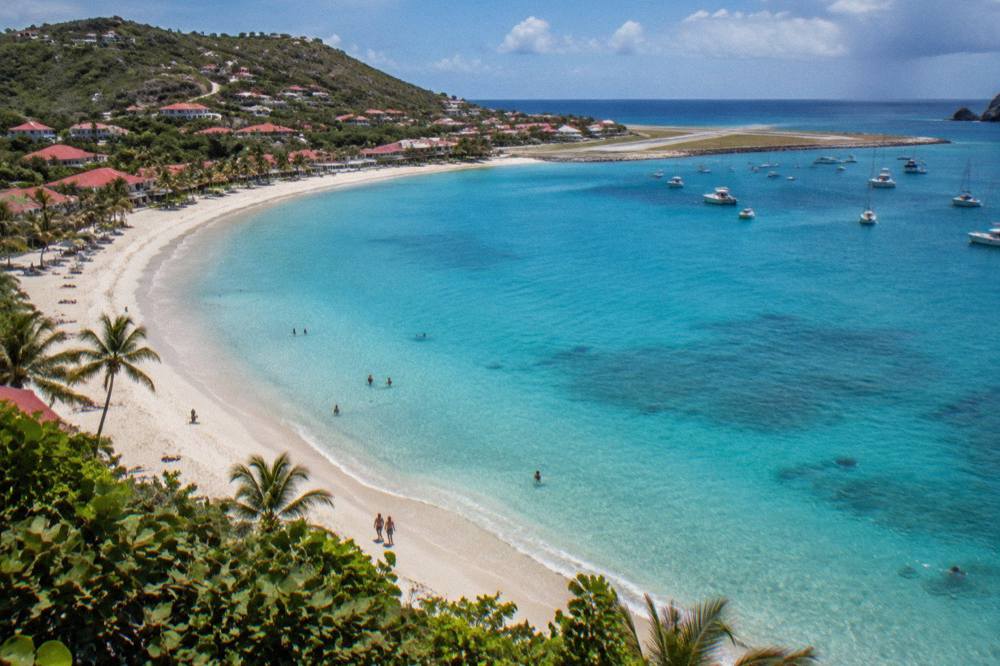
A first visit also benefits from the middle of the island's road network. From St Jean, the roads south to Saline and Gouverneur, east to Grand Cul-de-Sac and west into Gustavia all start nearby, and the single roundabout near the airport is the island's main traffic landmark. Speed limits run at 50 km/h island-wide and 30 km/h in built-up areas such as Gustavia and St Jean, so nothing is far even at island pace.
How Do The Areas Of St Barts Compare?
The areas split into four working groups: the harbour town of Gustavia, the busy north-coast pair of St Jean and Lorient, the villa-and-hotel bays of Flamands and Grand Cul-de-Sac, and the quiet south and east coasts of Saline, Toiny, Colombier, Pointe Milou, Anse des Cayes, Corossol and Vitet. Each has a distinct character, a public beach or several, and a different balance of walkability against seclusion. The table below summarizes them, and the sections that follow take each group in turn.
| Area | Position | Public beach at or beside it | Character |
|---|---|---|---|
| Gustavia | West coast, harbour capital | Shell Beach (Grand Galet) | Walkable town, shops, harbour front |
| St Jean | North coast | Saint-Jean | Beach crossroads, services, airport strip |
| Lorient | North coast, east of St Jean | Lorient | Residential, low-key, family scale |
| Flamands | Northwest coast | Flamands | Wide bay, large hotels, hillside villas |
| Grand Cul-de-Sac | East coast | Grand Cul-de-Sac | Shallow bay, hotels, water sports |
| Saline | South coast | Saline | Open beach, dunes, villa hills |
| Gouverneur | South coast | Gouverneur | Long beach, green hills, villas |
| Toiny | Southeast coast | Toiny | Wild coast, exclusive, quiet |
| Colombier | Northwest point | Colombier | Hike-in or boat-in beach only |
| Pointe Milou | Central north headland | none on the point itself | Cliff-top villas, sunset views |
| Anse des Cayes | North coast | Anse des Cayes | Surf-side residential stretch |
| Corossol | West coast, north of Gustavia | Corossol | Fishing-village calm, tradition |
| Vitet and Devet | Interior hills and southeast | none at the crest | Hillside villas, panoramic views |
The comparison that matters most is walkability against view. Gustavia and St Jean are the only two areas where a visitor can reasonably base without a car for everything except beaches; the rest of the island assumes driving, on steep narrow roads, and rewards it with space and panoramas. The full guide to where to stay in St Barts develops the same comparison for hotels and villas specifically.
Because every tour product that visits St Barts departs from St Martin or Sint Maarten rather than from the island, the area choice never constrains a boat day: the charters below pick up on the neighbouring island and call at Gustavia, Colombier and Ile Fourchue regardless of where a traveller sleeps.
Is Gustavia The Best Area To Stay In St Barts?
Gustavia is the best area to stay in St Barts for anyone who wants to park the car and not move it: the capital concentrates the island's shops, harbour front, two fort viewpoints, the Wall House Museum and Shell Beach (Grand Galet) within walking distance of each other, and the ferry terminal and cruise tender point sit on the same waterfront. It is the only true town on the island, flat by St Barts standards, and it holds the largest concentration of restaurant terraces and boutiques. The trade is that its beaches are limited to Shell Beach and a walk or short drive to others, and that it is the busiest address on the island when ships tender in the roadstead.
Cruise ships anchor offshore and tender their passengers to the Gustavia waterfront, since the island has no cruise pier, so the town centre sees waves of day visitors rather than a resident crowd. The Gustavia harbour guide maps the quays, the Fort Karl walk above Shell Beach and the Fort Gustaf viewpoint above the town. For a stay built around evenings on the quay, shopping and people-watching, no other area competes.
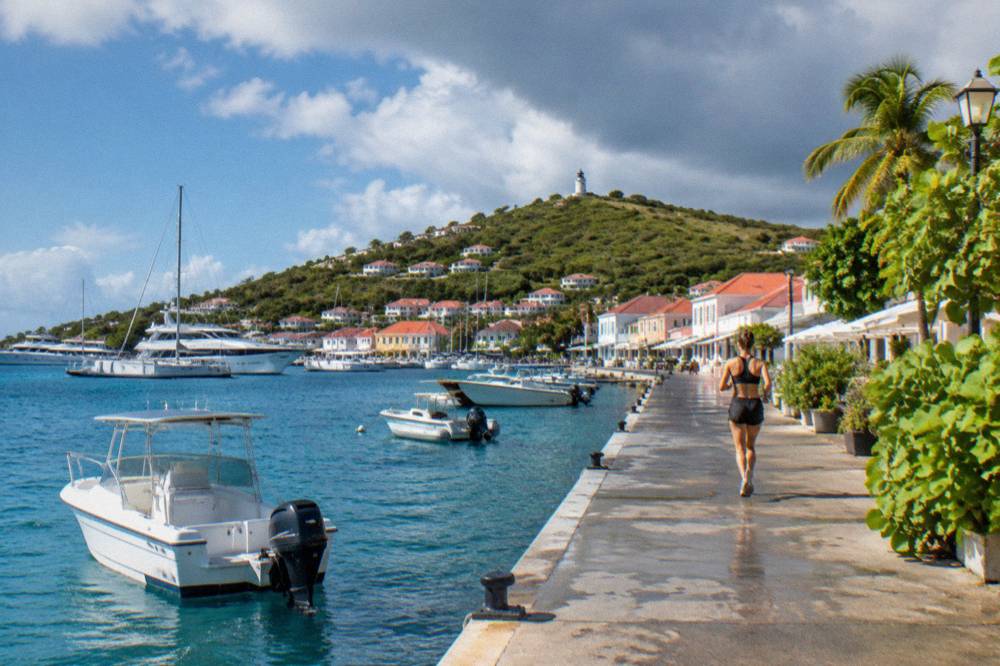
Gustavia also anchors the island's calendar. The New Year period fills the harbour with superyachts, the Bucket Regatta brings classic sailing yachts in mid-March, and the town's terraces are where the island's event life concentrates, even though 2027 details for the fireworks and regatta season remain unconfirmed.
Are St Jean And Lorient The Best Areas For A Beach-First Stay?
St Jean is the best area for a beach-first stay that still wants shops and services in walking distance: its bay holds one of the island's signature public beaches, the airport runway crosses the sand's eastern end, and the inland road carries the island's main concentration of boutiques and practical services. Lorient, the next bay east, is the calmer sibling, residential and low-key, with its own public beach and a village rhythm rather than a shopping strip. Together they form the north-coast heartland that suits travelers who want sand, convenience and short drives in every direction.
The Lorient area guide covers that bay's layout, its cemetery chapel beside the sand and its position as the island's historical heart. St Jean's beach wraps a crescent with the tiny airport at one end, and landings there are a spectacle the airport spotting guide develops: the runway is 646 metres, small turboprops only, and no jet lands on the island, gateway flights arrive at St Martin, San Juan, Guadeloupe or Antigua and transfer by small plane or ferry.
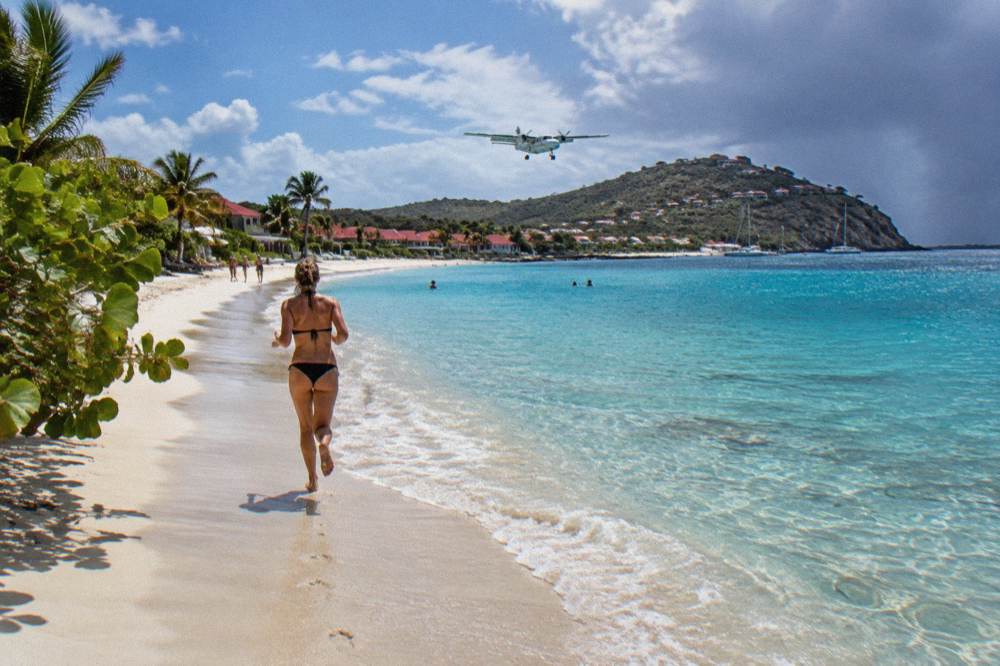
For families, Lorient's scale is a genuine argument: the bay is contained, the beach is public, and the area sits minutes from both Gustavia and Grand Cul-de-Sac. For travelers who want to book a boat day, the group sail below departs from St Martin and calls at Colombier and Ile Fourchue, and St Jean's central position keeps the drive to the ferry or airport transfer short.
If a day on the water fits the plan, book a group sail and snorkel tour.
Are Flamands And Grand Cul-De-Sac The Best Areas For Hotels?
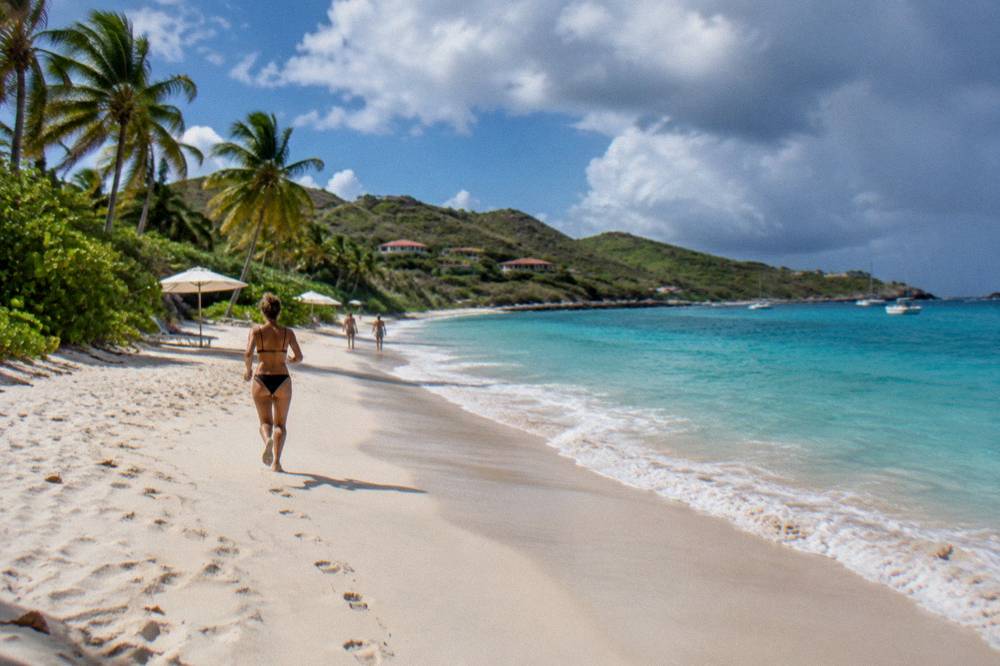
Flamands and Grand Cul-de-Sac are the two classic hotel areas of St Barts: Flamands holds a wide northwest-facing public beach with several of the island's larger hotels set above and beside the sand, while Grand Cul-de-Sac wraps a shallow east-coast lagoon that shelters hotels, water sports and turtle habitat along a calm bay. Both areas concentrate the resort experience that Gustavia and St Jean cannot offer, and both keep their beaches fully public, so a hotel address never buys exclusivity of the sand, only proximity to it.
The Flamands area guide describes the bay's spread and its hillside villa roads, and several of the island's best-known properties sit here, including Cheval Blanc Isle de France on the sand and, on the headland nearby, the cliff-perched addresses above the bay. The Grand Cul-de-Sac area guide covers the lagoon side, where green and hawksbill turtles are common and the marine reserve's rules, no touching, no chasing, no feeding, apply on every swim.
One seasonal pattern matters when booking either area: many St Barts hotels close each autumn for maintenance and reopen in waves between mid-October and early November, so a stay planned for September or early October should confirm the property's reopening directly. Villas, by contrast, generally remain available year-round, which is one reason the villa market dominates the island's quieter coasts.
| Hotel area | Bay | Beach character notes | Typical lodging beside the sand |
|---|---|---|---|
| Flamands | Wide northwest crescent | Public, broad sand | Large hotels and hillside villas |
| Grand Cul-de-Sac | Shallow east-coast lagoon | Public, calm bay | Hotels, small properties, villas |
| St Jean | North-coast crescent | Public, airport-end spectacle | Boutique hotels, residences |
| Gustavia | Harbour front | Shell Beach (Grand Galet) public | Town hotels, small addresses |
| Toiny | Southeast wild coast | Public, open Atlantic feel | One landmark hotel, estate villas |
Is The Quiet South And East Coast The Best Area To Stay In St Barts?
For travelers whose priority is space, views and villa privacy, the south and east coasts, Saline, Gouverneur, Toiny, Colombier, Pointe Milou, Anse des Cayes, Corossol and the Vitet hills, are the best areas to stay in St Barts: these coasts hold the island's largest beaches, its longest villa roads and its quietest bays, with every beach still public and free. Saline and Gouverneur sit behind dunes and green hills on the south coast, Toiny faces the open Atlantic on the southeast, and Pointe Milou and Vitet raise villas onto cliff tops and crests with panoramic water views.
The Saline area guide covers the dune-backed beach and its small parking approach; the beach itself is one of the island's largest and is reached on a short sandy walk from the roadside. Gouverneur, the next bay west, is a long sweep of sand below green slopes with villa roads climbing behind it. The Toiny area guide describes the southeast's wilder coastline, and the Colombier area guide covers the island's famous hike-in or boat-in beach at the northwest point, reachable on foot down a trail or by sea, where the marine reserve's rules apply in the bay.
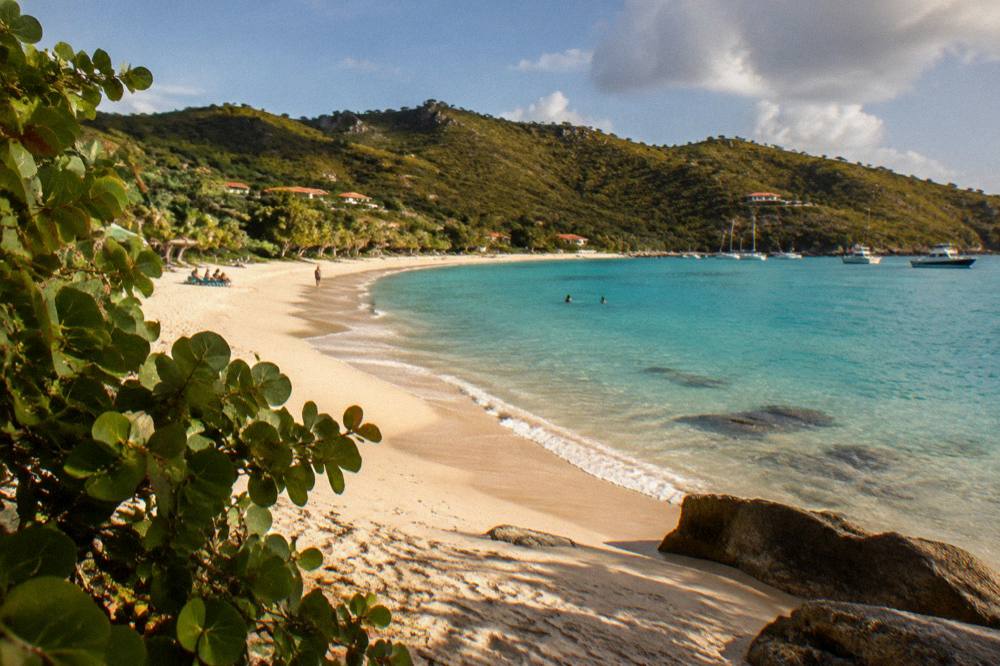
Pointe Milou, Anse des Cayes and the Vitet and Devet hills add a different register. The Pointe Milou guide covers the cliff-top headland with its sunset-facing villas, the Anse des Cayes guide the residential north-coast stretch with its own public beach, and the Vitet and Devet guide the interior hills where the views stretch the length of the island. Corossol, last, is the west-coast fishing village north of Gustavia, quiet and traditional, with its own public beach and the Corossol guide covering its character in full.
The Nikki Beach private charter above is an example of how the quiet coasts connect to the water: it departs from Sint Maarten and crosses to St Barts for a beach-club day, and availability shows on the operator's live listing.
Hotel Or Villa: Does The Best Area Depend On The Lodging Type?
Yes: the best area to stay in St Barts shifts with lodging type, because hotels cluster in Flamands, St Jean, Grand Cul-de-Sac and Gustavia while villas dominate the hills and quiet coasts of Vitet, Pointe Milou, Toiny, Saline and Anse des Cayes, and a large villa market exists island-wide with no count of properties. A hotel stay effectively chooses the area from a short list of bays; a villa stay opens every hillside and headland on the island, managed through established local specialists such as WIMCO, Sibarth and St Barth Properties, who operate direct booking and concierge models rather than mass listing platforms.
What the area choice controls is orientation: a villa in Vitet trades a beach outside the door for a panorama over two coasts; a hotel in Flamands trades the view for the sand. The hotel versus villa comparison develops the trade in detail.
The seasonal closure pattern matters more for hotels than villas: many hotel properties and their restaurants close in late August and reopen between mid-October and early November, while villas generally stay available year-round, which makes the quiet-coast villa areas the practical choice for an early-autumn stay.
Does Weather Or Season Change The Best Area To Stay In St Barts?
Weather changes the feel of an area more than the ranking of areas: the Meteo-France normals for 1991 to 2020 show mean daily highs from 28.5 C in January to 31.7 C in September, with 891.3 mm of rain across the year and October the wettest month at 135.6 mm, and hurricane season runs 1 June to 30 November with its peak from mid-August to mid-October. No area is meaningfully drier than another on an island of this size, so the season affects when to come, and the autumn closure calendar affects what is open, rather than which coast to choose.
| Month | Mean daily high (C) | Mean daily low (C) | Rain (mm) |
|---|---|---|---|
| Jan | 28.5 | 23.5 | 52.6 |
| Feb | 28.6 | 23.3 | 38.4 |
| Mar | 29.0 | 23.5 | 41.4 |
| Apr | 29.8 | 24.2 | 50.9 |
| May | 30.7 | 25.1 | 61.7 |
| Jun | 31.2 | 25.9 | 56.0 |
| Jul | 31.2 | 26.0 | 80.4 |
| Aug | 31.6 | 26.3 | 79.6 |
| Sep | 31.7 | 26.2 | 96.9 |
| Oct | 31.4 | 25.8 | 135.6 |
| Nov | 29.9 | 25.0 | 118.6 |
| Dec | 28.9 | 24.1 | 79.2 |
Figures are Meteo-France climate normals, 1991 to 2020, for the St Barthelemy station. The sea stays warm year-round, about 26 C in winter and about 29 C from August to October in secondary sources, so swimming is never the constraint. The December to April window is the island's high season, anchored by the New Year harbour period, mid-March's Bucket Regatta and the April sailing events, while May and June bring fewer crowds and the same warm water.
Wind exposure is the one area-level weather nuance the guides describe qualitatively: the east and northeast coasts such as Toiny, Anse des Cayes and Grand Cul-de-Sac face the trade winds and open water, while the south-coast bays of Saline and Gouverneur sit behind hills. No source rates any beach's conditions by season, so the practical approach is to pick the bay character that matches the trip and check conditions on arrival.
How Does Getting Around Shape The Area Choice?
Getting around St Barts assumes a car for every area except Gustavia and, partly, St Jean: driving is on the right, the island-wide limit is 50 km/h with 30 km/h in Gustavia and St Jean, the roads are narrow, steep and winding, and rental counters at Gustaf III Airport include Avis, Budget and Hertz alongside local agencies and the open-air Mini Moke specialists. The area choice therefore interacts with driving comfort: a nervous driver is happier in Gustavia, Lorient or Grand Cul-de-Sac, with short flat-ish hops, while a confident driver gains the hillside villas of Vitet, Pointe Milou and Devet.
The getting around guide and the car rental guide cover the practicalities, and the one-week itinerary shows how the areas chain together on a driving day plan. For travelers arriving without a car plan at all, the how to get to St Barts guide explains the St Martin gateway: the Great Bay Express ferry from Philipsburg, about 45 minutes, and the Voyager ferry from Marigot, about 50 to 60 minutes, plus small-plane carriers from St Martin, San Juan, Guadeloupe and Antigua.
| Arrival option | Gateway | Notes |
|---|---|---|
| Ferry from Philipsburg | Dutch-side Sint Maarten, Bobby's Marina | Great Bay Express, about 45 minutes |
| Ferry from Marigot | French-side St Martin | Voyager, about 50 to 60 minutes |
| Small plane from SXM | Sint Maarten | St Barth Commuter among carriers |
| Small plane from SJU | San Juan, Puerto Rico | Tradewind among carriers |
| Small plane from PTP | Guadeloupe | St Barth Commuter among carriers |
| Small plane from ANU | Antigua | Tradewind among carriers |
The marine reserve's rules apply wherever the water is reached, and they shape what a bay stay includes: the environment agency's regulatory-zones page lists a 5-knot speed limit in protected zones, a ban on jet skis and other motorized water devices, 23 dive sites within the reserve, no dogs on beaches and no touching of turtles or other protected species. Colombier and Ile Fourchue bays carry additional anchoring and vessel rules, which is why the boat products that call there operate on fixed itineraries.
| Marine reserve rule | Where it applies |
|---|---|
| 5-knot speed limit | All protected zones |
| No jet skis or towed motorized devices | Reserve waters |
| No dogs on beaches or in the water | Reserve areas, and a municipal order extends this island-wide |
| No touching, chasing or feeding turtles and protected species | All reserve waters |
| 23 dive sites listed | Within the reserve |
| Vessel and anchoring limits in Colombier and Fourchue bays | Those two bays |
For a multi-coast trip built around the water, the private options below depart from St Martin or Sint Maarten and pair a Gustavia harbour call with snorkelling stops on the northwest coast.
The overnight catamaran option suits a trip that wants a night on the water between St Martin and St Barts, and the things to do in St Barts overview collects the rest of the island's activity set, including the Colombier hike for those staying near Flamands who want the trail down to the reserve beach from land.
Common Questions About The Best Area To Stay In St Barts
What part of St Barts is best to stay in?
It depends on the trip: Gustavia for a walkable town stay, St Jean for beach-plus-services convenience, Flamands or Grand Cul-de-Sac for classic hotel bays, and Saline, Toiny, Pointe Milou or the Vitet hills for villa privacy and views. The full comparison is in the guide to what part of St Barts is best to stay in.
Where do celebrities stay in St Barts?
Celebrity stays cluster around the island's villa hills and landmark hotels, particularly Pointe Milou, Vitet, Flamands and Grand Cul-de-Sac. The guides to where celebrities stay in St Barts and where the Kardashians stay in St Barts cover the addresses, without rate or amenity claims.
What is the most luxurious place to stay in St Barts?
The most luxurious addresses sit at Flamands, St Jean, Grand Cul-de-Sac and Toiny, including Cheval Blanc, Eden Rock, Le Toiny and the Guanahani property at Grand Cul-de-Sac, becoming Airelles Le Guanahani on 1 November 2026. See the guide to the most luxurious place to stay in St Barts.
Do you need a car wherever you stay in St Barts?
Only Gustavia, and partly St Jean, work without a car. Every other area assumes driving on narrow, steep, winding roads, and rental counters at Gustaf III Airport include Avis, Budget and Hertz plus local agencies and Mini Moke specialists.
Are the beaches private in any area of St Barts?
No. Every beach on the island is public, including those in front of hotels and villas, and dogs are banned on all beaches under a municipal order. The area choice affects access and surroundings, never ownership of the sand.
Does it matter which area you pick in hurricane season?
Not for weather, which is island-wide: the season runs 1 June to 30 November with a peak from mid-August to mid-October. What does matter is openings, since many hotels close each autumn and reopen between mid-October and early November, while villas generally stay available year-round.
The short version: pick Gustavia to walk, St Jean or Lorient for beach convenience, Flamands or Grand Cul-de-Sac for hotels on the sand, and the south and east coasts for villas, space and silence, then let the ferry from St Martin or a small plane into Gustaf III deliver you to whichever bay the trip deserves.