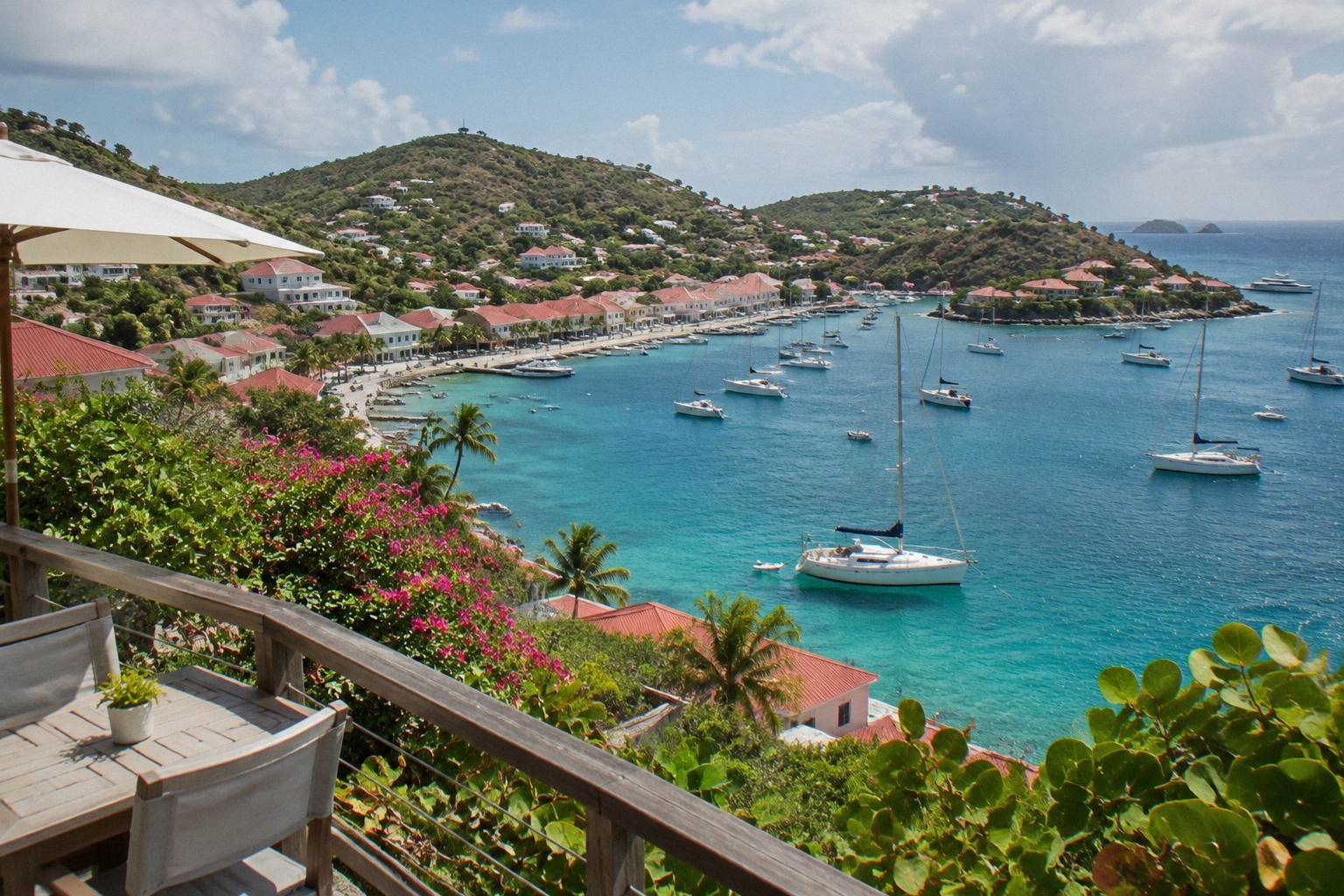
Flamands Area Guide
Flamands occupies the northwestern side of St Barts, a French Caribbean island of about 21 square kilometres, with a long public beach, one of the island's landmark hotels and quiet lanes climbing into the hills above the shore.
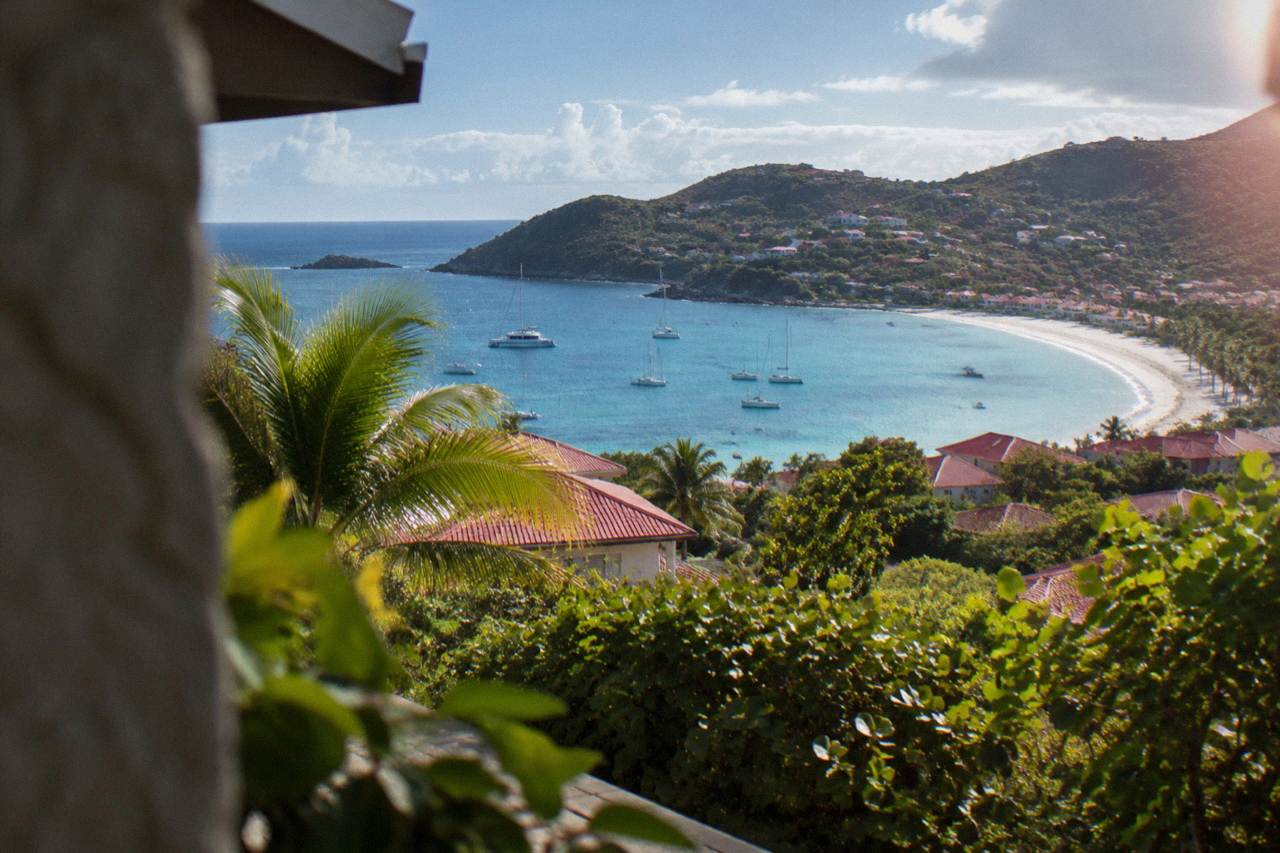
Flamands is a residential and beach area on St Barts' northwestern coast, home to a public beach, the Cheval Blanc hotel and hillside villas, a short drive from Gustavia and Saint-Jean.
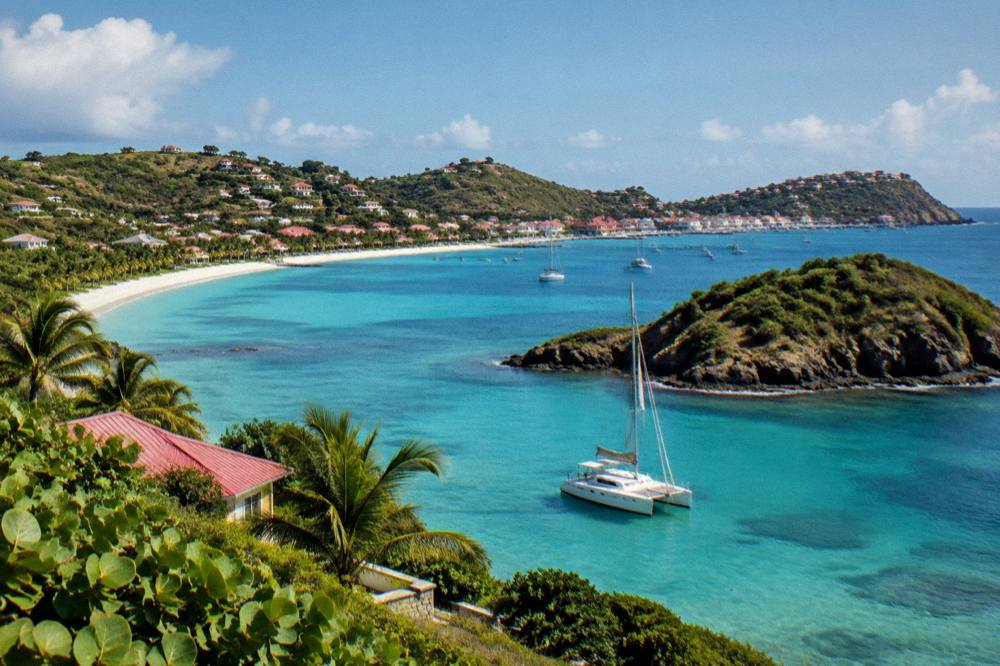
Flamands sits on the northwestern coast of St Barthelemy, the small French Caribbean island usually written St Barts, an overseas collectivity of France since 2007 with Gustavia as its harbour capital. The area is one of the island's quieter corners: a long public beach below a hillside of low houses and villas, a lane that climbs toward the interior, and a handful of places to stay concentrated near the sand. It sits between Saint-Jean and the island's northern tip, close enough to Gustavia for shopping and the harbour, far enough that the pace slows. This guide covers where Flamands fits on the map, its beach, its hotels and villas, how to reach it, and the boat day trips that depart from St Martin and call at points along the St Barts coast.
Where Is Flamands On The Map Of St Barts?
Flamands lies on the northwestern coast of St Barts, west of Saint-Jean and north of Gustavia, below the hills that rise toward the centre of the island. It faces the open Caribbean on one side and sits a short drive from the airport at Saint-Jean on the other, which makes it one of the better-placed areas for reaching both the harbour and the northern beaches. The island itself is small, about 21 square kilometres with roughly 10,700 residents, so "far" is a relative word here: every named area of St Barts connects to every other by the same narrow, winding road network that crosses the hills. Flamands shares that coast with neighbouring Anse des Cayes further north and sits opposite Colombier's wilder shoreline across the headland.
Understanding the map of St Barts helps place Flamands in context. The island's shape is a rough oval tilted on its side, with Gustavia and its harbour set into a bay on the leeward side, the airport runway at Saint-Jean running along the southern shore, and the northern and eastern coasts taking the more exposed water. Flamands occupies the northwestern face, which means sunsets fall over the sea in front of it. For a broader orientation across all the neighbourhoods, the St Barts neighborhoods map and the site's best area to stay in St Barts guide put each area side by side.
| Area of St Barts | Position on the island | Shore it faces | Character |
|---|---|---|---|
| Gustavia | Central west | Harbour bay | Capital, shops, restaurants, marina |
| Saint-Jean | South central | Southern shore | Airport, beach, shops |
| Flamands | Northwest | Open Caribbean | Residential, long public beach, hotel and villas |
| Anse des Cayes | North | Northern shore | Residential, surfing coast |
| Colombier | Northwest tip | Open headland | Unspoiled beach, reached by boat or walk |
| Lorient | North central | Northern shore | Village feel, beach, bakery stops |
| Grand Cul-de-Sac | Northeast | Eastern shore | Shallow bay, water sports |
| Toiny | Southeast | Eastern shore | Cliffs and rolling coast |
Neighbouring area guides cover each of these in more depth: Saint-Jean, Lorient, Colombier and Anse des Cayes.
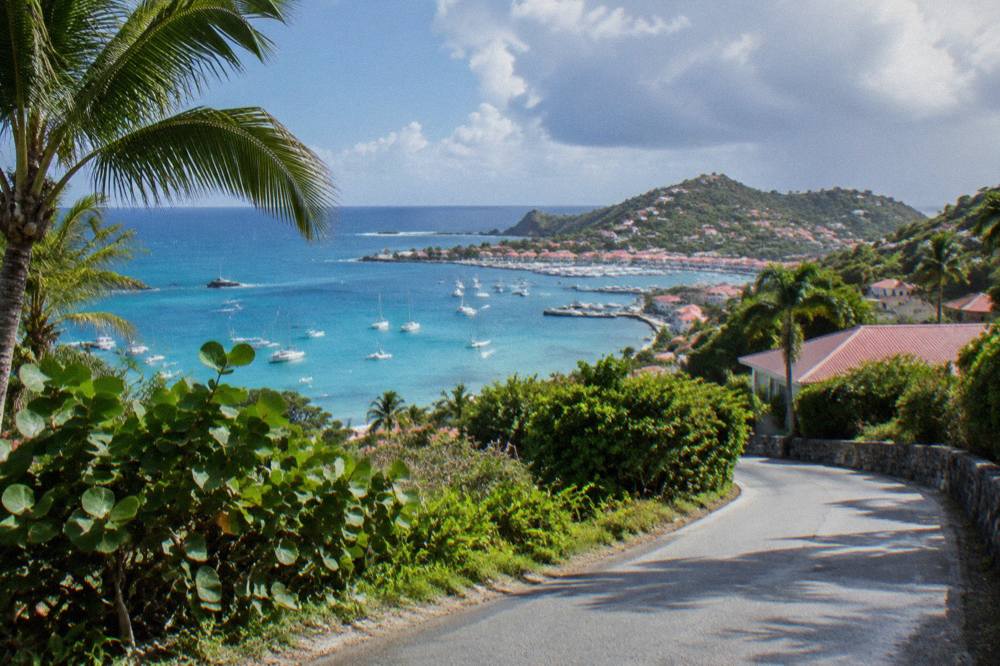
What Kind Of Beach Is Flamands Beach In St Barts?
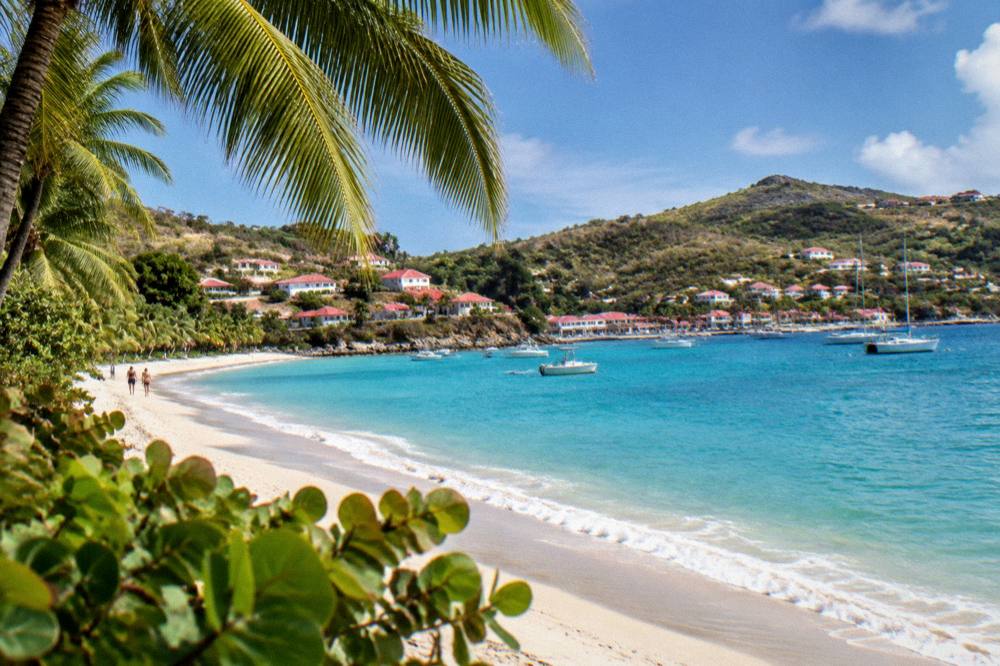
Flamands Beach is a public beach on the island's northwestern shore, one of eleven named beaches on St Barts, and like all of them it is free to access with no private section. The tourism committee lists it among the island's principal beaches alongside Saint-Jean, Gouverneur, Saline and Colombier. No lifeguard service, parking arrangement or facility claim is published for it, and the marine reserve rules that apply island-wide, including the ban on dogs, apply here too. The beach forms a long crescent below the hillside houses, and it is the natural centre of the area: everything in Flamands orients toward it.
Two island-wide rules matter to any beach day in St Barts and come from the environment agency rather than from any individual beach. First, dogs are prohibited on all beaches across the island, even on a leash, under a long-standing municipal order. Second, the marine reserve that covers parts of St Barts' waters sets a 5-knot speed limit in its zones, bans jet skis and lists rules protecting turtles and coral. Touching turtles and other protected species is forbidden. The reserve's zones include Colombier Bay and Ile Fourchue, both regular stops on the boat day trips described later in this guide.
The full beach list for the island, all public, is worth knowing when planning days out from a Flamands base:
| Beach | Area of the island | Notes |
|---|---|---|
| Flamands | Northwest | Public, the beach of this area |
| Saint-Jean | South central | Public, beside the airport runway |
| Gouverneur | South | Public |
| Saline | South | Public |
| Shell Beach (Grand Galet) | Gustavia | Public, walking distance from the harbour |
| Colombier | Northwest tip | Public, reached by boat or by a walk |
| Grand Cul-de-Sac | Northeast | Public |
| Lorient | North central | Public |
| Corossol | West | Public, beside the village |
| Toiny | Southeast | Public |
| Marigot | Northwest | Public |
Detailed pages exist for several of them, including Flamands Beach, Saline Beach and Saint-Jean Beach. For the full sweep of what the island offers beyond the sand, the root things to do in St Barts page collects the options.
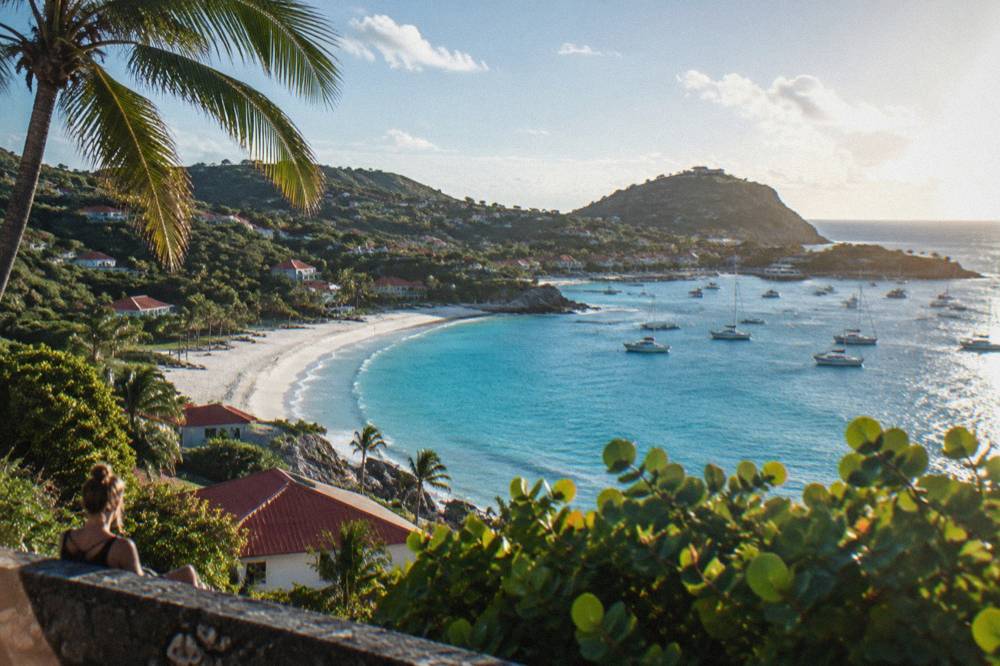
Where To Stay In The Flamands Area Of St Barts?
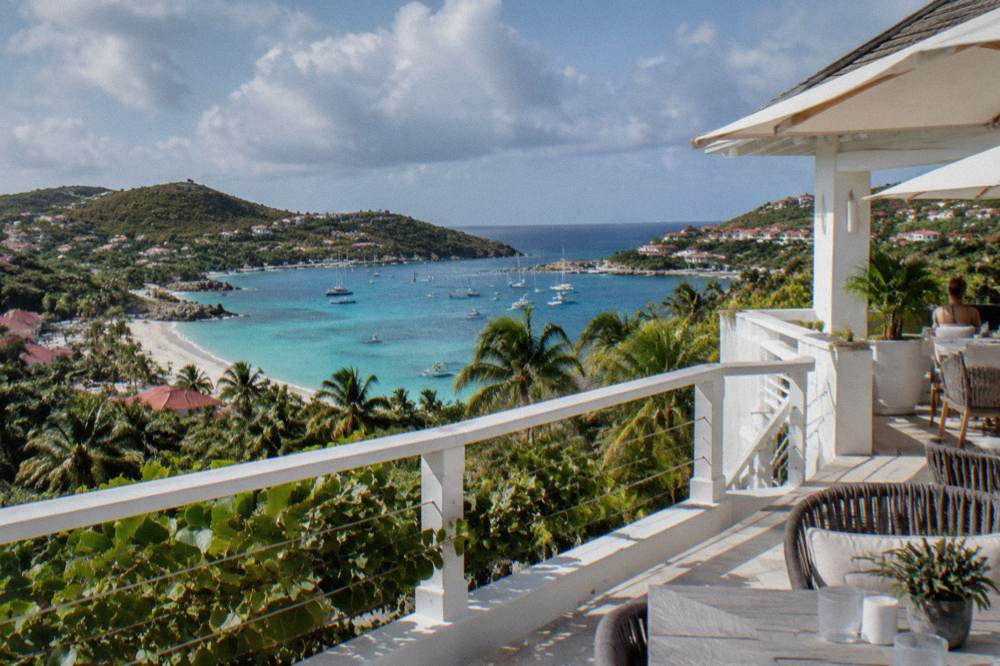
The Flamands area holds one of the island's landmark hotels, Cheval Blanc St-Barth Isle de France, set by the beach, plus a scattering of smaller properties and hillside villas above the shore. The island's hotel market leans heavily toward the upper end, and Flamands is no exception. Rates vary by season and each property's own booking page shows them. Villas across St Barts, including around Flamands, generally remain available year-round even when hotels close in autumn. That last point matters for anyone travelling in September or early October: many hotels and restaurants across St Barts close each autumn and reopen in waves between mid-October and early November, a pattern rather than a fixed calendar, and villas are the common alternative during that window.
Cheval Blanc St-Barth Isle de France sits at Flamands; the reopening-calendar reporting places its restaurant tables among the mid-to-late October reopenings each season. The area also sits within reach of properties in neighbouring areas: Le Village St Barth at Saint-Jean and Hotel Taiwana at Anse des Cayes both lie a short drive away. For a wider comparison, the site's hotel and villa guides cover the whole island, and the Gustavia where to stay page covers the capital's own small stock of rooms.
Choosing between a hotel and a villa is the real decision in Flamands. Hotels here offer reception, restaurants and services on site; villas offer space, kitchens and privacy, usually booked through specialist managers. The named villa managers operating on St Barts are WIMCO, Sibarth and St Barth Properties, all long-established agencies with portfolios across the island. The island's large villa market includes properties in and above Flamands, typically rented weekly with concierge arrangements.
| Item | Detail | Note |
|---|---|---|
| Hillside villas | Villa managers (WIMCO, Sibarth, St Barth Properties) | Available year-round; no rates printed |
| Apartments and rentals | Booking platforms and local agencies | Active short-term rental market on the island |
How Do You Get To Flamands In St Barts?
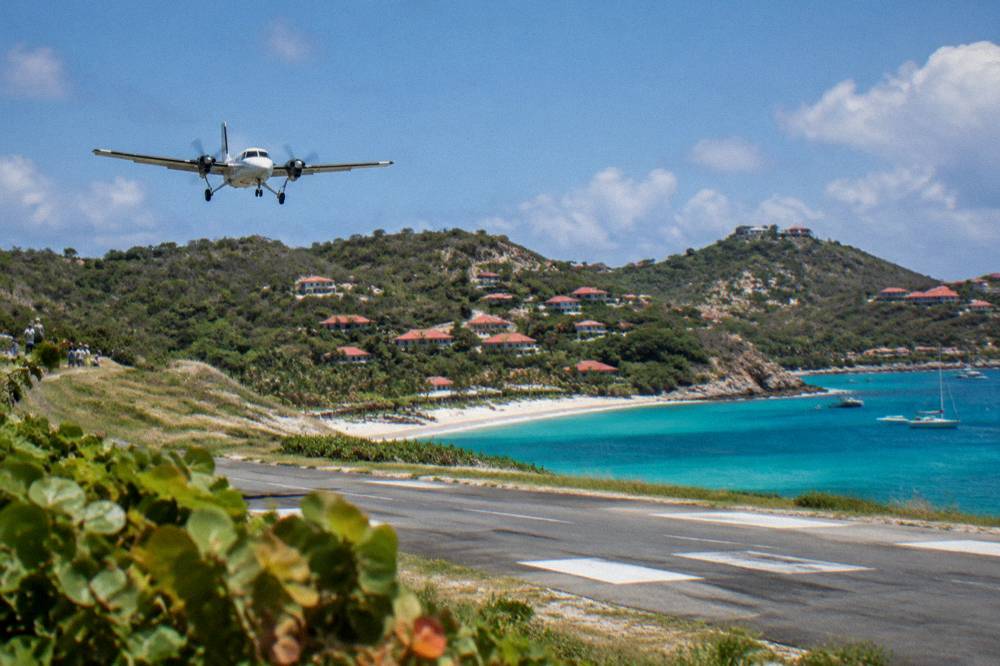
Almost everyone reaches Flamands through St Martin first, then across by small plane or ferry, and finally by road from Gustavia or the airport at Saint-Jean. No jets land at St Barts' own airport, Gustaf III (SBH), whose 646-metre runway serves small STOL turboprops in daylight and visual conditions only, so long-haul flights end at a gateway such as St Martin (SXM), San Juan (SJU), Guadeloupe (PTP) or Antigua (ANU) and the last leg is a short hop. St Barth Commuter flies the St Martin, Grand Case and Guadeloupe routes; Tradewind flies from San Juan and Antigua; Winair also serves the island from St Martin. On arrival, a rental car or taxi covers the final leg to Flamands along the island's narrow hill roads.
The sea alternative runs from two ports on St Martin and Sint Maarten. Great Bay Express departs Bobby's Marina in Philipsburg on the Dutch side for Gustavia, a crossing of about 45 minutes; Voyager departs the Marigot ferry terminal on the French side, a crossing of about 50 to 60 minutes. Both operators' pages show current schedules, and the crossing can be rough, so no smooth passage should be assumed. Passports are required and check-in normally closes shortly before departure; the operators' own pages give the exact rules. From Gustavia harbour, Flamands is a short drive inland and north.
| Route to St Barts | Operator or method | Departure point | Notes from the operators' pages |
|---|---|---|---|
| Ferry | Great Bay Express | Bobby's Marina, Philipsburg (Sint Maarten) | About 45 minutes to Gustavia |
| Ferry | Voyager | Marigot ferry terminal (St Martin) | About 50 to 60 minutes to Gustavia |
| Small plane | St Barth Commuter | SXM, Grand Case, PTP | STOL turboprops to SBH |
| Small plane | Tradewind | SJU, ANU | STOL turboprops to SBH |
| Small plane | Winair | SXM | Twin Otter service to SBH |
Driving on the island follows French rules, on the right, with narrow and steep roads, a general 50 km/h limit and 30 km/h in built-up areas such as Gustavia and Saint-Jean. Rental counters at the airport include Avis, Budget and Hertz, alongside local agencies and the open Mini Moke options that are a St Barts signature. Rental prices, minimum-driver ages and taxi fares vary; each company states its own terms. More detail sits in the site's coverage of getting around St Barts and the St Barts car rental guide.
What Is The Weather Like In Flamands?
Flamands shares the island's single climate: warm all year, with mean daily highs between 28.5 C in January and 31.7 C in September and 891.3 mm of rain annually, according to the Meteo-France normals, 1991-2020, for the St Barthelemy station. October is the wettest month at 135.6 mm and February has the lowest monthly total at 38.4 mm. The sea stays warm, about 26 C in winter rising to about 29 C from August to October. There is no separate microclimate for one beach or one hillside on an island of about 21 square kilometres; planning for Flamands is planning for St Barts.
The seasonal rhythm matters more than any single month. The period from December through April aligns with the island's high season, when hotels are fully open and the sailing calendar fills. From 1 June to 30 November the Atlantic hurricane season runs, with the peak of activity from mid-August to mid-October and a climatological peak near 10 September; no storm can be predicted for any date, and the season's overlap with the quietest tourist months and the hotel closure window shapes the whole autumn. Hurricane Irma struck the island in September 2017 and remains the reference event for why autumn closures exist. Everything else covered here is indexed on St Barthelemy Travel.
| Month | Mean daily high (C) | Mean daily low (C) | Rain (mm) |
|---|---|---|---|
| January | 28.5 | 23.5 | 52.6 |
| February | 28.6 | 23.3 | 38.4 |
| April | 29.8 | 24.2 | 50.9 |
| June | 31.2 | 25.9 | 56.0 |
| September | 31.7 | 26.2 | 96.9 |
| October | 31.4 | 25.8 | 135.6 |
| December | 28.9 | 24.1 | 79.2 |
Figures above are Meteo-France normals, 1991-2020. The month-by-month picture, including the shoulder months, is covered in the site's St Barts weather and best time to go guides.
What Can You Do Around Flamands In St Barts?
Around Flamands the options are the island's core ones: the public beach below the houses, walks on the island's hill trails, drives to the other named beaches, and time in Gustavia's shops, harbour front and sights, all within a compact island. The area has no bookable on-island activity of its own; every tour listed here departs from St Martin or Sint Maarten and visits St Barts by sea. Beaches and open public places are free, and no guided walking tour product is listed here. That leaves self-directed days, which on an island this size is the normal pattern.
Gustavia, a short drive south, carries most of the island's sightseeing weight: the harbour itself with its visiting yachts, the two fort ruins above the town, the shell-lined Shell Beach (Grand Galet) within walking distance of the centre, and the small museums covering the island's Swedish period and seafaring past. The Gustavia shopping and Gustavia restaurants pages cover the practical side of the capital. Westward along the coast from Flamands, the headland path leads toward Colombier, the unspoiled beach reached by boat or on foot.
The island's events calendar gives the year its rhythm, and the two festivals with confirmed dates sit either side of the season change. The St Barth Gourmet Festival runs 9 to 15 November 2026, and the St Barth Music Festival runs 8 to 18 January 2027 for its 43rd edition. The Bucket Regatta falls in mid-March, Les Voiles de St Barth in April, and the Film Festival in late April or early May; 2027 details for those remain unconfirmed, so check the organisers before planning around them.
| Event | Timing | Status |
|---|---|---|
| St Barth Gourmet Festival | 9 to 15 November 2026 | Dated |
| St Barth Music Festival | 8 to 18 January 2027 | Dated, 43rd edition |
| Bucket Regatta | Mid-March | Month only |
| Les Voiles de St Barth | April | Dates unconfirmed |
| St Barth Film Festival | Late April or early May | Dates unconfirmed |
| Fete de Saint-Barthelemy | 24 August | Annual feast day |
Which Boat Day Trips Visit St Barts From St Martin?
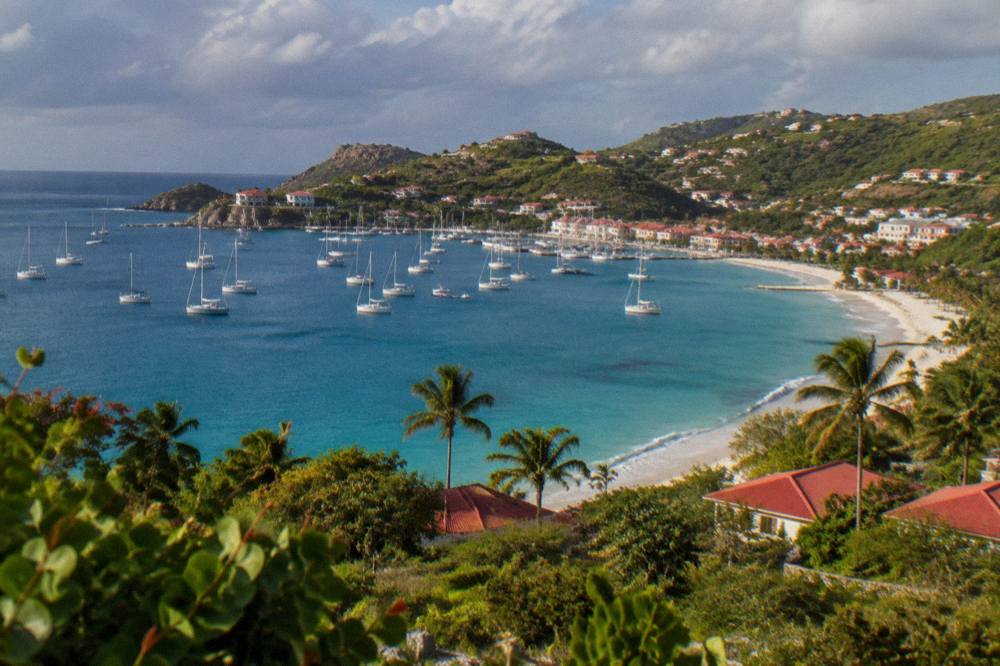
Every bookable boat trip listed here departs from St Martin or Sint Maarten, from ports including Simpson Bay, Cole Bay, Anse Marcel and Grand Case, and none departs from St Barts itself. The options divide into one group sail that runs per person, from 12 May to 31 August 2027 on its listing, and a set of private charters priced per group. Between them they call at Gustavia harbour, Colombier Beach and Ile Fourchue, the same coastline Flamands looks out on. For visitors staying in Flamands, these trips work best as part of a St Martin-and-St Barts combination or as a day anchored in the island's marine reserve waters.
The group sail, the Boomerangs Group Sail and Snorkel, is the one per-person product and covers Gustavia, Colombier Beach and Ile Fourchue in a day. The private side spans several formats: a full-day private charter for up to 10, a private charter from St Martin for up to 8, a private sailboat from Sint Maarten, a Nikki Beach-oriented charter and a two-day, one-night private catamaran that overnight guests can use to break the crossing. All prices, ratings and durations render from the live listings rather than being typed here.
The marine reserve rules shape what these trips can do on the water. Within the reserve's zones the 5-knot limit applies, jet skis and other motorized water toys are banned, mooring and anchoring rules protect the sea grass, and touching turtles, coral or other protected species is forbidden. The reserve lists 23 dive sites, and its zones include the bays at Colombier and Ile Fourchue that the day trips frequent. Visitors joining any boat day should treat those rules as the baseline for behaviour in the water.
For planning a split stay or a wider loop, the site's day-trip guides cover St Barts from St Maarten airport, whether to spend time in St Maarten first and island hopping from St Barts.
Is Flamands The Right Area For Your St Barts Trip?
Flamands suits travellers who want a beach-first base with a residential feel, one landmark hotel and villa privacy, while staying a short drive from Gustavia's harbour and Saint-Jean's airport approach. It trades the walk-to-everything convenience of the capital for quiet lanes, sea-facing hills and a long public shoreline. Families weighing car seats and older visitors weighing hill roads should factor the terrain; anyone comparing areas should weigh Flamands against Saint-Jean, Lorient and Grand Cul-de-Sac on the same scale. There is no single best area on an island this compact, only the best fit for a given trip.
A quick comparison of the leading alternatives, each with its own guide on this site, helps frame the choice:
| Area | Best fits | Trade-off |
|---|---|---|
| Flamands | Beach days, hotel or villa comfort, quiet | Hill roads, fewer walkable services |
| Gustavia | Walk-to-everything stays, shopping, harbour | Less of a beach-base feel |
| Saint-Jean | Airport proximity, beach, shops | Busier central position |
| Lorient | Village pace with a bakery stop | Fewer hotels |
| Grand Cul-de-Sac | Shallow bay, water sports | Longer drive to the capital |
| Toiny | Seclusion, dramatic coast | Furthest from Gustavia |
Practical closing points for a Flamands stay: book the hotel or villa early for the December-to-April window, expect the autumn closure pattern if travelling between late August and mid-October, confirm ferry or flight connections through St Martin with the operators directly, and reserve any boat day trip from the St Martin side ahead of the high season. The St Barts itinerary pages then do the day-by-day work, whether the trip is a long weekend or a full one week stay.
Common Questions About The Flamands Area
Is Flamands Beach in St Barts public?
Yes. All beaches on St Barts are public and free to access, and Flamands is on the tourism committee's list of the island's named beaches alongside Saint-Jean, Gouverneur, Saline and Colombier. Dogs are banned on all beaches island-wide, even on a leash.
How far is Flamands from Gustavia?
No distance or drive time is given for the Flamands-to-Gustavia journey. Flamands sits on the northwestern coast west of Saint-Jean, with Gustavia to its south on the same island road network; both are within the same compact drive-time scale as everywhere on an island of about 21 square kilometres.
Which hotel is at Flamands?
Cheval Blanc St-Barth Isle de France is the hotel property at Flamands, set by the beach. Rates vary by season and the property's own booking page shows them; its tables typically reopen in the mid-to-late October wave that follows the island's autumn closure pattern.
Can you walk from Flamands to Colombier?
Colombier is reached by boat or by a walk over the headland from the Flamands side. Plan it as a route to research locally with current conditions in mind, or reach the beach on one of the boat day trips that include it.
Do tours leave from Flamands?
No bookable tour listed here departs from St Barts at all. Every product, from the group sail to the private charters, departs from St Martin or Sint Maarten and visits St Barts by sea, calling at Gustavia, Colombier Beach and Ile Fourchue.
When is the best time to stay in Flamands?
The island is warm year-round, with mean daily highs from 28.5 C in January to 31.7 C in September per the Meteo-France normals, 1991-2020. December through April is the fully open high season; from late August to mid-October many hotels and restaurants close for autumn, so confirm opening status for any stay in that window.