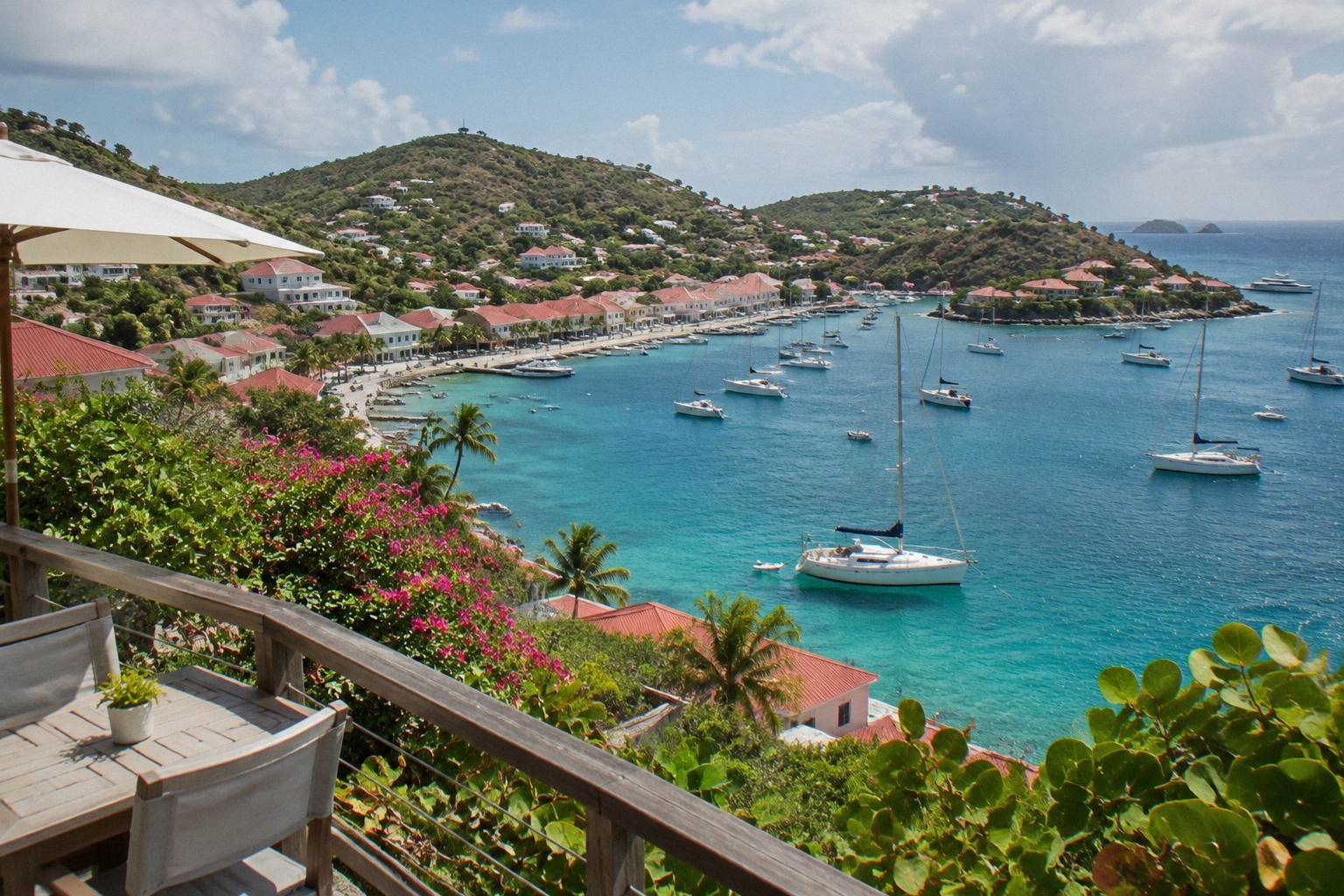
Where To Stay In Gustavia St Barts: The Harbour Capital Area Guide
Gustavia, the harbour capital of St Barthelemy, is the one part of the island where restaurants, shops, the ferry dock and a swimmable beach sit within a short walk of each other. This guide sets out what staying there involves.
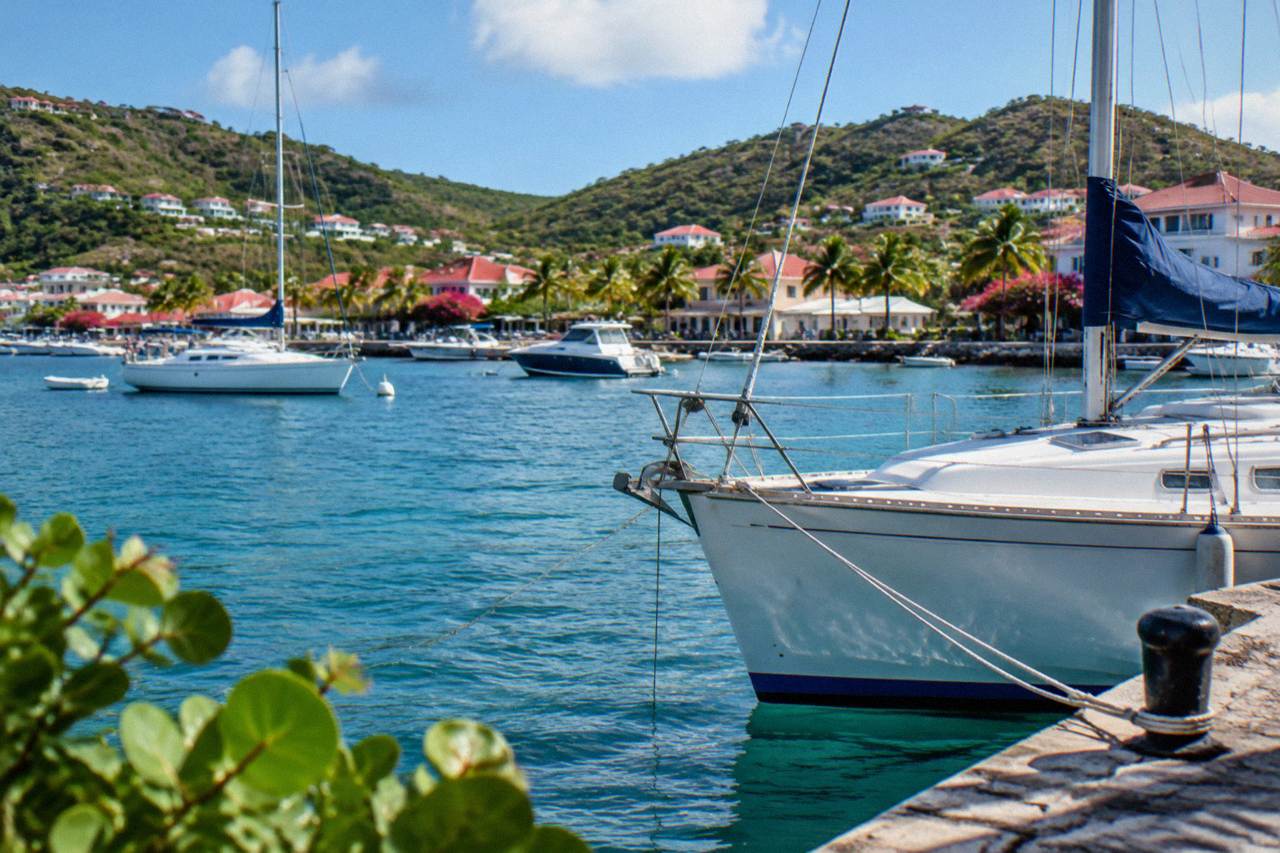
Gustavia suits travellers who want to be steps from the harbour, restaurants and shops without renting a car for every outing. The trade is a hillier setting and a small hotel selection compared with Saint-Jean or Flamands.
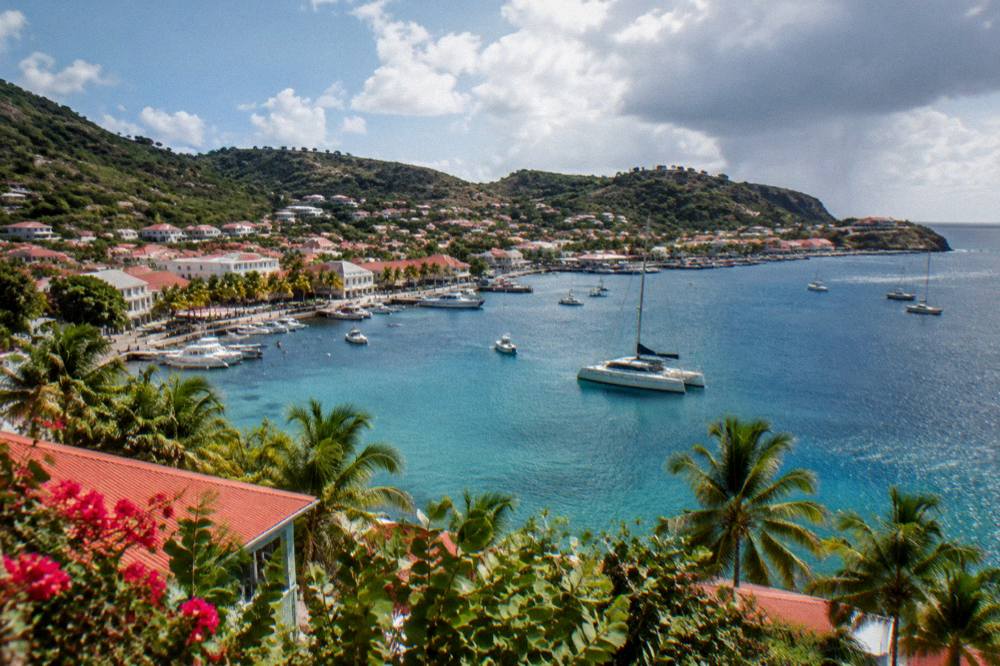
Gustavia, the harbour capital of St Barthelemy, is the island's one real town: a crescent of red roofs wrapped around a working port where ferries from St Martin dock, superyachts anchor and cruise passengers come ashore by tender. Staying here puts the island's densest cluster of restaurants, boutiques and sights within walking distance, on an island of about 21 square kilometres where nearly everything else is reached by winding hill roads. This guide from St Barthelemy Travel covers the hotels you can name, what you can walk to, and how a Gustavia base compares with the island's beach areas.
Why Stay In Gustavia On St Barts?
Gustavia is the capital and main harbour town of St Barts, an overseas collectivity of France since 2007, and the arrival point for both scheduled ferries from St Martin and the tenders that carry cruise passengers ashore. Staying in the town puts restaurants, shops, two historic forts and Shell Beach within reach on foot, which no other part of the island offers at the same density.
The town wraps around the harbour in a bowl of low hills. Streets climb quickly: a flat walk along the quay becomes a steep lane within a block or two, and many guesthouse and hotel addresses sit on those slopes. Anyone with mobility limits should weigh that terrain, because the prettiest views in Gustavia come with a climb.
The harbour itself is the reason the town exists. The port authority's pages describe Gustavia as a yachting and commercial port, and there is no cruise pier: visiting ships anchor offshore and tender their passengers in, which means the quay area fills and empties with the day's calls. The tourism committee's materials list the town's beaches, forts and museums among the island's principal sights, and all of them sit inside or beside Gustavia.
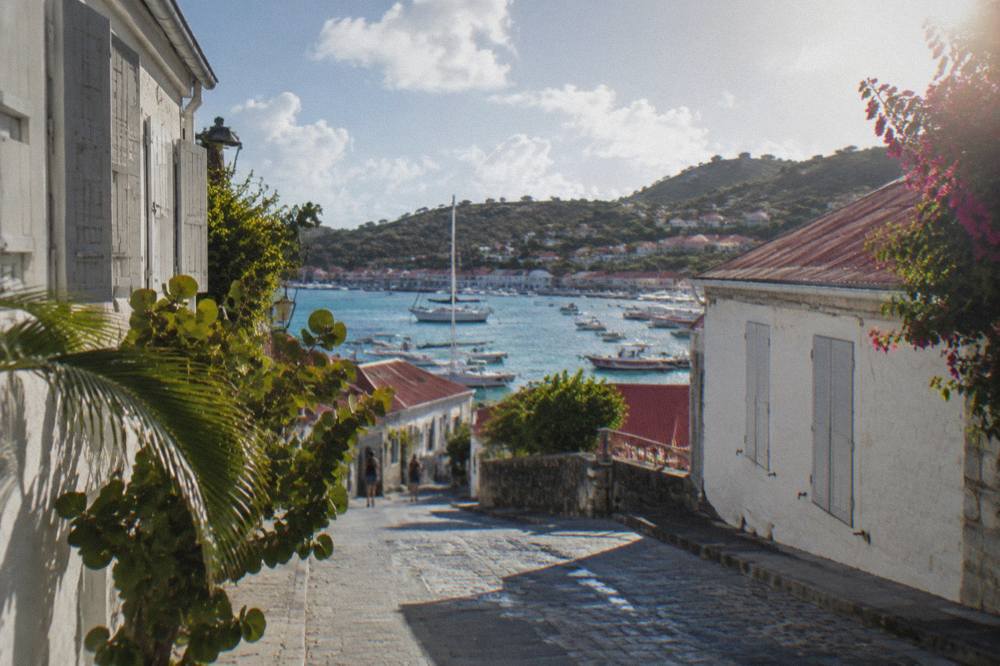
For orientation, the neighborhoods map of St Barts shows how Gustavia sits on the leeward side, with Saint-Jean and the airport across the central hills to the north and the big south-coast beaches beyond. That geography matters for choosing a base: Gustavia is central by island standards, but the roads between areas are narrow and steep.
What Are The Best Hotels In Gustavia St Barts?
The named hotel options in Gustavia itself are few: the Sunset Hotel on the harbour and the Carl Gustaf, reported to be rebranding as Fouquet's Saint-Barth, are the town's best known addresses, while most of the island's larger hotels sit outside Gustavia in Saint-Jean, Flamands, Grand Cul-de-Sac and Toiny. Rates vary by season and each property's own booking page shows them.
That short list is the honest picture. Gustavia is a small town of roughly ten thousand islanders' worth of services, not a resort strip, and its lodging stock reflects that. The Sunset Hotel's own site confirms it closes for part of the autumn low season, reopening in early October, which matches the island-wide pattern. The Carl Gustaf's rebranding is reported in the hospitality press, and the details should be confirmed on the property's own channels before booking.
The island's headline properties are elsewhere, and a Gustavia stay means driving to them rather than walking. Eden Rock sits on the rock at Saint-Jean; Cheval Blanc Isle de France sits at Flamands; Le Barthelemy and Le Guanahani, reported to become Airelles Le Guanahani, sit at Grand Cul-de-Sac; Le Toiny sits on the east coast; Le Sereno at Grand Cul-de-Sac; Hotel Manapany at Anse des Cayes. Each is described further in the guide to where to stay in St Barts.
| Property | Area | Position note |
|---|---|---|
| Sunset Hotel | Gustavia | On the harbour; closes for part of the autumn, reopening early October per its site |
| Carl Gustaf | Gustavia | Hillside above the harbour; reported to be rebranding as Fouquet's Saint-Barth |
| Eden Rock | Saint-Jean | On the rocky point at Saint-Jean beach |
| Cheval Blanc Isle de France | Flamands | At Flamands beach |
| Le Barthelemy | Grand Cul-de-Sac | At the Grand Cul-de-Sac lagoon |
| Le Toiny | Toiny | East coast above Anse de Toiny |
| Le Sereno | Grand Cul-de-Sac | At Grand Cul-de-Sac |
| Hotel Manapany | Anse des Cayes | Above Anse des Cayes |
Villas are the other lodging route, and a large villa market exists island-wide. Managers named in the island's rental market include WIMCO, Sibarth and St Barth Properties, all of which book directly through their own sites. Some Gustavia-area villas put the town within a short drive while keeping a private pool and terrace, a combination the town's hotels rarely match.
What Can You Walk To From Gustavia St Barts?
From a central Gustavia base you can walk the harbour quay, Shell Beach (Grand Galet) at the town's edge, the Wall House Museum on the waterfront, the remains of Fort Karl and Fort Gustaf above the town, and the boutiques and restaurants of the town core, all without a car for the day. Le Select, the town's long-standing bar, and the shell museum at Corossol a short drive away round out the list.
Shell Beach is the walkaway beach: the tourism committee lists it among the island's public beaches, and its rocky-cove character is part of the town's appeal. It is a public beach like every beach on St Barts, and the Shell Beach guide covers its position west of the harbour. Fort Karl and Fort Gustaf are both modest ruined batteries with harbour views, described on the island's sightseeing listings; the Fort Karl page and the harbour guide at Gustavia Harbor give the detail.
The town's two museum sites cover its unusual Swedish period, when the port was a free port under the Swedish crown before returning to France, and the Wall House Museum page describes the collections. Note the history constraint that matters here: the island's history on this site runs to its status as a collectivity since 2007 and Hurricane Irma in September 2017, and deeper dating belongs to the museum pages rather than this one.
Eating and shopping are the town's daily rhythm. The Gustavia restaurants guide covers the dining landscape, and the Gustavia shopping guide covers the boutiques that line the streets behind the quay. Both concentrate within a few blocks, which is exactly why a Gustavia base works without a car for town days.
A note on what does not exist: there is no free guided walking tour listed here, and no operator runs one. The public beaches and open public places of the town are free to enter, and that is the extent of the free offering.
Is Gustavia The Best Area To Stay In St Barts?
Gustavia is the best St Barts area to stay in for walkability and harbour life, but not for beachfront lodging: Saint-Jean suits travellers who want the airport-side beach and surf-facing hotels, Flamands suits a quieter beach stay, and Grand Cul-de-Sac suits calm-water family weeks. The honest answer is that no single area wins, because the island's roads put every beach within a short drive and the choice is about which setting you step out into.
The full comparison lives on the best area to stay in St Barts page, and the pattern is consistent. Gustavia trades sand-at-the-door for town-at-the-door. Saint-Jean, covered in the Saint-Jean area guide, wraps around the island's most photographed beach and sits beside the Gustaf III Airport strip. Flamands, covered in the Flamands area guide, is a residential hillside above one of the island's longer beaches.
| Area | Best if you want | Trade against Gustavia |
|---|---|---|
| Gustavia | Harbour, restaurants, shops, ferry dock on foot | Few hotels, hillier streets, no long beach |
| Saint-Jean | Beach-and-boutique mix beside the airport | Busier beach, thinner dining than town |
| Flamands | A quieter beach base at a wide bay | Everything else needs a drive |
| Grand Cul-de-Sac | Calm lagoon water, family hotels | Furthest from the ferry and town |
| Colombier | Seclusion at the island's far west | Reached by boat or a hiking trail only |
Colombier deserves its own line because it is the exception: the Colombier area guide explains that the bay has no road access at all, reached by boat or on foot, so it offers no lodging base in the ordinary sense. Its beach and Ile Fourchue beyond it are what the boat day trips from St Martin come to see.
One figure anchors the seasonal question, and it comes from the Meteo-France climate normals, 1991-2020, for the island's station: October is the wettest month at 135.6 mm of rain and February among the least rainy at 38.4 mm, while mean daily highs run from 28.5 C in January to 31.7 C in September. The island is warm in every month; the difference is rain and the autumn closure pattern, not temperature.
| Month | Mean daily high (C) | Mean daily low (C) | Rain (mm), Meteo-France normals 1991-2020 |
|---|---|---|---|
| January | 28.5 | 23.5 | 52.6 |
| February | 28.6 | 23.3 | 38.4 |
| April | 29.8 | 24.2 | 50.9 |
| July | 31.2 | 26.0 | 80.4 |
| October | 31.4 | 25.8 | 135.6 |
| December | 28.9 | 24.1 | 79.2 |
Hurricane season runs from 1 June to 30 November with its peak from mid-August to mid-October, and no forecast for any date can be made from that; it is a climatology, not a prediction. What it does explain is the autumn rhythm: hotels and restaurants close for maintenance in that window and reopen between mid-October and early November, so a stay before that reopening wave meets a quieter town.
How Do You Arrive In Gustavia, Ferry Or Small Plane?
Scheduled ferries reach Gustavia from two ports on St Martin: Great Bay Express from Philipsburg on the Dutch side, a crossing of about 45 minutes, and Voyager from Marigot on the French side, about 50 to 60 minutes, with a passport required and check-in well before departure. The alternative is flying into Gustaf III Airport at Saint-Jean, a 646 m strip served only by small turboprops in daylight conditions, then a short drive over the hill into town.
No jets land at St Barts: the runway is 646 m, operations are daylight and visual only, and the aircraft are small STOL turboprops. Intercontinental flights end at gateways such as St Martin, San Juan, Guadeloupe or Antigua, and the last leg is a small plane or the ferry. The operators on the island's routes are St Barth Commuter from St Martin and Guadeloupe and Tradewind from San Juan and Antigua, plus Winair's Twin Otters from St Martin.
The ferry decision is a sea-state decision. Both operators' pages describe crossings that depend on weather, and the sea between St Martin and St Barts can be rough; no smooth crossing can be promised. The ferry dock lands you in the heart of Gustavia, a genuine advantage over the airport, which sits over the hill at Saint-Jean. Fares and timetables change by season and belong on the operators' own pages.
Cruise passengers do not stay, but they share the town: ships anchor offshore and tender into Gustavia because there is no cruise pier, and the port authority authorizes calls only for ships of limited capacity. On days with a call, the quay area is busier from late morning.
What Does A Day From A Gustavia Base Look Like?
A day from Gustavia opens with the harbour on foot, moves to a public beach such as Shell Beach before the midday heat, spends the afternoon either on a boat trip along the coast or driving one hill road to a south-shore beach like Gouverneur or Saline, and ends back in town for dinner among the restaurants behind the quay, all on an island where every named beach is public and free to access.
The boat option is worth naming precisely because every bookable tour listed here departs from St Martin or Sint Maarten, not from St Barts. The featured day trip on this page, the St. Barths: Gustavia, Colombier Beach, and Ile Fourchue Tour, is a group sail and snorkel excursion that calls at Gustavia, Colombier and Ile Fourchue, with See the operator's live listing. It is a way to see the harbour town from the water and the marine reserve's most protected bays in one day, and its per-person season on the listing runs from 12 May to 31 August 2027.
To see Gustavia, Colombier and Ile Fourchue from the water, book a sail and snorkel tour.
The marine reserve's rules shape the water side of any day. The environment agency's regulatory-zones page lists a 5-knot speed limit inside its zones, a ban on jet skis, 23 dive sites, no dogs on beaches and no touching of turtles. Those rules apply to visitors as much as to operators, and they are the reason Colombier and Ile Fourchue feel as protected as they do.
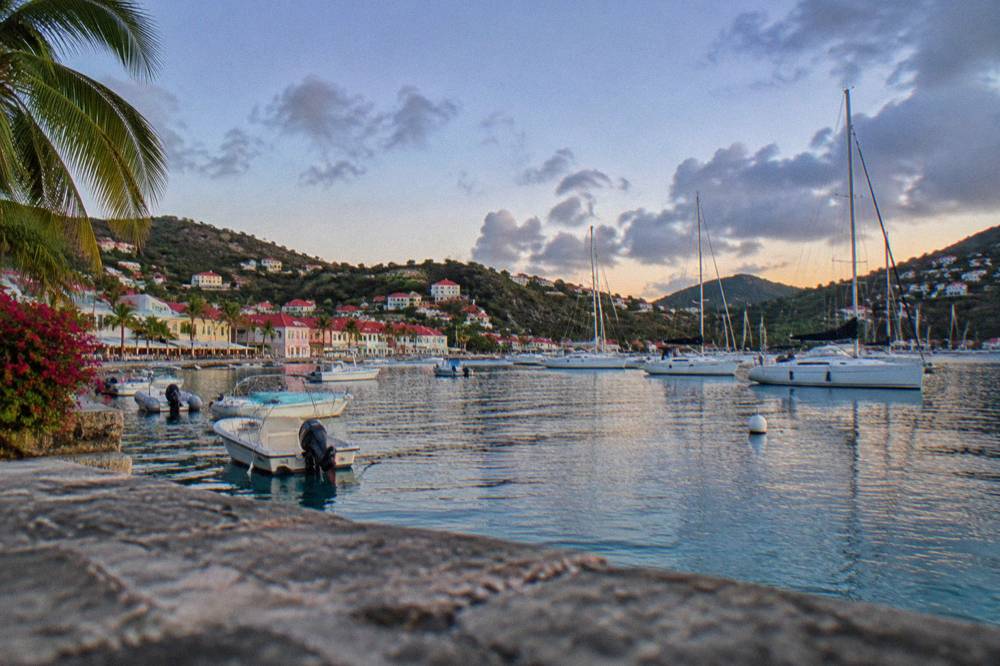
The land side of the day is driving. Roads on St Barts are narrow, winding and steep, with an island-wide 50 km/h limit and 30 km/h in Gustavia and Saint-Jean. Rental counters at the airport include Avis, Budget and Hertz alongside local agencies and Mini Moke specialists, and a car is worth having from a Gustavia base for the beaches: Gouverneur and Saline are a drive south, Grand Cul-de-Sac a drive north-east, Lorient between them. No printed drive times for those exact journeys belong on this page.
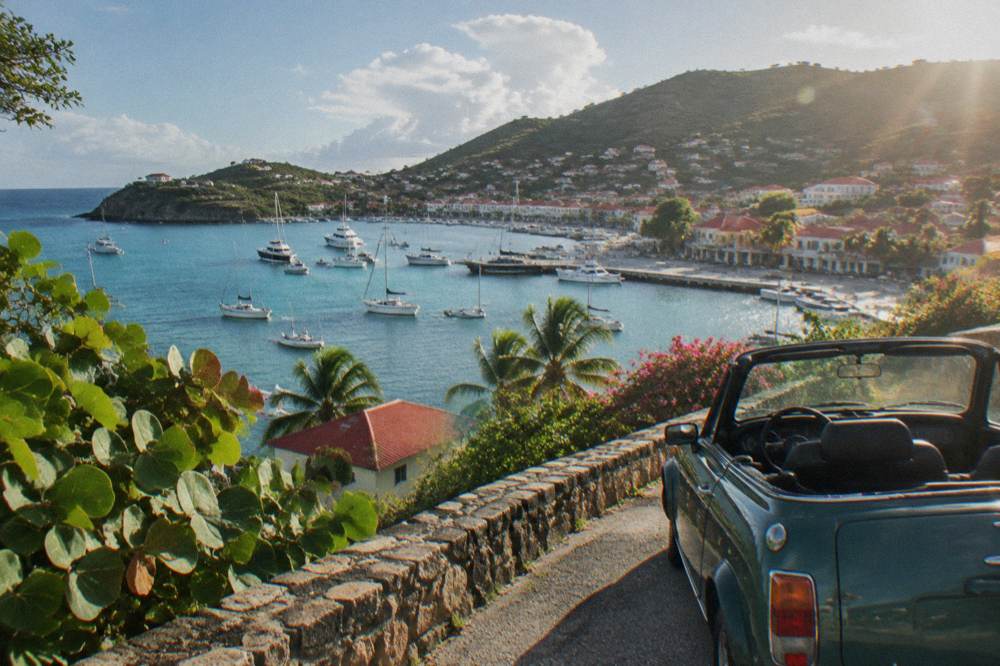
Two anchor stops define the town day. Le Select is the bar that has served the harbour since the mid-twentieth century and functions as the town's living room. The Wall House Museum, on the quay, holds the island's historical collection in a stone building from the Swedish period. Both are free of charge in the sense that all the island's open public places are: no ticketed attraction gate sits inside Gustavia's town core.
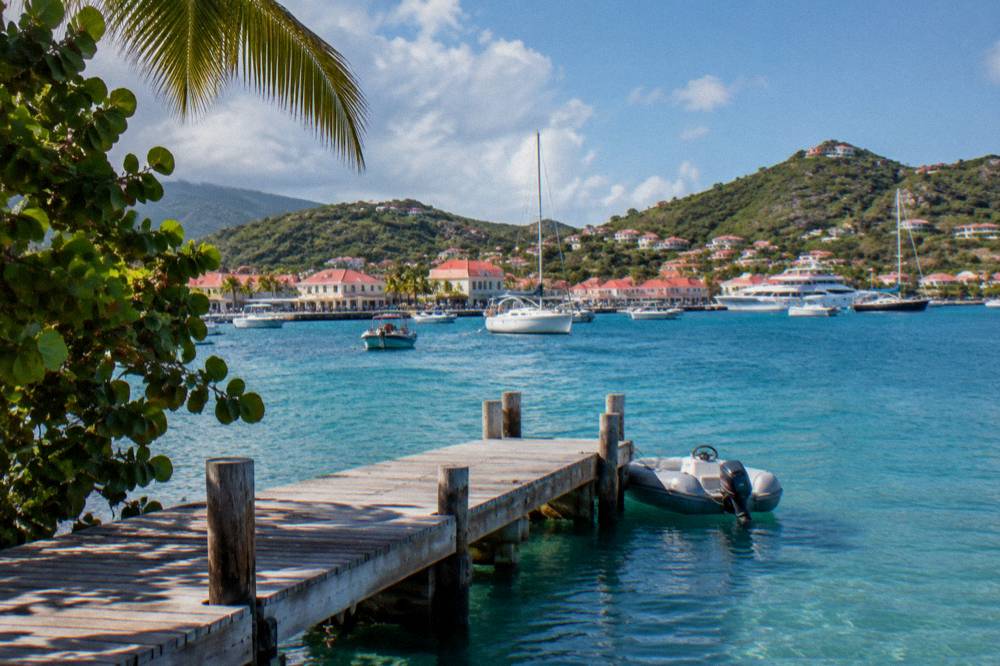
Where Do Gustavia Visitors Go For Beaches And Day Trips?
Beach days from Gustavia mean the town's own Shell Beach on foot, a drive to the south-shore beaches of Gouverneur, Saline and Colombier's trailhead, or a drive north to Lorient, Saint-Jean and Grand Cul-de-Sac, while boat day trips from St Martin call at Gustavia, Colombier and Ile Fourchue and private charters run the crossing on demand; island-hopping by ferry to Anguilla or by small plane to Saba and St Kitts is the outer ring of options.
Every beach on St Barts is public. The tourism committee lists them with no entry fee and no private stretch: Saint-Jean, Gouverneur, Saline, Shell Beach, Flamands, Colombier, Grand Cul-de-Sac, Lorient, Toiny, Marigot, Corossol and the smaller coves. From Gustavia the nearest is Shell Beach at the town's western edge; the rest are a drive over hill roads that reward an early start.
| Beach | Direction from Gustavia | Access note |
|---|---|---|
| Shell Beach (Grand Galet) | At the town's edge | Reached on foot from the harbour |
| Gouverneur | South coast | Road access, public beach |
| Saline | South coast | Road access then a walk over the dune line |
| Colombier | Far west | Boat access or the hiking trail, no road |
| Lorient | North-east | Road access, village beside the beach |
| Saint-Jean | North | Road access beside the airport strip |
| Grand Cul-de-Sac | North-east | Road access, lagoon side |
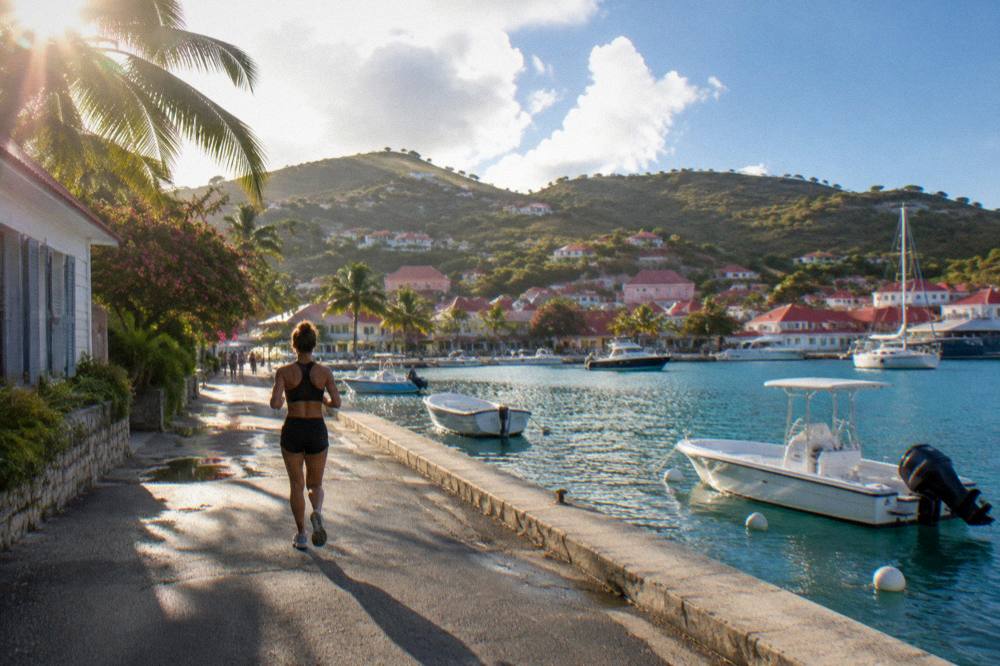
Colombier is the special case, and from a Gustavia base it is closest in spirit. The bay sits inside the marine reserve with no road in: the options are the hiking trail from the Flamands side or a boat. That is why the group sail from St Martin that features on this page lists it alongside Gustavia and Ile Fourchue; the reserve's rules, from the 5-knot limit to the ban on touching turtles, govern the bay entirely.
Day trips beyond the island start from the harbour or the airport rather than from a tour desk in town. The neighbouring islands of Anguilla, Saba and St Kitts are reachable by small plane or ferry, and the broader things to do in St Barts page carries the full set of options, including the boat trips that depart from St Martin and visit St Barts rather than the reverse.
Who Should Not Stay In Gustavia?
Travellers who want a beachfront room, a resort's pool-and-restaurant ecosystem or the calm lagoon water of Grand Cul-de-Sac should not stay in Gustavia, and neither should anyone unsettled by steep streets or by the twice-daily rhythm of ferry arrivals and tender boats at the quay; the town rewards walkers, diners and boat-watchers, and it serves the rest of the island best by car.
The beachfront case is straightforward: the town's own beach is a rocky cove, and the island's classic sand beaches are all a drive away. If the holiday is built around stepping from a room onto sand, Saint-Jean, Flamands or Grand Cul-de-Sac fit better, and the Grand Cul-de-Sac area guide covers the lagoon side that suits families with small children.
The mobility case matters more than most guides admit. Gustavia's streets climb from the quay within a block, and many guesthouse addresses sit partway up the bowl. There is no flat circuit of the town. Anyone for whom hills are a barrier should weigh the beach areas, where hotels sit closer to the waterline, and should check the island's accessibility information before booking.
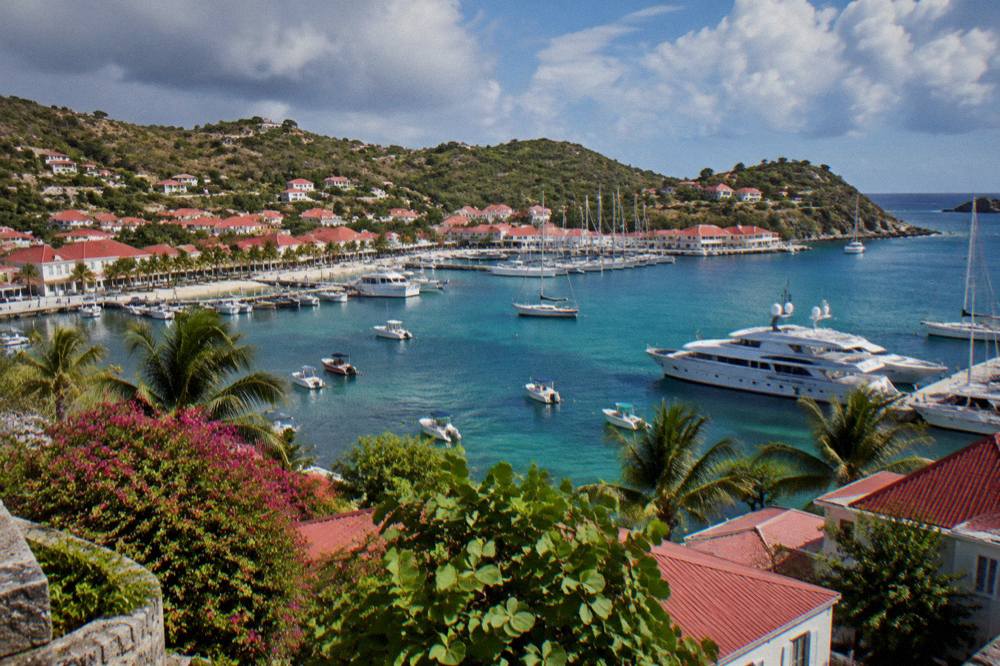
The crowd case cuts both ways. Cruise tenders and the ferry bring people into the quay area in waves, and on a day with a ship at anchor the town centre is busy from late morning to mid-afternoon. Early mornings and evenings return the town to its residents and overnight guests, and the restaurants behind the quay fill accordingly. None of this is a prediction: it is the structural rhythm of a working port town.
The final alternative is not to stay on land at all. An overnight private catamaran from St Martin, one of the products listed here, spends a night at St Barts with the harbour and the anchorages of the marine reserve as the itinerary, which answers the where-to-stay question from the water side. It departs from St Martin, like every bookable product listed here, and its dates and pricing render on its own listing.
Common Questions About Staying In Gustavia St Barts
Is Gustavia walkable?
The town core, harbour quay, Shell Beach, the two fort sites and the restaurant and shopping streets are walkable from a central base. The streets climb steeply from the waterfront, so walkability comes with hills and there is no flat circuit of the town.
How many hotels are in Gustavia St Barts?
Very few by name: the Sunset Hotel on the harbour and the Carl Gustaf, reported to be rebranding as Fouquet's Saint-Barth, are the town's known addresses. The island's larger hotels sit outside Gustavia at Saint-Jean, Flamands, Grand Cul-de-Sac and Toiny, and a large villa market with managers such as WIMCO, Sibarth and St Barth Properties covers the rest.
Can you stay in Gustavia without a car?
For town days, yes: restaurants, shops, the harbour, Shell Beach and the forts are on foot, and the ferry dock is central. For beach days beyond Shell Beach, a car is the practical answer, and rental counters at the airport include Avis, Budget and Hertz plus local agencies and Mini Moke specialists.
Do cruise ships affect a Gustavia stay?
Ships anchor offshore and tender passengers into Gustavia because there is no cruise pier, so the quay area is busier on days with a call, typically late morning to mid-afternoon. Mornings and evenings in the town are unaffected by that rhythm.
Where do celebrities stay in St Barts?
The reported pattern points to the island's hotel and villa addresses rather than any single spot, and the where do celebrities stay in St Barts page invents no names and no motives.
When is the best time to stay in Gustavia?
The Meteo-France normals, 1991-2020, show the island warm in every month, with mean daily highs from 28.5 C in January to 31.7 C in September and the least rain in February at 38.4 mm against October's 135.6 mm. Note the autumn pattern: many hotels and restaurants close in the September-October window and reopen between mid-October and early November.
A Gustavia base is a choice for the town: the harbour, the tables, the shops and the short walk to Shell Beach, with every other beach a drive and every boat trip arriving in the bay below. For travellers who want that, no other part of St Barts comes close.