One Week In St Barts
Seven days is enough to see Gustavia, swim at the public beaches, hike to Colombier and spend a full day on the water, all at Caribbean island pace.
Spend day one arriving via St Martin, days two and three on Gustavia and the nearby beaches, day four on a boat trip to Colombier and Ile Fourchue, day five exploring the windward coast, day six on a second beach or a St Martin charter, and day seven revisiting favorites before flying out.
St Barthelemy, better known as St Barts, is a French overseas collectivity in the Caribbean covering about 21 square kilometres, and a full week is the most comfortable length of stay the island offers. Seven days leave room for the harbour capital of Gustavia, the ring of public beaches, a hike to Colombier, at least one full day on the water, and the slow mornings that are the point of the place. This itinerary paces all of it, day by day, with the arrival logistics through St Martin explained first.
How Do You Structure Seven Days In St Barts?
A week in St Barts divides naturally into three phases: two arrival days around Gustavia and its nearby beaches, three exploratory days that stretch to Saline, Gouverneur, Grand Cul-de-Sac and the Colombier hike, and two flexible days for a boat trip and a relaxed departure. The island is about 21 square kilometres, so nothing on this plan involves a long journey. Driving is on the right, roads are narrow and steep, and a rental car or Mini Moke covers the whole loop.
The structure below assumes arrival through St Martin, which is how the island's geography funnels nearly everyone. There is no direct long-haul service into St Barts: the runway at Gustaf III Airport is 646 m and serves small turboprops in daylight conditions only. Gateway flights land at St Martin, San Juan, Guadeloupe or Antigua, and the last leg is a small plane or the ferry. The one week planning guide on this site breaks the shorter variants down if seven days is more than the trip allows.
Pacing matters more than sequencing. Every beach on the island is public, so the plan alternates beach mornings with village afternoons rather than stacking beaches back to back.
| Day | Base | Focus |
|---|---|---|
| 1 | Gustavia | Arrival, harbour walk, jetty and forts |
| 2 | Gustavia | Shell Beach, Wall House Museum, shopping streets |
| 3 | Saint-Jean | Airport approach, Saint-Jean Beach, Eden Rock headland |
| 4 | Colombier | Boat day or hike, snorkelling |
| 5 | Saline and Gouverneur | South coast beaches |
| 6 | Grand Cul-de-Sac | Windward coast, Lorient, Corossol |
| 7 | Gustavia | Slow morning, departure |
How Do You Arrive In St Barts For Day One?
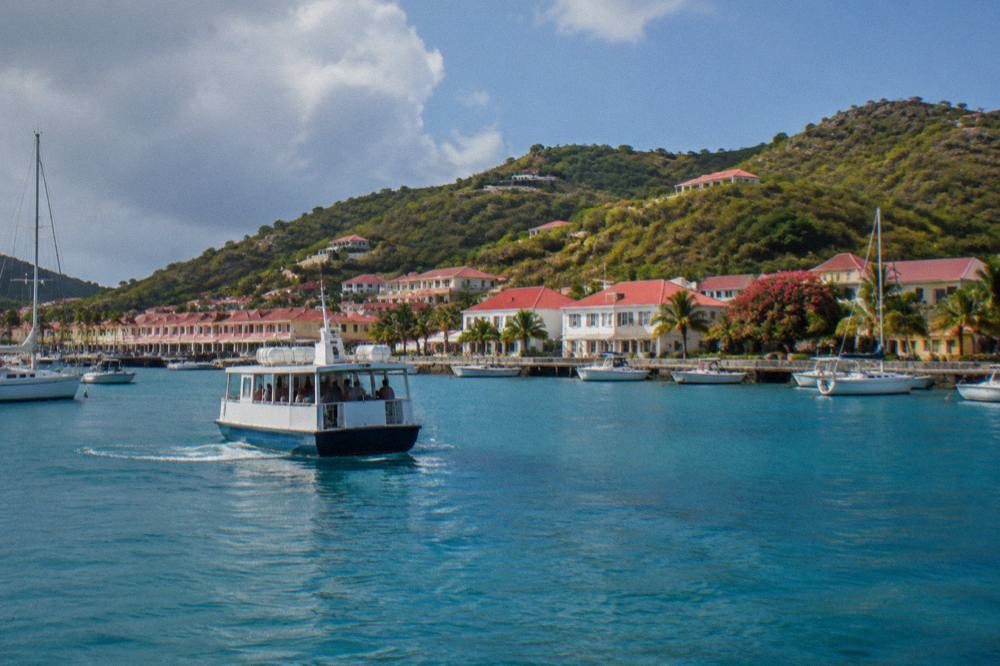
Day one is an arrival day built around St Martin: fly into Princess Juliana Airport on the Dutch side or Grand Case on the French side, then cross to St Barts either by small STOL turboprop or by ferry from Philipsburg or Marigot. St Barth Commuter flies the St Martin and Guadeloupe hops, Tradewind flies from San Juan and Antigua, and the ferries are Great Bay Express from Philipsburg and Voyager from Marigot. Treat the whole day as travel, not sightseeing.
The ferry from Philipsburg takes about 45 minutes and the ferry from Marigot about 50 to 60 minutes, figures the operators themselves publish, and the crossing can be rough; nobody should book day one with a tight connection budgeted in. Check-in closes before departure and a passport is required, so the ferry pages are worth reading closely before travel. The ferry planning page covers the St Martin side of the crossing in detail.
The plane alternative is its own experience. The approach over a col and onto a 646 m strip is famous, and the airport landing page explains why pilots need special certification for it. Either way, aim to be in Gustavia by mid afternoon, collect the rental car, and spend the first evening on the quay.
A useful arrival note for the calendar: many hotels and restaurants on the island close each autumn and reopen in waves between mid October and early November, so a week booked at either edge of that window should confirm opening dates with each property directly.
To line up where you sleep for the week, book a hotel stay in St Barts.
For anyone who wants the week's one big splurge secured before the flight, the bookable day trips below all depart from St Martin or Sint Maarten and visit St Barts by sea.
What Should Day Two In Gustavia Look Like?
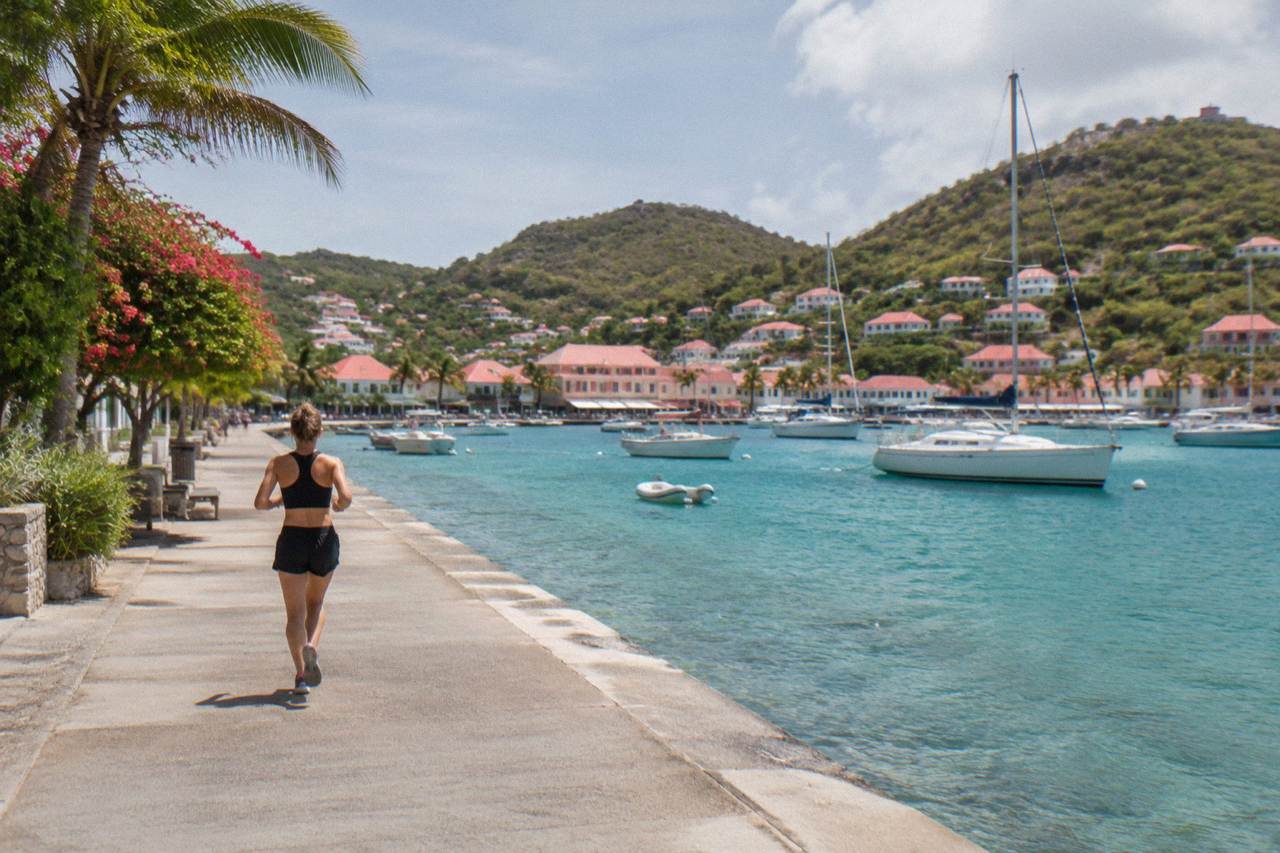
Day two belongs to Gustavia itself: the harbour front along Quai du General de Gaulle, the shell of Fort Gustaf at the harbour mouth, Fort Karl above Shell Beach, and the low white streets in between, all walkable in one slow loop. Gustavia is the capital of a collectivity of roughly 10,700 residents, and its scale is genuinely small, so a full day here is a choice to slow down rather than a logistical necessity. Entry to the forts and the Wall House Museum costs nothing.
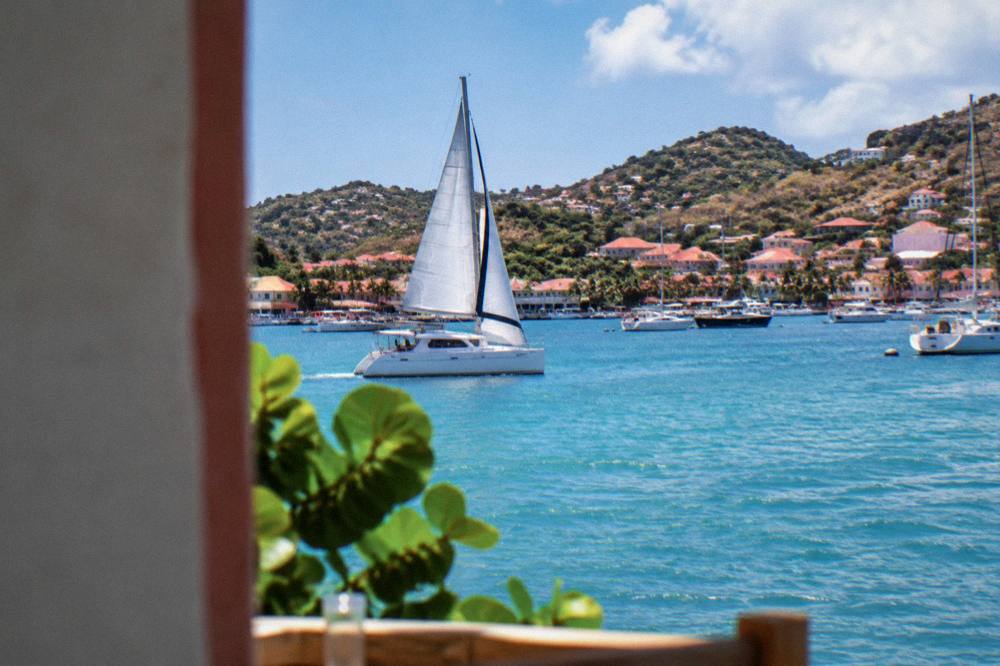
Start at the harbour. Ships tender passengers ashore here because there is no cruise pier, so the quay mixes yacht crews, day visitors and residents. The Gustavia harbor guide on this site maps the full waterfront walk.
From town, Fort Gustaf sits above the entrance to the harbour and Fort Karl above Shell Beach on the south side; both are ruins rather than restored structures, and both give the best overhead view of the anchorage. The Shell Beach page describes the walk down and the beach itself, which is public like every beach on the island.
| Gustavia stop | What it is | Notes |
|---|---|---|
| Quai du General de Gaulle | Harbour front | Tender landings, yacht watching |
| Fort Gustaf | Fort ruin above the harbour mouth | Public open ground |
| Fort Karl | Fort ruin above Shell Beach | Short climb from town |
| Wall House Museum | Local history museum | Check opening days before visiting |
Spend the late afternoon at Shell Beach, which is the closest swimming to town and faces west for the sunset. The sunset spots guide lists the other west facing options if the evening is the priority.
Is Day Three The Saint-Jean Day?
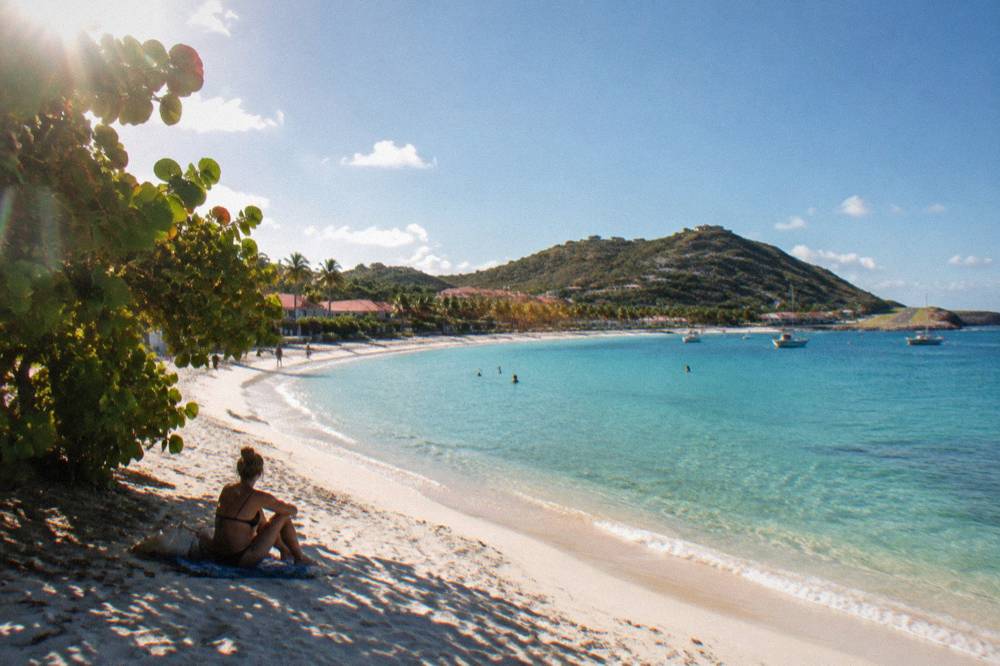
Day three is the Saint-Jean day, and it is the one that pairs a beach with the island's most watched runway. Saint-Jean Beach curves around the bay directly under the approach path to Gustaf III Airport, so the day alternates between swimming and plane spotting, with the Eden Rock headland dividing the sand in two. Both halves of the beach are public, and the village behind it has the island's most compact shopping and provisioning strip.
The runway sits on a spit between Saint-Jean Bay and the lagoon behind it, and aircraft pass low over the road at the beach's end. The airport spotting page explains where the vantage points are and why the airport closes at dusk: it has no runway lights and operates in daylight, visual conditions only.
Afternoon options split by energy. A low energy version stays on Saint-Jean and walks the headland; a higher energy one drives the few minutes to Flamands on the north coast, a long public beach backed by hills, described on the Flamands Beach page. Whichever way the day ends, return to Saint-Jean for the evening, since the village is compact and walkable after dark.
Why Is Day Four The Boat Day To Colombier And Ile Fourchue?
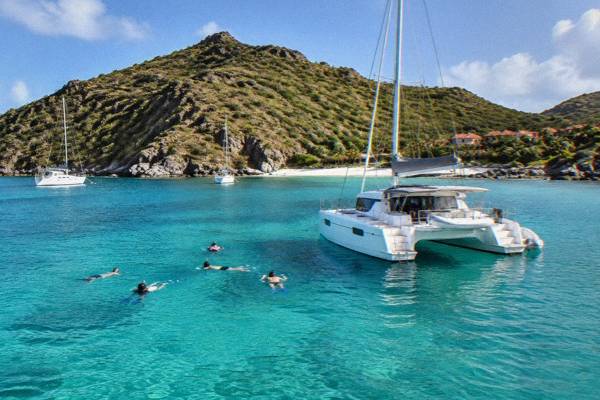
Day four is the week's boat day, because Colombier Beach and Ile Fourchue are the two stops that define St Barts from the water, and the one bookable per person group sail listed here covers both in a single outing from St Martin. Colombier Bay and Ile Fourchue sit inside the marine nature reserve, where a 5 knot speed limit applies, jet skis are banned and the environment agency lists 23 dive sites. The same bay is reachable on foot, but the boat reaches it in comfort.
The reserve rules shape the day more than visitors expect. The environment agency's regulatory zones page bans touching turtles, corals or any protected species, bans collecting shells and sand, and prohibits dogs on the beaches. None of this restricts swimming or snorkelling; it simply means the bay is quiet by law rather than by chance. The nature reserve guide summarises the zones.
Two ways to do the day: the per person group sail, which runs only from 12 May to 31 August 2027 on its listing, or a private charter, which runs on the group's own clock. Both leave from St Martin or Sint Maarten, so an overnight on the Dutch or French side may be needed if the week is booked solid; the St Barts versus St Martin comparison covers combining the two islands.
The land alternative is the Colombier hike, a coastal path from the Flamands side that the Colombier hiking guide describes without a walking time, because none should be invented. Either way, day four is the one day of the week that does not involve driving on the island's steep roads.
| Marine reserve rule | Applies to visitors |
|---|---|
| 5 knot speed limit | All vessels in reserve zones |
| No jet skis | Island-wide in reserve waters |
| No touching turtles or corals | Swimmers and snorkellers |
| No dogs on beaches | All reserve beaches |
| No collecting shells or sand | Everyone |
What Do Days Five And Six Cover On The Beaches?
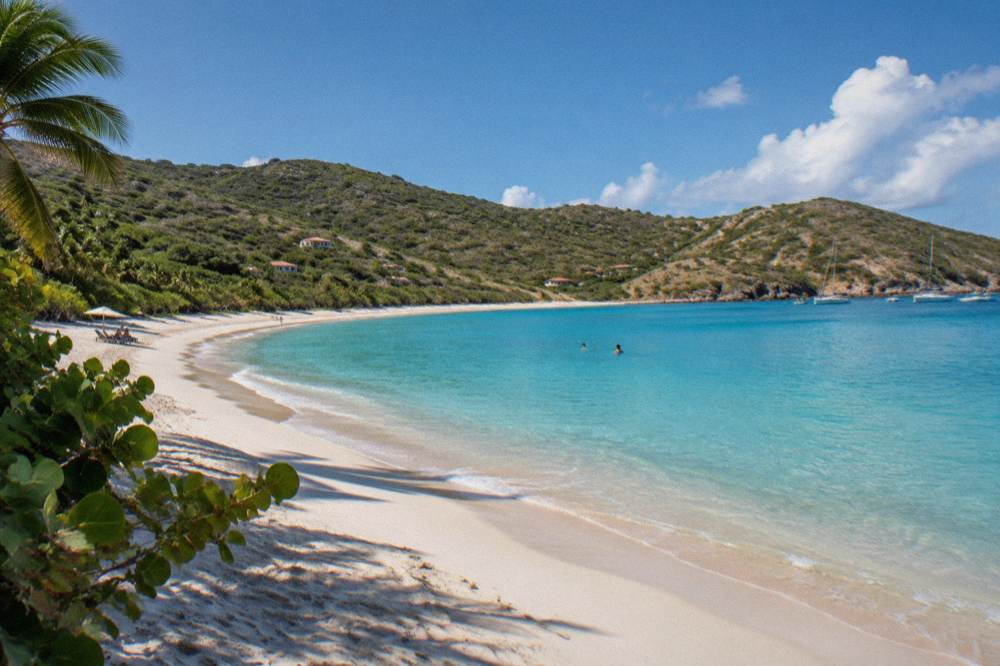
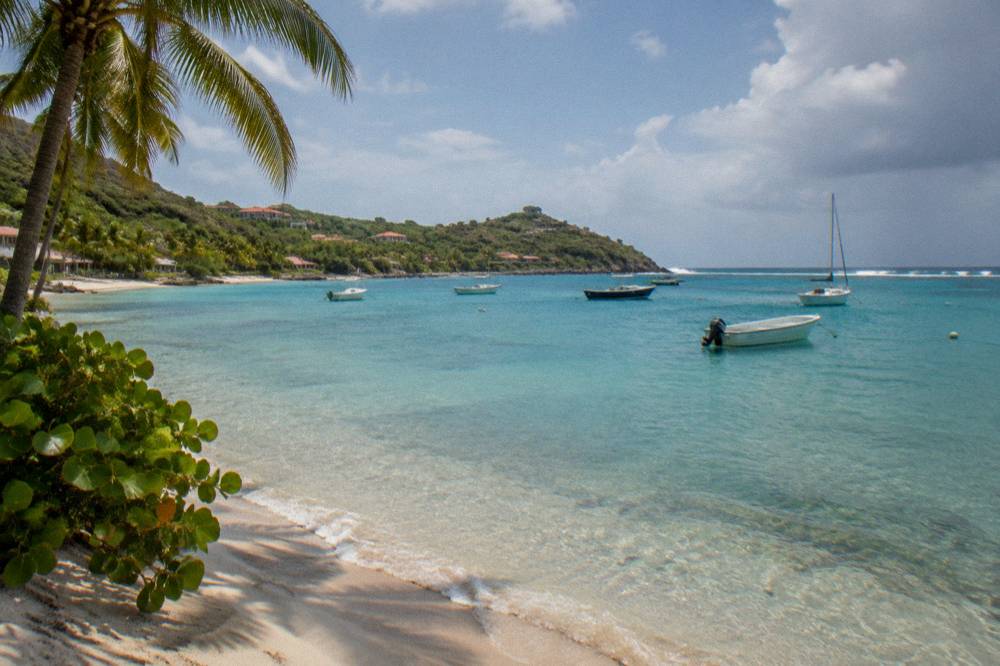
Days five and six complete the island's beach ring: day five takes the south coast pair of Saline and Gouverneur, two long public beaches reached by steep roads from the Lorient side, and day six covers the windward coast from Lorient and Grand Cul-de-Sac up to Corossol on the sheltered west. Every beach on the list is public and free to access, the tourism committee states, and each has a distinct character from open Atlantic swell to calm shallow water.
Saline sits behind a low dune reached on foot from the parking area, and Gouverneur sits in a bay below the road with no development on the sand itself; the Saline Beach page covers access and map position for the first, and the wider beach guide the second. Swim in the morning, move on when the trade wind picks up, and do not plan both beaches plus a third in one day; the point of a week is that nothing needs rushing.
Day six is gentler by design. Grand Cul-de-Sac is the island's shallow, sheltered corner, Lorient is a family width of sand with a village behind it, and Corossol on the west side keeps a fishing village character with its shell museum. The Corossol village page describes the west coast loop.
| Day | Beaches | Coast |
|---|---|---|
| 5 | Saline, Gouverneur | South, Atlantic facing |
| 6 | Lorient, Grand Cul-de-Sac, Corossol | East and west |
What About A Second Day On The Water?
A second water day turns the week from a beach trip into a proper sailing week, and the private options make it easy: a full day private charter from St Martin, a private sailboat, or a two day one night catamaran that converts days six and seven into an overnight at sea. All are priced per group and depart from St Martin or Sint Maarten, so the choice is really about whether the final nights of the week are slept on land or at anchor.
The overnight catamaran is the distinctive option. It buys a dawn and a dusk on the water that no day trip can, and it returns to St Martin in time for a flight out, which removes the last day's airport transfer entirely. The trade is simple: two nights of accommodation on St Barts are traded for a night aboard.
For a week built around a villa or hotel, the single day private charter is the lighter version of the same idea. It leaves from St Martin, spends the day across the St Barts anchorages, and returns the same evening.
If a second boat day sounds like one too many, the rainy day itinerary is the land based substitute, built around the museums, galleries and covered shopping of Gustavia.
How Does Day Seven And Departure Work?
Day seven is a buffer, and it should be booked that way: a slow morning at whichever beach the week liked best, the rental car returned in Gustavia or at the airport, and the departure leg planned with the same slack the arrival was, because both the small plane and the ferry run to weather and daylight. The airport operates visually in daylight only, so late afternoon flights out do not exist, and the ferry can be cancelled in swells. Treat departure as a half day project.
The direction of the last leg mirrors the first: ferry back to Philipsburg or Marigot for a St Martin connection, or the small plane to St Martin, San Juan, Guadeloupe or Antigua. The getting to St Barts logistics and the New Year itinerary both cover the mechanics for their seasons.
| Departure route | Via | Notes |
|---|---|---|
| Ferry to Philipsburg | Great Bay Express | Rough crossings possible |
| Ferry to Marigot | Voyager | About 50 to 60 minutes |
| Small plane to St Martin | St Barth Commuter, Winair | Daylight only |
| Small plane to San Juan | Tradewind | Daylight only |
| Small plane to Guadeloupe | St Barth Commuter | Daylight only |
When Is The Best Week To Take This Trip?
The best weeks for this itinerary fall from December through April, when the Meteo-France normals for St Barts show mean daily highs of 28.5 to 29.8 C and monthly rainfall between 38.4 and 79.2 mm, with February the least rainy month in the table at 38.4 mm.
Hurricane season runs from 1 June to 30 November with its peak from mid August to mid October, and October is the wettest month in the normals at 135.6 mm, so the autumn shoulder is a trade of weather risk against quiet roads.
The climate table below is drawn from the Meteo-France normals, 1991 to 2020, for the island's station. The island is warm in every month; the differences that matter for planning are rainfall totals and the season calendar, not temperature.
| Month | Mean daily high C | Rain mm |
|---|---|---|
| January | 28.5 | 52.6 |
| February | 28.6 | 38.4 |
| April | 29.8 | 50.9 |
| July | 31.2 | 80.4 |
| October | 31.4 | 135.6 |
| December | 28.9 | 79.2 |
Two calendar anchors matter for week planning. The St Barth Music Festival runs 8 to 18 January 2027, and the Gourmet Festival runs 9 to 15 November 2026; a week built around either lands in the liveliest stretch of its season. The autumn reopening pattern also matters: hotels and restaurants reopen in waves between mid October and early November, so an early November week should confirm each property individually.
How Do You Adjust This Week For Your Travel Party?
A honeymoon week keeps the same skeleton but swaps the group sail for a private charter and anchors the week in Gustavia or Flamands; a family week tilts toward Grand Cul-de-Sac, Lorient and Saint-Jean, where the family itinerary concentrates shallow water and short walks; and a budget week follows the same public beaches with self catering, since every beach on the island is free. The beaches do not change with the budget. Only the bed and the boat do.
The variants on this site keep the same day structure with different weighting. The honeymoon itinerary leans on the sunset coast and private charters, the budget itinerary on villas and provisioning, and the couples itinerary splits the difference. The food focused week is the version where restaurant research replaces a second boat day.
The one adjustment worth flagging honestly: the one per person group sail runs only from 12 May to 31 August 2027 on its listing, so a high season week in February has private charters as the bookable option, priced per group rather than per person. That single fact reshapes a December to April budget more than any other line in the plan.
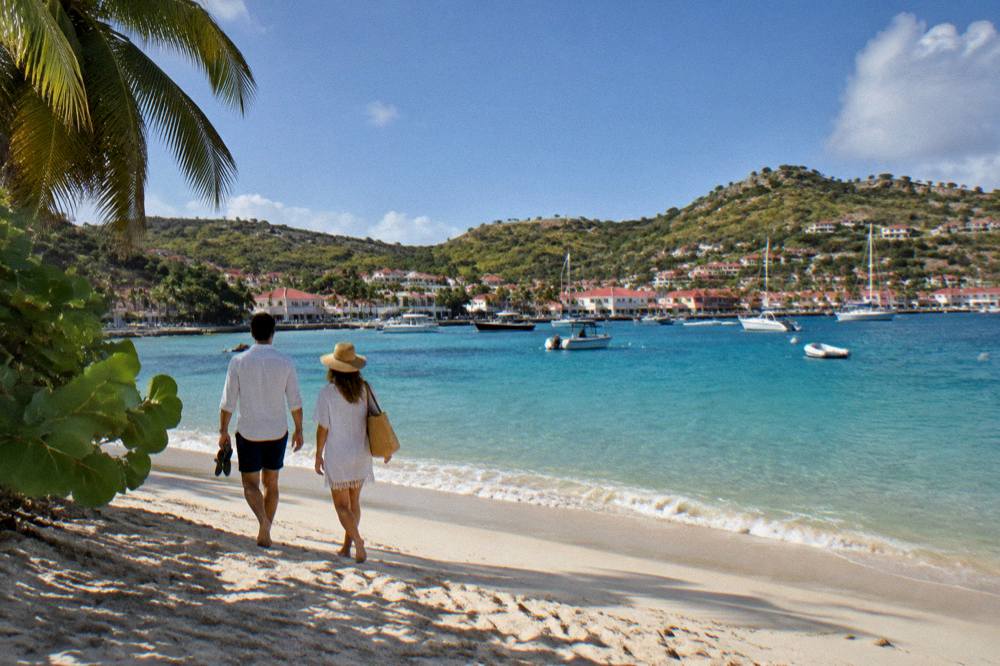
For anyone still weighing lengths, the shorter builds on this site, from the three day and four day to the five day versions, all reuse this same week with the second water day and one beach day removed first.
Common Questions About A One Week St Barts Trip
Is seven days too long in St Barts?
No. The island is small at about 21 square kilometres, but a week is what allows two days on the water, the Colombier hike and every major public beach without rushing, plus slack for weather on the ferry or flight legs.
Do you need a car for a week in St Barts?
For a full week, yes in practice. The roads are steep and the beaches are spread around the coast, and a rental car or Mini Moke from the counters at Gustaf III Airport, which include Avis, Budget and Hertz, covers the whole island loop. Rates vary by season.
Can you do St Barts without staying overnight?
You can, as a day trip by ferry or charter from St Martin, but the one week plan assumes accommodation on the island. The ferry from Philipsburg takes about 45 minutes each way, so a day visit spends more time travelling than a week does in total.
What is the wettest month in St Barts?
October, at 135.6 mm in the Meteo-France normals, 1991 to 2020, with November second at 118.6 mm. Both sit inside the hurricane season, which runs from 1 June to 30 November.
Are the tours based on St Barts itself?
No. Every bookable boat product on this site departs from St Martin or Sint Maarten and visits St Barts by sea. Nothing in this itinerary requires booking an activity that starts in Gustavia.
Is one week in St Barts good for a honeymoon?
Yes, and it is the length the honeymoon itinerary on this site is built around: the same seven day skeleton with private charters in place of the group sail and the west coast sunsets given their own evenings.