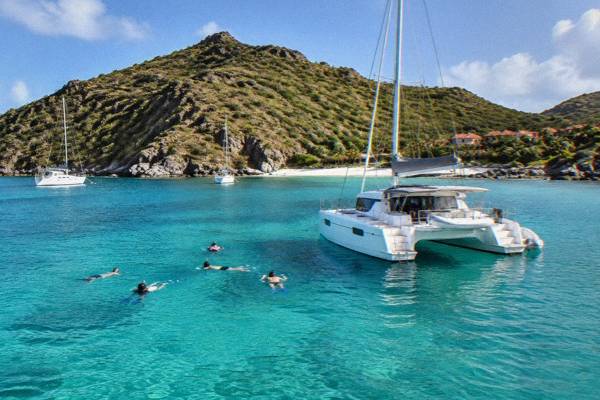
First-Timers Itinerary For St Barts
St Barthelemy, better known as St Barts, is a small French island of about 21 square kilometres, and a first visit rewards a simple plan: arrive through St Martin, base yourself near one beach, and work outward.
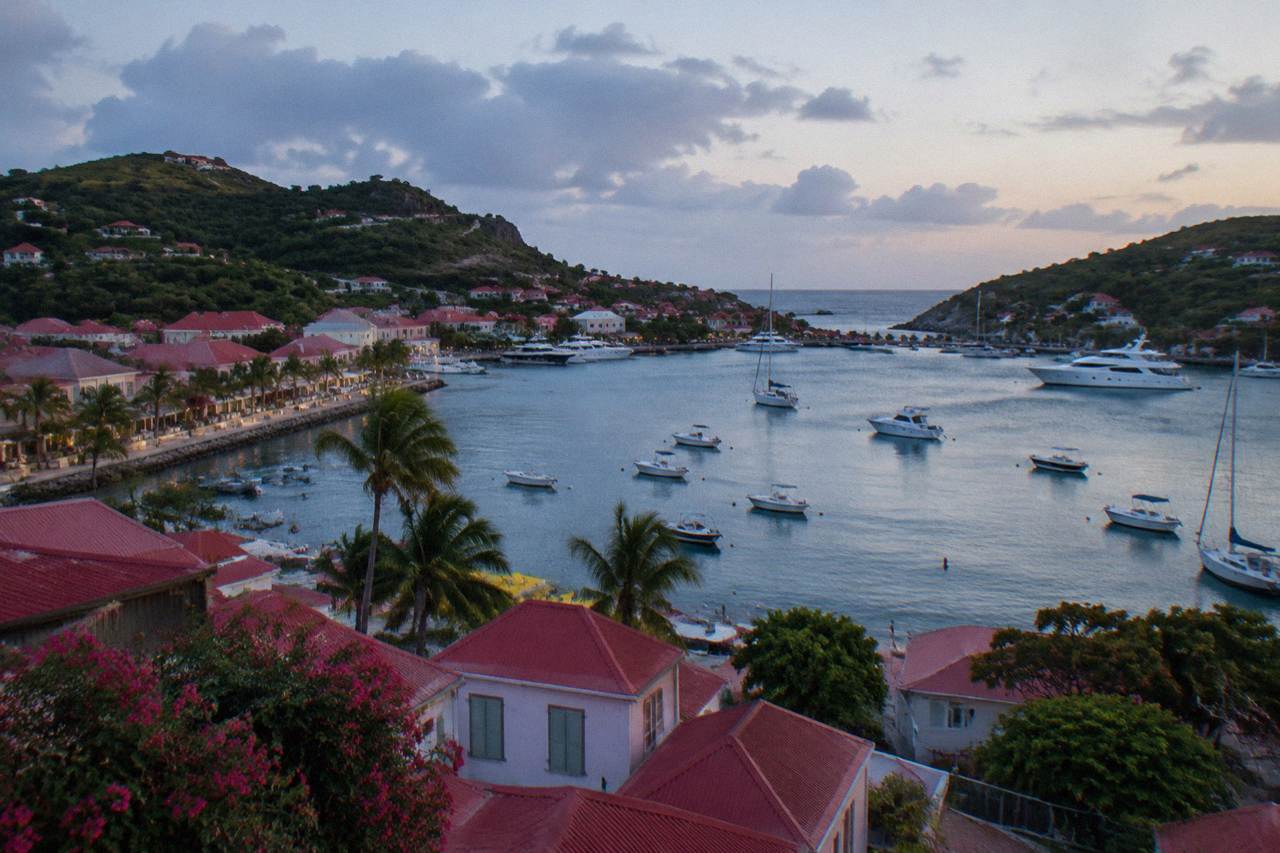
Spend your first St Barts trip based in Gustavia, Saint-Jean or Flamands, arrive by small plane from St Martin or by ferry from Philipsburg or Marigot, and give yourself at least three days: one for Gustavia and Shell Beach, one for the island's southern and eastern beaches, and one for a boat day to Colombier and Ile Fourchue.
St Barthelemy, universally shortened to St Barts, is a French overseas collectivity in the Caribbean of about 21 square kilometres with roughly 10,700 residents, and a first visit is best kept simple. Almost everyone arrives through St Martin, either on a small turboprop into Gustaf III Airport or on a ferry from Philipsburg or Marigot. From there the island unfolds as a ring of public beaches around a hilly interior, with Gustavia, the harbour capital, at its centre. This itinerary lays out a first trip in layers: how to arrive, where to base yourself, what each day should hold, and which seasonal realities, from autumn hotel closures to the marine reserve's rules, should shape the plan.
How Should A First-Timer Arrive In St Barts?
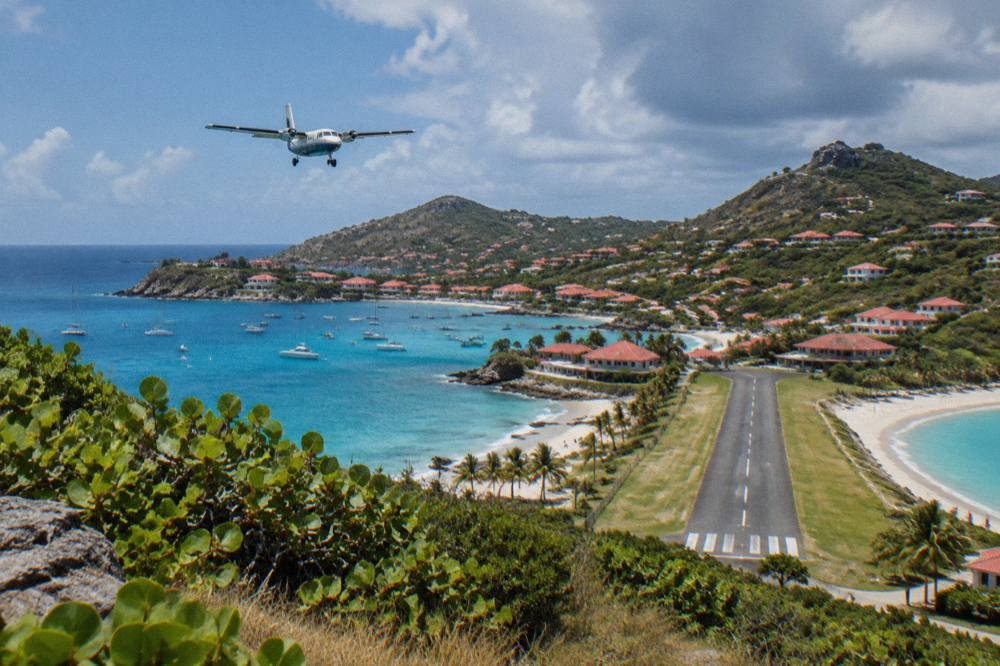
Nearly every first visit to St Barts runs through St Martin: flights land at Princess Juliana airport on the Dutch side, and the last leg is either a small turboprop into Gustaf III Airport or a ferry from Philipsburg or Marigot. Gustaf III's runway is 646 m, only small STOL turboprops serve it, and operations are daylight and visual conditions only, so no jet flies onto the island. The ferry operators are Great Bay Express from Philipsburg and Voyager from Marigot.
That constraint, the short runway, is the single most important fact for planning. It means there is no direct long-haul arrival onto the island, and it means the final leg depends on weather and daylight. The small-plane carriers are St Barth Commuter, which serves the route from St Martin's SXM and Grand Case airports and from Guadeloupe, and Tradewind, which flies from San Juan and Antigua. Winair also serves the island from St Martin with Twin Otter aircraft. The ferry options are the Great Bay Express from Bobby's Marina in Philipsburg, a crossing of about 45 minutes, and the Voyager from the Marigot terminal on the French side, about 50 to 60 minutes. The crossing can be rough, and both operators' own pages are the place to confirm sailing times for your dates, since schedules shift with the season.
| Arrival option | Departs from | Operator | Notes for first-timers |
|---|---|---|---|
| Small plane from SXM | Princess Juliana, Sint Maarten | St Barth Commuter, Winair | Short hop, daylight flights only |
| Small plane from Grand Case | Grand Case, St Martin | St Barth Commuter | French-side alternative to SXM |
| Small plane from San Juan | San Juan, Puerto Rico | Tradewind | Useful from the US mainland |
| Small plane from Antigua | Antigua | Tradewind | Limited, seasonal frequency |
| Ferry from Philipsburg | Bobby's Marina, Sint Maarten | Great Bay Express | About 45 minutes, weather dependent |
| Ferry from Marigot | Marigot terminal, St Martin | Voyager | About 50 to 60 minutes, weather dependent |
Entry is its own question: St Barts is outside the Schengen area, so a Schengen visa does not authorize entry, and ETIAS does not govern arrival either, since it is not live. US, UK, Canadian and EU citizens are generally visa-exempt for short stays, and the rule text on passports varies by nationality, so check your own government's travel advice before booking. The island runs on Atlantic Time, UTC minus 4, with no daylight saving; the St Barts time zone guide and the question is there a time difference in Saint Barts cover this in detail.
Where Should You Stay On A First Trip To St Barts?
Gustavia, Saint-Jean and Flamands are the three sensible bases for a first visit: Gustavia puts the harbour, shops and Shell Beach within reach, Saint-Jean sits beside the airport and one of the island's best-known beaches, and Flamands offers a quieter stretch of sand on the north shore. Every beach on the island is public, so the choice of base is about driving distance and atmosphere rather than gated access.
Once you have picked a base, book a hotel stay.
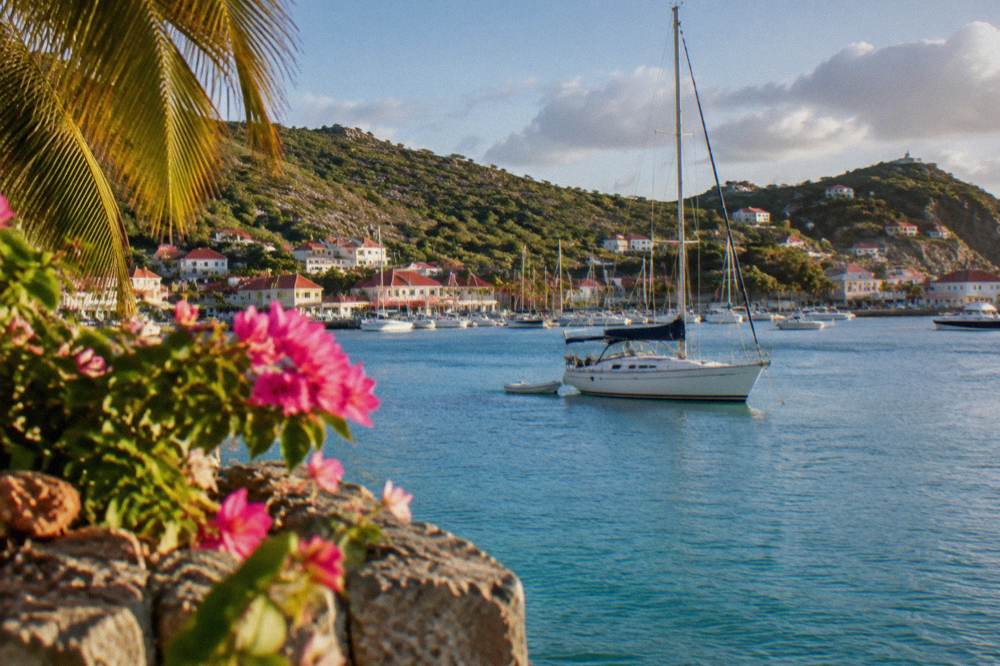
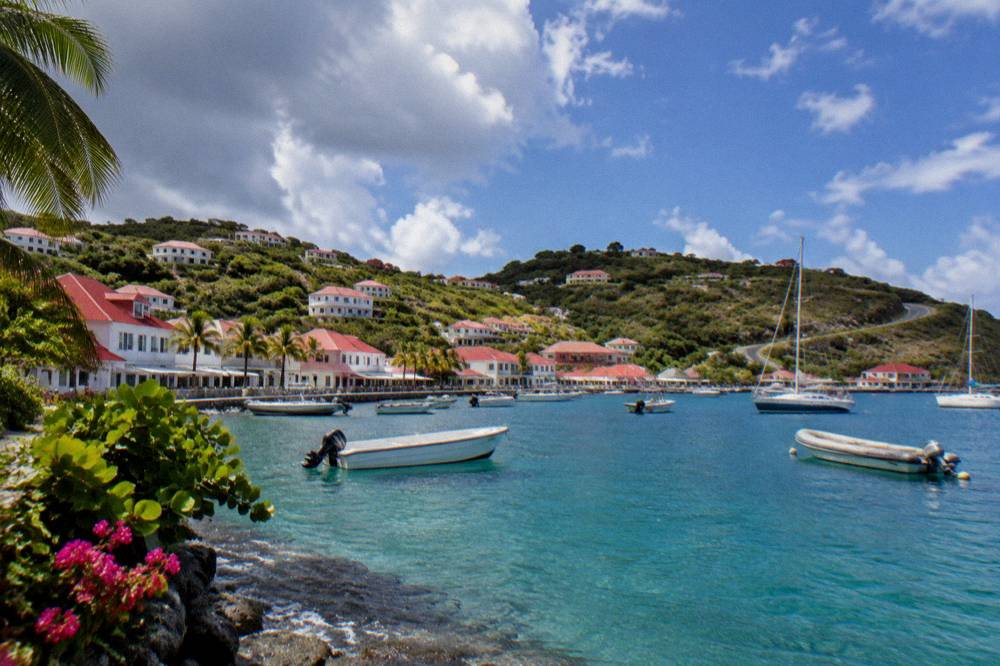
Gustavia is the harbour capital, a compact town of red roofs, Quai du Général de Gaulle and the tender pier where cruise passengers land, since ships anchor offshore and there is no cruise pier. Basing there means Gustavia's restaurants and shopping are on foot and Shell Beach is a short walk or drive from town. Saint-Jean is the island's other pole, wrapped around its curved bay with the airport runway crossing its eastern end; the Saint-Jean area guide covers it in depth. Flamands, on the north coast, trades convenience for calm and long views. For a fuller comparison, read the site's guide to the best area to stay in St Barts.
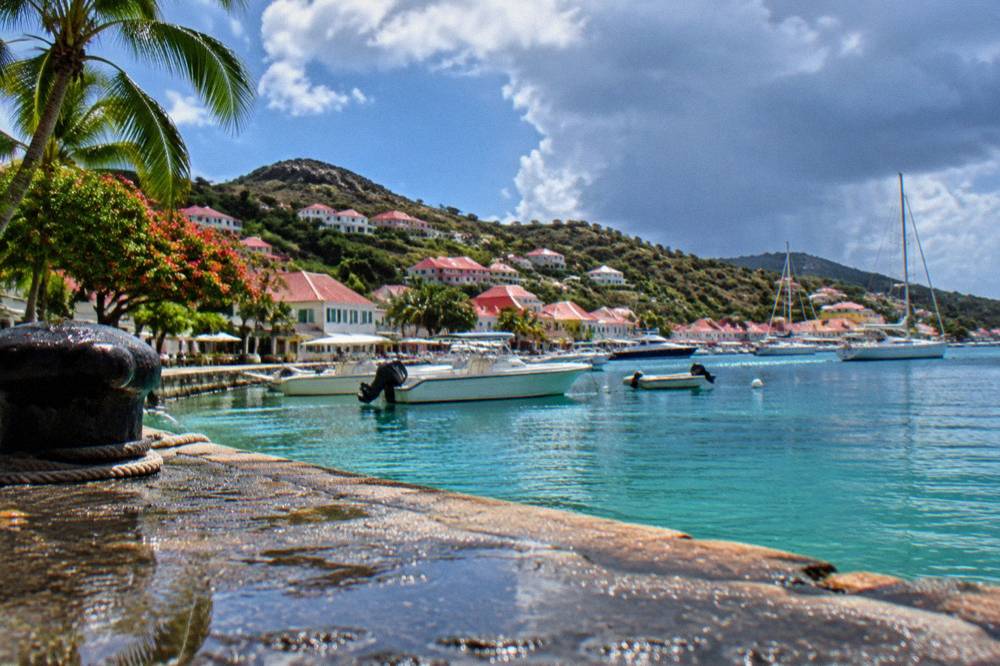
One seasonal reality matters more than any base choice: many hotels and restaurants close each autumn and reopen in waves between mid-October and early November. A first trip planned for late September will find a quieter island, with the pattern repeating every year rather than being tied to any one season's notices. The St Barts low season guide explains what stays open.
| Base | Character | Best for | Beaches on the doorstep |
|---|---|---|---|
| Gustavia | Harbour town, shops and restaurants | Walkable stay, ferry and tender pier | Shell Beach (Grand Galet) |
| Saint-Jean | Resort bay beside the airport | Beach days, first-timers who want one base | Saint-Jean |
| Flamands | Quieter north shore | A calmer stay, long beach walks | Flamands |
| Grand Cul-de-Sac | Sheltered east coast | Shallow water, a slower pace | Grand Cul-de-Sac |
| Lorient | Residential, relaxed | Low-key family stays | Lorient |
A first trip does not need to be complicated by changing bases. The island is small, every beach is public, and a single base with a rental car covers the whole map. The trade-offs between hotels and villas, and between the big properties and the smaller ones, are covered in the site's guide to where to stay in St Barts.
What Does A Three-Day First-Timers Itinerary Look Like?
A sound first three days in St Barts run: day one in Gustavia and Shell Beach with an afternoon at Flamands, day two across the south and east with Saline, Gouverneur and Grand Cul-de-Sac, and day three on the water with a boat day to Colombier and Ile Fourchue departing from St Martin. Every beach named here is public, and the whole island fits around one base plus a rental car.
Day one belongs to Gustavia. Work the harbour, the two forts that frame it, and the Wall House Museum for the island's Swedish-period story told in objects rather than invention. Finish at Shell Beach, the rocky cove of Grand Galet a short way from town; the Shell Beach guide covers it. Day two turns south and east: Gouverneur and Saline, the island's two signature broad-sand bays, then Lorient and Grand Cul-de-Sac on the sheltered east coast. Say nothing more about any beach than that it is public and where it sits; conditions change with the trade winds and swell. Day three is the water day, and this is where the list of bookable trips comes in, since every one of them departs from St Martin or Sint Maarten and visits St Barts by sea.
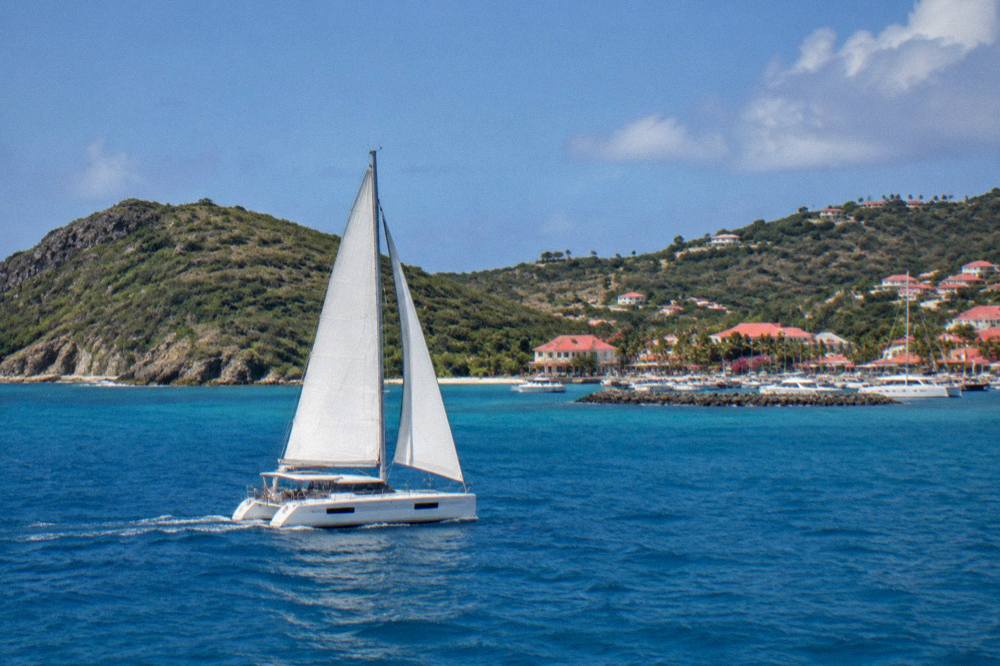
The group sail is the natural fit for a first trip: it is the one per-person product listed here, it runs on its listing only from 12 May to 31 August 2027, and it covers Gustavia, Colombier and Ile Fourchue in a single booked day, with the marine reserve's rules, a 5-knot limit in its zones, no jet skis and no touching of turtles, setting the frame for what happens on the water. Outside those dates the boat day becomes a private charter, priced per group rather than per person.
| Day | Morning | Afternoon | Notes |
|---|---|---|---|
| 1 | Gustavia harbour and museums | Shell Beach, then Flamands | All within a short drive of town |
| 2 | Gouverneur and Saline | Lorient, Grand Cul-de-Sac | Public beaches, no entry fee |
| 3 | Boat day toward Colombier | Ile Fourchue, return leg | Tours depart St Martin or Sint Maarten |
If three days feel thin, the site's longer plans, St Barts in 4 days and St Barts in 5 days, add Toiny, Corossol and Pointe Milou. The core St Barts itinerary and the one week itinerary extend the same spine.
Do You Need A Car For A First Trip To St Barts?
A rental car is the practical answer for a first trip to St Barts: the island's roads are narrow, winding and steep, driving is on the right, the speed limit is 50 km/h island-wide and 30 km/h in Gustavia and Saint-Jean, and the counters at Gustaf III Airport include Avis, Budget and Hertz alongside local agencies and Mini Moke specialists. A car is how a first-timer reaches Saline, Gouverneur and Colombier's trailhead without depending on taxis.
The alternatives exist but constrain a first trip. Taxis serve the island with route-based tariffs rather than meters. Scooters are also rentable. The trade-offs, including whether a Mini Moke's open sides suit the island's steep roads, are laid out in the guides to getting around St Barts and St Barts car rental, and the broader question do you need a car in St Barts is answered on the answers page of this site's sister content. Book ahead for the December to April peak; the general guidance from rental sources is simply to reserve early in high season.
| Mode | Where it works | Drawback for a first-timer |
|---|---|---|
| Rental car or Mini Moke | Whole island, all beaches | Narrow steep roads, book ahead in peak |
| Taxi | Airport runs, dinners out | Route-based tariffs, no meter |
| Scooter | Short hops in good weather | Wind and hills limit it |
| On foot | Gustavia, Saint-Jean, Corossol | Distances between beaches rule it out |
One rule to know before you drive to any beach: dogs are prohibited on all of the island's beaches, island-wide, under a standing municipal order, and the environment agency repeats it on its beach page. The same agency's regulatory-zones page lists the marine reserve's other rules, including the 5-knot limit in its zones, the ban on jet skis and the instruction not to touch turtles or collect shells, coral or sand.
When Is The Best Time For A First Visit To St Barts?
The climate in St Barts varies far less than the calendar suggests: Meteo-France normals for 1991 to 2020 show mean daily highs from 28.5 C in January to 31.7 C in September, with 891.3 mm of rain across the year and October the wettest month at 135.6 mm, so a first visit is usually planned around the December to April dry-season window or the quieter May to June shoulder, with the autumn closure period understood before booking.
The hurricane season runs from 1 June to 30 November, with peak activity from mid-August to mid-October; no prediction of any storm belongs in a plan, but the seasonal frame is a fact and the St Barts hurricane season guide covers what it means in practice. The sea stays warm all year, about 26 C in winter to about 29 C from August to October. What the calendar also controls is events: the Gourmet Festival runs 9 to 15 November 2026, the Music Festival runs 8 to 18 January 2027, and the Bucket Regatta falls in mid-March, which are the three dated anchors a first trip can be built around. Everything else covered here is indexed on St Barthelemy Travel.
| Month | Mean daily high (C) | Rain (mm) | First-trip notes |
|---|---|---|---|
| January | 28.5 | 52.6 | Music Festival 8 to 18 Jan 2027 |
| February | 28.6 | 38.4 | Peak season on the water |
| March | 29.0 | 41.4 | Bucket Regatta, mid-March |
| April | 29.8 | 50.9 | Voiles de St Barth, April |
| May | 30.7 | 61.7 | Quieter, group sail window opens 12 May 2027 |
| August | 31.6 | 79.6 | Warm sea, low-season closures |
| October | 31.4 | 135.6 | Wettest month, hotels reopening mid-month |
| November | 29.9 | 118.6 | Gourmet Festival 9 to 15 Nov 2026 |
Figures are Meteo-France normals, 1991 to 2020, for the island's station. The monthly guides, from St Barts in December through St Barts in November, give each month its own page on this site.
What Free Things Can A First-Timer Do In St Barts?
Every beach on St Barts is public and free, and the open public places, Gustavia's harbour front, the Corossol village lanes and the island's hillside viewpoints, cost nothing; there is no free or tip-based guided walking tour listed here, so the free itinerary is one you walk or drive yourself, with the Colombier trail the best-known free walk on the island.
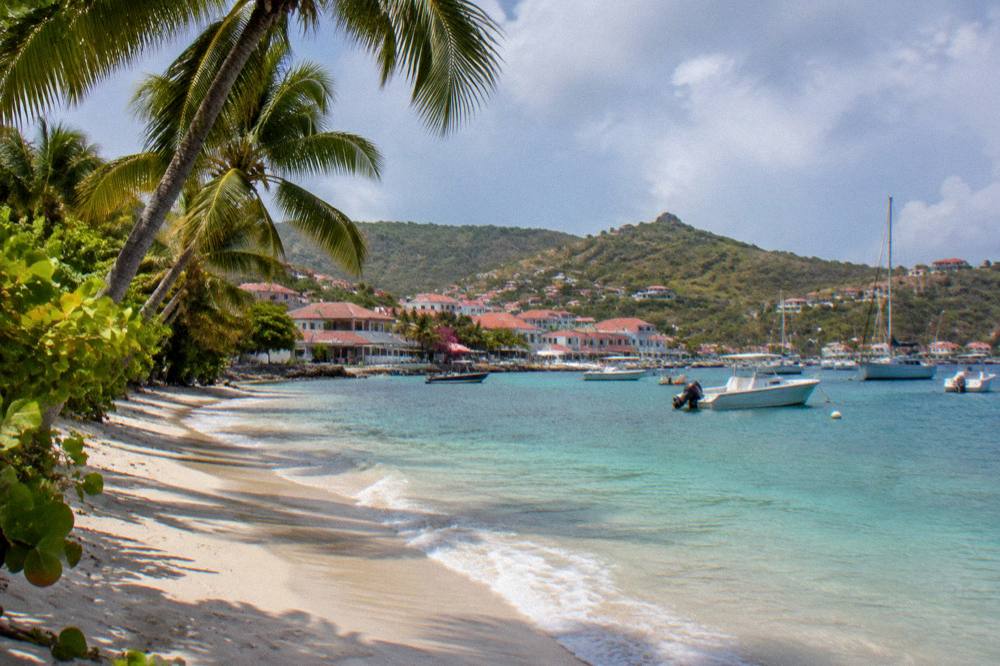
The list of public beaches is long: Saint-Jean, Gouverneur, Saline, Shell Beach, Flamands, Colombier, Grand Cul-de-Sac, Lorient, Toiny, Marigot, Corossol and Anse des Cayes all appear on the tourism committee's materials. Colombier sits at the end of a trail from the Flamands side, and the Colombier hike guide describes the route; the bay is inside the marine reserve, so the no-dogs and no-touching rules apply on land and in the water. The island's forts, museums and the Corossol shell museum are in this site's attraction guides, including Fort Karl and Fort Gustaf, with no hours or tickets printed.
For a fuller list of paid and free options together, the site's root guide to things to do in St Barts is the place to start, and a beach-focused first trip is covered in the beach hopping itinerary.
What Should A First-Timer Know About Money And Practicalities?
St Barts uses the euro, French is the official language with English widely spoken, cards are generally accepted, and a tourist tax collected by accommodations applies year-round at 5 percent of the net room price per night under the collectivity's rules, paid through your hotel or villa rather than at the border. Plug types are C and E, and emergency numbers follow the French system: 15 for medical, 17 for police, 18 for fire and 112 as the European general number.
Rates for hotels, villas, taxis and meals vary by season, and each property's own booking page shows them. The how much does St Barts cost guide covers the money question honestly on the same principle, and the St Barts budget itinerary shows how a first trip stretches. Tipping, currency and dress conventions each have their own guide on this site.
How Do You Extend The Trip Beyond The Island?
St Barts sits inside a small ring of neighbours reached by ferry or small plane: St Martin is the unavoidable gateway, Anguilla and Saba are realistic day trips by scheduled services, and the Dutch side's Philipsburg and the French side's Marigot both reward a night before or after the island. A first trip with five or more days can add one of these without changing base more than once.
The site covers each option: St Barts to St Martin, the Anguilla day trip, Saba and the broader island hopping guide. If the ferry is your arrival leg, the ferry operators and schedule guide and the page on ferry seasickness are worth reading before you book, because the crossing can be rough and no operator promises otherwise.
For a first trip built around a special occasion rather than a general look at the island, the honeymoon itinerary, the family itinerary and the New Year itinerary adapt the same three-day spine. Whatever the shape of the trip, one boat day from St Martin remains the single most useful booked item on a first visit, and the second band of options below covers it.
For trip-shape alternatives, the long weekend plan and the rainy day itinerary cover the two most common first-visit edge cases, a short stay and a wet day, and St Barthelemy Travel keeps the full set of day-by-day plans on this site.
Common Questions About A First Trip To St Barts
How many days do you need in St Barts for a first visit?
Three days is a workable minimum: one for Gustavia and Shell Beach, one for the southern and eastern beaches, and one for a boat day to Colombier and Ile Fourchue departing from St Martin. Four or five days let you add Toiny, Corossol and Pointe Milou without rushing.
Do you need a passport for St Barts?
Yes for most nationalities, including US citizens, for whom a passport book rather than a card is required for air travel; EU citizens may use a national ID card. St Barts is outside the Schengen area, so Schengen arrangements do not govern entry. Check your own government's travel advice for validity rules.
Is St Barts hard to get to?
It takes two legs: a flight to a gateway such as St Martin, San Juan, Guadeloupe or Antigua, then a small turboprop or a ferry. The runway at Gustaf III Airport is 646 m, jets cannot land, and flights operate in daylight and visual conditions only, which is why the final leg is the part of the plan worth booking with care.
Can you do St Barts without a car?
It is possible if you base in Gustavia or Saint-Jean and use taxis, but a rental car is the practical choice for reaching Saline, Gouverneur and the Colombier trailhead. Counters at the airport include Avis, Budget and Hertz, plus local agencies and Mini Moke specialists.
Are the beaches in St Barts free?
Every beach on the island is public, from Saint-Jean and Saline to Colombier and Grand Cul-de-Sac. Dogs are banned on all beaches island-wide under a standing municipal order, and the marine reserve's rules, including no touching of turtles and no collecting of shells or coral, apply in its zones.
What is the wettest month in St Barts?
October, at 135.6 mm of rain in the Meteo-France 1991 to 2020 normals, with November next at 118.6 mm. February is the driest at 38.4 mm. The island is warm in every month, with mean daily highs from 28.5 C in January to 31.7 C in September.