St Barts Attractions
St Barthelemy, usually written St Barts, is a small French island in the Caribbean whose attractions are its public beaches, the harbour capital of Gustavia, a protected marine reserve and the viewpoints along its hill roads.
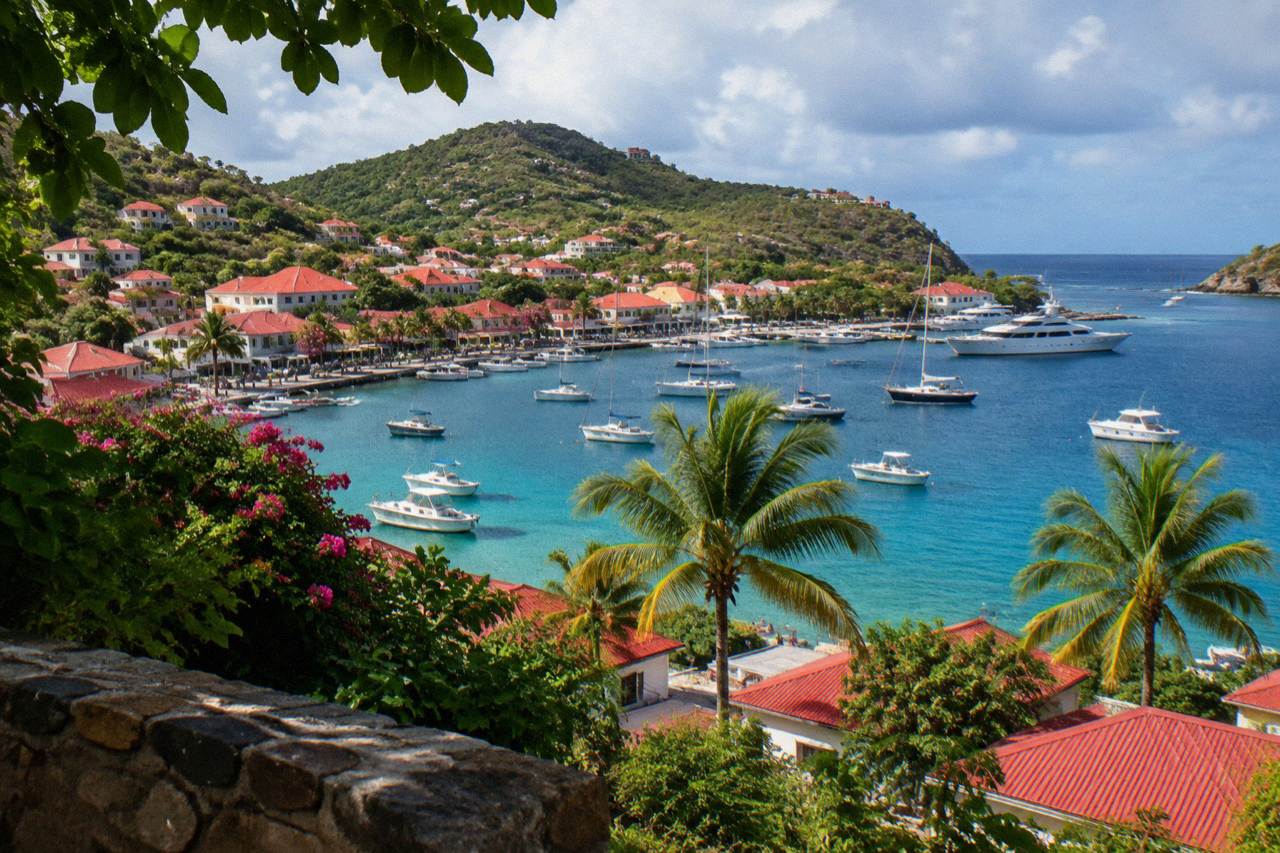
The main St Barts attractions are its public beaches (Colombier, Saline, Gouverneur, Saint-Jean and Shell Beach among them), the harbour town of Gustavia with its forts and museums, the marine nature reserve around Colombier and Ile Fourchue, and the boat and plane journeys that reach them, most often via St Martin.
St Barthelemy, usually written St Barts, is a small French island in the Caribbean, an overseas collectivity of France since 2007, with about 21 square kilometres of hills, red-roofed Gustavia and turquoise water, and roughly 10,700 residents. Its attractions are not palaces or theme parks. They are public beaches, a harbour town with a Swedish past, a marine nature reserve, and the sea passages and short-hop flights that stitch the island together. This guide from St Barthelemy Travel walks through what there is to see, what is free, and how the boat trips from St Martin fit the picture.
What Are The Top Attractions In St Barts?
The top St Barts attractions are the public beaches, led by Colombier, Saline, Gouverneur and Saint-Jean; the harbour capital Gustavia with its forts and small museums; the marine nature reserve that rings Colombier Bay and Ile Fourchue; and the arrival itself, whether by small plane into Gustaf III Airport or by ferry across from St Martin. All of the beaches are public and free to access.
That list is short because the island is: about 21 square kilometres, which is the point. Nothing on St Barts is more than a winding drive from anything else, and the tourism committee's own materials present the island as a place of beaches, sailing events and Gustavia rather than of large built attractions. There is no single headline monument. The island's character is the sum of its shoreline, its protected waters and its low white town wrapped around the harbour.
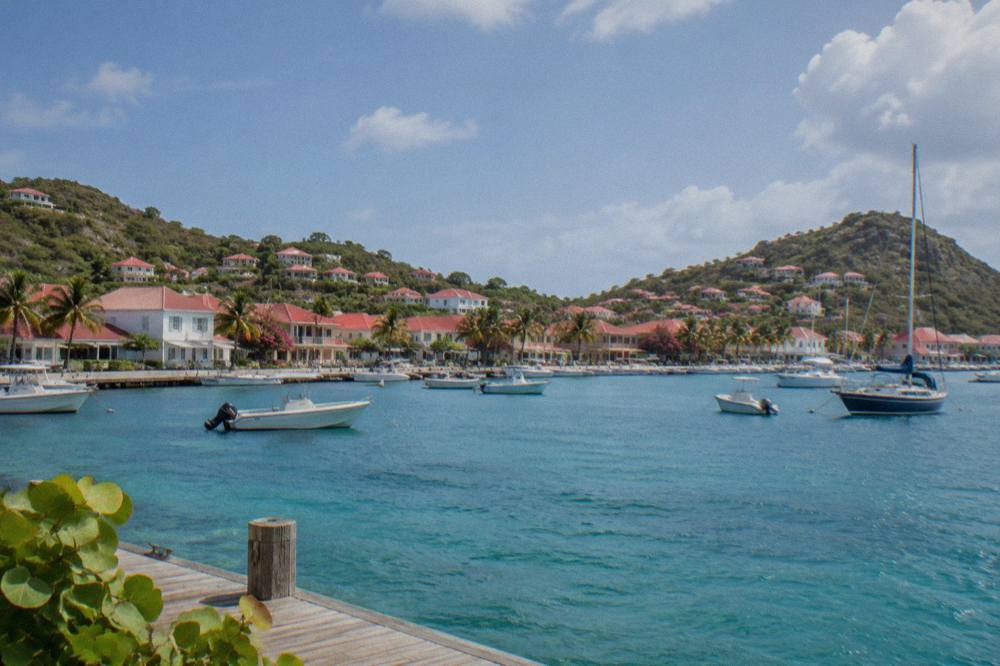
For planning, it helps to sort the attractions into four groups: beaches you can swim at, town sights you can walk to, natural sites under reserve rules, and the water-based trips that reach the remoter corners. The table below is that sort, in brief.
| Group | Examples | What it involves |
|---|---|---|
| Beaches | Colombier, Saline, Gouverneur, Saint-Jean, Shell Beach, Flamands, Grand Cul-de-Sac, Lorient | All public and free; access ranges from roadside to a walk in |
| Gustavia sights | Fort Karl, Fort Gustaf, the Wall House museum, the Swedish-history collections, the harbour front | Short walks in town, harbour views |
| Nature and reserve | Colombier Bay, Ile Fourchue, turtle waters of Grand Cul-de-Sac | Marine reserve rules apply: 5-knot limit, no touching wildlife, no dogs on beaches |
| Getting there and around | Gustaf III Airport landings, ferries from St Martin, boat charters | Small planes only, ferries from Philipsburg and Marigot |
A useful companion piece for the wider picture is the site's things to do in St Barts overview, which sits alongside this guide and covers the island's activities more broadly.
Which Beaches Are The Main St Barts Attractions?
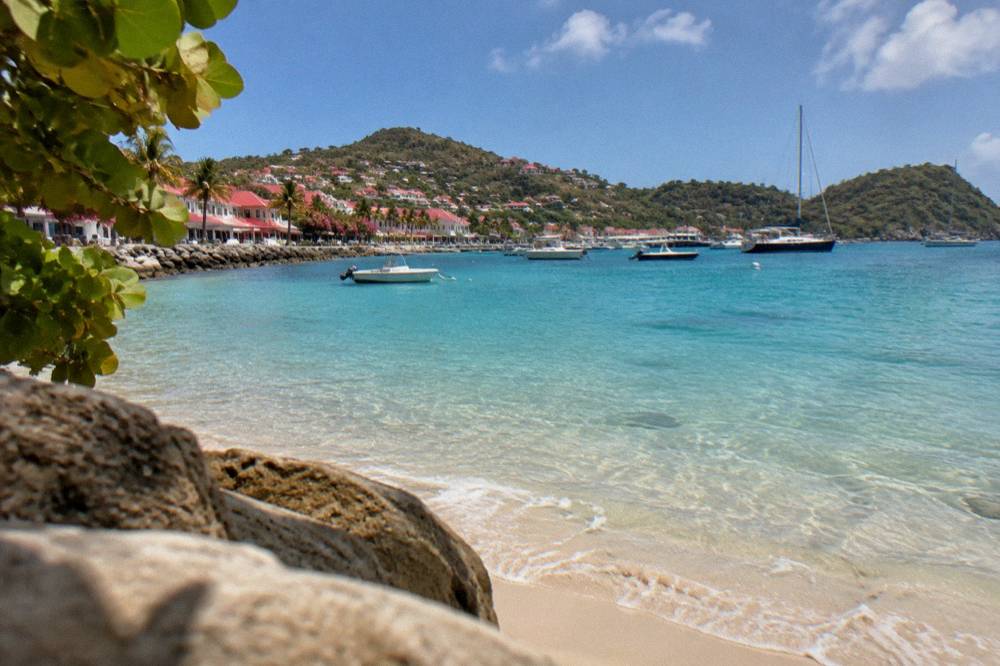
The headline beach attractions are Saint-Jean beside the airport, Saline and Gouverneur on the south coast, Colombier at the island's northwestern tip, Shell Beach a short walk from Gustavia, and Flamands, Lorient and Grand Cul-de-Sac around the other coasts. Every beach on St Barts is public and free to access, and the tourism committee lists them all on its site.
The names matter more than the differences here, because this site's policy is to describe each beach by its name, its map position and its public status, and nothing more. Saint-Jean sits on the northern shore below the end of the Gustaf III runway, the stretch photographed from the road above. Gouverneur and Saline face south on either side of the island's waist, reached from the hill road. Colombier, at the northwestern tip inside the nature reserve, is the one beach most often tied to a boat or a hike, and it anchors the group sail described later on this page.
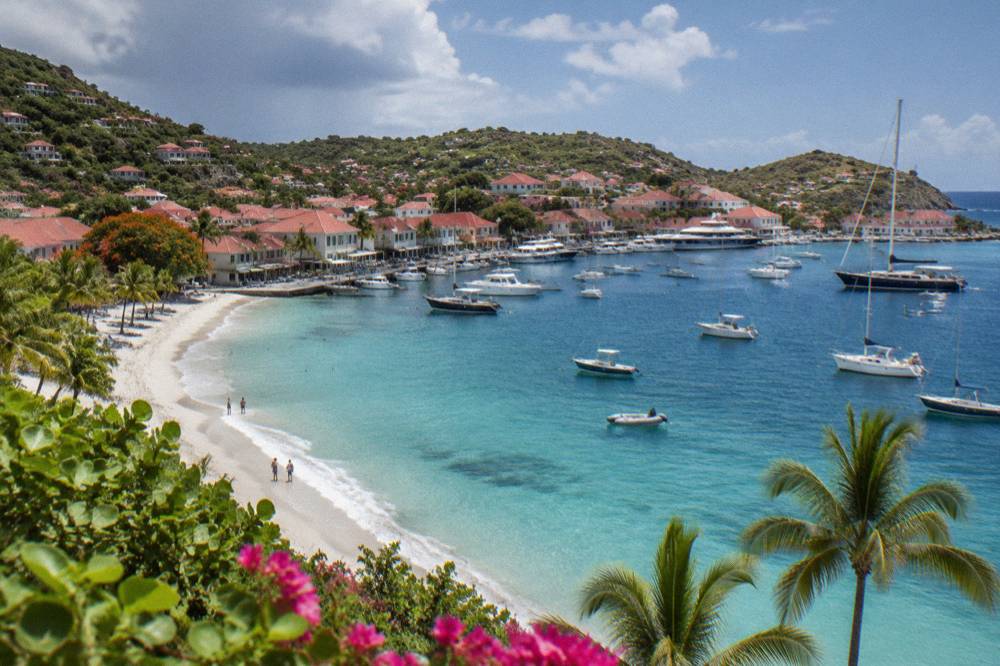
Shell Beach, also called Grand Galet, lies close enough to Gustavia to walk to from town, which makes it the default swim stop on a harbour day. Flamands holds the island's longest stretch of sand on the north coast, Lorient sits on the east side facing the morning sun, and Grand Cul-de-Sac curves along a shallow northeastern bay where the reserve notes green and hawksbill turtles are common in the water. Corossol, Toiny, Marigot and Anse des Cayes complete the public list.
Several of these have their own dedicated pages in this site's guides, including Colombier Beach, Saline Beach and Gouverneur Beach, each with the access details for that shore.
| Beach | Map position | Notes on access |
|---|---|---|
| Saint-Jean | North shore, below the airport | Roadside access beside the runway end |
| Gouverneur | South coast, west of Saline | Reached from the hill road above |
| Saline | South coast, east of Gouverneur | Reached past the salt pond, then a walk over the dune line |
| Colombier | Northwestern tip, inside the reserve | Boat trip or the Colombier hike; reserve rules apply |
| Shell Beach (Grand Galet) | West coast, near Gustavia | The closest beach to the harbour town |
| Flamands | North coast | The longest sand stretch on the island |
| Grand Cul-de-Sac | Northeast bay | Shallow bay; turtles are common per the reserve |
| Lorient | East coast | Village beach beside Lorient's church |
What Can You See In Gustavia, The Capital Of St Barts?
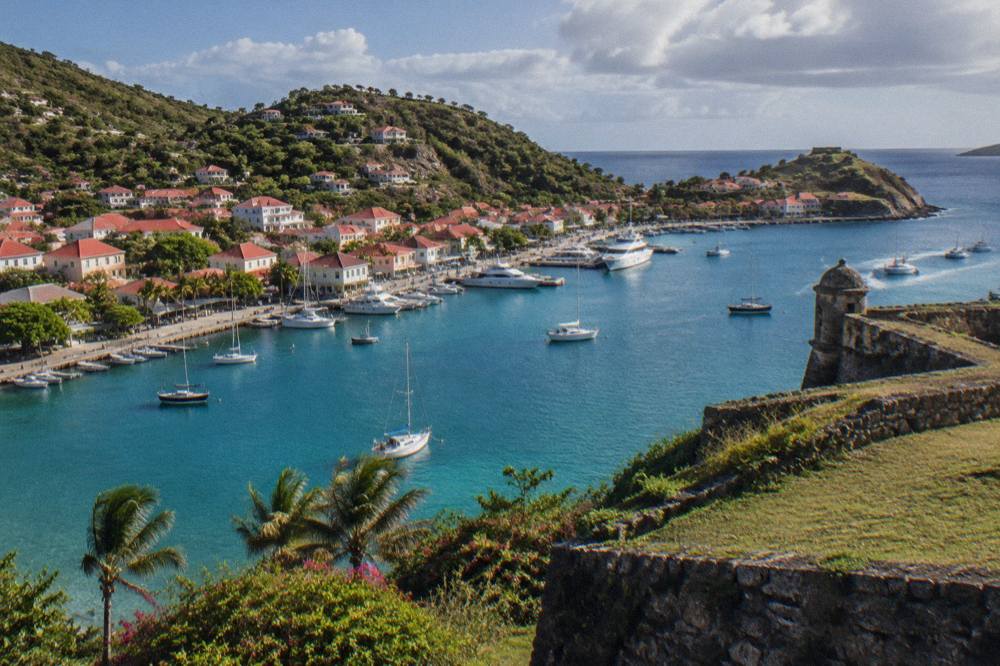
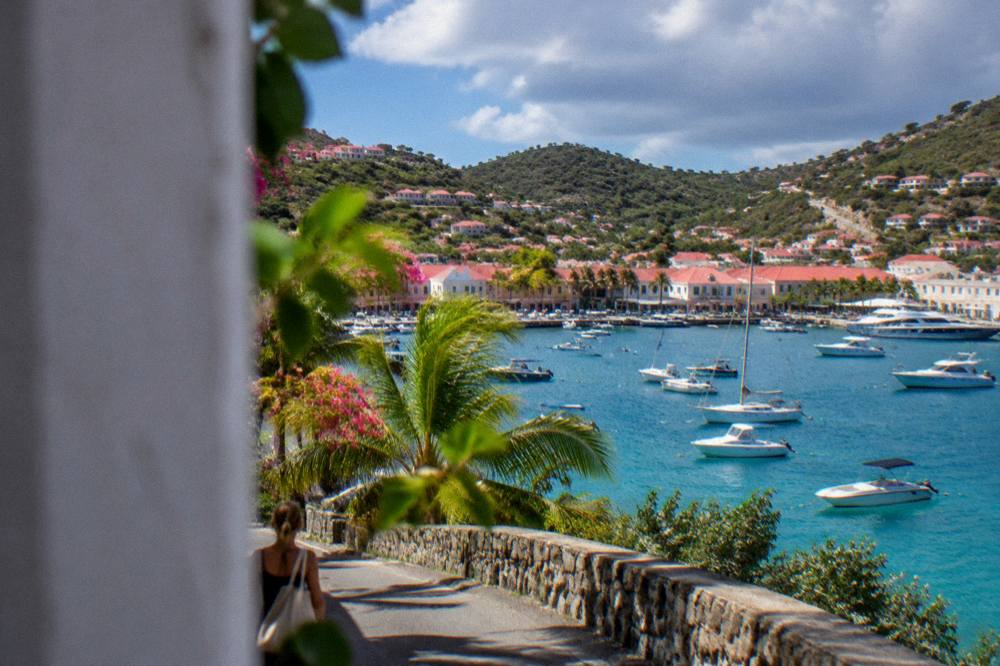
Gustavia's attractions are its working harbour full of visiting yachts, the stone remains of Fort Karl and Fort Gustaf on the headlands either side of town, the Wall House museum and its collections covering the island's Swedish period, and the shopping streets that run inland from the quay. Everything sits within a walkable town of a few blocks.
The harbour is the attraction that runs all day. Ships' tenders land passengers near the quay, ferries from St Martin arrive and leave, and the visiting yacht fleet changes with the seasons, swelling around the sailing events each spring. Fort Karl and Fort Gustaf are modest stone sites on the headlands, worth the walk for the views down over the anchorage rather than for the structures themselves. The Wall House museum and its collections cover the decades when Sweden held the port, the period that gave Gustavia both its name and its street grid.
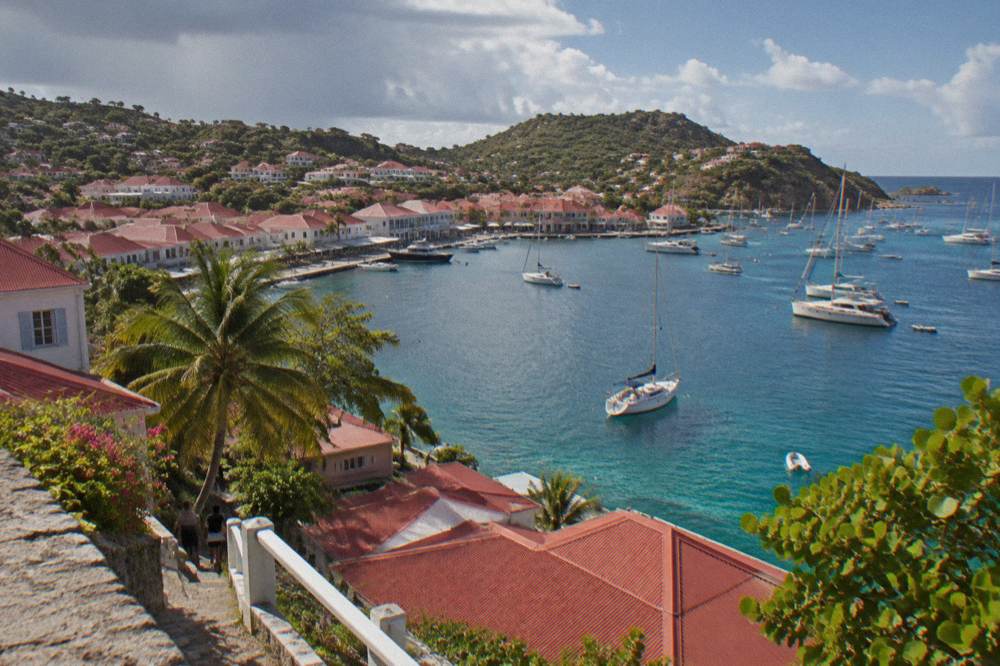
Inland from the quay, Gustavia's shops run from French fashion houses to island staples, a scene covered in detail on the site's St Barts shopping guide. Le Select, the long-running bar in the middle of town, functions as much a landmark as a business, and the whole town turns out for the New Year period, when the harbour fills with superyachts ahead of the fireworks. The site's St Barts New Year's Eve guide covers that week in full.
One clarification worth making: ships tender their passengers ashore, there is no cruise pier, and the port publishes no public call schedule, so a quiet harbour morning and a busy one are both normal. The site's St Barts cruise port guide explains the tender system.
Gustavia also works as the island's transport hinge. The ferry terminal sits at the edge of town, the airport is one bay over at Saint-Jean, and every boat trip that visits the reserve stops in the harbour first, which makes the capital a sensible base for a day that mixes the forts in the morning with a swim at Shell Beach in the afternoon before an evening sail back toward St Martin.
What Does The St Barts Nature Reserve Protect?
The St Barts marine nature reserve, run by the island's environment agency, protects five zones including Colombier Bay and the waters around Ile Fourchue, with a 5-knot speed limit inside its zones, a ban on jet skis and other motorized water devices, 23 listed dive sites, no dogs on any beach island-wide, and a strict no-touching rule for turtles, corals and other protected species.
Those rules come from the environment agency's regulatory-zones page, and they shape how the attractions on the water actually work. The 5-knot limit means boats inside the zones move slowly, which is why a charter approaching Colombier or anchoring at Ile Fourchue finishes its run at walking pace. The jet-ski ban means no jet ski exists as an attraction anywhere on the island, not only in the zones. The no-dogs rule is island-wide under a long-standing municipal order, and the agency posts signs at beach entrances.
The turtle rule matters most at Grand Cul-de-Sac, where green and hawksbill turtles are common in the shallow bay. The agency's beach guidance asks swimmers not to chase, touch or feed them, to keep distance from nesting areas, and to report sightings, and it asks everyone to take rubbish off the beach. Drones are restricted in and near the reserve without authorization.
| Reserve rule | What it means for visitors |
|---|---|
| 5-knot limit in reserve zones | Boats slow to walking pace inside Colombier Bay and around Ile Fourchue |
| No jet skis or towed motorized devices | No jet-ski attraction exists on the island |
| No touching turtles, corals, urchins or rays | Look, do not touch, in the water and on the beach |
| No dogs on beaches | Island-wide, including on a leash |
| No collecting shells, coral or sand | Nothing leaves the beach or the water |
| Vessels over 25 m restricted in Colombier and Fourchue bays | Mooring buoys are used in place of anchoring |
The site's St Barts nature reserve guide carries the full rule set, and the sea turtle guide covers the species in the island's waters.
What Boat Trips Reach The St Barts Attractions?
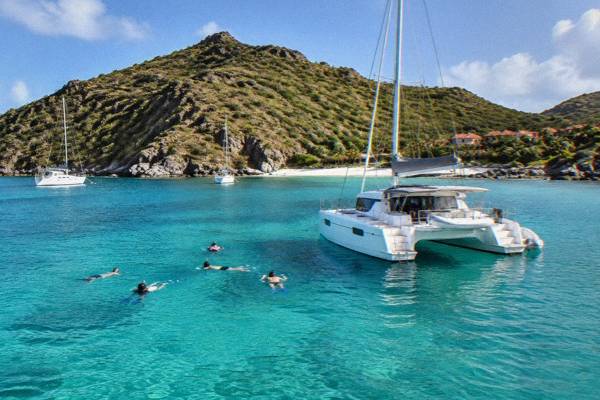
Every bookable boat trip listed here departs from St Martin or Sint Maarten, crossing to St Barts for the day or overnight, because no on-island boat tour is sold here. The options are a per-person group sail running 12 May to 31 August 2027 on its listing, several private day charters priced per group, and a two-day one-night private catamaran, all of which visit harbour and reserve stops such as Gustavia, Colombier and Ile Fourchue.
The group sail is the one product priced per person, and its window is fixed: 12 May to 31 August 2027 on its listing. It covers the classic water itinerary, Gustavia's harbour, Colombier Beach and Ile Fourchue, with snorkel stops inside the reserve's rules. The private charters run the same waters on your own schedule, and the overnight catamaran adds a night at anchor, which turns the crossing into the trip itself rather than the commute. Details and live pricing for each are on the operators' live listings.
For a party that wants the boat to itself, the per-group charters are the alternative, and the full-day St Barth private charter page explains how a private day on the water is structured.
Between the two sits the private charter from St Martin, a per-group option with its own page on this site, and the Nikki Beach charter for a beach-club-first day. The overnight version is the one to read if the plan is a night on the water rather than a day trip.
Is Landing At Gustaf III Airport An Attraction In Itself?
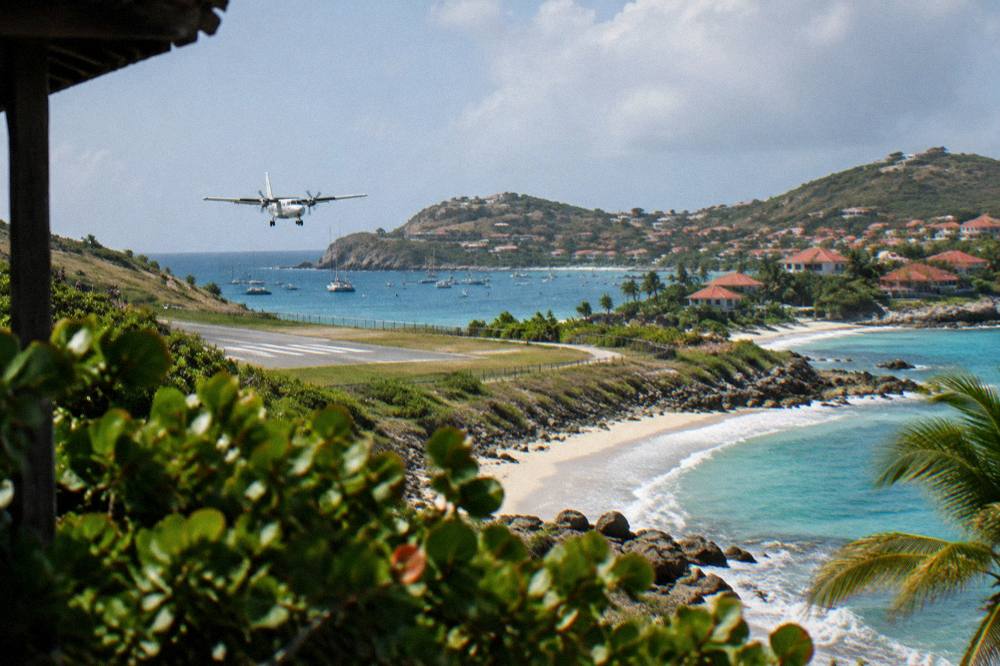
Landing at Gustaf III Airport is widely treated as an attraction: the runway is 646 m long, only small STOL turboprops can use it, operations are daylight and visual-conditions only, and pilots need a special qualification for the steep approach over the Col de la Tourmente hill. No jet lands on St Barts, and passengers arrive on twin otters, Cessna caravans and similar small aircraft, mostly from St Martin.
The approach over the hill at Saint-Jean and the short stop on the runway's slope have made SBH a fixture of aviation photography, and the road above Saint-Jean beach is where the cameras gather. The airport is also called Remy de Haenen, and its rules explain a great deal about how the island works: gateway flights land at St Martin, San Juan, Guadeloupe or Antigua, and the last leg is a small plane or the ferry. St Barth Commuter flies from SXM, Grand Case and Pointe-a-Pitre; Tradewind flies from San Juan and Antigua; Winair serves the island from SXM.
The site covers this in depth on the St Barts airport guide, the airport code explainer and the landing at St Barts airport page, with the full arrival picture on how to get to St Barts.
When Is The Best Time To See The St Barts Attractions?
The busiest and most event-packed window for St Barts attractions is December through April, when the climate normals show mean daily highs of 28.5 to 29.8 C and the sailing and festival calendar runs; hurricane season runs 1 June to 30 November with its peak mid-August to mid-October, and October is the wettest month at 135.6 mm, while February is the driest at 38.4 mm. The island is warm in every month.
Those figures are Meteo-France normals, 1991-2020, for the island's station, and they are the only climate numbers worth planning around. The mean daily high stays between 28.5 C in January and 31.7 C in September. What changes through the year is rain and the calendar. The confirmed 2026 and 2027 events are the Gourmet Festival from 9 to 15 November 2026 and the Music Festival from 8 to 18 January 2027; the Bucket Regatta falls in mid-March, Les Voiles de St Barth in April, and the Film Festival in late April or early May, with 2027 details unconfirmed.
| Month | Mean daily high (C) | Rain (mm) | Notes |
|---|---|---|---|
| January | 28.5 | 52.6 | Music Festival 8 to 18 January 2027 |
| March | 29.0 | 41.4 | Bucket Regatta, mid-March |
| April | 29.8 | 50.9 | Les Voiles de St Barth, April |
| July | 31.2 | 80.4 | Hurricane season, quieter calendar |
| September | 31.7 | 96.9 | Warmest mean high; season peak |
| October | 31.4 | 135.6 | Wettest month; hotels reopen mid-month |
| November | 29.9 | 118.6 | Gourmet Festival 9 to 15 November 2026 |
| December | 28.9 | 79.2 | High season begins |
One pattern matters more than any single month: many hotels and restaurants close each autumn and reopen in waves between mid-October and early November, so an October visit meets a different island from a December one. The site's best time to go season guide unpacks the trade-offs month by month, and the St Barts hurricane season page covers the storm window without speculation.
Are St Barts Attractions Free To Visit?
The beaches and the open public places are free: every beach on St Barts is public, Gustavia's forts, harbour front and streets cost nothing, and the hiking trails including the Colombier hike are open access. No free or tip-based guided walking tour is listed here, and none should be expected; the paid attractions here are the boat trips, which depart from St Martin.
That is the honest shape of it. St Barts does not run a museum-ticket economy; its town sights are free to walk past and around, its shoreline is public by law, and its most famous experiences, the flight in and the sail across, are paid by necessity because both involve an operator and a crossing. A day built on Shell Beach, a wander through Gustavia, the Fort Karl viewpoint and a swim at Saint-Jean costs nothing beyond getting there and eating.
For walkers, the Colombier hike is the one land route into the reserve's flagship beach, and the site's Colombier hike page describes the route in its own right. Weddings are the other free-to-arrange attraction in a loose sense, in that the ceremonies happen in public places; the practical side is covered on the St Barts weddings guide.
How Do You Fit The St Barts Attractions Into A Visit?
A first visit covers the attractions in three layers: a harbour day in Gustavia with Shell Beach and the forts, a beach day rotating Saint-Jean, Saline, Gouverneur and Flamands by car or taxi, and a water day reaching Colombier and Ile Fourchue by boat or on the Colombier hike. Arrivals usually route through St Martin by small plane or ferry, and a rental car or taxi moves you between the layers.
The island's size makes this forgiving. Getting around St Barts means narrow, steep roads driven on the right, with Avis, Budget and Hertz counters at the airport alongside local agencies and Mini Mokes, and taxis covering the same ground for anyone who would rather not drive it. The site's St Barts car rental guide covers the practical side, and the St Barts itinerary page sequences the layers day by day for a first visit.
Want wheels for the beach circuit? Book a rental car.
| Visit layer | What it includes | How it moves |
|---|---|---|
| Harbour day | Gustavia quay, Fort Karl, Fort Gustaf, Wall House museum, Shell Beach | On foot from town |
| Beach day | Saint-Jean, Saline, Gouverneur, Flamands, Grand Cul-de-Sac | Rental car, Mini Moke or taxi |
| Water day | Colombier, Ile Fourchue, reserve snorkel stops | Group sail or private charter from St Martin, or the Colombier hike |
| Arrival | Gustaf III landing or ferry from Philipsburg or Marigot | Small plane or ferry via St Martin |
Common Questions About St Barts Attractions
What are the top St Barts attractions?
The public beaches, led by Colombier, Saline, Gouverneur and Saint-Jean; the harbour capital Gustavia with its forts and museums; the marine nature reserve around Colombier Bay and Ile Fourchue; and the arrival itself by small plane or ferry. All beaches are public and free.
Are there free things to do in St Barts?
Yes, the beaches and open public places are free, every beach is public, and Gustavia's forts, harbour front and the hiking trails cost nothing. No free or tip-based guided walking tour is listed here.
What is there to see in Gustavia?
The working harbour with its visiting yachts, the stone remains of Fort Karl and Fort Gustaf, the Wall House museum and its Swedish-history collections, and the shopping streets running inland from the quay.
Can you visit Colombier Beach without a boat?
Yes, the Colombier hike is the land route into the beach, and the site's Colombier hike page describes it. The beach sits inside the marine reserve, so the 5-knot limit, the no-dogs rule and the no-touching rules for wildlife all apply.
Do the boat tours leave from St Barts?
No, every bookable boat trip listed here departs from St Martin or Sint Maarten and crosses to St Barts, covering Gustavia, Colombier and Ile Fourchue on the way.
When is the best time to visit St Barts attractions?
December through April pairs the mildest normals, 28.5 to 29.8 C mean daily highs, with the sailing and festival calendar. Hurricane season runs 1 June to 30 November, and October is the wettest month at 135.6 mm in the Meteo-France normals.