LGBTQ Travel In St Barts
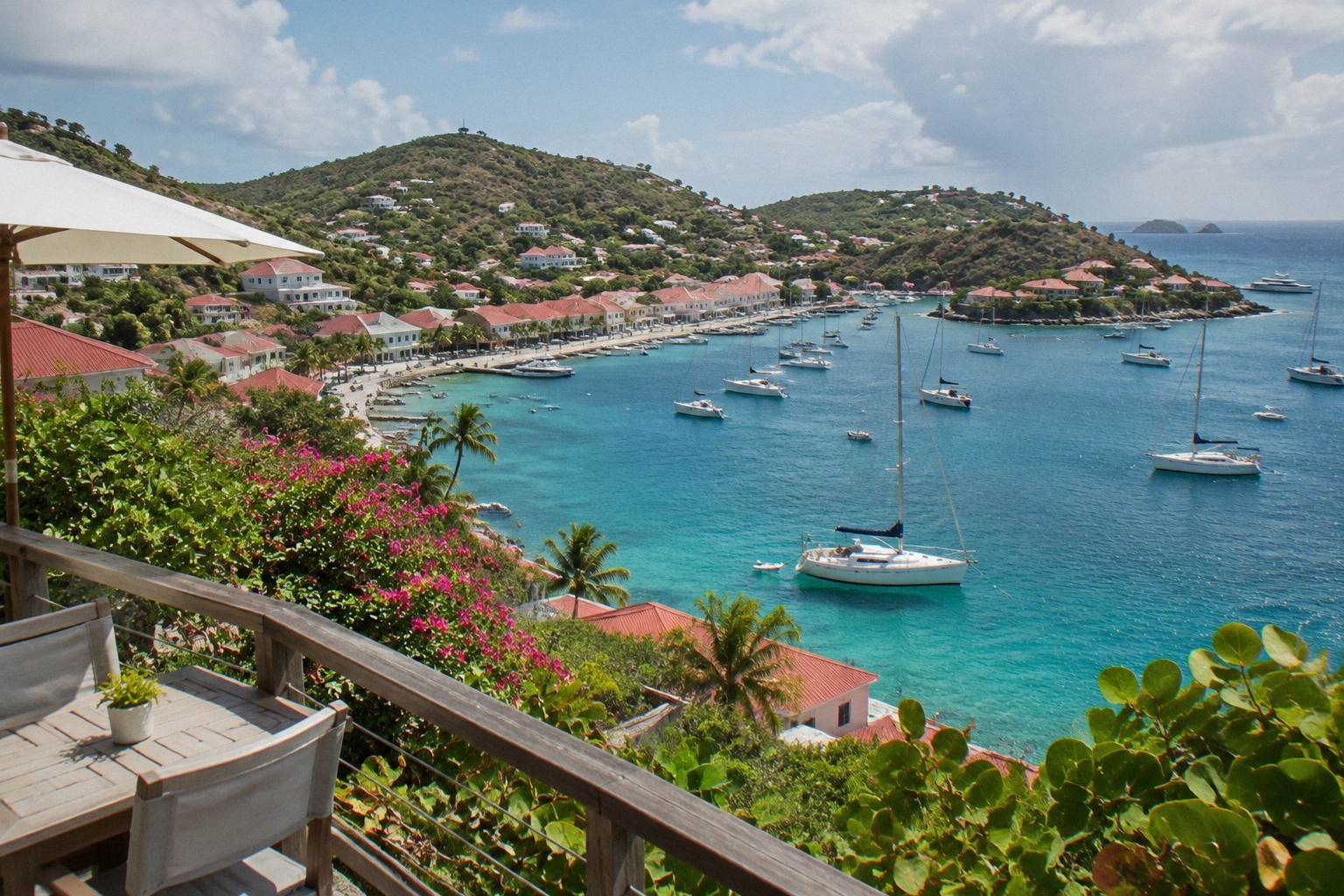
St Barthelemy, better known as St Barts, is a small French island in the Caribbean where all beaches are public, the currency is the euro, and the pace is set by Gustavia's harbour and a ring of sandy coves. This guide covers what LGBTQ travellers need to plan the trip.
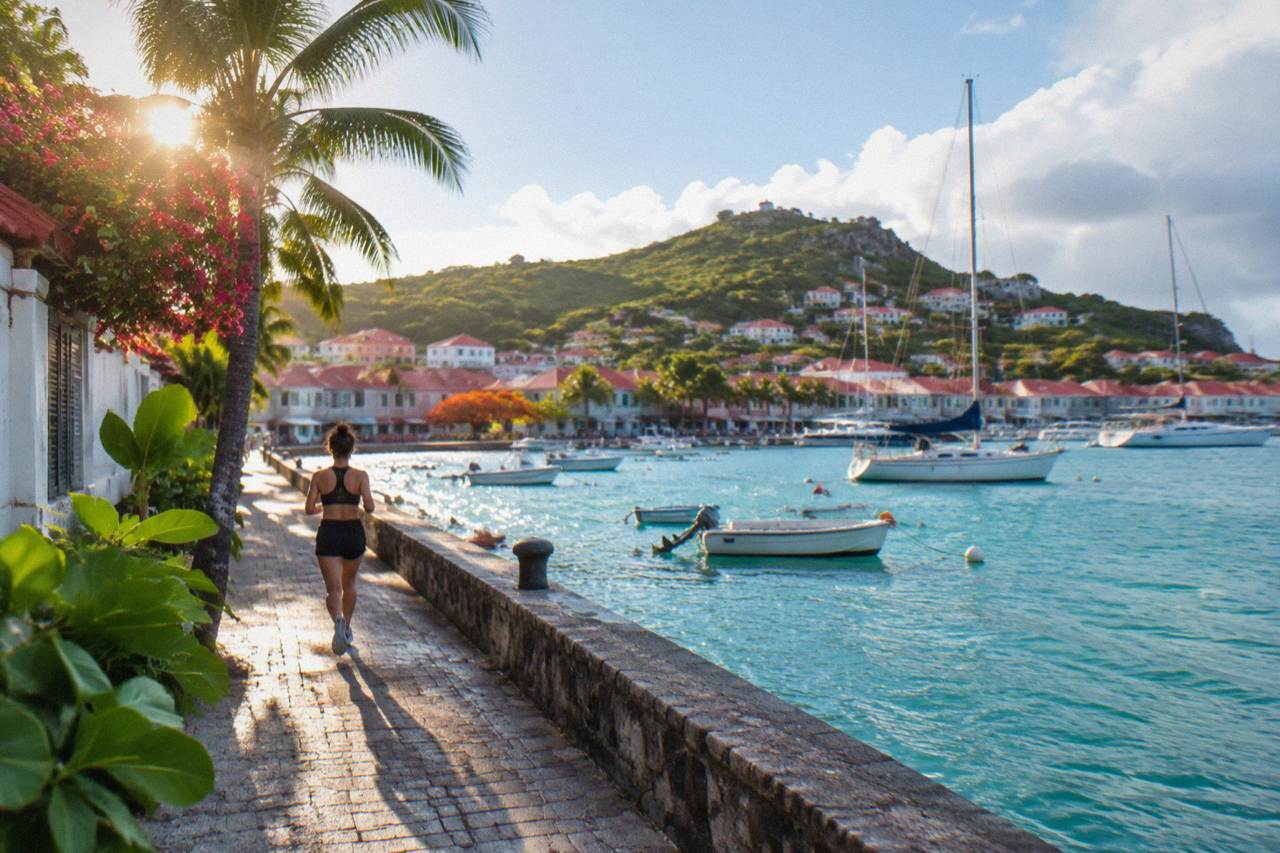
St Barts is a French overseas collectivity, so French law applies, same-sex relations are legal, and discrimination protections follow French rules. The island has no dedicated gay venues, but every beach is public, the tourism industry is French-influenced and international, and travellers arrive via St Martin by small plane or ferry.
St Barthelemy, written St Barts, is a French overseas collectivity in the Caribbean with about 21 square kilometres of hills, red-roofed Gustavia and a ring of public beaches. It has been a collectivity of France since 2007, the euro is the currency, French is the official language and English is widely spoken. For LGBTQ travellers the practical picture is simple: French law applies, which means same-sex relations are legal and protections follow French anti-discrimination rules, and the island's tourism economy runs on French-influenced hospitality aimed at an international clientele. There is no gay district, gay beach or dedicated venue on the island, and this guide does not invent one. What St Barts offers instead is what it offers everyone: public beaches, a walkable harbour capital, and a boat culture built around day trips and charters.
Is St Barts Welcoming For LGBTQ Travellers?
St Barts is a French overseas collectivity, so French law governs the island: same-sex relations are legal, and anti-discrimination protections follow French rules. The island's tourism committee markets the destination internationally. There is no dedicated gay venue or gay district on St Barts, so travellers looking for a nightlife scene should read the nightlife facts below before booking.
The honest framing is that St Barts is not a nightlife destination of the kind found on larger Caribbean islands. It is a small, quiet territory of roughly 10,700 residents whose economy centres on hotels, villas, yachts and beaches. Travellers who want a scene should plan St Barts as the calm half of a trip that also includes St Martin or Sint Maarten, which is the practical gateway anyway: most visits route through St Martin by small plane or ferry, and the St Barts versus St Martin comparison on this site breaks down how the two differ.
What the island does deliver is discretion-friendly luxury. The hotel and villa market serves couples of all kinds, weddings are a normal part of the business, and this site has a separate guide to St Barts weddings for travellers planning a ceremony. French cultural norms shape beach life too: topless sunbathing is widely accepted across many beaches, consistent with French practice, though public nudity is not legal and this site's nude beaches guide covers the nuance without inventing rules.
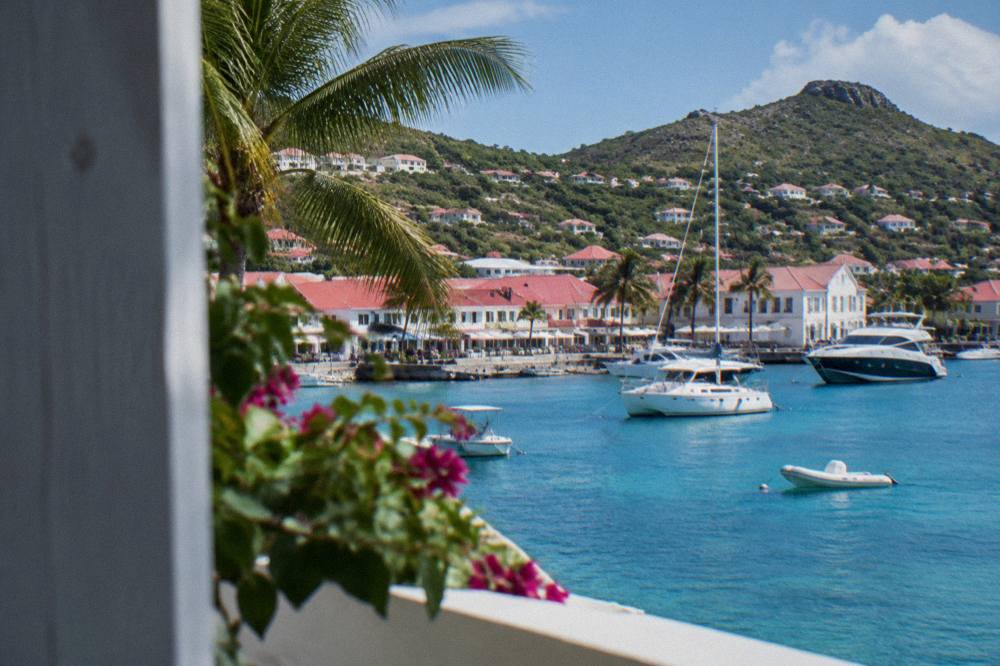
Which St Barts Beaches Should LGBTQ Travellers Know?
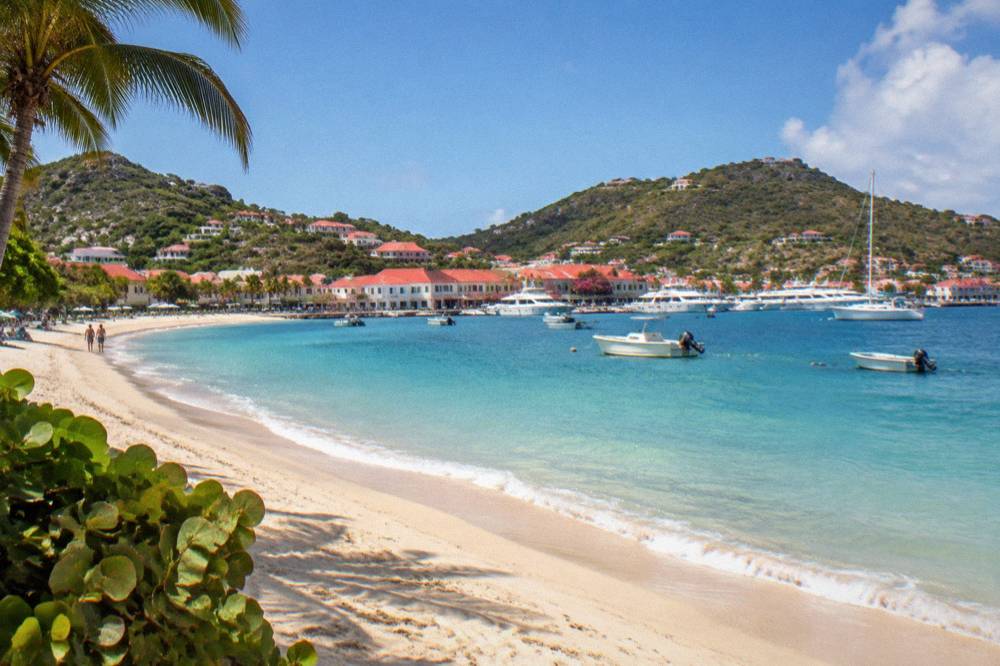
Every beach on St Barts is public and free to access, from Saint-Jean and Gouverneur to Saline, Colombier and Shell Beach, and no beach on the island has any access restriction by any category of visitor. The marine reserve bans dogs on all beaches island-wide under a municipal order, and its rules protect turtles and corals, so the choice between beaches is about position and access, not about who is welcome.
The tourism committee's beach list names Saint-Jean, Gouverneur, Saline, Shell Beach (Grand Galet), Flamands, Colombier, Grand Cul-de-Sac, Lorient, Toiny, Marigot, Corossol and Anse des Cayes, and every one is public. This site has a dedicated page for each major beach, including Shell Beach, Saline, Gouverneur and Colombier, each describing only its name, position and access.
A practical orientation table:
| Beach | Area of the island | Notes that any source supports |
|---|---|---|
| Saint-Jean | North coast, beside the airport | Public beach, tourism committee listing |
| Gouverneur | South coast | Public beach, tourism committee listing |
| Saline | South coast | Public beach, tourism committee listing |
| Shell Beach (Grand Galet) | West coast, walkable from Gustavia | Public beach, tourism committee listing |
| Flamands | North-west coast | Public beach, tourism committee listing |
| Colombier | North-west tip | Public beach, reached by boat or on foot |
| Grand Cul-de-Sac | East coast | Public beach, marine reserve turtle area nearby |
| Lorient | North coast | Public beach, tourism committee listing |
Colombier deserves a note: it sits inside the marine reserve's regulated zone, which is one reason boat day trips from St Martin include it on their routes. The environment agency's regulatory-zones page lists the rules that apply there, summarized below.
What Rules Apply In The St Barts Marine Reserve?
The St Barts marine reserve sets a 5-knot speed limit in its zones, bans jet skis, lists 23 dive sites and asks visitors not to touch turtles, according to the environment agency's regulatory-zones page. Dogs are not allowed on the beaches. No rule in the reserve's published material addresses any category of visitor other than boats, dogs and protected species.
The agency's page also bans collecting coral, shells, sand and rocks, bans feeding or chasing protected species including turtles, rays and sharks, restricts drones near the reserve, and sets mooring and anchoring rules in Colombier and Ile Fourchue bays, including a limit on vessels over 25 m. None of this affects who may visit. It affects behaviour, and it is the single most useful rule set for anyone planning a boat day, which is the most popular structured activity that visits the island.
| Rule source | Rule | Where it applies |
|---|---|---|
| Environment agency, regulatory zones | 5-knot speed limit on the water | All reserve zones, including Colombier and Fourchue |
| Environment agency, regulatory zones | No jet skis, seabobs or towed motorized devices | Reserve zones |
| Environment agency, regulatory zones | No touching turtles, corals or protected species | Reserve zones and beaches |
| Environment agency beach page | No dogs on beaches, even on a leash | All beaches island-wide |
| Environment agency, regulatory zones | Drone restrictions without authorization | In and near reserve zones |
The reserve rules matter for boat trips because the places trips visit, Colombier Bay and Ile Fourchue, are regulated zones. A crew that follows the buoy and speed rules is not a marketing claim, it is a legal requirement, and every operator running the corridor from St Martin works inside the same framework.
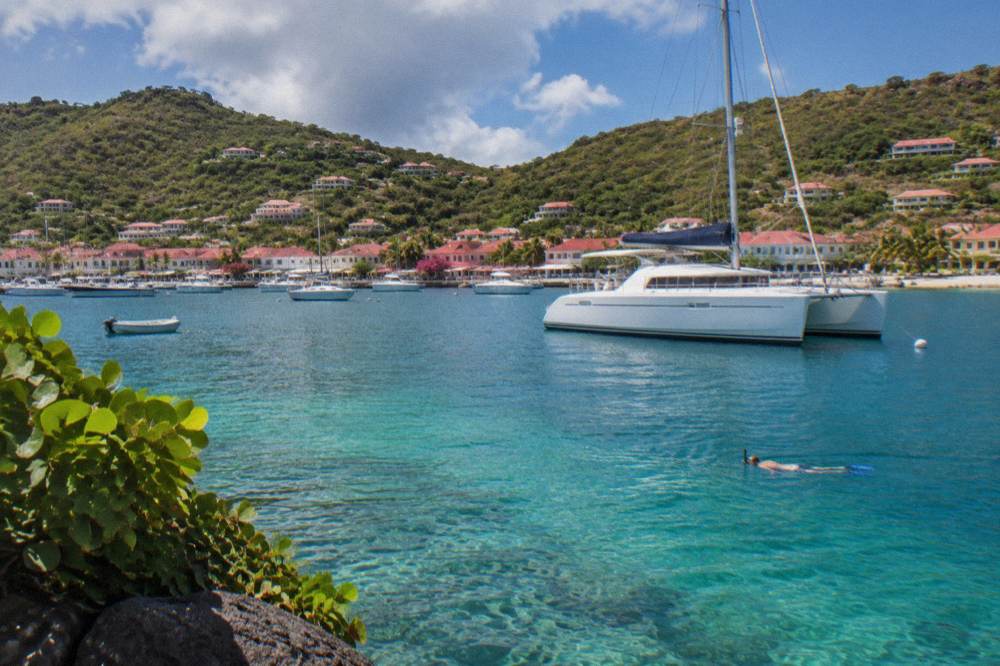
What Boat Day Trips Visit St Barts?
Every bookable boat trip listed here departs from St Martin or Sint Maarten, never from St Barts, and visits the island's coast, bays and marine reserve zones as a day trip. The per-person option is a group sail and snorkel trip that calls at Gustavia, Colombier Beach and Ile Fourchue, and it runs 12 May to 31 August 2027 on its listing; the rest of the trip list is private charters priced per group.
The per-person group sail is the one trip listed here that a solo traveller or a couple can join without chartering a whole boat, and its season is set by its listing: from 12 May to 31 August 2027. For a fuller treatment of the island's sailing calendar, this site's sailing and yacht weeks guide covers the racing events that fill the harbour in spring.
The trio above spans the range: a per-person group sail for travellers who want to join a shared departure, a private sailboat for a day, and an overnight catamaran that turns the crossing into two days. Private charters listed here carry up to 8, 10 or 4 guests depending on the boat, and all prices, ratings and durations render from the listings themselves.
The group sail also has its own detailed page: the Gustavia, Colombier and Ile Fourchue tour, which covers the route and what the trip includes. For couples planning a day on the water around a wedding or honeymoon stay, that trip and the private options both fit the same plan.
How Do LGBTQ Travellers Get To St Barts?
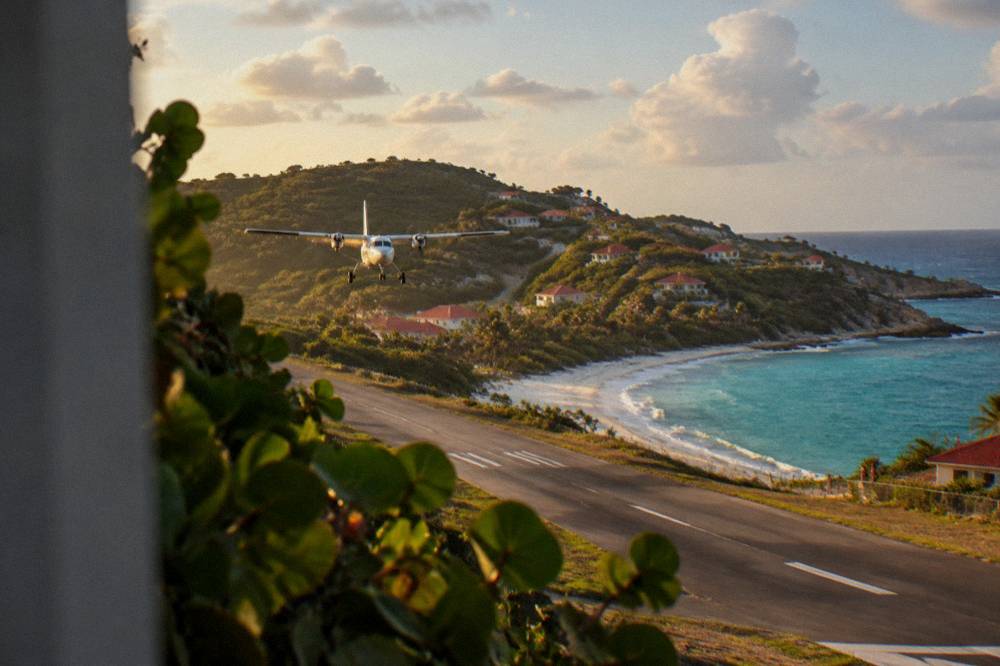
There is no direct jet service to St Barts: the runway at Gustaf III Airport is 646 m, served only by small STOL turboprops in daylight and visual conditions, so every arrival routes through a gateway, chiefly St Martin. From St Martin, travellers take a small plane with St Barth Commuter or Winair, or a ferry, Great Bay Express from Philipsburg or Voyager from Marigot, to Gustavia.
The gateway structure is the single most important planning fact for this island. Long-haul flights land at St Maarten (SXM) on the Dutch side, from which St Barth Commuter flies to SBH; Tradewind Aviation flies from San Juan and Antigua; and St Barth Commuter also serves Grand Case on the French side and Pointe-a-Pitre in Guadeloupe. The alternative is the sea: Great Bay Express runs from Bobby's Marina in Philipsburg, about 45 minutes to Gustavia, and Voyager runs from the Marigot terminal on the French side, about 50 to 60 minutes, both figures from the operators. The crossing can be rough, and no operator promises otherwise.
| Route | Operator | Where it departs | Notes |
|---|---|---|---|
| Air to SBH | St Barth Commuter | SXM, SFG, PTP | Small aircraft, daylight operations only |
| Air to SBH | Winair | SXM | Twin Otter type aircraft |
| Air to SBH | Tradewind | SJU, ANU | Pilatus PC-12 type aircraft |
| Ferry to Gustavia | Great Bay Express | Bobby's Marina, Philipsburg | About 45 minutes, passport required |
| Ferry to Gustavia | Voyager | Marigot Ferry Terminal | About 50 to 60 minutes, 2 to 3 sailings a day |
Entry is separate from Schengen: St Barts sits outside the Schengen area, so ETIAS and EES do not govern entry, and ETIAS is not live. US, UK, Canadian and EU citizens are generally visa-exempt for short stays; passport validity advice differs by government, so check your own government's travel advice, and this site's customs and entry guide and passport page carry the detail. A full how to get to St Barts guide and the ferry operators and schedule page round out the options.
Where Should LGBTQ Couples Stay In St Barts?
St Barts has no accommodation segregated by any guest category: the market is hotels, a large villa rental sector, and smaller guesthouse-style properties, and any couple books any of them on the same terms. The named hotels on this site include Eden Rock, Cheval Blanc, Le Toiny, Le Sereno, Le Guanahani, Christopher, Le Barthelemy and Manapany, and villa managers include WIMCO, Sibarth and St Barth Properties, all named without rate or rating here.
The seasonal pattern matters more than the category. Many hotels and restaurants close each autumn and reopen between mid-October and early November, so an October or early-November trip can find properties shut for annual maintenance even in fine weather. Villas generally remain available year-round. Rates vary by season, and the property's own booking page shows them; this site prints no nightly figure. The St Barts hotels guide and the hotel versus villa comparison cover the trade-offs, and St Barthelemy Travel keeps a full accommodation index.
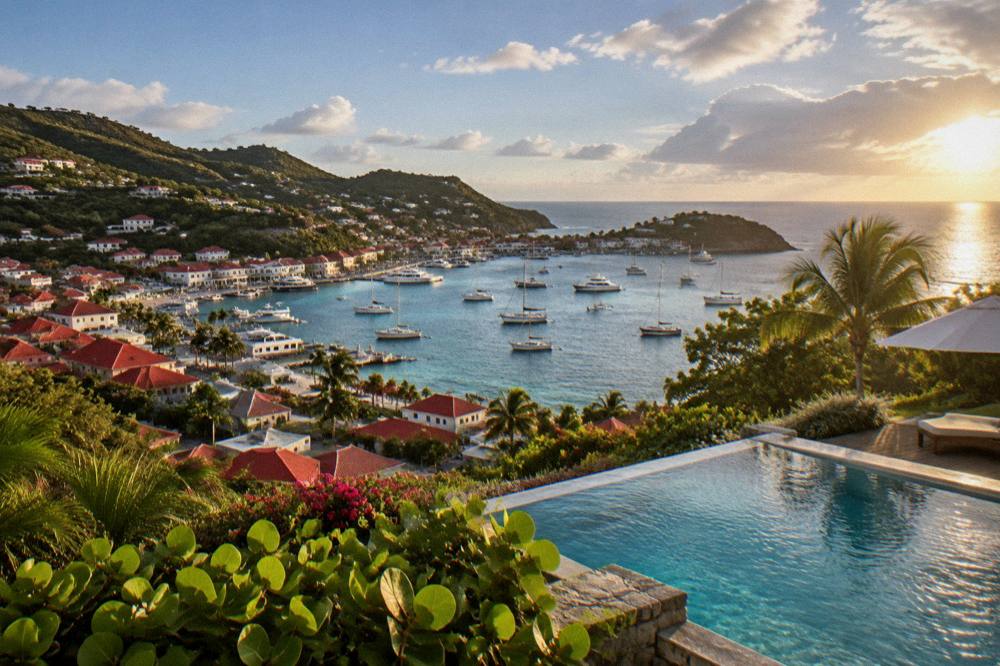
For couples planning a honeymoon or a wedding-plus-stay, the island's wedding industry is established and this site's honeymoon itinerary is built around it. Solo LGBTQ travellers have a dedicated page as well: solo travel in St Barts, which addresses the same structural facts, few venues, high costs, boat-based activities, from a single traveller's angle.
| Stay type | What To Know | Season pattern |
|---|---|---|
| Named luxury hotels | Eden Rock, Cheval Blanc, Le Toiny, Le Sereno, Christopher, Le Barthelemy, Manapany | Most close in autumn, reopening mid-October to early November |
| Villa rental market | Large market, no count printed; managers WIMCO, Sibarth, St Barth Properties | Generally available year-round |
| Rebrand in progress | Rosewood Le Guanahani becoming Airelles Le Guanahani on 1 November 2026 | Reopening reported for 1 November 2026 |
When Is The Best Time For An LGBTQ Trip To St Barts?
The climate supports travel year-round: Meteo-France normals for 1991 to 2020 show mean daily highs from 28.5 C in January to 31.7 C in September, with 891.3 mm of rain a year and October the wettest month at 135.6 mm. The trade-off is hurricane season, which runs 1 June to 30 November with a peak from mid-August to mid-October, against the dry early months of the year when hotels, restaurants and the sailing calendar are at their fullest.
February has the lowest monthly rainfall in the normals at 38.4 mm and October the highest at 135.6 mm, but no month is cold: the lowest mean daily high in the table is 28.5 C. The sea is warm year-round, about 26 C in winter to about 29 C from August to October. Travellers booking the per-person group sail should note its listed season, 12 May to 31 August 2027, which sits inside hurricane season, a scheduling fact rather than a prediction; no one can promise a storm-free week. This site's season guide and hurricane season page carry the full picture, and travel insurance guidance is separate.
| Month | Mean daily high C | Mean daily low C | Rain mm |
|---|---|---|---|
| January | 28.5 | 23.5 | 52.6 |
| February | 28.6 | 23.3 | 38.4 |
| April | 29.8 | 24.2 | 50.9 |
| July | 31.2 | 26.0 | 80.4 |
| September | 31.7 | 26.2 | 96.9 |
| October | 31.4 | 25.8 | 135.6 |
Source for the table: Meteo-France climate normals, 1991 to 2020, for the St Barthelemy station.
What Events Fill The St Barts Calendar?
The dated events are the St Barth Music Festival from 8 to 18 January 2027 and the Gourmet Festival from 9 to 15 November 2026, alongside the Bucket Regatta in mid-March, Les Voiles de St Barth in April and the Film Festival in late April or early May, both with unconfirmed 2027 dates. New Year's Eve fireworks over Gustavia are an annual event, but the 2027 detail is unconfirmed, so this site prints no date for it.
The sailing weeks are the events that change the island's character, filling Gustavia's harbour with superyachts. The Bucket Regatta guide covers the March event, and the New Year's Eve page covers the year-end period, when the harbour is at its busiest. None of these events is organized around any guest category; they are public spectacles open to anyone on the quay.
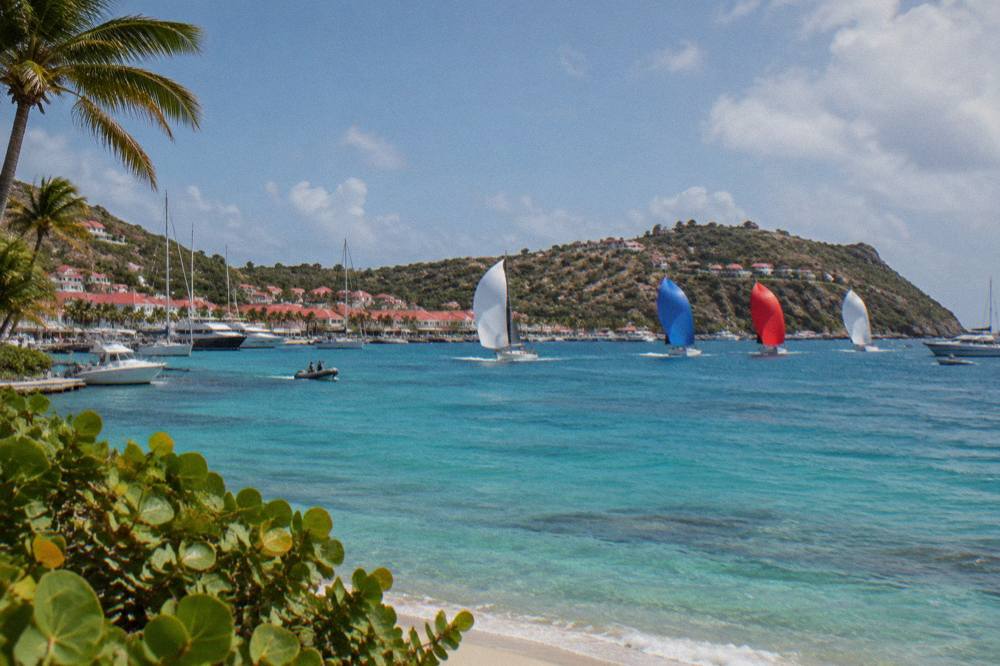
A private charter is the way to watch a regatta or a fireworks night from the water, and it is also the format most couples choose for a celebration day: the private day charters are priced per group and depart from St Martin or Sint Maarten, reaching the St Barts coast on the same regulated waters as the ferries.
What Is Daily Life Like On The Island?
Daily life on St Barts is slow, small and beach-centred: about 21 square kilometres, roughly 10,700 residents, one harbour capital in Gustavia, and a road network of narrow, steep, winding routes where driving is on the right and the island-wide limit is 50 km/h with 30 km/h in Gustavia and St Jean. French is the official language, English is widely spoken, the currency is the euro, and cruise ships tender offshore because there is no cruise pier.
Cars are the standard way to cover the island. Rental counters at the airport include Avis, Budget and Hertz alongside local agencies, and the open-air Mini Moke is the island's characteristic rental vehicle. Taxis operate on route-based tariffs without meters. The car rental guide and the getting around page cover both.
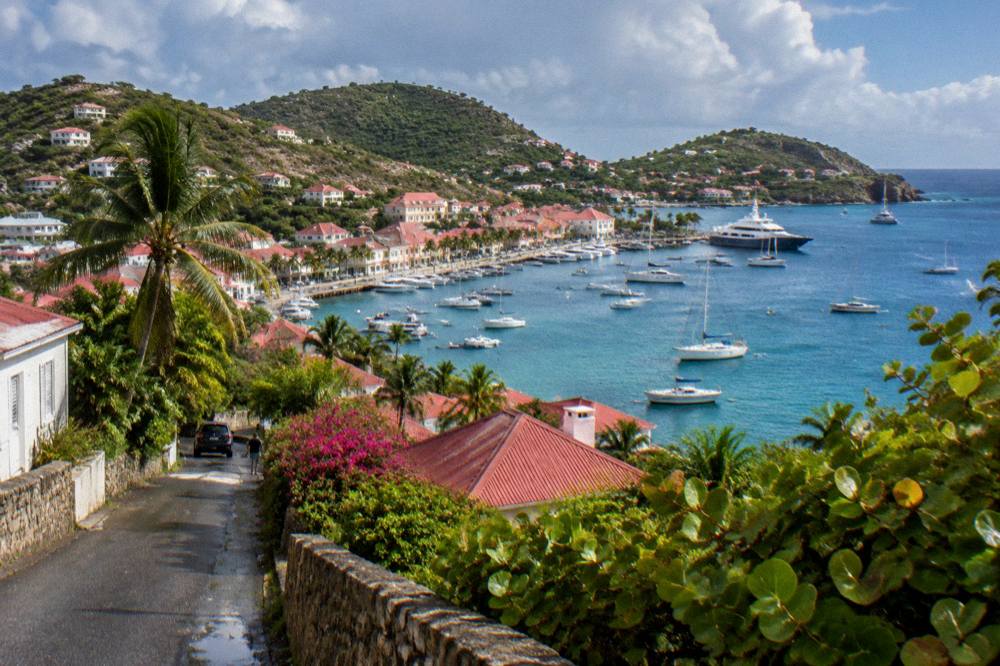
Shopping in Gustavia is a documented part of the island's identity, French luxury boutiques around the harbour, covered in this site's shopping guide. For a first visit structured day by day, the three-day itinerary and the first-timer itinerary are the practical starting points, and the root things to do in St Barts page indexes everything.
Should LGBTQ Travellers Combine St Barts With St Martin?
Yes, and for practical reasons rather than social ones: every bookable boat trip departs from St Martin or Sint Maarten, so most itineraries already include at least one night there, and the French-Dutch split of St Martin gives the combined trip a broader restaurant and nightlife base than St Barts alone. The two islands are separate territories, St Martin French and Sint Maarten Dutch, and the combined trip means two sets of entry formalities in one journey.
The corridor between the islands is busy for a reason. The ferry operators alone, Great Bay Express and Voyager, run multiple daily crossings in season, and the small-plane carriers stack flights between SXM and SBH. This site's guide to St Maarten before or after St Barts and the St Martin things to do page build the combined itinerary. For travellers who want the sea crossing itself to be the experience, the overnight catamaran option in the band below spends two days and one night on the water.
The Nikki Beach charter is the beach-club day: a private boat from Sint Maarten tied to the island's best-known beach club brand. As with every trip listed here, it departs from the Dutch side and visits St Barts; no product on this site starts in Gustavia.
Common Questions About LGBTQ Travel In St Barts
Is St Barts safe for LGBTQ travellers?
St Barts is a French territory under French law, where same-sex relations are legal and anti-discrimination protections follow French rules. This site's safety coverage, including Is St Barts safe? and the travel advisory page, reports no category-specific risk, and general crime levels are low for the region.
Are there gay beaches in St Barts?
St Barts has no designated gay beach. Every beach on St Barts is public and free to access under local law, so the choice is between named beaches such as Saline, Gouverneur and Saint-Jean on position and access alone.
Is St Barts good for a same-sex honeymoon?
Yes, in the sense that the island's honeymoon industry serves couples without category distinctions, and French law governs the territory. See the St Barts honeymoon guide and the weddings page for planning detail.
Does St Barts have gay nightlife?
The island has no dedicated gay venue, and its nightlife generally is small-scale; this site's nightlife page describes the scene in general terms only. Travellers wanting a nightlife base typically stay on St Martin or Sint Maarten and visit St Barts by day.
Do same-sex couples need different documents to enter St Barts?
No. Entry rules are the same for everyone: St Barts is outside Schengen, US, UK, Canadian and EU citizens are generally visa-exempt for short stays, and passport requirements follow each government's own advice. Check your own government's travel guidance before booking.
The short version: St Barts treats an LGBTQ traveller exactly as it treats every traveller, with public beaches, French law, a quiet harbour town and boat trips that leave from next door. Plan the gateway, book the boat day, and let the island's own rhythm do the rest.