Entry Requirements For St Barts
St Barthelemy is a French overseas collectivity in the Caribbean with its own entry rules: a valid passport for most travelers, no visa for short stays for several nationalities, and Schengen systems that do not apply.
Most travelers need a valid passport to enter St Barts; US, UK, EU and Canadian citizens are reported to stay visa-free for up to 90 days with an onward ticket. St Barts is outside the Schengen area, so ETIAS and EES do not govern entry.
St Barthelemy, written St Barts, is a French overseas collectivity in the Caribbean with entry rules that surprise travelers who assume it works like mainland France. It sits outside the Schengen area, it applies French overseas border rules rather than Schengen systems, and almost everyone arrives through a gateway such as St Martin, either on a small turboprop into Gustaf III Airport or on a ferry into Gustavia. This page sets out the document rules reported in official travel advice, the customs and tourist-tax basics, and what actually happens at each arrival point, so the paperwork is settled long before the boarding queue. For the wider picture of what to do once documents are stamped, St Barthelemy Travel collects the island's beaches, towns and itineraries in one place.
What Documents Do You Need To Enter St Barts?
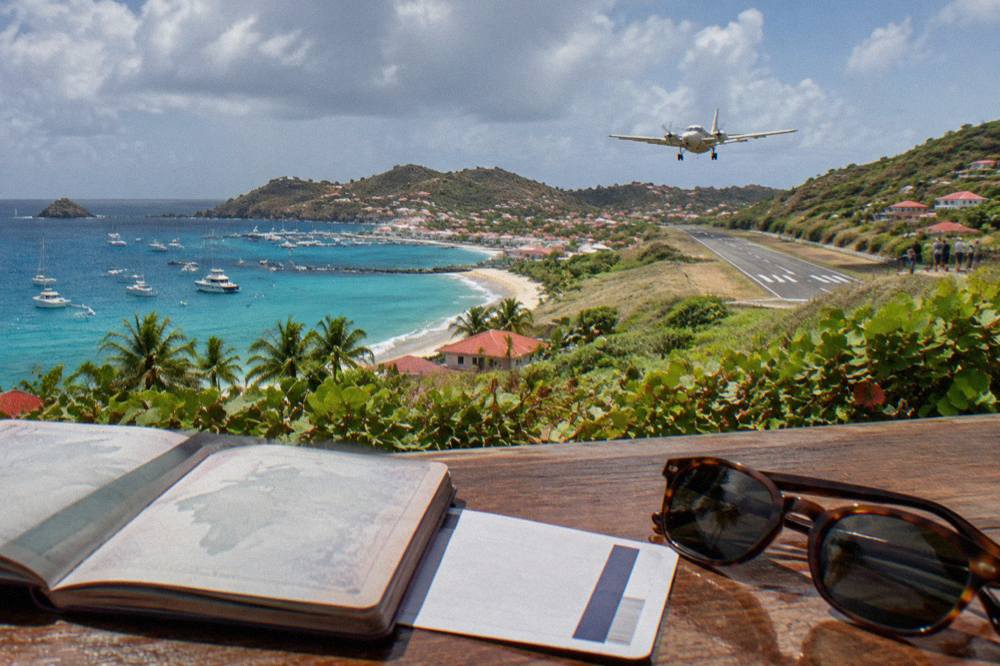
A valid passport is the standard document for entering St Barts, and an EU citizen may instead use a national ID card. A US citizen needs a passport book rather than a passport card, and travelers are reported to need to show an onward or return ticket. Visa-free stays of up to 90 days are reported for US, UK, EU and Canadian citizens, according to the governments' own travel-advice pages for the territory.
The document rules come from French overseas entry regulations rather than Schengen rules, and national practice differs at the margins. US guidance refers to the French West Indies as a whole; UK guidance covers St Martin and St Barthelemy together; Canadian guidance has its own wording. Because governments phrase passport-validity requirements differently, no single number of months is reliable across all of them: check the current travel advice published by your own government before booking flights or a ferry.
Children need their own valid travel document rather than being listed on a parent's, in line with standard French practice. Travelers carrying something other than a standard passport, including refugee or stateless documents, should check with a French consulate well ahead of travel, because the rules for those documents are set case by case.
| Citizenship | Reported document rule | Reported visa position |
|---|---|---|
| United States | Passport book required, not the passport card | Visa-free up to 90 days, reported |
| United Kingdom | Passport, with validity checked against UK advice | Visa-free up to 90 days, reported |
| European Union | National ID card or passport accepted | Visa-free up to 90 days, reported |
| Canada | Passport valid for the stay, per Canadian advice | Visa-free up to 90 days, reported |
| Other nationalities | Passport plus territory-specific visa where required | Apply via the French visa system with validity for St Barthelemy |
St Barts entry numbers at a glance
Reported rules for US, UK, EU and Canadian citizens
Figures as reported in government travel-advice pages for the territory.
Do You Need A Visa For St Barts?
For short tourist stays, US, UK, EU and Canadian citizens are reported to need no visa for St Barts, with stays of up to 90 days in any 180-day period. Nationals of countries on France's visa-required list need a visa that is specifically valid for the territory, and a standard Schengen visa does not authorize entry, because St Barthelemy is outside the Schengen area and runs its own French overseas entry regime.
The distinction matters more than it first appears. A traveler holding a Schengen visa for a European trip cannot assume it covers St Barts; the visa must name the territory or carry the right territorial validity. Visa-required nationals apply through the standard French visa application process, and the application must be made for St Barthelemy specifically rather than for mainland France.
Visa-exempt travelers should still be ready to show the usual supporting evidence if asked: an onward or return ticket, and details of where they are staying. Nothing in the official advice suggests interviews or extra formalities for ordinary tourists, but the documents are part of the entry framework and carriers can check them before boarding.
Is St Barts Part Of The Schengen Area?
St Barts is not part of the Schengen area; it is a French overseas collectivity that applies French overseas border rules, so a Schengen visa does not authorize entry and the planned ETIAS and EES systems do not govern arrivals there. Travelers connecting through St Martin or Sint Maarten to reach St Barts cross separate border regimes, and each crossing follows its own rules.
This is the single most common point of confusion, because the island is unquestionably French: the currency is the euro, French is the official language with English widely spoken, and the territory has been an overseas collectivity of France since 2007. Administratively French does not mean Schengen, though. The territory's customs and entry framework is set under French overseas regulations, and travel advice from the UK, Canadian and US governments treats it accordingly.
The practical chain for many trips looks like this: enter St Martin or Sint Maarten under that territory's rules, then make a separate short crossing to St Barts as a local transfer. Each leg has its own document checks, and the same passport is presented at each one. The crossing itself is short, whether by plane or ferry, and the full logistics are covered in the guide to how to get to St Barts.
| Question | St Barts position |
|---|---|
| Is St Barts in the Schengen area? | No |
| Does a Schengen visa allow entry? | No |
| Does ETIAS apply? | No, and ETIAS is not live |
| Does EES apply? | No |
| Which rules apply instead? | French overseas entry regulations |
| Political status | French overseas collectivity since 2007 |
What Customs Rules Apply On Arrival In St Barts?
St Barts follows French overseas customs rules, which means standard French prohibitions and restrictions on items such as narcotics apply, and travelers carrying large amounts of cash equivalent to 10,000 euros or more are subject to declaration requirements. There is no special local duty-free regime for arriving tourists beyond French overseas norms, and no visitor visa fee or entry stamp charge exists.
Customs formalities on an island of about 21 square kilometres with roughly 10,700 residents are proportionate to the scale of the place: arrivals by air pass through a small terminal at Gustaf III Airport, and arrivals by ferry land at the Gustavia quay in the harbour capital. Checks are routine rather than intimidating, but the underlying rules are French, and the standard prohibitions on prohibited goods apply in full.
Travelers bringing prescription medication should carry it in original packaging with the prescription, following ordinary French practice. Anything unusual, from drone equipment to large quantities of goods, is worth checking against current French customs guidance before travel, since drones in particular face restrictions around the marine reserve, where the environment agency's regulatory-zones page states that drones are prohibited without authorization.
Is There A Tourist Tax In St Barts?
A tourist tax, the taxe de sejour, applies in St Barts and is collected by accommodations from guests rather than paid at the border; hotels, villas and guesthouses add it to the bill under rules set by the territory's own contribution code. It is collected year-round, and certain exemptions exist, including some long-term rentals and seasonal workers with contracts.
The important practical point is that no cash changes hands at immigration. The tax is a lodging tax, declared and paid by the accommodation provider through the territory's official platform, so it appears on the hotel or villa invoice rather than at any desk in the airport or ferry terminal. Booking through an agency or villa manager does not change the obligation; the provider remains responsible for collecting it.
Because the amount is set by local rules and can be revised by the territorial council, check the current rate with the accommodation at the time of booking rather than relying on figures quoted in older travel articles. For the wider cost picture, including how the island's prices are structured generally, see the guide to St Barts hotels.
How Does Entry Work When You Fly Into St Barts?
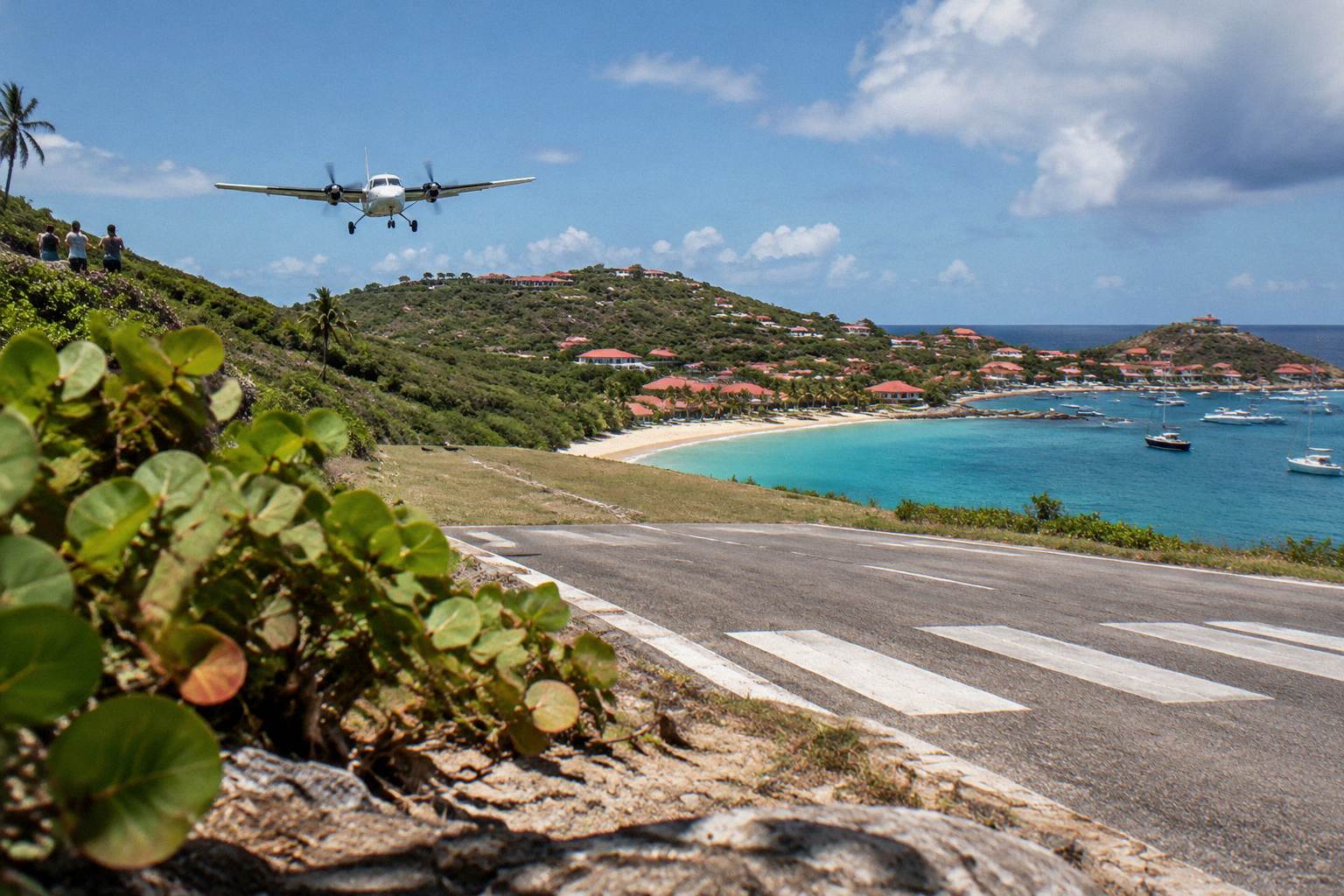
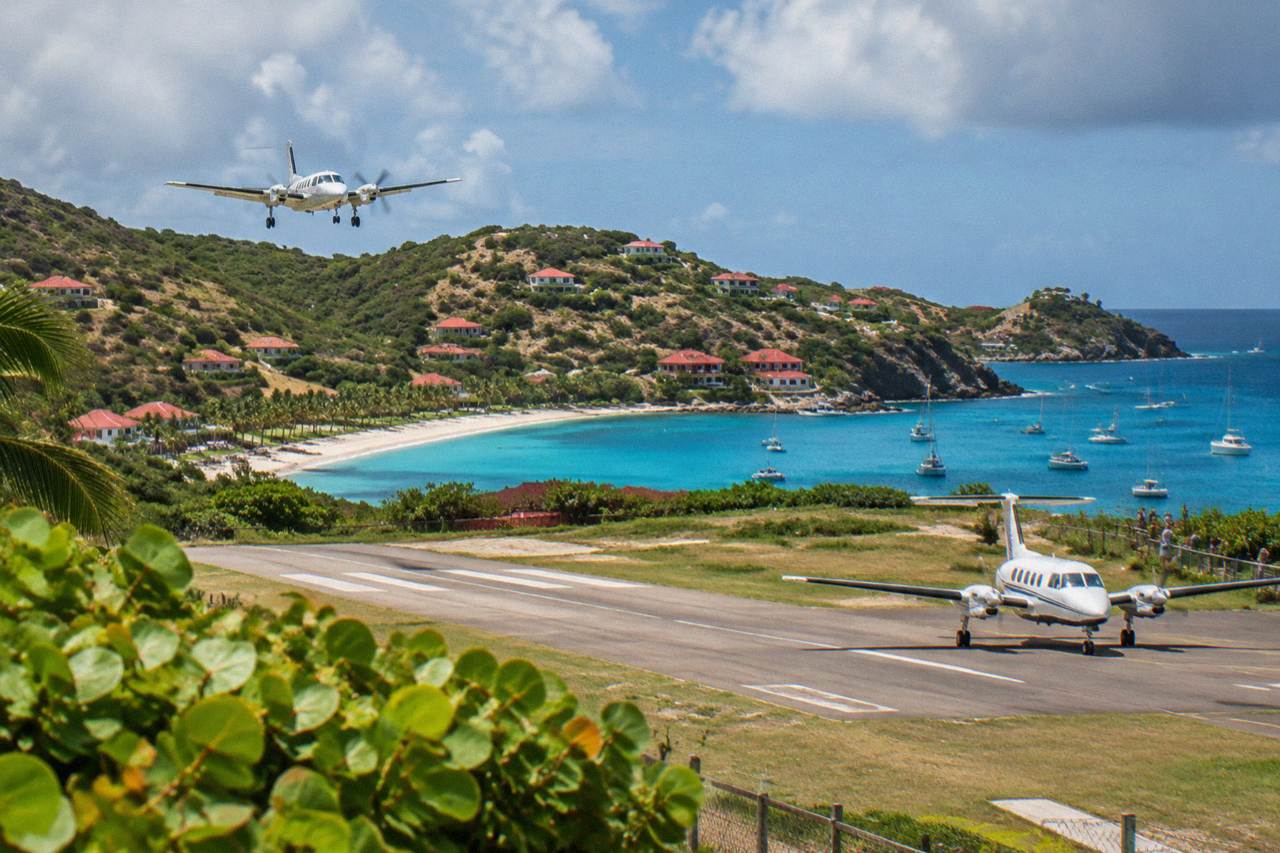
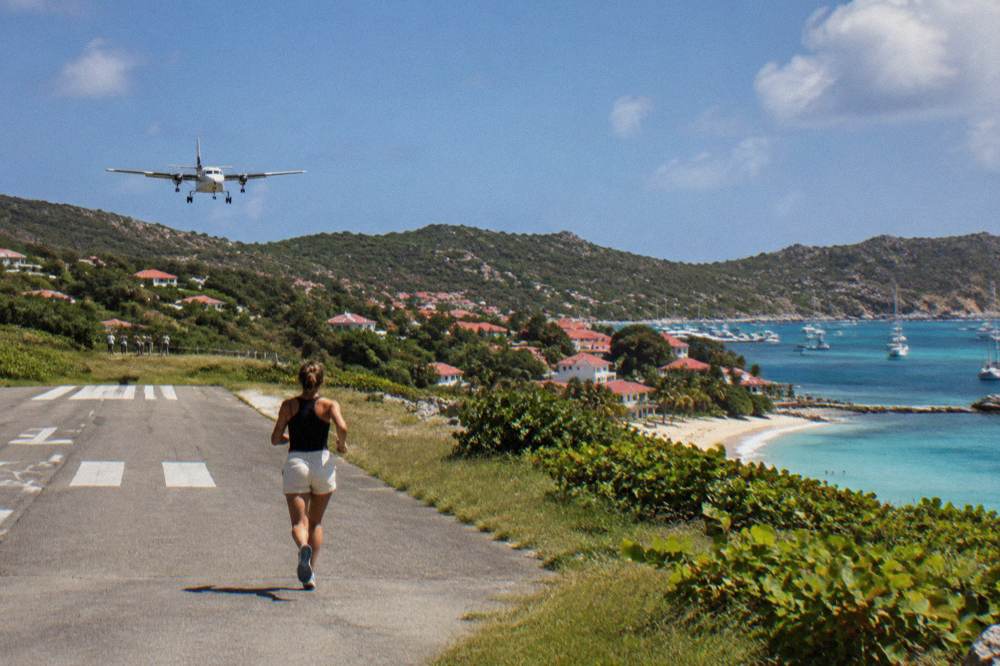
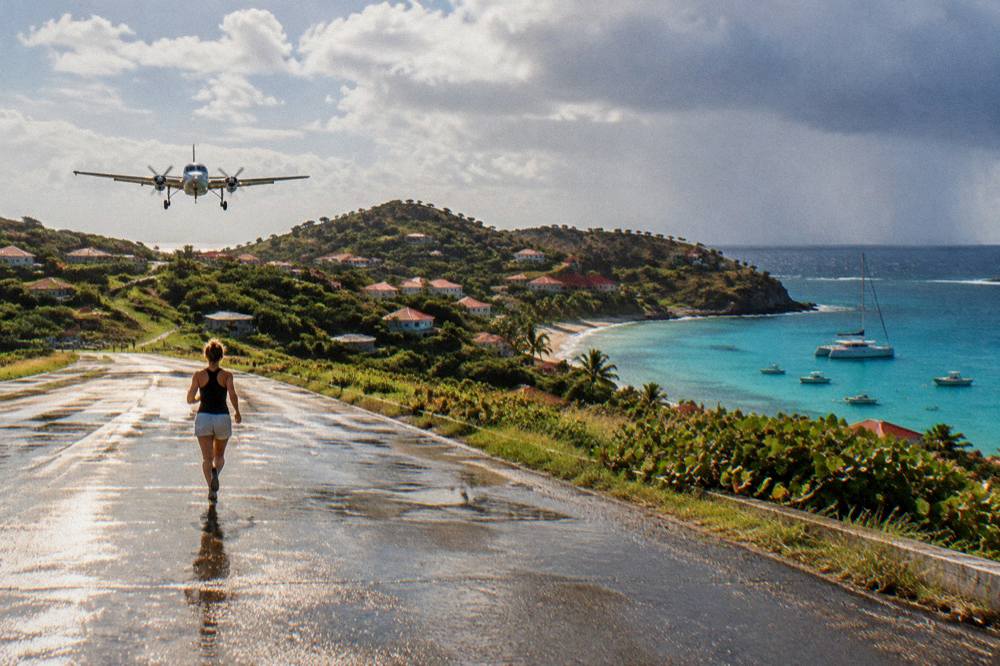
Arriving by air means landing at Gustaf III Airport, also called Remy de Haenen, whose 646-metre runway accepts only small STOL turboprops in daylight and visual conditions; document checks happen in a compact terminal, and the great majority of flights arrive from St Martin, St Maarten or other Caribbean gateways, because no jet aircraft operate into the island at all.
The airport's geography shapes the whole arrival experience. The runway is famously short, pilots need special certification for the approach, and operations are strictly daytime, visual-flight-rule only. That means diversions to St Martin happen in bad weather or late in the day, and it also means the planes are small: Cessna Caravans, Twin Otters and Pilatus PC-12 types rather than anything with jet engines. Luggage space is limited accordingly, which matters for the customs question of how much you bring.
Immigration and customs at SBH are quick by big-airport standards because the flows are small. Have the passport open, the address of the first night's accommodation to hand, and the onward ticket available if asked. The drive from the terminal into Gustavia or out to the beaches is a matter of minutes on the island's steep little roads, and the practicalities of the airport itself are covered in detail in the St Barts airport guide.
| Arrival route | Entry point | What to have ready |
|---|---|---|
| Small plane from St Martin or St Maarten | Gustaf III Airport, SBH | Passport, accommodation address, onward ticket |
| Small plane from San Juan or Antigua | Gustaf III Airport, SBH | Passport, accommodation address, onward ticket |
| Ferry from Philipsburg | Gustavia quay | Passport, ferry booking confirmation |
| Ferry from Marigot | Gustavia quay | Passport, ferry booking confirmation |
| Private boat or charter | Gustavia port | Passport, crew list where required by the port |
How Does Entry Work On The Ferry From St Martin?
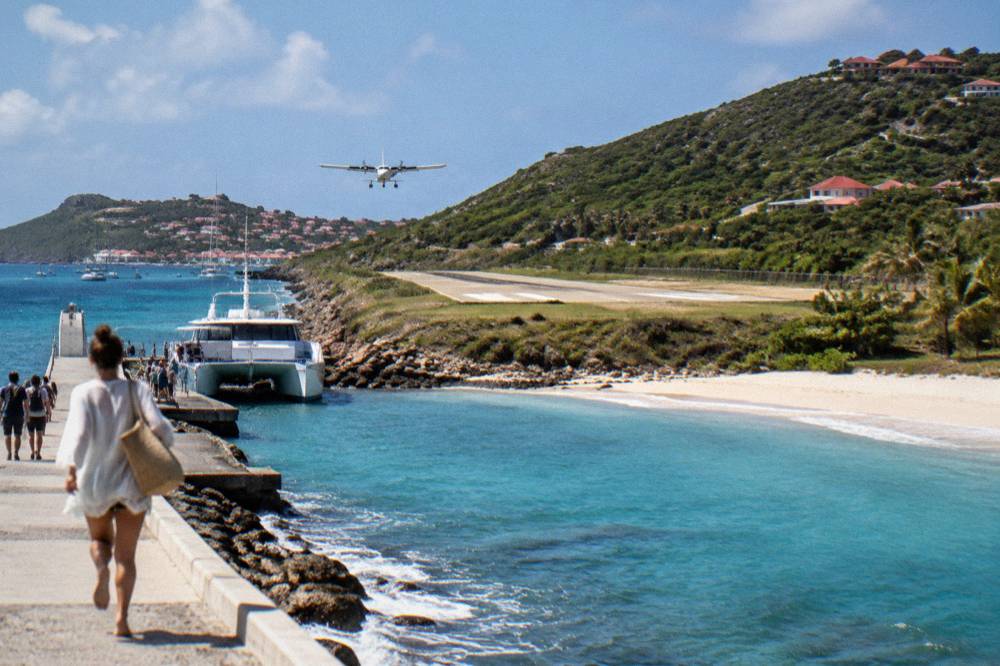
Ferry arrivals land at the quay in Gustavia, where passports are checked before departure and again on arrival; Great Bay Express runs from Philipsburg on the Dutch side and Voyager from Marigot on the French side, and the operators' pages state that check-in closes shortly before sailing, so the passport needs to be in hand at the terminal, not in a checked bag.
The two operators anchor the route. Great Bay Express departs from Bobby's Marina in Philipsburg, and Voyager departs from the Marigot ferry terminal on the French side, according to the operators' own pages. Both run several sailings a day in each direction in normal conditions, more in the high season, and both require a valid travel document: the crossing is an international border crossing even though it takes under an hour on the water.
The sea state on the crossing varies, and sailings are subject to weather. Arrive at the terminal with time to spare for check-in, keep the passport accessible, and expect to show it at both ends. The full operator picture, including seasonal notes, is in the guide to St Barts ferry operators and the schedule, and the connection from the main airport is covered in the page on getting from SXM airport to the St Barts ferry.
What Should Cruise Passengers Know About Entry?
Cruise ships anchor offshore and tender passengers into Gustavia by small boat, because St Barts has no cruise pier; entry formalities for tender passengers are handled as a ship's excursion under the vessel's arrangements, and the territory caps authorized cruise calls at ships of limited passenger capacity, keeping the port focused on small luxury vessels rather than mass-market ships.
The port authority does not publish a public cruise schedule, so the reliable sources for which ships call when are the cruise lines' own itineraries. The passenger cap is set by the territory's executive, and larger vessels need specific approval, which is why the ships seen at anchor off Gustavia tend to be the smaller luxury lines.
For a passenger coming ashore for the day, the practical entry point is the tender dock in Gustavia, within walking distance of the town's shops and restaurants. A passport is best carried ashore regardless of the ship's arrangements, since it is the standard identification for any unplanned need, and the shore-side picture is described in the guide to the St Barts cruise port.
What Can You Bring Through Customs Into St Barts?
Travelers enter St Barts under French overseas customs rules, which set the familiar prohibitions on narcotics and restricted goods, apply cash-declaration requirements for amounts equivalent to 10,000 euros or more, and otherwise treat personal luggage as French rules do; there is no separate St Barts duty-free allowance published for arriving visitors, so French overseas norms govern what can be brought in.
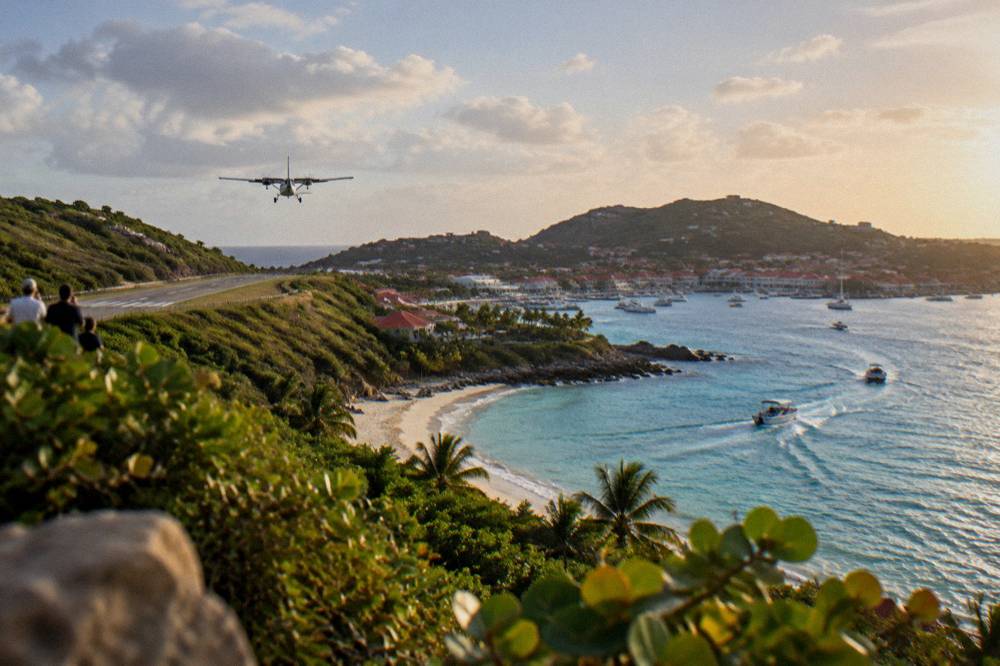
In practice, luggage on this island is light by design. The aircraft are small, the baggage hold is smaller, and the 646-metre runway gives every traveler a natural incentive to pack modestly. Alcohol and tobacco fall under French allowance rules; anything beyond personal quantities invites questions. Food imports follow French agricultural restrictions, so fresh produce and meat products are best left at home.
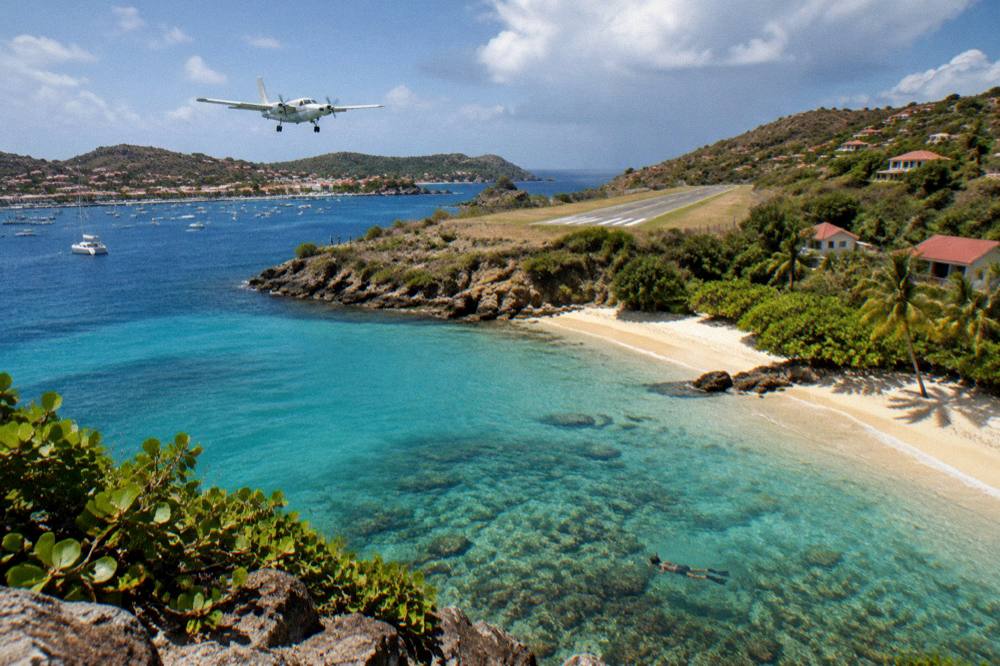
One St Barts-specific point: shells, coral and sand are protected in the marine reserve. The environment agency's regulatory-zones page bans collecting coral, plants, shellfish, crustaceans, sand, rocks and shells in its zones, so a pocketful of beach souvenirs can create a problem on the way out as well as in. Snorkeling visitors are asked not to touch turtles, corals or other protected species, and dogs are not allowed on the beaches.
| Item | Rule as it applies in St Barts |
|---|---|
| Passport | Required for entry, except EU citizens may use a national ID card |
| Onward ticket | May be requested for visa-free stays |
| Cash | Declaration required at 10,000 euros or more equivalent |
| Coral, shells, sand | Collection banned in the marine reserve's zones |
| Narcotics and restricted goods | Prohibited under French rules |
| Duty-free allowances | French overseas norms apply |
Do You Need Anything Else Beyond A Passport?
Beyond a valid passport and, where applicable, a visa valid for the territory, no additional authorization is reported for St Barts: ETIAS is not live and does not govern the territory, no UK-style electronic travel authorization applies, and no health-entry rule is reported for arriving visitors; an onward ticket and proof of accommodation are the supporting documents travel advice mentions.
That absence of extra systems is itself worth stating plainly, because search results for French destinations frequently surface ETIAS guidance that does not fit this island. St Barts is outside Schengen, so the coming European systems sit outside its entry regime. Nothing in the official travel advice for the territory mentions a local electronic authorization, a health form or a separate permit for tourists.
What does help is preparation: accommodation confirmation, return ticket, travel insurance documents, and a passport carried rather than packed. Travelers planning to marry on the island face a separate administrative process with document requirements of their own, which is covered in the guide to St Barts weddings.
The island's day-trip economy runs the other direction too, with boats arriving from St Martin and Sint Maarten throughout the season. Travelers combining a stay on St Martin with a St Barts visit often pair a ferry crossing or a short flight with a day on the water around Colombier and Ile Fourchue, and the site's overview of things to do in St Barts collects the options that exist on and around the island.
How Early Should You Sort Out Entry Paperwork?
Entry paperwork for St Barts is best settled the moment flights or ferries are booked, because the two decisions that cause problems are a passport close to whatever validity threshold your government advises and a visa assumed from a Schengen trip; both should be checked against your own government's current travel advice before any money is paid, since governments phrase validity and document rules differently.
The sequence that works: confirm the passport meets the current advice for your nationality; confirm the visa position for your citizenship, which for US, UK, EU and Canadian citizens is reported visa-free for up to 90 days; book the gateway travel through St Martin, San Juan, Guadeloupe or Antigua; and only then add the St Barts leg, whether that is a small plane or a ferry. Each of those steps has its own cancellation terms, and paperwork problems found late are expensive.
For US travelers, the routing picture is laid out in the guide to flying to St Barts from the US, and the Winair connection from St Maarten is described on the Winair St Barts page. Travelers planning a New Year trip, when the island is at its busiest, should read the St Barts New Year's Eve guide alongside this one, since document checks are the same but timing is everything.
| Step | When | Why |
|---|---|---|
| Check passport against your government's advice | Before booking anything | Validity rules differ between governments |
| Confirm your visa position | Before booking | Schengen visas do not cover St Barts |
| Book gateway travel to St Martin | Early | The island is reached via a gateway |
| Book the small plane or ferry leg | With the gateway booking | Small aircraft and ferries have limited capacity |
| Carry onward ticket and accommodation details | On the day | May be requested at check-in or on arrival |
What Happens If Your Entry Point Is Disrupted?
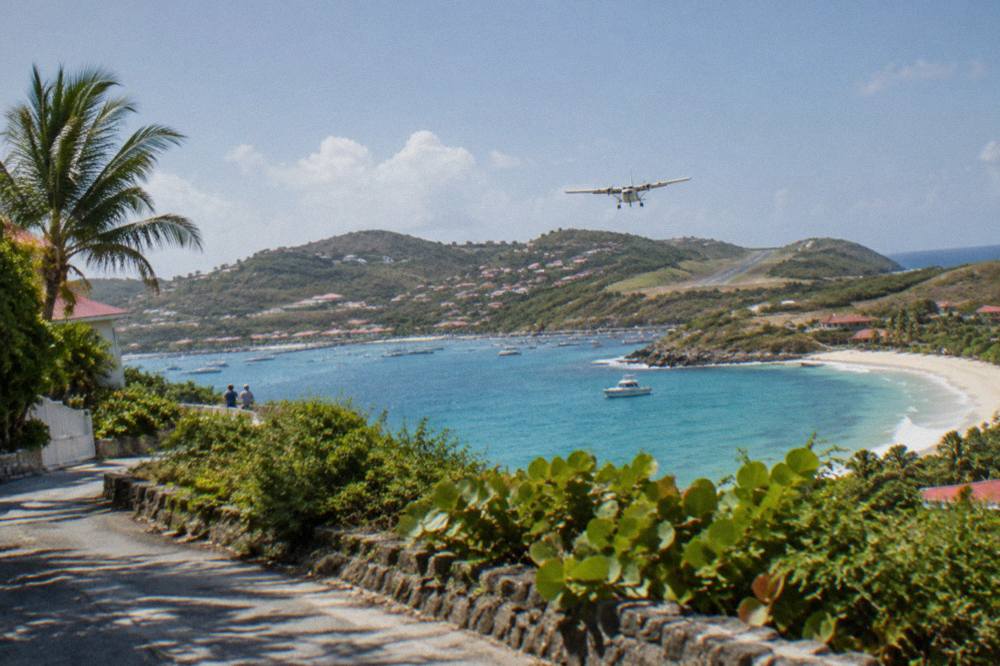
Disruption at St Barts usually means weather rather than bureaucracy: the airport operates in daylight and visual conditions only, so fog, heavy rain or a rough sea state can push flights back to St Martin or delay ferry sailings, and travelers should build connection slack into any same-day itinerary that ends in St Barts, especially in the hurricane season from 1 June to 30 November.
The airport's operating window closes shortly after sunset because the runway has no lighting, and the approach requires visual conditions over rising terrain. When the weather does not cooperate, aircraft divert or return to St Maarten and passengers travel later the same day or the next morning. Ferries face the same logic from the sea side: the crossing between St Martin and St Barts is open water, and operators state that sailings are subject to weather.
The buffer that solves nearly every problem is a night on St Martin or Sint Maarten either side of the St Barts stay. It turns a missed connection into an evening in Marigot or Philipsburg rather than a lost day, and it gives the weather a window to clear. During the peak of hurricane season, mid-August to mid-October, that buffer earns its keep more often, and no forecast for a specific date can be promised at any time of year.
Common Questions About St Barts Entry Requirements
Do US citizens need a passport for St Barts?
Yes. A US citizen needs a valid passport book; the passport card is not accepted for air travel. US citizens are reported to stay visa-free for up to 90 days with an onward ticket, and current validity guidance should be checked on the US government's travel advice before booking.
Is St Barts part of the Schengen area?
No. St Barts is a French overseas collectivity that sits outside the Schengen area, so a Schengen visa does not authorize entry and the planned ETIAS and EES systems do not govern arrivals there.
Do you need a visa for St Barts?
US, UK, EU and Canadian citizens are reported to need no visa for stays of up to 90 days. Nationals of visa-required countries need a visa specifically valid for St Barthelemy, applied for through the French visa system.
Is there a tourist tax in St Barts?
Yes, a tourist tax applies and is collected by hotels, villas and guesthouses on the guest's bill under the territory's own rules. It is not paid at the airport or ferry terminal, and the current rate should be confirmed with the accommodation at booking.
Do cruise passengers clear customs in Gustavia?
Cruise passengers arrive by tender boat, since there is no cruise pier. Shore formalities are handled under the ship's arrangements, and carrying a passport ashore is the sensible default identification.
Can you bring shells or coral home from St Barts?
No. The marine reserve's rules ban collecting coral, shells, sand, rocks and marine plants in its zones, so these souvenirs create a customs problem on departure as well as an environmental one on arrival.
Getting the documents right is the least glamorous part of a St Barts trip and one of the easiest: a valid passport, the right visa position for your citizenship, an onward ticket, and a buffer for the weather on the last leg. Everything after that, from the airport approach to the first swim off Colombier, is the part the island is known for.