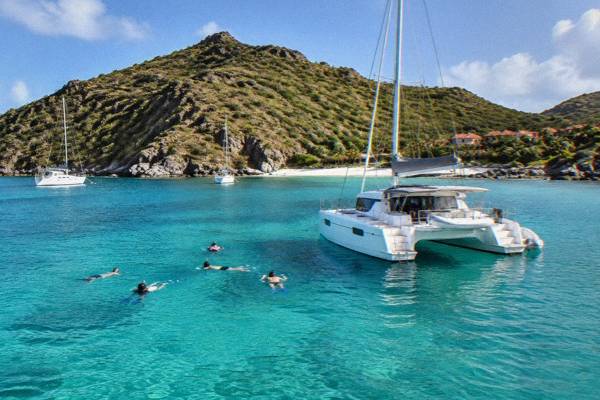
Clothing-Optional Beaches In St Barts
St Barthelemy, the small French island in the Caribbean usually written St Barts, has no official nude beach, but French-influenced norms make topless sunbathing widely accepted and full nudity quietly tolerated at the far ends of a few undeveloped beaches. This guide reports what the rules actually say, which shores are associated with the tradition, and how to reach them.
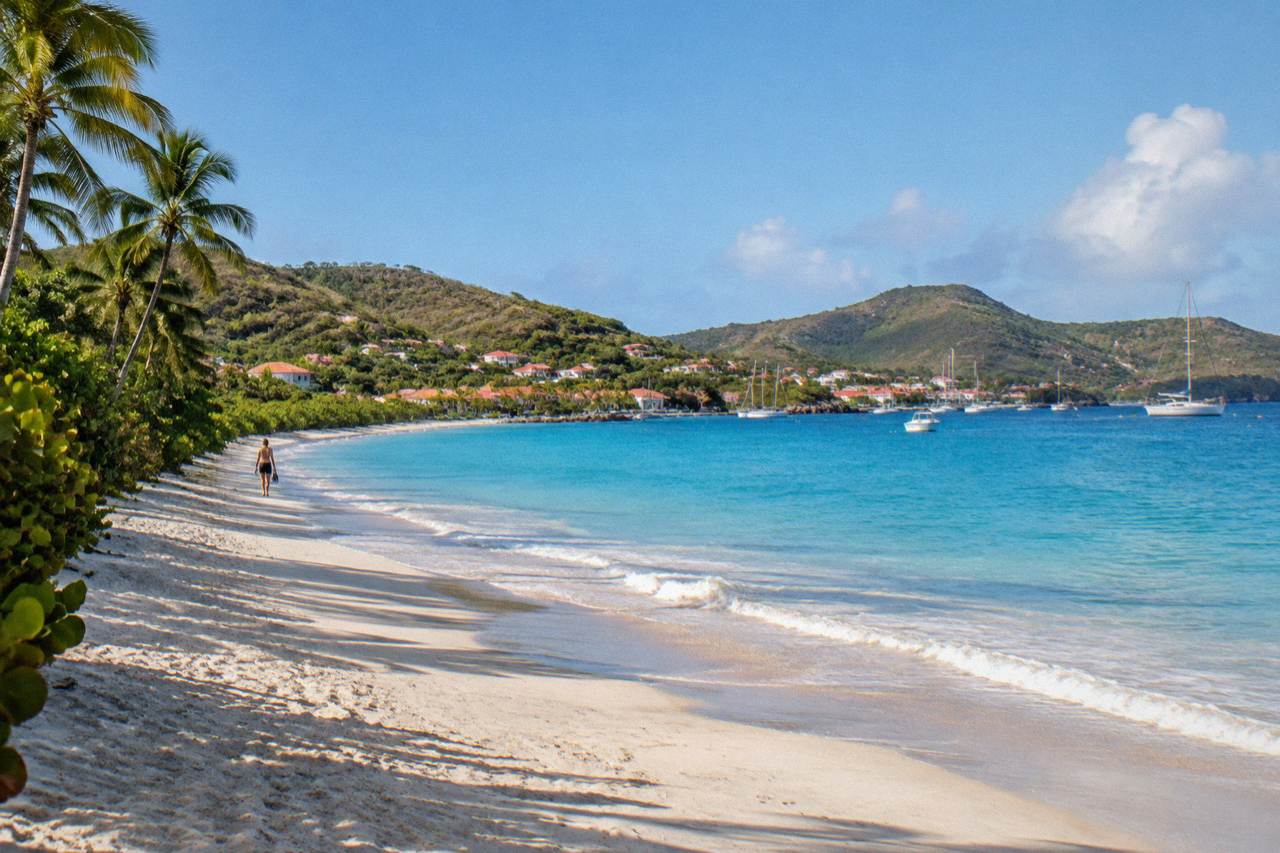
Public nudity is technically illegal in St Barts and no beach is officially clothing optional, but topless sunbathing is widely accepted under French-influenced norms, and discreet full nudity is traditionally tolerated at the far ends of Saline, Gouverneur and parts of Colombier.
St Barthelemy, the French Caribbean island known as St Barts, has no officially designated nude beach. All of its beaches are public, and public nudity is technically illegal under the rules that apply on the island. In practice, French-influenced norms shape how people use the sand: topless sunbathing is widely accepted across many beaches, and discreet full nudity has long been tolerated, by tradition, at the far ends of a few quieter shores, above all Saline and Gouverneur, and sometimes remote parts of Colombier. This guide from St Barthelemy Travel reports what the rules say, which beaches carry the tradition, and how to plan a day around them.
Are There Nude Beaches In St Barts?
No beach in St Barts is officially clothing optional. All beaches on the island are public, public nudity is technically illegal, and there is no designated nude beach; however, topless sunbathing is widely accepted under French-influenced norms, and discreet full nudity is traditionally tolerated at the far ends of Saline, Gouverneur and sometimes Colombier, always away from entrances and families.
That is the whole picture in one paragraph, and the details matter. The distinction is between what the law says and what long-standing practice allows. The tourism committee describes St Barts beaches as public and free to access, and the environment agency publishes rules on dogs, wildlife and boating, but neither body maintains a nudity policy page. What exists instead is an etiquette: nudity stays at the far, quieter ends of the beach, people cover up when walking to and from the water or the trailhead, and nobody photographs other beachgoers. Visitors who follow those unwritten rules are respecting a tradition, not exercising a legal right, and treating it that way keeps it alive for everyone.
It is also worth being clear about what does not exist. There is no nudist resort, no official naturist zone and no beach club dedicated to clothing-optional use. The beach guide by coast and the best-for beach guide cover the full range of public shores, and none of them carries a formal clothing designation. The two beaches most associated with the tradition, Saline and Gouverneur, are simply undeveloped, without beach clubs or vendors, which is exactly why the custom took hold there.
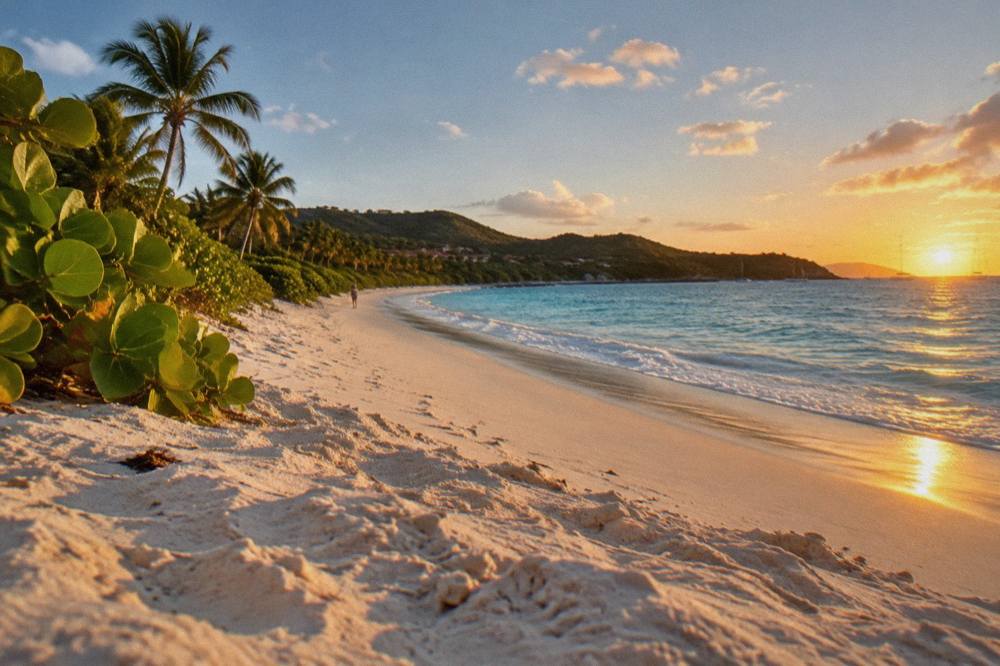
Which St Barts Beaches Are Associated With Clothing-Optional Use?
Saline, on the island's south coast, and Gouverneur, on the south-west coast, are the two beaches traditionally associated with discreet full nudity at their far ends, and remote parts of Colombier, on the north-west tip, sometimes see the same practice. Topless sunbathing, by contrast, is widely accepted on many of the island's public beaches, including Saline, Gouverneur and Flamands.
Saline and Gouverneur share the qualities that made them the traditional spots: they are undeveloped, with no beach clubs, and they are long enough that the far ends sit well away from the main access points. The custom, as described in local guides, is that anyone seeking full nudity walks to the far end and settles there, away from families near the entrance. Colombier is a different case again: it is reached by boat or by a walk over the headland, which keeps numbers low, and its remoteness means the same discretion-based practice occasionally appears there. The Saline beach page and the Gouverneur beach page cover the practical details of both shores.
What holds the tradition together is discretion, not geography. The local etiquette, repeated across island guides, is consistent: no photography of other beachgoers, cover up when moving around or leaving, keep distance from families and entrances, and keep it low-key. Nudity near a beach entrance would end the tolerance quickly. Anyone unsure can simply stay topless, which draws no attention anywhere on the island, and read the beach on arrival: if the far end already has nude sunbathers, the tradition is in effect that day; if not, there is nothing to join.
| Beach | Map position | Access style | Association with clothing-optional use |
|---|---|---|---|
| Saline | South coast, east of Gouverneur | Walk in from the parking area over a low dune | Far end traditionally discreet-nude; topless widely accepted |
| Gouverneur | South-west coast | Short walk from parking to sand | Far end traditionally discreet-nude; topless widely accepted |
| Colombier | North-west tip behind the headland | By boat or by a walk over the trail | Occasional discreet nudity; remoteness keeps it low-key |
| Flamands | North-west coast | Road access from the coast road | Topless accepted; no full-nudity tradition |
| Saint-Jean | Middle of the north coast, by the airport | Direct road access | Topless accepted; busy, family-heavy shore |
| Grand Cul-de-Sac | North-east coast | Direct road access, calm lagoon area | Topless accepted; no full-nudity tradition |
For travelers planning to combine several shores in one trip, the beach hopping itinerary strings the public beaches together by coast, and the answers page on the nicest beach in St Barts covers the question from a different angle.
Is Topless Sunbathing Legal In St Barts?
Topless sunbathing is widely accepted across St Barts beaches and, in practice, draws no official attention, reflecting the French cultural norms of this French overseas collectivity; no beach posts a rule against it, and local guides describe it as common rather than exceptional, though technically only full public nudity, not toplessness, sits in a legal grey zone that the island handles by tradition.
The clean way to understand the distinction: full nudity is the practice that sits on uneasy legal footing and survives through discretion, while toplessness is simply part of island life. A visitor arriving from North America sometimes expects topless sunbathing to be confined to one beach or one cove, and it is not. It appears on busy shores like Saint-Jean and on quiet ones like Corossol alike, and nobody comments on it. The Saint-Jean beach page and the Corossol beach and village page both describe ordinary public beaches where the norm applies.
That said, context still matters. The unwritten rules of respect apply to topless sunbathing too: families cluster near entrances, so the further ends of any beach are the natural place to settle, and the same no-photography etiquette protects everyone. Beach clubs are a separate environment with their own dress expectations, and the beach clubs guide covers that scene. For beachfront accommodation within walking distance of the sand, the beach hotels guide lists the properties by shore.
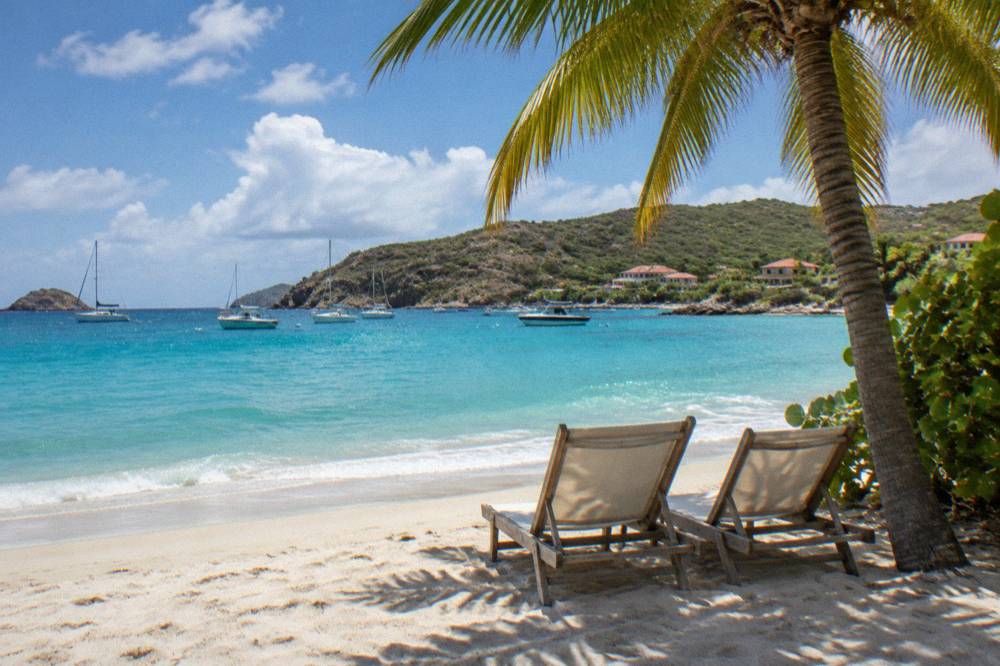
For those who want to see the island's beaches from the water rather than only from the sand, the boat tours are the natural fit, since every bookable option departs from St Martin or Sint Maarten and reaches St Barts by sea.
What Rules Apply On All St Barts Beaches?
St Barts beaches are all public and free to access, but island-wide rules prohibit dogs on every beach even on a leash, under a longstanding municipal order, and the marine nature reserve adds a 5-knot boat speed limit in its zones, a ban on jet skis, protection for sea turtles and other species, and a ban on touching, chasing or feeding protected marine life, according to the environment agency.
The dog rule surprises many visitors, and it applies island-wide rather than only inside the reserve. The environment agency's beach page explains the reasoning: protecting birds, reptiles and nesting turtles, and preventing sand pollution. Signs stand at beach entrances, and violating the order is an infraction subject to a fine, so travelers planning an island trip should leave pets at home rather than test the rule.
The marine reserve rules matter most at exactly the beaches associated with clothing-optional use, because Saline and Colombier sit in or beside reserve zones. The environment agency's regulatory-zones page lists the specifics: no touching or disturbing turtles, corals, urchins, starfish, sharks or rays; no collecting coral, shells, sand or rocks; no gloves in the water; no jet skis, seabobs, electric surfboards or towed sports in reserve waters; and drones are prohibited near or within reserve zones without authorization. Anchoring rules and ecological mooring buoys apply in Colombier and Ile Fourchue bays, with no vessels over 25 meters. Swimmers and snorkelers who keep their hands to themselves and their cameras pointed at wildlife from a distance are within every rule.
| Rule | Where it applies | Who publishes it |
|---|---|---|
| No dogs on beaches, even on a leash | Every beach island-wide | Environment agency beach page, citing a longstanding municipal order |
| No touching, chasing or feeding turtles, corals, rays or other protected species | All reserve zones, in water and on land | Environment agency regulatory-zones page |
| No collecting coral, plants, shellfish, crustaceans, sand, rocks or shells | Reserve zones | Environment agency regulatory-zones page |
| No jet skis, seabobs, electric surfboards or towed sports | Reserve zones | Environment agency regulatory-zones page |
| 5-knot speed limit on the water | Reserve zones | Environment agency regulatory-zones page |
| No drones without authorization | In and near reserve zones | Environment agency regulatory-zones page |
| No vessels over 25 m; ecological mooring buoys preferred | Colombier and Ile Fourchue bays | Environment agency regulatory-zones page |
Sea turtles are a special case worth understanding, because they nest on St Barts beaches and feed in the bays. The environment agency asks that nests or sightings be reported to it directly, and that people reduce light and noise near nesting areas. The sea turtles guide covers the island's broader wildlife, and snorkelers should note that the best practice everywhere is observation at a distance.
How Do You Reach Saline, Gouverneur And Colombier?
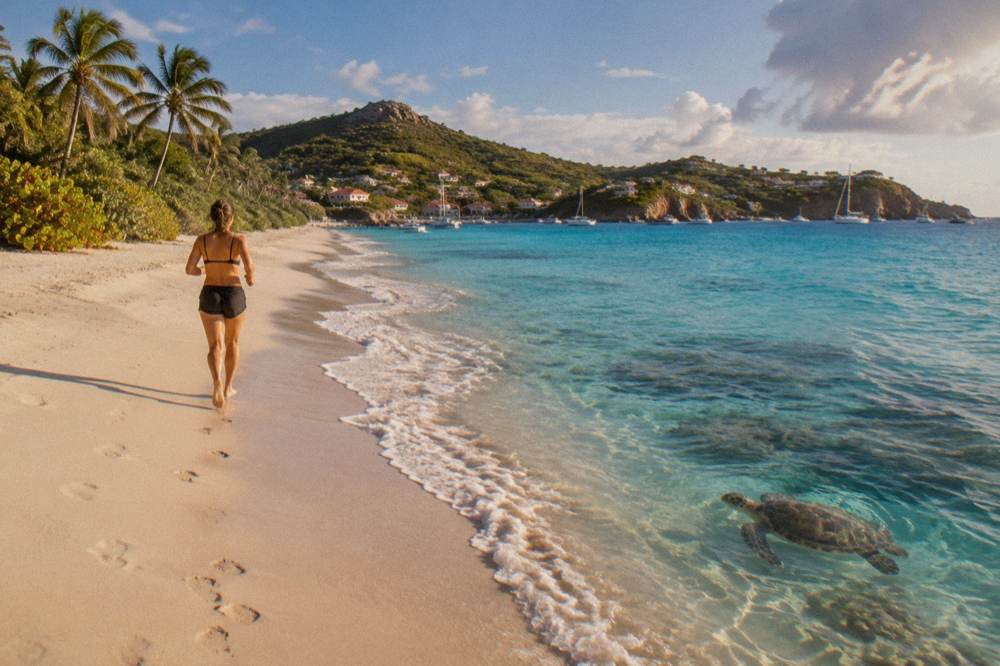
Saline and Gouverneur are reached by road on the island's south side, each with a parking area and a short walk over low ground to the sand, while Colombier is reached only by boat or by a walk over the headland trail on the north-west tip, and a rental car or taxi is the practical way to reach the two road-accessible beaches from Gustavia or the airport.
The practical planning point is that the two main clothing-optional-associated beaches are easy, and the third is not. Saline and Gouverneur sit close together on the south coast, so a single morning covers both, and travelers typically pick one and settle for the day. Colombier rewards effort: the trail over the headland gives no shade on a hot afternoon, and the boat option delivers snorkeling in the bay on the way in. The Colombier hike page covers the trail, and the Colombier beach page covers the bay itself. No walking time or trail length is available.
For visitors arriving without a car, taxis connect Gustavia with the beach areas, and the island's roads are narrow, winding and steep, which is worth knowing before renting. The standard speed limit is 50 km/h island-wide with 30 km/h in Gustavia and St Jean, and driving is on the right, following French rules. Rental counters at the airport include Avis, Budget and Hertz, alongside local agencies offering Mini Mokes, and the getting around guide segment on the site covers the options. Book ahead for the December to April period, when demand peaks.
The alternative to the trail at Colombier is the sea. A group sailing trip from St Martin visits Colombier Bay and Ile Fourchue with snorkeling stops, which is the simplest way to combine the island's most remote beach with a day on the water. It departs from St Martin or Sint Maarten, like every bookable tour listed here, and returns the same evening. See the live listing for the dates of a trip.
What Etiquette Should You Follow On A Clothing-Optional Beach In St Barts?
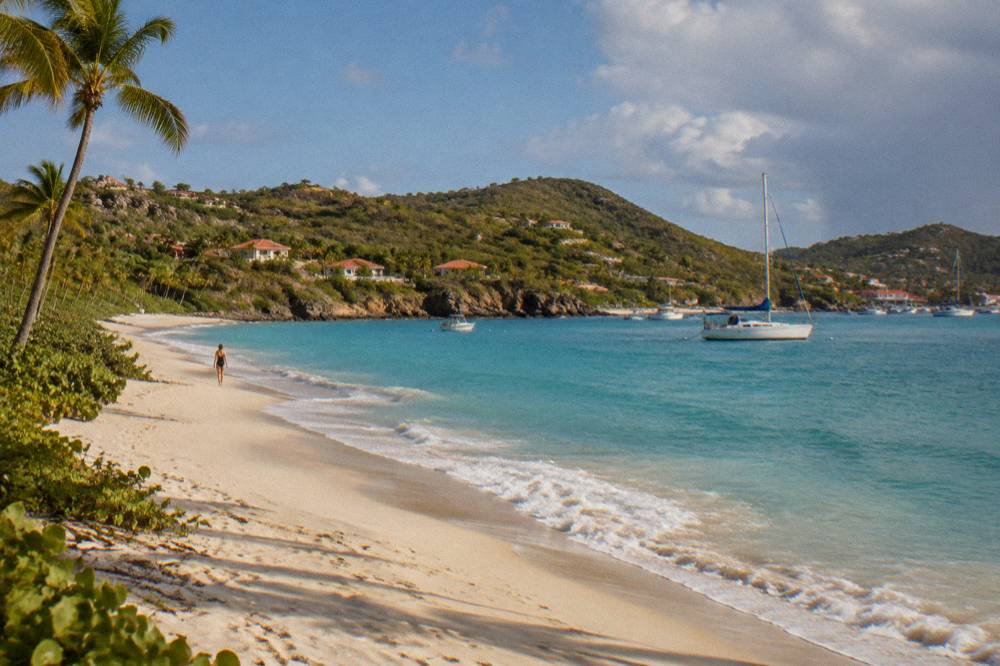
The etiquette is discretion: walk to the far end of the beach away from entrances and families, undress only after settling, cover up whenever moving to or from the water or leaving, never photograph other beachgoers, keep noise low, and respect that the tolerance is a tradition rather than a right, so a single disregard can end the practice for the day at that beach.
Every local guide that addresses the topic returns to the same few points, and they are worth listing plainly. The far end of the beach is the place for nudity, not the entrance or the middle. Covering up while walking is basic politeness, and it protects the tolerance itself: families near the entrance never chose a clothing-optional beach, they chose a public one, and the tradition works only because the two groups rarely meet. Photography is the fastest way to end the arrangement, and it applies equally to phones and to cameras, clothed and unclothed subjects alike.
The second tier of etiquette concerns the setting rather than the people. Saline and Colombier sit in or beside protected nature zones, so the environment agency's rules on collecting, drones and wildlife apply with full force, and beachgoers should carry out everything they carry in. Noise matters too: these beaches are quiet by design, with no vendors and no beach clubs, and loud music changes the character of the shore for everyone on it. The Flamands beach page and the Marigot beach page describe quieter public shores where the same general courtesy applies even without any clothing-optional tradition.
| Situation | Expected behavior | Why it matters |
|---|---|---|
| Arriving at Saline or Gouverneur | Walk past the entrance area before settling | Families cluster near access points |
| Undressing | Do it at the far end, after settling in | Discretion sustains the tolerance |
| Walking to the water or leaving | Cover up | Entrance areas are shared public space |
| Seeing other nude sunbathers | Keep distance, no staring, no photos | Photography ends the arrangement |
| Meeting families or children | Stay at the far end, remain low-key | The beach is public for everyone |
| Wildlife in the water or on sand | Observe only, never touch, report turtle nests to the environment agency | Reserve rules protect turtles and corals |
| Drones | Leave them packed near reserve zones | Authorization is required |
When Is The Best Time Of Year For Beach Days In St Barts?
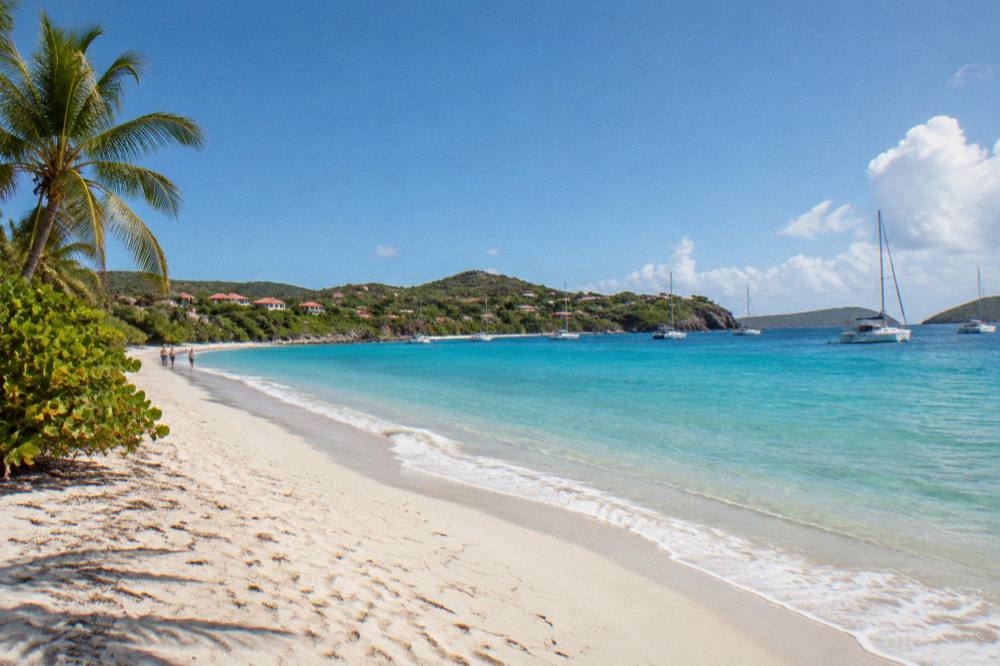
The Meteo-France normals for St Barthelemy, 1991-2020, show a mean daily high of 28.5 C in January rising to 31.7 C in September, with 891.3 mm of rain across the year and October the wettest month at 135.6 mm, so the December-to-April period combines warm temperatures with the lowest monthly rainfall, while hurricane season runs 1 June to 30 November with its peak from mid-August to mid-October.
The climate table tells the story month by month. February is the month with the lowest rainfall total in the normals at 38.4 mm, and the December-through-April stretch carries the smallest rain figures of the year while staying warm throughout. The sea is warm year-round, roughly 26 C in winter to about 29 C from August to October, so swimming is never the limiting factor; rain and, in autumn, storm risk are what shape the calendar. The trade-off in the high season is demand, not weather: ferries, rentals and rooms fill first, and the beaches are at their busiest.
The shoulder months of May and June sit in an interesting middle ground: the normals show moderate rainfall, temperatures are warm, and the crowd pressure of the winter season has passed. The autumn is different. Hurricane season's statistical peak sits near 10 September, and October carries the highest rainfall in the normals, which is also when many hotels and restaurants close for their annual break before reopening between mid-October and early November. The storm question is covered in full on the site's hurricane-season pages, and no prediction of any storm belongs here.
| Month | Mean daily high (C) | Mean daily low (C) | Rain (mm) |
|---|---|---|---|
| January | 28.5 | 23.5 | 52.6 |
| February | 28.6 | 23.3 | 38.4 |
| March | 29.0 | 23.5 | 41.4 |
| April | 29.8 | 24.2 | 50.9 |
| May | 30.7 | 25.1 | 61.7 |
| June | 31.2 | 25.9 | 56.0 |
| July | 31.2 | 26.0 | 80.4 |
| August | 31.6 | 26.3 | 79.6 |
| September | 31.7 | 26.2 | 96.9 |
| October | 31.4 | 25.8 | 135.6 |
| November | 29.9 | 25.0 | 118.6 |
| December | 28.9 | 24.1 | 79.2 |
Meteo-France normals, 1991-2020, are the source for every figure above, and they describe averages rather than any particular day or year. A beach day in any month is a matter of luck as much as planning, but the pattern is consistent: warm always, wetter in autumn, busiest in winter.
Can You Combine A Clothing-Optional Beach Day With A Boat Trip?
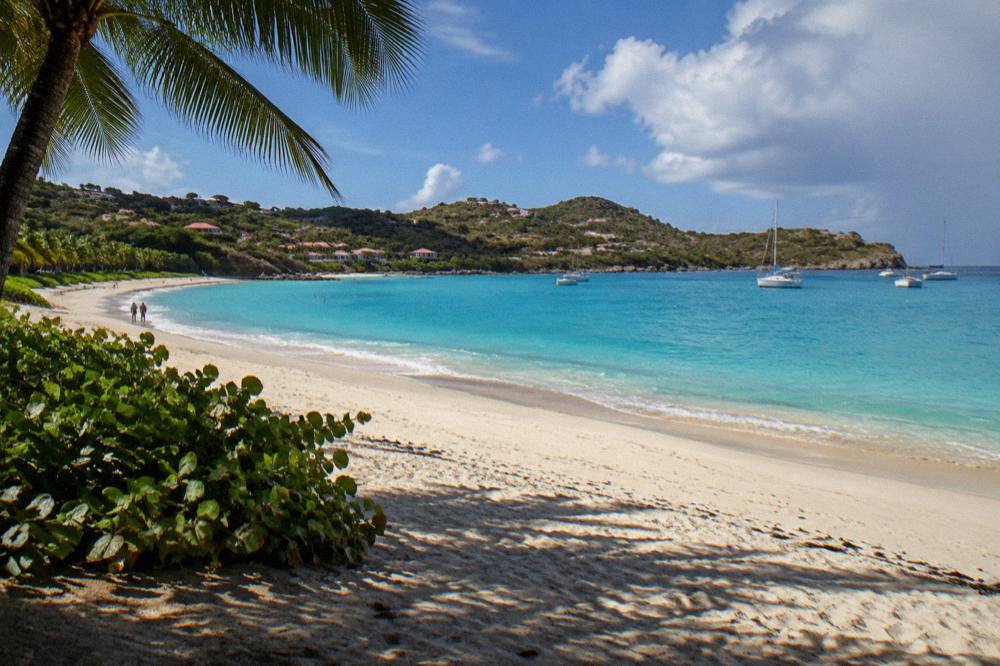
Yes, and it is a common pairing: a full day on St Barts can cover Saline or Gouverneur by car in the morning and a swim stop elsewhere in the afternoon, while travelers staying on St Martin or Sint Maarten can take a boat tour that reaches Colombier Bay and Ile Fourchue by sea, with every bookable option listed here departing from the St Martin side, never from St Barts itself.
The geography makes the combination natural. Colombier, the one clothing-optional-associated beach without road access, is a standard stop on sailing trips from St Martin, so a traveler can snorkel the bay and step onto the sand without walking the headland trail at all. Saline and Gouverneur, by contrast, are land-based mornings: drive south, walk in, claim a spot at the far end, and let the day run long. Visitors who want both a shore day and a water day usually plan two days, one for the car and one for the boat.
The choice among boat options comes down to how the group wants to travel. A shared sailing day priced per person suits solo travelers and couples; a private charter priced per group suits families and friends who want the itinerary to themselves, including a longer stop at a chosen bay. The one per-person group sail listed here runs only from 12 May to 31 August 2027 on its listing, which places it squarely in the shoulder and summer season, while the private charters run on their own calendars. Below, the trio of the sailing day and two charter options shows the spread of prices and styles.
A private charter also solves the access question at Colombier in comfort, arriving from the St Martin side with snorkeling gear on board and no trail to walk.
To skip the trail and snorkel Colombier straight from the boat, book a full day private charter.
And for a slower version of the same idea, an overnight private catamaran turns the crossing and the bay into a two-day trip, with the night spent aboard rather than ashore.
What Should Families Know About Beaches In St Barts?
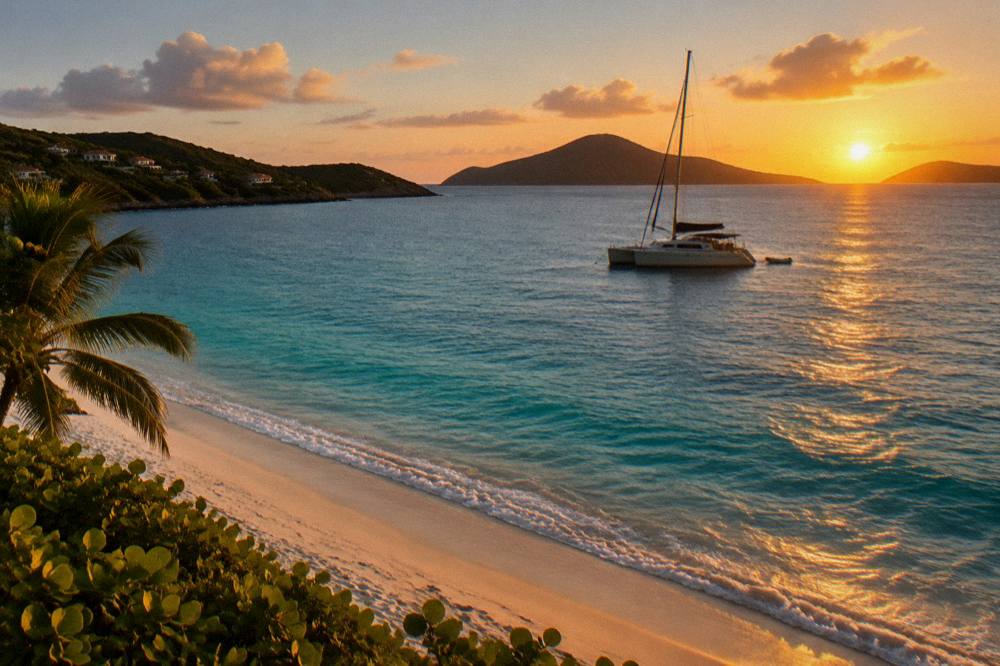
Families should know that every St Barts beach is public and family-friendly, that topless sunbathing may appear on any of them as a normal part of French-influenced beach culture, and that full nudity, where tolerated, is confined by custom to the far ends of a few undeveloped beaches well away from entrances, so a family settling near an access point is unlikely to encounter it.
The practical advice follows from the geography of the custom. Beaches with easy road access and a family scene, such as Saint-Jean, Grand Cul-de-Sac and Lorient, carry no full-nudity tradition at all, and the Grand Cul-de-Sac beach page and the Lorient beach page describe ordinary public shores. At Saline and Gouverneur, a family that stays near the parking-side entrance is in the mainstream part of the beach, while the far ends are where the discretion-based tradition lives. Nothing forces the two groups to mix, and on a normal day they do not.
The reserve rules also work in families' favor in one respect: the island-wide dog ban keeps beaches clear of unleashed pets near nesting birds and turtles, and the no-jet-ski rule inside reserve zones keeps parts of the water quiet. The environment agency's beach guidance is aimed at exactly this shared use, protecting wildlife while keeping the shores open and free for everyone. Parents should simply apply the usual island precautions, sun protection above all, since shade on the undeveloped southern beaches is limited to vegetation at the margins.
| Family planning point | What to expect |
|---|---|
| Beach access | All beaches public and free; no entry fees |
| Topless sunbathing | May appear on any beach as normal local practice |
| Full nudity | Confined by custom to far ends of Saline, Gouverneur and sometimes Colombier |
| Dogs | Prohibited on all beaches island-wide, even on a leash |
| Jet skis | Banned in reserve zones, including the Saline and Colombier areas |
| Turtles and nests | Report sightings to the environment agency; never touch |
| Best family shores by access | Saint-Jean, Grand Cul-de-Sac, Lorient, Flamands |
Common Questions About Nude Beaches In St Barts
Are there official nude beaches in St Barts?
No. Every beach in St Barts is public, none is officially designated clothing optional, and public nudity is technically illegal. Discreet full nudity is traditionally tolerated at the far ends of Saline, Gouverneur and sometimes Colombier, as a matter of custom rather than law.
Is topless sunbathing allowed in St Barts?
Topless sunbathing is widely accepted across the island's beaches and is a normal part of French-influenced beach culture in St Barts. No beach posts a rule against it, and local guides describe it as common rather than exceptional.
Which beach is the main clothing-optional beach in St Barts?
Saline, on the south coast, is the beach most associated with the tradition, followed by Gouverneur nearby and remote parts of Colombier. In each case the practice sits at the far end of the beach, away from entrances.
Can you be fined for nudity on a St Barts beach?
Public nudity is technically illegal, and the tolerance at the far ends of certain beaches is a custom rather than a right. Local guides emphasize discretion precisely because the arrangement depends on it. No fine figure for nudity appears in any source.
Is Saline beach clothing optional?
Not officially. The full answer is on the site's dedicated page, but in short: Saline is a public beach where discreet full nudity is traditionally tolerated at the far end, and topless sunbathing is widely accepted along its length.
Are dogs allowed on St Barts beaches?
No. Dogs are prohibited on all beaches island-wide, even on a leash, under a longstanding municipal order, enforced to protect birds, reptiles and nesting turtles.
The tradition on St Barts is quietly held: the beaches are public, the tolerance is customary, and the etiquette that keeps it working is simply discretion and respect for the people and wildlife sharing the sand.