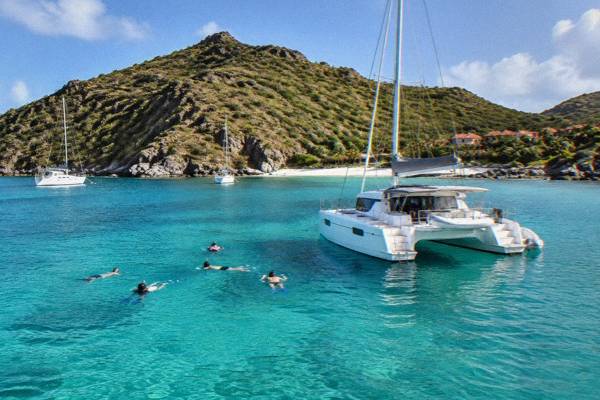
What Is The Nicest Beach In St Barts?
There is no official nicest beach in St Barts, but Saline, Gouverneur, Colombier, Saint-Jean and Shell Beach each answer a different idea of nice. Here is how to choose, with rules, seasons and boat options.
St Barthelemy, usually written St Barts, is a small French island in the Caribbean of about 21 square kilometres, and nearly all of its shoreline is made of public beaches: Saint-Jean, Gouverneur, Saline, Shell Beach, Flamands, Colombier, Grand Cul-de-Sac, Lorient, Toiny, Marigot and Corossol, to name the ones on the tourism committee's own list. Nobody ranks them officially. The tourism committee states that every beach on the island is public and free to access, and beyond that it leaves the judgment of which one is nicest to each visitor. A factual comparison, by map position and by how each shore is reached, is what this page gives.
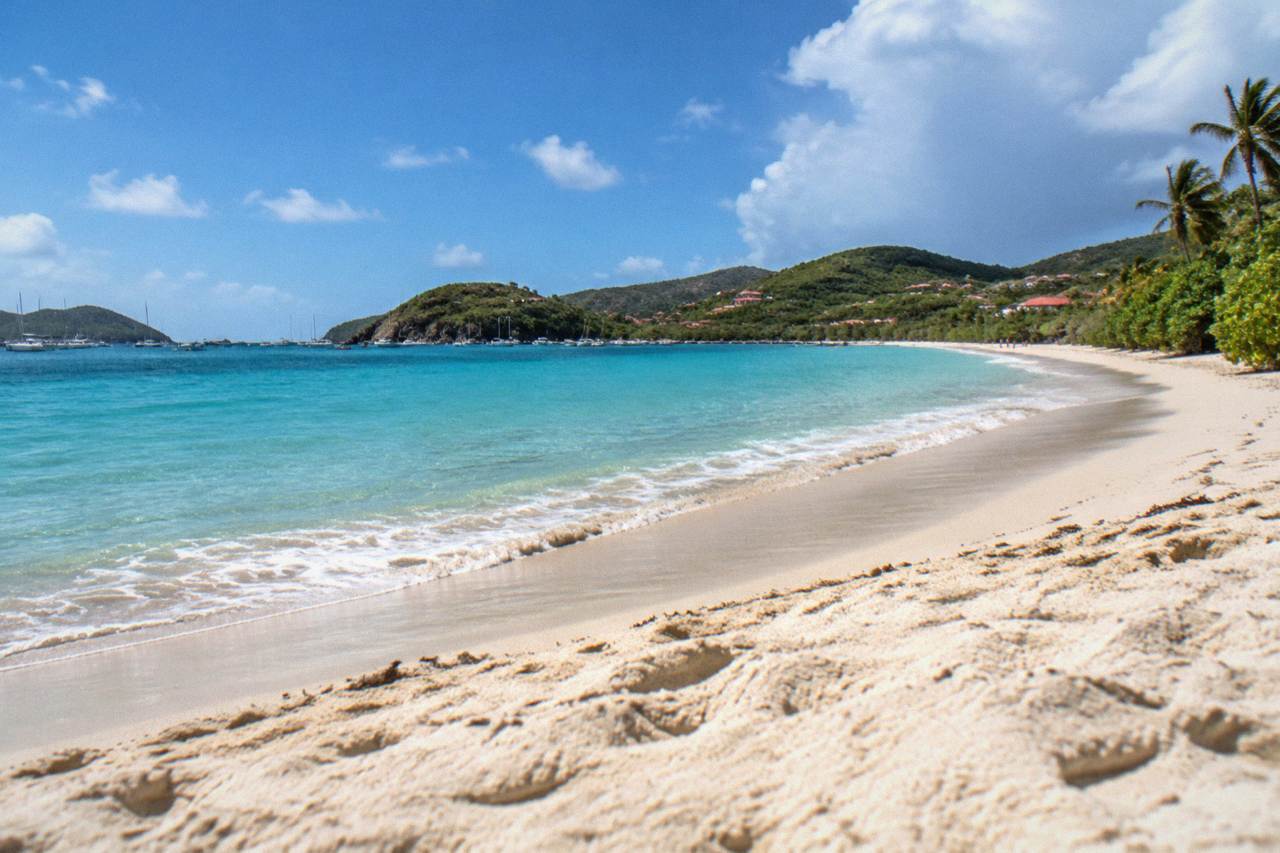
There is no official nicest beach in St Barts, because neither the tourism committee nor any island authority publishes a ranking, and every beach on the island is public and free. The names that anchor any honest answer are Saline on the south coast, Gouverneur just west of it, Colombier at the island's northwestern tip, Saint-Jean beside the airport, and Shell Beach a short way from Gustavia. Each one answers a different definition of nice, from seclusion to convenience.
Which of those fits depends on what a visitor is actually asking for. Someone who wants a shore within walking distance of the harbor town will land on Shell Beach, which sits by Gustavia and is covered in detail on the page can you swim at Shell Beach in St Barts. Someone planning a day around the airport's famous approach will pick Saint-Jean, whose bay the runway sits beside. A visitor who wants distance from everything walks or sails to Colombier, at the northwestern end of the island inside the marine reserve.
The pattern to notice is that the island's better-known shores divide neatly by geography. The south coast holds Saline and Gouverneur. The north holds Colombier and Flamands. The middle holds Saint-Jean, Lorient and Grand Cul-de-Sac on the sheltered northern side. Choosing "nicest" is really choosing a coast, and the fuller comparison lives in the St Barts beach guide by best-for.
Which St Barts Beach Fits Your Kind Of Day?
Match the beach to the plan, not to a title. For a day built around Gustavia, Shell Beach sits closest to town. For a shore beside the airport and its famous landing approach, Saint-Jean is the bay in question. For the island's classic walk-in escape, Colombier is reached by boat or by a walk. For a long open south-coast shore, Saline and Gouverneur sit side by side. None of them charges entry, because all are public.
Start with where you are sleeping. Gustavia and its surroundings put Shell Beach within easy reach, and the harbor itself is described on the site's pages about the capital. Saint-Jean and Lorient suit a stay in the island's central east, while Flamands and Colombier belong to the north. The beach-by-beach detail, including the walk to Colombier, is collected on the Colombier beach page and the Saline beach page.
The other practical filter is transport. Roads on St Barts are narrow and steep, driving is on the right, and the speed limit is 50 km/h island-wide, 30 km/h in Gustavia and Saint-Jean, per local guidance. That makes one or two well-chosen beaches a saner plan than chasing five in a day, and it makes a boat, for at least one day of the trip, a genuinely attractive alternative to driving at all.
The island's narrow roads are easier with a car of your own. Book a rental car.
For a visitor arriving from St Martin or Sint Maarten rather than sleeping on St Barts itself, the boat day changes the whole question of "nicest", because the boat reaches the bay that roads barely serve. That is the logic behind the group sail that calls at Gustavia, Colombier and Ile Fourchue in one day from St Martin, and availability for it can be checked through the operator's live listing.
How Do The Beaches Of St Barts Compare On A Map?
By map position alone, the beaches split into three groups: the south-coast pair of Saline and Gouverneur, the northern cluster of Flamands, Colombier and Grand Cul-de-Sac with Lorient and Saint-Jean on the central east side, and the Gustavia-area shores of Shell Beach and Corossol on the west. All are public. Colombier is the outlier for access, reached by boat or by a walk rather than by a road that ends at the sand.
| Beach | Position On The Island | How It Is Reached |
|---|---|---|
| Saint-Jean | Central east coast, beside Gustaf III Airport | Road access, public |
| Shell Beach (Grand Galet) | West coast, a short way from Gustavia | Road access, public |
| Saline | South coast | Road access, public |
| Gouverneur | South coast, west of Saline | Road access, public |
| Flamands | North coast | Road access, public |
| Colombier | Northwestern tip, inside the marine reserve | By boat or by a walk |
| Grand Cul-de-Sac | Northeast coast | Road access, public |
| Lorient | Central east coast, north of Saint-Jean | Road access, public |
| Toiny | Southeast coast | Road access, public |
| Corossol | West coast, north of Gustavia | Road access, public |
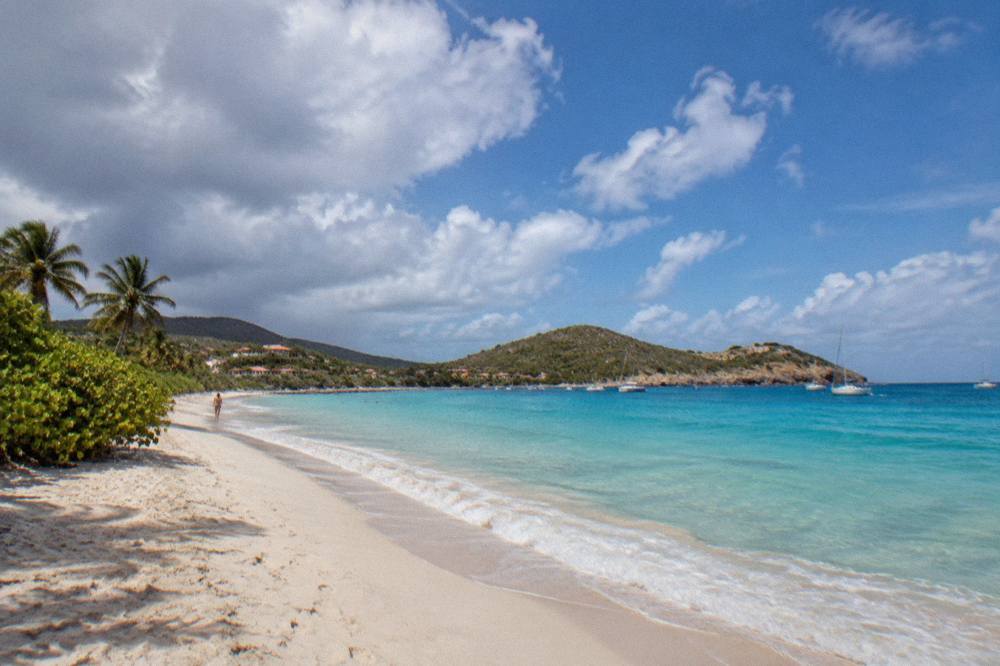
The table deliberately omits sand, waves, currents and crowds. What the map does settle is logistics. A stay in Gustavia pairs naturally with Shell Beach and Corossol. A stay in Saint-Jean or Grand Cul-de-Sac puts several shores within a short drive. And Colombier stands alone as the beach the island's own geography protects, which is exactly why the boat trips that include it are popular.
What Makes Colombier Different From Every Other St Barts Beach?
Colombier Bay sits inside the St Barts marine reserve at the island's northwestern tip, and the environment agency's regulatory-zones page treats it differently from every road-access beach: vessels over 25 m are banned from the bay, ecological mooring buoys are preferred to anchoring, and the wider reserve carries a 5-knot speed limit with jet skis prohibited outright. No other named beach on the island carries that combination of protections.
That regulatory status is the real answer when someone asks what makes Colombier special. The environment agency's zones page lists the reserve's rules directly: no touching or feeding protected species including turtles, no dogs on beaches or in the water, no collecting coral, shells or sand, and no drones near the reserve without authorization. The bay is also reached by boat or by a walk, which the Colombier hike page covers in full.
For visitors who want the bay without the walk, the boat options all depart from St Martin or Sint Maarten, never from St Barts itself. The group sail is the one per-person product listed here, and its listing runs only from 12 May to 31 August 2027, so anyone planning outside that window is choosing between private charters. Other pages covering the same trip are gathered on St Barthelemy Travel.
When Should You Plan Your St Barts Beach Days?
By the Meteo-France normals for 1991 to 2020, St Barts is warm enough for beach days in every month, with a mean daily high of 28.5 C in January rising to 31.7 C in September, and it rains 891.3 mm across a typical year. October is the wettest month at 135.6 mm and February the least rainy at 38.4 mm. Hurricane season runs 1 June to 30 November, peaking mid-August to mid-October, so dates outside that window carry the least seasonal risk.
| Month | Mean Daily High (C) | Rain (mm) |
|---|---|---|
| January | 28.5 | 52.6 |
| February | 28.6 | 38.4 |
| April | 29.8 | 50.9 |
| July | 31.2 | 80.4 |
| September | 31.7 | 96.9 |
| October | 31.4 | 135.6 |
Those are climate normals, not forecasts, and no prediction of rain or storms for a specific date is possible or honest. The seasonal wrinkle worth knowing is the autumn closure pattern: many hotels and restaurants on St Barts close each year in late August and September and reopen in waves between mid-October and early November, which matters to anyone planning a beach trip in that window. The sea stays warm year-round, at about 26 C in winter to about 29 C from August to October.
What Rules Apply On Every St Barts Beach?
Every beach on St Barts is public, and the rules that matter come from two sources: an island-wide dog ban on all beaches under a longstanding municipal order, even on a leash, and the marine reserve's zone rules, which cap boats at 5 knots, prohibit jet skis and other powered devices, forbid touching turtles and other protected species, and ban collecting coral, shells or sand. The environment agency's pages state all of these directly.
The practical takeaways are simple. Leave the dog at home for any beach day. Do not stand on or chase a turtle, and the reserve asks that nest sightings be reported to the environment agency. Take nothing from the shoreline, shells included. And if a boat day is part of the plan, the operator handles the mooring rules in Colombier and Ile Fourchue, which is one reason the Nikki Beach private charter and similar trips are run by licensed skippers rather than ad hoc rentals.
For the broader question of where to sleep near the water, the beach hotels guide covers properties by coast, and the beach clubs guide covers the organized shore scene. St Barthelemy Travel keeps all of it under one roof.
Common Questions About The Nicest Beach In St Barts
What Is The Nicest Beach In St Barts?
There is no official nicest beach in St Barts. All beaches are public, and the honest answer splits by intention: Shell Beach for Gustavia, Saint-Jean for the airport bay, Saline and Gouverneur for the open south coast, and Colombier for the walk-in or boat-in escape inside the marine reserve.
Are All Beaches In St Barts Free To Access?
Yes. The tourism committee states that every beach on the island is public, and no beach charges entry. The only costs attached to a beach day are the ones a visitor chooses, such as a boat trip from St Martin or a rental car.
Can You Walk To Colombier Beach?
Yes. Colombier is reached by boat or by a walk, and no road ends at the sand. The trail is described on the site's Colombier hike page. No walking time or difficulty rating is printed, because none is available.
Can You Take A Dog To A St Barts Beach?
No. A longstanding municipal order bans dogs from all beaches island-wide, even on a leash, and signs at beach entrances state the rule. The environment agency explains the ban as protection for birds, reptiles and nesting turtles.
Which St Barts Beach Is Closest To Gustavia?
Shell Beach, also called Grand Galet, sits on the coast a short way from Gustavia and is the shore most naturally paired with a day in the harbor town. Corossol, on the west coast north of the capital, is the other nearby option.