How Much A Trip To St Barts Costs
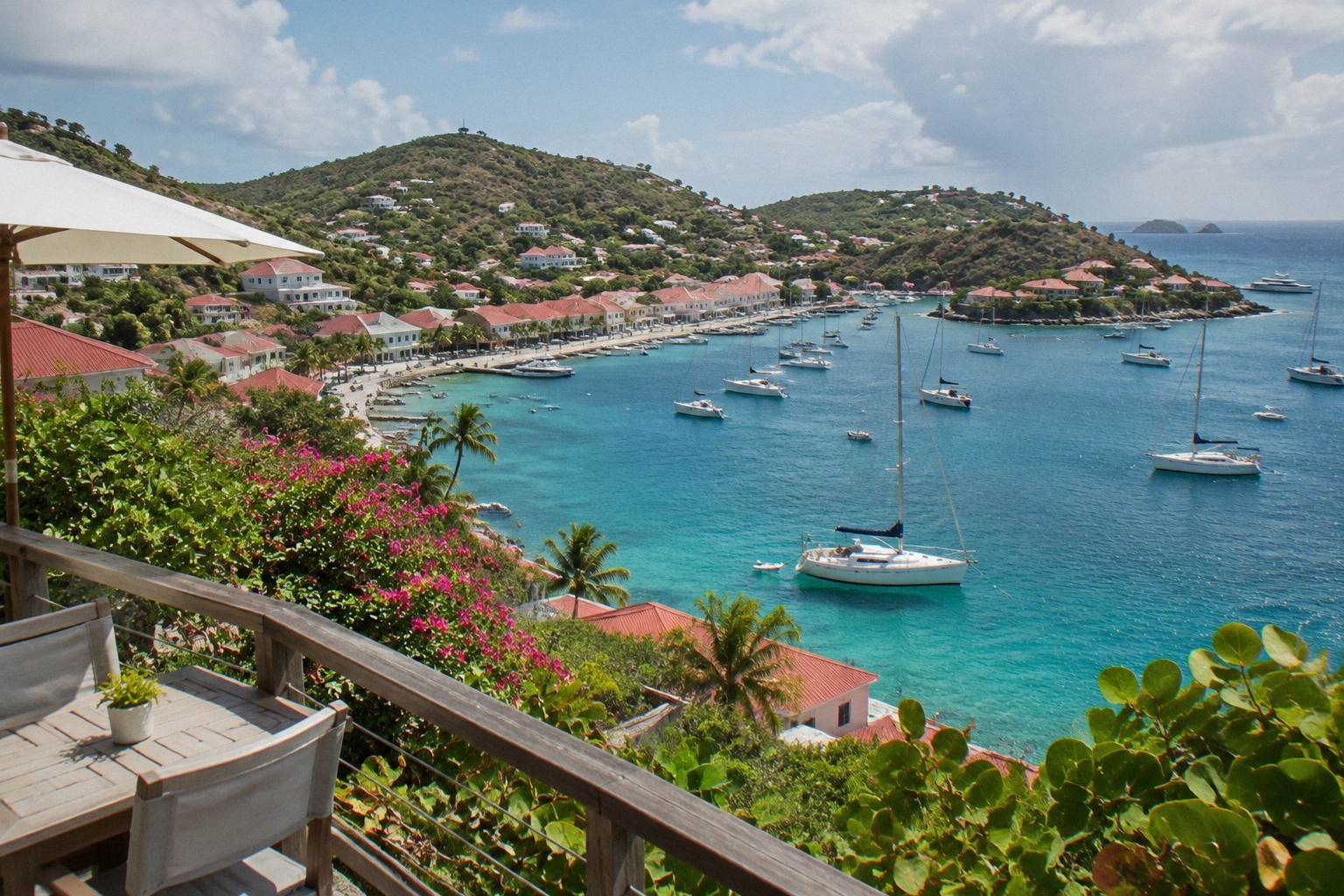
St Barthelemy, better known as St Barts, has a reputation for luxury, but the real cost of a trip is shaped by a handful of structural facts: how you reach this small French island, where you sleep, whether you rent a car, and how many days you give it.
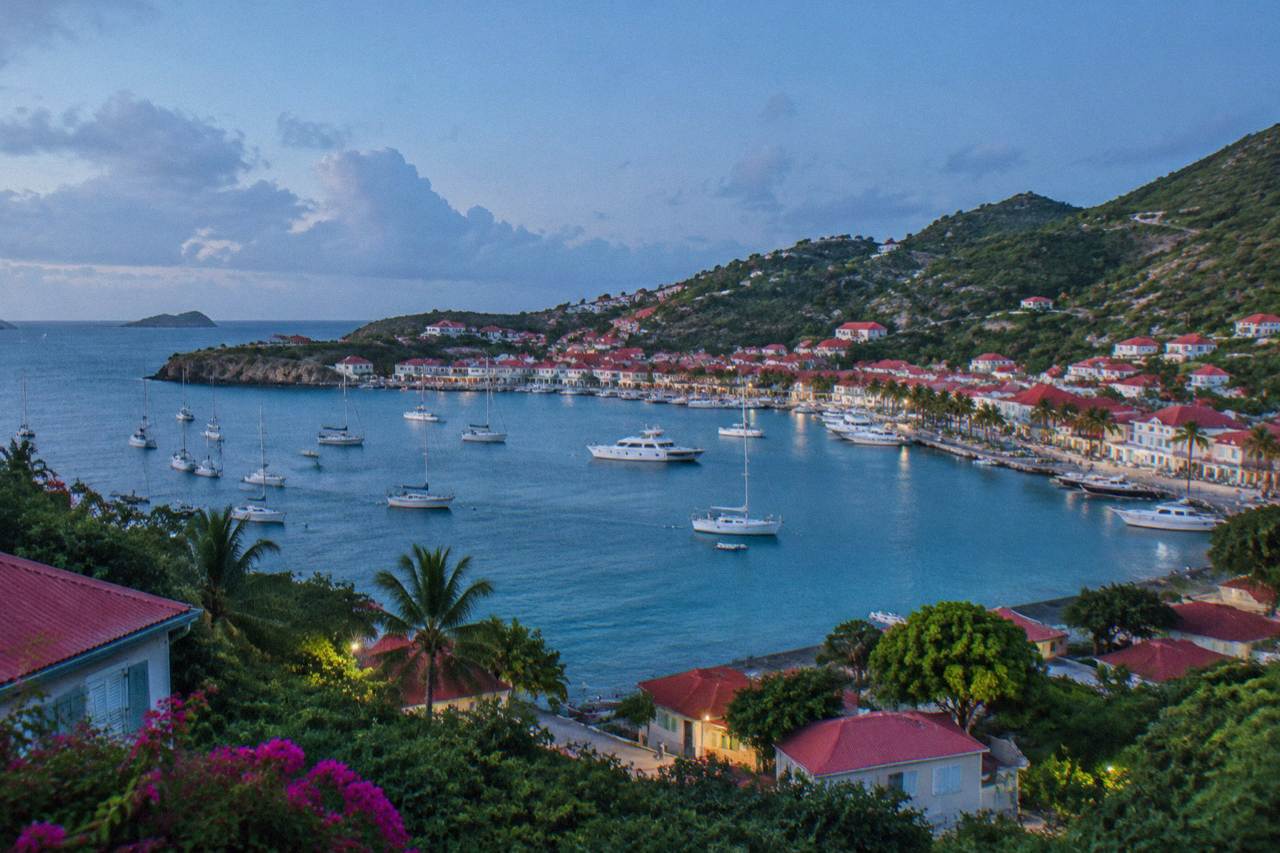
The cost of a St Barts trip splits into four parts: the journey through a gateway such as St Martin, lodging with no published rate floor, a rental car for the hills, and food. The beaches are all public and free, and the bookable boat trips that visit the island depart from St Martin or Sint Maarten.
St Barthelemy, usually written St Barts, is a French overseas collectivity in the Caribbean with about 21 square kilometres of land, roughly 10,700 residents and one of the shortest commercial runways in the region. Every one of those facts moves the price of a trip. The island has no jet airport, no cruise pier and no hostels, so the money a visitor spends concentrates on the journey in, the bed, the car and the table. This page breaks the question of St Barthelemy Travel costs into its real parts: getting there, sleeping there, moving around, eating, and the parts of the island, including every beach, that cost nothing at all.
How Much Does It Cost To Get To St Barts?
There is no direct long-haul route onto St Barts, so the journey is always two steps. Travellers fly into a gateway such as St Martin, San Juan, Guadeloupe or Antigua, then finish with a small STOL turboprop into Gustaf III Airport or a ferry across from St Martin or Sint Maarten. The structure, not a single fare, is what defines this cost.
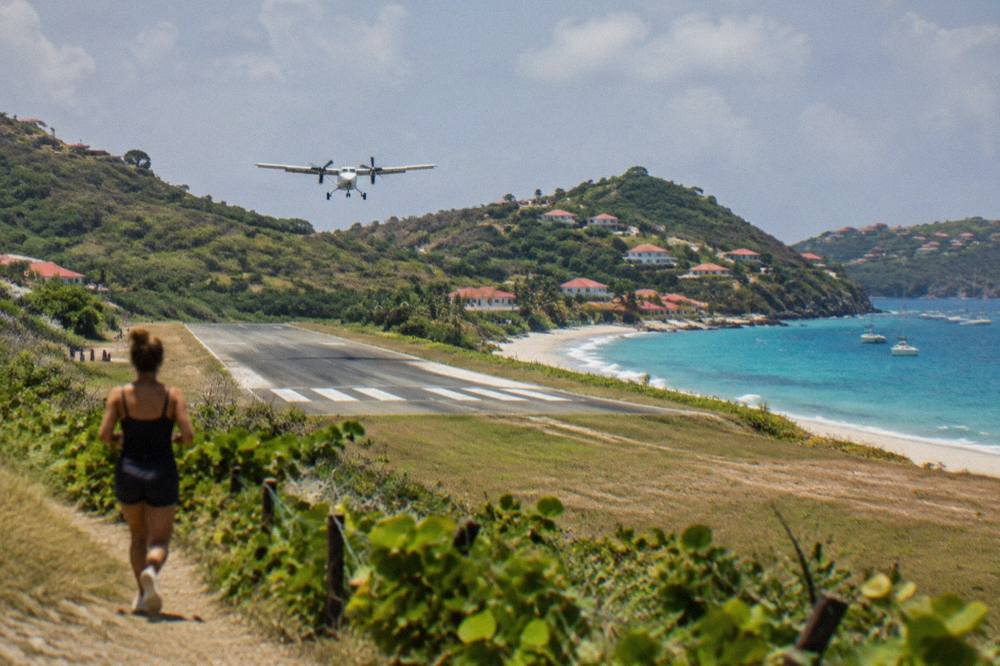
The airport constraint drives everything. Gustaf III Airport, also called Remy de Haenen and coded SBH, has a single 646 m runway. Only small STOL turboprops land there, in daylight and visual conditions only, and no jet operates to the island. That rules out any nonstop widebody service from North America or Europe and forces a connection, which is why the St Barts airport guide matters to anyone pricing the trip. The feeder route with the most frequency is the short hop from Princess Juliana Airport on Sint Maarten, flown by St Barth Commuter and Winair, with Tradewind serving San Juan and Antigua and St Barth Commuter also serving Grand Case on St Martin and Pointe-a-Pitre in Guadeloupe. Full route detail sits on the flights to St Barts page.
The ferry is the other half of the equation, and it is the option that changes the budget shape most, because it replaces the inter-island flight with a sea crossing. Great Bay Express runs from Bobby's Marina in Philipsburg on the Dutch side, a crossing of about 45 minutes, with arrival advised 45 minutes ahead and check-in closing 15 minutes before departure. Voyager runs from the Marigot terminal on the French side, a crossing of about 50 to 60 minutes. Both operators run roughly two to three sailings a day in each direction, more in the winter high season, and both require a passport. The ferry operators and schedule page carries the detail, and the SXM airport to ferry page covers the connection from Princess Juliana. The crossing can be rough in open water, so a calm sailing is never a promise.
| Leg | Operator Or Airport | Where It Starts | What The Operators Publish |
|---|---|---|---|
| Air, shortest feeder | St Barth Commuter, Winair | Princess Juliana, Sint Maarten (SXM) | Short hop by small STOL turboprop, multiple daily flights in season |
| Air, French side | St Barth Commuter | Grand Case, St Martin (SFG) | Short hop by small STOL turboprop |
| Air, from the south | Tradewind | San Juan (SJU) and Antigua (ANU) | Pilatus PC-12 service, year-round from San Juan, seasonal from Antigua |
| Air, from the Caribbean | St Barth Commuter | Pointe-a-Pitre, Guadeloupe (PTP) | Small turboprop feeder service |
| Ferry, Dutch side | Great Bay Express | Bobby's Marina, Philipsburg | About 45 minutes, roughly 2 to 3 sailings a day each way |
| Ferry, French side | Voyager | Marigot Ferry Terminal, St Martin | About 50 to 60 minutes, roughly 2 to 3 sailings a day each way |
The honest way to budget this leg is to price the gateway first. A traveller starting in North America compares fares into St Martin, San Juan or another gateway, then adds the connector, and the connector price lives on the operators' own booking pages, not in any guide. What the structure guarantees is that the final leg is short, weather-dependent and, on the airport side, daylight-only: the airport opens around 07:00 and closes about fifteen minutes after sunset, which shapes which gateway flights connect at all.
How Much Do St Barts Hotels And Villas Cost?
No hotel nightly rate, villa weekly rate, resort fee or tourist-tax amount was confirmed from a primary page for this island, so none appears here. What is verifiable is the structure of the market: a compact luxury hotel sector concentrated around Gustavia, Saint-Jean, Flamands, Grand Cul-de-Sac and Toiny, a large villa market with no printable count, and an autumn closure pattern in which many properties shut between late August and October and reopen between mid-October and early November.
To compare rooms and apartments across areas for your dates, book a budget stay.
That closure pattern is the single most useful fact for anyone weighing cost against timing. Each autumn, on a repeating schedule rather than a published rate sheet, most of the major hotels and many restaurants close for maintenance and staff holidays, overlapping the peak of the hurricane season, and the island reopens in waves for the winter season. Villas, by contrast, generally stay available year-round, which makes the villa route the practical lodging answer in the deepest weeks of the low season. The seasonal rhythm, and what it means for a stay, is laid out on the best time to go style pages across this site, including the dedicated St Barts hotels and luxury hotels guides, which name properties with no rate attached.
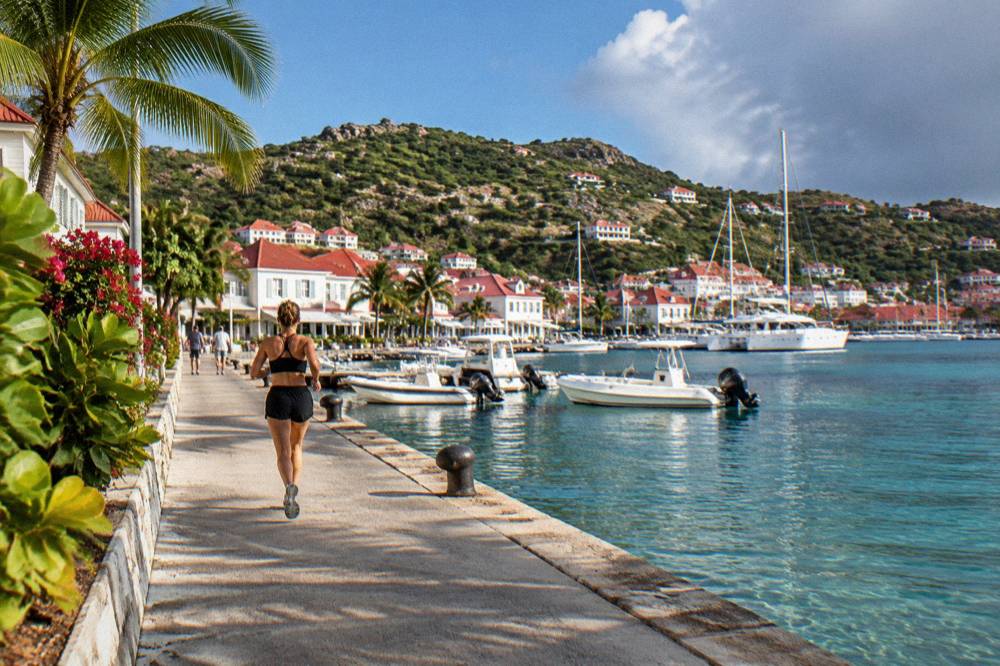
The villa market has its own structure. WIMCO, Sibarth and St Barth Properties are established managers of St Barts villas, and a large villa market exists alongside the hotels, though the numbers floating around secondary guides do not come from a primary page. Rates vary by season and by property, and each manager's own site shows live availability. One structural note: a tourist tax, the taxe de sejour, is collected by accommodation providers from guests. For anyone deciding between a hotel room and a villa, the trade-off is service against space, kitchens against restaurants, and the where to stay in St Barts question deserves its own analysis rather than a price line here.
A different way to bend the lodging line of a budget is to shorten the stay and day-trip the island instead. Several of the boat products listed here depart from St Martin or Sint Maarten in the morning and return the same evening, which replaces two hotel nights on St Barts with one long day on its water. That is not a cheaper-than claim, because no rates are comparable here, it is simply a different structure.
What Does A Boat Day Trip To St Barts Cost?
The only product prices that can be relied upon come from the operator listings themselves, rendered directly below, because every figure a writer types by hand risks being stale. Structurally, the trip list splits into one per-person group sail and five private charters priced per group, all departing from St Martin or Sint Maarten, never from St Barts. The per-person sail runs only from 12 May to 31 August 2027 on its listing, which makes it a summer option, while the private charters run as booked.
The group sail is the anchor product for cost-conscious planning because it is sold per person rather than per boat. It visits Gustavia, Colombier Beach and Ile Fourchue on a full-day circuit, and its live price, rating and review count render in the card format below straight from the operator's listing. For a party of two, comparing a per-person product against a per-group charter is simple arithmetic the reader can do with live numbers, and no synthesized average is needed or allowed here.
The private side of the trip list spans several shapes: a full-day charter, a private charter from St Martin carrying up to 8, a Nikki Beach-focused trip from Sint Maarten, a private sailboat, and a two-day one-night private catamaran that turns the day trip into an overnight stay on the water. Each is priced per group on its own listing, and each departs from the St Martin or Sint Maarten side. For groups, the per-group structure means the effective per-person figure falls as the party fills the boat, which is the one honest general statement that can be made about charter economics without inventing a number.
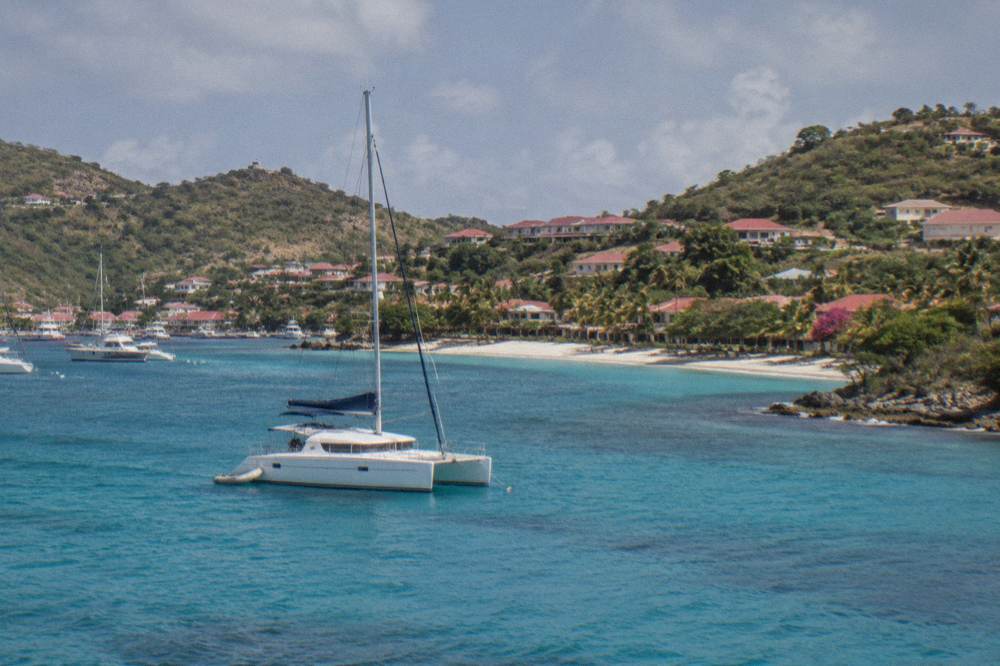
One regulatory fact belongs in any boat budget, because it shapes what a charter can and cannot do on the water. The St Barts marine reserve, managed by the island's environment agency, imposes a 5-knot speed limit inside its zones, bans jet skis and other motorized and electric water devices outright, lists 23 dive sites, forbids dogs on beaches and prohibits touching turtles or any protected species. Colombier Bay and Ile Fourchue, the two stops at the heart of the group sail's route, sit inside the reserve, and no vessel over 25 m may enter those bays. A charter's pace inside the reserve is therefore slow by law, not by choice, and that is part of what the day buys.
| Marine Reserve Rule | What The Environment Agency's Page Says |
|---|---|
| Speed inside zones | Maximum 5 knots |
| Jet skis, seabobs, towed sports | Banned |
| Dive sites in the reserve | 23 listed |
| Dogs on beaches | Banned island-wide by municipal order |
| Turtles and protected species | No touching, chasing or feeding |
| Vessels in Colombier and Fourchue bays | None over 25 m |
For anyone weighing a day trip against an overnight, the catamaran product below is the only overnight option, a two-day one-night format that departs from St Martin and includes a night at anchor near St Barts. It carries up to 4 guests per group on its listing.
How Much Does Getting Around St Barts Cost?
No car rental price, Mini Moke rate or taxi fare for St Barts was confirmed from a primary source. What the facts do give is the structure: driving is on the right, roads are narrow, winding and steep, the island-wide limit is 50 km/h with 30 km/h in Gustavia and Saint-Jean, and Avis, Budget and Hertz all operate counters at the airport alongside local agencies and Mini Moke specialists.
Whether a car is needed at all is the first question, and it has a genuine answer shape: the island is small, about 21 square kilometres, but its hills are real, its roads are steep enough that low gear is normal, and public transport does not cover a beach-hopping itinerary. The do you need a car in St Barts question and the St Barts car rental guide cover the decision in depth. Rental rates vary by season and by company, and each provider's own booking page shows live prices; the minimum driver age varies by company as well, so it is a question for the counter, not a guide.
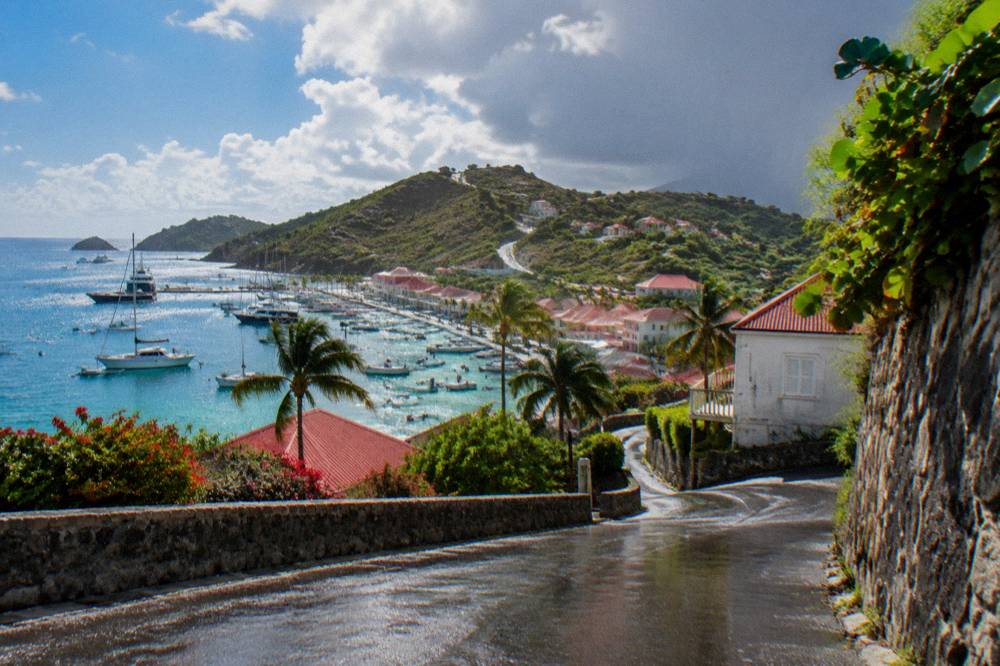
Taxis exist and work on route-based tariffs rather than meters, with surcharges in the evening and on Sundays and holidays, but no fare figure appears here. The practical planning point is structural: a party that books a charter or a transfer from the airport may not need a car for every day of the stay, while a party basing itself in Gustavia can walk much of the town. For the mechanics of arrival, the getting around St Barts page carries the detail.
| Driving Fact On St Barts | Figure Or Rule |
|---|---|
| Side of the road | Right |
| Island-wide speed limit | 50 km/h |
| Limit in Gustavia and Saint-Jean | 30 km/h |
| Rental counters at SBH airport | Avis, Budget, Hertz, plus local agencies |
| Signature local vehicle | Open-air Mini Moke, via local agencies |
| Road character | Narrow, winding, steep, limited markings |
The Mini Moke deserves a sentence in any cost conversation because it is the island's signature rental, an open-air vehicle sold through local agencies rather than the international brands. Its appeal is the drive itself rather than pace or protection, and the Mini Moke page covers it fully. Rates, like every other rental figure on this island, live on the agencies' own pages.
What Is Free In St Barts?
Every beach on St Barts is public and free to access, from Saint-Jean and Gouverneur to Saline, Shell Beach, Flamands, Colombier, Grand Cul-de-Sac, Lorient, Toiny, Marigot, Corossol and the smaller coves, a fact stated by the island's tourism committee. Beyond the sand, Gustavia's harbor front, its forts and its open public places cost nothing, and no free guided walking tour is listed here.
This is the line of the budget that surprises people who know the island only by its reputation. There is no private beach economy here, no beach that belongs to a hotel, and no entry fee at any access point. A day built around Gouverneur in the morning, a walk into Gustavia at midday and Saline in the afternoon spends nothing on the island's core attraction. The trade-off is that facilities are minimal on many beaches, with no vendors on much of the coastline, so the food and water for a beach day are bought in town, which is where the St Barts groceries page earns its place in a budget plan.
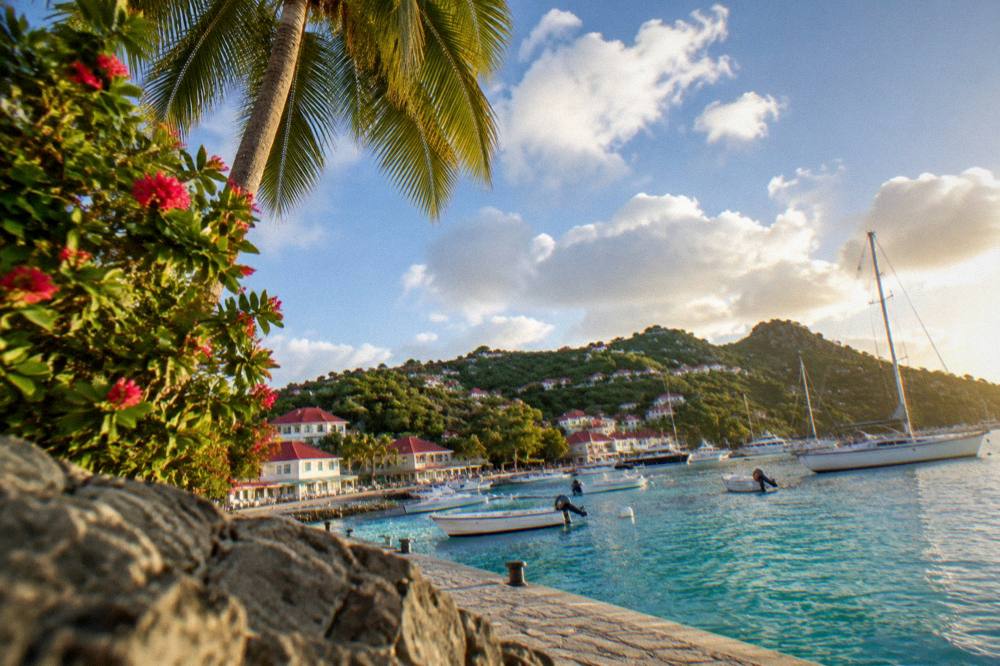
The hiking layer is free as well. The Colombier trail, covered on the Colombier hike page, reaches one of the island's best-known beaches on foot, and the network of paths is described across the St Barts hiking trails guide. The access itself carries no charge. In town, the wall house museum, the forts above Gustavia and the shell museum at Corossol round out the low-spend side of a stay, each covered on its own page of this site.
| Free Layer Of St Barts | What It Includes |
|---|---|
| All beaches | Public and free island-wide, per the tourism committee |
| Named swimming spots | Saint-Jean, Gouverneur, Saline, Shell Beach, Flamands, Colombier, Grand Cul-de-Sac, Lorient, Toiny, Marigot, Corossol |
| Harbor and forts | Gustavia waterfront, Fort Karl, Fort Gustaf |
| Trails | The Colombier path and the wider hiking network |
| Villages | Corossol and its shell museum quarter |
One rule protects the free layer and belongs in every plan: dogs are banned from all beaches island-wide by municipal order, even on a leash, and the environment agency posts the signs at every entrance. The rule exists to protect nesting turtles and shore wildlife, and the same agency asks visitors to report turtle nests rather than disturb them.
How Does The Season Change St Barts Costs?
No seasonal price figure for St Barts lodging, flights or rentals was confirmed from a primary page. The seasonal structure is documented: hurricane season runs 1 June to 30 November with its peak from mid-August to mid-October, many hotels and restaurants close in that autumn window and reopen between mid-October and early November, and the winter season is when frequency on both ferries and feeder flights rises. Demand and closures define the seasonal split, not a published rate sheet.
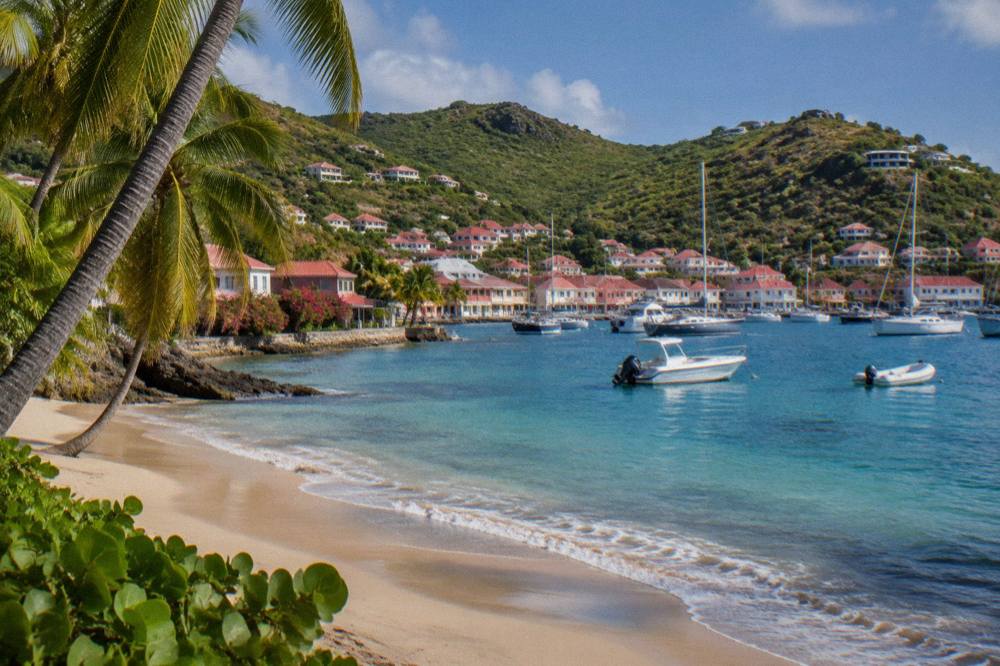
The climate record explains the rhythm. The Meteo-France normals for 1991 to 2020 show a mean daily high of 28.5 C in January rising to 31.7 C in September, with 891.3 mm of rain across the year and October the wettest month at 135.6 mm. February is the month with the lowest rain total in the table, 38.4 mm. The sea stays warm all year, about 26 C in winter and about 29 C from August to October. None of that predicts a storm or a wet week, and no prediction is made here, but it does frame why the island's commercial calendar concentrates its closures in the autumn.
| Month | Mean Daily High C | Rain Mm |
|---|---|---|
| Jan | 28.5 | 52.6 |
| Feb | 28.6 | 38.4 |
| Mar | 29.0 | 41.4 |
| Apr | 29.8 | 50.9 |
| May | 30.7 | 61.7 |
| Jun | 31.2 | 56.0 |
| Jul | 31.2 | 80.4 |
| Aug | 31.6 | 79.6 |
| Sep | 31.7 | 96.9 |
| Oct | 31.4 | 135.6 |
| Nov | 29.9 | 118.6 |
| Dec | 28.9 | 79.2 |
The event calendar also moves demand, and its fixed dates are worth having in a budget plan. The St Barth Music Festival runs 8 to 18 January 2027 in its 43rd edition, the Bucket Regatta falls in mid-March, Les Voiles de St Barth sails in April, the Film Festival lands in late April or early May, and the Gourmet Festival runs 9 to 15 November 2026. The island's patron saint feast day falls on 24 August with the Corossol Saint-Louis celebration the following day. New Year's Eve brings its fireworks over Gustavia harbor, an event covered on the St Barts New Year's Eve page, and the weeks around it are the island's busiest. Hurricane history matters to the framing too: Irma struck in September 2017 and remains the reference storm for the region, and the season's statistical peak sits near 10 September, though no season can be predicted.
| Event | When |
|---|---|
| St Barth Music Festival, 43rd edition | 8 to 18 January 2027 |
| Bucket Regatta | Mid-March |
| Les Voiles de St Barth | April |
| St Barth Film Festival | Late April or early May |
| Fete de Saint-Barthelemy | 24 August |
| Saint-Louis, Corossol | 25 August |
| St Barth Gourmet Festival | 9 to 15 November 2026 |
How Do You Keep A St Barts Trip Sensible In Scale?
The levers that actually move a St Barts budget are structural, not secret: choose the gateway and the connector with the ferry as a genuine alternative, travel outside the closure-and-hurricane window if a villa stay suits, build days around the free public beaches and Gustavia on foot, and put the money into one or two paid experiences rather than a full week of charters. Length of stay is the strongest lever of all, because every additional island night multiplies the lodging, car and food lines together.
A short trip is a legitimate format here. The St Barts long weekend and St Barts in 3 days itineraries exist precisely because the island rewards concentration, and the one week itinerary suits a slower pace. The food line is the hardest to plan from abroad because no restaurant price on this island was confirmed from a primary page, so this page prints none; the general shape is a French-influenced restaurant scene with casual counters and shops in Gustavia alongside it, and the St Barts food guide and groceries pages carry the practical detail. Self-catering from a villa with a kitchen is the standard structural answer for anyone managing the food line, and it pairs naturally with the villa market described earlier.
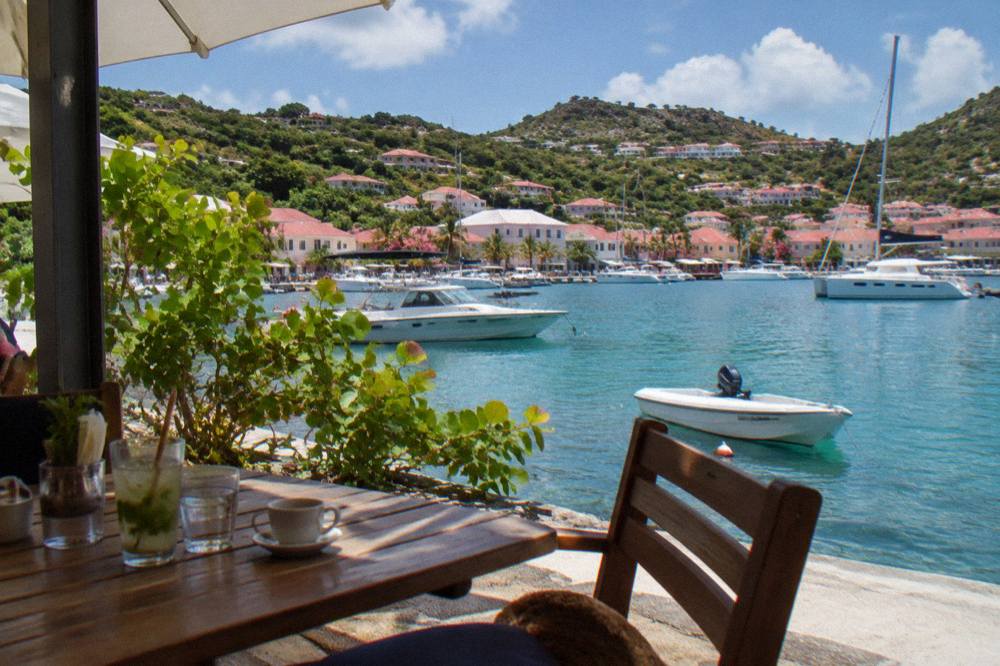
On the paid-experience side, the decision is usually one boat day against several. The private sailboat option below is the pure sailing format, a 7.5-hour private trip from the Sint Maarten side with a per-group price on its listing, and it competes directly with the group sail for a party that fills its capacity.
For parties that want the day to include the island's most famous beach club, the Nikki Beach charter runs from Sint Maarten at a per-group price on its own listing. The final tour pick below, the overnight catamaran, is the way to buy a night on the water rather than a night ashore.
Common Questions About St Barts Trip Costs
Is St Barts expensive?
No cost comparison for this island was confirmed from a primary page. What is documented is the structure: no hostels exist on the island, hotels concentrate at the upper end of the market, villas form a large alternative market, and every beach is public and free.
How much is the ferry from St Martin to St Barts?
The two operators are Great Bay Express from Philipsburg, a crossing of about 45 minutes, and Voyager from Marigot, a crossing of about 50 to 60 minutes. The operators' own booking pages show live prices for specific dates.
Are the beaches in St Barts free?
Yes. Every beach on the island is public and free to access, including Saint-Jean, Gouverneur, Saline, Shell Beach, Flamands, Colombier, Grand Cul-de-Sac, Lorient, Toiny, Marigot and Corossol, as the island's tourism committee states.
Do you need a car in St Barts?
Not for every trip. Gustavia is walkable and boat day trips handle the coast, but the island's roads are steep and a car or Mini Moke suits a beach-hopping stay. Rental rates vary by season and company and are shown on each agency's own booking page.
When is the low season on St Barts?
Hurricane season runs 1 June to 30 November with its peak from mid-August to mid-October, and many hotels and restaurants close in the autumn and reopen between mid-October and early November. Villas generally remain available year-round, which makes them the practical lodging route in the deepest low-season weeks.
The honest summary of St Barts costs is that the island's price is set by four levers, the gateway and connector, the bed, the wheels and the table, while its best asset, the public coastline from Colombier to Gouverneur, costs nothing to stand on.