St Barts Versus Mustique
St Barthelemy, written St Barts, is a small French island in the Caribbean, and Mustique is a privately managed island in the Grenadines. Comparing the two means comparing two very different models of Caribbean escape, and the St Barts side of the comparison is rich with primary-source facts.
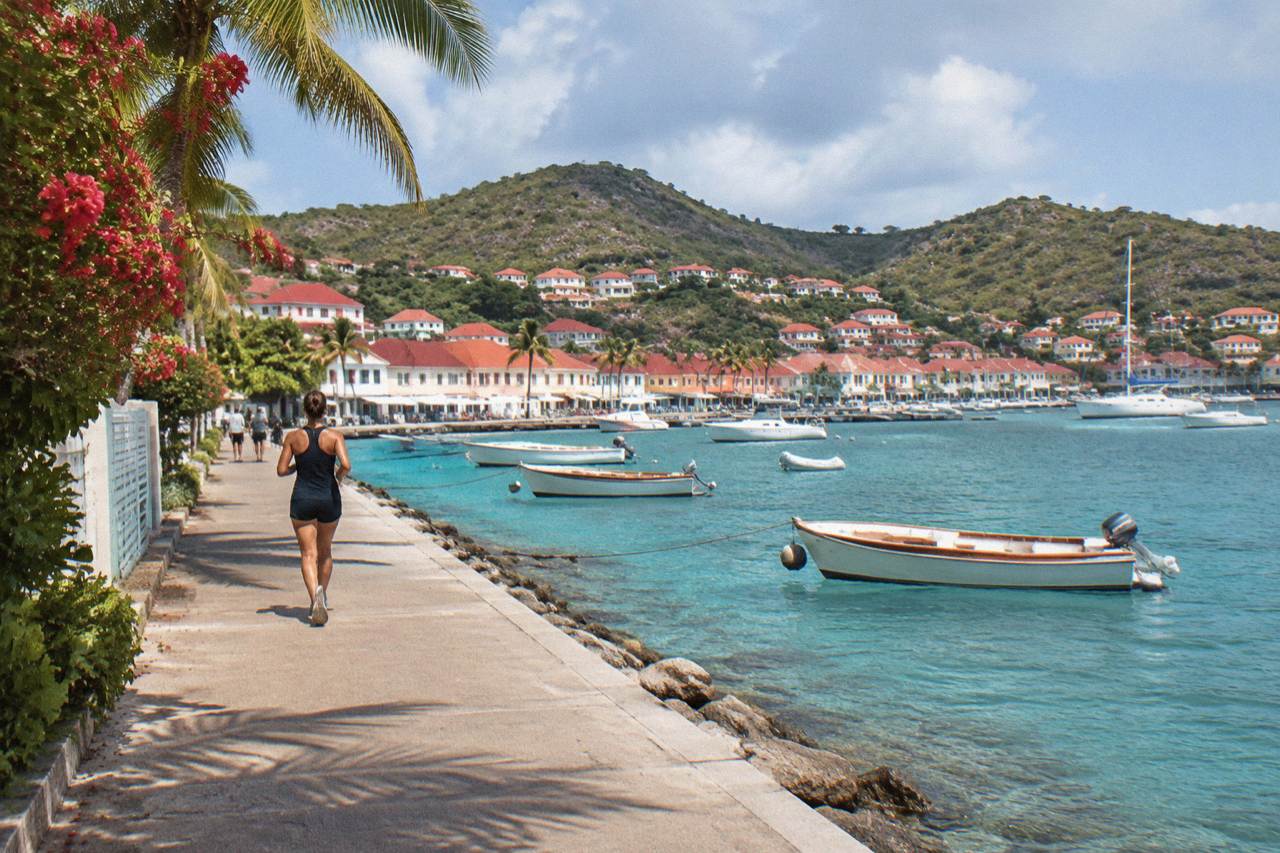
St Barts is a French overseas collectivity of about 21 square kilometres with public beaches, a commercial ferry link from St Martin and small-plane flights, while Mustique is a private island in St Vincent and the Grenadines with villa-based stays; St Barts is the easier of the two to reach independently.
St Barthelemy, written St Barts, is a small French island in the Caribbean, an overseas collectivity of France since 2007, with Gustavia as its harbour capital, the euro as its currency and French as its official language alongside widely spoken English. Mustique sits further south, a privately managed island in the Grenadines, part of St Vincent and the Grenadines, best known for villa stays under a single island company. The comparison is a fair one to ask about, because both names signal exclusivity, but they organise it in entirely different ways, and only one of the two, St Barts, has a commercial airport, scheduled ferries and a full set of public beaches documented by the island's tourism committee and environment agency. This page makes the St Barts case from primary sources and keeps the Mustique side of the ledger to what it is, without invented figures.
Where Are St Barts And Mustique On The Map?
St Barts is a French overseas collectivity in the northeastern Caribbean, about 21 square kilometres of hills and public beaches with roughly 10,700 residents, lying just southeast of St Martin, while Mustique is a small private island in the Grenadines, part of St Vincent and the Grenadines, hundreds of kilometres to the south. The two islands share warm water and a villa-and-yacht reputation, and almost nothing else about how a visitor experiences them. St Barts is a functioning French territory with a territorial context, its own port authority and a national tourism committee, all of which publish practical information. Mustique operates as a privately managed island estate.
The distance matters for planning more than the coordinates suggest. St Barts sits next to St Martin, its practical gateway, with two ferry operators and several small-plane carriers making the connection routine. Mustique's position in the Grenadines puts it behind a different chain of connections entirely, and this page prints no details for that leg because none of its sources cover it. For the St Barts side, the St Barts versus St Martin comparison and the St Barts island hopping guide cover how the island fits into its neighbourhood.
How Do You Get To St Barts Versus Mustique?
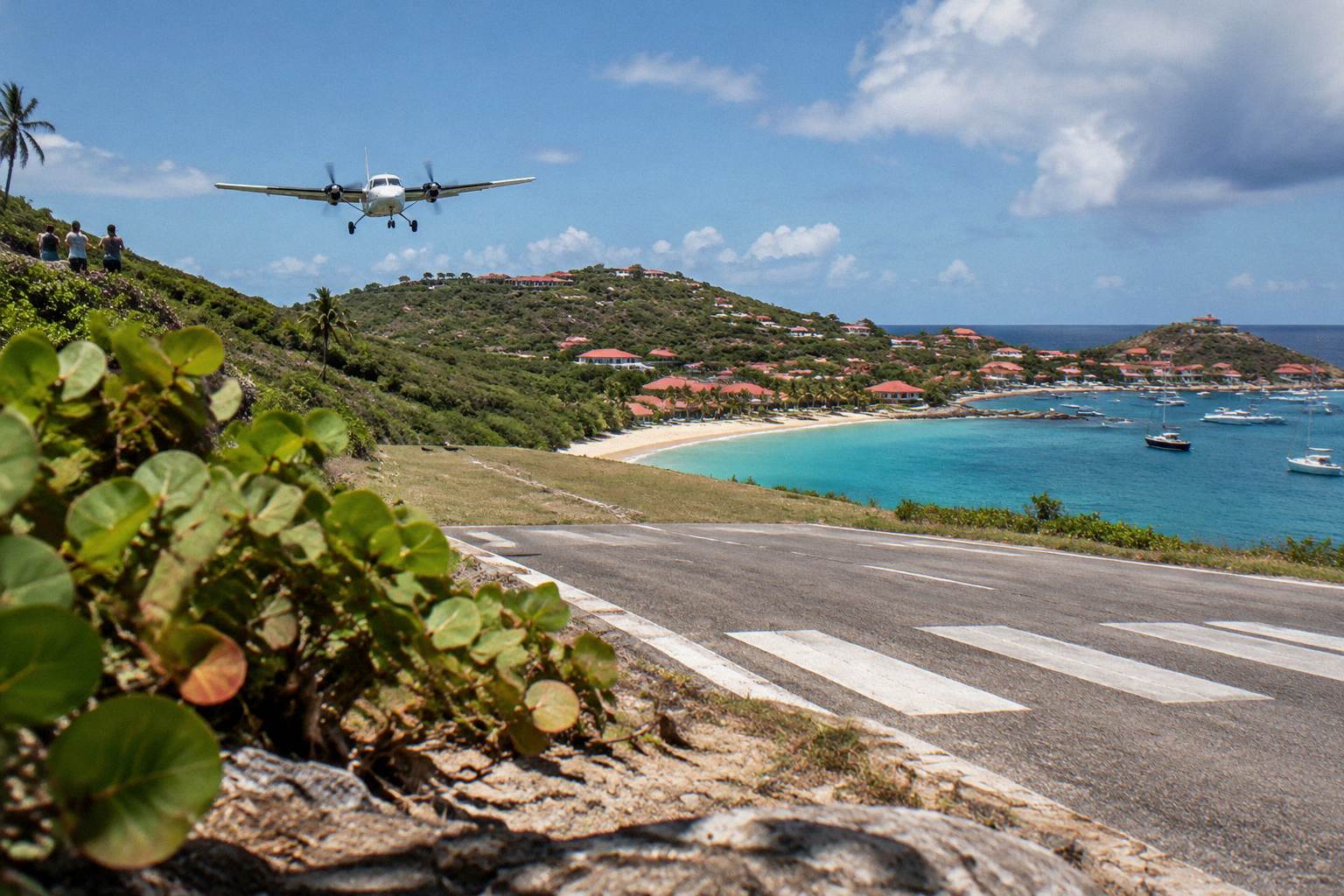
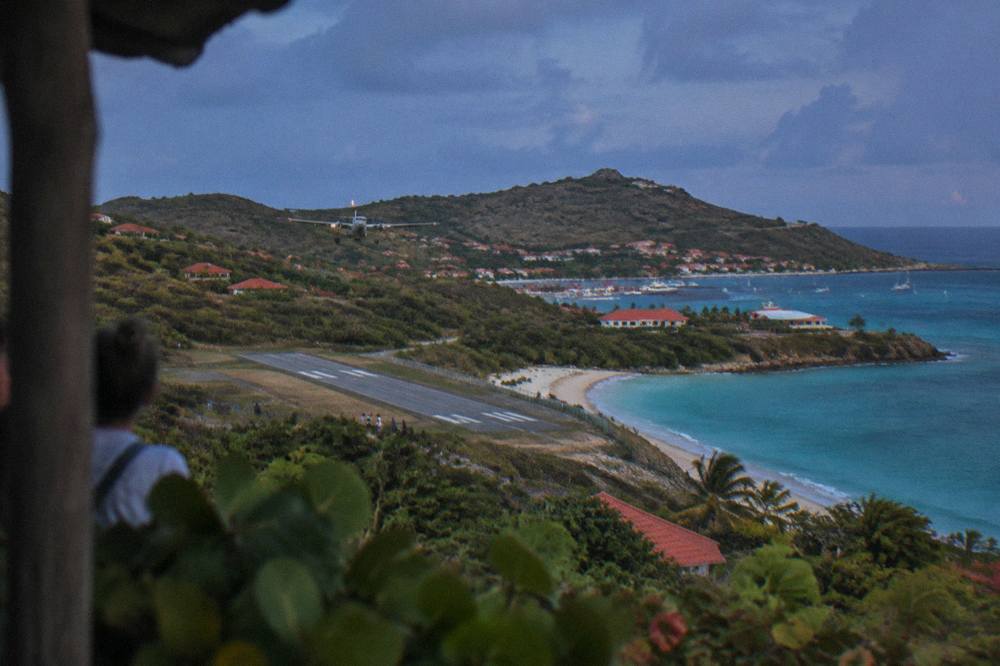
St Barts is reached through gateway flights to St Martin, San Juan, Guadeloupe or Antigua, followed by a small STOL turboprop or a ferry from St Martin or Sint Maarten, while Mustique is a private island reached through its own arranged connections, and no comparable scheduled public link exists for it in any source on this site. Gustaf III Airport (SBH, also called Remy de Haenen) has a 646 m runway that accepts only small turboprops, in daylight and visual conditions. No jet lands on St Barts, and none can.
The carrier picture on the St Barts side is documented. St Barth Commuter flies from SXM on Sint Maarten, from Grand Case on French St Martin and from Pointe-a-Pitre in Guadeloupe. Tradewind flies from San Juan and Antigua with Pilatus PC-12 aircraft. Winair serves the island from SXM with Twin Otters. On the water, Great Bay Express runs from Philipsburg on the Dutch side, about 45 minutes to Gustavia, and Voyager runs from Marigot on the French side, about 50 to 60 minutes; both are "about" figures from the operators, and the crossing can be rough. The flights from St Maarten to St Barts guide and the getting to St Barts overview carry more detail.
| Route | Mode | Operator | Notes |
|---|---|---|---|
| SXM (Sint Maarten) to SBH | Small plane | St Barth Commuter, Winair | Short hop, STOL aircraft only |
| Grand Case (St Martin) to SBH | Small plane | St Barth Commuter | Short hop from the French side |
| Pointe-a-Pitre (Guadeloupe) to SBH | Small plane | St Barth Commuter | Regional connection |
| San Juan (Puerto Rico) to SBH | Small plane | Tradewind | Pilatus PC-12 service |
| Antigua to SBH | Small plane | Tradewind | Seasonal frequency varies |
| Philipsburg to Gustavia | Ferry | Great Bay Express | About 45 minutes, from Bobby's Marina |
| Marigot to Gustavia | Ferry | Voyager | About 50 to 60 minutes |
For travellers already committed to a boat-based visit, several of the site's featured day trips cover the crossing from St Martin, and the related Boomerangs group sail and snorkel is the per-person option among them.
A note on timing for the ferry legs: the operators' pages show check-in closing before departure and passports required, so the practical advice is to arrive at the terminal early and carry the same documents you would for a flight. Schedules shift with season and weather, and neither operator promises a smooth crossing, so the sailing is best treated as part of the trip rather than a commute.
What Does A St Barts Visit Offer Compared With A Mustique Stay?
A St Barts visit offers public beaches, a walkable harbour capital in Gustavia, French-language administration in a euro currency zone and a documented events calendar, while a Mustique stay is organised around private villa accommodation on a managed island, a model this site's sources do not document beyond its existence. The contrast is between a territory open to ordinary independent travel and an island estate built around pre-arranged stays. St Barts has taxis, rental cars, scheduled ferries and a commercial port; the tourism committee publishes beach lists, and the environment agency publishes the rules of its marine reserve.
That openness shapes the visitor experience. All of St Barts' beaches are public, from Saline Beach to Shell Beach, a fact stated by the tourism committee, and the island's restaurants, beach clubs and shops cluster around Gustavia, Saint-Jean and the main bays. Villas form a large share of the accommodation market here too, with long-established managers including WIMCO, Sibarth and St Barth Properties operating on the island, but the villa market sits alongside hotels rather than defining the island as a single estate. The things to do in St Barts overview covers the full range.
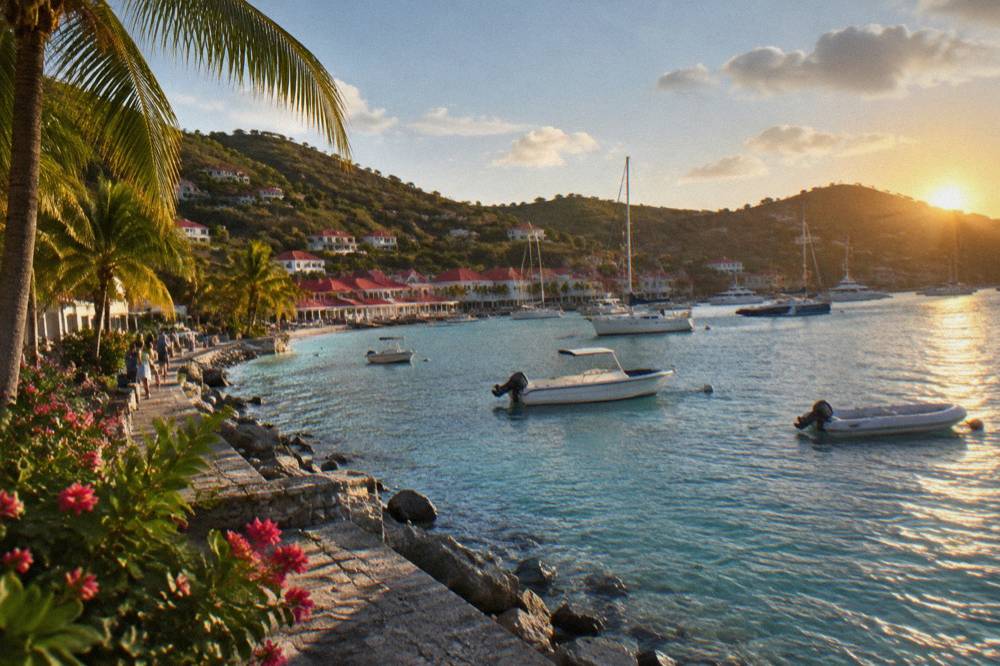
Between the two models, the honest planning distinction is this: on St Barts you book a flight, a ferry seat, a car or a villa and assemble the trip yourself, while a Mustique stay runs through that island's own arrangements. Readers weighing other neighbouring options can also compare St Barts versus St Lucia or the British Virgin Islands.
Which Beaches Can You Visit On St Barts?
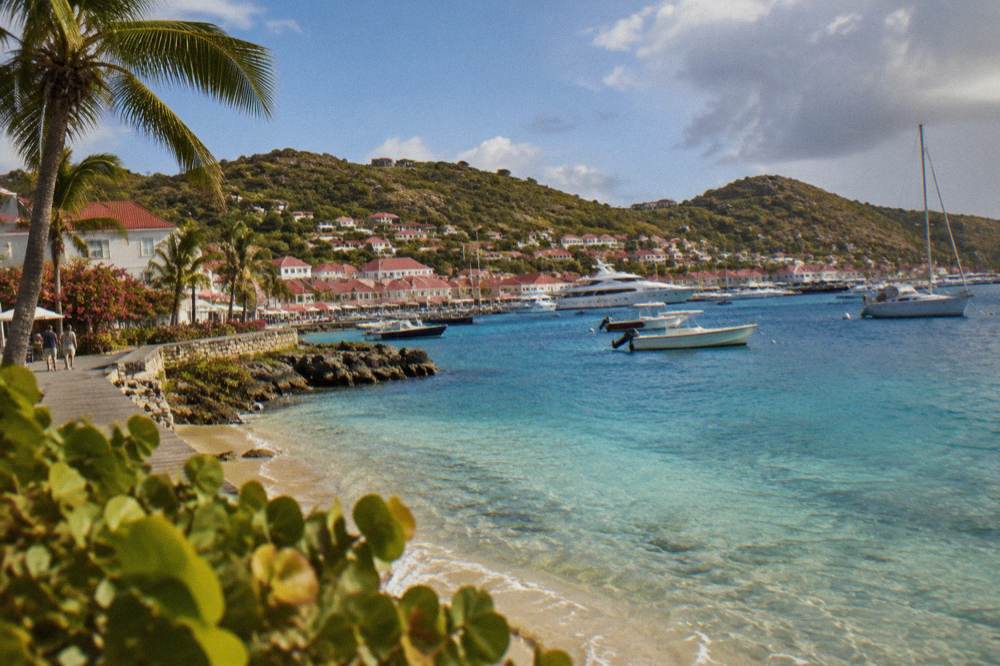
Every beach on St Barts is public, the tourism committee states, including Saint-Jean, Gouverneur, Saline, Shell Beach (Grand Galet), Flamands, Colombier, Grand Cul-de-Sac, Lorient, Toiny, Marigot, Corossol and Anse des Cayes, a list no private island matches in scale of open access. That is the practical heart of the comparison for beach-led travellers. The beaches sit in bays around a roughly 21 square kilometre island, each reachable by road or, in Colombier's case, by path or boat.
The tourism committee's list also includes smaller public coves beyond the famous names, and the Flamands Beach page and Saint-Jean Beach page describe individual bays in detail. No beach on the island carries an entry fee or a membership, and the environment agency's beach rules, covering dogs and protected species, apply island-wide rather than beach by beach.
| Beach | Position On The Island | Access Character |
|---|---|---|
| Saint-Jean | North coast near the airport | Public, adjacent to the Saint-Jean area |
| Flamands | North coast west of Saint-Jean | Public, long sandy bay |
| Grand Cul-de-Sac | Northeast coast | Public, sheltered lagoon area |
| Lorient | North coast east of Gustavia | Public, village bay |
| Shell Beach (Grand Galet) | West edge of Gustavia | Public, short walk from town |
| Gouverneur | South coast | Public, reached by road |
| Saline | South coast east of Gouverneur | Public, reached by road and path |
| Colombier | Northwest tip | Public, reached by path or boat |
| Toiny | Southeast coast | Public, below the Toiny area |
| Corossol | West coast north of Gustavia | Public, village bay |
Colombier deserves its own note because access shapes the experience: the bay sits at the island's northwest tip, inside the marine reserve, reached on foot by trail or by sea. The Colombier area guide covers the trail, and the group sail from St Martin makes the bay a stop.
What Rules Apply Around St Barts Coastline?
The St Barts marine reserve, run by the territorial environment agency, sets a 5-knot speed limit in its zones, bans jet skis and other motorized water devices, lists 23 dive sites, prohibits dogs on beaches and forbids touching turtles or other protected species, according to the agency's regulatory-zones page. These rules apply in the reserve's zones, which include Colombier Bay and Ile Fourchue, and they are enforced by the territory rather than by private operators.
For a boat day, the speed limit and the anchoring arrangements matter most. Ecological mooring buoys are preferred in Colombier and Fourchue bays, vessels over 25 m are excluded, and anchoring restrictions apply in sensitive areas. Drones are prohibited near or within reserve zones without authorization. None of this restricts swimming or snorkelling; it restricts the machinery around them. The full detail sits in the St Barts nature reserve guide.
| Rule | Where It Applies | Source |
|---|---|---|
| 5-knot speed limit | Reserve zones on the water | Environment agency regulatory-zones page |
| No jet skis or seabobs of motorized devices | All reserve zones | Environment agency regulatory-zones page |
| No dogs on beaches | Island-wide under a municipal order, and in reserve areas | Environment agency beach page |
| No touching turtles, corals or protected species | All reserve zones | Environment agency regulatory-zones page |
| No vessels over 25 m | Colombier and Fourchue bays | Environment agency regulatory-zones page |
| No drones without authorization | Near and within reserve zones | Environment agency regulatory-zones page |
Mustique has its own island management and its own rules, and the island is privately managed. On St Barts, the rules above are public and published, which is itself part of the comparison: one island publishes its environmental law in English and French, and the other administers itself privately.
What Is The Weather Like On St Barts?
St Barts is warm year round, with mean daily highs of 28.5 C in January and 31.7 C in September and 891.3 mm of rain a year, October being the wettest month at 135.6 mm, according to the Meteo-France climate normals for St Barthelemy, 1991-2020. The Atlantic hurricane season runs from 1 June to 30 November, with peak activity from mid-August to mid-October and a climatological peak near 10 September. No source on this site provides equivalent figures for Mustique, so no comparison table of the two islands' climates is offered.
The seasonal shape of St Barts matters for trip timing. The drier early months of the year coincide with the high season, while the warmer, wetter months from August to November overlap the peak of hurricane season. Sea temperature is warm throughout, about 26 C in winter to about 29 C from August to October, from a secondary source, so swimming is a year-round activity. The St Barts weather guide unpacks the full table.
| Month | Mean Daily High (C) | Mean Daily Low (C) | Rain (mm) |
|---|---|---|---|
| January | 28.5 | 23.5 | 52.6 |
| February | 28.6 | 23.3 | 38.4 |
| April | 29.8 | 24.2 | 50.9 |
| July | 31.2 | 26.0 | 80.4 |
| September | 31.7 | 26.2 | 96.9 |
| October | 31.4 | 25.8 | 135.6 |
| December | 28.9 | 24.1 | 79.2 |
When Should You Plan A St Barts Trip Rather Than A Mustique One?
Plan around St Barts' documented calendar and closure pattern: many hotels and restaurants close each autumn and reopen in waves between mid-October and early November, the St Barth Gourmet Festival runs 9 to 15 November 2026, and the St Barth Music Festival runs 8 to 18 January 2027, while the Bucket Regatta falls in mid-March. Both islands sit in the same hurricane belt, so the weather logic of avoiding the September-to-early-October trough applies broadly across the region, but only the St Barts calendar is documented here event by event.
The reopening pattern deserves emphasis for autumn planners. Villas on St Barts generally remain available year round, which makes them the practical autumn choice when many hotel tables are closed. The Gourmet Festival and the Music Festival anchor the shoulder and high season, and the sailing events, the Bucket in mid-March and Les Voiles de St Barth in April, draw a yachting crowd to Gustavia's harbour. The best time to go to St Barts season guide lays out the trade-offs month by month.
| Event | Timing | Status |
|---|---|---|
| St Barth Gourmet Festival | 9 to 15 November 2026 | Dated by the festival's own material |
| St Barth Music Festival | 8 to 18 January 2027 (43rd edition) | Dated on the festival site |
| St Barths Bucket Regatta | Mid-March | Organiser's site confirms March |
| Les Voiles de St Barth | April | 2027 dates unconfirmed |
| St Barth Film Festival | Late April or early May | 2027 dates unconfirmed |
| New Year's Eve fireworks, Gustavia | 31 December | Annual, undated detail |
What Can You Actually Book For St Barts From St Martin?
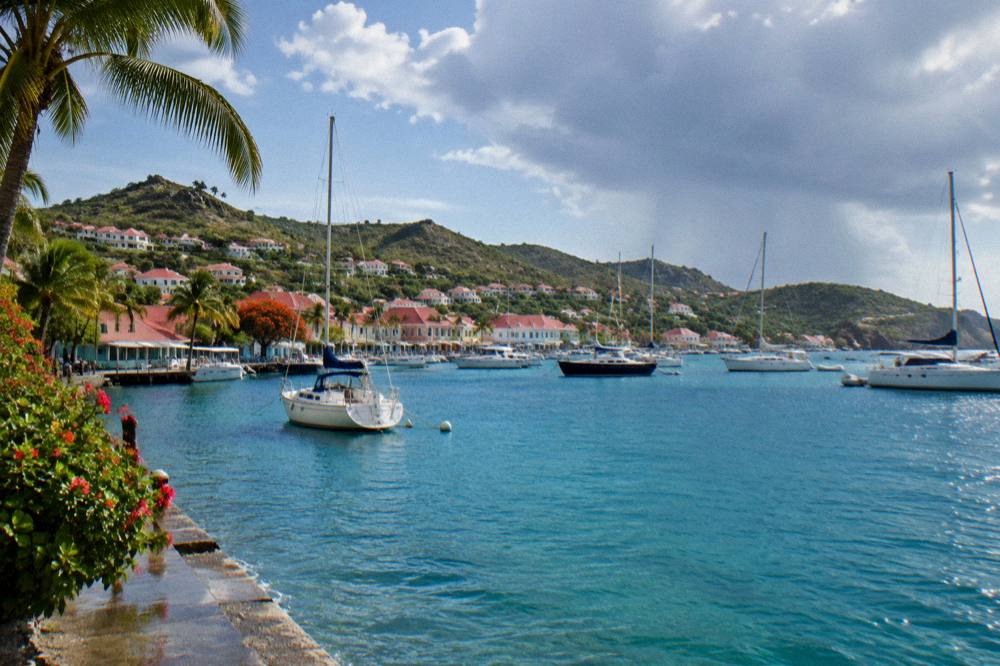
Six boat products listed here run from St Martin or Sint Maarten to St Barts: one per-person group sail and snorkel, four private day charters and one overnight private catamaran, all departing from the neighbouring island, never from St Barts itself. That is the booking reality for a water-based St Barts day trip, and it contrasts with a villa-based Mustique stay, which is arranged through that island's own management rather than an open market of day trips.
The per-person option, the Boomerangs group sail and snorkel, runs only from 12 May to 31 August 2027 on its listing, so travellers outside that window are looking at private charters priced per group. The private options include an 8-hour full-day charter, a charter from St Martin, a Nikki Beach charter from Sint Maarten, a 7.5-hour private sailboat and a 2-day, 1-night private catamaran. Each product's price, rating and duration render in the cards below from the operator's live listing, and dates are on the live listing, so confirm one before committing.
For planners combining the two neighbouring islands, the St Maarten before or after St Barts guide covers the gateway logistics, and the Anguilla day trip from St Barts and Saba day trip pages extend the region's possibilities.
Should You Choose St Barts Or Mustique For Your Trip?
Choose St Barts if you want an independently bookable French Caribbean island with public beaches, scheduled ferries, small-plane access from four gateways, a published environmental rulebook and a dated events calendar; Mustique suits travellers seeking a privately managed villa island, which this site's sources do not document beyond that model's existence. The choice reduces to access and control. St Barts rewards self-directed planning: book a flight to St Martin, a ferry or a small plane, a car or a villa, and the island is yours to assemble. Mustique asks you to book the island's own arrangements first.
Neither model is objectively better, and the honest comparison has its limits. What can be said with full documentation is everything on the St Barts side: the 646 m runway and its turboprop-only rule, the two ferry operators and their sailing times, the eleven-plus public beaches, the marine reserve's five-knot zones, the Meteo-France normals and the festival dates. That is more published, checkable information than most Caribbean islands offer, and it is the strongest practical argument for the St Barts side of the ledger.
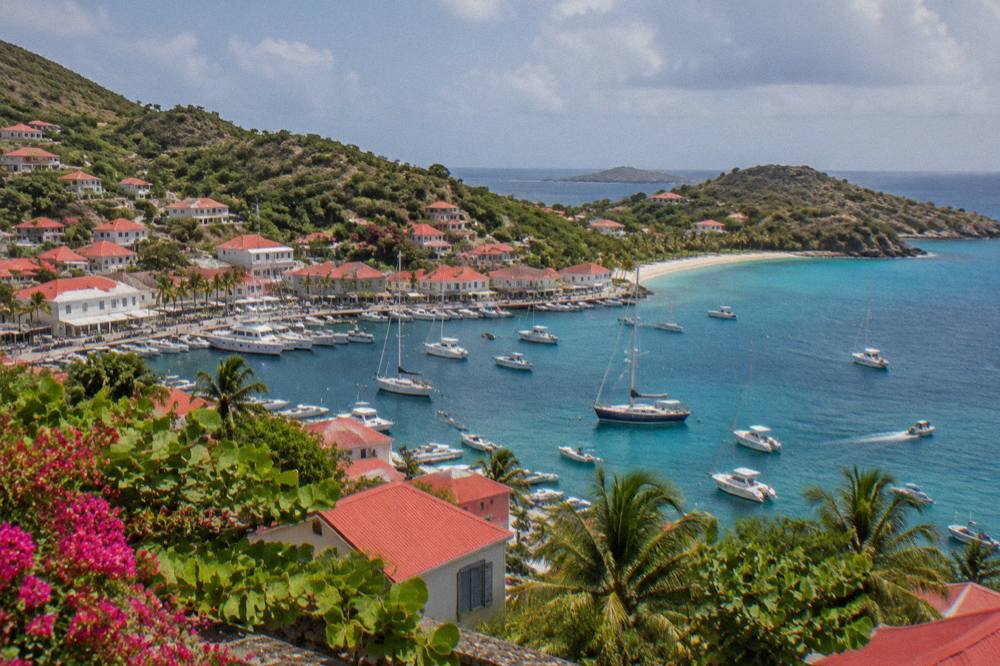
For readers whose comparison is really about which neighbouring island to pair with St Barts, the site's day-trip set covers St Barts to St Martin, St Kitts from St Barts and the broader Caribbean comparisons. And for those who want the water-based St Barts experience with an overnight on board, the catamaran option below is the only one.
Common Questions About St Barts Versus Mustique
Is St Barts easier to reach than Mustique?
St Barts is reachable through gateway flights to St Martin, San Juan, Guadeloupe or Antigua, followed by a small STOL turboprop into Gustaf III Airport or a ferry from Philipsburg or Marigot, with schedules published by the carriers. Mustique is a privately managed island reached through its own arrangements, which this site's sources do not document.
Are the beaches on St Barts public?
Yes. The tourism committee states that all beaches on St Barts are public, including Saint-Jean, Gouverneur, Saline, Shell Beach, Flamands, Colombier, Grand Cul-de-Sac, Lorient, Toiny, Marigot, Corossol and Anse des Cayes.
Which is bigger, St Barts or Mustique?
St Barts is about 21 square kilometres with roughly 10,700 residents. This site's sources do not give a figure for Mustique's area or population, so no size comparison is printed.
What currency does St Barts use compared with Mustique?
St Barts uses the euro as a French overseas collectivity. Mustique forms part of St Vincent and the Grenadines; currency details for that territory are not covered by this site's sources.
When is hurricane season for both islands?
The Atlantic hurricane season runs from 1 June to 30 November, with peak activity from mid-August to mid-October, and it applies across the region including both islands. Never plan around a prediction; check the official outlooks close to travel.
Can you visit St Barts as a day trip by boat?
Yes, from St Martin or Sint Maarten. The trip list carries one per-person group sail and snorkel, running 12 May to 31 August 2027 on its listing, plus private day charters and an overnight catamaran, all departing from the neighbouring island.