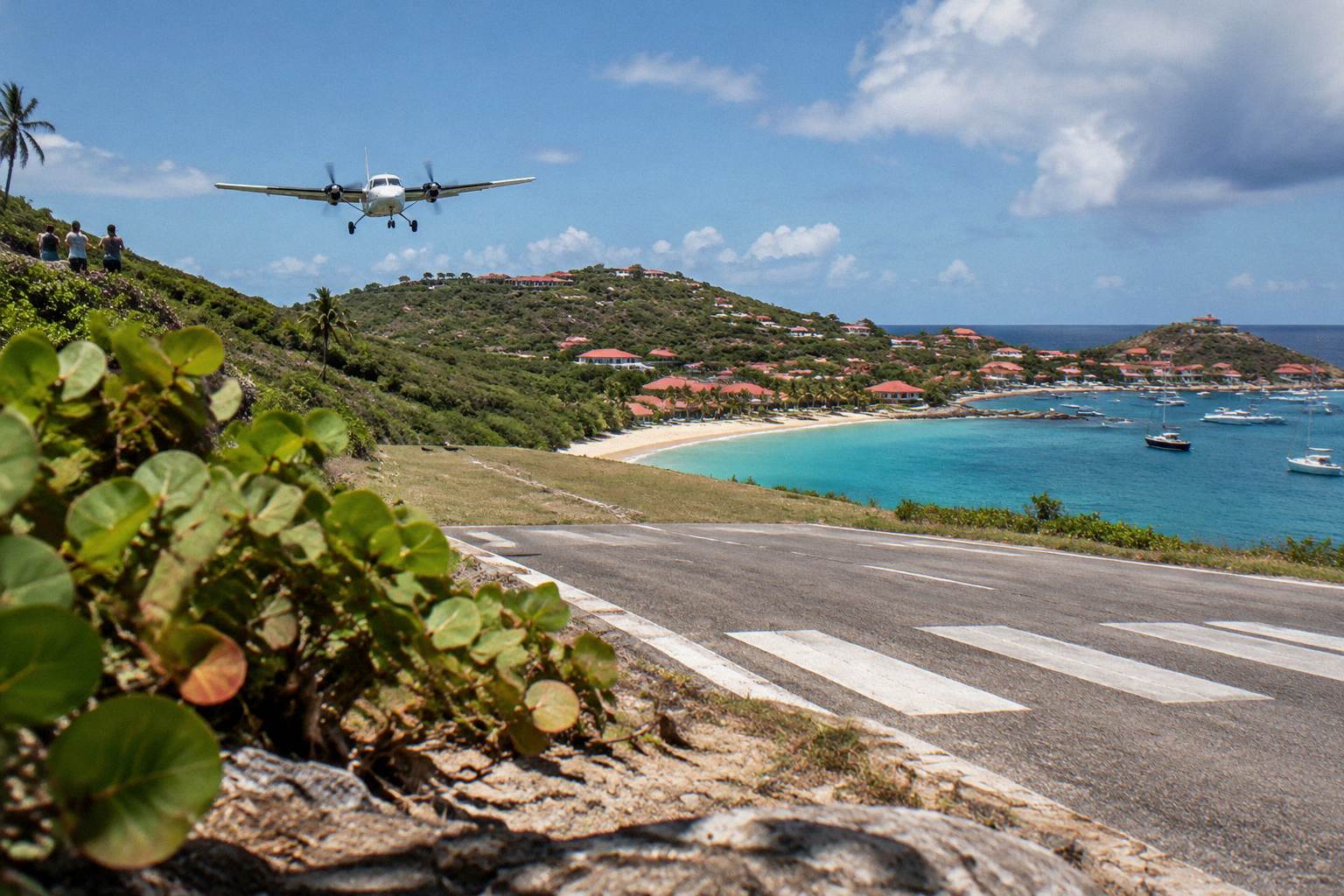
St Barts Versus The British Virgin Islands
St Barthelemy, usually written St Barts, is a small French island of about 21 square kilometres, while the British Virgin Islands are a scattered archipelago a long sail to the northwest. One is a single compact island reached through St Martin, the other a sailing territory built around moving between islands. Here is how the two compare.
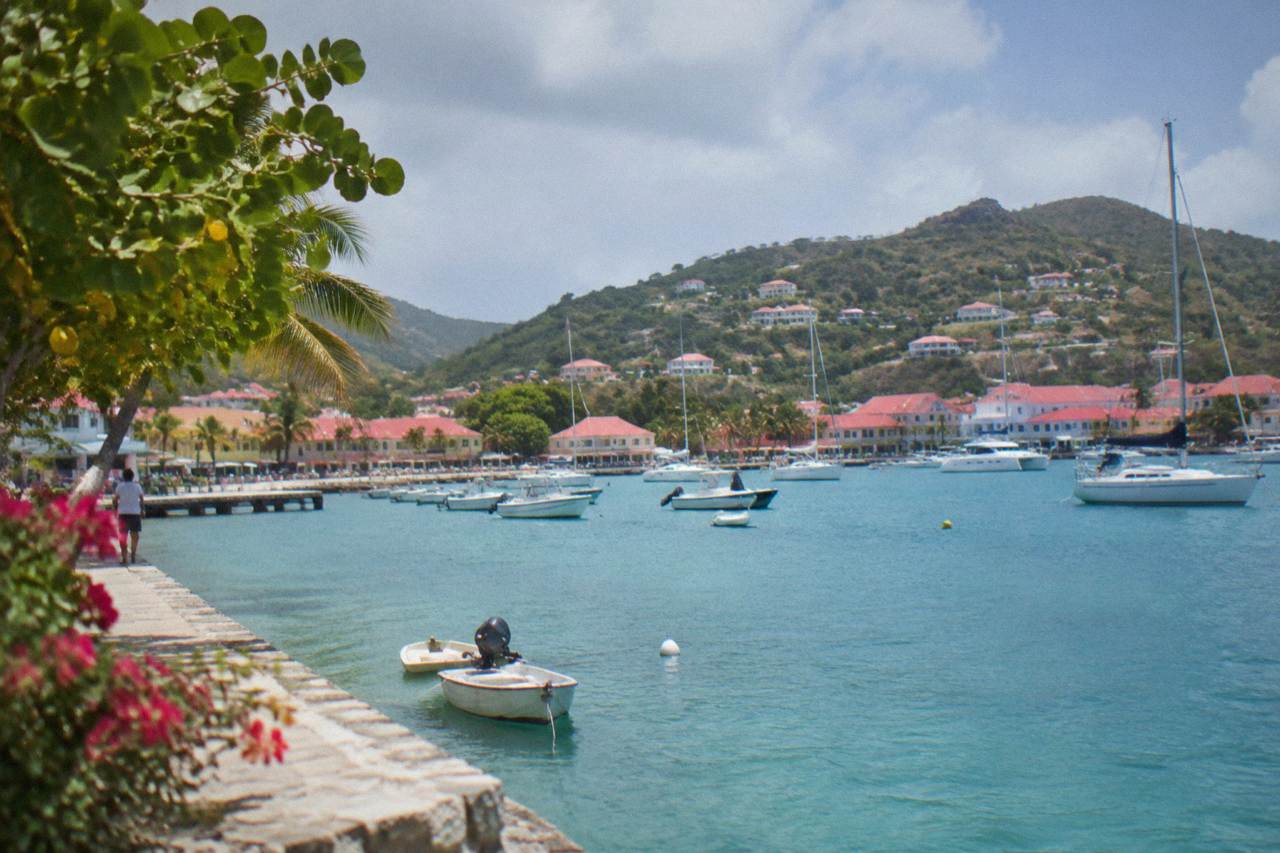
St Barts suits travellers who want one walkable French island with famous beaches, a harbour town and short transfers through St Martin. The BVI suits travellers who want to sail or ferry between several islands. St Barts has no jet airport and a 646 m runway for small turboprops only; the BVI is reached through its own territorial airport or by ferry from neighbouring islands.
St Barthelemy, written St Barts on this site, and the British Virgin Islands sit on the same side of the Caribbean but answer two different holiday questions. St Barts is a single French overseas collectivity of about 21 square kilometres with roughly 10,700 residents, a harbour capital at Gustavia and an airport whose 646 m runway accepts only small turboprops in daylight. The British Virgin Islands are a British territory of many islands, including Tortola, Virgin Gorda, Anegada and Jost Van Dyke, and the trip there is built around boats moving between them. This guide compares the two on the points a planner actually weighs: getting there, the shape of each day, the season, the water and the money.
Which Is Easier To Reach, St Barts Or The BVI?
St Barts is reached through St Martin and then a short hop or a ferry, because its Gustaf III Airport (SBH) has a 646 m runway that no jet can use, while the BVI are reached through their own territorial airport on Tortola or by ferry from neighbouring US islands. Neither destination takes a long-haul jet directly onto its main soil. For St Barts the gateway is always St Martin, St Maarten, San Juan, Guadeloupe or Antigua.
Start with St Barts, because its access is unusually specific. No jet lands at SBH. The runway, 646 m long, is served only by small STOL turboprops, and flights operate in daylight and visual conditions only. St Barth Commuter flies to the island from Princess Juliana on Sint Maarten (SXM), Grand Case on French St Martin (SFG) and Pointe-a-Pitre in Guadeloupe (PTP). Tradewind flies in from San Juan (SJU) and Antigua (ANU). A traveller arriving on a wide-body jet connects through one of those gateways and finishes the trip on a small plane or on the water. The ferry option runs on two operators: Great Bay Express from Philipsburg on the Dutch side, and Voyager from Marigot on the French side. Both tie up at Gustavia, and neither crossing can be promised smooth.
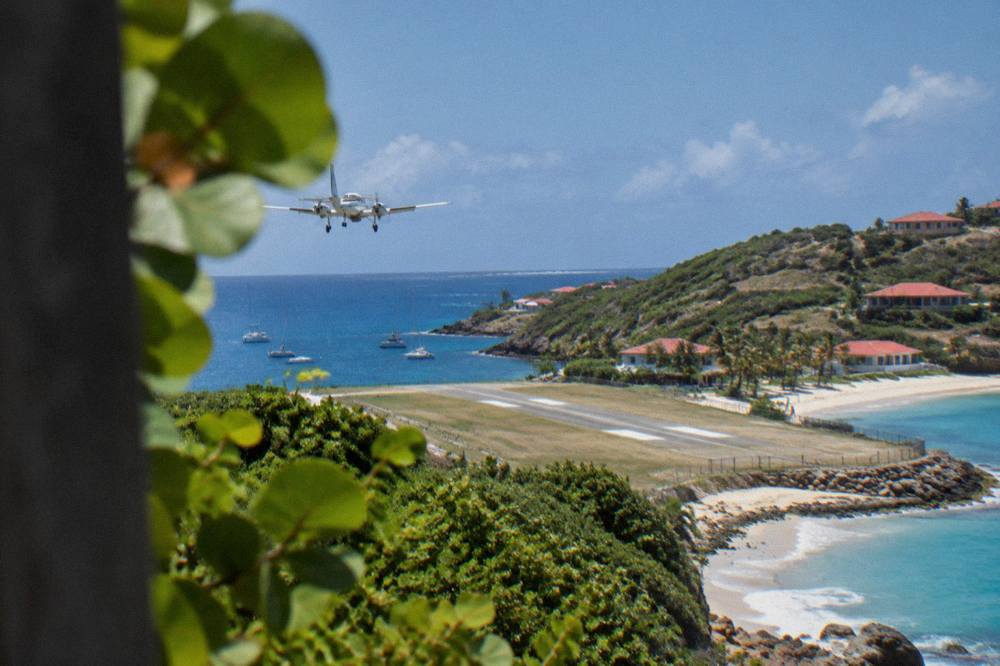
The BVI work differently as a matter of geography rather than luxury. The territory has its own airport near Tortola with regional connections, and many arrivals ferry across from the United States Virgin Islands. The comparison that matters is not difficulty but texture: St Barts funnels everyone through St Martin into one small island, while the BVI spread arrivals across several islands and immediately ask which boat comes next. More on the St Martin side of that funnel is in getting from St Maarten airport to St Barts and in the broader St Barts versus St Martin comparison.
| Route | Carrier | Aircraft or vessel type | Notes |
|---|---|---|---|
| SXM to SBH | St Barth Commuter | Small STOL turboprop | Busiest feeder route, a short hop |
| SFG to SBH | St Barth Commuter | Small STOL turboprop | French side departure |
| PTP to SBH | St Barth Commuter | Small STOL turboprop | Guadeloupe gateway |
| SJU to SBH | Tradewind | Small STOL turboprop | San Juan gateway |
| ANU to SBH | Tradewind | Small STOL turboprop | Antigua gateway |
| Philipsburg to Gustavia | Great Bay Express | Ferry | About 45 minutes, conditions dependent |
| Marigot to Gustavia | Voyager | Ferry | About 50 to 60 minutes, conditions dependent |
What Does A Day Look Like On Each Island?
A St Barts day is compact: one island, public beaches within a short drive of anywhere, and Gustavia as the fixed centre, while a BVI day is itinerant, moving by boat between several islands in one outing. St Barts concentrates its experience, roughly 10,700 residents on about 21 square kilometres, so a single base serves the whole stay. The BVI distribute theirs across an archipelago, so the day is defined by the crossing.
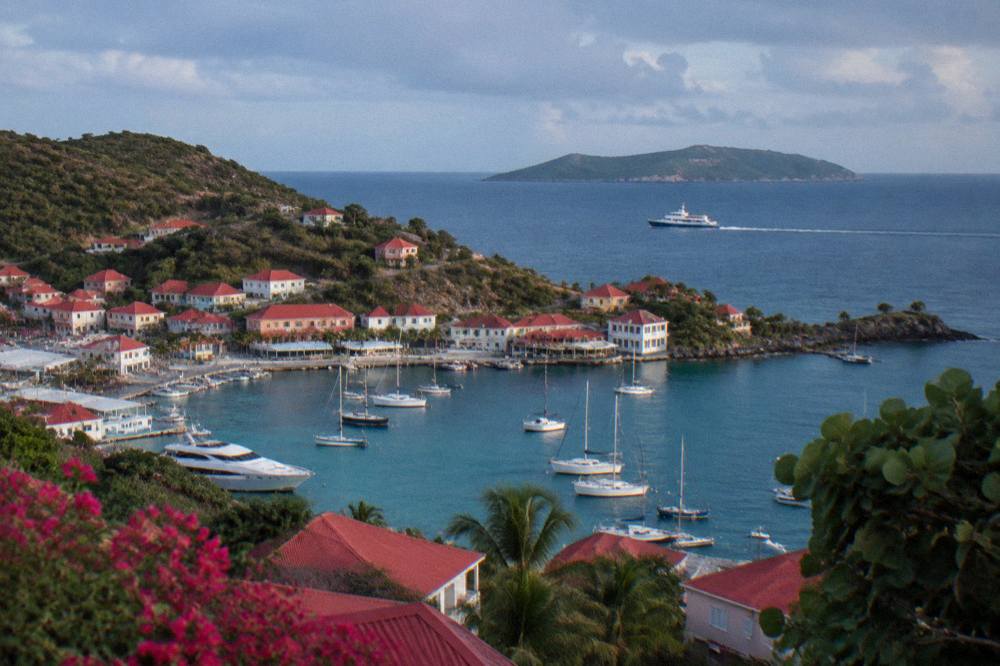
On St Barts every beach is public, from Saint-Jean and Gouverneur to Saline, Colombier and Shell Beach. The island is hills, red-roofed Gustavia and turquoise water, and the whole territory fits between breakfast and a different beach by late morning. A traveller can base in one place, rent a small car or rely on taxis, and never repack. Colombier deserves special mention because it is also a marine reserve bay, reachable by boat or on foot, which is exactly the kind of feature that shapes a St Barts day.
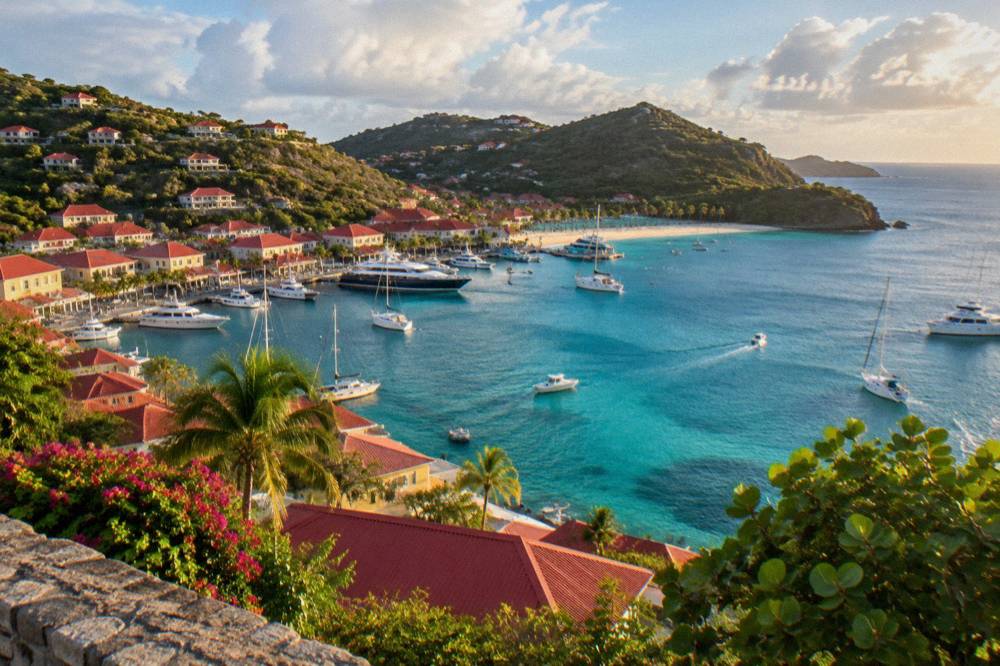
A BVI day leans the other way. The territory's islands are close enough together that a single excursion can call at more than one, and the classic trip is a boat circuit rather than a beach rotation by road. That difference decides the holiday. A traveller who wants to unpack once and settle prefers St Barts. A traveller who wants the itinerary itself to move prefers the BVI. St Barts can still be seen from the water: the day sails that depart St Martin and call at Gustavia, Colombier and Ile Fourchue deliver a boat day on the French island, and one such option is the Boomerangs group sail from St Martin, which runs only from 12 May to 31 August 2027, and the operator's live listing shows dates.
Which Has The Better Sailing And Boating?
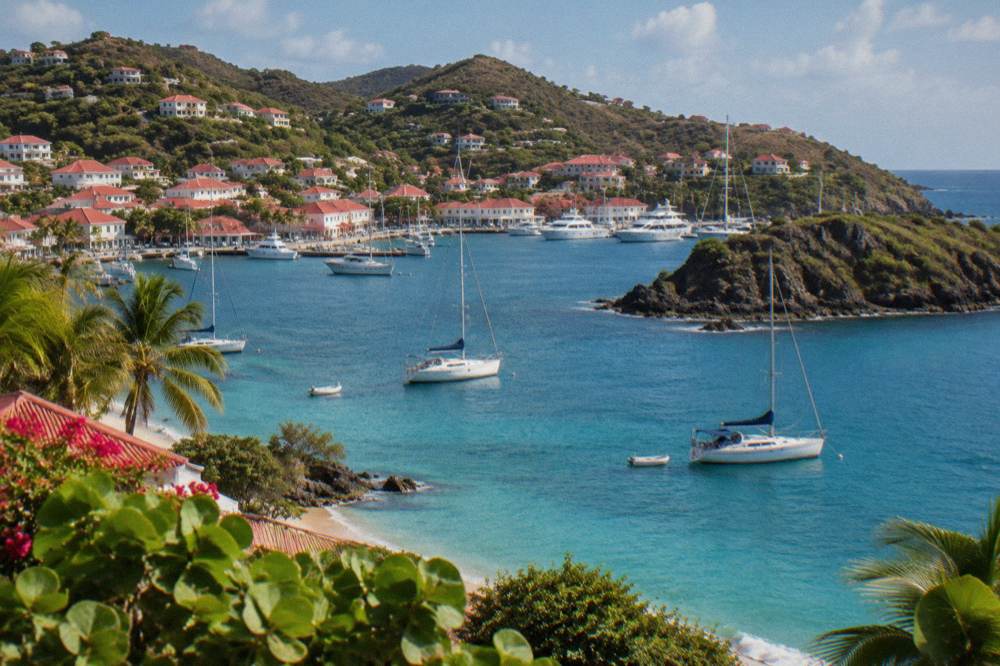
St Barts offers one spectacular concentration, Gustavia harbour ringed by hills, plus protected reserve bays such as Colombier and Ile Fourchue, while the BVI are structured as a sailing territory with island-to-island passages as the core product. St Barts is a destination you sail to; the BVI are a place you sail around. The marine reserve around St Barts lists 23 dive sites and sets a 5-knot limit in its zones.
The environment agency's regulatory-zones page for St Barthelemy defines what boating means on the French side: a 5-knot speed limit inside protected zones, no jet skis or towed motorised devices, no dogs on beaches, no touching turtles, and mooring rules in Colombier and Fourchue bays that cap vessel size at 25 m. Those rules make the St Barts water experience what it is, quiet and regulated, with turtles common around Grand Cul-de-Sac and Colombier. Regattas anchor the calendar too, with the St Barths Bucket in mid-March and Les Voiles de St Barth in April.
The BVI comparison is honest without figures: the territory's whole travel economy is arranged around charter boats and inter-island ferries, and its fame rests on multi-island routes rather than a single harbour. What St Barts offers instead is the arrival, the approach into Gustavia past anchored yachts, and day trips from St Martin that pack the crossing, a swim stop and the harbour into one outing. The overnight version of that idea exists too, a private catamaran that crosses from St Martin and sleeps aboard.
How Do The Beaches Compare?
Every beach on St Barts is public by law, a dozen named strands from Saint-Jean to Colombier within about 21 square kilometres, while the BVI spread their beaches across separate islands, each requiring its own crossing. On St Barts the beach day costs the drive; in the BVI it costs the boat. The French island's list is documented beach by beach on the tourism committee's site.
The St Barts beach list, as listed by the tourism committee, includes Saint-Jean, Gouverneur, Saline, Shell Beach (Grand Galet), Flamands, Colombier, Grand Cul-de-Sac, Lorient, Toiny, Marigot, Corossol and Anse des Cayes. All are public. Individual profiles on this site cover Saline, Shell Beach and Saint-Jean, among others, and say no more about each strand than access, name and map position.
| St Barts beach | Public status | Map position |
|---|---|---|
| Saint-Jean | Public | South coast near the airport |
| Gouverneur | Public | South coast west of Saline |
| Saline | Public | South coast |
| Shell Beach (Grand Galet) | Public | West edge of Gustavia |
| Flamands | Public | North-west coast |
| Colombier | Public | North-west tip, reserve bay |
| Grand Cul-de-Sac | Public | East coast lagoon |
| Lorient | Public | North coast east of Gustavia |
The BVI cannot be listed that way from this site's sources, and the honest statement is the structural one: BVI beaches belong to separate islands, so a comparable list would be a list of crossings. Travellers who want beach density, many strands within a small radius, get it on St Barts. Travellers who want each beach to feel like an expedition get it in the BVI.
When Is The Best Time To Visit Each?
St Barts runs its high season from roughly December to April, outside the Atlantic hurricane season of 1 June to 30 November, with the Meteo-France normals for St Barthelemy showing mean daily highs of 28.5 C in January and 31.7 C in September and October the wettest month at 135.6 mm. The BVI share the same hurricane season and a similar calendar. The climate case is effectively a tie, so season planning is about events and closures instead.
The Meteo-France normals, 1991-2020, for the St Barthelemy station give the full picture: 891.3 mm of rain across the year, the lowest monthly total in February at 38.4 mm, and the highest in October at 135.6 mm. The sea stays warm, about 26 C in winter to about 29 C from August to October. Hurricane season runs 1 June to 30 November with the peak from mid-August to mid-October; the climatological peak sits near 10 September. Irma struck St Barthelemy in September 2017, and no prediction of any future storm belongs on a planning page.
| Month | Mean daily high C | Mean daily low C | Rain mm |
|---|---|---|---|
| Jan | 28.5 | 23.5 | 52.6 |
| Feb | 28.6 | 23.3 | 38.4 |
| Mar | 29.0 | 23.5 | 41.4 |
| Apr | 29.8 | 24.2 | 50.9 |
| May | 30.7 | 25.1 | 61.7 |
| Jun | 31.2 | 25.9 | 56.0 |
| Jul | 31.2 | 26.0 | 80.4 |
| Aug | 31.6 | 26.3 | 79.6 |
| Sep | 31.7 | 26.2 | 96.9 |
| Oct | 31.4 | 25.8 | 135.6 |
| Nov | 29.9 | 25.0 | 118.6 |
| Dec | 28.9 | 24.1 | 79.2 |
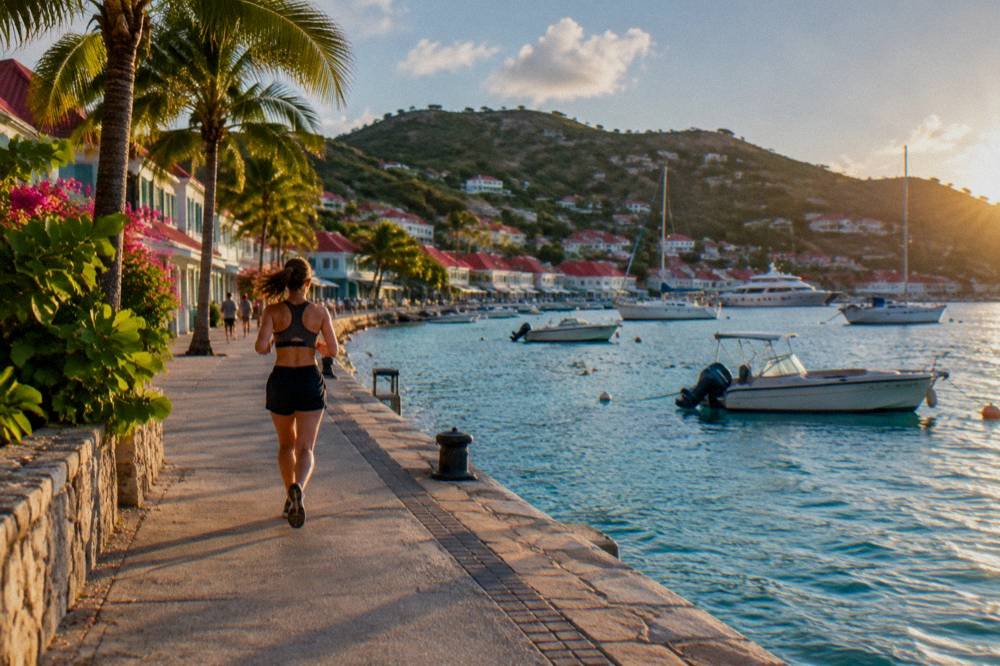
What actually differs between the two destinations is the autumn rhythm. On St Barts many hotels and restaurants close each autumn and reopen in waves between mid-October and early November, so a low-season visit meets a partly shuttered island that then comes back fast, with the St Barth Gourmet Festival from 9 to 15 November 2026 and the Music Festival from 8 to 18 January 2027 anchoring the reopening. The winter social peak clusters around New Year's Eve in Gustavia. The BVI follow the same broad hurricane-season calendar; the dates of any specific BVI event are not in this site's sources and are not guessed here.
Which Is Better For A One-Week Trip?
A week suits St Barts completely, because one island with a dozen public beaches, Gustavia and boat excursions fills five to seven days without a repack, while the BVI reward a week spent moving, basing on two or three islands. For a first-time visitor to the region, St Barts is the lower-logistics choice: one arrival, one base, one return. The BVI ask for a plan before they give one back.
The St Barts week writes itself around one base. Days rotate through the beaches, Gustavia's harbour and shops, the viewpoints over the hills, and at least one day on the water. Sample itineraries on this site, including the one-week St Barts itinerary, show how the island fills without strain. Boat days depart from St Martin and cross to Gustavia, Colombier and Ile Fourchue, so even the excursion is a round trip rather than a relocation.
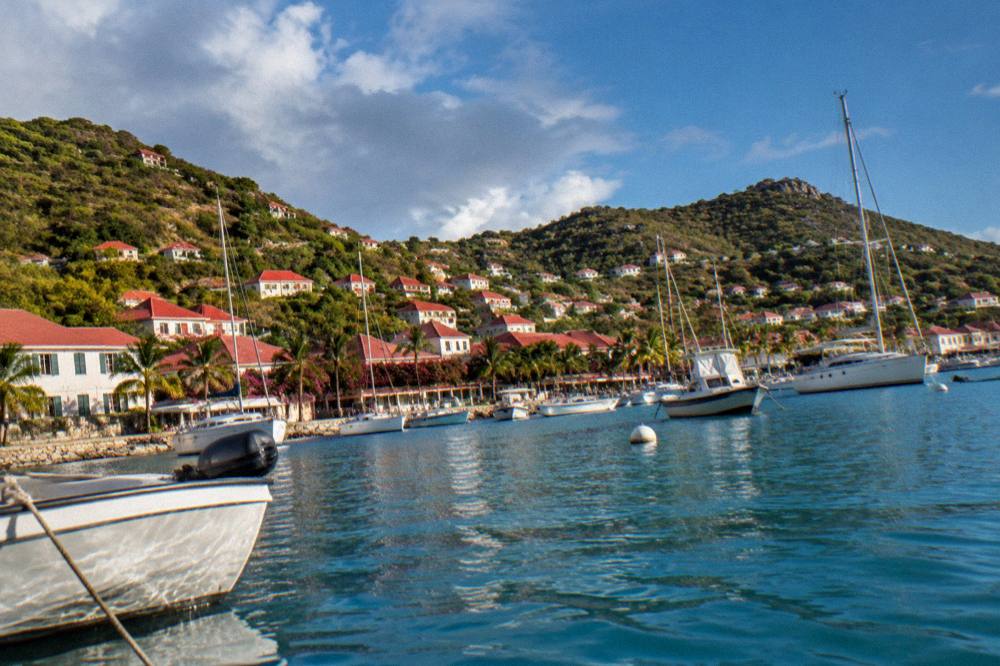
The BVI week inverts the structure. Rather than one island with excursions, it is a chain of short hops, and the quality of the trip depends on the connections. Neither answer is better; they are different products. A useful middle path is to treat St Barts as the base and make the water the moving part, whether on a day sail or an overnight catamaran that crosses from St Martin and returns.
How Do Costs And Practicalities Differ?
St Barts uses the euro as a French territory, prices its hotels and restaurants in euros, and charges a tourist tax of 5 percent of the nightly room rate collected through accommodation providers, while the BVI use the US dollar as a British territory with its own entry rules. What differs in kind is currency, entry regime and the number of logistics a traveller must manage.
Currency is the clean example. On St Barts the euro is legal tender, French is the official language and English is widely spoken, and the territory sits outside the Schengen area, so entry follows French overseas rules rather than Schengen ones. Travellers should check their own government's travel advice for current passport and visa requirements rather than rely on a guide page. In the BVI the US dollar circulates and the entry regime is that of a British territory. A trip combining both would cross two separate immigration systems, which is one reason almost nobody combines them casually.
| Practical point | St Barts | BVI |
|---|---|---|
| Currency | Euro | US dollar |
| Status | French overseas collectivity since 2007 | British territory |
| Language | French official, English widely spoken | English |
| Airport | Gustaf III (SBH), 646 m runway, no jets | Territorial airport near Tortola, regional links |
| Main gateway | St Martin (SXM), then small plane or ferry | Neighbouring islands, then ferry or regional flight |
| Entry regime | Outside Schengen, French overseas rules | British territory entry rules |
| Tourist tax | 5 percent of nightly rate via lodging providers | Not in this site's sources |
On the St Barts side, the practical essentials are documented elsewhere on this site, from what to do across the island to island-hopping options such as St Barts to Anguilla and St Barts to Saba. What no page here can responsibly print is a nightly rate, a ferry fare or a meal price on either destination; rates vary by season and the property or operator's own booking page shows them.
Which Should You Choose: St Barts Or The BVI?
Choose St Barts for one compact French island, eurozone polish, public beaches within minutes of each other, a harbour-centred social life and an arrival through St Martin that is part of the story. Choose the BVI for a sailing-and-ferrying archipelago where the itinerary moves. St Barts suits the settle-and-soak traveller, the BVI the route-and-crossing traveller, and the marine reserve rules at Colombier and Ile Fourchue are the quiet proof of the difference.
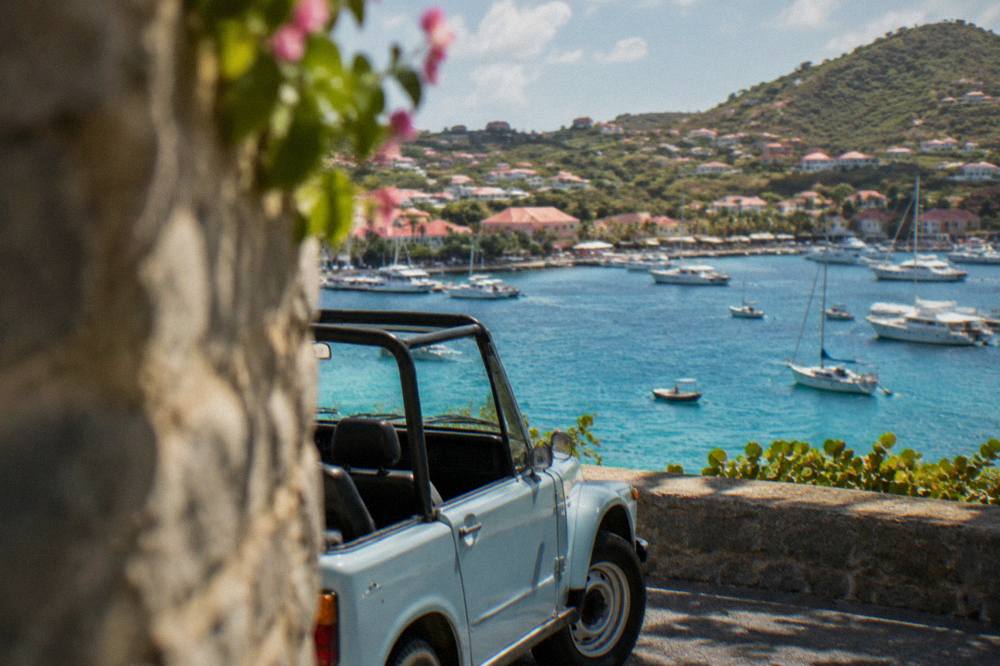
The decision usually reduces to three questions. Does the traveller want to unpack once? St Barts. Does the traveller want the boat to be the holiday rather than an excursion? The BVI. Does the traveller care about the arrival itself, the short-hop turboprop over the hill onto a 646 m runway or the ferry into Gustavia? Then St Barts again, because that arrival has no equivalent. Car rental counters at SBH include Avis, Budget and Hertz alongside local agencies and Mini Mokes, and the island's roads are narrow and steep with a 50 km/h limit and 30 km/h in Gustavia and Saint-Jean, which is the practical texture of a St Barts stay.
There is also a hybrid worth naming: base on St Martin or Sint Maarten for a night or two, cross to St Barts by ferry or small plane, and let the boat day carry the multi-island feeling. The St Maarten before or after St Barts page covers that sequencing, and the crossing itself is covered in St Barts to St Martin.
Common Questions About St Barts Versus The BVI
Is St Barts easier to reach than the BVI?
Neither is hard, but the routes differ. St Barts has no jet airport: its 646 m runway at Gustaf III accepts only small turboprops in daylight, and everyone connects through St Martin, San Juan, Guadeloupe or Antigua, or takes a ferry from Philipsburg or Marigot. The BVI are reached through their own territorial airport on Tortola or by ferry from neighbouring islands.
Which is better for a sailing trip, St Barts or the BVI?
The BVI are structured around sailing between islands as the core holiday. St Barts is a destination sailed to, with Gustavia harbour, the protected reserve bays of Colombier and Ile Fourchue, and regattas in spring. Day and overnight boats from St Martin cover the St Barts water experience without a charter week.
Do I need a passport for St Barts and the BVI?
Both destinations require proper travel documents, and entry rules differ: St Barts follows French overseas rules and sits outside Schengen, while the BVI apply British territory rules. Check your own government's current travel advice for passport validity and visa requirements before booking either trip.
Which is more expensive, St Barts or the BVI?
This site prints no rates for either destination, because rates vary by season and by property. On St Barts, local costs are in euros and a tourist tax of 5 percent of the nightly room rate is collected through lodging providers. The BVI use the US dollar. Confirm current prices on each operator's or property's own booking page.
Can you combine St Barts and the BVI in one trip?
You can, but it crosses two immigration systems and usually routes back through St Martin or another hub, since no direct link sits in this site's sources. A simpler hybrid is basing on St Martin or Sint Maarten and crossing to St Barts by ferry or small plane for the day or an overnight.
When is hurricane season for both destinations?
The Atlantic hurricane season runs 1 June to 30 November, with the peak from mid-August to mid-October, for both St Barts and the BVI. On St Barts many hotels close in autumn and reopen between mid-October and early November. No page can predict a storm for any date.