St Barts To St Martin
St Barthelemy, usually written St Barts, sits a short sea crossing from its larger neighbour St Martin, and nearly every visitor passes through that neighbour at least once. Here is how the crossing works in both directions, what the two islands offer, and how to plan the journey.
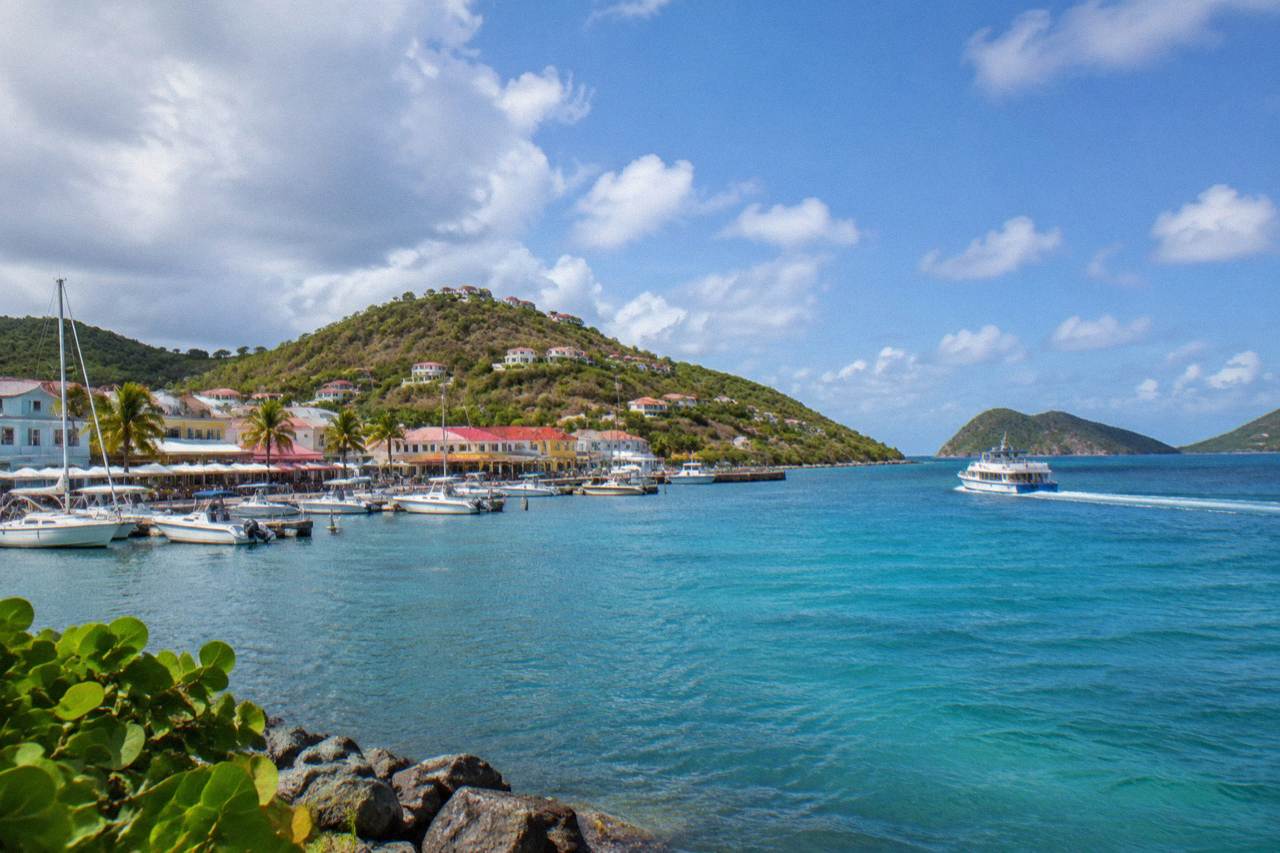
Two ferry operators link St Martin with Gustavia: Great Bay Express from Philipsburg in about 45 minutes and Voyager from Marigot in about 50 to 60 minutes, and small planes fly the hop from St Martin's airports. No jet lands on St Barts itself.
St Barthelemy, usually written St Barts, is a small French island in the Caribbean of about 21 square kilometres with roughly 10,700 residents, and its larger neighbour St Martin, shared between France and the Netherlands, is the gateway through which nearly every traveller passes. The relationship runs both ways: some visitors base themselves on St Martin and cross to St Barts for a day on the water, while others finish a St Barts stay with a day on the Dutch side's beaches and shopping streets before flying home. This guide covers the crossing in both directions, the ferry and flight options, and what each island offers the other's visitors. For the full island picture, start with the site's things to do in St Barts overview.
How Do You Travel From St Barts To St Martin?
There are two scheduled ways between the islands: the passenger ferry, which runs from Gustavia to Philipsburg in Sint Maarten with Great Bay Express and to Marigot in French St Martin with Voyager, and the small plane, which flies from Gustaf III Airport to St Martin's airports. Both run in both directions. There is no bridge and no road link, and sea conditions affect the ferry.
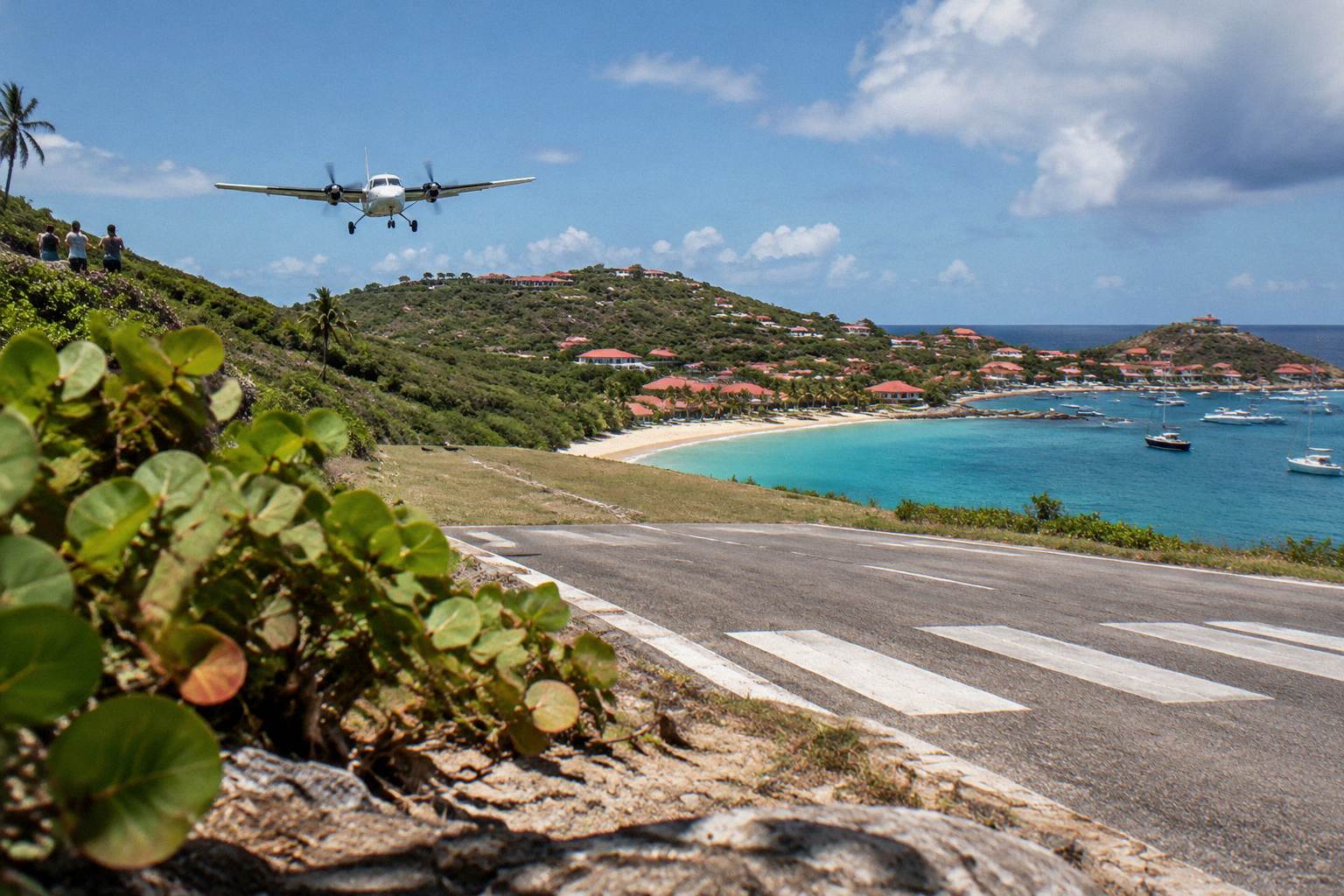
The geography sets the rules. St Barts is about 21 square kilometres of hills, and its airport at Gustavia, Gustaf III Airport (code SBH, also called Remy de Haenen), has a 646 m runway that accepts only small STOL turboprops, in daylight and visual conditions only. No jet lands on the island, so the long-haul journey always ends at a gateway, and St Martin, with its large international airport at Princess Juliana (SXM), is the busiest of them. The direction of travel matters less than travellers expect: the ferry and the shuttle flights run both ways every day, weather permitting, and the practical question is which port and which mode suit your timing, luggage and stomach for open water.
That last point deserves plain language. The crossing between the islands crosses open water, and sea conditions affect it. Neither operator promises a smooth ride, and sailings can be affected by weather. Anyone who is prone to seasickness should read the site's dedicated guidance on the St Maarten to St Barts ferry crossing alongside this page, and consider the plane as the alternative.
What Are The Ferry Options Between St Barts And St Martin?
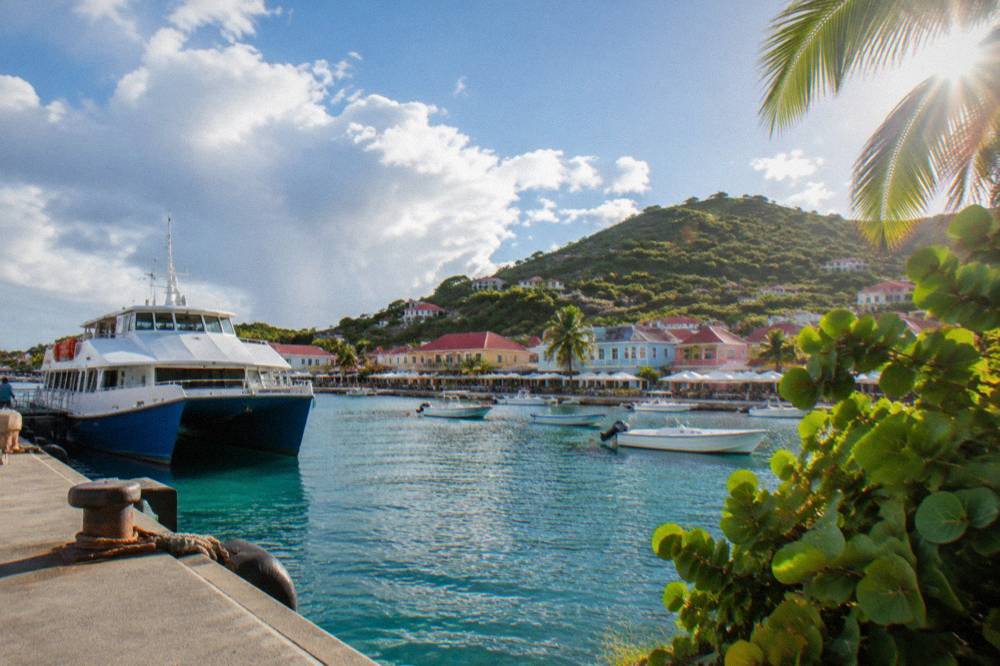
Two ferry operators serve the corridor. Great Bay Express runs from Philipsburg, at Bobby's Marina on the Dutch side, to Gustavia in about 45 minutes, and asks passengers to arrive about 45 minutes early, with check-in closing about 15 minutes before departure; a passport is required. Voyager runs from the Marigot Ferry Terminal on the French side to Gustavia in about 50 to 60 minutes, with two to three sailings a day.
The operators' own pages carry the current schedules, and both run daily, year-round, subject to weather, vessel availability and seasonal adjustment. The choice between the two usually comes down to geography on the St Martin side. If you are staying in Philipsburg or near the Dutch-side airport, Bobby's Marina is the closer departure point. If you are on the French side, in Marigot or Grand Case, the Marigot terminal saves the drive around the lagoon.
The table below compares what the operators' pages state. Note that departure times shift with season and day of the week and the live booking pages are the accurate source.
| Operator | Departure port (St Martin side) | Arrival | Crossing | Booking notes from the operator |
|---|---|---|---|---|
| Great Bay Express | Philipsburg, Bobby's Marina (Sint Maarten) | Gustavia | about 45 minutes | arrive about 45 minutes early; check-in closes about 15 minutes before departure; passport required |
| Voyager | Marigot Ferry Terminal (French St Martin) | Gustavia | about 50 to 60 minutes | two to three sailings a day; passport required |
Several bookable boat trips depart from St Martin or Sint Maarten and visit St Barts, including the site's featured Gustavia, Colombier and Ile Fourchue group sail, which spends a full day on the water; See the live listing if a day trip rather than a transfer is what you want.
Is Flying From St Martin To St Barts Better Than The Ferry?
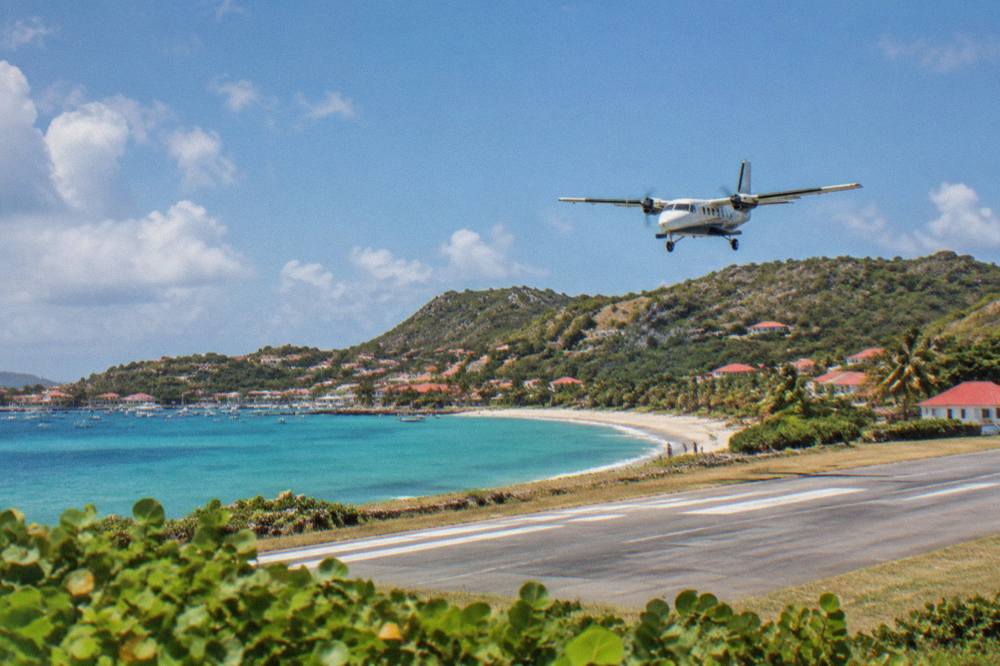
For speed and calm water, the plane wins: small carriers fly shuttle hops from St Martin's airports to Gustaf III, and the flight is a short hop. For luggage volume, cost sensitivity and a dislike of small aircraft, the ferry is the practical answer. The runway at St Barts accepts only small STOL turboprops, so every flight on the route is a light aircraft.
Two carriers are confirmed on the corridor. St Barth Commuter flies from Princess Juliana (SXM) on the Dutch side, from Grand Case (SFG) on the French side and from Pointe-a-Pitre in Guadeloupe to St Barts. Tradewind flies from San Juan (SJU) in Puerto Rico and from Antigua (ANU) to St Barts with Pilatus PC-12 aircraft. The site's guide to flights from St Maarten to St Barts covers the route in detail, including the special approach over the Col de la Tourmente that gives the airport its reputation.
The choice is not only about comfort. The ferry docks in the middle of Gustavia, a short walk or taxi from anywhere in town, while the airport at St Jean sits on the other side of the island's single roundabout, and baggage limits on light aircraft are stricter than any ferry's hold. Travellers with dive gear, golf bags or a month of luggage usually take the boat. Travellers who want to be drinking coffee in Gustavia within the hour usually take the plane.
| Route | Carrier | Aircraft type (per the carrier's material) | Notes |
|---|---|---|---|
| Princess Juliana (SXM) to St Barts | St Barth Commuter | small STOL turboprop | the busiest feeder route; a short hop |
| Grand Case (SFG) to St Barts | St Barth Commuter | small STOL turboprop | French-side departure, useful from Marigot and Grand Case |
| San Juan (SJU) to St Barts | Tradewind | Pilatus PC-12 | the common link from Puerto Rico |
| Antigua (ANU) to St Barts | Tradewind | Pilatus PC-12 | seasonal frequency |
| Philipsburg or Marigot to Gustavia | Great Bay Express / Voyager | passenger ferry | about 45 to 60 minutes on the water |
One more option deserves a line: private boat transfers, which the site covers in its St Barts private boat transfer guide family. They cost more, and for groups and families the arithmetic can work out, especially with luggage or a schedule that does not match the ferry's sailing times. The charter below is a full-day product rather than a bare transfer, but it shows the category.
If the private version appeals for your group, book a private charter to St Barth.
What Can You Do On St Martin Before Or After St Barts?
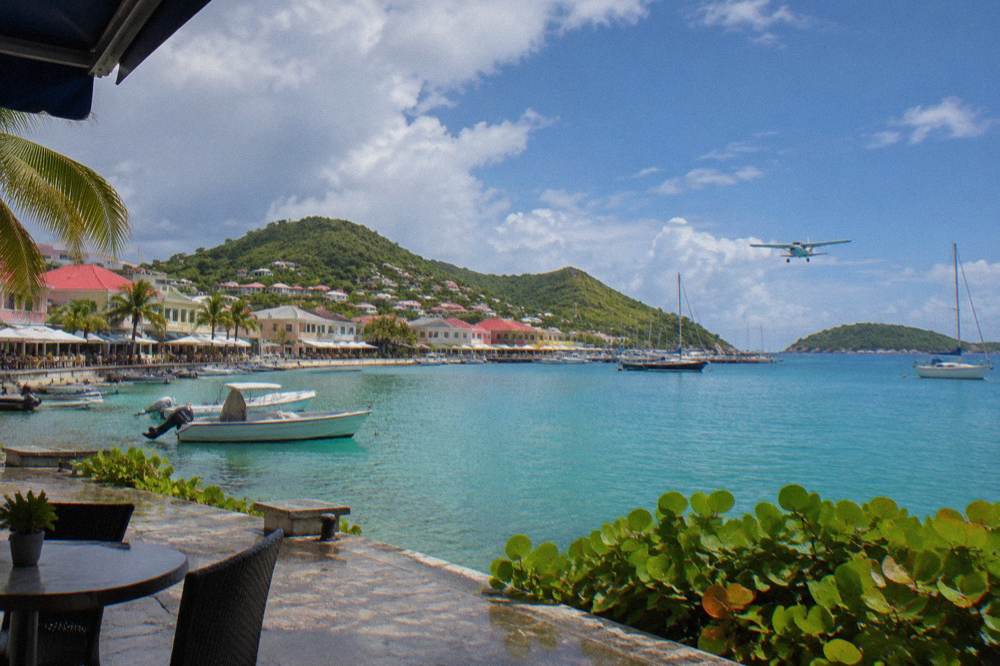
St Martin offers what St Barts cannot easily provide: a large international airport, duty-free shopping in Philipsburg, lagoon-side restaurants on the Dutch side and French-side towns such as Marigot and Grand Case. The ferry port and the airports sit within easy reach of both, which makes a same-day visit or an overnight stop practical in either direction.
The two islands are commonly combined in one trip, and the order is a real question. Some travellers fly into Princess Juliana, spend a night or two on St Martin, then cross to St Barts by ferry or plane; others end with a St Martin night before an early flight home, since morning departures from Gustavia require a same-day connection. The site's comparison of St Maarten before or after St Barts works through the sequencing, and its list of St Martin things to do before St Barts covers the Dutch and French side highlights in detail.
For day-trippers from St Barts, the practical targets are Philipsburg's waterfront shopping strip on the Dutch side and Marigot's market and marina on the French side, both close to the respective ferry terminals. The sailing schedules, roughly two to three crossings a day per operator, shape the day: an outward morning sailing and a late-afternoon return is the standard shape, and the live booking pages confirm the times for your date.
| St Martin side | Main draws for a day visit | Nearest ferry departure |
|---|---|---|
| Philipsburg, Sint Maarten (Dutch) | waterfront shopping strip, Great Bay beach, cruise-port atmosphere | Bobby's Marina, Great Bay Express |
| Marigot, St Martin (French) | market, marina, French-influenced cafes, fort ruins above the town | Marigot Ferry Terminal, Voyager |
| Grand Case, St Martin (French) | French-influenced dining village on the north shore | closest to Grand Case airport (SFG) for the plane |
How Do St Barts And St Martin Differ?
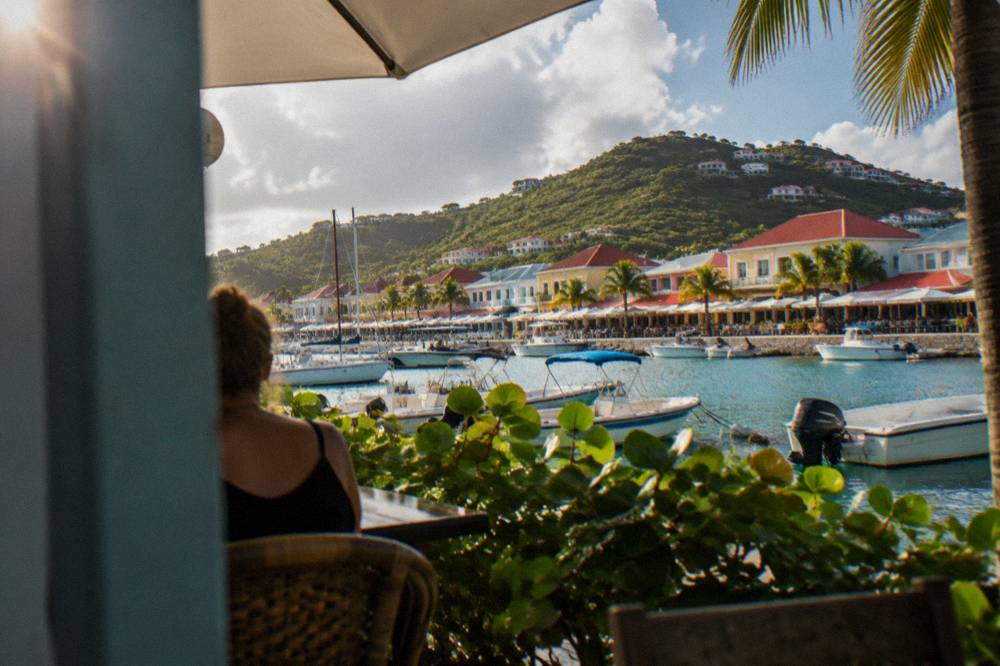
St Barts is the smaller and quieter of the two, a French collectivity of about 21 square kilometres with roughly 10,700 residents, euro currency, no jet airport and a marine reserve that bans jet skis; St Martin is larger, busier, split between French and Dutch administrations, and carries the region's main international airport. The differences are administrative as much as scenic, and they touch currency, entry rules and pace.
St Barthelemy has been an overseas collectivity of France since 2007, with Gustavia as its harbour capital, French as the official language and English widely spoken. St Martin's island is divided: the northern French side, Saint-Martin, is a French overseas collectivity too, while the southern Dutch side, Sint Maarten, is a constituent country of the Kingdom of the Netherlands, and the border between them is open and unmarked. That split means two currencies circulate naturally on St Martin, the euro and the Netherlands Antillean guilder, with US dollars widely accepted, while St Barts runs on the euro.
Entry formalities differ in a way that surprises travellers. St Barts is outside the Schengen area, so European Schengen rules and any future ETIAS scheme do not govern entry, and the same territorial nuance applies to the French side of St Martin. Passports are required on the ferry in both directions regardless of nationality. The site's plain-language answer to what the difference is between St Barts and St Martin expands on this, and its fuller St Barts versus St Martin comparison weighs the two for trip planning.
The pace differs as well. St Barts has no high-rise strip, no casino and no cruise pier; ships anchor offshore and tender their passengers into Gustavia, and the environment agency's regulatory-zones page bans jet skis and imposes a 5-knot speed limit inside the marine reserve's zones. St Martin carries the volume: the big airport, the cruise port at Philipsburg and the nightlife of the Dutch side. Neither profile is better; they are different products separated by under an hour of water.
What Other Islands Can You Combine With A St Barts To St Martin Trip?
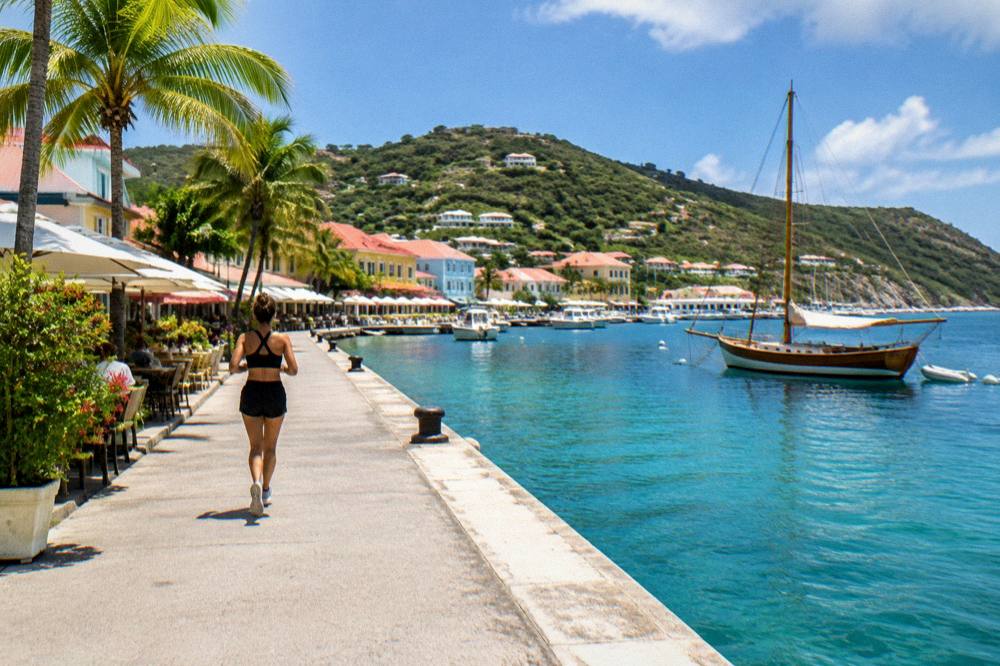
The same corridor that links St Barts and St Martin opens the wider Leeward Islands: Anguilla lies a short crossing from the French side, Saba and St Eustatius sit to the south, and St Kitts is reachable by air. Site guides cover each as a day trip or add-on, and the St Martin gateway makes multi-island itineraries realistic without backtracking.
Anguilla, the flat British island north of St Martin, is the easiest add-on from the French side, and the site's Anguilla day trip from St Barts page covers the route options. Saba, the Dutch island with a dramatic volcanic profile, is a scuba destination reachable from St Martin, and the Saba day trip guide covers it. Beyond those, the site maintains planning pages for St Eustatius, St Kitts and a general island hopping overview, plus comparisons with Mustique, St Lucia, the British Virgin Islands and St John for travellers deciding where the whole trip should go.
Be realistic about scope. A crossing, an island and a return is a full day; two crossings plus a third island is a schedule, not a holiday. The ferry corridors run twice or three times a day per operator, and the small-plane schedule thickens in the winter season. Pick one add-on per trip and keep the rest for next time.
| Island add-on | Direction from the St Barts to St Martin corridor | Best suited to | Covered in |
|---|---|---|---|
| Anguilla | north of St Martin's French side | beaches, easy half or full day | this site's Anguilla day trip guide |
| Saba | south, from St Martin | diving and hiking | this site's Saba day trip guide |
| St Eustatius (Statia) | south, quieter than Saba | history and diving | this site's Statia trip guide |
| St Kitts | further southeast | a second-island stay rather than a day trip | this site's St Kitts page |
When Is The Best Time To Make The St Barts To St Martin Crossing?
The dry, busy months from December to April bring the steadiest weather, the fullest ferry and flight schedules and the island's headline events; May to June is quieter with warm seas; and from August to October the hurricane season peaks and many St Barts hotels and restaurants close for their annual break, reopening between mid-October and early November.
The Meteo-France normals, 1991-2020, for the St Barthelemy station put the mean daily high at 28.5 C in January rising to 31.7 C in September, with 891.3 mm of rain across the year and October the wettest month at 135.6 mm. The sea stays warm throughout, about 26 C in winter to about 29 C from August to October. Hurricane season runs from 1 June to 30 November, with the peak of activity from mid-August to mid-October; no prediction of a storm for any date is possible, and none is made here. What the pattern means for the crossing is simple: winter brings the most frequent sailings and flights, while the autumn shoulder brings the fewest services and the widest closures on the St Barts side.
The events calendar also anchors the high season. The St Barth Gourmet Festival runs 9 to 15 November 2026, the St Barth Music Festival runs 8 to 18 January 2027, the Bucket Regatta falls in mid-March and Les Voiles de St Barth in April. Travellers combining both islands around those dates should book the crossing early, since St Barts fills around its regattas and festivals.
| Month | Mean daily high (C) | Mean daily low (C) | Rain (mm) | Planning note |
|---|---|---|---|---|
| January | 28.5 | 23.5 | 52.6 | Music Festival 8 to 18 Jan 2027; peak season |
| March | 29.0 | 23.5 | 41.4 | Bucket Regatta in mid-March |
| April | 29.8 | 24.2 | 50.9 | Les Voiles de St Barth in April |
| October | 31.4 | 25.8 | 135.6 | the wettest month; hotels reopen from mid-October |
| November | 29.9 | 25.0 | 118.6 | Gourmet Festival 9 to 15 Nov 2026 |
What Should You Pack For The Crossing And The Day?
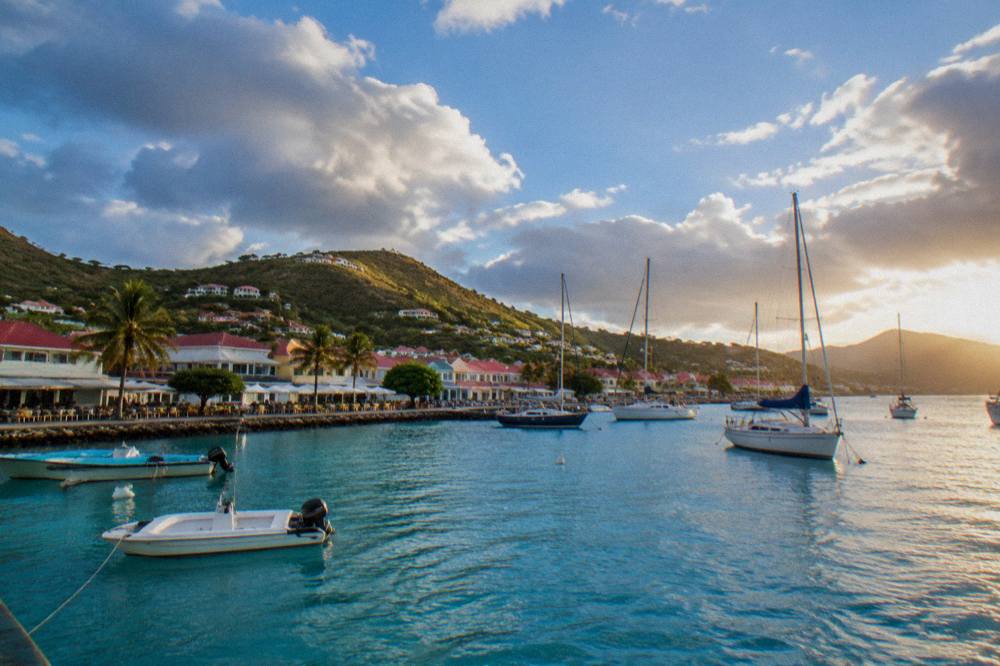
Bring a passport for every traveller regardless of direction, motion-sickness remedies if the open-water ferry is in your plans, reef-safe sun protection, and light layers for the boats' wind and the planes' air conditioning. St Barts runs on the euro and St Martin's Dutch side takes US dollars widely, so carrying both is practical, and plug types on St Barts are C and E.
Luggage is the constraint travellers underestimate. The ferry allows more than the plane: light aircraft on the St Barts hop have strict weight and size limits, and the ferry asks only that you handle your own bags. If the trip includes a boat day around St Barts, pack dry bags for phones and cameras, because the marine reserve's rules against touching turtles and coral make fins and masks the main activity in the water. Beach gear does double duty on both islands: all of St Barts' beaches are public, including Shell Beach by Gustavia, Saline on the south coast and Flamands in the northwest, and St Martin's Great Bay beach in Philipsburg sits directly behind the ferry-side shopping strip.
Footwear matters more than it looks. Gustavia, Marigot and Philipsburg are walkable towns in flat shoes, while St Barts' beaches and its famous viewpoints involve short walks over sand, rock or dirt. The site's St Barts hiking guides cover the island's trails, including the walk to Colombier, if a stretch of the legs is on the list.
How Long Is The Ferry From St Barts To St Martin?
How long is the ferry from St Barts to St Martin?
The Great Bay Express crossing between Gustavia and Philipsburg takes about 45 minutes, and the Voyager crossing between Gustavia and Marigot takes about 50 to 60 minutes, per the operators' own pages. Sea conditions affect the crossing, and sailings are subject to weather.
Do you need a passport for the ferry between St Barts and St Martin?
Yes. Great Bay Express states that a passport is required, and the same applies on Voyager, in both directions. St Barts is outside the Schengen area, so entry rules follow French territorial rules rather than Schengen ones; check your own government's travel advice for passport validity before you travel.
Which ferry should I take from St Martin to St Barts?
It usually comes down to where you are on St Martin. Great Bay Express leaves from Bobby's Marina in Philipsburg on the Dutch side; Voyager leaves from the Marigot Ferry Terminal on the French side. Both arrive at Gustavia on St Barts, and both run roughly two to three sailings a day, more in peak season.
Can you fly from St Barts to St Martin?
Yes. Small STOL turboprops fly between Gustaf III Airport (SBH) on St Barts and St Martin's airports, including Princess Juliana (SXM) and Grand Case (SFG), with St Barth Commuter among the carriers on the route. No jet operates into St Barts: the runway is 646 m and operations are daylight and visual conditions only.
Is a day trip from St Barts to St Martin worth it?
For shopping in Philipsburg, the French-side market town of Marigot or a change of scene, yes, and the roughly two to three daily sailings per operator make an out-and-back day practical. Travellers who mainly want beaches and water are usually better served by a boat day around St Barts itself, such as the group sail to Gustavia, Colombier and Ile Fourchue.
When is the worst time to make the crossing?
The Atlantic hurricane season runs from 1 June to 30 November, with the peak of activity from mid-August to mid-October, and October is the wettest month in the Meteo-France 1991-2020 normals at 135.6 mm. Services are also reduced in the autumn because many St Barts hotels close for their annual break. No storm can be predicted for any date; check the official forecasts close to travel.
The corridor between St Barts and St Martin is short, well served and flexible, and the choice between ferry, plane and private boat is a practical one rather than a difficult one. More from this site on St Barthelemy Travel covers every beach, area and itinerary on the island.