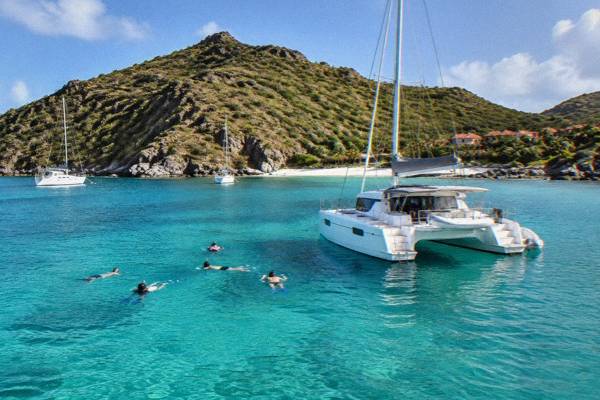
Sint Eustatius Statia Trip: A St Barts Traveller's Guide To The Dutch Island Next Door
St Barthelemy sits at the centre of a chain of small islands, and Sint Eustatius, known as Statia, is one of the quieter neighbours travellers ask about when they want more than beaches from a Caribbean week.
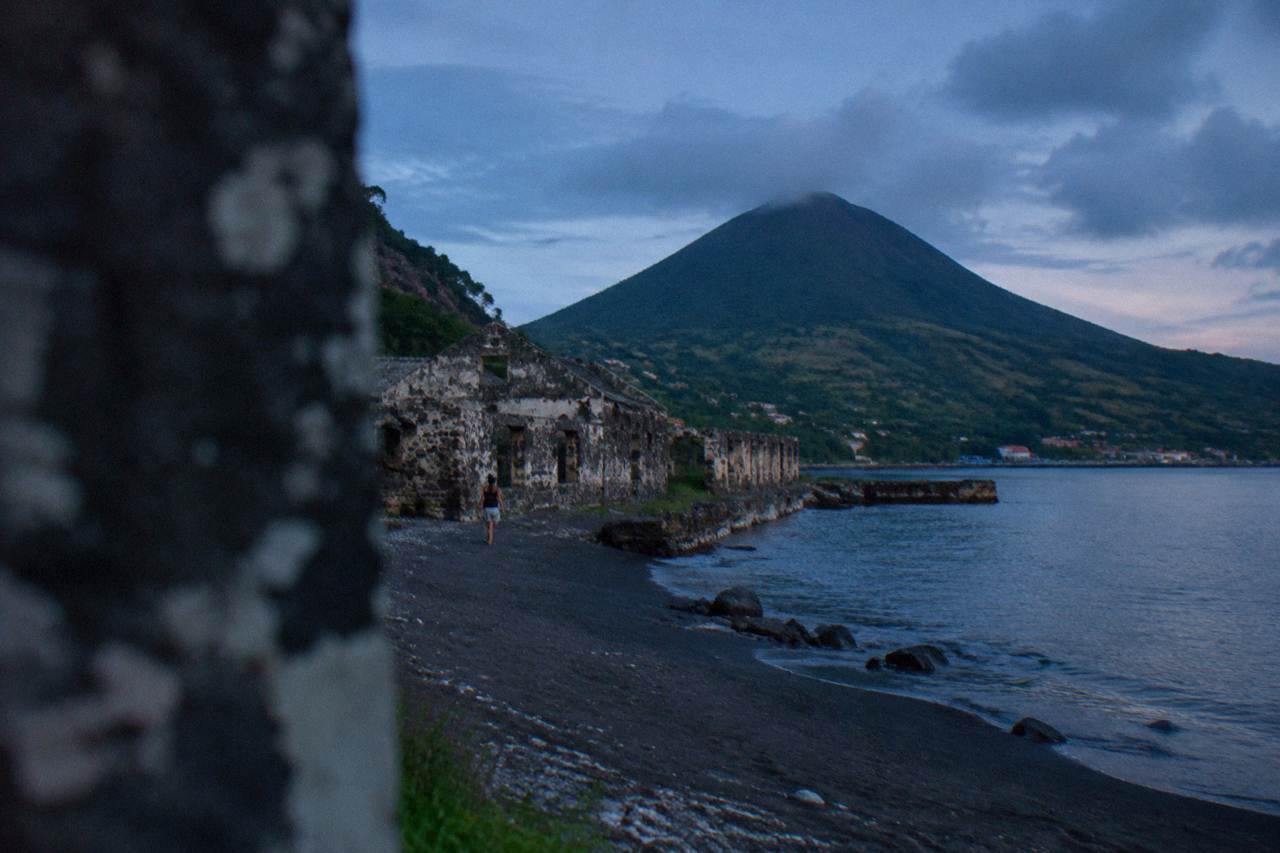
There is no direct scheduled link from St Barts to Sint Eustatius. The practical route runs through St Martin or Sint Maarten, the regional hub, so a Statia visit is usually an overnight add-on to a St Barts and St Martin stay rather than a single-day return.
St Barthelemy, written St Barts on this site, is a French island of about 21 square kilometres with roughly 10,700 residents, an overseas collectivity of France since 2007 and a harbour capital, Gustavia, reached through St Martin. Look at a regional map and St Barts turns out to be one node in a tight cluster of islands: Anguilla to the north, Saba to the south, St Kitts beyond it, and Sint Eustatius, almost always shortened to Statia, sitting quietly between Saba and St Kitts. This guide explains what a Sint Eustatius Statia trip actually involves when your base is St Barts, how the connections work, and how to weigh Statia against the other island add-ons that fit the same holiday.
The short version: Statia is the least visited of the neighbours, and that is its whole appeal. It is administered as a special municipality of the Netherlands, its pace is unhurried, and its drawcards are a dormant volcano called the Quill, a scattering of dive sites, and a history tied to the golden-age trade era that made its anchorage one of the busiest in the Caribbean. Getting there from St Barts is the part that needs planning.
Where Is Sint Eustatius And Why Do St Barts Travellers Hear About It?
Sint Eustatius, called Statia, is a small Dutch island in the northeastern Caribbean, a special municipality of the Netherlands, sitting south of Saba and northwest of St Kitts, and it appears in St Barts trip planning because it is one of the quieter islands reachable through the same St Martin hub that serves St Barts itself.
The Leeward Islands chain reads like a transit map once you are based in the region. St Barts and its French and Dutch neighbour, St Martin and Sint Maarten, form the northern pair. Anguilla lies just north of the Dutch side. South of St Martin sit Saba and Statia, then St Kitts and Nevis. Every one of those islands is a plausible add-on to a St Barts holiday, and St Barthelemy Travel covers the realistic ones: Anguilla, Saba, St Kitts and the wider island-hopping options around St Barts.
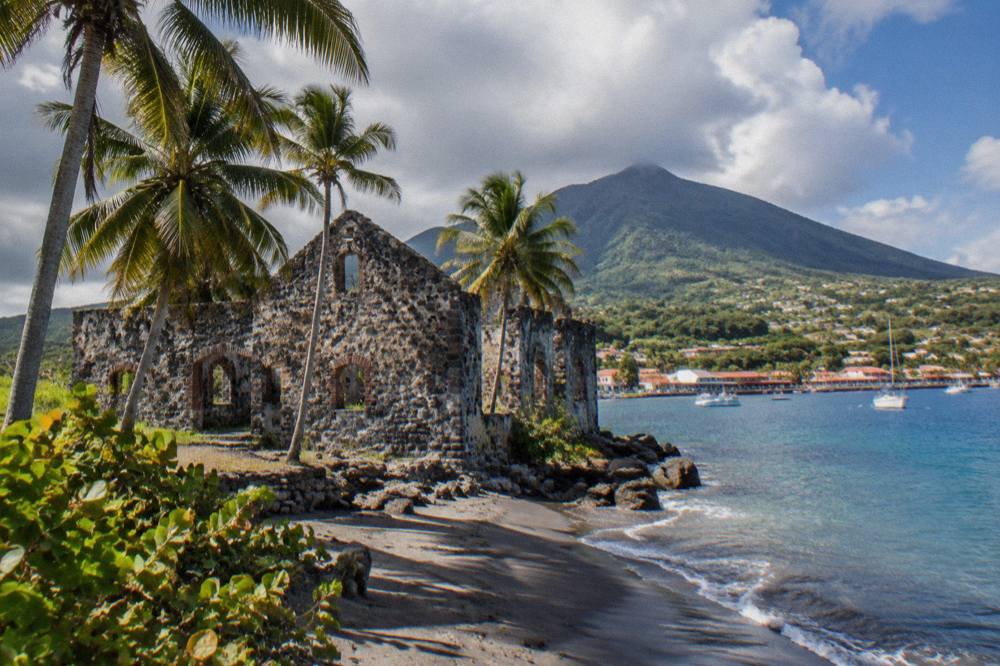
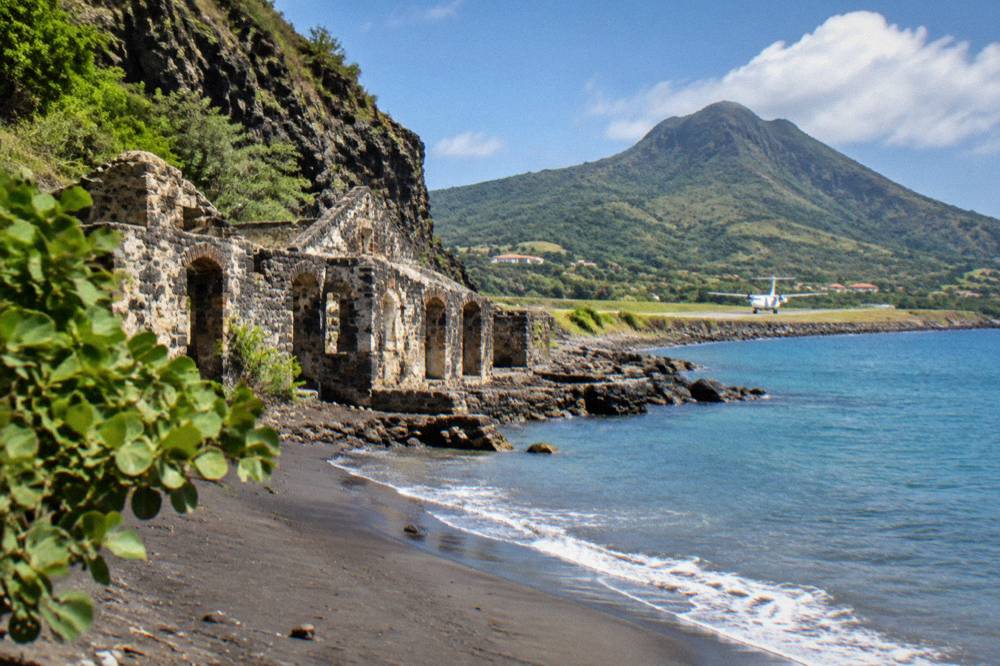
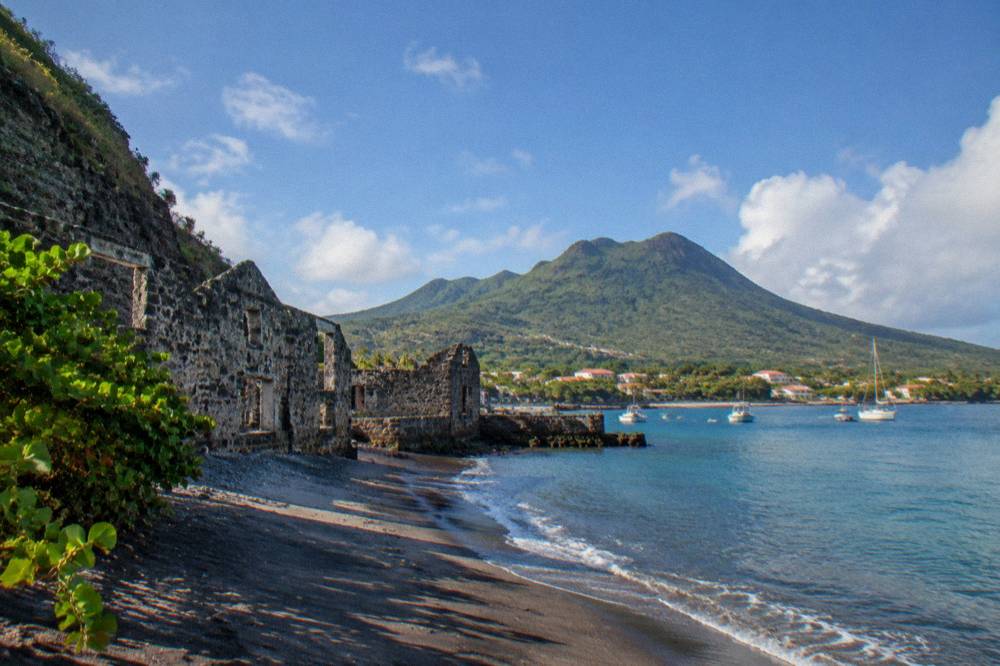
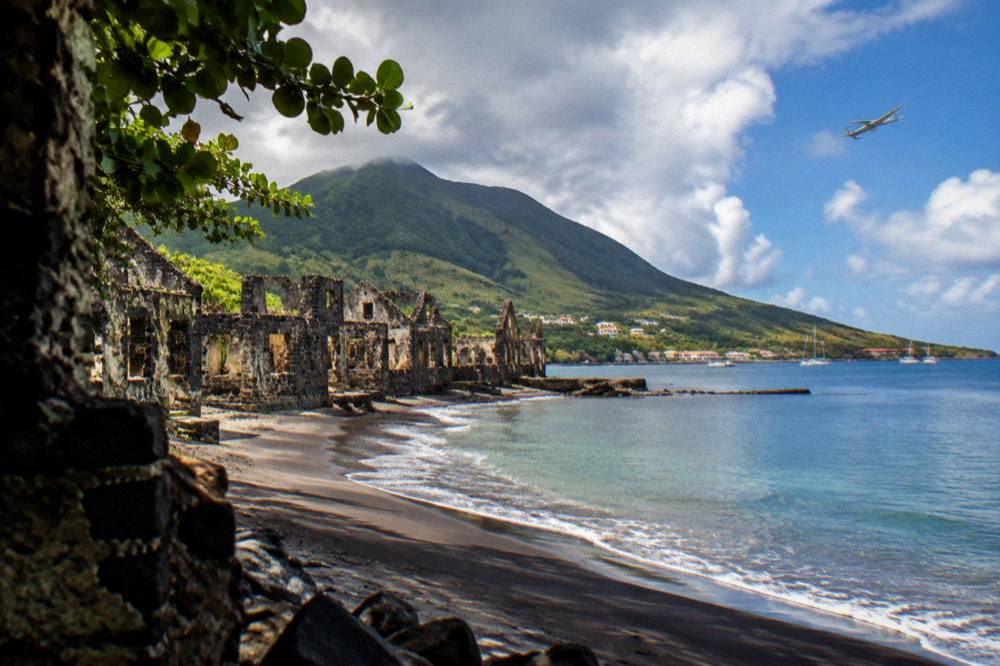
Statia's reputation rests on two things. The first is geology: the Quill, the forested volcanic cone that dominates the island, is criss-crossed by walking trails through dry forest to a crater rim. The second is history. In its golden age as a free port, Statia's anchorage was one of the busiest in the Caribbean, and the ruins of that era, warehouses and batteries along the lower town, are still visible around Oranjestad, the island's main settlement. Diving is the third draw: the island's marine park, established to protect its reefs and wrecks, keeps most of its sites in protected status.
What Statia does not have is the hotel stock, restaurant scene or beach-club culture of St Barts or St Martin. Travellers who want that mix, a quiet island with a social coastline, tend to be pointed to Saba or Anguilla instead. Travellers who want genuinely few people, walking and diving, are the ones who keep Statia on the list.
Can You Reach Sint Eustatius From St Barts In One Day?
No direct scheduled ferry or flight connects St Barts with Sint Eustatius, and the practical route runs through St Martin or Sint Maarten, the regional hub, from which small regional aircraft serve Statia. That makes Statia a realistic overnight add-on, and an ambitious single-day trip only when onward schedules line up perfectly.
This is the single most important planning fact on the page. St Barts' own airport, Gustaf III (SBH), has a 646-metre runway restricted to small STOL turboprops in daylight and visual conditions, so the island's long-haul arrivals all pass through gateways such as St Martin (SXM), San Juan, Guadeloupe and Antigua. St Martin is the hub that matters for the northern Leewards, and it is the same hub that serves Statia. The chain looks like this: St Barts to St Martin by small plane or ferry, then St Martin onward to Statia by regional aircraft. Each leg is short, but the combination, plus check-in time at each end, is what turns a day trip into a question mark.
The two ferry operators on the St Barts corridor are Great Bay Express, from Bobby's Marina in Philipsburg on the Dutch side, taking about 45 minutes to Gustavia, and Voyager, from the Marigot terminal on the French side, taking about 50 to 60 minutes. The small-plane carriers on the corridor include St Barth Commuter, flying from St Martin's Princess Juliana airport and other regional fields, and Tradewind from San Juan and Antigua. Schedules shift with the season, and the operators' own booking pages are the only reliable place for times on a given date. The crossing can be rough, and ferry sailings are weather-dependent in a way the flight is not.
For planning purposes, the honest framing is this: a same-day return to Statia from a St Barts base means two island hops each way, four check-ins and no margin for a delayed leg. Anyone determined to see Statia should treat it as a one or two-night stop folded into the St Martin end of the trip, then return to St Barts or fly home from St Martin. The St Maarten before or after St Barts question, whether the hub stay opens or closes the holiday, is worth settling before anything else is booked.
What The St Barts Side Of The Journey Looks Like
The first leg is the one this site covers in depth. Flying into St Barts is an experience in itself, a steep visual approach in a small aircraft, and the same aircraft type carries you back out to the hub. The ferry is the sea alternative, and the choice between them usually comes down to where in St Martin you are starting from: Philipsburg for the Dutch-side ferry, Marigot for the French-side one. The guide to getting between St Maarten airport and the St Barts ferry covers that handoff.
| Leg | Route | Mode | Operator or carrier in this site's pack |
|---|---|---|---|
| St Barts to Dutch St Maarten | Gustavia to Bobby's Marina, Philipsburg | Ferry, about 45 minutes | Great Bay Express |
| St Barts to French St Martin | Gustavia to Marigot terminal | Ferry, about 50 to 60 minutes | Voyager |
| St Barts to Princess Juliana (SXM) | SBH to SXM | Small STOL turboprop | St Barth Commuter, Winair serves SBH from SXM |
| SXM onward to Statia | SXM to Sint Eustatius | Regional aircraft | Regional carriers from the hub; book direct |
Every operator states that sailings and flights are subject to weather and season. No St Martin to Statia flight time is guaranteed. Plan the hub connection generously.
What Does A Sint Eustatius Statia Trip Involve Once You Arrive?
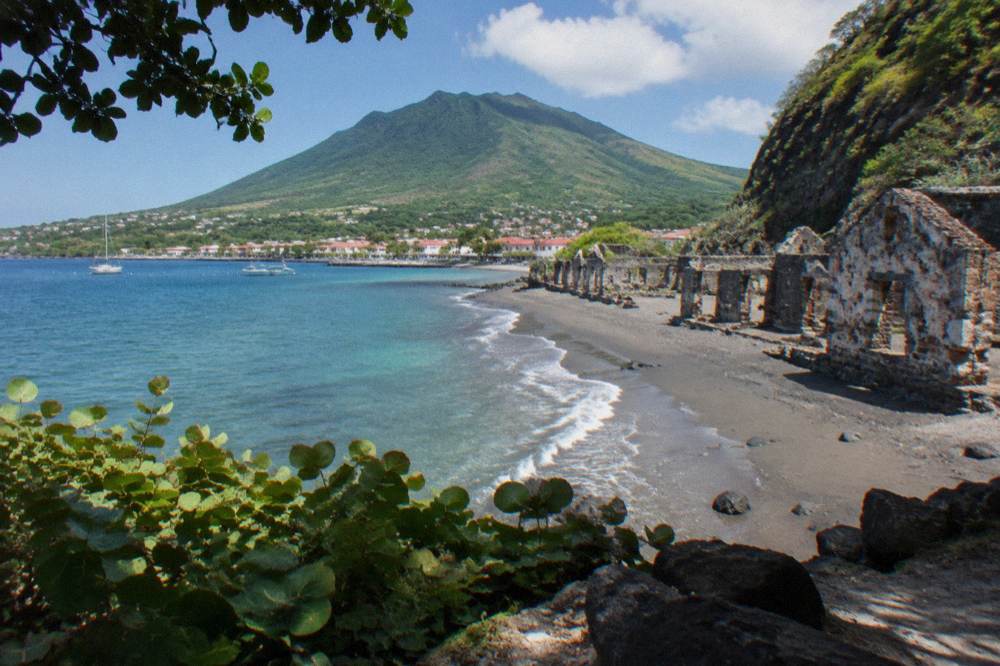
A Statia visit is built around three things: walking the Quill's forested crater trails above Oranjestad, diving or snorkelling inside the island's protected marine park, and reading the ruined warehouses and batteries of the old free-port lower town, all on an island with a small resident population, one main settlement and very little of the development that shapes its neighbours.
Oranjestad, the lower and upper town, is small enough to walk end to end. The historical layer sits along the waterfront, where the ruins of warehouses and fortifications from the island's free-port era line the shore. A small museum in town covers the island's history, including the famous salute a Statia fort once gave to a vessel of the United States, an event the island remains known for. Above the lower town, the residential upper town climbs toward the green interior.
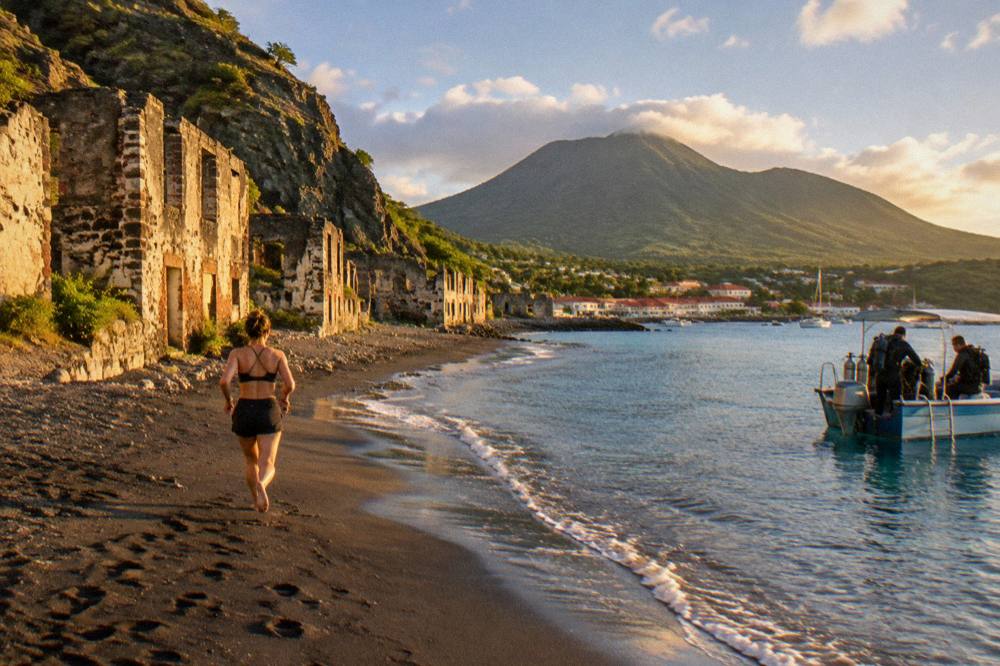
The Quill is the inland draw. The volcano is dormant, its crater is wooded, and the trail network runs through dry forest to the rim and down into the crater interior. The park is managed by the island's nature foundation, which maintains the trails and the park headquarters. As with St Barts' own nature reserve, the rules on protected land matter: stay on marked paths, take nothing out, and check conditions locally before setting out. Diving is the third pillar. Statia's marine park covers the waters around the island, and its sites range from shallow reefs to deeper artificial reefs and wrecks, all within a short boat ride of the waterfront. Dive operators on the island run guided dives and instruction, and bookings are made with them directly. Snorkelling from shore is more limited than on St Barts' sheltered bays, and most underwater visiting happens by boat.
What Statia does not offer is nightlife, shopping or a beach-club scene. Restaurants are few, accommodation is small-scale, and the island closes early. Travellers who frame Statia as "St Barts without the gloss" have the tone right, though the two islands share little beyond latitude and warm water.
Statia At A Glance, Next To Its Neighbours
| Island | Status | Main town | Character | Realistic from St Barts |
|---|---|---|---|---|
| Sint Eustatius (Statia) | Special municipality of the Netherlands | Oranjestad | Quiet, historic, dive and hiking focused | Overnight via St Martin |
| Saba | Special municipality of the Netherlands | The Bottom | Mountainous, trail walking, no beaches | Overnight via St Martin |
| Anguilla | British Overseas Territory | The Valley | Long beaches, low-key resorts | Day trip feasible |
| St Kitts | Independent federation with Nevis | Basseterre | Larger island, railway tours, fortresses | Overnight via St Martin |
The comparison matters because there is room for one island add-on, and the choice between Statia, Saba and Anguilla is really a choice between hiking, hiking and beaches. The Saba day trip guide and the Anguilla day trip guide cover those two in full.
How Does Statia Compare With Saba For A St Barts Traveller?
Saba and Statia share Dutch administration, small populations and a hiking-first appeal, but Saba is the steeper, wetter, more dramatic island with no beaches at all, while Statia is the lower, drier, historically richer island with dive sites and ruins, and Statia's slower pace suits travellers who found even Saba's single road too much activity.
The two islands sit close together in the chain and are often visited by the same travellers, sometimes in the same week through the St Martin hub. Saba's identity is its mountain: a dormant volcano rising to the highest point in the Kingdom of the Netherlands, wrapped in cloud forest, served by one of the region's most-discussed short runways. Statia's identity is spread flatter: the Quill is a gentler cone, the walking is drier and more open, and the historic anchorage adds a layer Saba does not have.
Beaches split them cleanly. Saba has none to speak of, its coastline is cliff and rock. Statia has a handful of small dark and golden sand strips, none developed in the way St Barts' public beaches are. Neither island competes with Anguilla on sand, and neither tries to.
Diving splits them too. Saba's sites are pinnacles, underwater rock spires rising from deep water, reached by boat. Statia's sites are reefs, wrecks and artificial structures inside its marine park, generally shallower and more varied. Divers with a week in the region sometimes do both. Everyone else picks on temperament: Saba for the climb, Statia for the crater forest and the history.
The Saba trip from St Barts page covers Saba's logistics in detail, and the practical picture is the same as Statia's: overnight, through the hub, booked with regional carriers directly.
What Should You Know Before Adding Statia To A St Barts Trip?
Plan Statia as an overnight stop rather than a day excursion, book the regional flights before the hotels rather than after, carry your passport for every hop because each island is a separate entry point, and set expectations for quiet evenings, early closes and cash-friendly small businesses rather than anything resembling Gustavia on a Saturday.
Documents first. St Barts is outside the Schengen area and follows French overseas entry rules; a valid passport, and for EU citizens an accepted identity card, covers short stays, and onward travel is required. Statia is Dutch territory, so the St Barts to Statia journey crosses a border even though both islands feel like neighbours. UK, US, Canadian and EU visitors are generally admitted to the Dutch Caribbean for short stays, but each traveller should check their own government's current travel advice for both the French and Dutch sides before flying, because entry rules are set nationally and change. This site's St Barts passport and entry guide covers the French side in detail.
Money matters on arrival. St Barts uses the euro; the Dutch Caribbean uses the US dollar. Local costs on St Barts are in euros and product prices on this site render in US dollars, and the two should never be mentally converted, because the practical cost of the same coffee differs between the islands for reasons no exchange rate explains. Cards are widely accepted on St Barts; on Statia, small businesses prefer cards less, and carrying cash is sensible.
Season shapes everything. Hurricane season runs 1 June to 30 November, with the peak from mid-August to mid-October, and the climatological peak of activity falls near 10 September. Statia, like St Barts, is inside that belt. The Meteo-France normals for St Barts (1991 to 2020) give a picture of the region's rhythm: a mean daily high of 28.5 C in January rising to 31.7 C in September, and October the wettest month at 135.6 mm of the annual 891.3 mm. No prediction of a storm is possible for any date, and none should be attempted; what the normals say is simply that late summer and autumn carry the region's heaviest rain and its highest sea temperatures, about 29 C from August to October against about 26 C in winter.
| Month | Mean daily high (C) | Mean daily low (C) | Rain (mm) |
|---|---|---|---|
| January | 28.5 | 23.5 | 52.6 |
| February | 28.6 | 23.3 | 38.4 |
| April | 29.8 | 24.2 | 50.9 |
| July | 31.2 | 26.0 | 80.4 |
| September | 31.7 | 26.2 | 96.9 |
| October | 31.4 | 25.8 | 135.6 |
| November | 29.9 | 25.0 | 118.6 |
Figures are Meteo-France climate normals, 1991 to 2020, for the St Barthelemy station; Statia's own numbers differ in detail but the seasonal shape across the northern Leewards is the same.
One more St Barts-specific note: the island's hotels and many restaurants close each autumn and reopen in waves between mid-October and early November, so a shoulder-season trip that adds Statia may find limited dining and rooms on the St Barts side before that reopening window. The guide to how much a St Barts trip costs covers budgeting for the whole pattern.
What Can You Book From St Martin While Planning A Statia Trip?
While no tour listed here goes to Statia, the St Martin hub carries every bookable St Barts day trip listed here, all departing from St Martin or Sint Maarten, so the practical pattern is a Statia overnight booked directly with regional carriers and lodgings, wrapped around by St Barts boat days and charters that leave from the hub's marinas.
Every product on this site leaves from the St Martin side, never from Gustavia, and none of them is a jet ski, dive, kayak, fishing or flight product, because those are not bookable through this site. What the trip list offers are private charters and one group sail, each visiting St Barts by sea from the north. For a traveller whose itinerary reads St Martin, Statia, St Martin, St Barts, the boat days slot naturally into the St Martin legs.
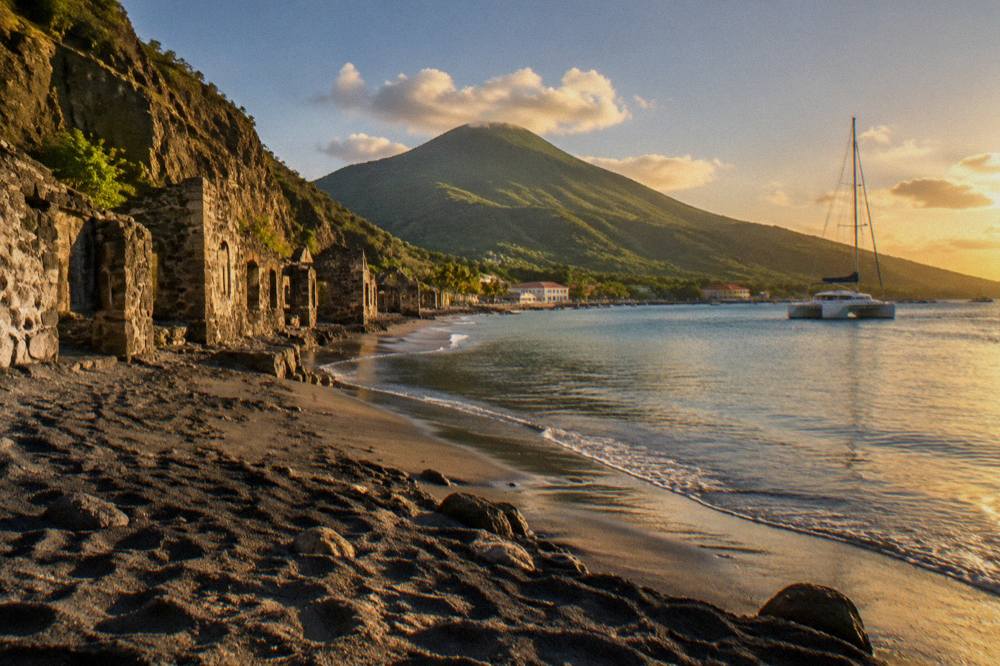
The Nikki Beach private charter is the one this page highlights: a boat trip from Sint Maarten that pairs a day on the water with time at the island's best-known beach club. The full-day private charter covers a day built around St Jean beach and Gustavia, on an eight-hour schedule. And the overnight private catamaran from St Martin to St Barth, two days and one night aboard, is the closest thing the trip list has to the multi-day island rhythm a Statia stop implies: sleeping on the water, moving at hull speed, trading the airport queue for an anchorage.
Booking follows one rule across all of them: prices, ratings and durations render from the live listings, and the operator's listing is the only source for current availability. No promise about a date or a rate belongs on a planning page, so those details stay on the live listing.
A Sample Two-Base Itinerary That Includes Statia
| Day | Base | Plan |
|---|---|---|
| 1 | St Barts | Arrive via St Martin, settle in Gustavia or Saint-Jean |
| 2 | St Barts | Beach day, shell beach and the harbour walk |
| 3 | St Barts | Boat day from the trip list or a rainy-day plan |
| 4 | St Martin | Ferry or flight to the hub, stay near the airport or Philipsburg |
| 5 | Statia | Morning regional flight, Quill walk, museum, overnight |
| 6 | Statia to St Barts | Return flight to the hub, onward to St Barts for the final nights |
| 7 | St Barts | Sunrise to sunset day |
The order can be flipped, and a friends-trip itinerary bends the same skeleton around a group. What should not bend is the overnight on Statia: compressing days 5 and 6 into one is the mistake that turns a holiday into a transfer day.
Common Questions About A Sint Eustatius Statia Trip
Can you do a day trip to Sint Eustatius from St Barts?
Not realistically. There is no direct link between the islands, so the journey runs through St Martin or Sint Maarten with a regional flight onward, and a same-day return means four legs with no margin for delay. Plan an overnight on Statia instead.
How do you get from St Barts to Sint Eustatius?
Fly or take the ferry from St Barts to St Martin, either St Barth Commuter or the ferry from Philipsburg by Great Bay Express or the ferry from Marigot by Voyager, then take a regional flight from the hub to Statia. Book each leg directly with the operator.
Is Sint Eustatius worth visiting?
For travellers who want quiet, hiking in the Quill's forested crater, protected dive sites and free-port-era history, yes. For nightlife, shopping or a beach-club scene, no, and St Barts or St Martin do that better.
Do you need a passport to visit Statia from St Barts?
Yes, carry your passport. St Barts follows French overseas entry rules and Statia is Dutch territory, so the journey crosses a border. Check your own government's travel advice for both territories before flying.
What currency does Sint Eustatius use?
Statia, as Dutch Caribbean territory, uses the US dollar. St Barts uses the euro. Carry both if your trip includes both islands, and never convert one into the other in your head when budgeting.
When is the best time to add Statia to a St Barts trip?
The December to April window sits outside the hurricane season, which runs 1 June to 30 November with a peak from mid-August to mid-October. Weather can never be promised for a date, but the regional climate normals show the wettest months clustered in autumn.
The honest summary of a Sint Eustatius Statia trip from a St Barts base is that it rewards slower travellers. Squeezed into a day it becomes four check-ins and a blur; given an overnight it becomes one of the region's most distinctive stopovers, a Dutch island of crater forest, reef and ruins that sits just one hub away from France's most polished Caribbean address. Decide first how many days the St Martin end of the trip can absorb, book the regional legs early, and let Statia be the quiet chapter between the ferry and the beach club.