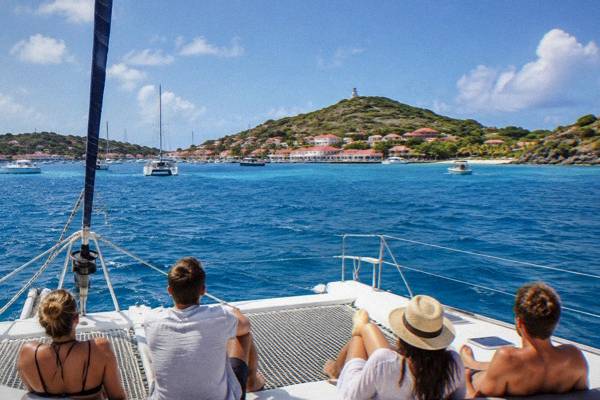
Things To Do In St Martin Before Your St Barts Flight
St Barthelemy, better known as St Barts, is reached almost entirely through its neighbor St Martin, and the island you transit through deserves more than an airport bench.
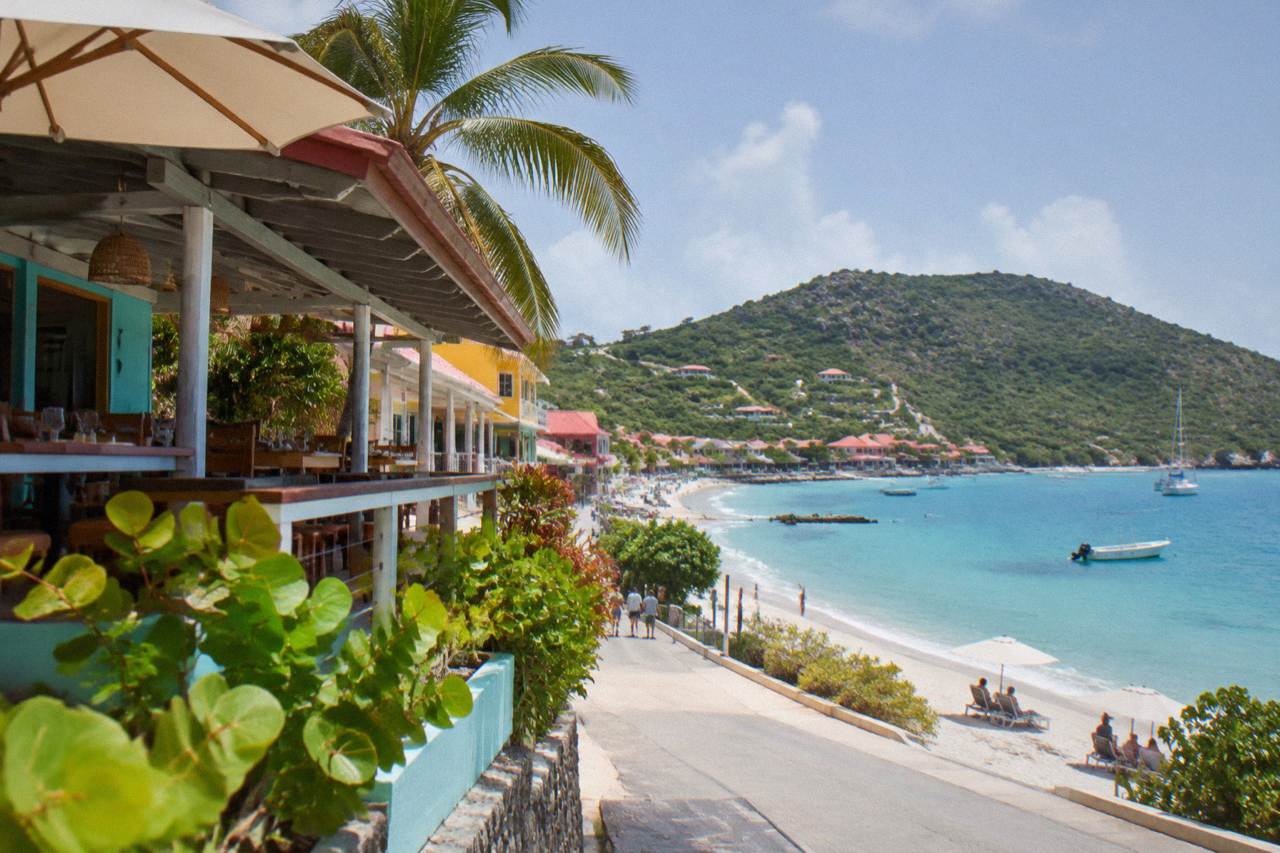
St Martin is the gateway to St Barts: the ferry from Philipsburg takes about 45 minutes, the ferry from Marigot about 50 to 60 minutes, and small turboprops fly a short hop from SXM. Give yourself at least a day on either side for Philipsburg, Marigot, Grand Case and the departure ports for boat trips.
St Barthelemy, universally shortened to St Barts, is a small French island in the Caribbean of about 21 square kilometres, and nearly everyone arriving there passes through its larger neighbor first. St Martin, shared between France and the Netherlands, holds the region's main jet airport at SXM and the ferry terminals at Philipsburg and Marigot, which makes it the unavoidable antechamber to St Barts and, treated properly, a destination in its own right. This page lays out what the transit island offers, how the crossing works, and where the boat trips to St Barts actually leave from.
Why Spend Time In St Martin Before Crossing To St Barts?
St Martin is the gateway airport and ferry hub for St Barts, and its two sides, French Marigot and Dutch Philipsburg, give a transit stop real substance: a harbour capital on the Dutch side, a French market town on the other, and departure ports for every bookable St Barts boat trip listed here. The island pairs naturally with St Barts on one itinerary.
The practical reason to linger is simple. The runway at St Barts is 646 m long and accepts only small STOL turboprops in daylight and visual conditions, so every traveller on a jet lands first at SXM, San Juan, Guadeloupe or Antigua and connects onward. St Martin is the busiest of those gateways, and the schedules of the small planes and ferries rarely align perfectly with long-haul arrivals. An overnight or a spare afternoon on St Martin absorbs the gap without stress.
The editorial desk's St Barthelemy Travel coverage treats the crossing as part of the trip rather than a delay, and the pairing has its own logic: two governments, two currencies and two atmospheres on one short hop. The Dutch side runs on the US dollar and English; the French side runs on the euro and French, which is also the arrangement the traveller meets on arrival in Gustavia. Spending a night on St Martin is a gentle rehearsal for the language and currency shift ahead.
For a fuller comparison of the islands themselves, see the guide to St Barts versus St Martin, and for the sequencing question, whether to sleep on St Martin before or after the St Barts stay, the before-or-after guide works through it in detail.
How Do You Get From St Martin To St Barts?
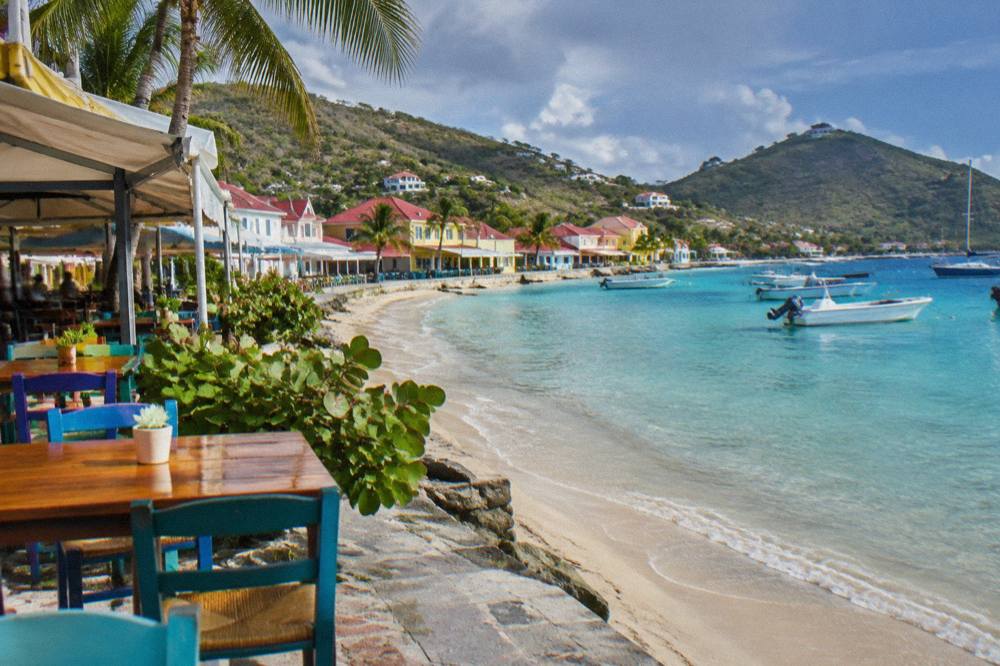
Two ferries and a short flight connect St Martin with St Barts: Great Bay Express from Philipsburg in about 45 minutes, Voyager from Marigot in about 50 to 60 minutes with two to three sailings a day, and small turboprops on a short hop from SXM operated by St Barth Commuter and others. No jet flies into St Barts.
The two ferry operators split the island between them. Great Bay Express departs Bobby's Marina in Philipsburg, on the Dutch side, and its own page asks passengers to arrive about 45 minutes before departure, with check-in closing about 15 minutes before the boat leaves; a passport is required. Voyager departs the Marigot ferry terminal on the French side. Both crossings depend on sea conditions, and neither operator promises a calm passage, so anyone prone to seasickness should plan for the possibility of a rough hour. Sailing frequency rises and falls with the season, and the operators' own booking systems show the live times for any given date.
The air alternative is the small-plane hop. St Barth Commuter flies to St Barts from SXM on the Dutch side, from Grand Case (SFG) on the French side and from Pointe-a-Pitre in Guadeloupe, while Tradewind serves St Barts from San Juan and Antigua. The full route picture, including how to position yourself for the ferry after landing at SXM, is in the flights to St Barts guide.
| Crossing | Operator | Departure point | Duration | Notes from the operator's page |
|---|---|---|---|---|
| Ferry, Dutch side | Great Bay Express | Bobby's Marina, Philipsburg | About 45 minutes | Arrive about 45 minutes early; check-in closes about 15 minutes before departure; passport required |
| Ferry, French side | Voyager | Marigot ferry terminal | About 50 to 60 minutes | Two to three sailings a day |
| Flight | St Barth Commuter | SXM and Grand Case | A short hop | Small STOL turboprops only |
| Flight | Tradewind | San Juan, Antigua | A short hop | Connects the wider Caribbean gateways |
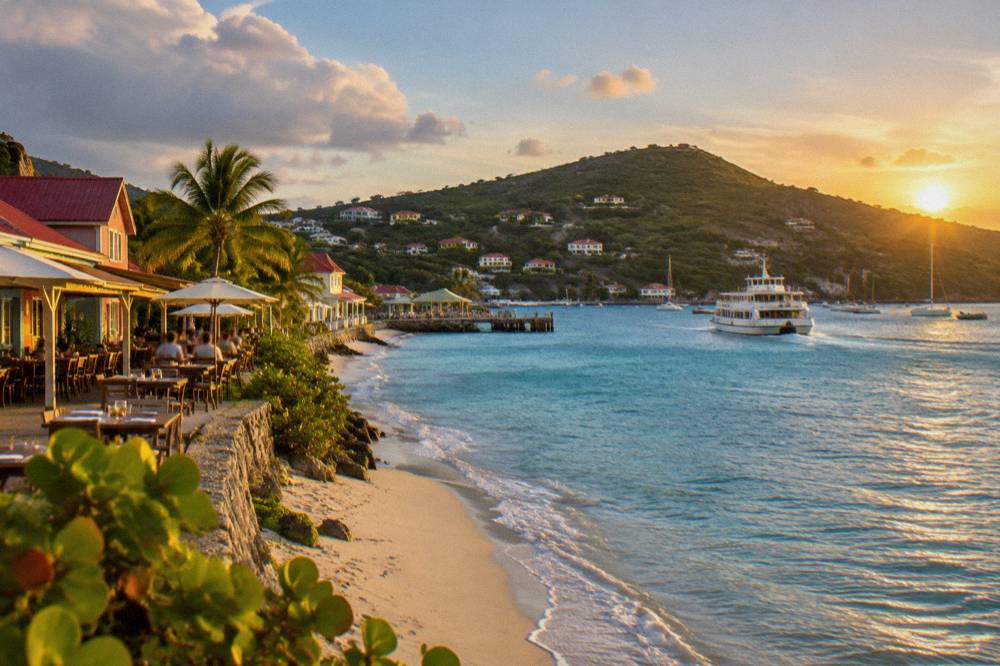
If the ferry timing does not fit an arrival at SXM, the SXM airport to ferry guide covers the practical handoff between the airport and the boat, and the seaplane and charter page covers the private options. The scheduled ferries and the small planes are the budget of the menu; everything bookable listed here is a charter or a group sail, and those leave from St Martin too.
What Can You Do Around Philipsburg And The Dutch Side?
Philipsburg is the Dutch-side capital and the departure port for the Great Bay Express ferry to Gustavia, which makes it the most convenient base for a St Barts day trip: a waterfront town on a curved bay, with the ferry dock at Bobby's Marina and the island's main jet airport, SXM, on the same side of the island.
The town's shape is its attraction. Philipsburg fronts Great Bay with a long pedestrian promenade, and the jet airport at SXM sits a short drive away on the Dutch side, which is why so many St Barts itineraries open here. Arriving from a long-haul flight, a night on the Dutch side puts the traveller within easy reach of both the ferry dock and the alternative of a small plane from SXM the next morning. Simpson Bay and Cole Bay, two more Dutch-side ports named on the boat-trip listings, sit in the same corner of the island, so a single Dutch-side base can serve the ferry, the flight and a charter departure without a long transfer on the morning of the crossing.
The practical anchor for this site's readers is Bobby's Marina, the departure point named on the Great Bay Express page. Arriving about 45 minutes before departure, as the operator asks, leaves time for a last look at the harbour. The ferry runs to Gustavia in about 45 minutes, and a passport is required at check-in.
What Can You Do Around Marigot And The French Side?
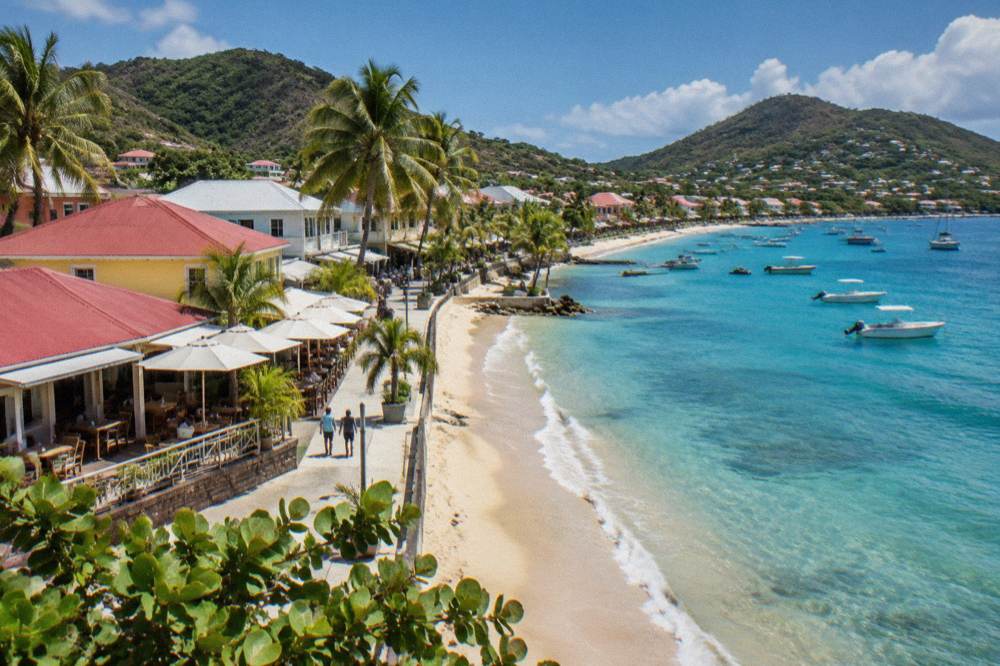
Marigot is the French-side capital and the departure point for the Voyager ferry to St Barts, running about 50 to 60 minutes with two to three sailings a day, and it shares its half of the island with Grand Case and Anse Marcel, two of the departure ports named on St Barts boat-trip listings.
Marigot gives the transit stop a French register before the traveller even reaches the French island next door. The ferry terminal sits on the waterfront, and the town serves as the administrative center of Saint-Martin, the French collectivity that shares the island with Sint Maarten. The border between the two halves runs without ceremony across the middle of the island; no checkpoint interrupts a drive from Philipsburg to Marigot, and the change from dollars to euros, from English to French, happens somewhere along the road without a sign announcing it.
North along the French coast, Grand Case and Anse Marcel matter to St Barts travellers for a concrete reason: the boat trips listed here name them among their departure points, alongside Simpson Bay and Cole Bay on the Dutch side. A traveller staying French-side can board a St Barts charter without crossing back to Philipsburg. Grand Case also holds the small airport SFG, from which St Barth Commuter also flies to St Barts, giving the French side a scheduled air alternative of its own. The general pattern is covered in the St Barts to St Martin page, which runs the route in reverse.
| Place | Side of St Martin | Why it matters to a St Barts traveller |
|---|---|---|
| Philipsburg | Dutch | Capital; Bobby's Marina, departure of the Great Bay Express ferry |
| Marigot | French | Capital of Saint-Martin; ferry terminal for Voyager |
| Simpson Bay | Dutch | Named departure point for St Barts boat trips |
| Cole Bay | Dutch | Named departure point for St Barts boat trips |
| Anse Marcel | French | Named departure point for St Barts boat trips |
| Grand Case | French | Named departure point for St Barts boat trips; small airport SFG nearby |
Where Do The St Barts Boat Trips Leave From?
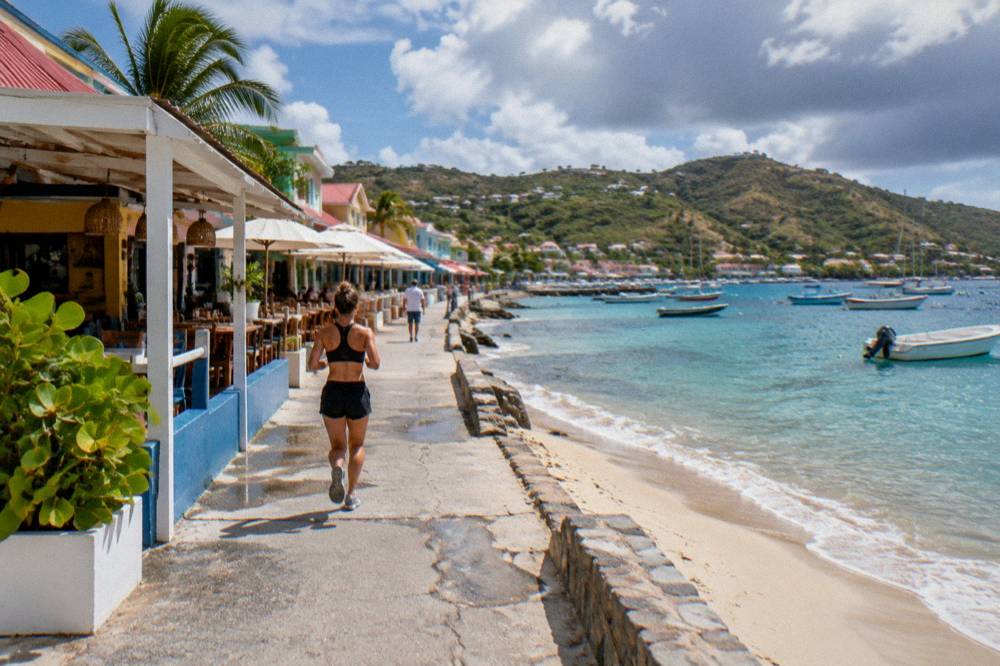
Every bookable St Barts trip listed here departs from St Martin or Sint Maarten, from Simpson Bay, Cole Bay, Anse Marcel or Grand Case, and none starts in Gustavia. Six products cover the corridor: a group sail and snorkel trip and five private charters, one of them an overnight catamaran.
The single per-person product is the group sail that carries the reader across to Gustavia, Colombier Beach and Ile Fourchue in one day. Its listing shows the per-person price, its five-from-eight-reviews rating and its seven-hour duration, and it runs on scheduled dates set by the operator, with the current season on the listing running from 12 May to 31 August 2027. Five private products complete the trip list, priced per group rather than per person, including a two-day, one-night catamaran that turns the crossing into an overnight stay on the water.
To spend that day on the water, book a group sail and snorkel tour.
For a party that wants the island to itself for the day, the private charter from St Martin is the direct option.. It can be compared with the private charter from St Martin to St Barth page, which carries the full detail, and availability can be checked directly: See the live listing.
How Does A St Barts Day Trip From St Martin Actually Work?
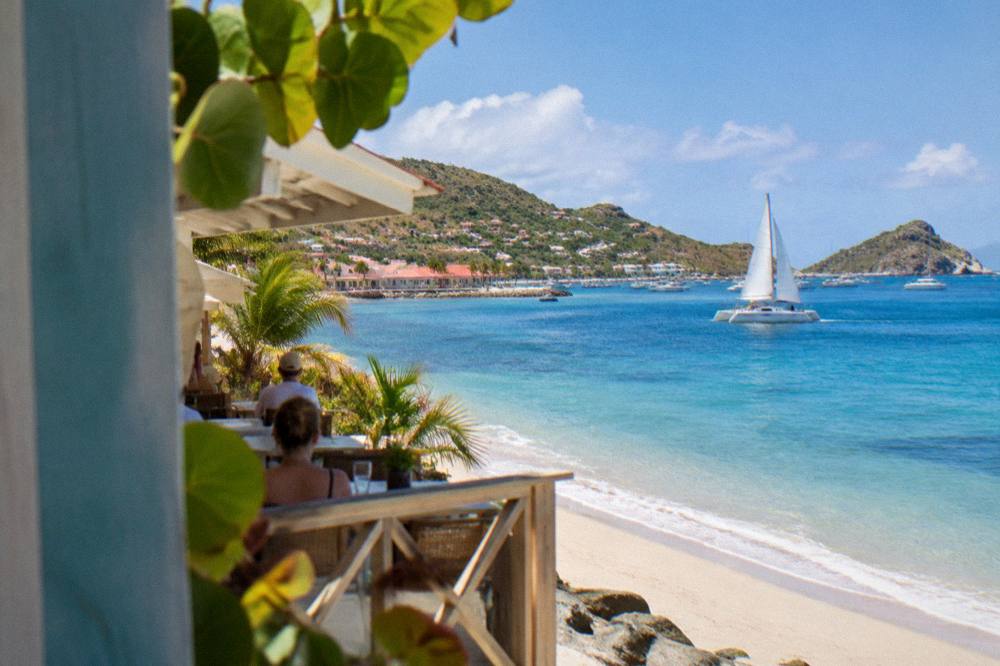
A St Barts day trip from St Martin is a single long day: the boat leaves from a named Dutch- or French-side port in the morning, crosses to St Barts, spends the day around Gustavia, Colombier Beach and Ile Fourchue within the marine reserve's rules, and returns to St Martin the same evening. The group sail runs about seven hours.
The marine reserve sets the rules of the day. The environment agency's regulatory-zones page lists a 5-knot speed limit inside its zones, a ban on jet skis and other motorized water devices, 23 dive sites, a prohibition on dogs at the beaches and a strict no-touching rule for turtles and other protected species. Boats in Colombier and Fourchue bays use ecological mooring buoys, and vessels over 25 m are excluded. None of this complicates a day trip; it simply shapes it, and the trip's snorkel stops sit inside these protected waters.
The shape of the day follows from the departure point. A boat leaving Simpson Bay crosses the Dutch channel and rounds the northern coast; a boat leaving Grand Case or Anse Marcel starts already on the French side, closer to the open water between the two islands. Either way, Gustavia harbour is the first landfall, and Colombier and Ile Fourchue, both inside the reserve's protected zones, are the water stops of the afternoon before the return crossing in the late day.
The overnight alternative deserves a separate look. The two-day, one-night private catamaran keeps a party of up to four on the water between St Martin and St Barts, with the listing showing the per-group price and a five-from-three-reviews rating. It is the only product that does not return the same day.
What Should You Know About Weather And Timing On The Crossing?
St Martin and St Barts share one tropical climate: Meteo-France normals for 1991 to 2020 show a mean daily high from 28.5 C in January to 31.7 C in September, 891.3 mm of rain a year and October the wettest month at 135.6 mm, with hurricane season from 1 June to 30 November peaking mid-August to mid-October. Ferry sailings depend on sea conditions.
The calendar matters more here than on most routes, because the crossing is by small boat or small plane, both of which respond to weather. The high season from December to April aligns with the driest months of the normals table, February lowest at 38.4 mm, while the autumn brings the wettest months and the annual closure window on St Barts, when many hotels and restaurants shut and reopen between mid-October and early November. A St Martin stopover in late October can catch the reopening on the French island while enjoying the quieter Dutch side.
| Month | Mean daily high | Mean daily low | Rain |
|---|---|---|---|
| January | 28.5 C | 23.5 C | 52.6 mm |
| February | 28.6 C | 23.3 C | 38.4 mm |
| April | 29.8 C | 24.2 C | 50.9 mm |
| July | 31.2 C | 26.0 C | 80.4 mm |
| September | 31.7 C | 26.2 C | 96.9 mm |
| October | 31.4 C | 25.8 C | 135.6 mm |
Figures are Meteo-France normals, 1991-2020, for the St Barthelemy station; St Martin's numbers run close. The sea stays warm, about 26 C in winter to about 29 C from August to October in secondary figures, so the calendar is a matter of rain and boat comfort rather than swimming temperature. The last flight of the day out of St Barts leaves before sunset, because the airfield operates in daylight only, and that single operational fact quietly sets the rhythm of every day trip: the boats leave St Martin in the morning and return in the evening, and no crossing turns into a night passage.
What Else Can You Pair With St Barts From St Martin?
St Martin opens island-hopping routes beyond St Barts: Anguilla and Saba are the two nearest neighbors with their own day-trip pages on this site, and the wider set runs to Sint Eustatius, St Kitts, the BVI, St Lucia, St John and Mustique, each reachable as an ambitious extension from the St Martin gateway.
Anguilla sits close to the French side's northern shore and Saba farther south, and both reward a day each. The comparison pages, Anguilla from St Barts and the Saba day trip guide, cover the crossings, and the broader island hopping overview places St Barts inside the whole Leeward chain. For travellers choosing between the neighbors rather than adding them, the difference between the two islands sharing the St Martin channel is set out in what separates St Barts and St Martin.
A two-centre trip built on St Martin as the hub can therefore stack in several directions at once: a day trip to St Barts by boat, a day on Anguilla from the French side, and a St Barts stay threaded between them, all without ever repositioning the long-haul flight. The hub logic is the quiet argument for giving St Martin more than a night.
| Neighbor | Day-trip page on this site | Fit with a St Martin stopover |
|---|---|---|
| Anguilla | /day-trips/anguilla-day-trip-from-st-barts/ | Closest neighbor to the French side |
| Saba | /day-trips/saba-day-trip/ | Unspoiled volcanic island to the south |
| Sint Eustatius | /day-trips/sint-eustatius-statia-trip/ | Quieter extension of the same chain |
| St Kitts | /day-trips/st-kitts-from-st-barts/ | Longer hop for a two-island week |
Common Questions About St Martin Before A St Barts Trip
Do I need a passport for the ferry from St Martin to St Barts?
Yes. The Great Bay Express page states a passport is required, and St Barts sits outside the Schengen area, so the crossing is an international one even though both ports are French or French-adjacent territory. Check your own government's travel advice for document validity before you travel.
How long is the ferry from St Martin to St Barts?
Great Bay Express runs from Philipsburg in about 45 minutes, and Voyager from Marigot in about 50 to 60 minutes with two to three sailings a day. Sea conditions affect both crossings, and neither operator promises a smooth one.
Can you fly from St Martin to St Barts?
Yes, on small STOL turboprops only. St Barth Commuter flies the route from SXM and Grand Case, and the runway at St Barts, at 646 m, accepts no jets, with operations in daylight and visual conditions only. The hop is short.
Where do the St Barts boat tours leave from?
From St Martin or Sint Maarten, never from St Barts. The departure points named on the listings include Simpson Bay, Cole Bay, Anse Marcel and Grand Case.
Is one day on St Martin enough before crossing to St Barts?
One day covers a look at Philipsburg or Marigot and a relaxed ferry morning, but the schedule of planes and boats rarely aligns tightly with a long-haul arrival, so an overnight on either side of the St Barts stay is the safer pattern.
When is the best time to make the crossing?
December to April matches the driest months of the Meteo-France 1991-2020 normals, with hurricane season from 1 June to 30 November peaking mid-August to mid-October. Sailing dates depend on the operators and sea conditions.
The crossing, in the end, is the first hour of the St Barts trip rather than the last leg of getting there, and a day spent on St Martin turns a connection into part of the itinerary.