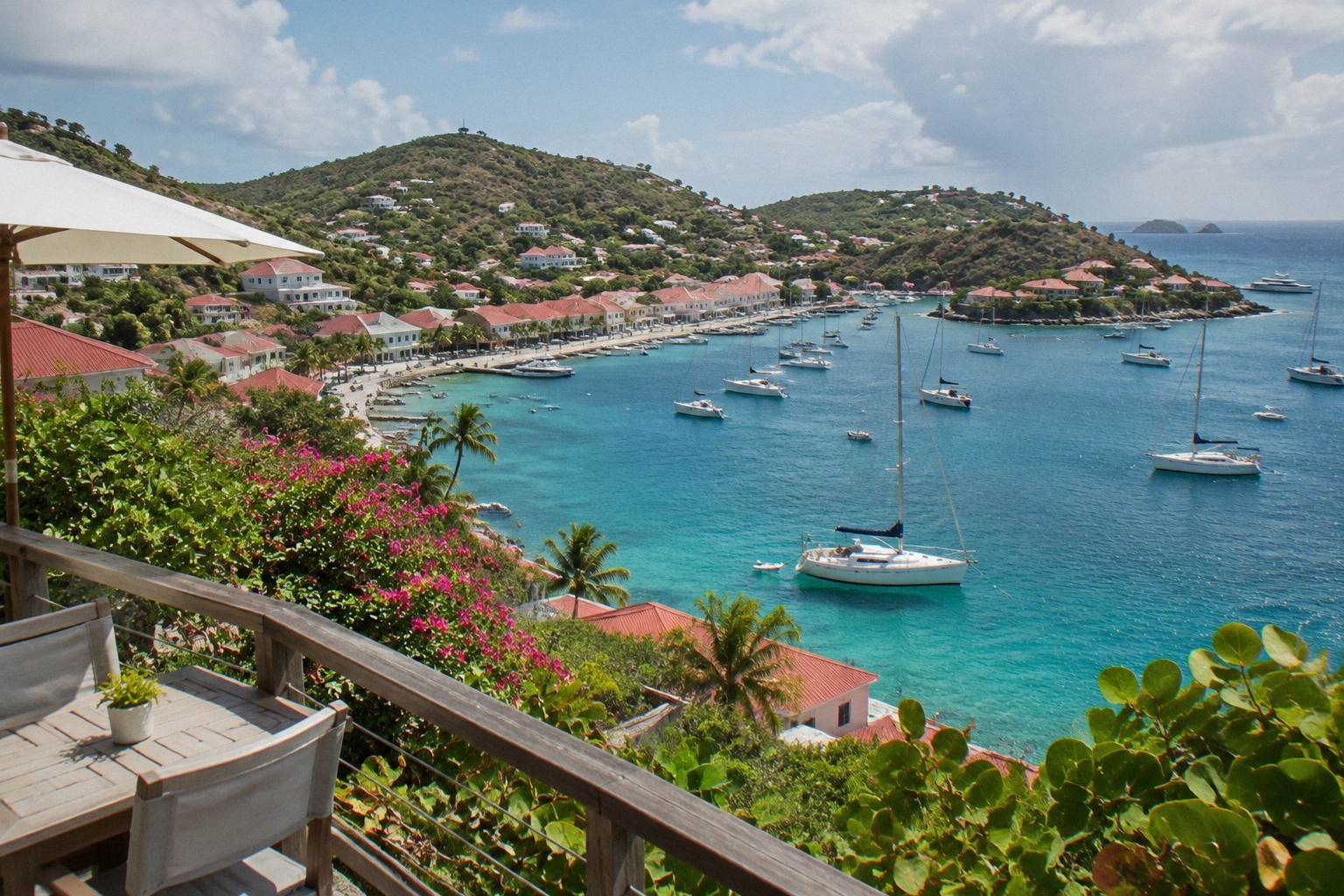
Currency In St Barts
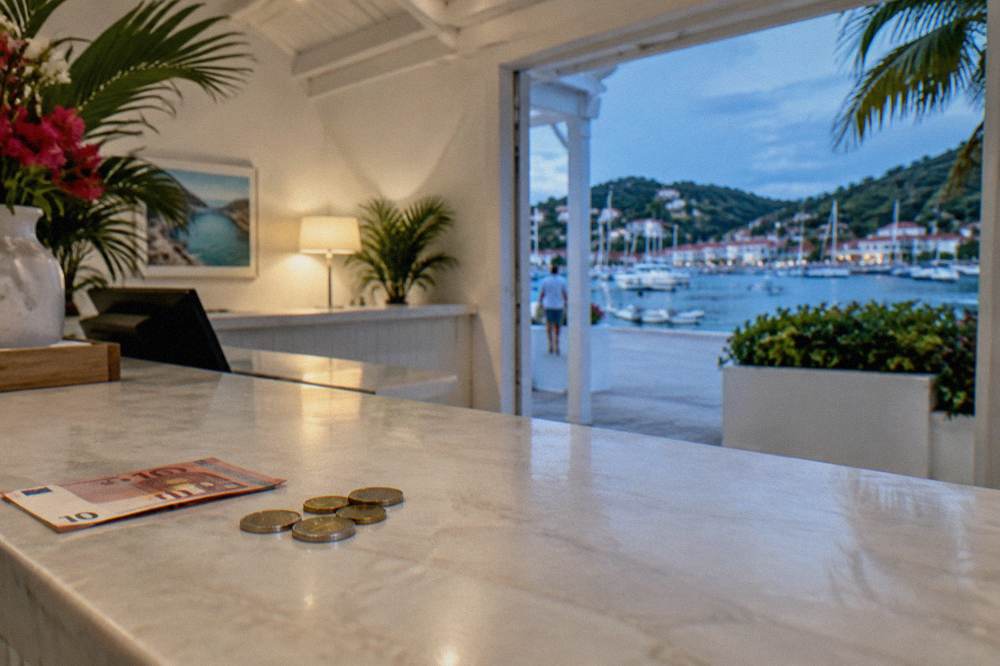
The euro is the only official currency of St Barthelemy, the small French island in the Caribbean known as St Barts, and nearly every practical money question on the island comes back to that single fact.
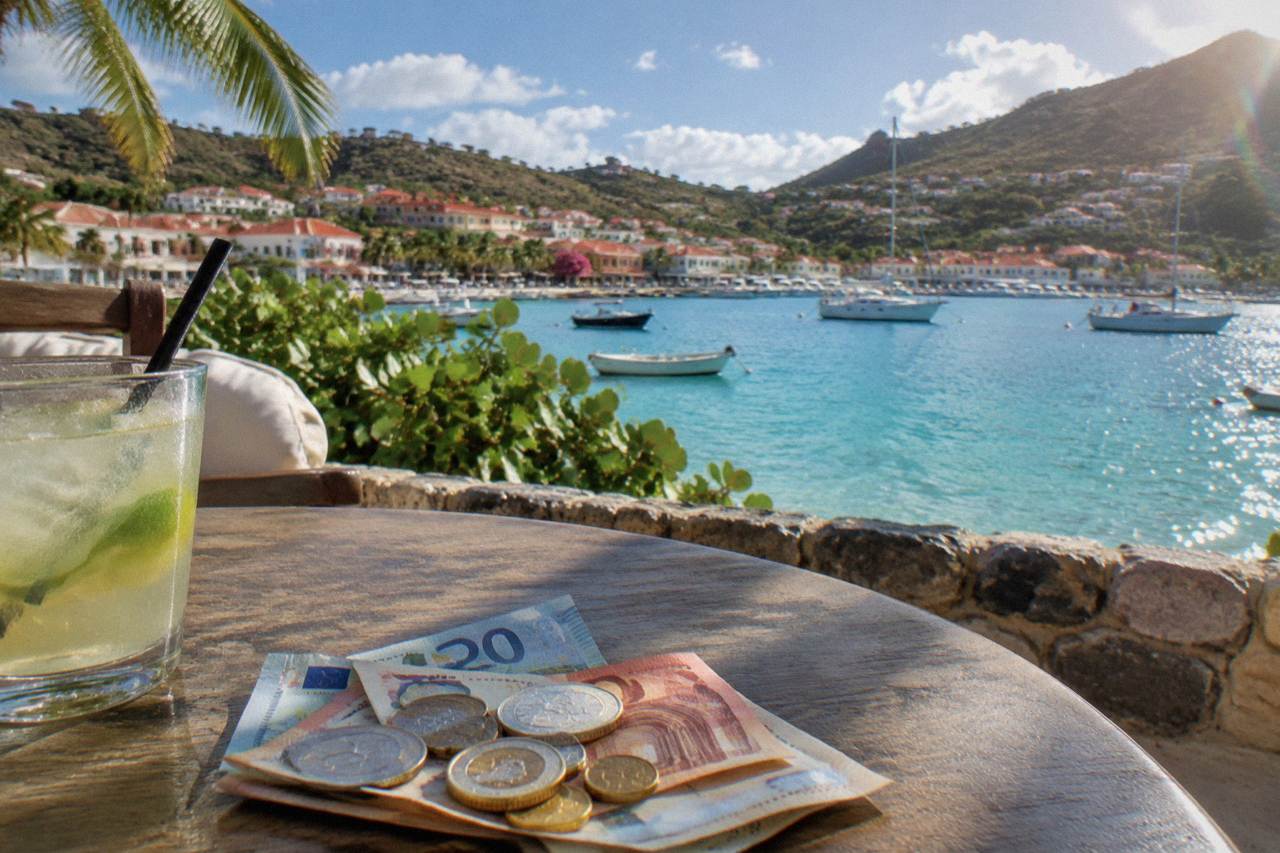
St Barts uses the euro as its official currency because it is a French overseas collectivity. US dollars are not the local currency, tourist tax is collected through accommodations, and the boat tours sold on this site are priced in US dollars through their listings.
St Barthelemy, written St Barts almost everywhere you will look once you arrive, is a French overseas collectivity in the Caribbean, and its money follows its flag: the euro is the official currency, euro prices are what you will see in Gustavia's shops and on menus, and every practical money question on the island flows from that French framework. This guide covers the currency itself, how to think about cash and cards, the tourist tax that sits inside accommodation bills, how the boat trips from St Martin are priced, and the seasonal rhythm that shapes what a trip costs in broad terms. The short version of every question on this page is also answered on the sister page what currency is used in St Barts, but this guide goes deeper into planning.
What Currency Is Used In St Barts?
The official currency of St Barts is the euro, because the island is an overseas collectivity of France, separate from Guadeloupe since 2007. The tourism committee lists the euro as the island's currency, French is the official language with English widely spoken, and prices across Gustavia and the beaches are set in euros, not in dollars or any Caribbean dollar.
There is no St Barts dollar, no local scrip and no parallel currency. The island shares the euro with mainland France and the other French Caribbean territories, which surprises travellers who expect an Eastern Caribbean dollar because neighbouring islands use one. St Martin's French side, Marigot, also uses the euro, while the Dutch side, Sint Maarten and Philipsburg, uses the Netherlands Antillean guilder alongside widely displayed dollar prices. That split matters on almost every St Barts itinerary, because the island is reached through St Martin or Sint Maarten, so a single trip can pass through two currency zones before the ferry or plane lands in Gustavia.
The tourism committee states the currency plainly on its official site, and the same page confirms the language picture: French official, English widely spoken in shops, restaurants and hotels. Cash machines and exchange desks exist on the island, but this page prints no locations or opening details, because the practical answer for a visitor is simpler: arrive with some euro cash already in hand, sourced from your own bank at home, and treat anything you withdraw or exchange on the island as a backup rather than the plan.
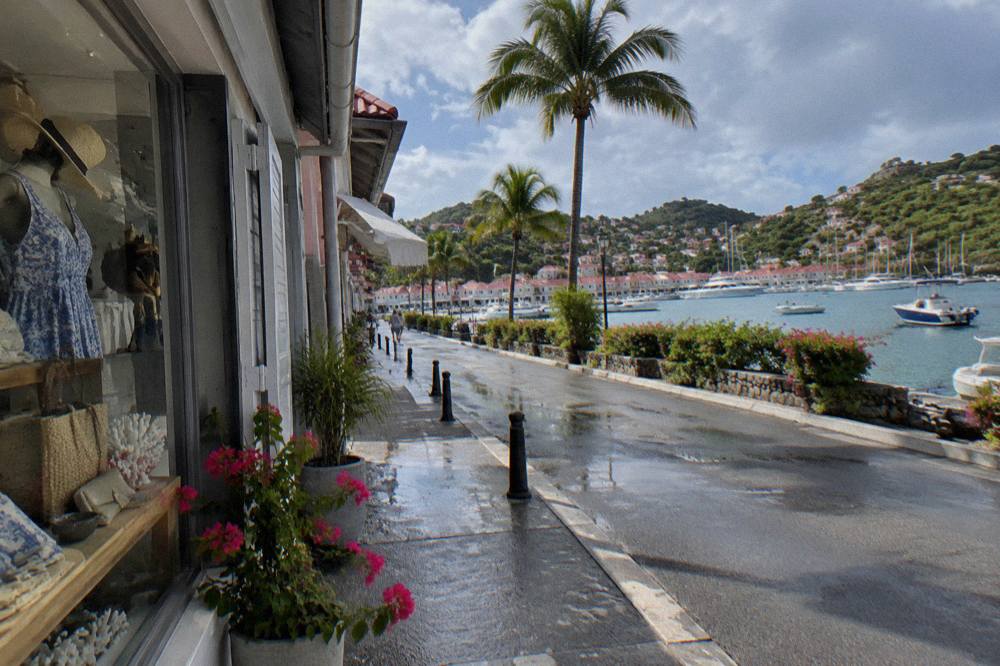
The basics that surround the money question are worth setting in one place, since they are the same French framework that brings the euro:
| Item | St Barts |
|---|---|
| Official currency | Euro (France, overseas collectivity) |
| Political status | French overseas collectivity since 2007 |
| Capital | Gustavia |
| Official language | French |
| Other language | English widely spoken |
| Time zone | UTC-4, no daylight saving |
| Plug types | C and E |
| Emergency numbers | Include 112 |
Can You Use US Dollars In St Barts?
US dollars are not the currency of St Barts and no business is obliged to take them. The euro is the only official money on the island, and whether any particular shop, taxi or beach vendor accepts dollars is each business's own policy, which is why the reliable approach is to carry euros and let card or dollar acceptance be a bonus rather than the plan.
This is where St Barts differs from heavily dollarised Caribbean destinations. Nothing in the official framework requires a Gustavia boutique, a beach restaurant or a taxi driver to price or accept anything but euros, and change given for a dollar payment would come back in euros at whatever rate the business applies. The safe assumption for planning is therefore euros for cash spending, and a card for whatever each business chooses to accept, checked directly rather than assumed.
A practical note on notes: bring recent euro banknotes in sensible mid-value denominations. Very large notes are awkward for small island purchases, and coins mount up quickly because many everyday purchases round to euro amounts. The denominations themselves are standard across the eurozone:
| Form | Denominations |
|---|---|
| Euro coins | 1, 2, 5, 10, 20, 50 cents; 1 and 2 euros |
| Euro banknotes | 5, 10, 20, 50, 100, 200 euros |
Exchange is best arranged before travel, through your own bank or a normal foreign-exchange service, so the first euro you spend is not also the worst rate you get. Anyone arriving through Sint Maarten will see guilder and dollar pricing on the Dutch side before the French system takes over, which is a useful reminder to keep the two zones straight in your head and in your wallet. For what you will actually spend those euros on, the St Barts shopping guide covers Gustavia's boutiques, and the money question and the shopping question are really the same question asked twice.
How Should You Carry Money On A St Barts Trip?
Carry a mix: euro cash for small purchases, taxis and markets, and a card for larger spending where a business accepts one, with the balance tilted toward cash on a small island where policies vary door to door. No source gives a card-acceptance guarantee for St Barts, so the plan that always works is euros in hand plus a card as a second option.
The authorless honest framing helps here: nothing in the tourism committee's material or any official page promises universal card acceptance, and a small island economy with market stalls, taxis and beach vendors is exactly the kind of place where cash remains the default. A reasonable structure is small notes and coins for the day, a reserve of larger notes somewhere secure, and a card you have told your bank you will be using from the Caribbean. France's overseas collectivities sit outside the Schengen area, which has no bearing on your card but does matter for passport and entry planning covered on how to get to St Barts.
Two cautions round this out. First, never rely on a single payment method anywhere, and especially not on an island reached by a ferry crossing that can be rough or a small plane into a 646 m runway where weather can shift a day's plans. Second, keep the currencies separate in your head: euros for the island's own prices, and US dollars only in the context of booking tours from St Martin, which the section below explains.
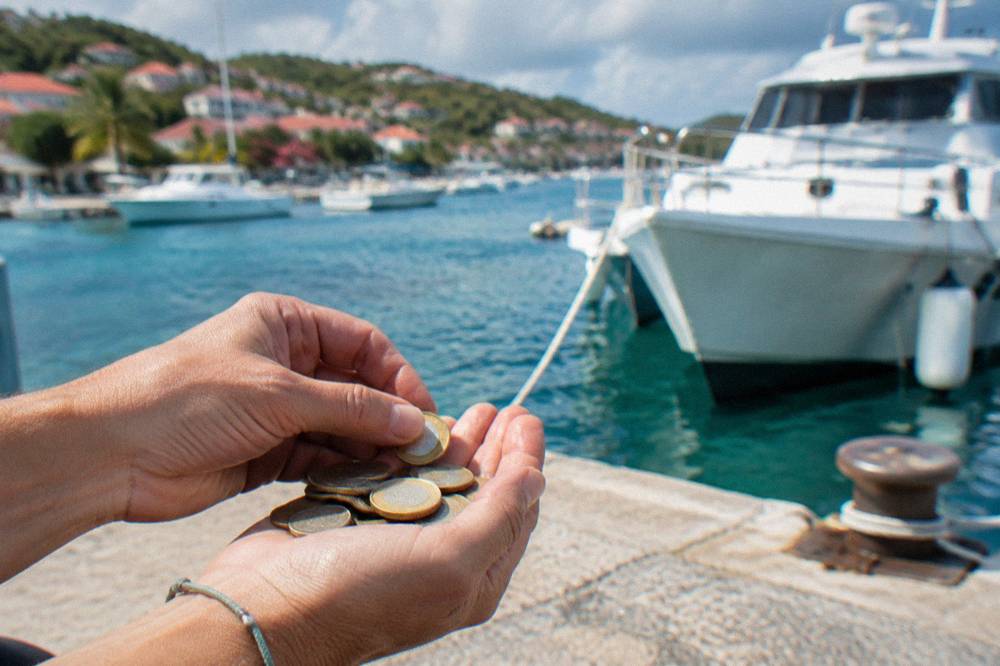
If a boat day is part of the plan, the group sail is the natural anchor of a St Barts trip and it can be held ahead of travel:
What Is The Tourist Tax In St Barts?
St Barts applies a tourist tax, the taxe de séjour, collected by accommodations rather than paid at the border, so a hotel or villa adds it to the bill under rules set by the Collectivité de Saint-Barthélemy and passes it on. The rate is set by local deliberation and varies with the accommodation, so this page prints no figure; your booking confirmation is the place the exact amount appears.
The mechanism matters more than the number. Unlike some destinations that charge an entry fee at the airport or ferry, St Barts collects its visitor levy through lodging providers, which means a couple staying in a hotel and a family in a villa will both pay it but will see it surface differently in their paperwork. Accommodations declare and remit the tax through the Collectivité's official platform, so the amount on your final invoice is not a private surcharge by the property but a territorial levy.
For budgeting, treat it as a small per-night addition on top of the quoted room or villa rate and confirm the exact amount with the property when booking. Rates for accommodation themselves swing hard by season, which the St Barts hotels guide and the luxury hotels guide cover in structural terms. What no page on this site will do is print a nightly rate, because rates move constantly with season and demand and the property's own booking page is the only live source.
How Are St Barts Boat Tours Priced?
Every bookable boat tour that visits St Barts departs from St Martin or Sint Maarten, and the listings on this site price them in US dollars: one group sail sold per person, and the rest private charters sold per boat for the whole group. The island's own euro economy never touches these bookings, so a trip mixes two currencies by design, euros on St Barts and dollars for the boat.
That two-currency structure is the single most useful money insight on this page. A traveller lands in St Martin, boards a charter in Simpson Bay or a ferry in Marigot or Philipsburg, spends the day in Gustavia and Colombier paying euros for lunch and shopping, and pays for the boat itself in dollars through the operator's live listing. The card below is the per-person option, a group sail and snorkel trip that visits Gustavia, Colombier Beach and Ile Fourchue, and its dates on the listing run 12 May to 31 August 2027:
The charter alternative, for anyone who wants the boat to themselves, is priced per group rather than per person:
Because these products are per-boat, their economics change completely with group size, and because departure is from St Martin, the ferry operators and schedule guide explains the scheduled crossing that runs alongside them. What follows is the structural picture of the trip list, with no prices because the cards and boxes on this page render those from their listings:
| Product | Kind | Sold as | Departs from |
|---|---|---|---|
| Gustavia, Colombier and Ile Fourchue sail | Group sail and snorkel | Per person | St Martin / Sint Maarten |
| Full-day St Barth private charter | Private day charter | Per group | St Martin / Sint Maarten |
| Private charter from St Martin to St Barth | Private day charter | Per group | St Martin / Sint Maarten |
| Nikki Beach private charter | Private day charter | Per group | Sint Maarten |
| 2-day 1-night private catamaran | Overnight charter | Per group | St Martin |
| Private sailboat charter | Private day charter | Per group | St Maarten |
One rule from the marine reserve is worth knowing before any boat day: the environment agency's regulatory-zones page lists a 5-knot speed limit inside protected zones, a ban on jet skis, no dogs on beaches and no touching of turtles, and these apply in the bays the boats visit. The reserve's zones cover Colombier Bay and Ile Fourchue among others, so the boat itineraries and the protected water overlap by design, which is also why the crossing into those bays is slow and deliberate rather than a fast run.
How Does The Season Shape Money On St Barts?
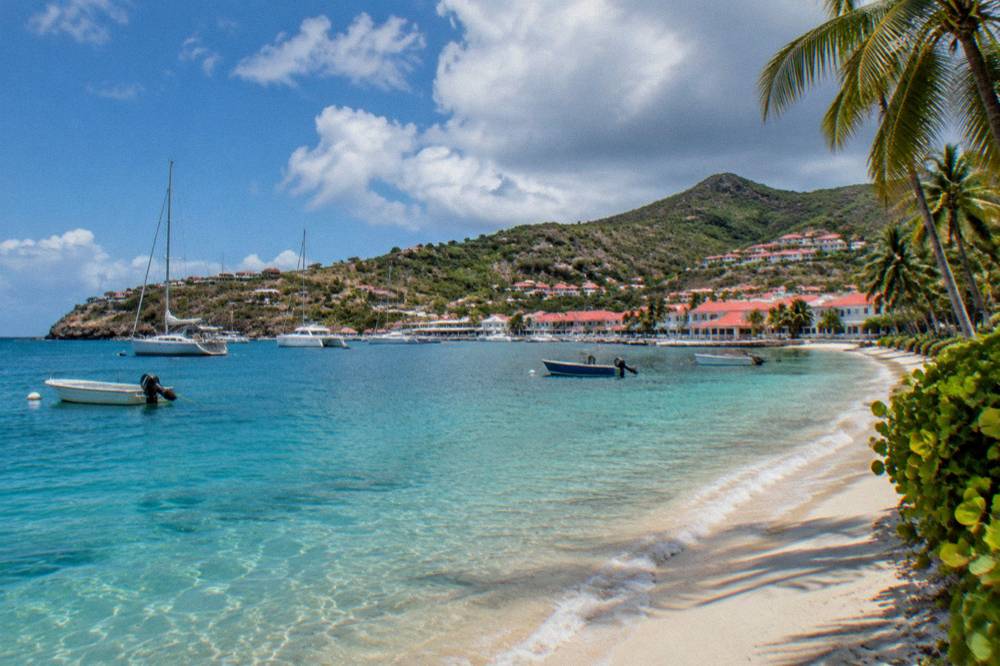
St Barts runs on a winter high season and a quiet late-summer low season: many hotels and restaurants close for the autumn and reopen between mid-October and early November, the dated events cluster in winter, and the Meteo-France normals show the year running from a mean daily high of 28.5 C in January to 31.7 C in September, with October the wettest month at 135.6 mm.
The seasonal pattern is the biggest single lever on what a trip costs in broad terms, even before any rate is quoted. High season, from roughly December into April, is when the island's calendar fills: the Music Festival runs 8 to 18 January 2027 for its 43rd edition, the Bucket Regatta is mid-March, and the New Year period around Gustavia harbour is the peak of the peak, a subject the New Year's Eve guide covers. Late summer is the opposite: the Gourmet Festival runs 9 to 15 November 2026 as the island swings back into action, and the weeks before it are the quietest, with the annual closure pattern in force.
The climate normals, 1991-2020 from Meteo-France, give the underlying rhythm, and hurricane season from 1 June to 30 November overlaps the warmest and wettest months:
| Month | Mean daily high C | Mean daily low C | Rain mm |
|---|---|---|---|
| Jan | 28.5 | 23.5 | 52.6 |
| Feb | 28.6 | 23.3 | 38.4 |
| Mar | 29.0 | 23.5 | 41.4 |
| Apr | 29.8 | 24.2 | 50.9 |
| May | 30.7 | 25.1 | 61.7 |
| Jun | 31.2 | 25.9 | 56.0 |
| Jul | 31.2 | 26.0 | 80.4 |
| Aug | 31.6 | 26.3 | 79.6 |
| Sep | 31.7 | 26.2 | 96.9 |
| Oct | 31.4 | 25.8 | 135.6 |
| Nov | 29.9 | 25.0 | 118.6 |
| Dec | 28.9 | 24.1 | 79.2 |
For money purposes, the dated calendar looks like this, with undated events left undated because their 2027 details are not confirmed:
| Event | Date |
|---|---|
| St Barth Gourmet Festival | 9 to 15 November 2026 |
| St Barth Music Festival (43rd) | 8 to 18 January 2027 |
| St Barths Bucket Regatta | Mid-March 2027 |
| Les Voiles de St Barth | April 2027, dates not confirmed |
| St Barth Film Festival | Late April or early May 2027 |
| Fete de Saint-Barthelemy | 24 August |
| Fete de la Saint-Louis, Corossol | 25 August |
The group sail's own season is itself a dated fact: its listing runs it only from 12 May to 31 August 2027, which places the per-person option squarely in the shoulder and low season, while the private charters operate on their own year-round terms. For the overnight version of a boat trip, the two-day catamaran is the only multi-day product:
Where Does The Euro Meet You First On The Way To St Barts?
The euro meets travellers on the French side of St Martin, in Marigot, because the two scheduled ferries to Gustavia leave from Philipsburg on the Dutch side and Marigot on the French side, while the small planes into Gustaf III Airport connect from St Martin, San Juan, Guadeloupe and Antigua, and the currency switch happens wherever your routing lands you.
Understanding the arrival geography settles most currency confusion before it starts. Great Bay Express runs from Philipsburg, where the guilder and dollar dominate, and Voyager runs from Marigot, which uses the euro like St Barts itself. The crossing takes about 45 minutes from Philipsburg and about 50 to 60 minutes from Marigot per the operators' own pages, the sea can be rough. The airport route runs small STOL turboprops only, no jets, into the 646 m runway at Gustaf III, with St Barth Commuter serving St Martin and Guadeloupe and Tradewind serving San Juan and Antigua; the airport guide and the flights guide carry the detail.
| Gateway | Place | Connection to St Barts |
|---|---|---|
| St Martin / Sint Maarten | Marigot (FR) and Philipsburg (NL) | Ferries to Gustavia, plus small planes |
| San Juan | Puerto Rico | Tradewind small planes |
| Guadeloupe | Pointe-a-Pitre | St Barth Commuter small planes |
| Antigua | ANU | Tradewind small planes |
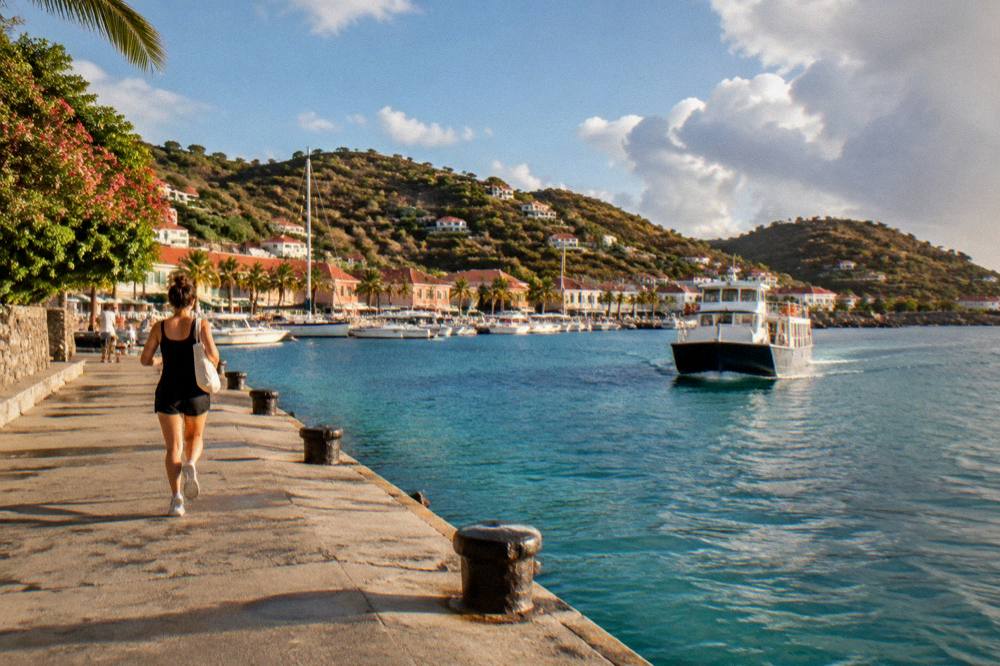
The practical takeaway is to match your cash to your first landfall. If your route runs through the French side, euros work from the moment you step off in Marigot. If you overnight on the Dutch side or in Philipsburg before the morning ferry, you are in a different money zone for that night, and the SXM airport to ferry guide walks that specific transfer. Once you are on St Barts, the euro is the only currency of daily life for the rest of the stay.
Common Questions About Currency In St Barts
What currency is used in St Barts?
The euro. St Barthelemy is a French overseas collectivity and the tourism committee lists the euro as the island's currency, with French the official language and English widely spoken.
Can you use US dollars in St Barts?
US dollars are not the island's currency and no business is obliged to accept them. Whether any shop or vendor takes dollars is each business's own policy, so carry euros as the reliable option.
Do you pay a tourist tax in St Barts?
Yes, a taxe de séjour applies and is collected by accommodations and added to your bill, then remitted to the Collectivité. The exact amount is set locally and appears on your booking confirmation rather than on any general page.
Are St Barts tours priced in euros?
The boat tours on this site that visit St Barts depart from St Martin or Sint Maarten and their listings price them in US dollars. The island's own costs, once you are ashore, are in euros, and the two should never be converted against each other on this page.
Should you bring cash to St Barts?
Yes, euro cash is the dependable default for taxis, small purchases and vendors, with a card as a second option wherever a business accepts one. Arrange euros before travel through your own bank rather than counting on exchange on the island.
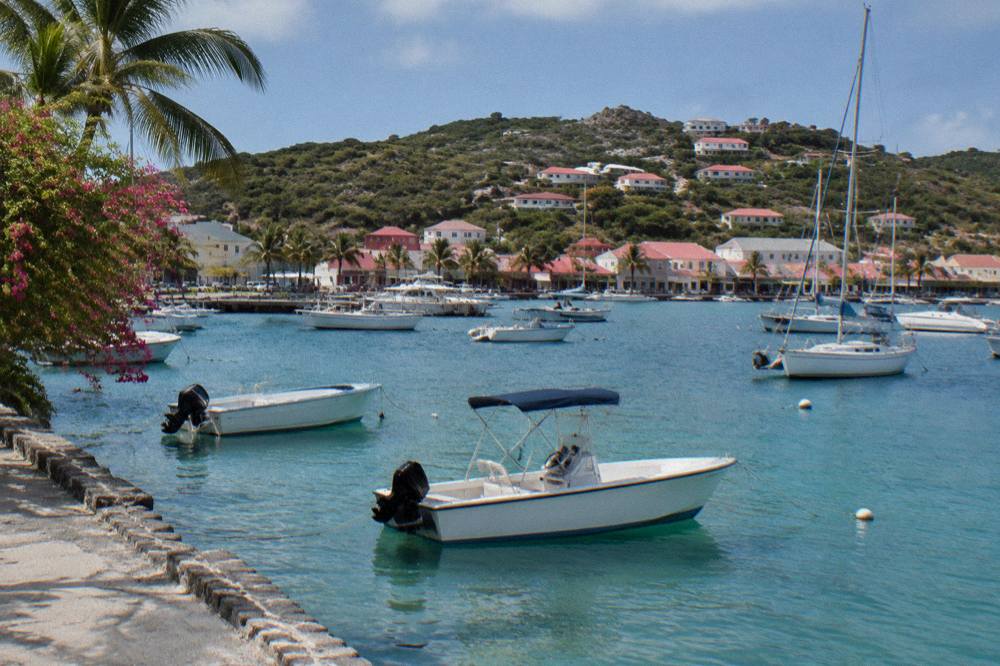
The euro is the constant on St Barts, and everything else, the tourist tax inside the hotel bill, the dollar-priced boat from St Martin, the guilder zone on the Dutch side of the crossing, is just context around it. For the wider planning picture beyond money, start with things to do in St Barts or the island overview on St Barthelemy Travel.