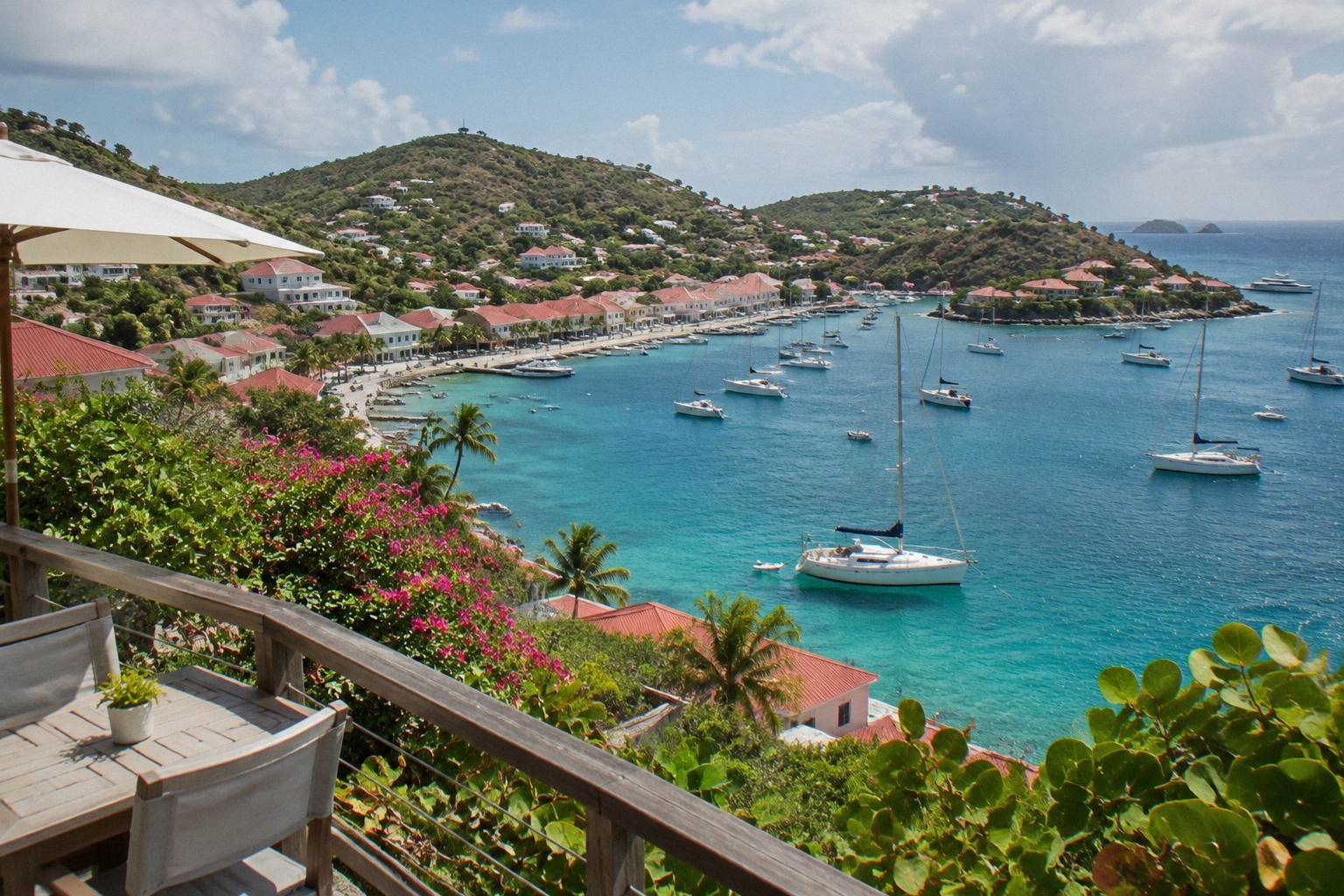
What Currency Is Used In St Barts?
St Barts uses the euro as its official currency. This guide explains what that means for American and European visitors, how tour pricing works, and what to know before you go.
St Barthelemy, usually written St Barts, is a small French island in the Caribbean, and the tourism committee confirms that its official currency is the euro. That single fact surprises more travelers than almost anything else about the island: people arrive expecting a Caribbean dollar, or assuming US dollars circulate the way they do on some neighboring islands, and instead find a corner of France where prices in Gustavia's shops and restaurants are set in the same currency used in Paris. The euro is the money of everyday life here, from a bottle of water to a hotel bill, and every question about paying for a trip to St Barts starts there.
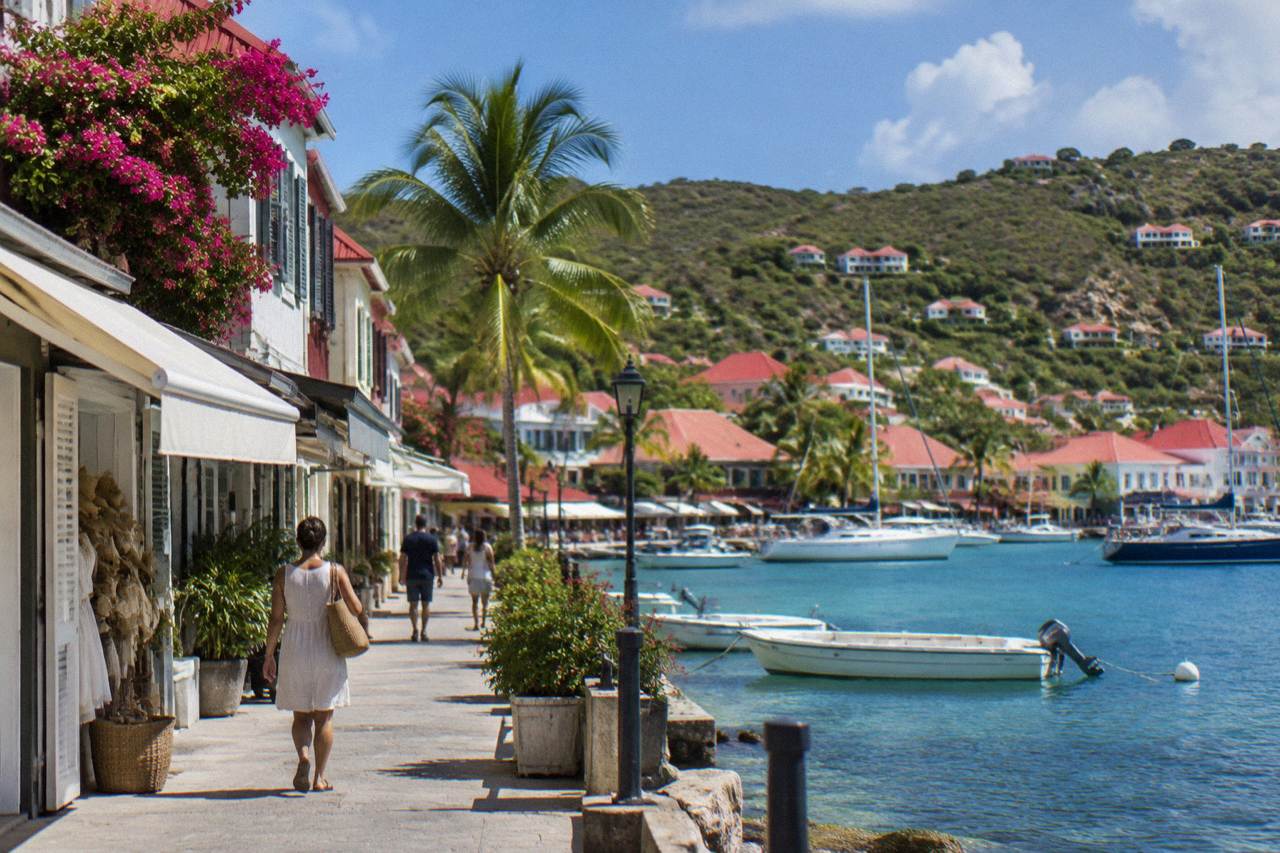
The official currency of St Barts is the euro, the currency of France and the wider eurozone, because the island is a French overseas collectivity and uses French money, French law and the French administrative system. The tourism committee states this plainly: euro currency, French as the official language, English widely spoken. Every local price on the island, from accommodation to a coffee in Gustavia, is quoted in euros.
The reason is constitutional rather than geographic. St Barts has been an overseas collectivity of France since 2007, when it separated administratively from Guadeloupe, and it remains inside the French Republic rather than joining any independent Caribbean state. Money follows sovereignty. The island does not issue its own currency, does not peg one, and has no separate note or coin: the euros in your pocket on arrival are the same euros you would withdraw anywhere in the eurozone.
For visitors from the United States, Canada or Britain this is the main planning point. You are traveling to a euro territory in the middle of the Caribbean, and your card charges, ATM withdrawals and exchange considerations will be euro-based, exactly as they would be on a trip to France. For visitors from France, Belgium, Germany, the Netherlands or any other euro country, there is nothing to think about at all: the money you use at home is the money of the island.
The site's general money guide covers the practicalities in more depth at St Barts currency basics, including how the euro interacts with the island's tax-free port status and what that means for shopping in Gustavia.
| Item | Detail |
|---|---|
| Official currency | Euro (EUR) |
| Why | French overseas collectivity since 2007 |
| Notes and coins | Standard eurozone denominations |
| Local prices | Quoted in euros |
| Tour prices on this site | Shown in US dollars by the operators' listings |
Can You Use US Dollars In St Barts?
US dollars are not the official currency of St Barts and the euro is what local prices are set in, but the island sits close to Sint Maarten, a Dutch territory where dollars circulate widely, so visitors frequently arrive with both. The safe planning assumption is simple: expect to pay in euros on St Barts itself and treat anything else as a courtesy rather than a rule. Confirm payment options with each hotel, restaurant or shop directly.
No evidence shows that every business on the island accepts dollars, and no evidence shows the opposite either, which is why the honest answer is to plan in euros and ask ahead. Large hotels deal with international guests every day and are the most likely to handle alternative payment methods; a small bakery in Corossol or a market stall in Gustavia is a different situation. Rather than guess, email the places that matter to your trip.
A related point of confusion is duty-free shopping. Gustavia is known as a port town with boutiques, and shoppers sometimes assume "duty-free" means "dollar-friendly". What the tax status actually affects is the price calculation, not the currency: goods are priced and settled in euros. Travelers planning a serious shopping day can read more in the site's coverage of where the island belongs and how it is governed, which explains the French framework that determines everything from money to entry rules.
Two practical notes round this out. First, cards: carrying some euro cash remains the standard advice for small purchases anywhere in the French Caribbean. Second, booking tours: the bookable day trips listed here, which all depart from St Martin or Sint Maarten rather than from St Barts itself, are priced by their operators in US dollars. Those prices render automatically from the listings, and they are never converted to euros on this site, because mixing the two currencies produces meaningless numbers.
Why Does St Barts Use The Euro And Not A Caribbean Dollar?
St Barts uses the euro because it is part of France, not a member of the Eastern Caribbean currency union that issues the Eastern Caribbean dollar used on islands such as Antigua, St Lucia and Dominica. The island's neighbors are split on money as they are on flags: Sint Maarten's Dutch side is outside the eurozone, while nearby French territories share the euro with St Barts.
The map explains it. The Eastern Caribbean dollar belongs to independent states and associated members of the Organisation of Eastern Caribbean States. St Barts, with roughly 10,700 residents on about 21 square kilometres, is none of those things: it is a French collectivity represented within the French system, and French collectivities in the Caribbean use French money. Guadeloupe and Martinique, further south, sit in the same position.
This matters for island hopping. A trip that combines St Barts with St Martin means dealing with the euro on the French side and a mixed euro and dollar economy on the Dutch side, Sint Maarten. A day trip to Anguilla or Saba means different arrangements again. Travelers building a multi-island itinerary should not assume one wallet works everywhere, and the site's guide to getting to St Barts through St Martin explains why that neighboring island is the gateway for nearly everyone.
It also matters for entry formalities, which follow French rules rather than Caribbean ones. St Barts sits outside the Schengen area, so the entry paperwork is its own topic, covered in detail at passport requirements for US citizens.
One of the most popular ways to see the island, and one that conveniently starts from the St Martin side where the dollar question is more relaxed, is the Boomerangs group sail, a full-day trip to Gustavia, Colombier Beach and Ile Fourchue. It links naturally with the money question here: you pay the operator in the currency of the listing, and once you step ashore in Gustavia you are back in euro territory.
How Should You Handle Money On A St Barts Day Trip?
For a day trip, the clean approach is to book your boat or transfer in advance with a card, in the currency the operator lists, and then carry a modest amount of euro cash for anything you buy after arriving in Gustavia: lunch, a drink, a souvenir, a taxi. Local prices vary by season and by establishment, so the planning move is simply not to arrive with none.
The typical day-trip rhythm makes this easy to manage. The ferries from St Martin, Great Bay Express from Philipsburg and Voyager from Marigot, take about 45 minutes and about 50 to 60 minutes respectively, and they land you within walking distance of Gustavia's shops and restaurants. Everything you buy in those few hours on shore is a euro transaction. The crossing itself is booked and paid before you sail, usually online, which removes the biggest single payment from your cash equation before the day begins.
Travelers who prefer a private boat have several options listed here, all departing from St Martin or Sint Maarten. The private charters carry up to eight or ten guests depending on the vessel, run a full day on the water, and, like the group sail, settle with the operator rather than with anyone on St Barts. A private charter can also pause in Gustavia long enough for a walk through town, where the euro rules above apply again: cards for larger purchases where accepted, cash for the small stuff.
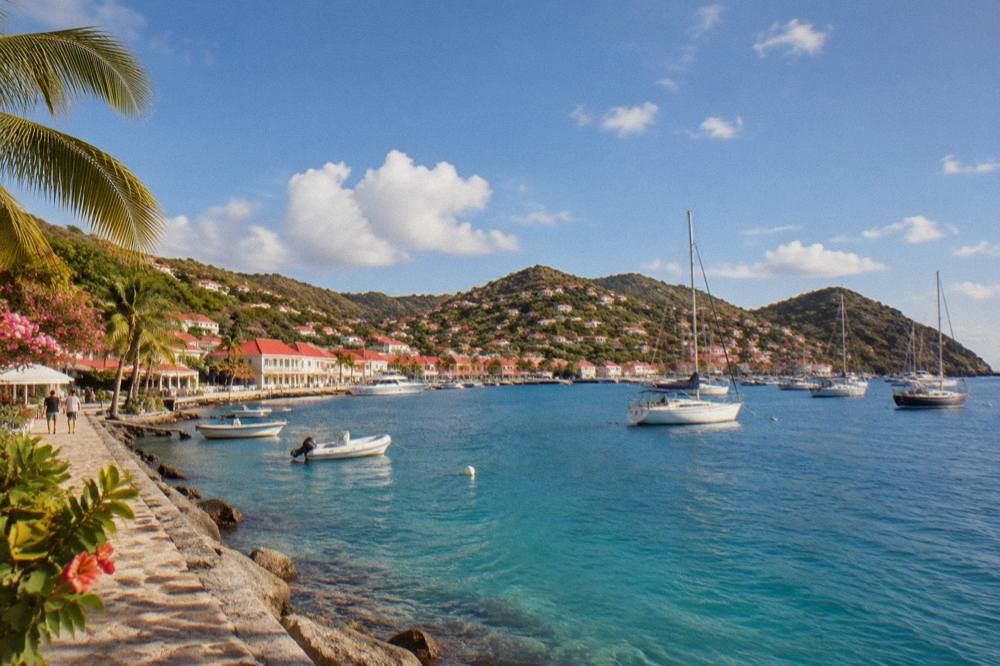
A note on changing money: the sensible order is to sort out euros before you leave home or withdraw them after arrival, rather than planning to convert dollars on the island and hoping for a good moment. Treat exchange services on St Barts as something to arrange on your own schedule, not something the island will solve for you at the dock. Banks and card issuers each set their own foreign transaction terms, and those terms, not anything local, will determine what your day actually costs you in your home currency.
| Situation | Currency that applies | Planning move |
|---|---|---|
| Ferry booking, St Martin to St Barts | Set by the ferry operator | Book and pay online in advance |
| Lunch or shopping in Gustavia | Euros | Carry some euro cash |
| Hotel or villa stay on St Barts | Euros, charged by the property | Confirm payment options when booking |
| Day trip booked through this site | US dollars, per the operator's listing | Paid at booking, nothing owed ashore |
| Time on the Dutch side, Sint Maarten | Mixed euro and dollar economy | Ask before you pay |
Common Questions About Currency In St Barts
Can You Use US Dollars In St Barts?
The euro is the official currency and the one local prices are set in. Visitors sometimes find places that will take dollars near the harbor, but this is not a general rule, so plan on euros and check with individual businesses about anything else.
Do St Barts ATMs Give Euros?
St Barts is a French territory and the euro is its currency, so cash obtained on the island is euro cash. Ask your hotel about ATMs, or check with your bank about withdrawal fees before relying on machines.
Are Tour Prices In Euros Or Dollars?
The day trips and charters are operated from St Martin and Sint Maarten and priced in US dollars on their listings. Those figures render automatically from the operator pages and are not converted to euros anywhere on this site.
Is St Barts Duty Free?
Gustavia functions as a free port, which affects how certain goods are taxed. The status changes the tax treatment, not the currency: purchases are still priced and settled in euros.
Is Tipping Expected In St Barts?
Service practices follow French custom, in which a service charge is normally included in restaurant bills and additional tipping is a gesture rather than an obligation. Leaving something extra for good service is never unwelcome.
Does St Martin Use The Same Currency As St Barts?
Only half of it. The French side, St Martin, uses the euro alongside St Barts, while the Dutch side, Sint Maarten, runs a mixed economy where US dollars circulate widely. If your trip touches both sides, plan for two currencies.
The euro is one of those small details that quietly shapes a St Barts trip. Know it before you land in Gustavia, carry a little cash in the right currency, book your boat in the currency of its listing, and the money question stops being a question at all.