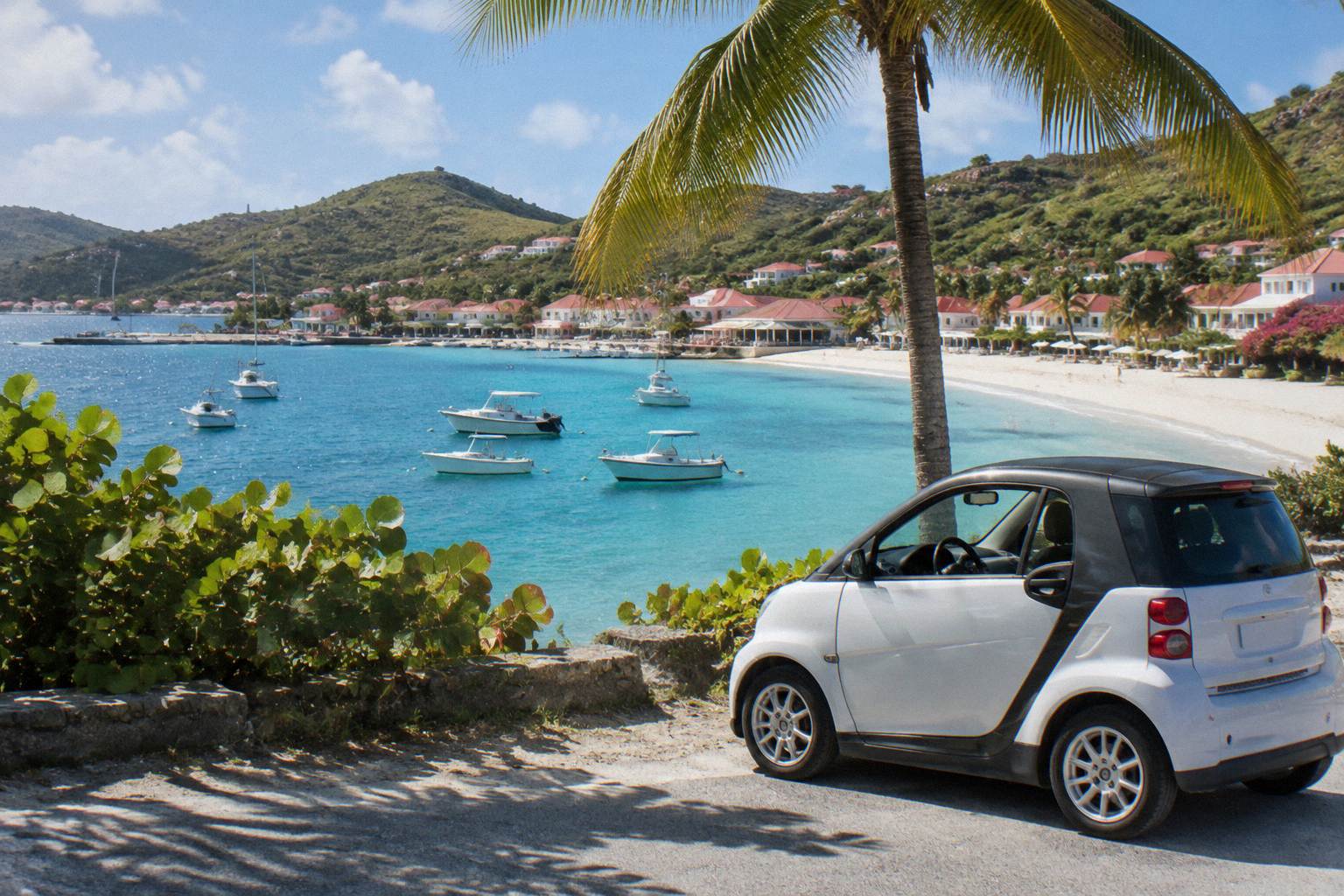
St Barts In 3 Days
Three days is enough to see Gustavia, swim at two or three public beaches and take a boat out to Colombier, provided the arrival logistics are planned around the St Martin gateway.
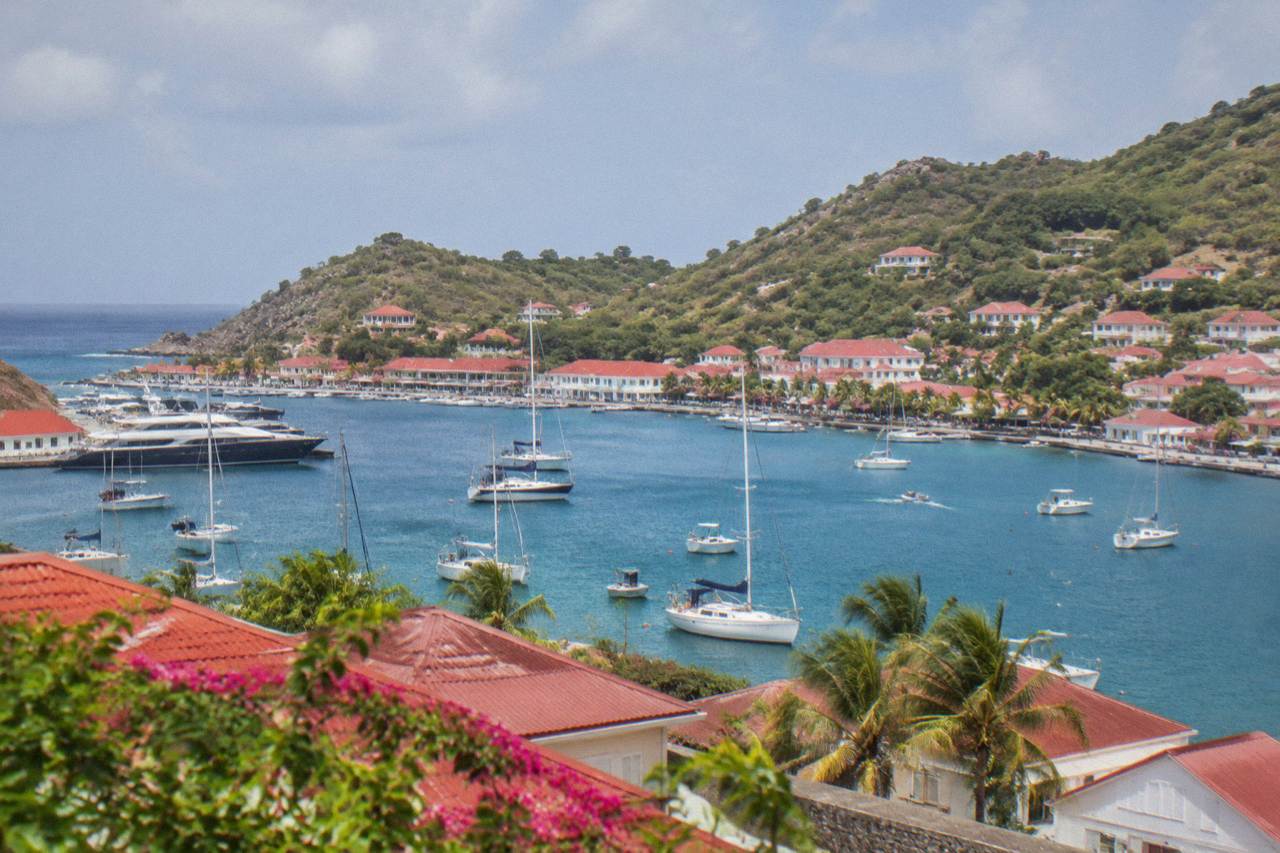
Three days works well for St Barts: arrive through St Martin by small plane or ferry, base yourself in or near Gustavia, spend day one in the harbour town, day two beach hopping by car, and day three on the water before the return hop.
St Barthelemy, universally shortened to St Barts, is a French overseas collectivity in the Caribbean with about 10,700 residents spread across roughly 21 square kilometres of hills, public beaches and one famous harbour town. Three days is a realistic frame for the island. The place is small, the roads are short, and the sights concentrate around Gustavia and a ring of beaches that the tourism committee lists as public and free to access. What makes a short trip succeed or fail is the arrival: every bookable boat tour listed here departs from St Martin or Sint Maarten, the airport accepts only small turboprops in daylight, and the ferries run to fixed schedules that shape day one and day three more than anything else.
Is Three Days Enough For St Barts?
Three days is enough to cover the essentials of St Barts: the harbour town of Gustavia, at least three public beaches, a boat day to Colombier Beach and Ile Fourchue, and a drive across the island's hills, without the rushing that a two-night stay forces. It is not enough to add island hopping to Anguilla or Saba or to wait out weather, so a buffer before the return flight matters. The island's size is the reason the math works. About 21 square kilometres means nowhere on St Barts is far from anywhere else, and the tourism committee lists the beaches as public with no entrance fee, so days are limited only by energy and sea conditions rather than tickets or queues.
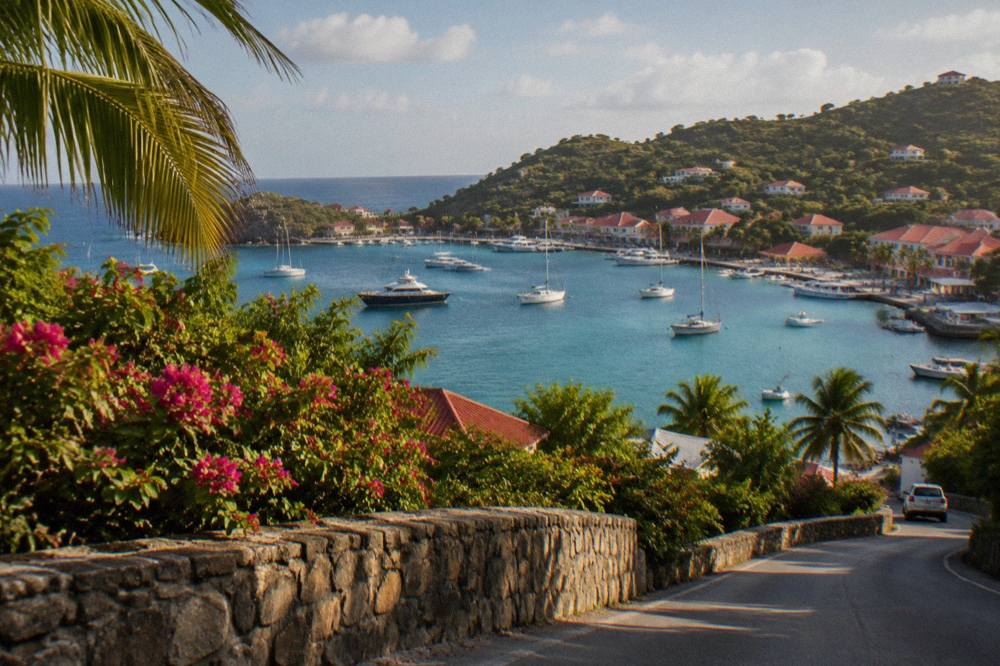
The skeleton of a good three-day plan looks simple on paper. Day one absorbs the journey through St Martin and ends with Gustavia at golden hour. Day two is the island day, by rental car or taxi, moving between beaches. Day three is the water day, then the return hop.
| Day | Base | Focus | Notes |
|---|---|---|---|
| Day 1 | Gustavia | Arrival via St Martin, harbour walk | Ferries and small planes both land within walking or short taxi range of town |
| Day 2 | Whole island | Beaches by car: Saline, Gouverneur, Saint-Jean | All beaches are public; roads are narrow and steep |
| Day 3 | Gustavia or St Martin | Boat day, then return | Boat tours depart from St Martin or Sint Maarten, so this suits an evening departure |
Readers with four or five nights can slow the same route down; the St Barts itinerary overview and the longer four-day and five-day plans expand each block. Travellers compressing further should compare this page with the St Barts long weekend plan, which squeezes the same highlights into two full days.
How Do You Get To St Barts For A Three-Day Trip?
Almost everyone reaches St Barts through St Martin: fly into Princess Juliana airport on Sint Maarten, then cross the remaining stretch of water either by small STOL turboprop into Gustaf III airport or by ferry from Philipsburg or Marigot to Gustavia. No jet lands on St Barts, the runway is only 646 metres, flying is daylight only, and the two ferry operators are Great Bay Express from Philipsburg and Voyager from Marigot. The geography forces this shape. Gustaf III airport, also called Remy de Haenen and coded SBH, sits on a 646-metre runway that admits only small turboprops in daylight and visual conditions, so long-haul flights terminate at gateways such as St Martin, San Juan, Guadeloupe or Antigua.
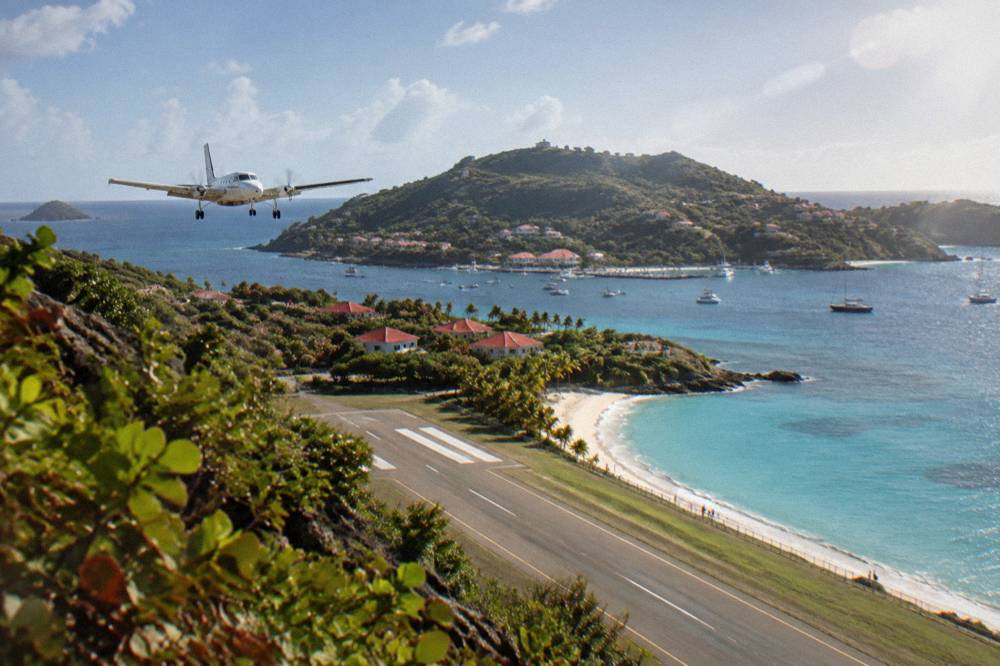
The small-plane option is quick and dramatic. St Barth Commuter flies the hop from St Martin's main airport (SXM), from Grand Case on the French side (SFG) and from Pointe-a-Pitre in Guadeloupe (PTP); Tradewind serves St Barts from San Juan (SJU) and Antigua (ANU); and Winair operates Twin Otters on the St Martin corridor. The ferry is the alternative, and for a three-day trip it can be the smarter one, because the crossing doubles as a transfer and a mini cruise. The operator pages give the crossing times.
| Route | Mode | Operator | Crossing Or Flight | Practical Notes |
|---|---|---|---|---|
| Philipsburg (Bobby's Marina) to Gustavia | Ferry | Great Bay Express | About 45 minutes | Passport required; check-in rules on the operator's page |
| Marigot Ferry Terminal to Gustavia | Ferry | Voyager | About 50 to 60 minutes | Two to three sailings a day each way, schedules vary by season |
| SXM (Princess Juliana) to SBH | Small plane | St Barth Commuter, Winair | A short hop | Daylight and visual conditions only |
| SJU (San Juan) to SBH | Small plane | Tradewind | A short hop | Useful for arrivals from the US mainland |
| PTP (Guadeloupe) to SBH | Small plane | St Barth Commuter | A short hop | Connects from the French Caribbean |
One point of honesty about the sea: the operator pages themselves warn that the crossing can be rough, and sailings are subject to weather. Never plan day three around a morning ferry feeding an afternoon long-haul flight without a margin; the ferry-seasickness question is common enough that this site covers it in the ferry from Sint Maarten guide. Entry rules matter too: St Barts is outside the Schengen area, US and UK and Canadian and EU citizens generally enter visa-free for short stays, and your own government's travel advice is the right place to confirm current passport requirements.
A different structure suits a different kind of traveller: skip the hotel entirely and sleep on the water. An overnight private catamaran from St Martin turns the transfer itself into the trip, arriving at St Barts under sail and waking inside one of the bays.
What Should Day One In St Barts Look Like?
Day one in St Barts should belong to Gustavia: arrive through St Martin, check in, then spend the late afternoon walking the harbour, the Shell Beach path and the low Swedish-era fort sites that ring the town, all of which are free and open public spaces. Gustavia is small, flat around the water and walkable, so no car is needed on arrival day. The town is the island's capital and harbour, and its layout rewards exactly this kind of slow first evening. The tourism committee describes the island's public beaches and open public places as free; there is no guided walking tour listed here, so the walk is self-directed and costs nothing.
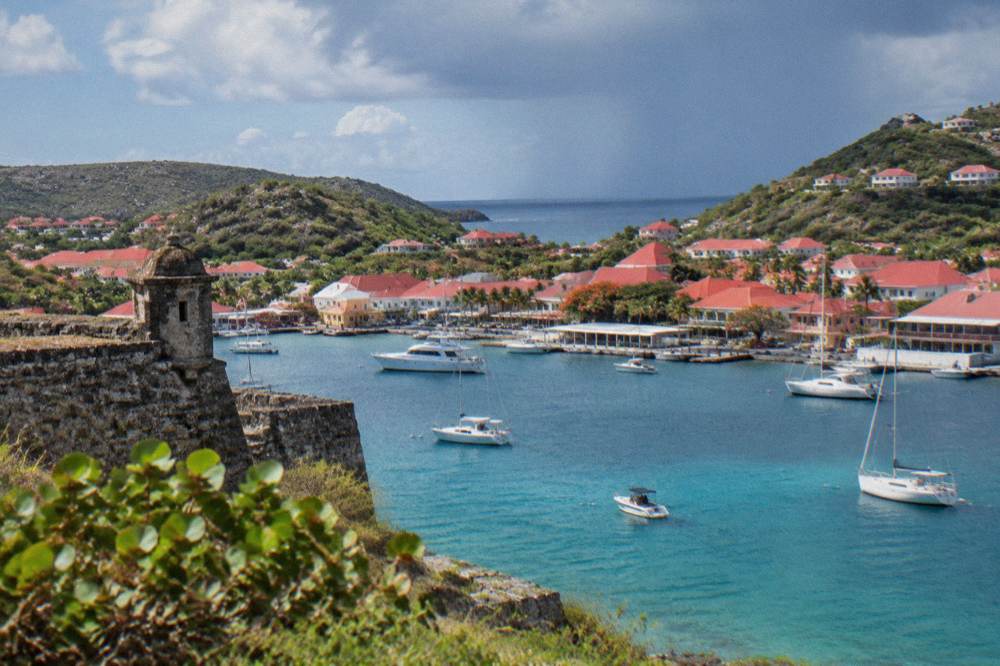
The practical arrival choreography depends on your mode. Ferry passengers step off at the Gustavia terminal essentially inside the town. Air passengers land at Gustaf III beside Saint-Jean beach, a short taxi ride from the capital. Either way, plan the first evening around the harbour: the waterfront, the fort sites above it, and Shell Beach (Grand Galet), which sits within walking distance of town on the western side. The Gustavia harbor guide maps the anchorages and the tender pier, useful background for anyone whose first sight of the island is a wall of masts.
| Item | Detail | Note | Basis |
|---|---|---|---|
| Late afternoon | Gustavia harbour walk | Free | Open public space; tender pier for cruise ships, no cruise pier |
| Golden hour | Shell Beach path | Free | Public beach within walking range of Gustavia |
Cruise passengers get a compressed version of this same day, since ships tender into Gustavia rather than docking; the collectivity caps authorised calls at ships of up to 1,200 passengers. But a tender passenger's day is measured in hours, while a three-day traveller can let the first evening breathe. That difference is the whole argument for staying overnight rather than day-tripping, and it is developed further in the things to do overview.
If day one lands on a Sunday or a public holiday, keep expectations for shops modest and let the beaches carry the day; the public shoreline is the one attraction that never closes. A wet first afternoon has a ready answer too, in the St Barts rainy day plan.
What Should Day Two In St Barts Look Like?
Day two is the island day: rent a car or book taxis, then string together Saline, Gouverneur and Saint-Jean beaches, the three stretches that define St Barts for most first-timers, with stops at Flamands or Lorient if time allows. Every beach on the island is public, drive-on-the-right applies, roads are narrow and steep, and the speed limit is 50 km/h island-wide with 30 km/h in Gustavia and St Jean. This is the day that rewards a vehicle. The island's hills separate one bay from the next, and while taxis exist, a rental gives the freedom to linger where the light is best.
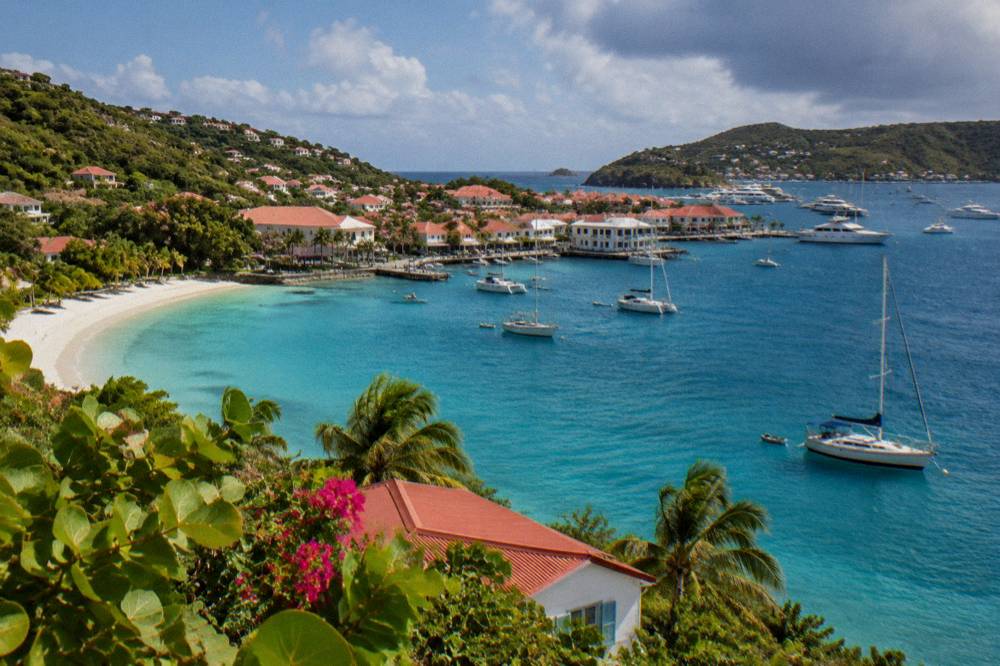
Choose the car with the roads in mind. Counters at the airport include Avis, Budget and Hertz, local agencies rent the open Mini Mokes that suit the climate, and small automatics are the norm. No rental price is printed; rates vary by season and each company's own page shows them. The rules that matter are worth repeating before the first steep descent: driving is on the right, the island-wide limit is 50 km/h, populated areas such as Gustavia and St Jean carry 30 km/h, and French right-of-way rules apply at unsigned intersections. The wider set of guides lives on St Barthelemy Travel.
| Stop | Beach | Character Notes | Position |
|---|---|---|---|
| 1 | Saint-Jean | Public beach beside the airport runway | South coast, next to Gustaf III |
| 2 | Gouverneur | Public, undeveloped bay | South coast, west of Saline |
| 3 | Saline | Public, reached on foot from the parking area | South coast |
| 4 | Flamands | Long public stretch | Northwest coast |
| 5 | Lorient | Public, village-adjacent | North coast |
Two legal notes colour any beach day. First, dogs are banned from all beaches island-wide under a municipal order, even on a leash; the environment agency's beach page states the rule plainly. Second, the marine reserve's zones, which include Colombier Bay, carry a 5-knot speed limit on the water, ban jet skis outright, and prohibit touching or chasing protected species including sea turtles. The detailed rules live in the St Barts nature reserve guide, and the beach-by-beach picture is in the best beaches by coast rundown.
Swimmers should also know that the sea is warm year-round, about 26 C in winter rising to about 29 C from August to October, figures a secondary source rounds from satellite data. Judge each bay on the day for lifeguard cover and currents. Families plotting the same loop with small children in tow will find the shape adapted in the St Barts family itinerary, and couples a softer version in the couples itinerary.
What Should Day Three In St Barts Look Like?
Day three belongs on the water, and for most three-day travellers the cleanest version is the group sail that departs St Martin or Sint Maarten and visits Gustavia, Colombier Beach and Ile Fourchue, returning the same day; listed here it runs as a per-person product from 12 May to 31 August 2027, so check the listing for your dates. Alternatively, keep day three on the island with an early beach and an afternoon ferry or flight back through St Martin. The reason the boat day caps the trip is positional: Colombier beach has no road access, the environment agency lists its bay inside the reserve's regulated zones, and the classic way in is by sea.
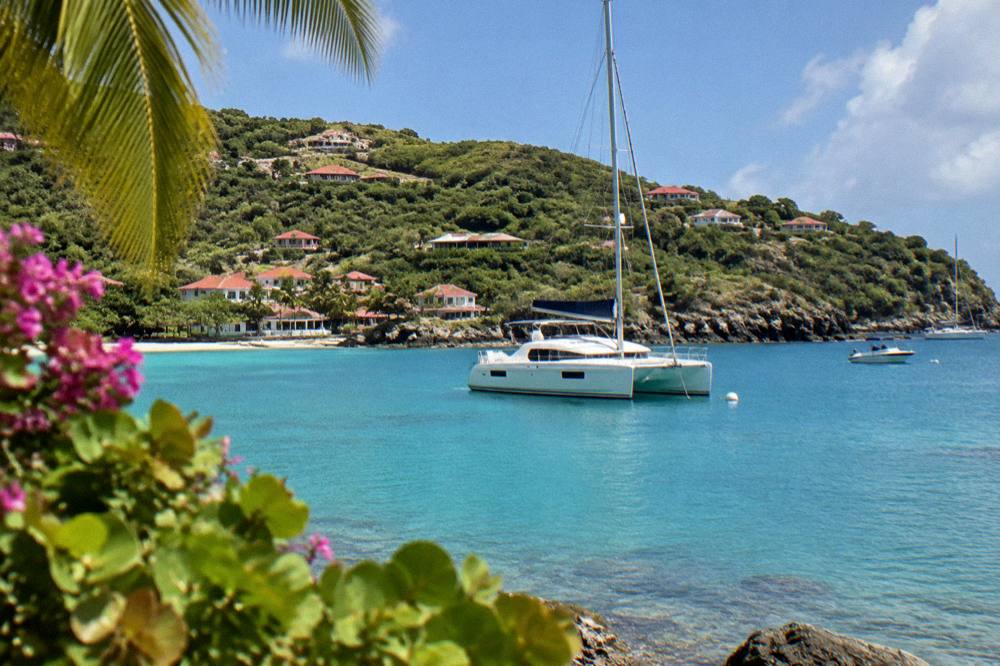
The decision between the two shapes is really a decision about where you sleep on night three. Staying on St Barts until the last morning makes an island-based day three natural: a final swim, a last walk through Gustavia, then the hop back to St Martin for the long-haul home. Sleeping that night on St Martin flips the logic, because the boat tours leave from Simpson Bay, Cole Bay, Anse Marcel or Grand Case, all on the St Martin or Sint Maarten side, and a morning departure is easiest from there. The St Maarten before or after St Barts question is treated in full in its own guide.
| Day Three Shape | Where You Sleep On Night 3 | Morning | Afternoon | Best For |
|---|---|---|---|---|
| Island finish | St Barts | Final beach, Gustavia walk | Ferry or flight to St Martin | Travellers with a late long-haul |
| Boat finish | St Martin or Sint Maarten | Group sail or private charter from a St Martin port | Sail returns; connect onward | Anyone who wants Colombier by sea |
| Overnight sail | The catamaran | Wake at anchor | Sail and return | Trips that blur transfer and tour |
Whatever the shape, leave a margin. Flights out of Gustaf III run in daylight and visual conditions only, and both ferry operators sail subject to weather. A missed connection on the last day is the one failure mode that can undo an otherwise perfect three days. The layover itinerary is the extreme version of this planning problem and worth a skim even for longer stays.
What Is The Weather Like During A Short St Barts Trip?
St Barts is warm year-round with no cold season: Meteo-France normals for 1991-2020 show mean daily highs from 28.5 C in January to 31.7 C in September, and 891.3 mm of rain across the year, of which October alone carries 135.6 mm. Hurricane season runs from 1 June to 30 November with its peak from mid-August to mid-October, and no prediction of any storm should be made for any date. For a three-day window these numbers translate simply: the temperature rarely argues with your plans, while the calendar matters a great deal.
| Month | Mean Daily High (C) | Mean Daily Low (C) | Rain (mm) |
|---|---|---|---|
| January | 28.5 | 23.5 | 52.6 |
| February | 28.6 | 23.3 | 38.4 |
| April | 29.8 | 24.2 | 50.9 |
| July | 31.2 | 26.0 | 80.4 |
| September | 31.7 | 26.2 | 96.9 |
| October | 31.4 | 25.8 | 135.6 |
| November | 29.9 | 25.0 | 118.6 |
| Year | 30.2 (mean high) | 24.9 (mean low) | 891.3 |
Two seasonal facts shape a short trip beyond the raw normals. First, the autumn closure pattern: many hotels and restaurants on the island close each year in late August and reopen in waves between mid-October and early November, so a three-day trip in September or early October meets a quieter island with fewer tables open, while a November arrival lands as the season restarts. Second, the hurricane season's statistical peak sits near 10 September, within the season's 1 June to 30 November span; the season shape is a climatology, not a forecast, and official outlooks are the only source worth watching. Irma struck the island in September 2017, a reminder that the risk is real even in quiet years. Month-by-month detail sits in the season guide and the St Barts weather page.
Where Should You Stay For Three Days In St Barts?
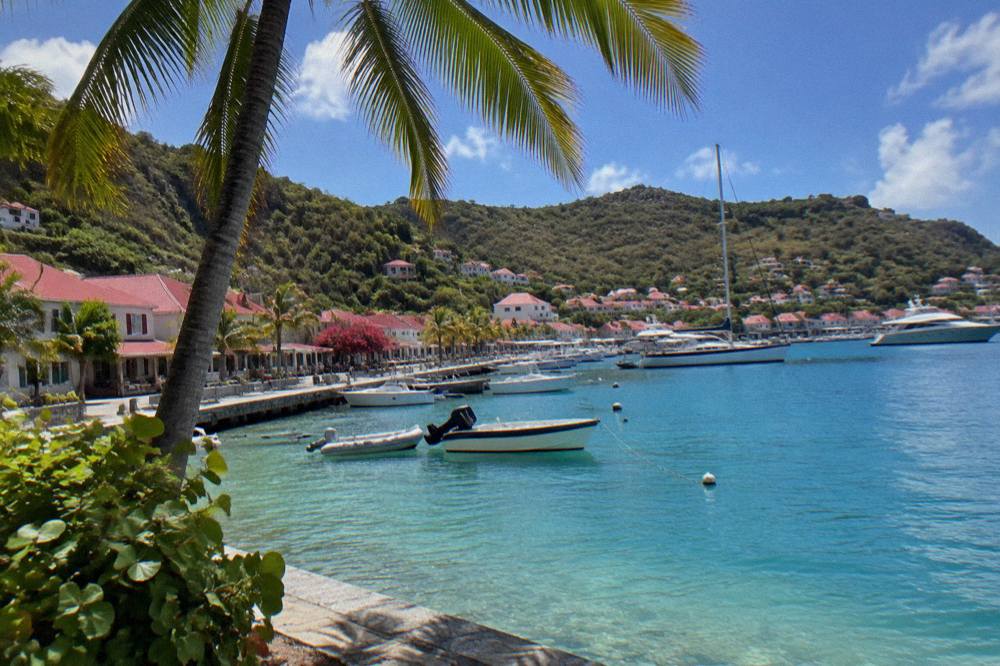
For a three-day stay, Gustavia or Saint-Jean make the most efficient bases: Gustavia puts the harbour, the ferry terminal and the evening walk at your door, while Saint-Jean sits beside the airport and the beach of the same name, splitting the difference between arrival and island drives. Any base works, because the island is only about 21 square kilometres, but a short trip loses hours to repeated transfers. The choice of area matters more than the choice of property on a trip this brief.
Rates vary by season, and each property's own booking page shows them. Properties such as Eden Rock, Cheval Blanc, Le Barthélemy, Le Toiny, Christopher and Le Sereno follow the autumn closure pattern described above, and the property at Grand Cul-de-Sac formerly run as Rosewood Le Guanahani becomes Airelles Le Guanahani on 1 November 2026. A large villa market also operates year-round, with WIMCO, Sibarth and St Barth Properties named as managers; no count of villas is reliable enough to print. The trade-offs between a hotel room and a villa are set out in the hotel versus villa comparison, and the neighbourhood logic in where to stay in St Barts.
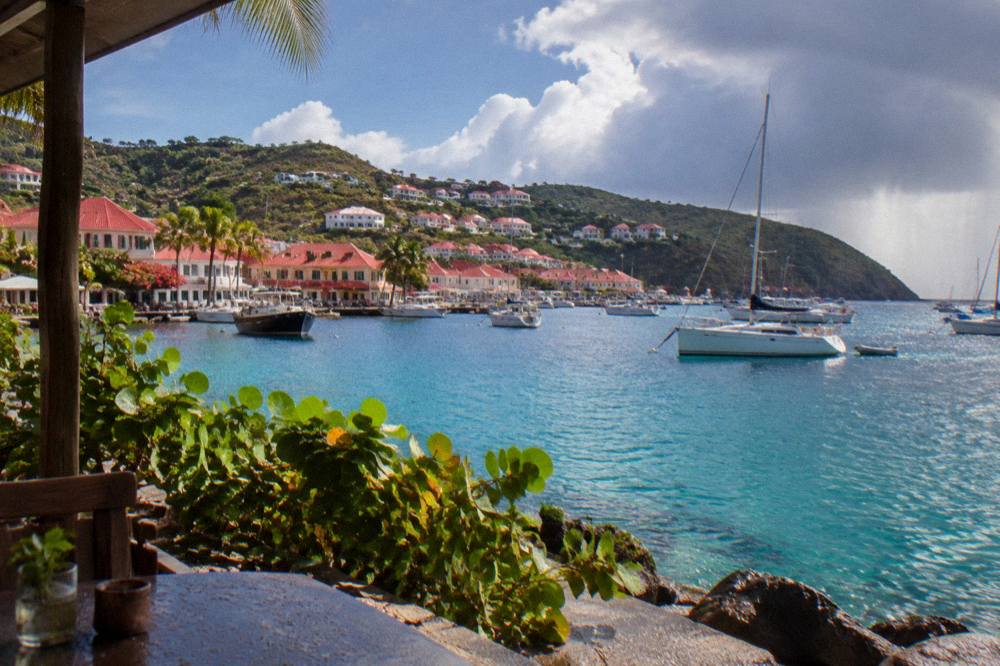
Budget-conscious readers should know the honest framing: the island skews upscale, and this site's budget itinerary works with the pattern rather than pretending against it. Honeymooners and other short-stay romantics have a dedicated honeymoon itinerary. For a New Year arrival, when the harbour fills with yachts ahead of the fireworks that light Gustavia's bay, the New Year itinerary is the seasonal version of this same three-day frame.
Common Questions About Three Days In St Barts
Is 3 days in St Barts enough?
Yes, for the core island. Three days covers Gustavia, several public beaches and one boat day, with the arrival and departure through St Martin absorbing parts of day one and day three. It is not enough to add other islands or to absorb a weather delay without cutting something.
Do I need a car for 3 days in St Barts?
A car is the practical choice for the middle day, because the island's beaches sit in separate bays across steep, narrow roads. Counters at the airport include Avis, Budget and Hertz, and local agencies rent Mini Mokes. Taxis exist as an alternative.
Can I do a day trip to St Barts from St Martin?
Yes, and many people do, either on the ferry or on a boat tour. This page's plan assumes you sleep on the island at least two nights, which is what turns three days from a dash into a stay.
What is the best month for a short St Barts trip?
The climate normals show warmth in every month, so the answer hinges on the season pattern rather than temperature. Hurricane season runs 1 June to 30 November, many hotels close in September and early October, and the island reopens in waves between mid-October and early November. No month can be promised storm-free or dry.
Are the beaches in St Barts free?
Yes. The tourism committee lists the island's beaches as public and free to access. Dogs are banned from all beaches island-wide, and marine reserve zones add rules such as a 5-knot speed limit on the water and a ban on touching sea turtles.
What should I not miss in St Barts in 3 days?
Gustavia's harbour walk, one south-coast beach such as Saline or Gouverneur, and Colombier by sea. Colombier has no road access, which is exactly why the boat day from St Martin is the signature outing of a short trip.
The three-day frame is honest about what St Barts is: a small, warm, expensive-to-reach island that rewards depth over breadth. Plan the arrival through St Martin with a weather margin, put the harbour first, the beaches second and the water last, and the island will have shown you nearly all of itself.