The St Barts Bucket Regatta
The St Barts Bucket Regatta brings sailing superyachts to Gustavia harbor each mid-March. This guide covers what the event is, where to watch from shore, how to plan arrival around it and what else the island offers that week.
The St Barts Bucket Regatta is an annual superyacht sailing race held in Gustavia in mid-March. Spectating from shore is free: the harbor, the forts and the headlands all give views of the racing. Plan flights and ferries through St Martin well ahead, because the week coincides with the winter high season.
Each mid-March, St Barthelemy, the small French island in the Caribbean, hosts the Bucket Regatta, a race for superyachts. The organiser's own pages show the 2027 edition slated for mid-March, with two different date ranges appearing across its pages, so mid-March is the safe planning window. For one week the harbor at Gustavia fills with some of the largest sailing yachts afloat, and the racing happens in plain view of the town. This guide from St Barthelemy Travel covers what the event is, where to watch it, how to time arrival and what a realistic week looks like around the racing.
What Is The St Barts Bucket Regatta?
The St Barts Bucket Regatta is an annual regatta for sailing superyachts, held in and around Gustavia harbor in mid-March during the island's high season, organized by a dedicated race committee and named after the bucket trophies awarded to winning yachts. Racing takes place on the water outside the harbor, with yachts returning to the quay each evening. The event belongs to the island's winter social calendar rather than its public holidays. The organiser's site is the primary reference for entry lists, notices of race and the daily schedule, and it is the only place those details appear in full before the event.
The regatta sits alongside the island's other big sailing event, Les Voiles de St Barth, which runs in April each year and whose 2027 dates are not confirmed. Where Les Voiles draws a broad racing fleet, the Bucket is built around large sailing yachts, which shapes the spectacle: these are long, tall vessels, and watching them maneuver is the draw. The two events are separate, with separate organisers.
Mid-March places the Bucket squarely in the island's high season. The Meteo-France normals for 1991 to 2020 show a mean daily high of 29.0 C in March with 41.4 mm of rain across the month, conditions that suit both racing and spectating from shore. The sea is warm, about 26 C in winter per a secondary source, written here as approximate.
When Is The St Barts Bucket Regatta Held?
The St Barts Bucket Regatta is held in mid-March each year. It is an annual fixture, and past editions have all fallen in that same part of the calendar. For 2027, the organizer's site lists 17 to 21 March on one page and 18 to 21 March on another, so exact days should be confirmed closer to the event. The organiser's own site shows 2027 dates on two of its pages, one listing 17 to 21 March and another 18 to 21 March, so the responsible planning statement is simply mid-March, with the exact days to be confirmed on the organiser's page closer to the event. It is an annual fixture, and past editions have all fallen in the same part of the calendar.
That timing matters for two reasons. First, mid-March is high season on the island: hotels and villas are open, restaurants are running their winter service and the ferry and inter-island flight schedules are at their fullest. Second, the autumn closure pattern is irrelevant by then: many hotels and restaurants close each year from late August and reopen in waves between mid-October and early November, so by March the island is fully operational.
Planning around a mid-March arrival also means booking early. Nothing in the available material quantifies demand for the week, so no crowd claim is made here, but the practical advice from every accommodation angle is the same: confirm rooms, villas, rental cars and ferry seats well before the new year.
| Event | Usual Timing | 2027 Status |
|---|---|---|
| St Barts Bucket Regatta | Mid-March | Organiser shows mid-March, exact days differ across its pages |
| Les Voiles de St Barth | April | Dates not confirmed; 2026 ran 12 to 18 April |
| St Barth Music Festival | January | 8 to 18 January 2027, 43rd edition |
| St Barth Gourmet Festival | November | 9 to 15 November 2026 |
| St Barth Film Festival | Late April or early May | 2027 dates not confirmed |
Where To Watch The St Barts Bucket Regatta From Shore
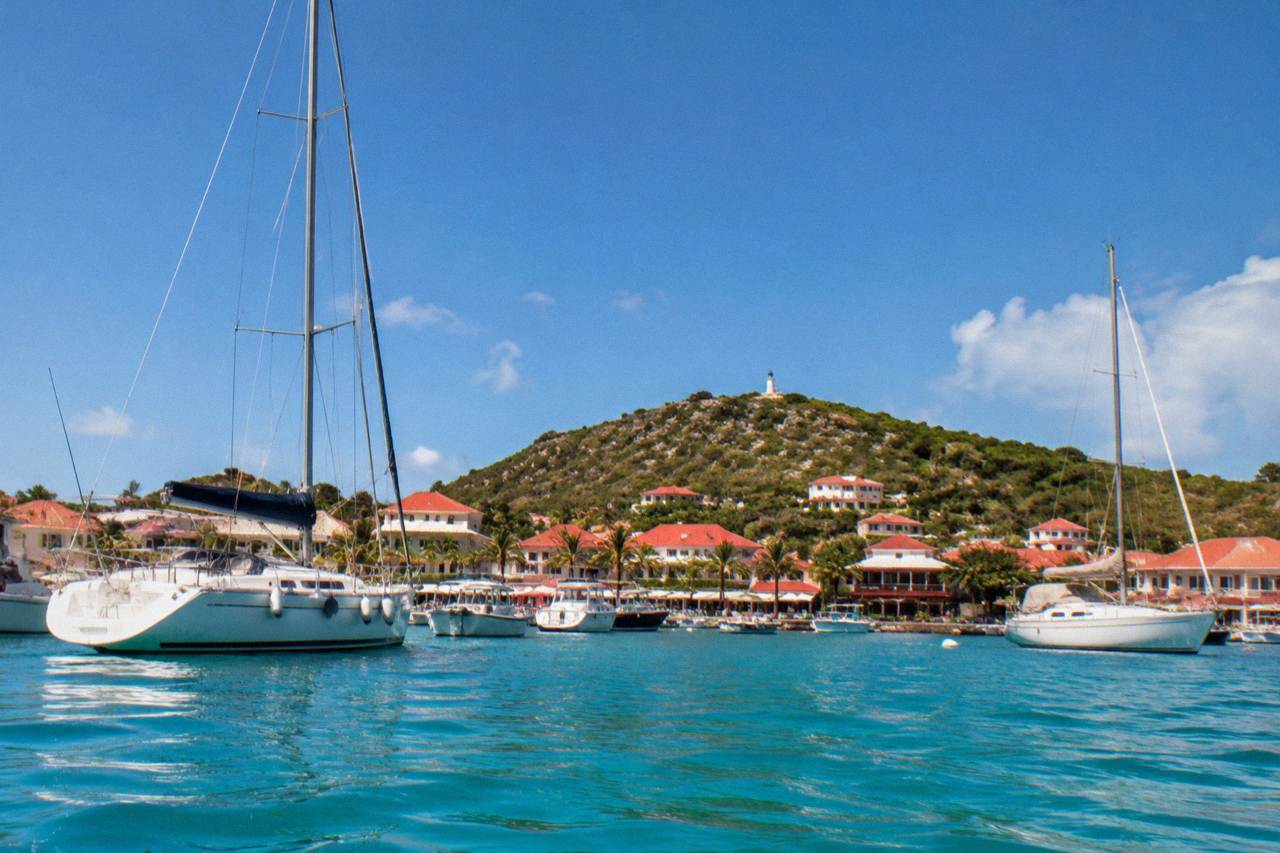
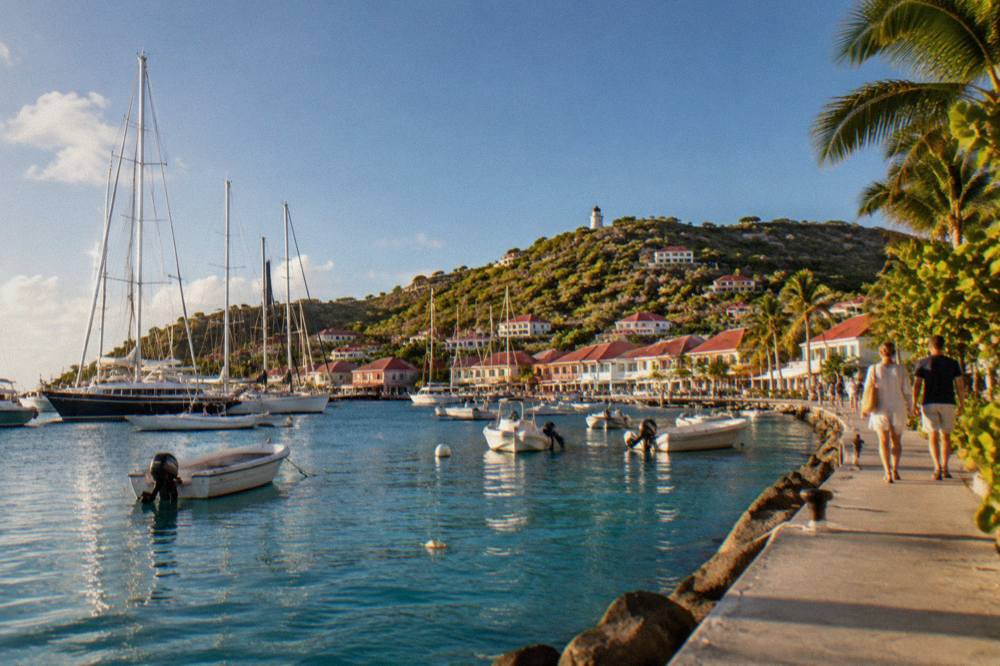
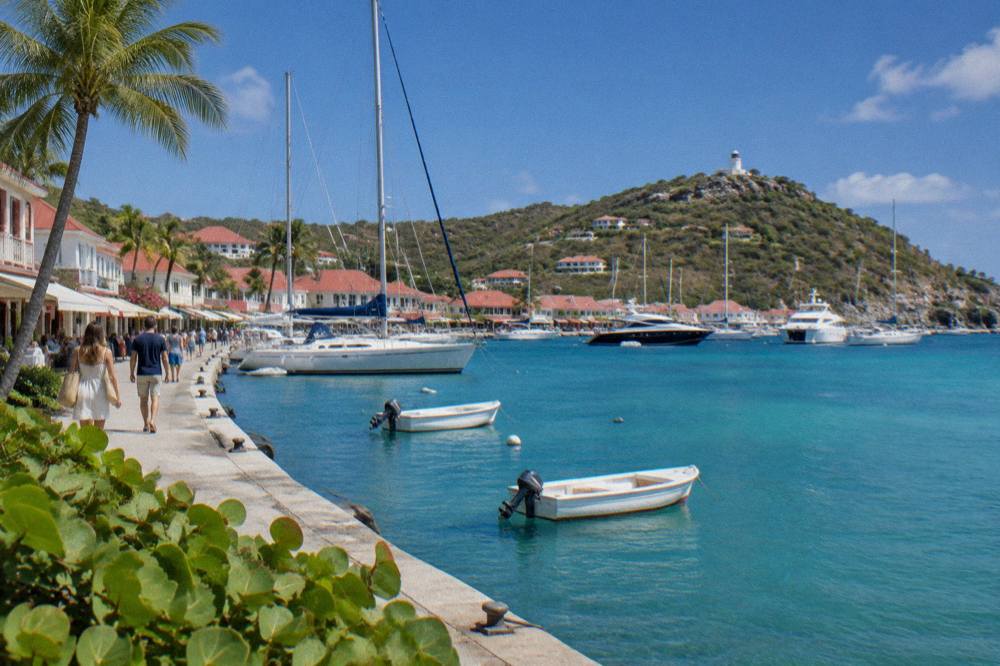
The free places to watch the St Barts Bucket Regatta are Gustavia harbor itself, the old fort sites above the town and the public headlands and beaches along the island's west and south coasts, all of which are open public ground. All beaches on St Barts are public, and the harbor front at Gustavia is an open public space, so no ticket or venue is needed to see the fleet. The yachts moor along the quay between races, which makes the town itself part of the spectacle.
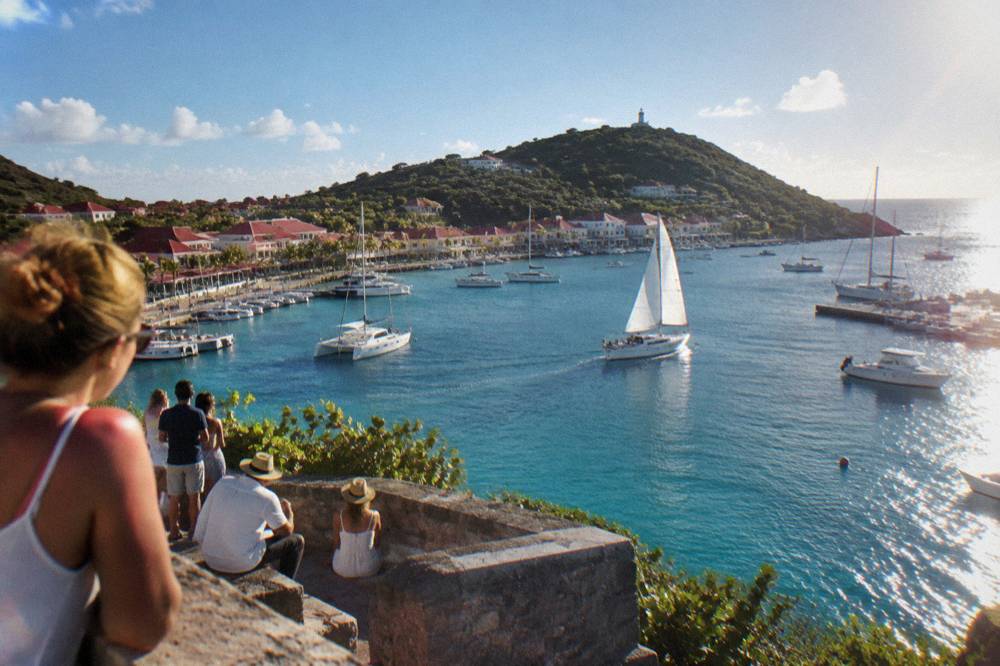
Two fort sites sit above Gustavia: Fort Karl and Fort Gustaf. Both are listed among the island's sights, and both give elevated views over the harbor and the roads out to sea. The Gustavia harbor guide on this site covers the town layout in more depth, including how the port handles arrivals, from yachts to tenders from cruise ships, which anchor offshore because there is no cruise pier.
Further afield, the southern beaches such as Gouverneur and Saline face open water where the race courses run, and beach watching is free. Keep the marine reserve rules in mind if a viewing plan involves the water: the environment agency's regulatory-zones page lists a 5-knot speed limit inside reserve zones, a ban on jet skis, 23 dive sites and a strict no-touching rule for turtles, and dogs are banned from all beaches island-wide.
Watching from the water is also possible, and it is the one way to see the yachts at speed up close. Every bookable boat product listed here departs from St Martin or Sint Maarten and visits St Barts as a day trip or overnight, so a waterborne Bucket week starts with a crossing. The trio below covers the main styles, from a full-day private charter to a group sail and a two-day catamaran.
A private charter suits a Bucket visit particularly well, because the day can be built around the racing and the harbor. The Private Charter is this site's featured tour for the regatta week, and its listing carries the current price, ratings and availability.
Want the day built around the racing and the harbor? Book a private day charter.
How Do You Get To St Barts For The Bucket Regatta?
The route to St Barts for the Bucket Regatta runs through a gateway, most often St Martin: fly into SXM or the other gateways, then cross to the island either by small STOL turboprop into Gustaf III Airport or by ferry from Philipsburg or Marigot to Gustavia. No jets land at St Barts. The runway at Gustaf III Airport is 646 m, only small turboprops operate into it, and flights run in daylight and visual conditions only. The practical consequence is that every itinerary has a connection at one of the Caribbean gateways.
The small-plane carriers are St Barth Commuter, flying from SXM, Grand Case on the French side and Pointe-a-Pitre in Guadeloupe, and Tradewind from San Juan and Antigua. Winair also serves the route with Twin Otter aircraft. The flight from St Martin is a short hop. Full details, including the airport experience and the famous approach, are covered in the St Barts flights guide and the airport guide.
The two ferries are Great Bay Express from Philipsburg on the Dutch side, about 45 minutes, and Voyager from Marigot on the French side, about 50 to 60 minutes. Both are operator figures and both crossings can be rough, so no smooth passage is promised here. During a busy week like the regatta, the ferry operators and schedule guide is the place to check current sailings, since both operators adjust frequency by season.
| Crossing Option | Route | Operators | Notes |
|---|---|---|---|
| Small plane | SXM, Grand Case, PTP, SJU, ANU to SBH | St Barth Commuter, Tradewind, Winair | 646 m runway, daylight and visual conditions only, no jets |
| Ferry from Dutch side | Philipsburg, Bobby's Marina, to Gustavia | Great Bay Express | About 45 minutes, operator figure |
| Ferry from French side | Marigot terminal to Gustavia | Voyager | About 50 to 60 minutes, operator figure |
Where Should You Stay During The St Barts Bucket Regatta?
The practical base for the St Barts Bucket Regatta is anywhere within reach of Gustavia, since the harbor is the event's center, and the choice is between Gustavia itself, Saint-Jean near the airport and the quieter southern and eastern coasts, with hotels at their fullest in March and villas a strong year-round alternative. By mid-March every major hotel is open, because the autumn closure wave runs from late August and reopenings land between mid-October and early November. Rates vary by season and by property, and each property's own booking page shows current rates.
The island's hotel stock skews upscale. Properties on the list include Eden Rock, Cheval Blanc, Le Toiny, Le Sereno, the Christopher, Le Barthelemy, Hotel Manapany and Le Village, among others, and the St Barts hotels guide profiles them by area and style. No rate, rating or amenity claim is made here beyond what the hotel pages carry.
Villas are the other main route, and the island has a large villa market with several long-established managers, among them WIMCO, Sibarth and St Barth Properties, named here as managers only. A villa week suits a regatta visit for the same reason it suits any St Barts week: space, a kitchen and independence from restaurant hours. The choice between the two is covered in the site's accommodation guides.
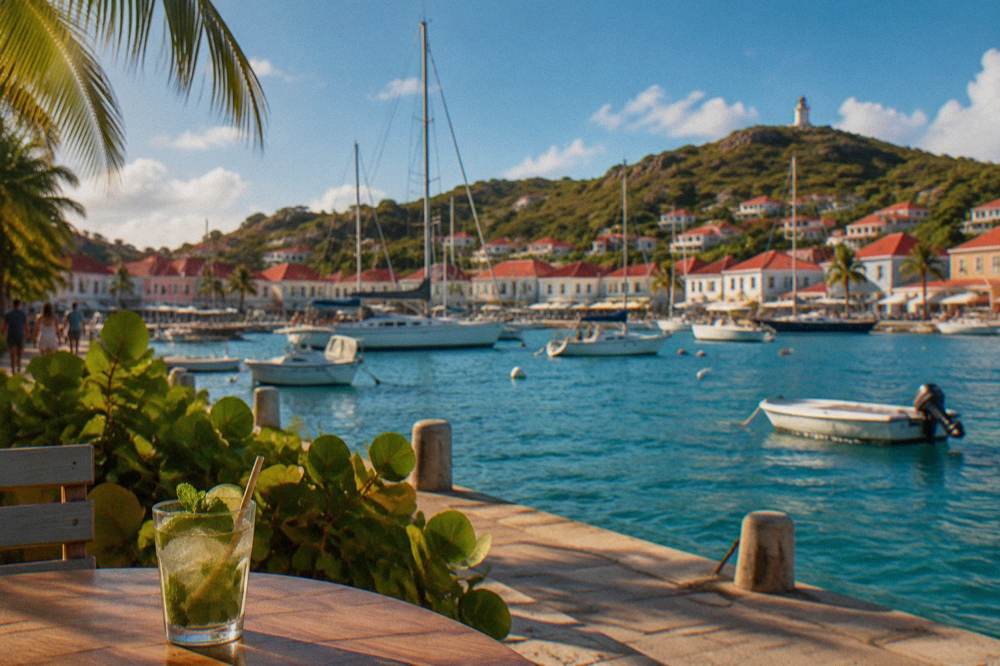
What Is The Weather Like In St Barts In Mid-March?
Mid-March weather on St Barts is warm and comparatively dry: the Meteo-France normals for 1991 to 2020 show a mean daily high of 29.0 C and a mean daily low of 23.5 C in March, with 41.4 mm of rain across the whole month, the third-lowest monthly total of the year. These are 30-year station normals, not a forecast, and no prediction of rain, wind or conditions for any date is made here. The sea is warm, about 26 C in winter per a secondary source, written as approximate.
March also sits well outside the Atlantic hurricane season, which runs from 1 June to 30 November with its peak from mid-August to mid-October. For sailors and spectators alike that is the structural appeal of the month: it belongs to the trade-wind season that the racing calendar is built around.
What the normals do not capture is wind, which is the variable that matters to a sailing event. The race committee sets courses by the conditions of each day, and the organiser's pages are where course and schedule decisions appear. Spectators on shore should plan for sun, warm temperatures and breeze, and take normal sun precautions.
| Month | Mean Daily High (C) | Mean Daily Low (C) | Rain (mm) |
|---|---|---|---|
| January | 28.5 | 23.5 | 52.6 |
| February | 28.6 | 23.3 | 38.4 |
| March | 29.0 | 23.5 | 41.4 |
| April | 29.8 | 24.2 | 50.9 |
| May | 30.7 | 25.1 | 61.7 |
Can You Watch The Bucket Regatta From A Boat?
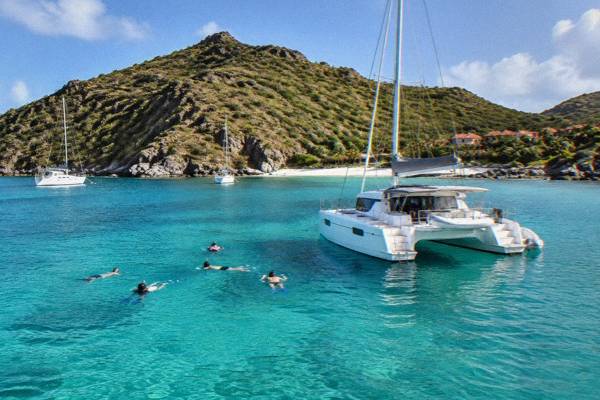
Yes, watching the St Barts Bucket Regatta from a boat is the closest view available to the public, and listed here it means a day trip or overnight from St Martin or Sint Maarten, because no bookable tour departs from St Barts itself. The boat products are one group sail per person and a set of private charters priced per group. Each visits St Barts waters for the day, which during the regatta week means racing yachts on the crossing routes and in the anchorage.
The featured option for a regatta day is the Private Charter, whose listing shows the current per-group price, rating and availability. The day is yours to shape with the crew, and a regatta itinerary naturally leans toward the harbor and the race viewing.
For travelers who prefer a per-person product, the Boomerangs Group Sail and Snorkel is the one group sail, and its listing carries the per-person price and dates. Note that its per-person format runs only from 12 May to 31 August 2027 on its listing, which falls outside the mid-March regatta window; the listing shows what applies in any given week.
The longest waterborne option is the 2-Day 1-Night Private Catamaran, which turns the crossing into an overnight stay on the water. Its listing shows the per-group price and availability, and it is the one product that puts guests on board through an evening in St Barts waters.
What Else Can You Do In St Barts During Regatta Week?
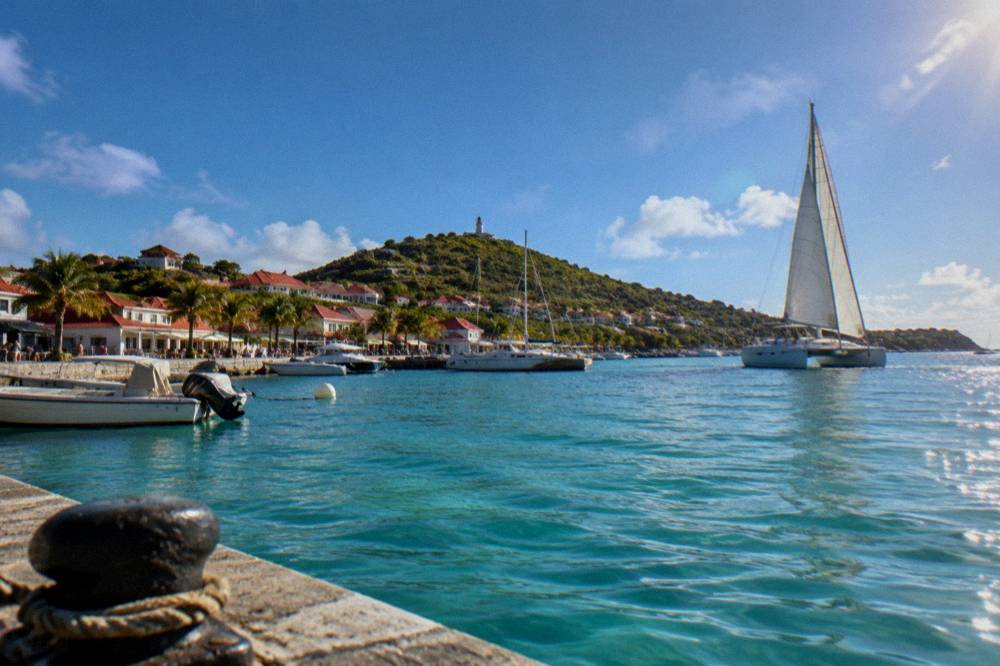
A St Barts regatta week can fill easily beyond the racing: all the island's beaches are public and free, Gustavia's harbor, forts and shops are walkable open public space, and the hiking trails include the path to Colombier, with car rental the standard way to reach the coasts. The full inventory of options is on the things to do in St Barts page, which is the site's root guide to the island.
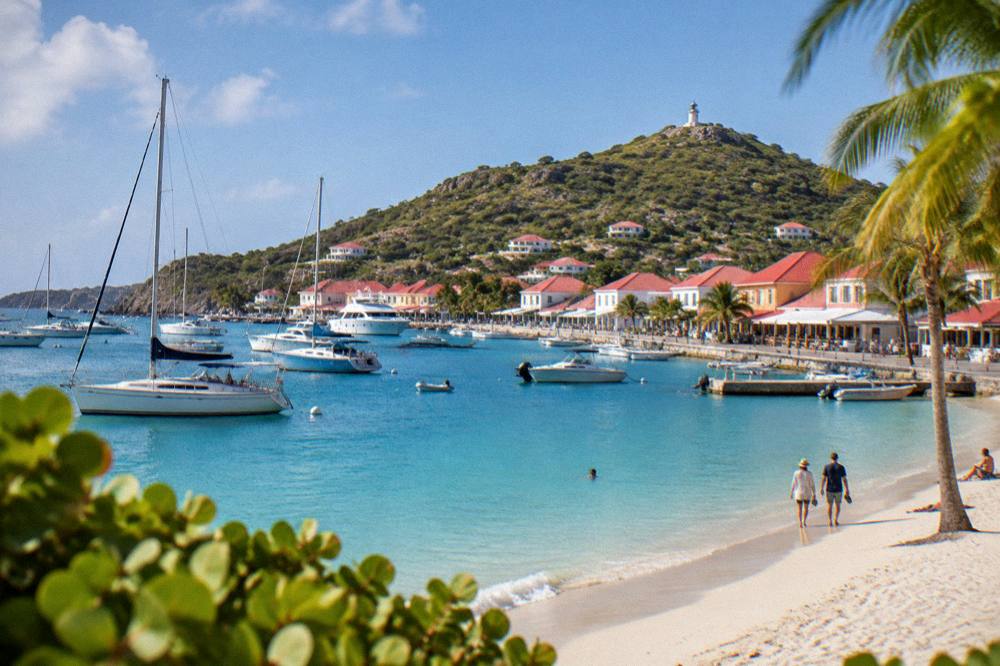
Beach time is the anchor. The named public beaches include Saint-Jean, Gouverneur, Saline, Shell Beach, Flamands, Colombier, Grand Cul-de-Sac, Lorient, Toiny, Corossol and Marigot, and no claim is made here about any one beach beyond its name, position and public status. The Colombier hike is a known trail destination, and the marine reserve rules that govern its bay are on the environment agency's pages.
Getting around is by rental car, taxi or foot in town. The rental counters at SBH include Avis, Budget and Hertz, and local agencies and Mini Mokes exist. Driving is on the right, roads are narrow and steep, the island-wide limit is 50 km/h and 30 km/h in Gustavia and Saint-Jean. The car rental guide carries the detail.
The week also has a social layer. Gustavia's shops are a known draw, covered in the St Barts shopping guide, and the island's broader winter calendar runs from New Year's Eve through the spring events; the New Year's Eve guide covers the December end of that season, with 2027 details for the fireworks unconfirmed.
How Much Does A Bucket Regatta Trip Cost?
No honest single number exists for a St Barts Bucket Regatta trip: local costs are paid in euros, from hotel nights and villas to meals and rental cars, while every bookable boat product price on this site renders in US dollars from its listing. What can be said is structural: mid-March is high season, rates vary by season and by property, and each hotel's own booking page shows current rates.
The bookable side is clearer, because the tokens below and above render prices from the listings. A private charter is priced per group, the group sail is priced per person, and the overnight catamaran is priced per group for up to four. Beyond boat products, the trip's cost is the sum of lodging, food, a rental car and the crossing, each priced by its own provider.
The one printed figure that helps budget framing is the island's tourist tax, a taxe de séjour collected by accommodations rather than at the border. It is set at 5 percent of the net nightly price excluding breakfast, collected year-round, with exemptions for long-term rentals over six months.
| Trip Component | Currency | Where The Price Lives |
|---|---|---|
| Hotel or villa | Euro | The property's own booking page; varies by season |
| Ferry crossing | Varies by operator | The operator's own booking page |
| Private boat charter | US dollars | The listing, rendered by the tokens on this page |
| Group sail | US dollars | The listing, rendered by its token |
| Tourist tax | Euro | 5 percent of net nightly price, via the accommodation |
What Should First-Timers Know About The Regatta Week?
First-timers should know three things about the St Barts Bucket Regatta week: the racing is visible from free public ground around Gustavia, the island runs at full high-season operation in mid-March with everything booked early, and every boat excursion listed here departs from St Martin or Sint Maarten, never from St Barts. Each of those changes a plan. Watching costs nothing; lodging and crossings need early commitment; and a day on the water starts with a morning crossing.
It is also worth knowing what the week is not. It is not a public festival with a street programme: it is a regatta with an organisational and social apparatus around the fleet, and the town's part in it is backdrop, harbor and hospitality. The Music Festival in January, the Gourmet Festival from 9 to 15 November 2026 and Les Voiles in April are the island's other calendar anchors, each with its own character.
Practical entries and exits are unchanged from any other week. The island is outside the Schengen area, ETIAS and EES do not govern entry, and passport needs depend on nationality, so check your own government's travel advice before booking. An onward ticket is required, the currency is the euro, French is the official language with English widely spoken, and the time zone is UTC-4 with no daylight saving.
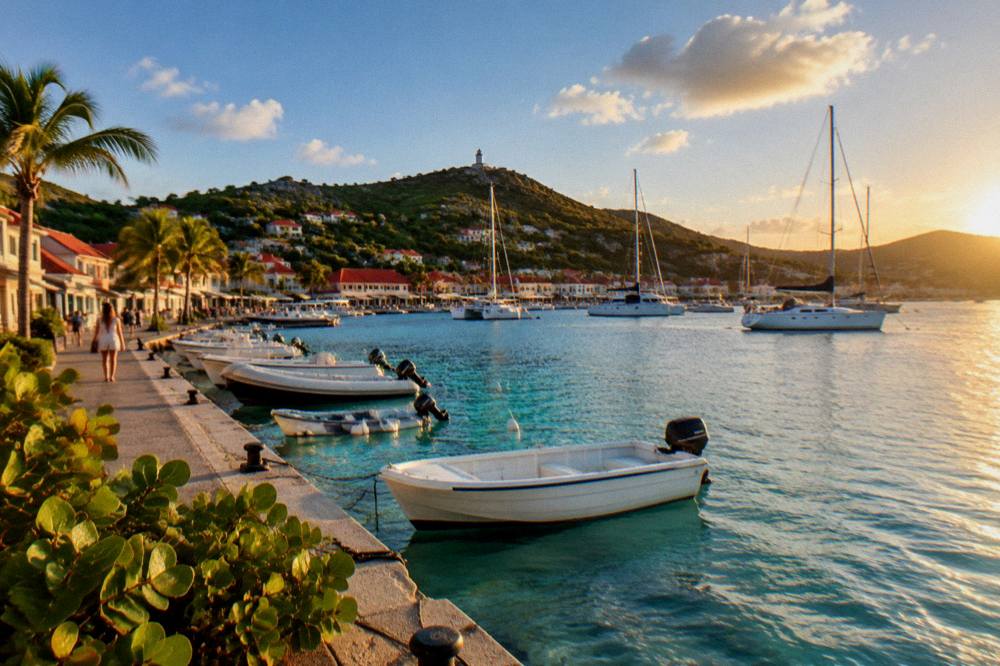
The final planning step is the water. A regatta seen from a deck, even at reserve speed inside the protected zones, is a different event from one seen from a rampart, and the crossings from St Martin are short enough to build a whole day around. The trio below repeats the three formats that fit the week best.
Common Questions About The St Barts Bucket Regatta
When is the St Barts Bucket Regatta?
The St Barts Bucket Regatta runs in mid-March each year. The organiser's own pages show two slightly different 2027 date ranges, 17 to 21 March on one and 18 to 21 on another, so mid-March is the planning window and the organiser's page confirms the exact days.
Can you watch the St Barts Bucket Regatta for free?
Yes. The harbor front at Gustavia is open public space, the fort sites above the town give elevated views, and all beaches on St Barts are public. No ticket is needed to see the fleet moored at the quay or the racing outside the harbor.
Do any tours of the regatta depart from St Barts?
No. Every bookable boat product listed here departs from St Martin or Sint Maarten and visits St Barts as a day trip or overnight. There is no bookable excursion departing from Gustavia.
What is the difference between the Bucket Regatta and Les Voiles de St Barth?
They are separate events with separate organisers. The Bucket Regatta runs in mid-March and is built around sailing superyachts; Les Voiles de St Barth runs in April, with 2027 dates not confirmed, and draws a broader racing fleet.
Is mid-March a good time to visit St Barts?
Mid-March is high season with the island fully open. The Meteo-France normals for 1991 to 2020 show a mean daily high of 29.0 C and 41.4 mm of rain for the month, and March sits outside the hurricane season, which runs 1 June to 30 November.
Do you need a passport for St Barts?
A valid travel document is required, and the exact validity rules depend on nationality, so check your own government's travel advice. The island is outside the Schengen area, and ETIAS and EES do not govern entry.