St Barts Film Festival
The St Barts Film Festival brings Caribbean cinema to St Barthelemy each year in late April or early May, filling the days between the island's sailing regattas and its quiet early-summer shoulder season.
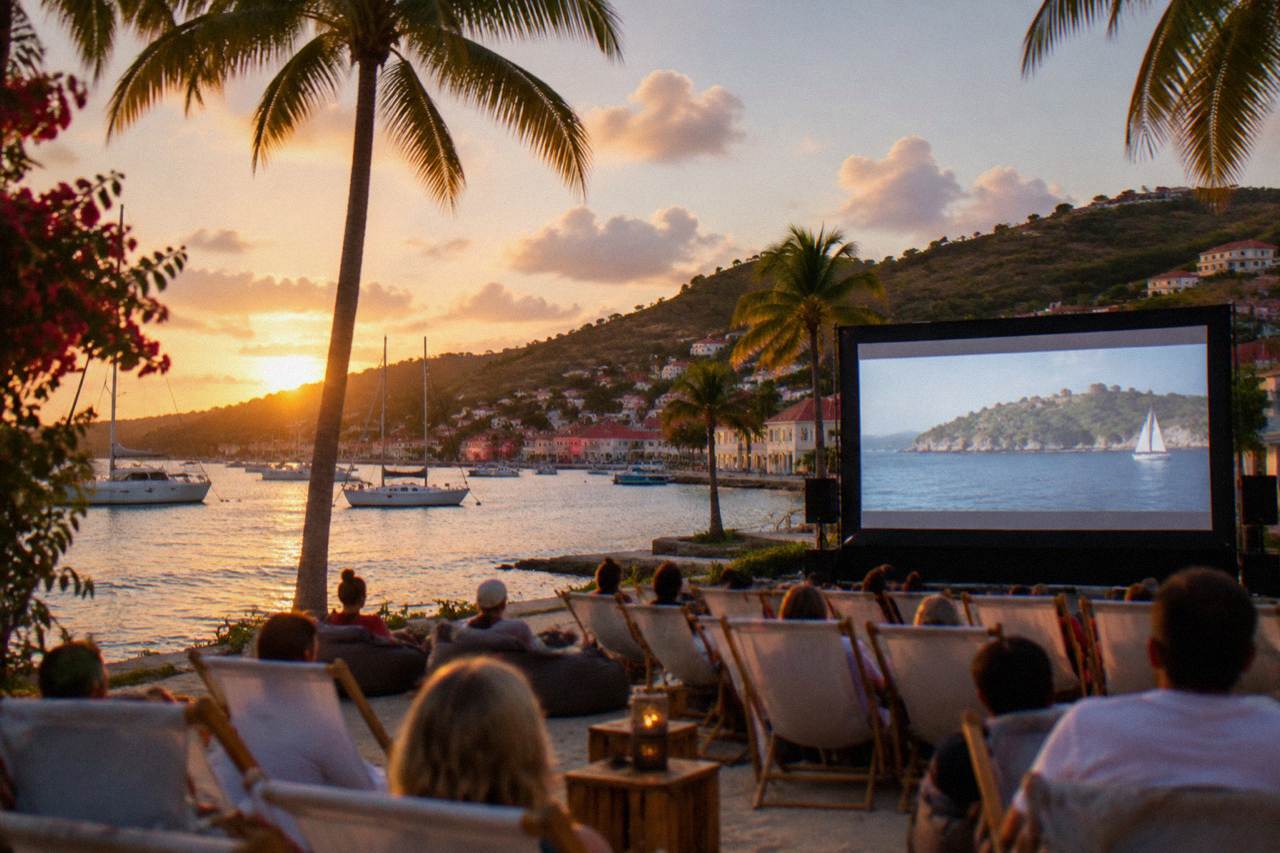
The St Barts Film Festival is an annual film event on the French Caribbean island of St Barts, held in late April or early May, with open air and indoor screenings centred on Caribbean and international cinema. The 2026 edition ran 29 April to 2 May; 2027 dates had not been confirmed.
Each year the island turns to cinema in the narrow window between the spring regatta calendar and the island's quieter early-summer months. The festival screens Caribbean cinema alongside international selections, and it does so on an island of about 21 square kilometres where the harbour capital, Gustavia, frames almost everything a visitor does. The 2026 edition ran from 29 April to 2 May and was the 29th edition of the event; the organisers had not confirmed 2027 dates, and the festival is therefore described here as a late April or early May event. This guide sets out what is known about the festival, how the island's transport and season shape a trip around it, and how the rest of a St Barts spring week can be filled, from the beaches of Colombier to a day sail that leaves from neighbouring St Martin.
What Is The St Barts Film Festival?
The St Barts Film Festival is an annual cinema event held on St Barts in late April or early May, dedicated in large part to Caribbean filmmaking, with fiction features, documentaries and short films screened for an island audience and visiting travellers. The 2026 edition, its 29th, ran from 29 April to 2 May, and 2027 dates had not been confirmed.
The event takes its place on a small island calendar that also includes a January music festival, a March superyacht regatta and a November gourmet festival.
The festival's identity is regional. Its programme leans on films made in and about the Caribbean, which distinguishes it from the destination film festivals of larger cities: the selection exists partly because this corner of the Caribbean produces work that rarely reaches commercial screens, and the festival gathers it in one place for four days. Alongside the regional focus, international titles appear on the programme, and the event mixes open air screenings with indoor sessions during the festival window.
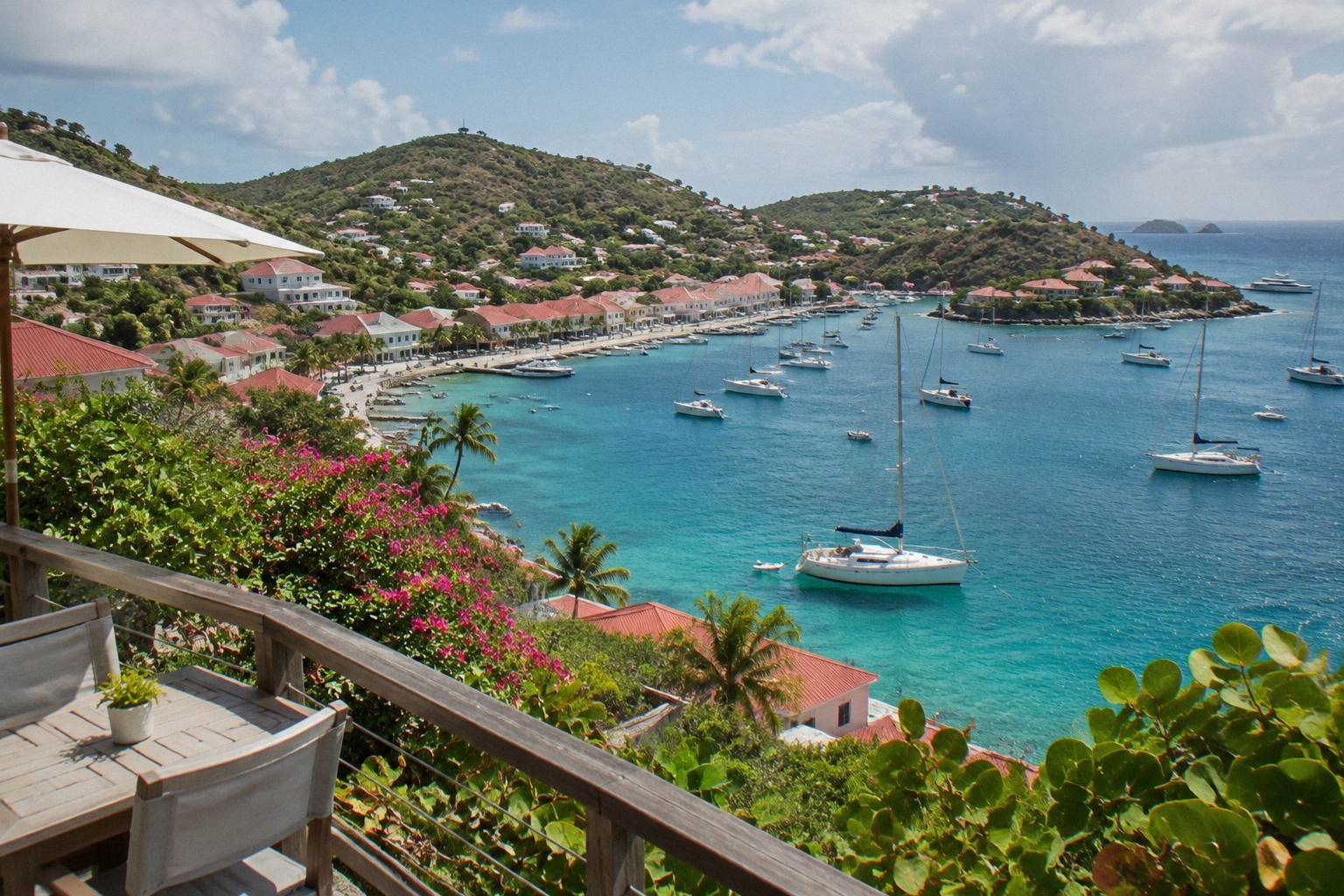
The setting does much of the work. St Barts is an overseas collectivity of France, separated administratively from Guadeloupe in 2007, with French as its official language and English widely spoken, the euro as its currency, and a resident population of roughly 10,700. A festival audience here is international by default: French-speaking residents, English-speaking visitors, and the sailing crowd that gathers in the harbour each spring. Screenings and festival activity centre on Gustavia, the island's harbour capital, whose sheltered bay anchors the town's social life year round.
When Is The St Barts Film Festival Held?
The St Barts Film Festival runs annually in late April or early May. The 2026 edition ran from 29 April to 2 May and was the festival's 29th edition, but the organisers had not confirmed dates for 2027, so any spring trip built around the next edition should be planned against the festival's own announcements rather than a presumed date. The slot places the festival after the April sailing regattas and before the island's early-summer quiet.
That timing is not accidental. Late April and early May sit in a shoulder period on St Barts: the winter high season that runs roughly December to April is easing, the sea is warming, and the island is between its two big spring gatherings, the sailing events of April and the quieter months that precede summer. The Meteo-France normals for St Barthelemy, 1991 to 2020, put the mean daily high at 29.8 C in April and 30.7 C in May, with mean daily lows of 24.2 C and 25.1 C, so festival evenings are warm without the deeper heat of late summer.
A traveller planning around the festival should hold dates loosely until the organisers publish them, then book the rest of the trip quickly. Accommodation on the island is limited in scale, and although spring is not the December-to-April peak, the festival, the regattas and the gourmet calendar together keep late April busy with visitors arriving through St Martin. The practical sequence is: watch the festival's own announcement, then arrange flights into a gateway, then the hop or ferry across, then the room or villa.
| Festival fact | Detail |
|---|---|
| Event | St Barts Film Festival |
| 2026 edition | 29 April to 2 May, 29th edition |
| 2027 dates | Not confirmed |
| Usual window | Late April or early May |
| Programme focus | Caribbean cinema alongside international features, documentaries and shorts |
| Island base | Gustavia, the harbour capital of St Barts |
What Can You Expect At The St Barts Film Festival?
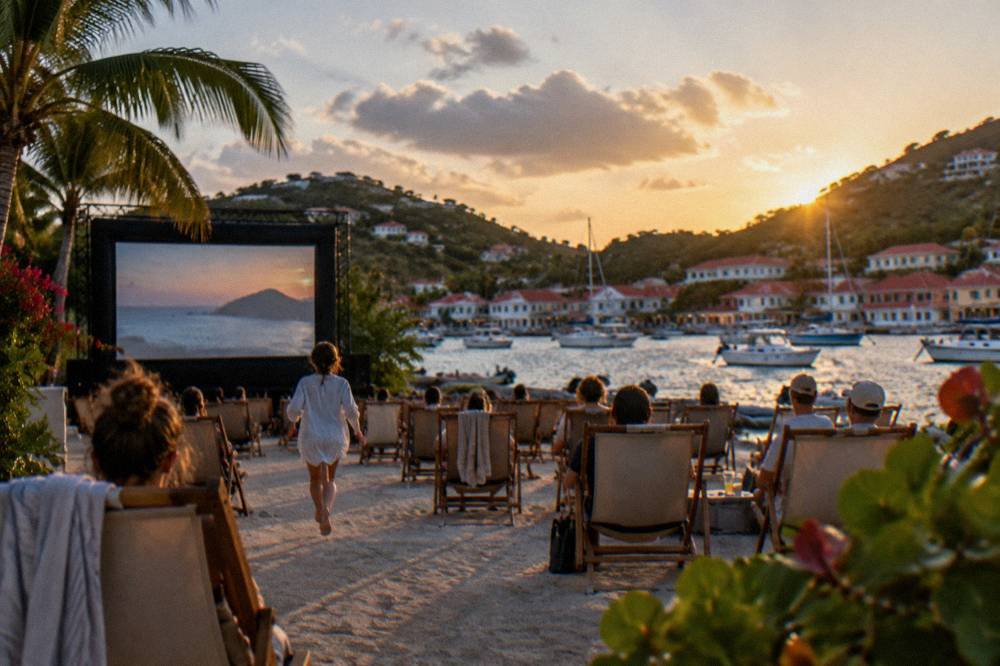
Expect a compact, town-scale festival built around film screenings rather than red carpets: a four-day programme of Caribbean and international cinema, open air and indoor sessions centred on Gustavia, and an audience that mixes residents with spring travellers. The festival publishes its own programme and selection each year, and because 2027 details were unconfirmed as of October 2026, the reliable planning assumption is a late April or early May event whose schedule is announced close to the dates.
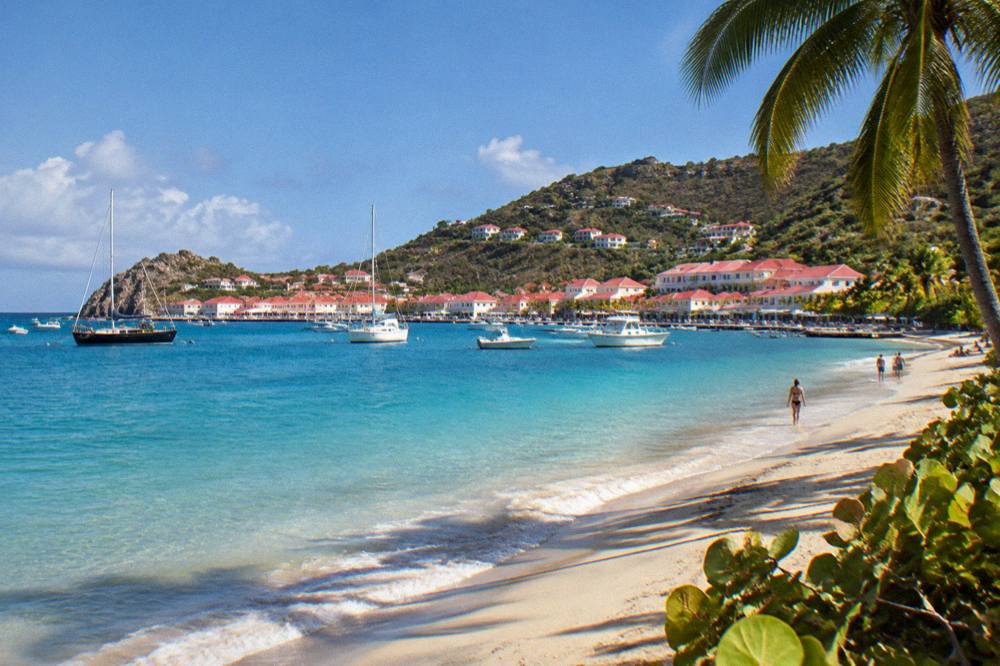
The festival's scale matches the island's. St Barts is about 21 square kilometres of hills and public beaches, and nothing on it is far from anything else, so a festival day can pair a morning at a beach such as Shell Beach (Grand Galet) or Gouverneur with an afternoon screening and an evening in Gustavia. The tourism committee's site is the general reference for the island's calendar, and the festival's own channels carry the programme when it is published.
Festival days also slot naturally into the island's other rhythms. The public beaches are free to enter, the marine reserve that rings parts of the coast sets a 5-knot speed limit in its zones and bans jet skis, and the environment agency's regulatory-zones page asks visitors not to touch turtles and not to bring dogs onto beaches. None of this pauses for the festival: a visitor in late April splits time between the screen and the shore, and the festival's evening hours leave the day open for both.
For travellers arriving from St Martin or Sint Maarten, the festival weekend is also a natural moment to book a day on the water. The charter options below all leave from the St Martin side and visit St Barts, which makes them a way to combine the festival with the coastline the films celebrate.
How Do You Get To St Barts For The Festival?
Almost everyone reaches the festival through St Martin: flights from North America and Europe arrive at Princess Juliana airport on the Dutch side, and travellers then cross to St Barts either by small plane from St Martin's airports or by ferry from Philipsburg or Marigot to Gustavia. St Barts' own airport, Gustaf III (SBH), has a 646 metre runway served only by small turboprops in daylight conditions, so no long-haul aircraft can land on the island itself.
The small-plane hop is the characteristic arrival. St Barth Commuter flies to SBH from St Martin (SXM), Grand Case (SFG) on the French side and Pointe-a-Pitre in Guadeloupe, and Tradewind Aviation serves the island from San Juan in Puerto Rico and Antigua. Winair flies the SXM to SBH hop on Twin Otters. The approach over the Col de la Tourmente and the short runway make the landing famous among aviation followers, and the whole crossing from the St Martin area is a short hop. Schedules tighten in the busy winter months and ease in spring, so festival-week travellers should book the hop when they book the gateway flight.
The ferry is the alternative. Great Bay Express runs from Bobby's Marina in Philipsburg on the Dutch side to Gustavia, a crossing of about 45 minutes, and Voyager runs from the Marigot ferry terminal on the French side, about 50 to 60 minutes. The operator's ferry page shows current sailings, typically a few departures a day in each direction, and both operators require a passport and ask passengers to check in well before departure. The crossing can be rough when the sea is up, and sailings are subject to weather, so anyone with a festival screening to catch should leave margin on the crossing day.
Full planning detail for both routes is on the site's getting to St Barts guide, with the ferry side covered in the St Barts ferry operators and schedule guide and the airport itself in the St Barts airport guide.
| Route to St Barts | Operator or method | Notes for festival week |
|---|---|---|
| St Martin (SXM) to SBH by air | St Barth Commuter, Winair | Short hop; small turboprops only |
| Grand Case (SFG) to SBH by air | St Barth Commuter | French-side departure |
| San Juan (SJU) to SBH by air | Tradewind Aviation | Useful from Puerto Rico and US connections |
| Antigua (ANU) to SBH by air | Tradewind Aviation | Seasonal frequency |
| Philipsburg (Bobby's Marina) to Gustavia by ferry | Great Bay Express | About 45 minutes; passport required |
| Marigot terminal to Gustavia by ferry | Voyager | About 50 to 60 minutes; weather dependent |
Where To Stay In St Barts During Festival Season?
St Barts accommodation in late April and early May is dominated by hotels and villas rather than large resorts, and the spring shoulder period offers more availability than the December-to-April peak. The island's major hotels follow a seasonal rhythm, with many closing in the autumn low season and reopening between mid-October and early November, so by festival season in spring the properties are fully open. Rates vary by season, and each property's own booking page shows current figures.
The hotel landscape runs from harbour and beach properties in Gustavia, Saint-Jean and Flamands to quieter retreats at Grand Cul-de-Sac and Toiny, and the choice of area is largely a choice of mood rather than distance, since the island is small. The site's where to stay overview and the luxury hotels guide cover the properties in detail, and the 5-star hotels guide lists the top tier.
Villas are the other pillar of the island's accommodation, managed by established agencies including WIMCO, Sibarth and St Barth Properties, with a large villa market across the island and no reliable single count of properties. A villa suits a festival group particularly well: screenings are evening-centred, so a villa with its own space makes the daytime hours their own part of the trip. The main caveat is seasonal, not structural; villas generally remain available year-round, which makes them a fallback in the quieter months when some hotels close. The full index of guides sits on St Barthelemy Travel.
Two spring-specific points matter. First, the festival sits after the regatta weeks, so demand is softer than in March and early April but not absent, and the island's limited room stock means early booking still pays. Second, anyone extending a festival trip toward May should remember that the group sail listed here runs per person only from 12 May to 31 August 2027 on its listing, so a charter built around the festival itself will usually be the private, per-group kind.
What Is The Weather Like In St Barts In Late April And Early May?
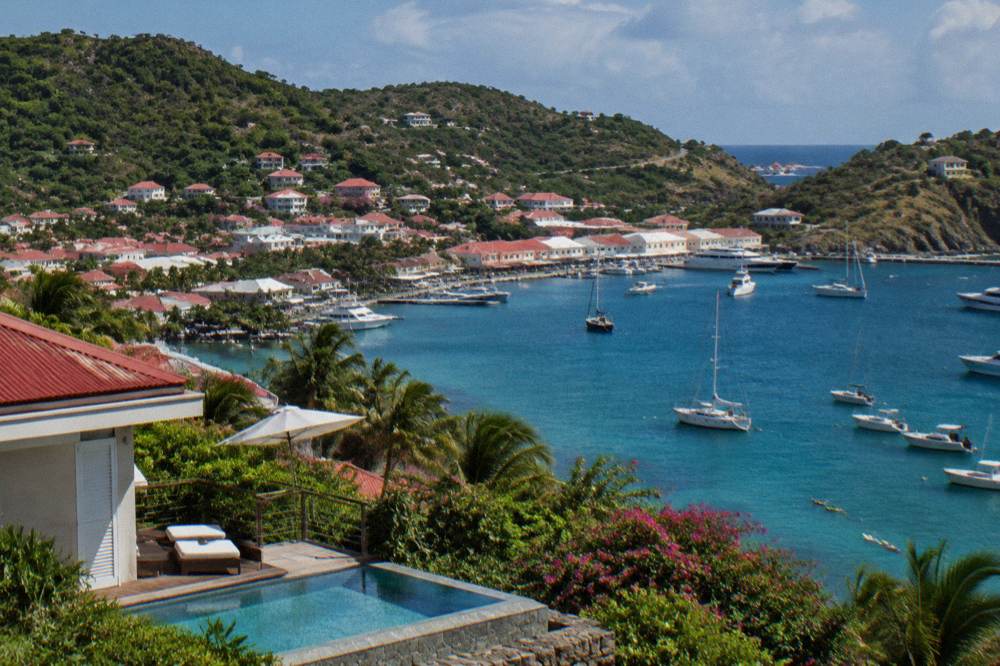
The festival window is warm and mostly settled: the Meteo-France normals for St Barthelemy, 1991 to 2020, show a mean daily high of 29.8 C in April and 30.7 C in May, with mean daily lows of 24.2 C and 25.1 C, and monthly rainfall of 50.9 mm in April and 61.7 mm in May, both below the October peak of 135.6 mm. The sea is warm, about 26 to 27 C at that time of year.
The Atlantic hurricane season does not begin until 1 June, so it does not overlap the festival.
Those normals reward a close read. April and May sit in a mild band between the winter months, when January's mean daily high is 28.5 C, and the late-summer months, when September reaches 31.7 C and October brings the year's heaviest rain at 135.6 mm. For an evening festival with open air screenings, that band is the comfortable middle: warm nights, low of about 24 C, and rainfall that is moderate rather than the year's extremes.
The seasonal context is equally useful. Hurricane season runs from 1 June to 30 November with its peak from mid-August to mid-October, and the climatological peak of activity falls near 10 September. A late April or early May visit sits entirely outside that window, and the island's pattern of hotel closures and reopenings is a separate rhythm: many properties close in the autumn and reopen between mid-October and early November, so the spring festival arrives when the island is fully operational.
| Month | Mean daily high | Mean daily low | Rainfall (Meteo-France normals, 1991-2020) |
|---|---|---|---|
| January | 28.5 C | 23.5 C | 52.6 mm |
| March | 29.0 C | 23.5 C | 41.4 mm |
| April | 29.8 C | 24.2 C | 50.9 mm |
| May | 30.7 C | 25.1 C | 61.7 mm |
| September | 31.7 C | 26.2 C | 96.9 mm |
| October | 31.4 C | 25.8 C | 135.6 mm |
What Else Is On In St Barts Around The Festival?
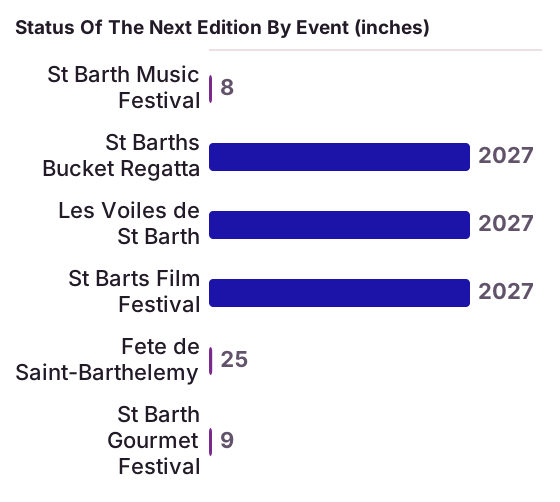
The festival shares the island's spring calendar with sailing and food: the St Barths Bucket Regatta is held in mid-March, Les Voiles de St Barth sails in April with 2027 dates not confirmed, and further out the St Barth Gourmet Festival runs 9 to 15 November 2026 and the St Barth Music Festival runs 8 to 18 January 2027. A festival-week visit therefore lands between the two big sailing gatherings, on an island whose event year runs from January music to November food.
The broader calendar is worth knowing because it shapes both crowds and mood. January belongs to the Music Festival, whose 43rd edition runs 8 to 18 January 2027. Mid-March brings the Bucket Regatta, the superyacht event whose 2027 dates appear as mid-March on the organiser's pages. April belongs to Les Voiles de St Barth, whose 2026 edition ran 12 to 18 April and whose 2027 dates were not confirmed as of October 2026. The Film Festival follows in late April or early May, and the Gourmet Festival closes the event year from 9 to 15 November 2026. August carries the island's own feast days, with the Fete de Saint-Barthelemy on 24 August and Saint-Louis in Corossol on 25 August.
For a film festival visitor, the practical takeaway is sequencing. Arrive a week early and the regatta fleet may still be in Gustavia's harbour; arrive on the festival dates and the town is quieter, with the emphasis on screens rather than start lines. The site's St Barts festivals guide covers the full event year in one place.
| Event | Usual timing | Status of the next edition |
|---|---|---|
| St Barth Music Festival | January | 8 to 18 January 2027, 43rd edition |
| St Barths Bucket Regatta | Mid-March | Mid-March 2027 |
| Les Voiles de St Barth | April | 2027 dates not confirmed; 2026 ran 12 to 18 April |
| St Barts Film Festival | Late April or early May | 2027 dates not confirmed; 2026 ran 29 April to 2 May |
| Fete de Saint-Barthelemy | 24 August | Annual, with Saint-Louis in Corossol on 25 August |
| St Barth Gourmet Festival | November | 9 to 15 November 2026 |
Can You Combine The Festival With Days On The Water?
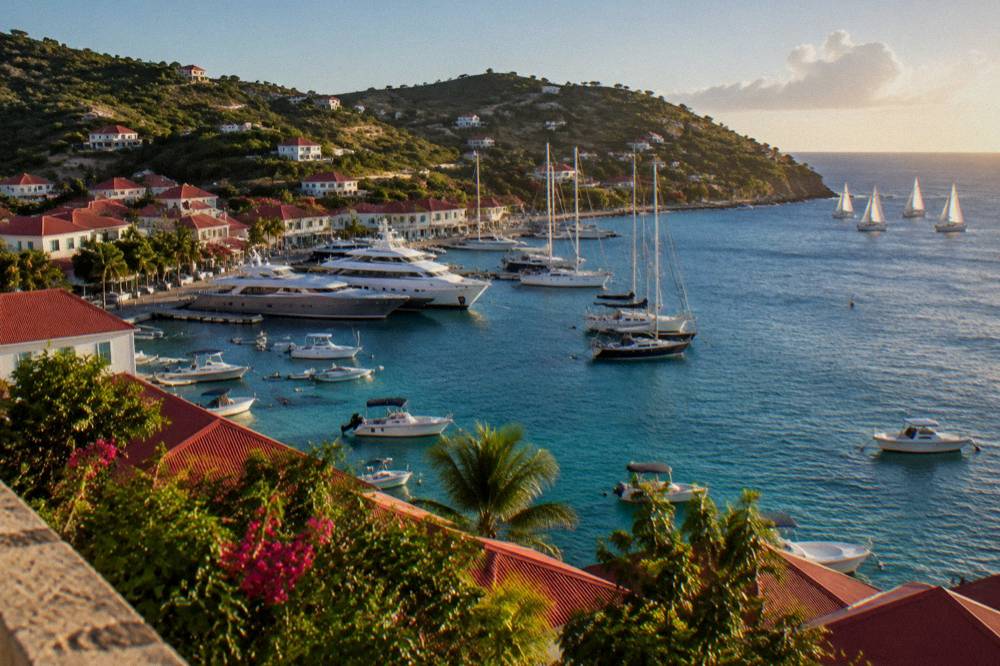
Yes, and the festival's evening-centred programme makes the combination natural: every boat trip listed here departs from St Martin or Sint Maarten and visits St Barts, so a traveller staying on either island can sail to the festival coast for the day, or a St Barts visitor can build a charter day into the trip. Five of the six products are private charters priced per group, and the one per-person group sail runs only from 12 May to 31 August 2027 on its listing.
The choice among them follows the shape of the trip. The group sail from St Martin is the per-person option, pairing Gustavia with Colombier Beach and Ile Fourchue in a single day on the water, though its per-person operation falls outside a late April festival window. The private charters, priced per group, include the full-day St Barth charter, the St Martin to St Barth private charter, the Nikki Beach private charter from Sint Maarten, and a private sailboat option, plus a two-day one-night catamaran for anyone who wants the crossing and an overnight combined.
The marine reserve shapes what those days look like. The environment agency's regulatory-zones page lists a 5-knot speed limit inside its zones, a ban on jet skis and other motorised water devices, 23 dive sites, a prohibition on dogs in reserve areas, and a strict rule against touching turtles, corals or other protected species. Colombier Bay and Ile Fourchue sit within the reserve's coverage, which is why sail itineraries there move slowly and anchor carefully. A festival trip that includes a boat day is, in effect, two festivals in one: cinema on land and the reserve's rules on the water.
For travellers pairing the festival with a longer stay, the island's own beaches fill the daytime hours at no cost, since all beaches on St Barts are public. The Colombier beach guide and the Gustavia harbour guide describe the two ends of that spectrum, a hike-in strand on one side and the working harbour town on the other.
How Do You Plan A Festival Trip Day By Day?
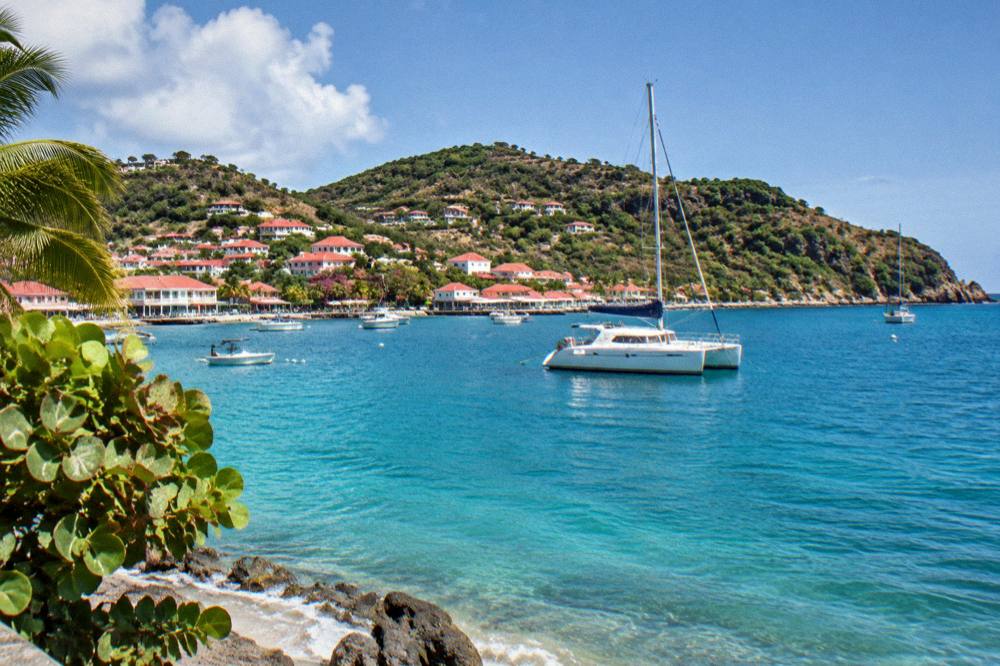
A workable festival trip runs four to six days: one travel day in through St Martin by plane or ferry, two to three festival days built around evening screenings with beaches or a charter by day, one full day on the water around the marine reserve or Ile Fourchue, and a travel day out with margin for weather. The ferry crossing can be rough and sailings are weather dependent, so the outward and return days should carry slack rather than same-day connections.
The skeleton looks like this. Day one is the gateway arrival at St Martin, the hop to St Barts or the ferry from Philipsburg or Marigot, and settling into Gustavia, Saint-Jean or a villa. Days two and three follow the festival rhythm: mornings at a public beach such as Saline, Gouverneur or Flamands, afternoons in Gustavia between the harbour and the shops, evenings at screenings. Day four goes to the water, either on a private charter from the St Martin side or, for those based on St Barts, a boat day arranged around the reserve's zones. Day five is the return, with a morning buffer in case the sea or the small-plane schedule moves.
Two practical notes hold the plan together. First, book the gateway flight, the SBH hop or ferry, and the room as one block once the festival dates are announced, because the island's capacity is small in absolute terms. Second, keep the departure day light: the airport at St Barts operates in daylight and visual conditions only, and the ferries cancel in heavy seas, so a same-day international connection out of St Martin is a tighter plan than the festival week deserves. The site's flights to St Barts guide and the flying from the US guide cover the gateway logic in detail.
| Festival trip day | Focus | Notes |
|---|---|---|
| Day 1 | Travel in via St Martin | Small plane from SXM or SFG, or ferry from Philipsburg or Marigot |
| Day 2 | Festival screening day | Public beach by day, screening in Gustavia by evening |
| Day 3 | Festival screening day | Harbour, shops and museums by day, programme by night |
| Day 4 | Day on the water | Private charter from St Martin side, or reserve zones by boat |
| Day 5 | Travel out | Weather margin on the crossing or the flight |
What Should First-Time Visitors Know Beyond The Festival?
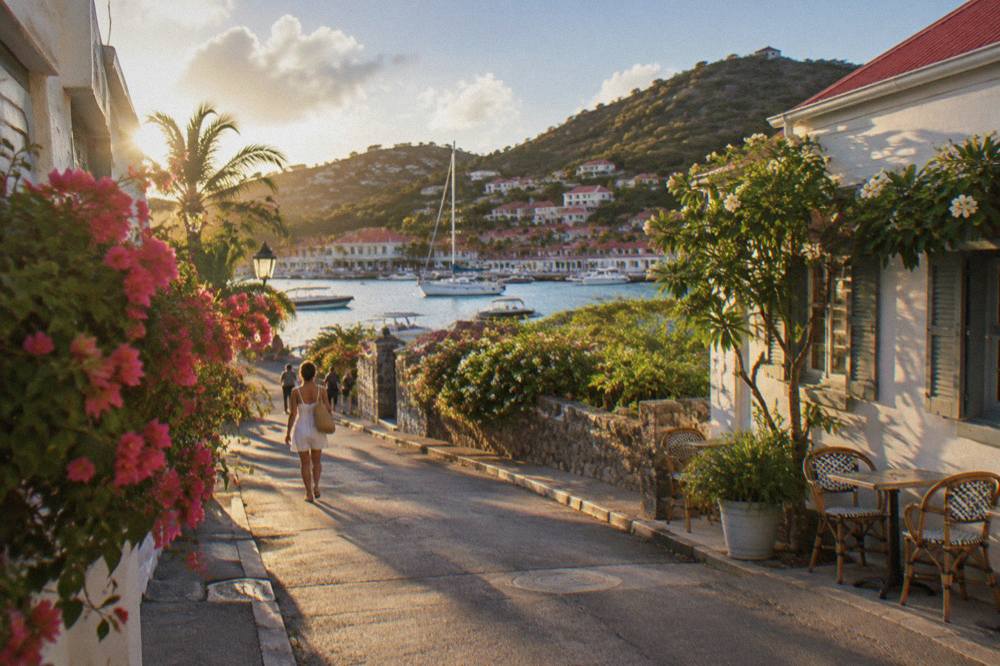
St Barts is a French overseas collectivity that uses the euro, speaks French officially with English widely spoken, drives on the right, and requires no visa for short stays by US, UK, Canadian and EU citizens, though a valid passport and an onward ticket are needed and entry sits outside the Schengen area.
The island is small and hilly, with narrow roads, a 50 km/h island-wide speed limit and 30 km/h in Gustavia and Saint-Jean, and car rental counters at the airport include Avis, Budget and Hertz alongside local agencies and Mini Moke specialists.
A few orientation facts carry a long way. The island became a separate overseas collectivity of France in 2007, with Gustavia as its capital; the population is about 10,700; and the currency is the euro, with credit cards widely accepted and US dollars sometimes taken, though the currency guide covers the details. Hurricane Irma struck in September 2017 and the island rebuilt; that history explains some of the building stock but needs no elaboration here. Ships visiting the island tender their passengers to Gustavia, as there is no cruise pier, which keeps the town walkable even when a vessel calls.
For festival visitors specifically, the useful habits are simple. Bring a passport book rather than a card, hold the return evidence, check the ferry operator's page the day before each crossing, and remember that the festival's own announcement is the only reliable source of its dates. Beyond that, the island's scale does the planning for you: everything on it, from Colombier to Corossol, sits within a short drive of everything else.
Common Questions About The St Barts Film Festival
When is the St Barts Film Festival?
The St Barts Film Festival runs in late April or early May each year. The 2026 edition ran from 29 April to 2 May and was the 29th edition; 2027 dates had not been confirmed, so the festival's own announcement is the reference for the next edition.
What does the St Barts Film Festival show?
The festival programmes Caribbean cinema alongside international features, documentaries and short films, with screenings centred on Gustavia. The programme is published by the festival each year ahead of the event.
Where does the St Barts Film Festival take place?
The festival takes place on St Barts, the French Caribbean island, with its activity centred on Gustavia, the harbour capital. The island is about 21 square kilometres, so screenings, beaches and the harbour all sit close together.
How do you get to the St Barts Film Festival?
Nearly all visitors reach the festival through St Martin, flying into Princess Juliana airport and then crossing to St Barts by small plane from SXM or Grand Case, by a Tradewind flight from San Juan or Antigua, or by ferry from Philipsburg (Great Bay Express) or Marigot (Voyager) to Gustavia.
Is the St Barts Film Festival a good time to visit the island?
The festival window in late April and early May sits in a warm, moderate shoulder season: Meteo-France normals for 1991 to 2020 show mean daily highs of 29.8 C in April and 30.7 C in May, with rainfall below the October peak, and hurricane season does not begin until 1 June.
Can you combine the St Barts Film Festival with a boat trip?
Yes. Every boat tour listed here departs from St Martin or Sint Maarten and visits St Barts, including private day charters, a group sail to Colombier and Ile Fourchue, and a two-day catamaran, so a festival stay pairs naturally with a day on the water.