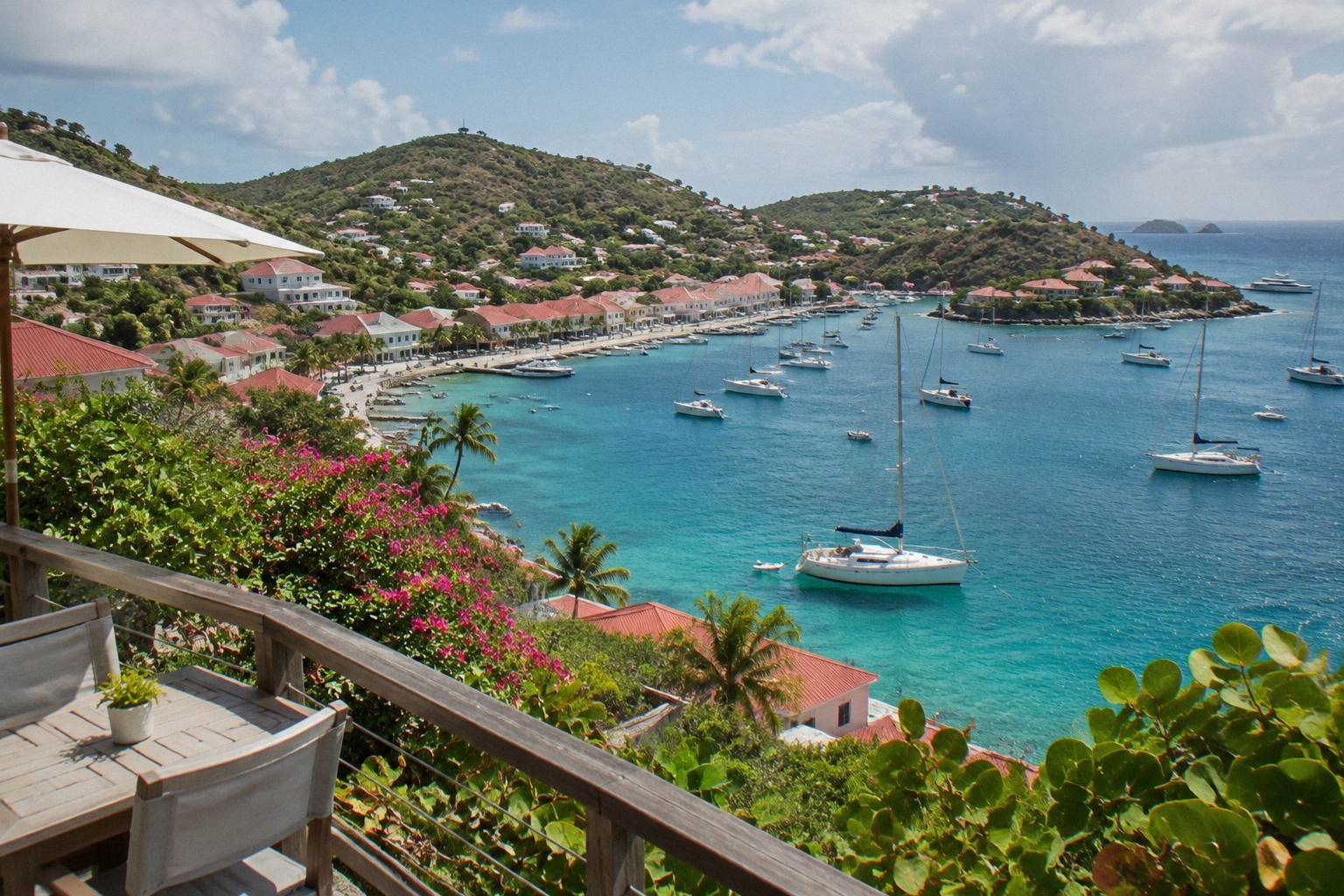
Carnival In St Barts
Carnival in St Barts is a small, French-Caribbean take on the pre-Lenten celebration, centred on Gustavia, with parades, music and family processions rather than the mega-festivals of bigger islands. Here is what is known, what is confirmed and how to plan around it.
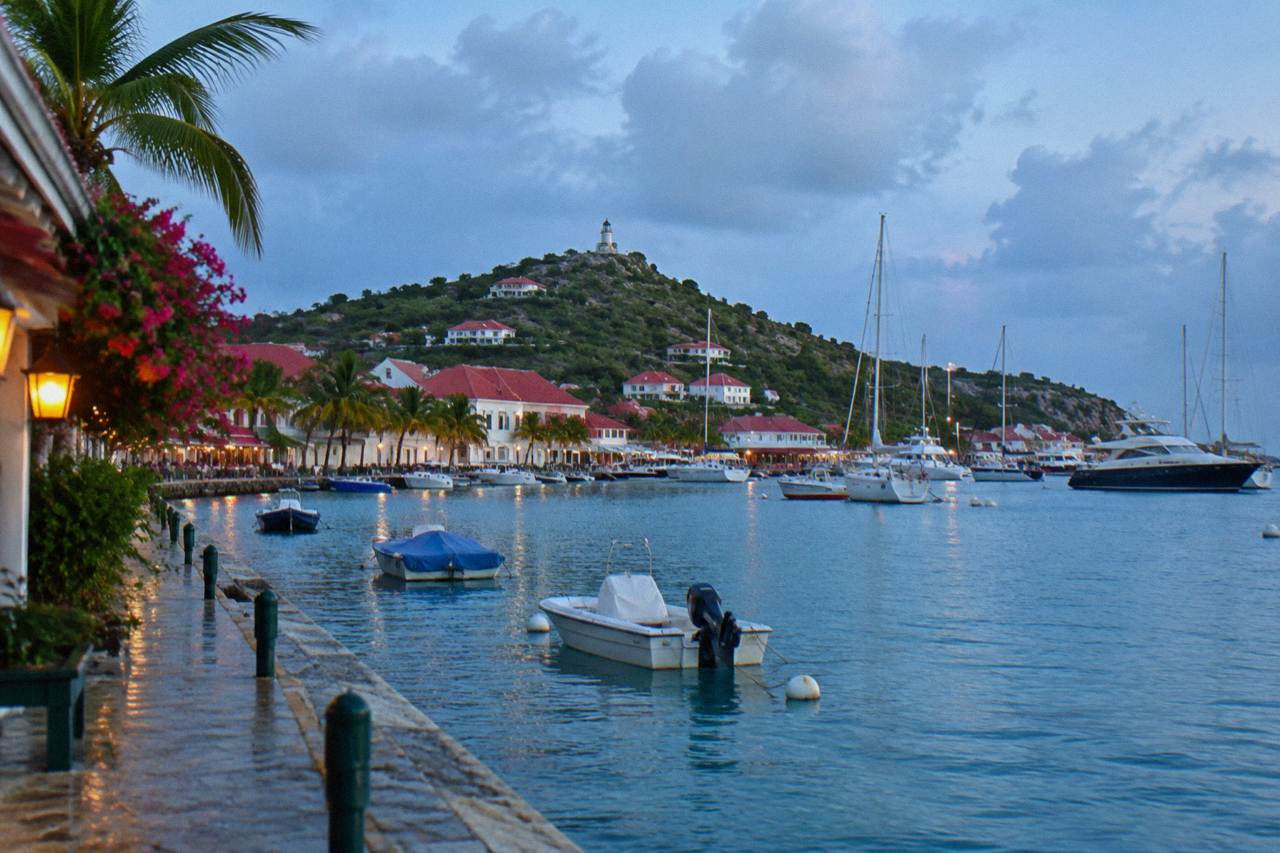
St Barts marks Carnival around Mardi Gras each year with costume parades and celebrations in Gustavia, on a smaller scale than the Carnivals of Trinidad or St Martin. Exact 2027 dates and the programme are not yet confirmed, so plan travel for the Mardi Gras window and check the tourism committee's calendar closer to the date.
St Barthelemy, universally shortened to St Barts, is a French overseas collectivity in the Caribbean with Gustavia as its harbour capital, and each year around the Mardi Gras window it puts on its own compact version of Carnival. The island's edition is not the hemisphere-spanning spectacle of Trinidad or even of its neighbour St Martin. It is a local, family-facing celebration: costume parades through Gustavia, music, children's processions and a festive lead-up through the weeks before Lent. Because the island is small, about 21 square kilometres with roughly 10,700 residents, the celebration stays at human scale and everything happens within a short drive, or often a walk, of the harbour.
This guide lays out what is actually known about Carnival in St Barts, what is confirmed for the surrounding season, and how to build a trip around it, from flights and ferries via St Martin to where to stay and what to do on the water between festivities. The St Barthelemy Travel pages on New Year's Eve in St Barts and shopping in St Barts cover the other anchors of the island's festive calendar.
What Is Carnival In St Barts?
Carnival in St Barts is the island's local celebration of the pre-Lenten Carnival season, centred on Gustavia, built around costume parades, music and family processions rather than the large-scale festivals of bigger Caribbean islands. It follows the French Caribbean tradition of a festive build-up to Mardi Gras and the start of Lent. The island's small size keeps everything compact: the parades, the gatherings and the waterfront are all within Gustavia and its immediate surroundings.
The celebration belongs to a tradition that runs across the French Antilles, where the weeks before Lent fill with costumed processions, drumming and satirical floats, culminating on Mardi Gras, the Tuesday before Ash Wednesday. St Barts shares in that tradition but on a reduced, village-scale footing. Its population is about 10,700 people, and the festivities reflect that: local groups, school children and community associations form the backbone of the parades rather than imported mas bands.
That scale is the point. A visitor standing on the quay in Gustavia during the parade is watching the island celebrate itself, not a production staged for tourism. The tourism committee presents Carnival as part of the island's annual calendar of events alongside sailing regattas, the music festival and the gastronomic festival, and the harbour town is the natural stage because it is the island's compact social centre.
One honest caveat shapes all the planning advice below: the detailed programme, exact dates and schedule of events for the 2027 edition had not been confirmed when this guide was written. What follows on timing is therefore written as the annual pattern, with confirmed dates flagged where they are known, and with the advice to check the tourism committee's calendar close to travel.
St Barts Events Around the Carnival Window
Annual timing and 2027 confirmation status for eight island events
| Timing | 2027 Status | |
|---|---|---|
| St Barth Music Festival | 8 to 18 January 2027 | Confirmed by the organiser |
| Carnival / Mardi Gras | February or early March each year, around Mardi Gras | 2027 dates not confirmed |
| St Barths Bucket Regatta | Mid-March | Confirmed as mid-March; 2027 pages show two variants |
| Les Voiles de St Barth | April | 2027 dates not confirmed; 2026 ran 12 to 18 April |
| St Barth Film Festival | Late April or early May | 2027 dates not confirmed |
| Fete de Saint-Barthelemy | 24 August, with Saint-Louis in Corossol on 25 August | Annual pattern |
| St Barth Gourmet Festival | 9 to 15 November 2026 | Reported |
| New Year's Eve fireworks | Gustavia harbour, each 31 December | Annual pattern; 2027 details unconfirmed |
Event timings and statuses as listed in the guide's events table.
When Does St Barts Carnival Take Place?
St Barts Carnival falls each year around Mardi Gras, the Tuesday before Ash Wednesday, which lands in February or early March depending on the church calendar. The 2027 dates and programme had not been confirmed, so plan travel for the Mardi Gras window and verify against the tourism committee's calendar before locking flights. The broader festive season around it runs from the Christmas holidays straight through winter into the spring regatta weeks.
Mardi Gras moves with Lent. That puts St Barts Carnival in February, occasionally early March. The pattern on the island, as the tourism committee's events calendar presents it, is a run of costume events in the days around Shrove Tuesday rather than a multi-week season. Anyone planning around the celebration should treat the Mardi Gras week as the anchor and check the official calendar for the year's confirmed dates, because a small island publishes its programme late and in local detail.
The wider winter calendar is easier to pin down, and it matters because Carnival sits inside the island's high season, when hotels are fully open and the events calendar is at its fullest. The confirmed and reported anchors around it:
| Event | Timing | Status |
|---|---|---|
| St Barth Music Festival | 8 to 18 January 2027, 43rd edition | Confirmed by the organiser |
| Carnival / Mardi Gras | February or early March each year, around Mardi Gras | 2027 dates not confirmed |
| St Barths Bucket Regatta | Mid-March | Confirmed as mid-March; 2027 pages show two variants |
| Les Voiles de St Barth | April | 2027 dates not confirmed; 2026 ran 12 to 18 April |
| St Barth Film Festival | Late April or early May | 2027 dates not confirmed |
| Fete de Saint-Barthelemy | 24 August, with Saint-Louis in Corossol on 25 August | Annual pattern |
| St Barth Gourmet Festival | 9 to 15 November 2026 | Reported |
| New Year's Eve fireworks | Gustavia harbour, each 31 December | Annual pattern; 2027 details unconfirmed |
Weather in the Carnival window is part of the draw. The Meteo-France normals, 1991-2020, for the St Barthelemy station put the mean daily high at 28.5 C in January and 28.6 C in February, with mean daily lows of 23.5 C and 23.3 C, and monthly rainfall of 52.6 mm and 38.4 mm respectively. February carries the lowest monthly rainfall total in the normals table. The sea is warm, about 26 C in winter, so the celebration sits in the middle of the island's most settled weather, well clear of the hurricane season that runs 1 June to 30 November.
If the idea is a festive-winter trip with Carnival at its centre, the surrounding weeks offer the regattas and the music festival as a second reason to come. If the idea is Carnival with warm water and thinner crowds, then the late-spring window after the May holiday, when the group sail's 12 May to 31 August 2027 season opens, is the quieter complement.
What Happens During St Barts Carnival?
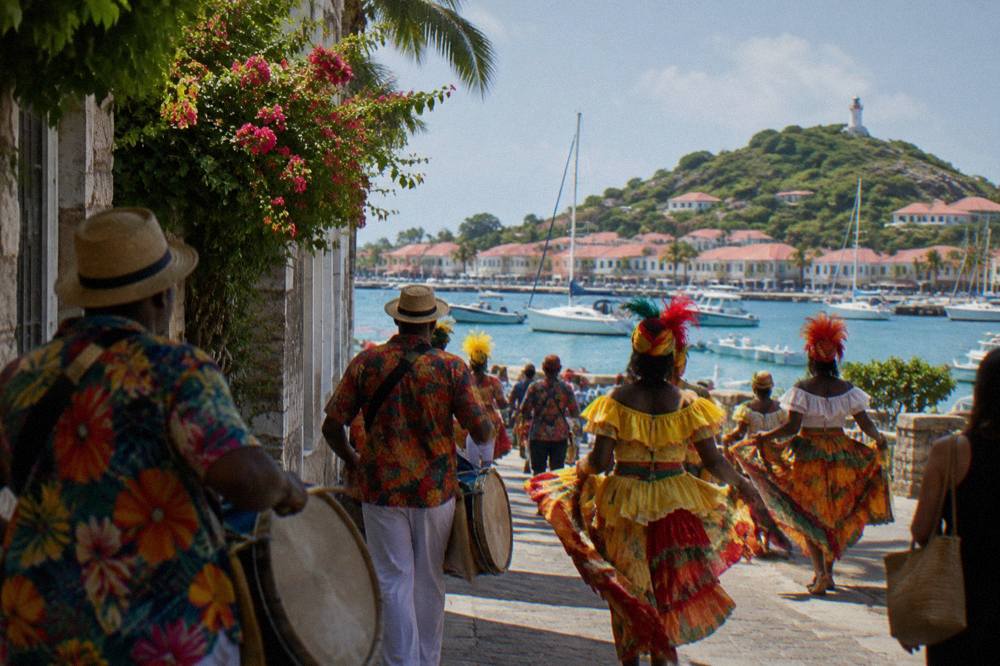
St Barts Carnival is built around costume parades and music in Gustavia, with community groups, children's processions and themed costumes forming the core of the celebration, in the French Caribbean pre-Lenten tradition. The harbour town's streets and quay are the stage. Beyond the parade days, the island's normal high-season life continues: beaches, boat days, shopping and restaurant tables, all fully open in the February and March window.
The parade tradition on St Barts follows the pattern of the French Antilles: costumed groups process through town, often with a satirical theme, accompanied by drums and brass. Children's carnival is a recurring feature across the region's celebrations, with schools running their own costumed processions in the days around Mardi Gras, and St Barts' small school population makes those processions a genuinely local affair. The tourism committee lists Carnival among the island's annual events and publishes each year's programme on its calendar as dates firm up.
Gustavia is where it happens. The town wraps around its harbour, its centre is compact and walkable, and the waterfront and the streets rising behind it hold the parades, the spectators and the informal gatherings that follow. The Shell Beach side of town and the quays near the harbour are the natural viewpoints; the town's layout means a parade route and a swim are minutes apart rather than an expedition apart. The island's beaches are all public, so a morning at Shell Beach (Grand Galet) or a drive out to Saline or Gouverneur slots easily into a parade afternoon.
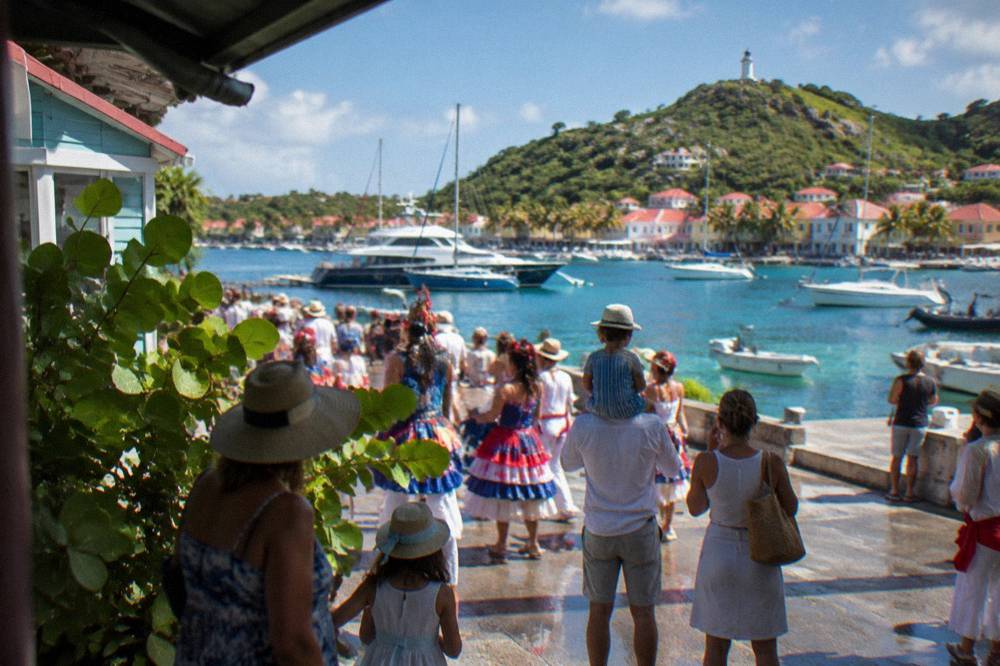
What Carnival is not matters too. It is not a ticketed festival: the tourism committee publishes no ticket price for it, and the events take place in public streets and open public places. There is no stadium, no gated site and no walking-tour industry around it. The beaches and open public places are free, no guided walk of the festivities is listed here, and the best way to experience the parade is simply to be in Gustavia when it runs.
Between parade days, the island's high-season rhythm fills the gaps, and a Carnival-week trip can be built as a normal St Barts week with the celebration layered in. The practical building blocks:
| Carnival-Week Building Block | What It Involves | Where |
|---|---|---|
| Parade days | Costume processions and music, around Mardi Gras | Gustavia streets and quay |
| Beach mornings | Public beaches, all free to access | Shell Beach, Saline, Gouverneur, Flamands, Colombier |
| Boat days | Group and private charters from St Martin and Sint Maarten | Depart Simpson Bay, Cole Bay, Anse Marcel or Grand Case |
| Shopping afternoons | Duty-free boutiques in the harbour capital | Gustavia |
| Regatta weeks | Sailing events in March and April | Gustavia harbour and surrounding waters |
For visitors who want the water between festivities, the charter options all depart from the neighbouring island. A Carnival trip can pair a night or two in Gustavia with a day on the water: the Nikki Beach private charter runs from Sint Maarten to the island's most famous beach club stretch, and the operator's listing is the live route to its calendar. The island's own marine reserve rules apply to all of it, covered below.
Where To Watch The St Barts Carnival Parades
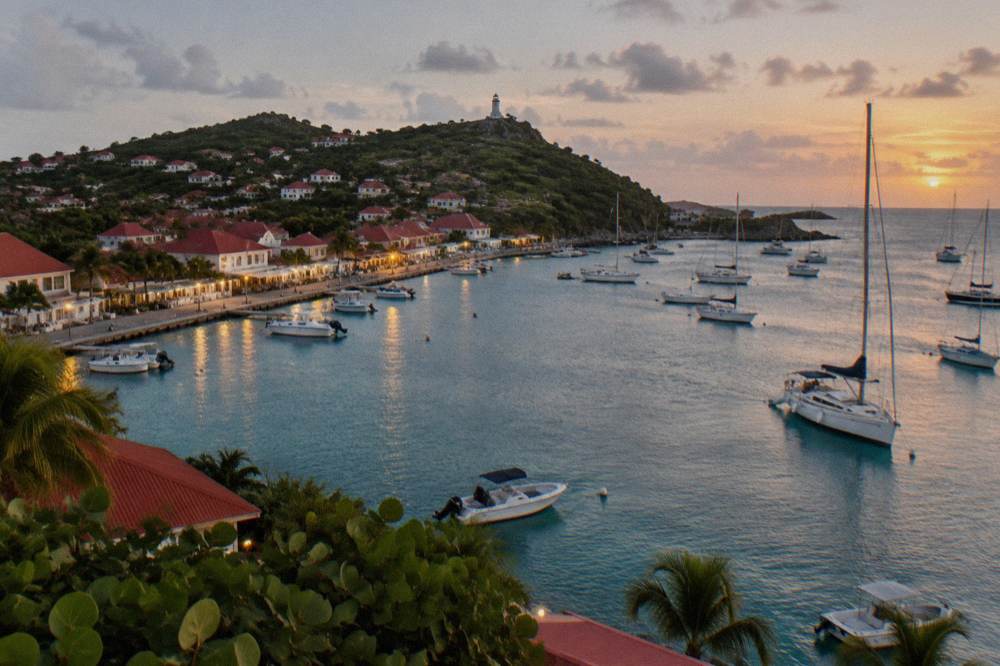
The parades run through Gustavia, the island's harbour capital, whose compact centre and quays make it the single best place to watch: the streets behind the harbour and the waterfront along the quay are the traditional stage. Because the town is walkable and the island is only about 21 square kilometres, any accommodation within a short drive puts a visitor in the middle of it, and the beaches nearest town are minutes from the parade route.
Gustavia's shape does the work. The town curves around its harbour, the commercial streets sit a block back from the water, and everything worth seeing is within a compact, walkable core. On parade days the processions move through that core, and spectators line the route and gather at the harbour edge. Arriving on foot from anywhere in town is the norm; the centre needs no car once you are in it, and the quays and the shops are all interleaved with the route.
The practical advice is about timing and positioning rather than tickets. The parade programme, when the tourism committee publishes it, gives the day and the start point; on the day itself, the harbour edge and the streets directly behind it fill first. The town's restaurants and shops operate normal high-season hours around the event, and the shops of Gustavia, covered in the shopping guide, are a parade-day attraction in their own right. For anyone combining the celebration with a wedding-period visit, the St Barts weddings guide covers the island's other festive use.
Outside the parade hours, the geography of celebration widens. Corossol, the traditional fishing village on the west coast, holds its own patron-saint celebration on 25 August, a different and quieter tradition from Carnival but part of the same fabric of village fete and procession. The February or March visitor gets the town at full high-season tilt instead: ferries arriving from St Martin, yachts in the harbour, and the beaches of Saint-Jean and Flamands a short drive over the hills.
What To Wear And Bring To Carnival In St Barts
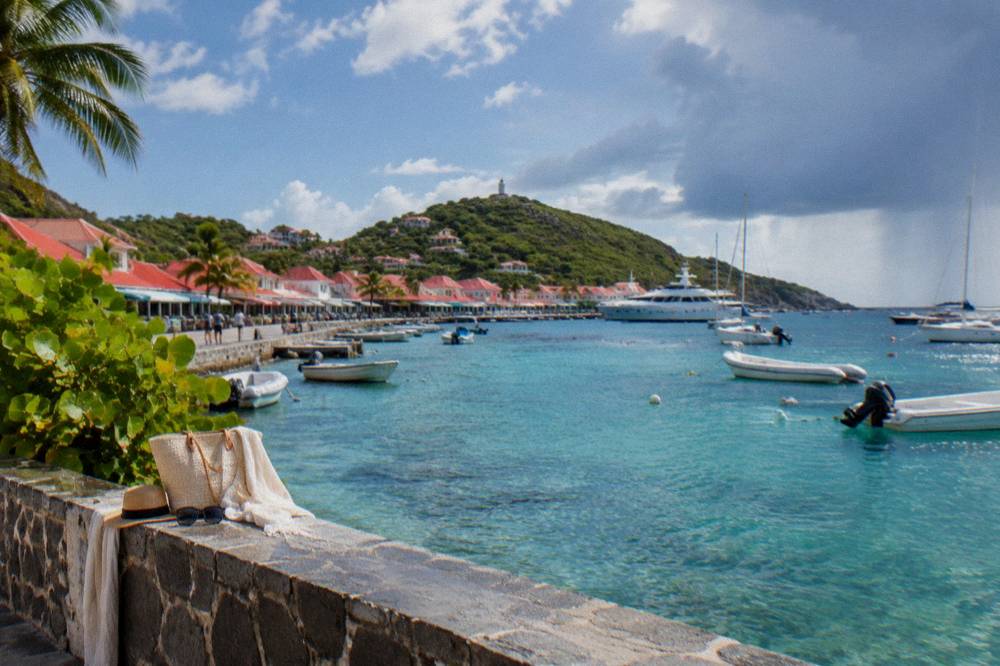
Carnival in St Barts calls for light, warm-weather clothing and comfortable walking shoes for standing along Gustavia's streets, with sunscreen, water and a hat for a celebration that happens in the open in the February heat: the Meteo-France normals, 1991-2020, put the mean daily high at 28.6 C in February. Costumes belong to the parading groups, not the spectators, so there is no dress code for watching.
The climate data frames everything. February's mean daily high of 28.6 C and mean daily low of 23.3 C, from the Meteo-France normals, 1991-2020, mean parade-watching is a warm-weather activity in full sun, on asphalt, in the middle of the day. Sun protection and water matter more than any costume consideration. Rain is possible in any tropical month, February's 38.4 mm monthly total being the lowest in the normals table, but a light rain layer is still sensible island kit.
The island's general dress norms are casual but put-together, French-influenced in feel, and they apply to spectators during Carnival. Swimwear belongs at the beach rather than in town, which is ordinary island etiquette in any season. A packing list for a Carnival-week trip looks like any high-season St Barts list plus parade-day extras:
| Item | Why It Matters For Carnival Week |
|---|---|
| Sunscreen and hat | Parade-watching is standing in open sun at a mean daily high near 29 C |
| Comfortable walking shoes | Gustavia's streets and quay are walked, not driven |
| Light layers | Evenings near 23 C mean daily low; sea breeze on the quay |
| Water bottle | High-season heat with no shaded grandstand |
| Camera or phone | Costume processions are the island's most colourful hour |
| Beach kit | All beaches are public; a swim before or after the parade is minutes away |
| Euro payment card | The currency is the euro; cards are widely accepted |
One rule from the environment agency belongs in any packing conversation about beaches: dogs are prohibited on all beaches island-wide, under a municipal order the agency's beach page cites, even on a leash. Anyone travelling with a pet plans around that. The same agency's regulatory-zones page lists the marine reserve's other rules, which matter for the boat-day half of a Carnival trip and are summarized below.
How To Get To St Barts For Carnival
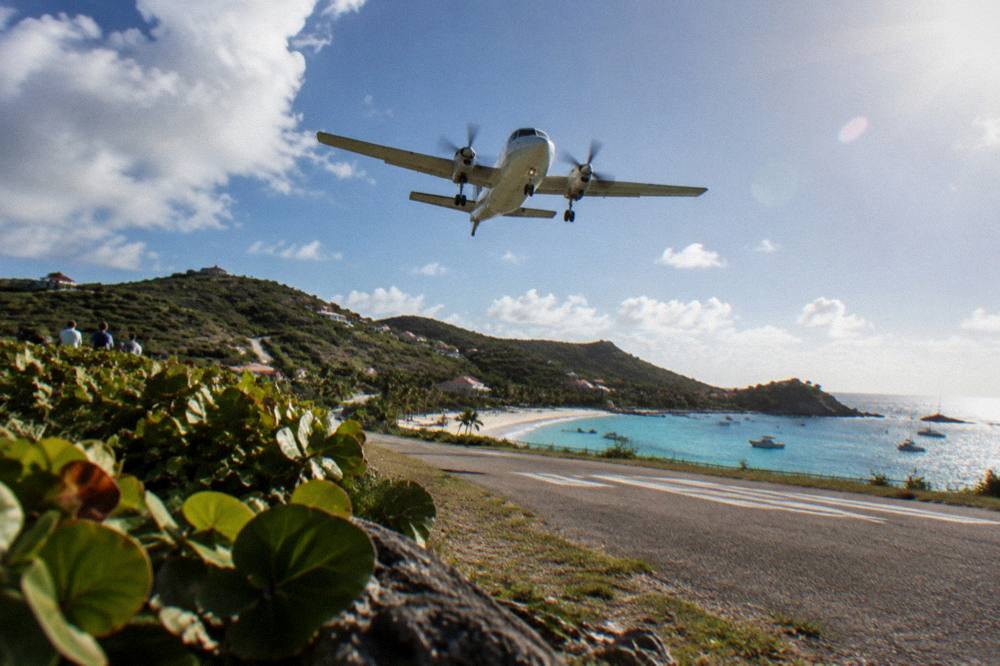
Almost everyone reaching St Barts for Carnival arrives through St Martin: either a short hop by small turboprop from Princess Juliana airport (SXM) or Grand Case (SFG) into Gustaf III Airport (SBH), or a ferry crossing of about 45 minutes from Philipsburg with Great Bay Express or about 50 to 60 minutes from Marigot with Voyager. No jet lands on the island: the runway at SBH is 646 m, served by STOL turboprops in daylight and visual conditions only.
The geography is fixed and unforgiving. Gustaf III Airport, also called Remy de Haenen, has a single 646 m runway, operations are daylight and visual-only, and only small STOL turboprops use it, so every long-haul journey ends at a gateway. The gateways are St Martin (SXM), San Juan (SJU), Guadeloupe (PTP) or Antigua (ANU), with St Barth Commuter flying from SXM, SFG and PTP, and Tradewind from SJU and ANU. Winair also serves the island from SXM. The how to get to St Barts guide and the airport guide cover the whole chain in detail, and the flights to St Barts page lists the feeder routes.
The ferry is the other half of the equation, and Carnival week is a good week to book it early. Great Bay Express runs from Bobby's Marina in Philipsburg on the Dutch side, about a 45 minute crossing; Voyager runs from the Marigot terminal on the French side, about 50 to 60 minutes. Both operators' ferry pages show sailing times and booking, both require a passport, and check-in typically closes well before departure, so the ferry operators and schedule guide is the page to work from. The crossing can be rough; nobody should book it expecting flat water. The SXM airport to ferry guide covers the connection.
| Route | Mode | Operator | Notes |
|---|---|---|---|
| SXM (Princess Juliana) to SBH | Small turboprop | St Barth Commuter, Winair | A short hop; daylight and visual conditions only |
| SFG (Grand Case) to SBH | Small turboprop | St Barth Commuter | A short hop from the French-side airport |
| SJU (San Juan) to SBH | Small turboprop | Tradewind | Gateway from the US network |
| PTP (Guadeloupe) to SBH | Small turboprop | St Barth Commuter | Regional French gateway |
| ANU (Antigua) to SBH | Small turboprop | Tradewind | Seasonal gateway |
| Philipsburg (Bobby's Marina) to Gustavia | Ferry | Great Bay Express | About 45 minutes; passport required |
| Marigot terminal to Gustavia | Ferry | Voyager | About 50 to 60 minutes; passport required |
Once on the island, Gustavia's centre is compact and walkable, and a car is the standard way to reach the beaches beyond town. Rental counters at the airport include Avis, Budget and Hertz, local agencies exist, and the car rental guide covers the details: driving is on the right, roads are narrow and steep, and the reported limits are 50 km/h island-wide and 30 km/h in Gustavia and Saint-Jean.
Where To Stay In St Barts During Carnival
The best base for Carnival is Gustavia itself or the nearby Saint-Jean corridor, because the parades happen in the harbour capital's streets and its centre is walkable at night; Flamands, Lorient and Grand Cul-de-Sac all sit within a short drive for a quieter room with the same access. In the February and March window every major hotel is open: the autumn closures end between mid-October and early November, so Carnival falls in fully open high season, and early booking matters more than usual.
The seasonal mechanics drive the advice. Many St Barts hotels and restaurants close each autumn and reopen in waves between mid-October and early November; by February the island is fully operational, and Carnival week sits inside the busiest stretch of the year alongside the regattas. The hotels guide and the luxury hotels guide name the properties; rates vary by season and each property's own booking page shows them.
The area trade-off is simple. Gustavia puts the parade at the door and the quays at night within walking distance. Saint-Jean, over the hill by the airport, pairs beach access with the island's retail strip. Flamands, Lorient, Grand Cul-de-Sac and Toiny trade a short drive for quiet and space, and a large villa market runs across all of them, with WIMCO, Sibarth and St Barth Properties named as managers. The beach hotels guide and the boutique hotels guide break the choice down further.
| Area | Character | Carnival Fit |
|---|---|---|
| Gustavia | Harbour capital, shops, quays, compact centre | Parades at the door; walk home after dark |
| Saint-Jean | Beach, airport strip, boutiques | Short drive over the hill to the parades |
| Flamands | Wide beach, hotel cluster on the north shore | Quiet base, short drive to town |
| Lorient | Village feel, family beach, bakery strip | Quiet base mid-island |
| Grand Cul-de-Sac | Shallow bay, hotels and watersports on the east coast | Quietest of the near options |
| Toiny | Wild south-east coast | Secluded; a longer drive to Gustavia |
Can You Pair Carnival With A Boat Day In St Barts?
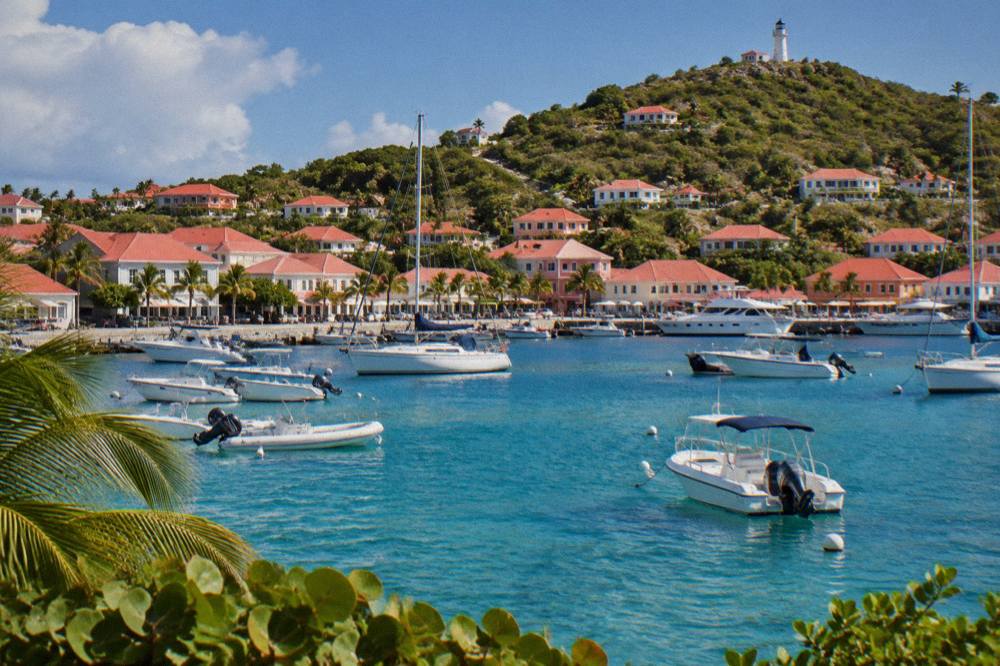
Yes, and it is the natural complement to parade days: every boat tour listed here departs from St Martin or Sint Maarten and visits St Barts, so the pairing works either as a day trip during a Carnival-week stay or as the arrival itself. The island's marine reserve adds real rules to any day on the water: a 5-knot limit in its zones, no jet skis, no dogs on beaches, and no touching turtles, according to the environment agency's regulatory-zones page.
The reserve rules are the part a first-time visitor will not find on a search result's first page. The St Barthelemy marine reserve covers five zones including Colombier Bay and Ile Fourchue, and the environment agency's page lists the constraints: a maximum of 5 knots on the water in protected zones, a ban on jet skis, seabobs and towed sports, no collecting of coral, shells or sand, no dogs on beaches or in the water in reserve areas, and no touching or chasing protected species including the green and hawksbill turtles common around Colombier and the Grand Cul-de-Sac lagoon. Vessels over 25 m are excluded from Colombier and Fourchue bays, and ecological mooring buoys are preferred to anchoring.
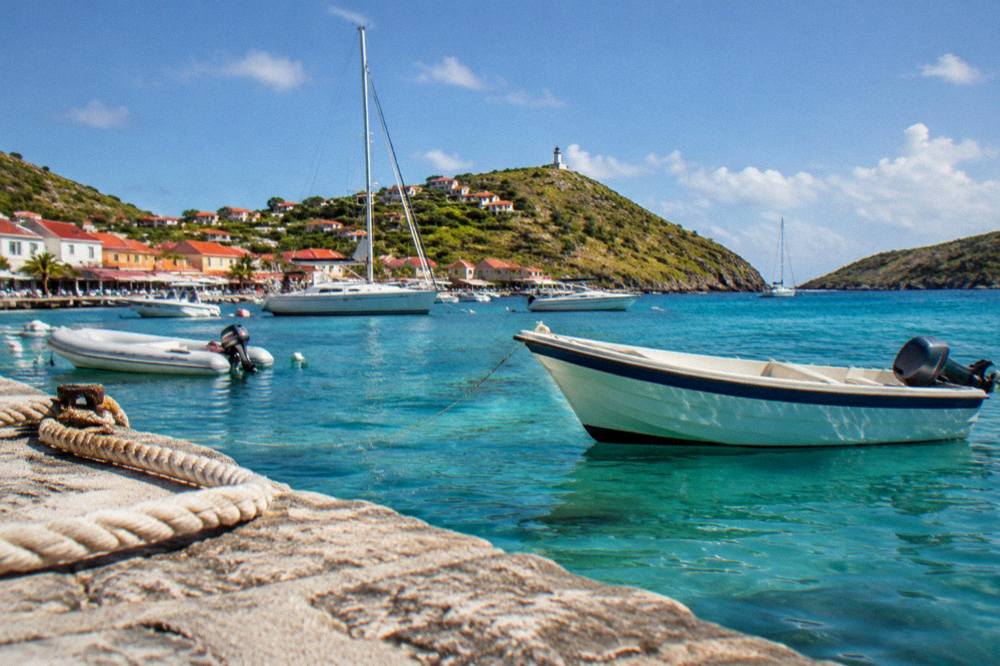
The trip list reflects that geography. Every product is a charter or sail from the neighbouring island: the group sail to Gustavia, Colombier and Ile Fourchue runs as a per-person day trip (its 2027 season runs 12 May to 31 August on its listing), while the private options are priced per group and include full-day charters, a Nikki Beach charter, a private sailboat and an overnight catamaran. None departs from St Barts itself.
| Water Option | Booking Basis | Season Note |
|---|---|---|
| Group sail to Gustavia, Colombier and Ile Fourchue | Per person | Runs 12 May to 31 August 2027 on its listing |
| Full-day private charter | Per group, up to 10 | Year-round listing |
| Private charter from St Martin | Per group, up to 8 | Year-round listing |
| Nikki Beach private charter | Per group | Year-round listing |
| Overnight private catamaran | Per group, up to 4 | Two days, one night |
A Carnival-week itinerary that includes the water could look like this: arrive by ferry or small plane, base in Gustavia or Saint-Jean, take the parade day in town, spend a beach day at Saline or Gouverneur, and slot in either a departure-day charter from St Martin or an overnight catamaran that turns the crossing itself into the trip. The St Barts itinerary guide and the root things to do in St Barts page assemble fuller versions.
Common Questions About St Barts Carnival
When is Carnival in St Barts?
Around Mardi Gras each year, the Tuesday before Ash Wednesday, which falls in February or early March. The 2027 dates and programme had not been confirmed, so check the tourism committee's calendar before booking around a specific day.
Where do the St Barts Carnival parades happen?
In Gustavia, the island's harbour capital. The processions move through the town's compact, walkable centre and along the harbour front, and no ticket is needed: the events take place in public streets and open public places.
Is St Barts Carnival like Trinidad Carnival?
No. It is a small, local celebration on an island of about 10,700 residents, built around community groups, children's processions and music, in the French Caribbean pre-Lenten tradition. It is watched from the street rather than from a stadium or a ticketed site.
What is the weather like during Carnival in St Barts?
Warm and mostly dry. The Meteo-France normals, 1991-2020, show a mean daily high of 28.6 C in February with 38.4 mm of rain across the month, and the sea is warm, about 26 C in winter. Hurricane season runs 1 June to 30 November, well away from the Carnival window.
Do the tours and charters leave from St Barts during Carnival?
No. Every bookable boat tour listed here departs from St Martin or Sint Maarten, from ports such as Simpson Bay, Cole Bay, Anse Marcel and Grand Case, and visits St Barts. There is no on-island departure listed here.
Are St Barts hotels open during Carnival?
Yes. The island's autumn closures end between mid-October and early November, so the February and March Carnival window falls in fully open high season. Book early for that window; rates vary by season and each property's own booking page shows them.