Travel Insurance For St Barts
St Barthelemy, usually written St Barts, sits at the end of a chain of connections: a long flight to St Martin, then a small plane or a ferry across a sometimes rough channel. Travel insurance for a trip like this is less about one dramatic risk and more about the several modest things that can go wrong in sequence, from a cancelled connection to a storm-season closure.
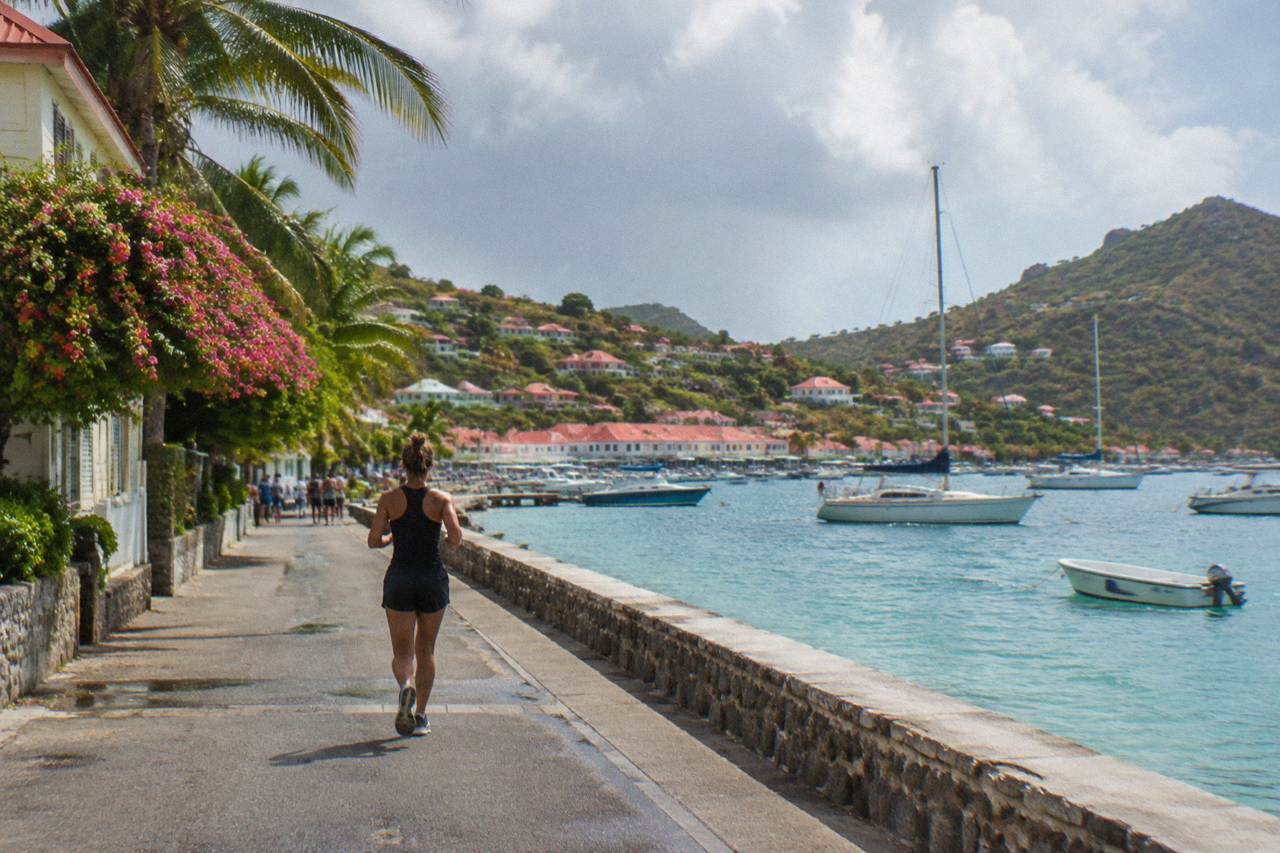
St Barts has no compulsory travel insurance requirement, but the island's access route, through St Martin by small plane or ferry, plus a hurricane season from 1 June to 30 November, makes a standard trip-cancellation, interruption and medical policy the sensible baseline for a high-cost trip.
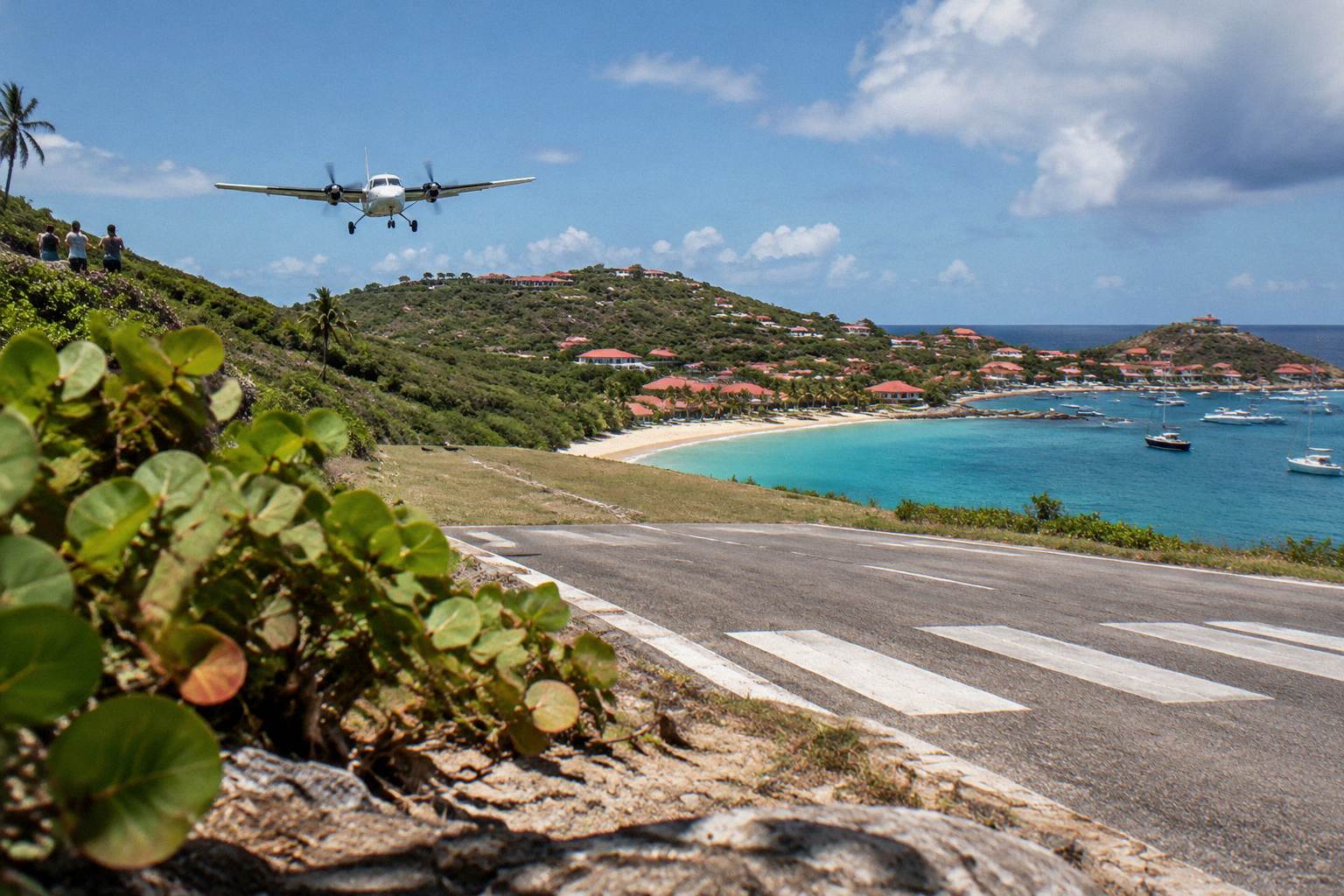
St Barthelemy, usually written St Barts, is a small French island in the Caribbean of about 21 square kilometres, and almost nobody arrives in one leg. Flights from North America and Europe land at St Martin, and the final hop is either a small turboprop into Gustaf III Airport or a ferry from Philipsburg or Marigot across a channel that the operators themselves describe as weather-dependent. That structure, plus a hurricane season that runs from 1 June to 30 November, is what shapes a sensible insurance decision for this destination. This guide from St Barthelemy Travel sets out what a policy should cover, which island-specific risks matter, and the timing and access questions an insurer will ask about.
Is Travel Insurance Required For St Barts?
No rule obliges visitors to St Barts to carry travel insurance. Entry is handled under French overseas rules rather than Schengen systems, and no insurance condition is attached to a short tourist stay for visa-exempt nationalities, including US, UK, Canadian and EU citizens. The territory is outside the Schengen area, so ETIAS and EES do not govern entry, and ETIAS is not operational. Insurance is a choice, not a formality.
The distinction matters because some Caribbean destinations tie insurance to entry paperwork, and St Barts does not. What arriving visitors do need is a valid travel document, with requirements reported to vary by nationality: EU citizens may use a national ID card or passport, US citizens need a passport book rather than a card, and the standard advice is to check your own government's travel guidance for St Barthelemy and St Martin before booking, since airlines and ferry operators apply the strictest applicable rule at check-in. An onward ticket is also part of the reported entry picture.
Insurance therefore enters the picture as financial protection rather than compliance. A typical St Barts trip combines prepaid flights to St Martin, a second flight or a ferry ticket, and accommodation on an island where the lodging is largely hotel and villa stock that books far ahead for the December to April high season. That is a lot of prepaid value sitting behind two connections that can be disrupted by weather. The practical case for insurance is about that exposure, not about any rule at the border. For the arrival logistics themselves, the St Barts airport guide and the customs and entry overview cover the details.
Wondering if a delayed gateway flight qualifies for compensation? Book a flight delay compensation check.
What Should A St Barts Travel Insurance Policy Cover?
A policy for St Barts should cover trip cancellation and interruption before departure, missed connections at the St Martin gateway, medical costs and emergency care on the island, baggage and personal effects, and any prepaid activities such as a boat charter or a booked stay. The two coverage lines that earn their cost on this route are interruption of the St Martin to St Barts hop and cancellation of prepaid accommodation during the autumn closure window.
The first line, cancellation and interruption, protects the largest prepayments. Flights to St Martin, hotels and villas on St Barts, and any booked day trips all fall here. Interruption cover matters because the island sits at the end of a two-stage journey: if weather closes the ferry or the small-plane route stops flying for a day, a traveller can be stuck on St Martin while paid nights run on St Barts. Policies differ on whether that counts as a delay, an interruption or a missed connection, so it is worth reading the delay and interruption clauses rather than the headline benefits.
The second line is medical. As a French overseas collectivity, St Barts has a French-standard health system, and a European Health Insurance Card may be recognised for eligible holders, but that card is not travel insurance and does not cover repatriation, which is the expensive part of any island medical claim. Non-European travellers should treat medical and evacuation cover as the core of the policy. The third line is activities: every bookable boat trip to St Barts listed here departs from St Martin or Sint Maarten, and a day on the water is a scheduled activity an insurer will want declared if cover for excursions is not automatic. Details on the flight side are in flights to St Barts.
| Coverage line | What it protects on a St Barts trip | What to check in the policy wording |
|---|---|---|
| Trip cancellation | Prepaid flights, hotel or villa nights booked for the December to April high season | Whether named-event cover or cancel-for-any-reason add-on applies to your dates |
| Trip interruption | Paid nights on St Barts if the St Martin connection halts mid-trip | The delay threshold that triggers the benefit, and per-day limits |
| Medical and evacuation | Treatment costs and transfer off-island after illness or injury | Whether evacuation decisions are made by the insurer's assistance company |
| Baggage and effects | Gear delayed through two or three flight legs to reach St Martin | Per-item caps on electronics, sunglasses and water sports equipment |
| Activity and excursion cover | Prepaid boat charters and day trips departing from St Martin | Whether recreational sailing and snorkelling are included without a rider |
The table above is deliberately qualitative: no insurer's figures, premiums or coverage limits are printed for this destination. What can be stated is which island facts make each line relevant. The two-stage access route makes interruption cover unusually useful here compared with a direct-flight destination, and the pattern of autumn hotel closures means a policy that only recognises total trips, rather than partial ones, is a weaker fit for a shoulder-season booking.
How Does Hurricane Season Affect St Barts Travel Insurance?
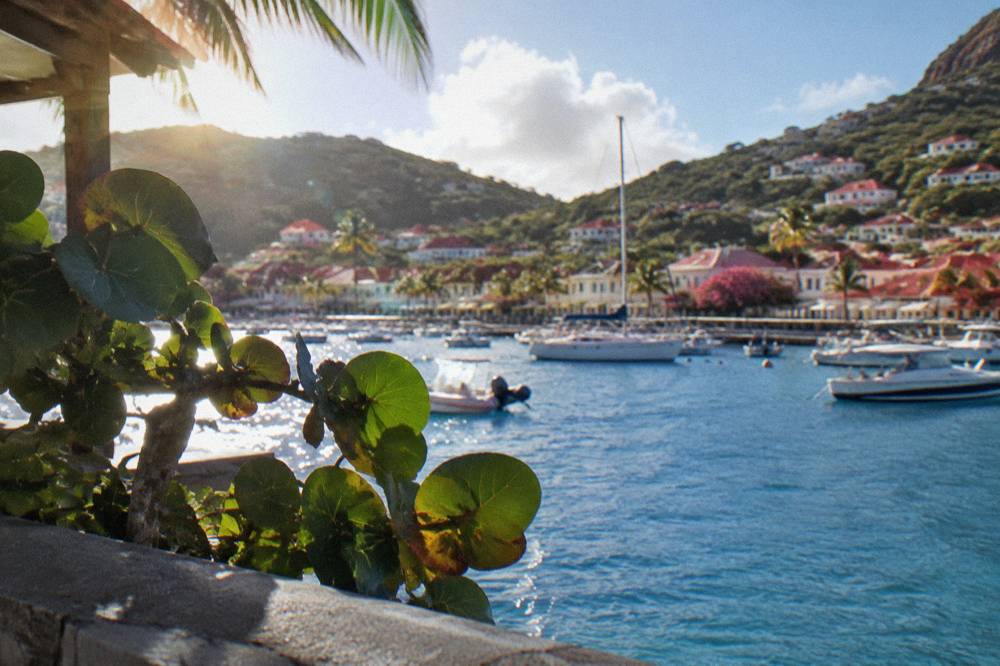
The Atlantic hurricane season runs from 1 June to 30 November, with the peak of activity from mid-August to mid-October and a climatological peak near 10 September. For insurance, that means a policy bought for an autumn trip should be checked for named-storm cancellation terms, and it should be bought early: most insurers stop selling named-storm cover for a system once a storm is named and forecast.
The timing rule is the single most useful insurance fact about this destination. A named-storm benefit has to exist in the policy before the storm exists as a named system, so a traveller booking a September or October stay should attach insurance at the time of the first prepayment, not in the week before departure. Nothing here predicts a storm for any date: the season is a climatological pattern, not a forecast, and quiet seasons occur. But October is also the wettest month in the Meteo-France normals for St Barthelemy, with 135.6 mm of rain on average across 1991 to 2020, so autumn travel combines the statistical storm peak with the wettest part of the year.
The second effect is operational. When a storm system passes anywhere near the northern Leeward Islands, ferry operators suspend sailings and small-plane operations pause, independent of whether St Barts itself takes an impact. The 2026 season has been quiet, with no notable direct impacts reported on the island through mid-October, but quiet is a report about the past, not a promise. A policy's delay benefit, and how it treats a mandatory evacuation order versus a cancelled ferry, is what converts that pattern into cover. The dedicated hurricane season guide carries the full picture.
| Period | Season status | Meteo-France normals, 1991 to 2020 (monthly rain) |
|---|---|---|
| January to April | Outside hurricane season, high travel season | 52.6 mm in January down to 38.4 mm in February, the lowest of the year |
| May | Hurricane season begins 1 June at month end | 61.7 mm |
| June and July | Early season, generally lower activity | 56.0 mm and 80.4 mm |
| August to mid-October | Statistical peak of the season, near 10 September | 79.6, 96.9 and 135.6 mm across the three months |
| November | Season closes 30 November, island reopens for winter | 118.6 mm |
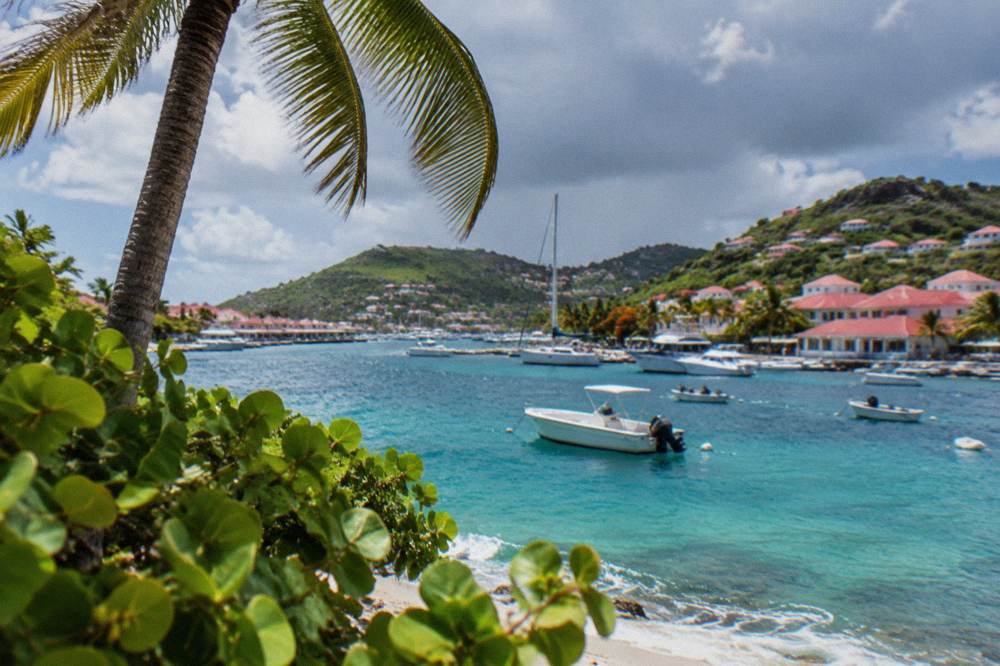
Does Travel Insurance Cover The Flight Or Ferry To St Barts?
Neither the small-plane hop from St Martin nor the ferry from Philipsburg or Marigot is covered by a single standard clause. Both Great Bay Express, from Philipsburg, and Voyager, from Marigot, run weather-dependent services, and both ferry operators require a passport and close check-in before departure. Coverage for a missed or cancelled leg depends on the policy's delay, missed-connection and abandonment clauses, which vary widely between insurers.
The ferry details come from the operators. Great Bay Express departs Bobby's Marina in Philipsburg on the Dutch side, with a crossing of about 45 minutes, and its booking conditions ask passengers to arrive well ahead of departure, with check-in closing before the boat leaves. Voyager departs the Marigot Ferry Terminal on the French side, with a crossing of about 50 to 60 minutes and typically two to three sailings a day each way. Both services run subject to weather, and the channel can be rough: a policy that only pays out on carrier bankruptcy, not weather cancellation, leaves this leg bare. The operators' own pages are the live source for fares, timetables and times of day.
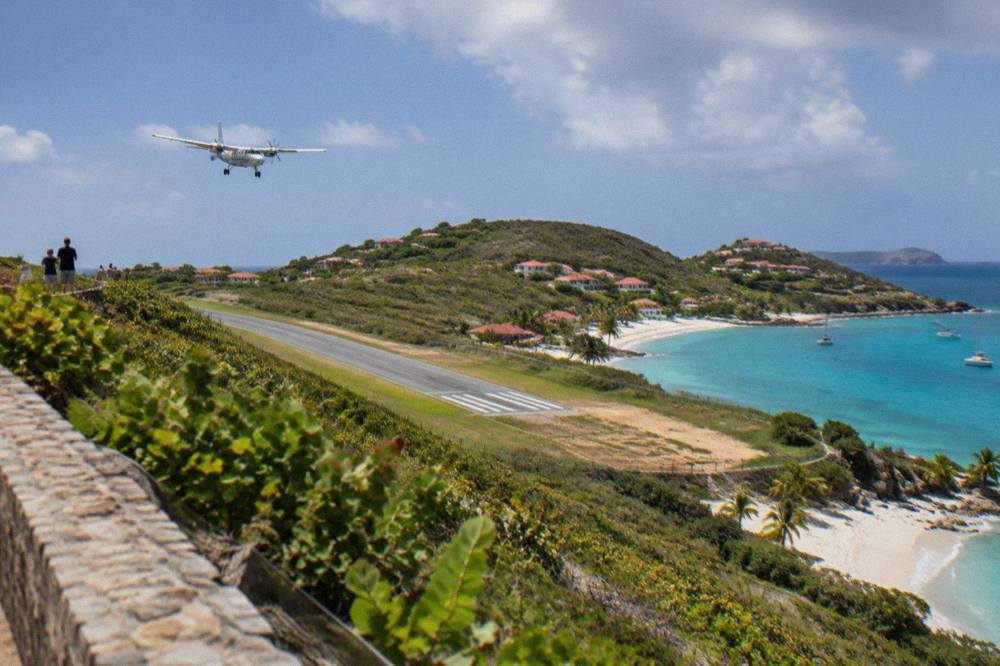
The flight leg has its own structure. Gustaf III Airport's runway is 646 m, only small STOL turboprops operate there, and flights run in daylight and visual conditions only, which means the route stops early each evening and is the first thing to pause in poor visibility or swell. Scheduled carriers include St Barth Commuter from St Martin's SXM and Grand Case, and from Guadeloupe, and Tradewind from San Juan and Antigua, with Winair also serving the route from SXM. A late arrival into St Martin can therefore strand a traveller overnight through no airline fault, which is exactly the scenario a travel-delay benefit with a per-night hotel allowance addresses. The ferry operators and schedule guide and getting to St Barts hold the details.
| Access leg | Operator or carrier | Departure point | Notes for an insurance claim |
|---|---|---|---|
| Ferry | Great Bay Express | Bobby's Marina, Philipsburg, Sint Maarten | About 45 minutes, weather-dependent, passport required, check-in closes before departure |
| Ferry | Voyager | Marigot Ferry Terminal, St Martin | About 50 to 60 minutes, typically two to three sailings daily each way |
| Small plane | St Barth Commuter | SXM, Grand Case and Pointe-a-Pitre | Daylight, visual-conditions operations only at SBH |
| Small plane | Tradewind | San Juan and Antigua | Same SBH operating limits apply |
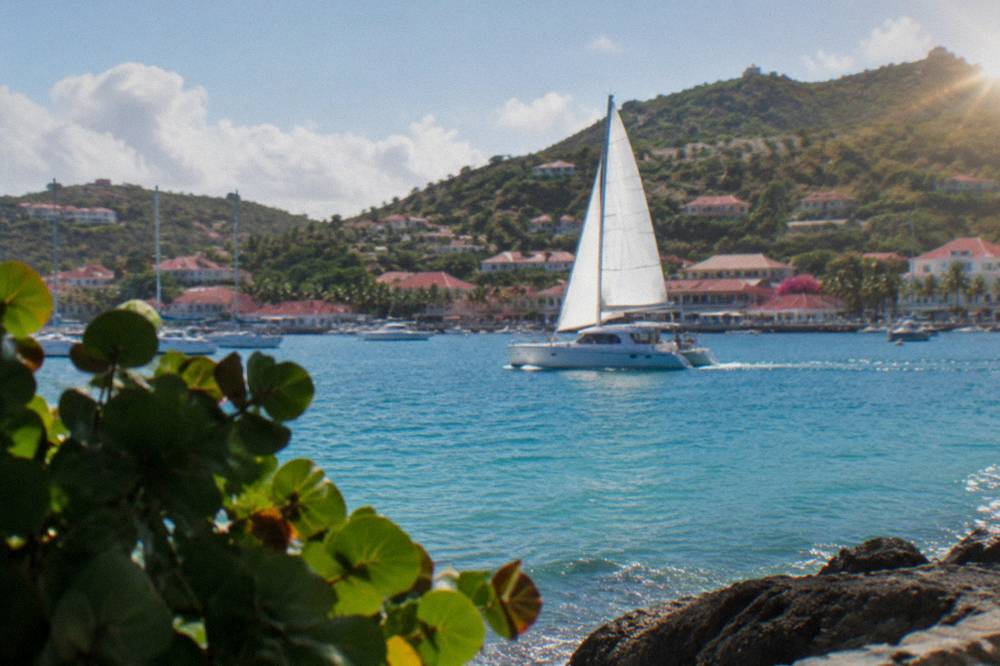
Are Boat Charters And Day Trips Covered By Travel Insurance?
A booked boat trip to St Barts is normally insurable as a prepaid activity, but only if the policy includes excursion cover, and every day trip listed here departs from St Martin or Sint Maarten rather than from St Barts itself. That departure point matters for claims: a cancellation caused by weather on the crossing, or by a change of plan on St Martin, is an activity claim, not an on-island one.
The trip list structure explains the risk. The per-person group sail that visits Gustavia, Colombier Beach and Ile Fourchue runs on fixed dates on its listing, from 12 May to 31 August 2027, which places it squarely in the early hurricane season, and the private charters, including the full-day charter and the overnight catamaran, are per-group bookings with significant prepaid value. A charter cancelled by the operator for weather is usually refundable under the operator's own terms, but a traveller who cannot reach St Martin in time for a prepaid departure is claiming against their own policy, and that is where excursion or missed-event cover does its work. The travel packages guide and the St Barts vacation overview cover how these prepayments stack up.
Two policy details are worth checking before booking any of these trips. The first is whether recreational sailing and snorkelling count as covered activities without a sports rider: most standard policies include them, but some exclude any sailing beyond a defined distance from shore, and the crossing from St Martin is open water. The second is whether the policy recognises a per-group charter, where one booking covers up to eight or ten people, as a single insurable item, which simplifies both the declaration and any claim. The marine reserve rules add a final note: the environment agency's regulatory-zones page lists a 5-knot limit in protected zones, a ban on jet skis and a prohibition on touching turtles, and compliant behaviour is part of the terms under which operators and insurers alike operate. The full index of guides sits on St Barthelemy Travel.
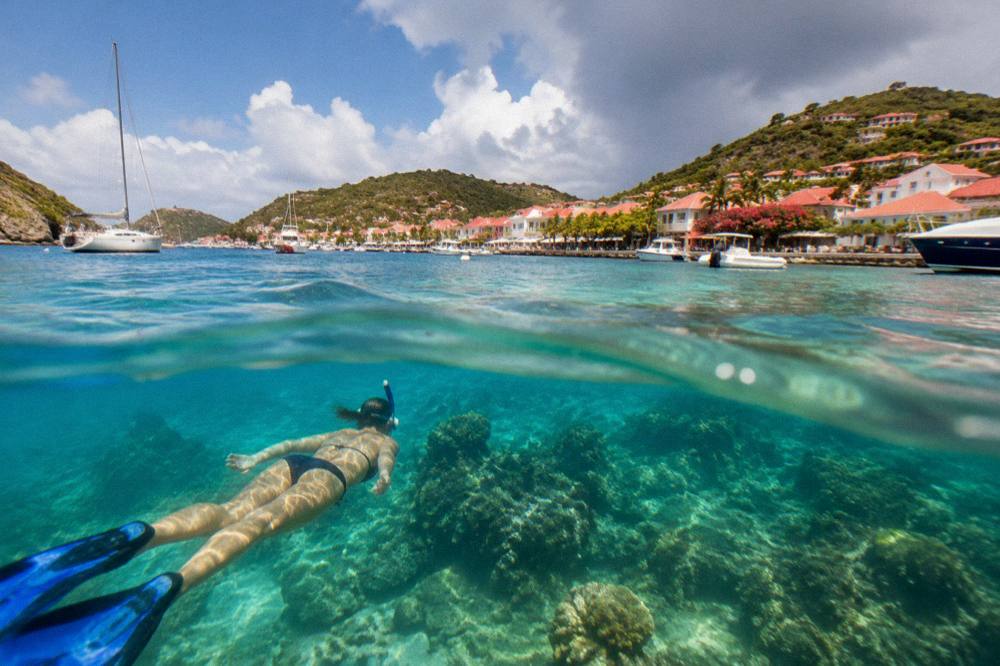
What About Medical Care, Evacuation And Personal Items On St Barts?
Medical cover and emergency evacuation are the parts of a policy that matter most on an island of roughly 10,700 residents, where serious cases are transferred off-island for treatment. The sound approach is therefore a policy with substantial medical and repatriation limits, baggage cover for multi-leg journeys, and documents stored offline, since the island's small size is the whole reason the evacuation line exists.
What the facts do support is structural. St Barts is about 21 square kilometres with Gustavia as its capital, French is the official language with English widely spoken, and the currency is the euro, so a medical interaction on the island is a French-administered, euro-denominated one. European travellers should carry a European Health Insurance Card alongside insurance, since the card may reduce state-sector costs for eligible holders, but it does not pay for transfer to Guadeloupe, St Martin or the US mainland, which is precisely what an emergency medical benefit funds. Travellers from the US, UK and Canada have no such card and depend entirely on private cover for treatment and transfer.
Personal effects deserve a specific note on this route. Reaching St Barts typically means two or three flight legs plus a ferry or a small plane, and each transfer is a chance for delayed luggage. Policies cap per-item value, and a St Barts packing list tends to include exactly the categories with low default caps: sunglasses, cameras, phones and snorkelling gear. Declaring high-value items, or carrying them in hand luggage for the final hop, reduces both the premium risk and the inconvenience. For the security questions that usually sit next to insurance in trip planning, the is St Barts safe page has the answers.
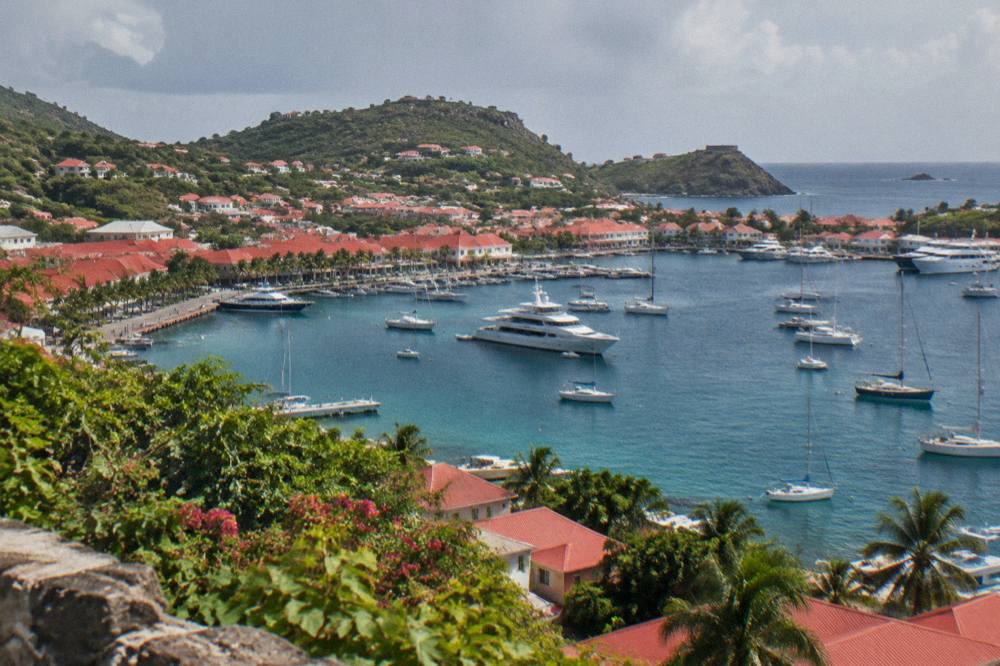
When Is The Best Time To Buy Travel Insurance For St Barts?
The best time to buy is within days of the first prepayment, typically the flights to St Martin, because cancellation benefits only cover events that occur after purchase and named-storm cover stops the moment a system is named. For a high-season trip from December to April, buying early also locks in cover for the villa or hotel deposit, and for an autumn trip it is the only way to hold storm benefits at all.
The sequence of a typical booking makes the point. A traveller books flights first, then accommodation, then activities. Each prepayment creates insurable value, and a policy bought after the first one still covers the rest as they are added, provided the insurer is told about new bookings where the wording requires it. The trap runs the other way: buying last means every risk that materialised between booking and purchase, from an illness to a named storm, sits outside the policy. Cancel-for-any-reason add-ons have their own deadlines, often within a short window of the first trip payment, which is another reason the first prepayment is the trigger.
Timing also interacts with the island's calendar. The confirmed event dates nearest this writing are the Gourmet Festival from 9 to 15 November 2026 and the Music Festival from 8 to 18 January 2027, with the Bucket Regatta in mid-March and Les Voiles de St Barth in April. Trips built around those dates carry concentrated prepaid value in flights and stays, and the New Year's Eve guide covers the year-end period that books furthest ahead. Where a trip spans the autumn reopening window, when many hotels close and reopen between mid-October and early November, the policy's treatment of supplier closure, as distinct from traveller cancellation, is the clause to read.
What Should Travellers Check Before Buying A Policy For St Barts?
Before buying, check four things: that the policy covers St Barthelemy as a French overseas territory rather than an unnamed Caribbean zone, that the delay and interruption clauses fit a two-stage arrival through St Martin, that activities including sailing and snorkelling are included without a rider, and that medical limits reflect transfer off an island with a 646 m runway served only by small turboprops. Then keep proof of every prepayment together in one place.
The destination-listing point is more than pedantry. Some policies price and list destinations by country, and a French overseas collectivity since 2007 can sit oddly in an insurer's dropdown, with St Barthelemy, St Martin and Sint Maarten sometimes treated as separate destinations on one itinerary. Declaring the whole journey, gateway included, avoids a claim being reclassified later. The activity point repeats an earlier one because it is the most common gap: sailing across open water between islands is not the same as a harbour excursion in every policy's definition.
Documentation is the unglamorous half of the answer. A claim on this route usually involves more than one carrier, a ferry operator or charter company, and an accommodation provider, each with its own cancellation terms. Keeping booking confirmations, operator terms and payment proofs in one offline folder turns a multi-party claim into a fileable one. Travellers combining the island with time on the Dutch or French side of St Martin should also read the St Maarten before or after St Barts guide, since the order of the stay changes which legs are prepaid and which are flexible.
| Check before buying | Why it matters for St Barts specifically |
|---|---|
| Destination listing | The island is a French overseas collectivity; confirm it and the St Martin gateway are both on the policy |
| Delay and interruption clauses | The final leg is a ferry or daylight-only small-plane hop that pauses in bad weather |
| Activity cover | Charters and sails from St Martin are open-water crossings, not harbour excursions |
| Medical and evacuation limits | Serious cases are handled off-island; the runway at SBH takes small turboprops only |
| Baggage per-item caps | Multi-leg journeys raise delay odds, and island packing lists skew to capped categories |
| Supplier-closure treatment | Many hotels close each autumn and reopen between mid-October and early November |
A final word on scope. This page describes what a policy should cover and which island facts make each line relevant; it does not recommend an insurer, quote a premium or rate a provider, because none of those figures exists for this destination. The decision framework above, read alongside the airline, ferry and event facts in the linked guides, is what turns a generic travel-insurance purchase into one fitted to this island's particular route and season.
Common Questions About St Barts Travel Insurance
Is travel insurance mandatory for St Barts?
No. Entry is handled under French overseas rules, not Schengen systems, and no insurance condition applies to short stays for visa-exempt nationalities including US, UK, Canadian and EU citizens. Insurance is a financial decision on this route, not an entry requirement.
Does travel insurance cover hurricane cancellations for St Barts?
Many policies include named-storm cancellation benefits, but only for storms named after the policy was purchased. Since the season runs 1 June to 30 November with a statistical peak near 10 September, buying insurance at the time of the first prepayment is what keeps storm cover alive for an autumn trip.
Will insurance pay if the ferry from St Martin to St Barts is cancelled?
It depends on the policy's delay and interruption clauses. Great Bay Express from Philipsburg and Voyager from Marigot both run weather-dependent services, so a policy that pays on weather-related carrier cancellation, and covers extra nights while waiting, is the one that fits this route.
Do I need medical evacuation cover for St Barts?
Substantial medical and evacuation cover is the sensible baseline on an island of roughly 10,700 residents, because serious cases are transferred off-island. A European Health Insurance Card may help eligible holders with state-sector costs but does not pay for transfer or repatriation.
Are boat charters and day trips covered?
Usually, if the policy includes excursion cover and treats sailing and snorkelling as included activities. Every bookable day trip listed here departs from St Martin or Sint Maarten, so the claim scenario is a prepaid departure missed because the traveller could not reach the gateway in time.
When should I buy travel insurance for a St Barts trip?
Within days of the first prepayment, normally the flights to St Martin. Cancellation benefits only cover events after purchase, named-storm cover ends the moment a system is named, and cancel-for-any-reason add-ons usually have a short deadline tied to the first trip payment.