Real Estate In St Barts
St Barthelemy, a French overseas collectivity in the Caribbean since 2007, has one of the most talked-about property markets in the region. This guide sets out how buying, owning and renting work on an island of about 21 square kilometres.
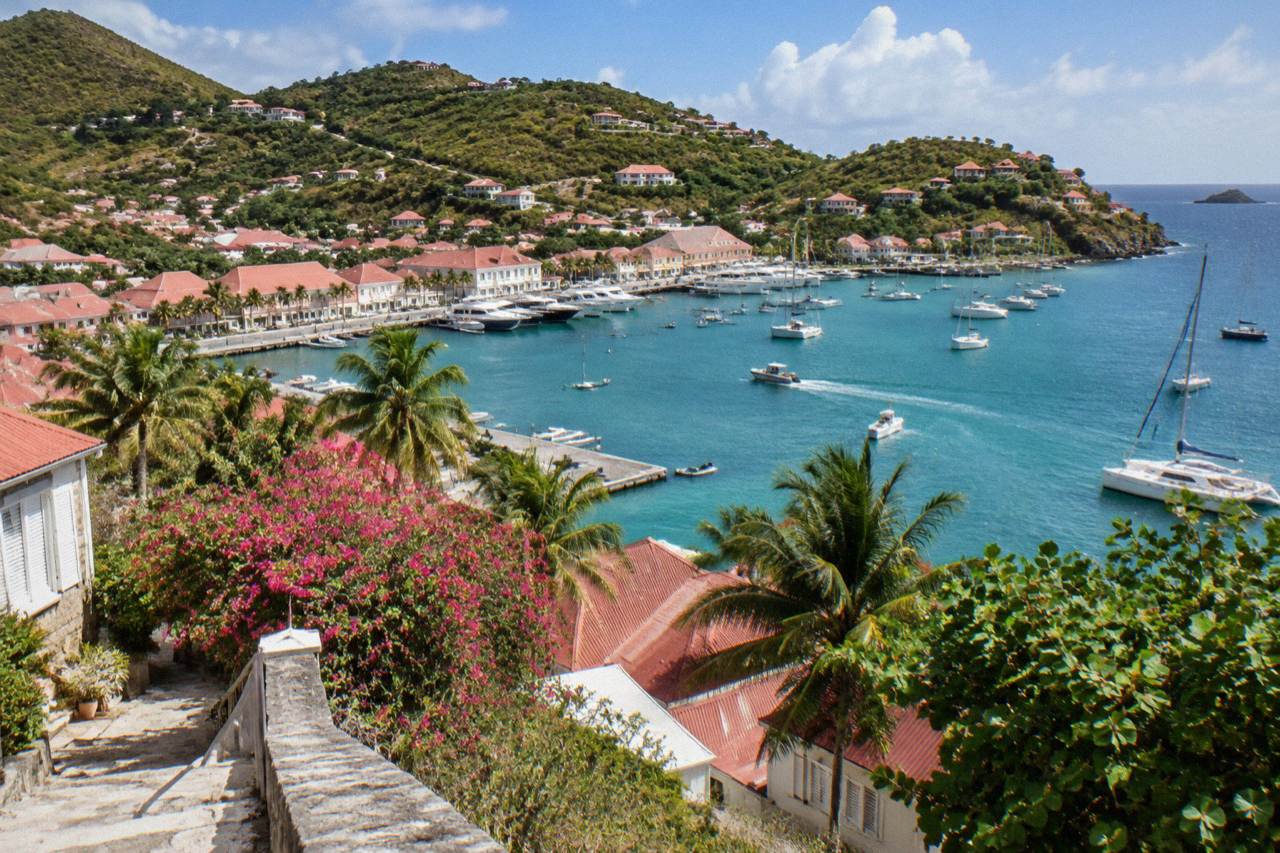
Yes, foreigners can buy property in St Barts under French law, most buyers work through the island's long-established villa and property agencies, and ownership carries French notaire process, local taxes and hurricane-region insurance considerations.
St Barthelemy, usually written St Barts, is a French overseas collectivity in the Caribbean with about 21 square kilometres of land, roughly 10,700 residents and a harbour capital at Gustavia. Its property market draws attention out of all proportion to its size: a large villa market spread across steep hillsides above public beaches, a small stock of hotels, and a legal system that is entirely French. This page from St Barthelemy Travel explains how that market works, from the buying process to the hurricane considerations that shape how and where houses are built.
What Is The St Barts Property Market Really Like?
The St Barts property market is small, French-administered and villa-led: an island of about 21 square kilometres with roughly 10,700 residents, an overseas collectivity of France since 2007, where the short-term rental stock is dominated by private villas rather than large resort developments, and where major specialist managers book their portfolios directly rather than through listing platforms.
The scale matters more than anything else. The island is about 21 square kilometres of hills, and the territory's population sits at about 10,700 people according to the French statistics agency, which means the built stock is limited by geography before anything else. The collectivity has been a separate French overseas collectivity under Article 74 of the French Constitution since 2007, before which it was attached to Guadeloupe, and every property transaction runs through the French legal and notarial system.
The character of the market follows from that. There are no towers and no mass resort zones. The tourism committee describes an island of beaches and small settlements, and the accommodation sector reflects it: a set of named hotels, most of them small and upscale, plus a large villa market that stays open year-round even when the hotels close each autumn. The hotel sector follows a strong seasonal rhythm, with many properties closing in the late-summer low period and reopening in waves between mid-October and early November; villas, by contrast, generally remain available through the year, which the local reopening calendars note explicitly.
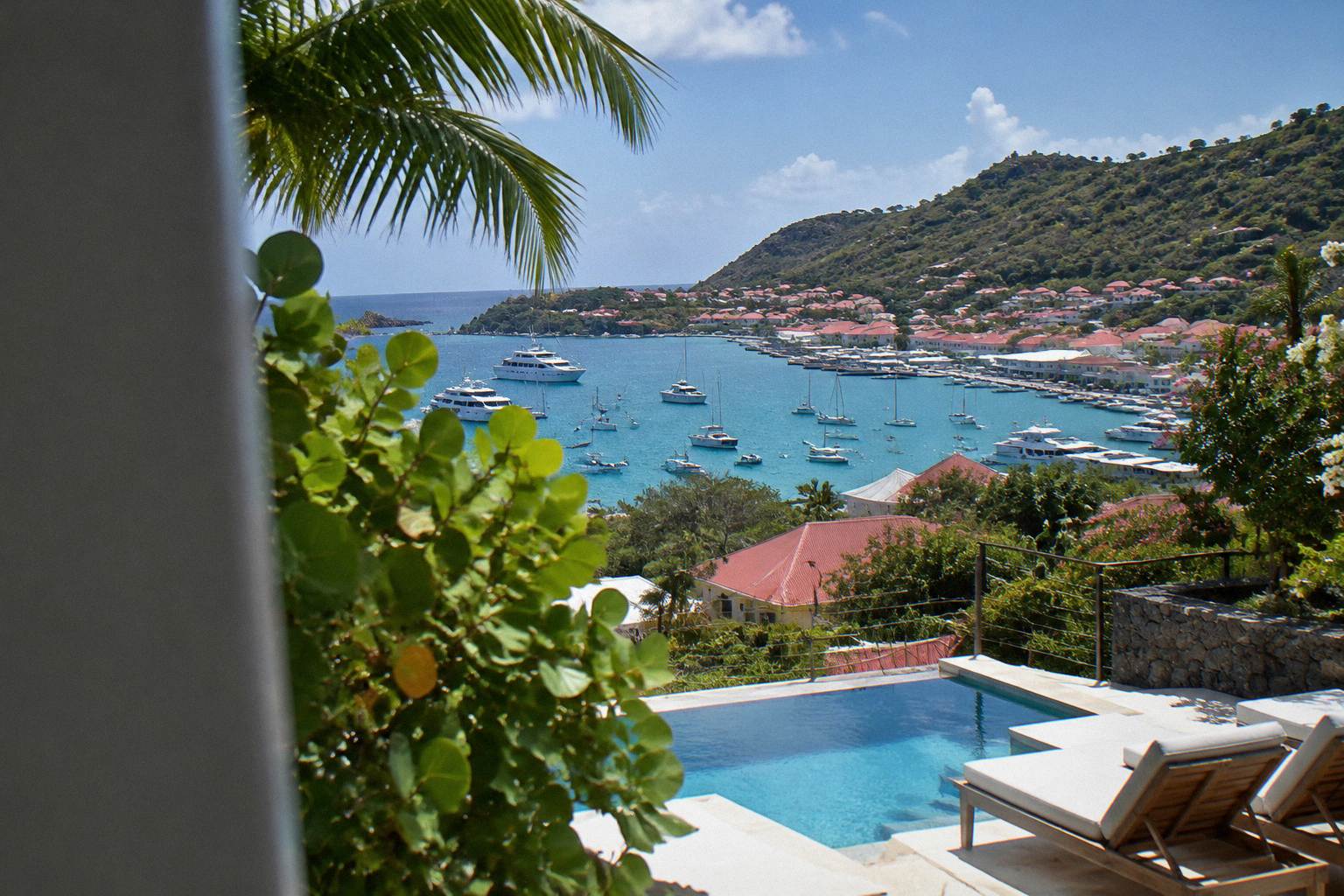
A reader deciding whether to explore things to do in St Barts before looking at property will notice the same pattern from the water: the hills above Gustavia, Colombier, Flamands and Grand Cul-de-Sac are lined with individually built houses rather than blocks.
Can Foreigners Buy Real Estate In St Barts?
Yes. St Barts applies French property law, and France places no nationality restriction on the freehold purchase of real estate by foreign buyers; the process runs through a French notaire, the buyer's identity and funds are checked under French anti-money-laundering rules, and the same notarial deed system protects resident and non-resident owners alike.
The collectivity is outside the Schengen area, which affects how people enter and how long they stay, but it does not affect who may own land. Entry is governed by French overseas rules rather than Schengen systems, and the tourism committee's customs guidance points travellers to French law for formalities. Ownership is a separate question from residency: buying a villa does not itself create a right to reside, and anyone considering a move should take advice on French residence rules from a consulate or qualified adviser.
Two practical points follow. First, the notaire is a central figure: in France the notaire is a public officer who drafts the deed, checks title and collects the transaction taxes, and a St Barts purchase uses the same machinery. Second, inheritance is worth flagging early, because French succession rules can apply to real estate located in France and its collectivities, and buyers commonly structure ownership after taking legal advice. Neither point is exotic; both are ordinary consequences of buying inside the French system.
Buyers usually arrive for viewings the way every visitor arrives, through St Martin. The island's airport, Gustaf III, has a 646-metre runway served only by small turboprop aircraft in daylight conditions, so there are no jets and no direct long-haul flights; the practical route is a flight to St Martin, St Maarten, San Juan, Guadeloupe or Antigua, then a small plane or the ferry. The guide to getting to St Barts covers the gateway options in detail.
Where Do Buyers Look In St Barts?
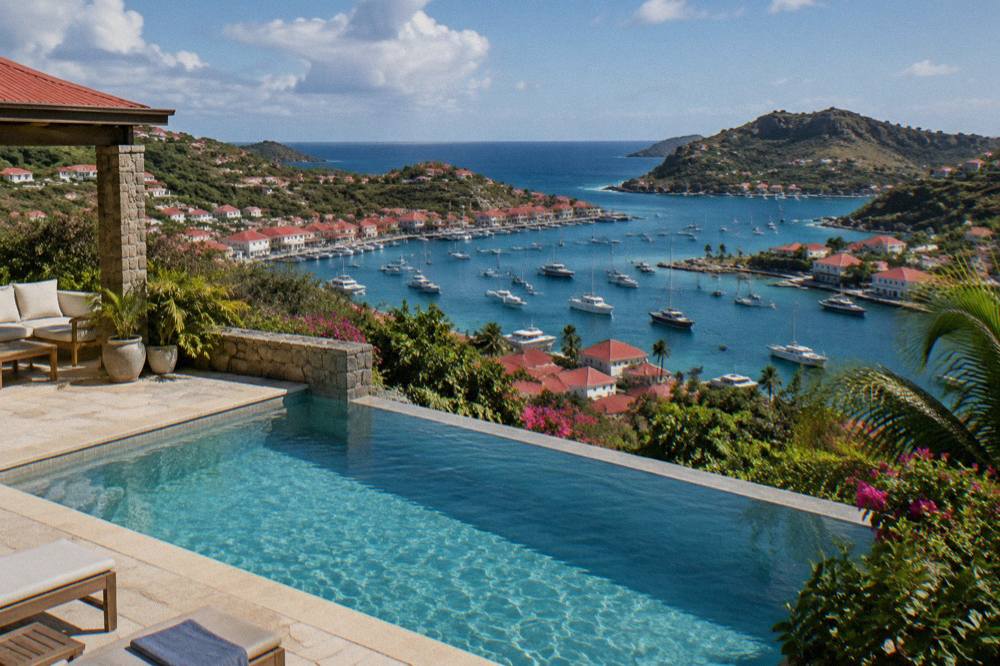
St Barts buyers concentrate on a handful of hillsides and shorelines: Gustavia itself for town properties and harbour views, Saint-Jean and Flamands for beach proximity, Grand Cul-de-Sac and Toiny on the sheltered east and southeast coasts, Colombier and the far west for seclusion, and Vitet and Devet inland for elevated panoramas, with every beach below remaining public under local law.
The geography drives the choice more than marketing does. The island is small, steep and ringed with public beaches, and the tourism committee lists the named strands, from Saint-Jean, Gouverneur and Saline to Shell Beach, Flamands, Colombier, Grand Cul-de-Sac, Lorient, Toiny, Marigot and Corossol, all public and free to access. A villa's value sits in its view, its access road and its exposure, and the named areas each have a distinct character along those lines.
| Area | Position on the island | Character reported by area guides |
|---|---|---|
| Gustavia | Harbour capital, southwest | Town setting, shops and port, red-roofed colonial-era street plan |
| Saint-Jean | North coast by the airport | Beachfront and hillside homes around the island's busiest bay |
| Flamands | Northwest coast | Long public beach with hotel and villa frontage above it |
| Colombier | Far western point | Secluded, reached by boat or on foot, inside the nature reserve's orbit |
| Grand Cul-de-Sac | Northeast lagoon coast | Sheltered shallow bay, hotels and villas on flat ground |
| Toiny | Southeast coast | Wilder shoreline, elevated plots, quieter than the north |
| Vitet and Devet | Central and southern hills | Inland panoramas across the island's ridgelines |
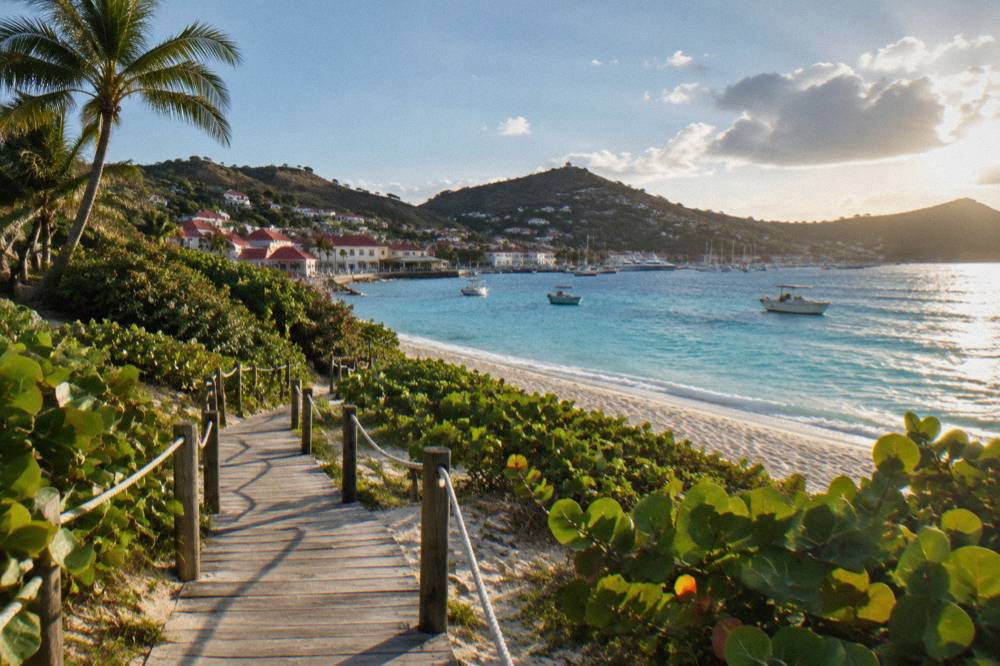
One point that surprises buyers from elsewhere in the Caribbean: no beach in St Barts is private. Even the strand in front of a hotel or villa remains public land, and the marine nature reserve adds its own layer, with the environment agency's regulatory-zones page listing a 5-knot speed limit in protected zones, a ban on jet skis, 23 dive sites and a prohibition on dogs on beaches and on touching turtles. Property lines stop short of the sand, and the reserve rules govern what happens in the water offshore.
Viewing properties on an island this steep rewards a slow circuit, and many buyers combine viewings with a day on the water to understand how the coastline reads from offshore, where the anchorages and mooring zones sit, and which hillsides hold the afternoon light. The day trips that visit St Barts from St Martin all depart from the Dutch or French side, never from St Barts itself, so a house-hunting week often works best split between the two islands. The St Barts ferry operators and schedule guide covers the two current operators, Great Bay Express from Philipsburg and Voyager from Marigot.
How Does A Purchase Work Under French Law?
A St Barts purchase follows the French two-stage process: an initial preliminary contract signed before a notaire, typically with a deposit, followed by the final authenticated deed read and signed by the same notaire, with title transferring on completion and the notaire handling registration, transaction taxes and the checks on title and parties that French law requires.
The mechanics are the same as in mainland France, adapted to a collectivity of about 10,700 residents where the notarial and land-registration infrastructure is correspondingly compact. Buyers should expect the process to be document-heavy and slower than a United States closing; the compensating benefit is that the notaire, as a public officer, carries professional responsibility for the correctness of the deed. Non-French-speaking buyers routinely appoint translators or bilingual advisers for the signing.
Financing is worth planning early. French mortgage lending is available to non-residents in principle, but the underwriting for an overseas collectivity property is conservative, and many transactions in St Barts are cash purchases. Currency is the euro, the island's official currency, and buyers holding dollars or sterling should budget for exchange movement between the preliminary contract and the final deed, which can sit weeks or months apart. Transfer-tax rates and notaire fees depend on the property and the parties; a notaire will quote them precisely against a specific deed.
A note on timing: the island's professional world slows during the autumn low period, when many hotels and restaurants close and reopen in waves between mid-October and early November. Agency and notarial offices operate year-round, but a purchase timetable built around the late-summer weeks will move at the island's pace, not a metropolitan one. The flying to St Barts from the US guide explains the gateway routing buyers from North America use for signing trips.
What Does Owning In St Barts Cost Each Year?
Ongoing ownership costs in St Barts fall into four groups: French local property taxes assessed on the collectivity's own valuation rules, insurance in a hurricane-exposed territory, utilities and maintenance on a corrosive seaside building, and, if the property is let, the collectivity's tourist tax, set at 5 percent of the net nightly price and collected by the accommodation provider from each paying guest.
The tourist tax is the one carrying a published rate in the collectivity's own code of contributions: 5 percent of the net price excluding breakfast, per night, collected year-round, with exemptions for seasonal workers on contracts and long-term rentals beyond six months, and remitted through the collectivity's official platform. For a villa owner in the rental market, it is a compliance item to build into the listing from day one, not a surprise at year end.
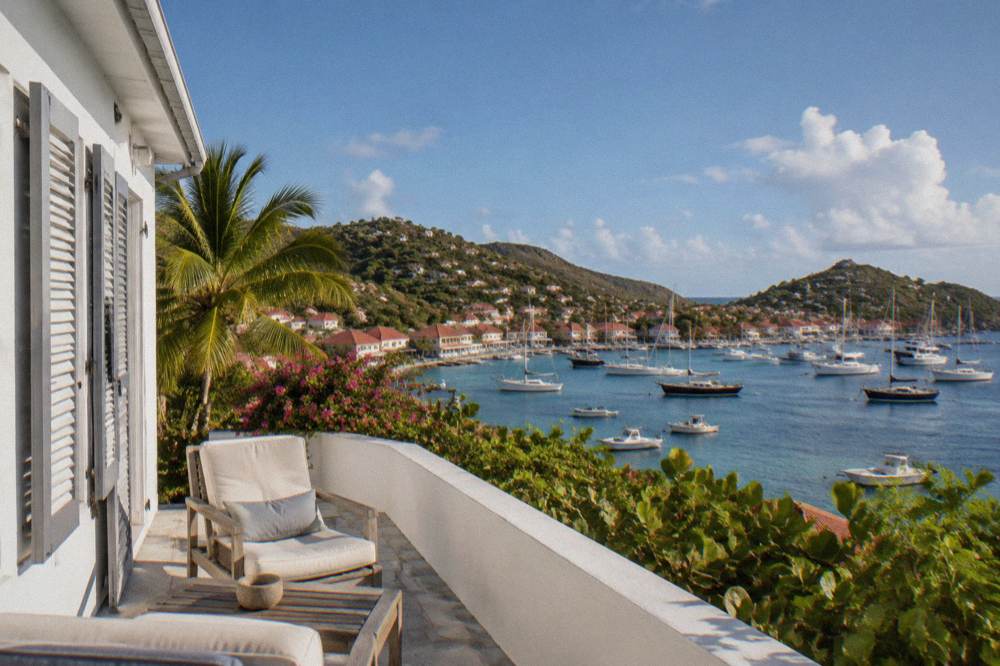
Maintenance deserves more respect than first-time island owners sometimes give it. The climate is tropical year round, with Meteo-France normals for 1991 to 2020 showing a mean daily high from 28.5 C in January to 31.7 C in September and 891.3 mm of rain a year, October the wettest month at 135.6 mm. Salt air, humidity and seasonal downpours attack paint, metalwork, electronics and pool plant, and the hillside roads that serve many villas add their own wear to vehicles and deliveries. Owners generally budget a maintenance reserve rather than a fixed schedule.
| Cost category | Basis in St Barts | What To Know |
|---|---|---|
| Tourist tax | 5 percent of net nightly price | Collectivity code, collected by the accommodation, exemptions for stays over six months |
| Property taxation | French local assessment rules | Assessed locally by the collectivity; rates quoted by the notaire or tax office per property |
| Insurance | Hurricane-exposed territory | Standard for the region after Irma in September 2017; windstorm cover is the material line |
| Maintenance | Tropical seaside climate | 891.3 mm of rain a year, salt air and steep access roads; a reserve is the norm |
| Management | Villa agency or caretaker | Charged by managers such as WIMCO, Sibarth and St Barth Properties; terms are per contract |
No nightly rate, villa price or management fee appears on this page, and none should be assumed from other Caribbean markets. Rates vary by season, size and view, and the property's own agency quotes them against real dates.
How Do Hurricanes Shape Building And Insurance In St Barts?
Hurricane season in the Atlantic runs from 1 June to 30 November each year, with the peak of activity from mid-August to mid-October and the climatological peak near 10 September, and Hurricane Irma's impact on St Barts in September 2017 remains the reference event that shapes building codes, insurance terms and buyer questions about exposure on the island's coasts.
Irma's destruction in September 2017 led to a broad reconstruction across the island's hotels and homes, and the years since have delivered a rebuilt stock with newer engineering. Several of the best-known properties, from Eden Rock to Le Guanahani, were fully rebuilt after that storm. Insurers price the risk by construction year, roof type and exposure, and a buyer's surveyor will look at exactly those features. The NOAA National Hurricane Center publishes the Atlantic outlooks that residents and owners follow through each season.
The season's shape is well established climatologically even though no one can predict a storm for a date. The table below sets out how the calendar and the climate interact, using the site's Meteo-France normals for 1991 to 2020 alongside the conventional season boundaries.
| Period | Season status | Climate normals backdrop (1991 to 2020) |
|---|---|---|
| December to April | Outside hurricane season | Mean daily highs 28.5 to 29.8 C; monthly rain 38.4 to 79.2 mm |
| May | Season begins 1 June; May is outside it | High 30.7 C; rain 61.7 mm |
| June to August | Early season, activity rising | Highs 31.2 to 31.6 C; rain 56.0 to 80.4 mm monthly |
| September to mid-October | Statistical peak, near 10 September | High 31.7 C in September; rain 96.9 mm then 135.6 mm in October |
| November | Season ends 30 November | High 29.9 C; rain 118.6 mm |
Buyers sometimes ask whether one coast is safer than another. The honest answer is that any such claim should come from a surveyor who has inspected the specific house, not from a marketing description. What is clear is the pattern of the seasons and one benchmark storm, and the island's rebuilt hotels and villas stand as the practical response.
St Barts Real Estate And The Rental Market
Most St Barts villas that are let to visitors are managed by specialist agencies rather than listed directly by owners, with WIMCO St Barth Properties, Sibarth and St Barth Properties named as the long-established managers on the island, all of which emphasize direct booking with on-island concierge service rather than distribution through the large listing platforms.
That structure matters to an owner. A specialist manager typically handles marketing, guest screening, housekeeping, maintenance coordination and tourist-tax compliance, in exchange for a management share agreed in the contract. The villa market is large, and the major platforms do carry individual St Barts listings, but the established managers sell their own portfolios through their own specialists, so an owner chooses between agency representation and self-management with full local logistics.
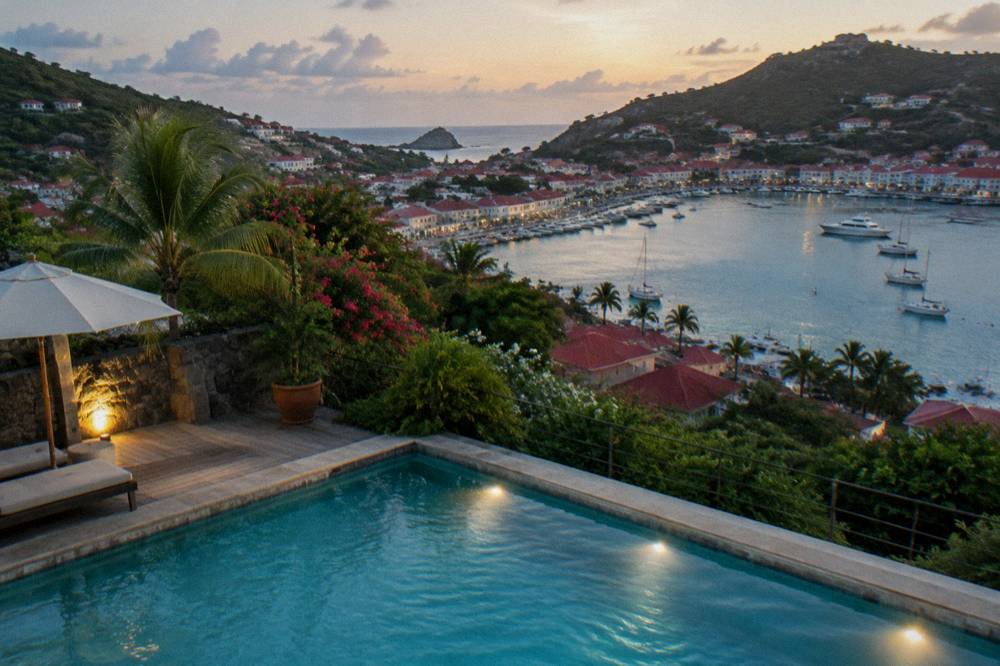
The rental calendar follows the tourism calendar. The high season runs through the northern winter and the New Year period, when Gustavia fills and the New Year's Eve fireworks over the harbour draw an international crowd; the guide to New Year's Eve in St Barts covers that peak. The autumn is the low period, when many hotels and restaurants close and reopen between mid-October and early November, and villas carry the market on their own. Event weeks add demand spikes through the season: the tourism calendar lists the Music Festival from 8 to 18 January 2027, the Bucket Regatta in mid-March, and the Gourmet Festival from 9 to 15 November 2026.
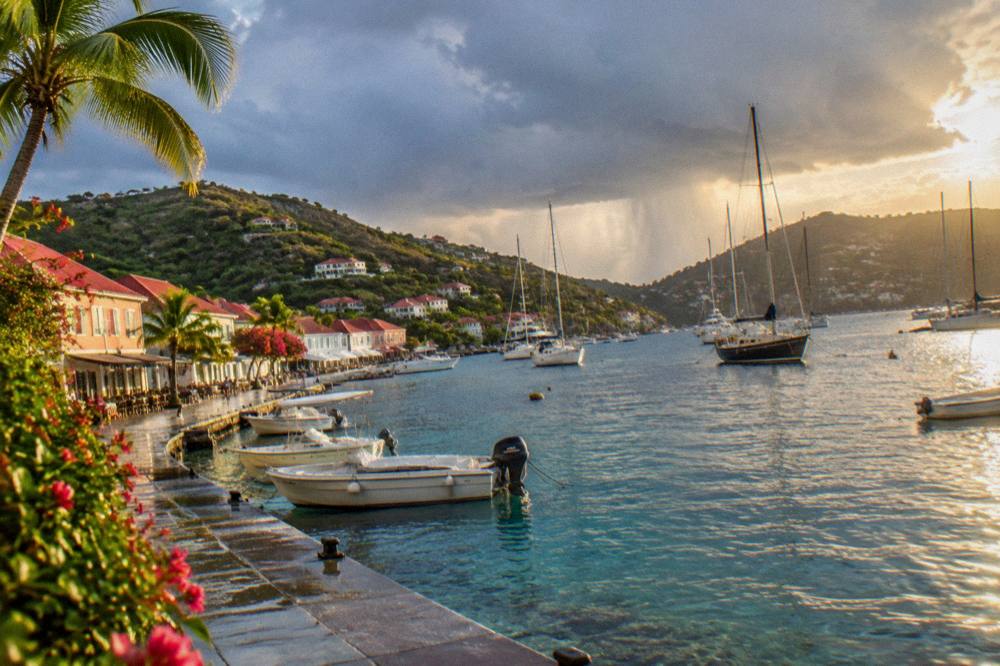
A rental owner's guests will arrive the way every visitor arrives, through St Martin or St Maarten, by small plane or ferry, since every bookable excursion and transfer serving St Barts departs from the Dutch or French side. Owners who want to offer arriving guests a memorable first day often point them at a charter or a day sail; the listings below are the current options that visit the island's coastline and its mooring bays. For owners weighing a wedding-market listing as well, the St Barts weddings guide covers that segment.
Getting There Before You Buy In St Barts
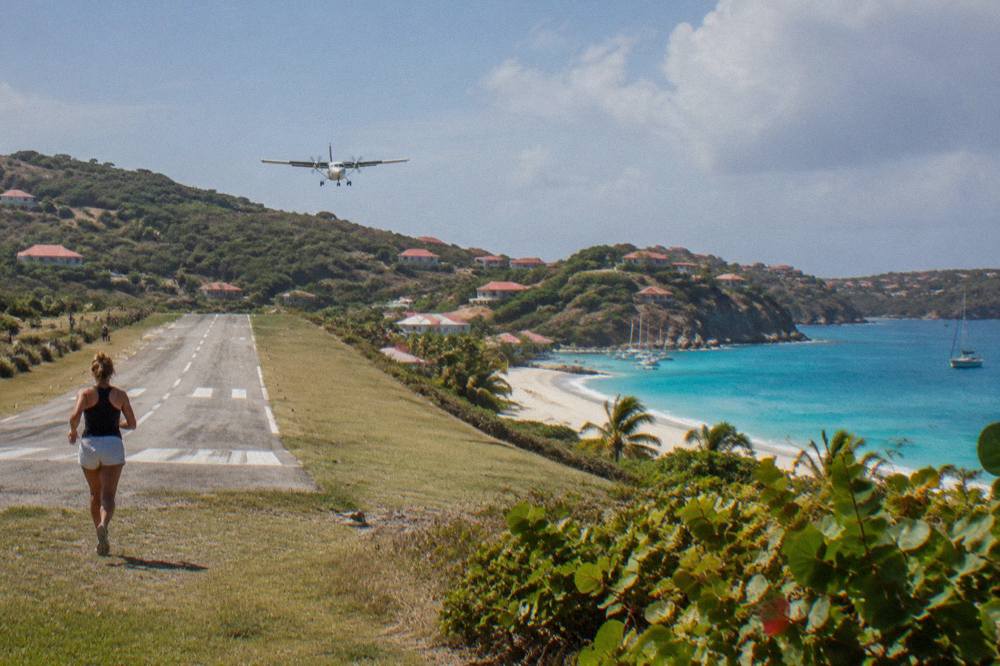
There is no jet service and no long-haul arrival on St Barts itself: Gustaf III Airport's runway is 646 metres, served only by small STOL turboprops in daylight and visual conditions, so buyers fly into St Martin's Princess Juliana airport, or Grand Case on the French side, San Juan, Guadeloupe or Antigua, and complete the journey on a small aircraft or one of the two ferry operators from Philipsburg or Marigot.
The gateway structure defines house-hunting logistics. St Barth Commuter flies to the island from SXM, Grand Case and Pointe-a-Pitre; Tradewind serves it from San Juan and Antigua; Winair also operates Twin Otters on the St Maarten corridor. On the water, Great Bay Express runs from Bobby's Marina in Philipsburg with a crossing of about 45 minutes, and Voyager runs from the Marigot ferry terminal with a crossing of about 50 to 60 minutes. Both operators' pages require a passport and check-in well before departure, and neither crossing is promised smooth, since the passage depends on sea conditions.
| Route or operator | From | Notes from the operators' pages |
|---|---|---|
| St Barth Commuter | SXM, Grand Case, Pointe-a-Pitre | Small turboprops into Gustaf III |
| Tradewind | San Juan, Antigua | Scheduled small-aircraft service |
| Winair | SXM corridor | Twin Otter operations to the island |
| Great Bay Express ferry | Bobby's Marina, Philipsburg | About 45 minutes to Gustavia |
| Voyager ferry | Marigot Ferry Terminal | About 50 to 60 minutes to Gustavia |
Buyers usually rent a car for a viewing week. The island drives on the right, the roads are narrow, winding and steep, and the speed limit is 50 km/h island-wide with 30 km/h in Gustavia and St Jean; Avis, Budget and Hertz hold counters at the airport alongside local agencies and Mini Moke specialists. The St Barts car rental guide covers the practicalities, and the airport guide explains what the famous approach involves.
A relaxed way to end a viewing trip is the group sail that circles the island from St Martin, calling at Colombier and Ile Fourchue; the operator's live listing shows See the live listing for specific dates, and the crossing doubles as a survey of the mooring bays a waterfront property looks out on.
Who Manages And Who Stays: The Hotel Neighbours
A St Barts villa owner's closest commercial neighbours are the island's named hotels, properties such as Eden Rock, Cheval Blanc, Le Toiny, Le Sereno, the Christopher, Le Barthelemy and the Guanahani at Grand Cul-de-Sac, which close each autumn and reopen in waves between mid-October and early November, while the villa market carries the autumn visitor economy without closing.
The hotel names matter to buyers for one practical reason: they anchor the island's seasonal employment, its restaurant scene and its flight capacity. When the hotels close in the late-summer low period, staffing across agencies, maintenance trades and caretaking shifts too, and a September renovation or inspection can be harder to schedule than the same job in November. The St Barts hotels guide and the luxury hotels guide list the properties and their areas.
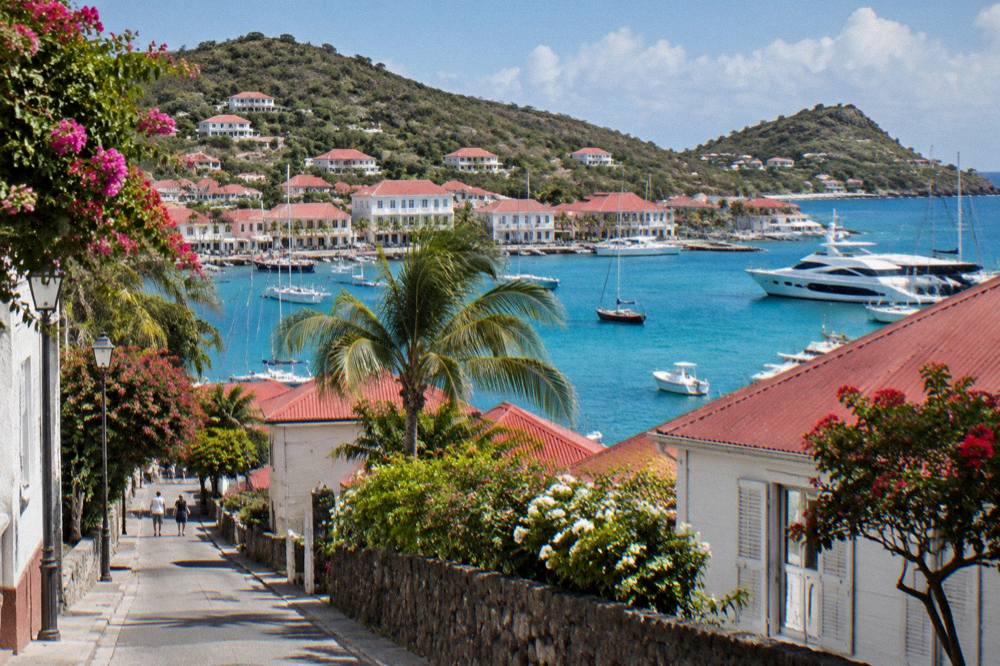
The one property-market story that local reporting has followed closely is the Guanahani at Grand Cul-de-Sac, which the press has reported as rebranding under the Airelles collection after its Rosewood management ended, a reminder that even the island's institutional names change hands. Nearby curiosities of land ownership also draw attention, including the well-documented question of the Rockefeller estate on St Barts. None of this moves the fundamentals: a small French island, a public-beach coastline, a collectivity tax regime and a hurricane calendar that every owner builds around.
Common Questions About St Barts Real Estate
Can foreigners buy real estate in St Barts?
Yes. French law places no nationality restriction on freehold ownership in the collectivity, and the purchase runs through a French notaire like any French property transaction.
Is St Barts property expensive?
No price, rate or comparison appears here, and this site prints none. Rates vary by season, size and view; the property's own agency or notaire quotes real figures against real dates.
Can a US citizen buy a villa in St Barts?
Yes, ownership is open, though entry and stay are governed by French overseas rules, and buying does not itself create a residence right. A French consulate or qualified adviser can confirm current formalities.
Who manages rental villas on St Barts?
The long-established managers are WIMCO St Barth Properties, Sibarth and St Barth Properties, all of which book their portfolios directly with on-island concierge service.
Does hurricane season affect owning property in St Barts?
It shapes insurance and maintenance. The season runs 1 June to 30 November, peaking mid-August to mid-October, and Hurricane Irma in September 2017 remains the reference event for building standards on the island.
Is there a tourist tax on rental villas in St Barts?
Yes. The collectivity's tourist tax is 5 percent of the net nightly price excluding breakfast, collected by the accommodation from paying guests year-round, with exemptions including rentals beyond six months.
Owning on St Barts is, in the end, a French administrative exercise conducted on a small tropical island with a hurricane calendar, a public-beach shoreline and a villa market that keeps working when the hotels sleep. Buyers who respect all three of those facts, and who take notaire, tax and insurance advice against a specific property, will find the process slower than a metropolitan closing but no more mysterious.