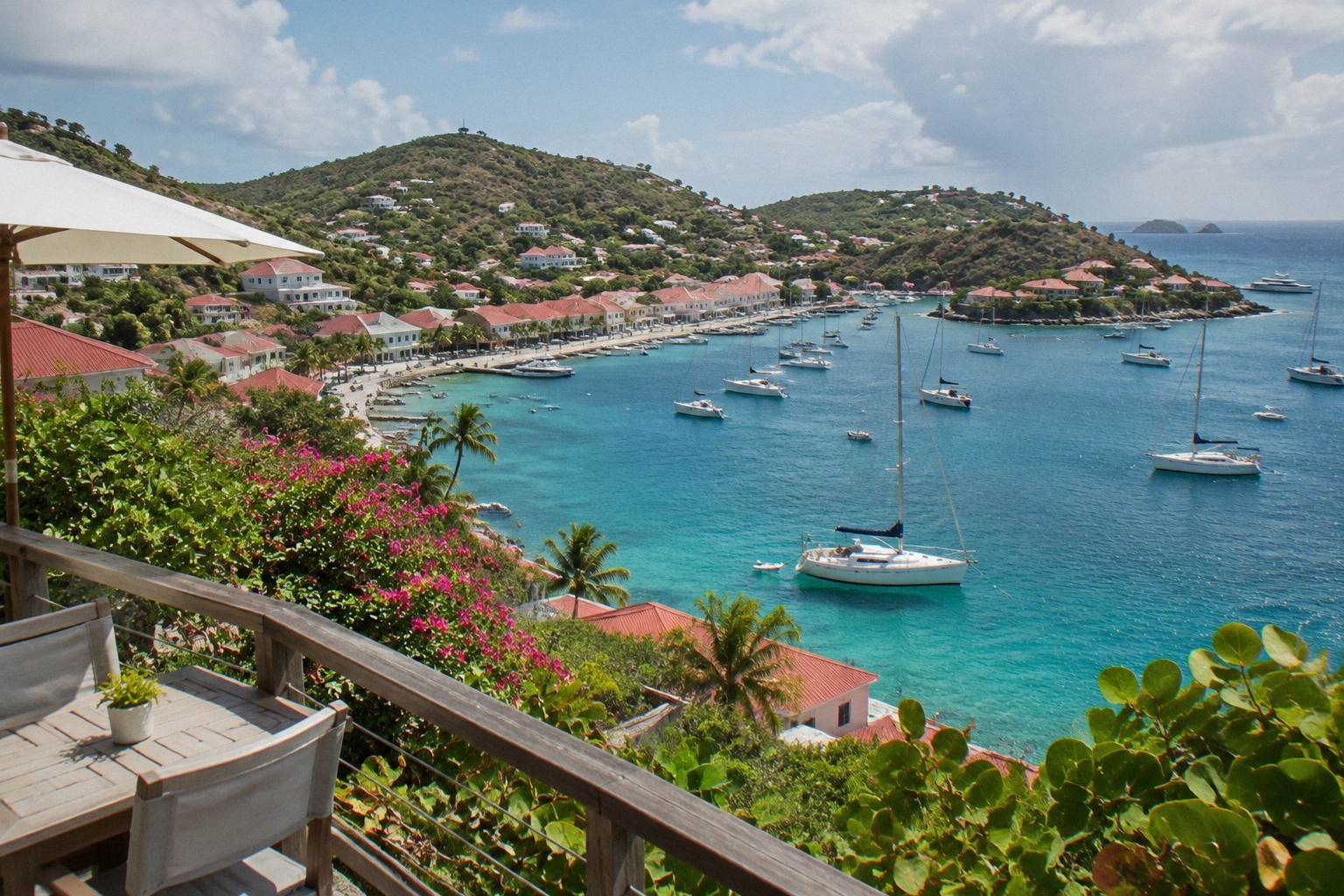
St Barts In September
September sits in the quietest stretch of the St Barts year: the Meteo-France normals show the year's highest mean daily high, autumn closures are at their deepest, and the hurricane season is at its climatological peak, all of which shapes what a visit this month actually looks like.
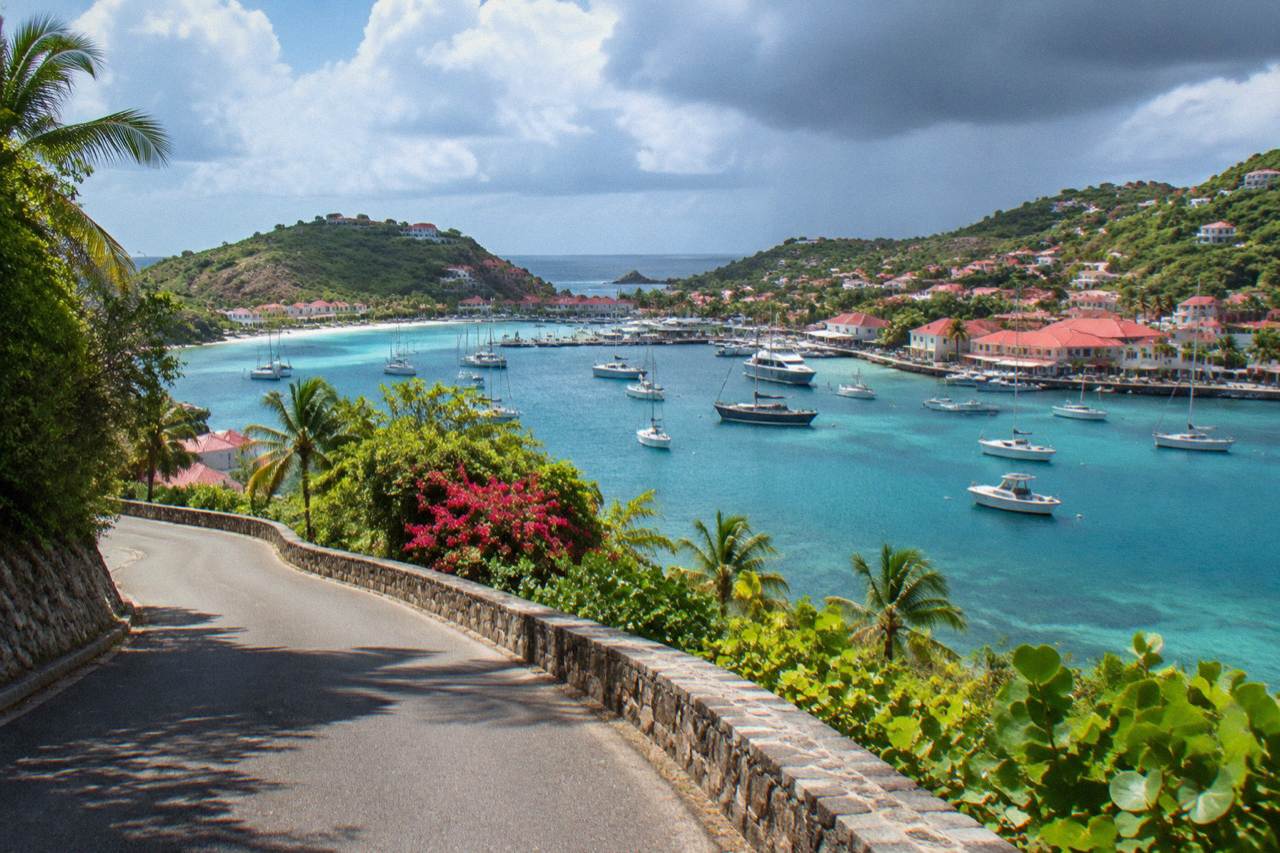
September is part of St Barts' low season. The Meteo-France normals for 1991 to 2020 show a mean daily high of 31.7 C, the year's highest, with 96.9 mm of rain, and the month falls inside the Atlantic hurricane season, which runs 1 June to 30 November with its peak from mid-August to mid-October. Many hotels and restaurants are closed for their autumn break and reopen between mid-October and early November, while the public beaches stay open year-round.
St Barthelemy, written St Barts, is a small French island in the Caribbean, and September is the quietest month in its calendar. The Meteo-France normals, 1991-2020, put the mean daily high at 31.7 C, the highest of any month in the table, alongside 96.9 mm of rain. The date also sits inside the Atlantic hurricane season, which runs 1 June to 30 November with its climatological peak near 10 September. Meanwhile many hotels and restaurants are in their annual autumn closure, a pattern that holds from late August until reopenings between mid-October and early November. This guide sets out what all of that means for a September visit: the numbers, the closure pattern, what remains open, and how the island's access routes behave at this time of year. St Barthelemy Travel covers the rest of the year month by month, from December high season to the shoulder weeks of spring.
What Is The Weather Like In St Barts In September?
September in St Barts is the warmest month in the Meteo-France normals, 1991-2020, with a mean daily high of 31.7 C, a mean daily low of 26.2 C and 96.9 mm of rain across the month, and the sea is warm, about 29 C from August to October according to a secondary source. The figures are climate averages, not a forecast for rain or a storm in any specific September week.
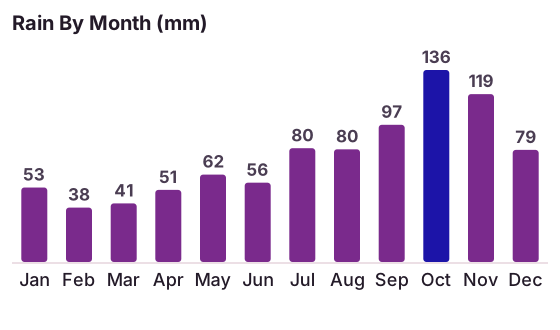
Those normals come from the long-running St Barthelemy station operated by Meteo-France, which has recorded conditions at Gustavia since 1959. The September numbers sit at the top of the annual temperature curve: January's mean daily high is 28.5 C, and the climb through spring and summer peaks with September's 31.7 C before easing back to 31.4 C in October. Rainfall tells a related story. September's 96.9 mm is the third-wettest month in the table, behind October's 135.6 mm and November's 118.6 mm, and the island collects 891.3 mm over a full year.
What this means in practice is warmth around the clock. Nights rarely feel cool by temperate standards, since the mean daily low stays near 26 C. The sea is at its warmest of the year, about 29 C from August to October, a rounded secondary figure, so swimming is comfortable whenever conditions allow. Rain in the tropics at this time of year tends to arrive in heavy showers rather than all-day drizzle, though the normals themselves only give monthly totals.
| Month | Mean Daily High | Mean Daily Low | Rain |
|---|---|---|---|
| July | 31.2 C | 26.0 C | 80.4 mm |
| August | 31.6 C | 26.3 C | 79.6 mm |
| September | 31.7 C | 26.2 C | 96.9 mm |
| October | 31.4 C | 25.8 C | 135.6 mm |
| November | 29.9 C | 25.0 C | 118.6 mm |
The table above is drawn from the Meteo-France climate normals, 1991-2020, for the St Barthelemy station, and it shows the late-summer block in context. Nothing in it says September is wet or dry in any given year; it says what the 30-year average looks like. The full weather guide unpacks the whole year.
For anyone weighing September against other months, the honest framing is that it trades lower demand and quiet beaches for the deepest part of the closure season and the statistical heart of hurricane season. Whether that trade suits a trip is a personal call, and the sections below give the facts needed to make it.
Is September Hurricane Season In St Barts?
Yes, September falls squarely inside the Atlantic hurricane season, which runs 1 June to 30 November, with activity typically peaking from mid-August to mid-October and the climatological peak of Atlantic activity near 10 September. St Barts was struck by Hurricane Irma, a Category 5 storm, in September 2017, and no forecast can say what any future September will bring.
The National Hurricane Center publishes tropical weather outlooks for the Atlantic basin, and September sits at the center of the seasonal curve. The convention matters for planning because it shapes both flight schedules and insurance terms: policies bought after a named storm forms generally do not cover that storm, so travel insurance for a September trip is something to arrange well before the season's peak, not during it. The tourism committee's own seasonal guidance places September within the low season for exactly this reason.
Irma is the reference event. In September 2017 the Category 5 hurricane caused severe damage across St Barts and neighboring St Martin, and the island's hotels and infrastructure were rebuilt in the years that followed. It explains why the autumn closure pattern and the season are discussed together: the two overlap in every St Barts year.
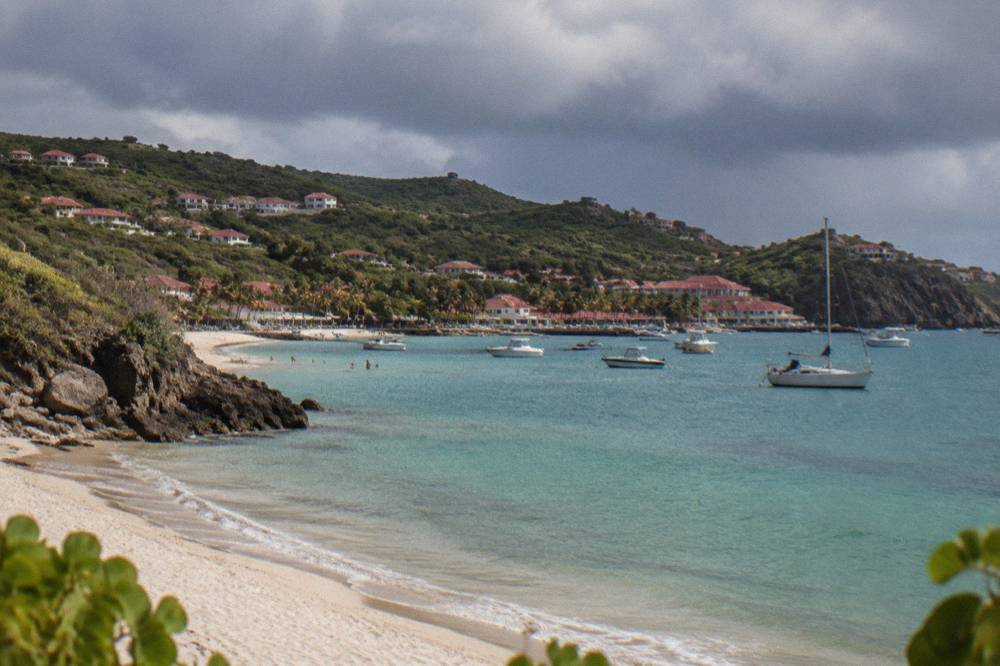
A useful distinction is between climatology and forecasting. Climatology says the season peaks near 10 September; forecasting, done by Meteo-France and the National Hurricane Center day by day, says what is actually in the basin this week. Nobody writing ahead of time can promise a quiet September, and nobody needs a storm to enjoy one, since many Septembers pass on the island without a direct hit. The practical steps are simple: watch the official outlooks near travel dates, keep plans flexible, and know the refund terms of every booking.
Boat day trips are the one bookable category listed here, and all of them depart from St Martin or Sint Maarten rather than from St Barts itself. Sea conditions matter for any crossing at this time of year, and operators cancel or reschedule when the swell makes the trip unwise. Their live listings show current dates.
What Is Open In St Barts In September?
Many hotels and restaurants close for their annual autumn break, with most reopenings happening between mid-October and early November, so September finds the deepest part of the closure window, though a smaller number of local restaurants stay open year-round and all of the island's beaches are public and never close. Villas generally remain available year-round, which makes them the most dependable September accommodation.
The pattern is consistent enough to plan around even though individual dates are not worth printing, because they shift each year. Hotels typically close in August and reopen in the mid-October to early-November window, and their restaurants and beach clubs follow the same schedule. The Gourmet Festival, dated 9 to 15 November 2026, lands just after the reopening wave and marks the moment the dining season restarts in earnest. September, by contrast, is the trough: the quietest stretch of the St Barts year for tables and rooms alike.
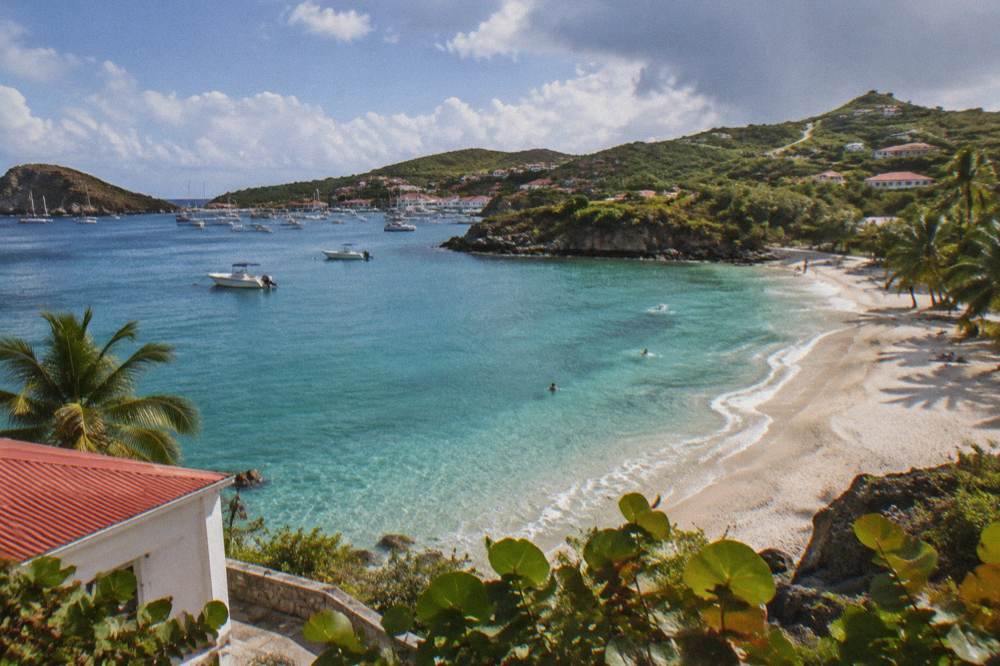
What stays open is the island itself. Every beach on St Barts is public, from Saint-Jean and Gouverneur to Saline, Colombier and Grand Cul-de-Sac, and access does not stop for the season. A handful of local restaurants keep serving through the autumn, feeding residents rather than visitors, and shops in Gustavia operate on reduced schedules rather than shutting entirely. The shopping guide covers what the town's boutiques offer when they are running normally.
| Category | September Status | Typical Reopening |
|---|---|---|
| Major hotels | Closed for autumn break | Mid-October to early November |
| Hotel restaurants and beach clubs | Closed, following their hotels | With their hotels |
| Local restaurants | A small number open year-round | No closure |
| Villas | Generally available year-round | No closure |
| Public beaches | Open, all public | No closure |
| Shops in Gustavia | Reduced schedules | Progressive from mid-October |
Accommodation is the decision that matters most for a September trip. The hotel stock listed in the hotels guide is largely offline this month, while the villa market keeps operating, with managers such as WIMCO, Sibarth and St Barth Properties renting year-round. Rates vary by season, and each property's own booking page shows them. Anyone set on a specific hotel should confirm its autumn dates directly, since the reopening window moves.
Can You Still Get To St Barts In September?
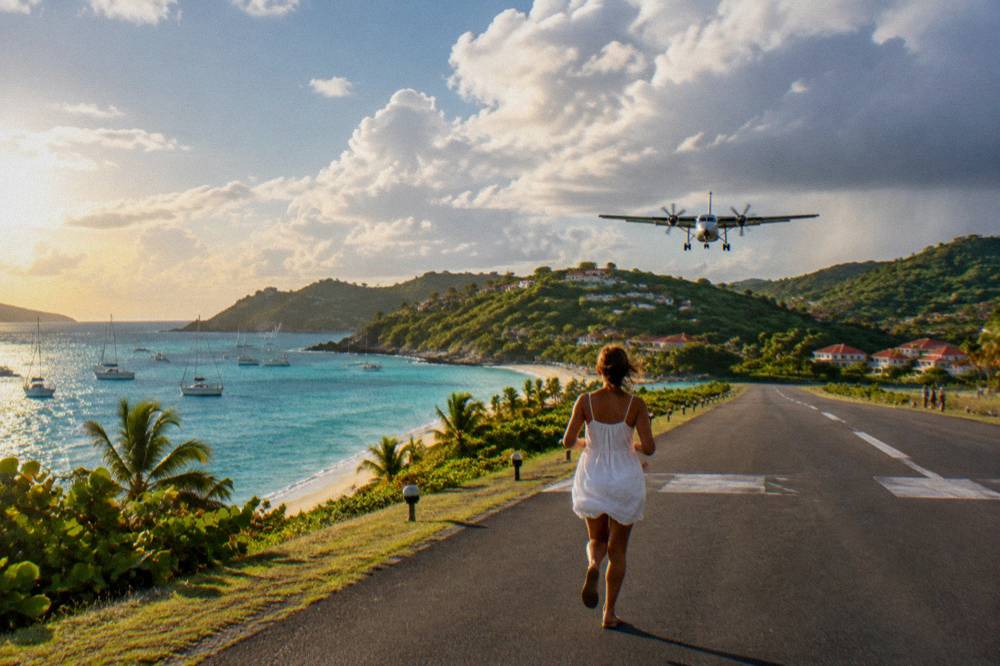
Yes, both access routes keep running in September: small STOL turboprops fly into Gustaf III Airport, whose 646 m runway takes no jets and operates in daylight and visual conditions only, and two ferry operators, Great Bay Express from Philipsburg and Voyager from Marigot, sail to Gustavia, with the crossings taking about 45 minutes and about 50 to 60 minutes respectively. Schedules are subject to weather, and no fare or timetable is fixed.
The airport is the constraint that shapes everything. Gustaf III, also called Remy de Haenen, has a single 646 m runway, which restricts operations to small turboprops in daylight and visual conditions only. No jet lands on St Barts. Travelers from outside the Caribbean fly into a gateway, most commonly Princess Juliana on Sint Maarten, and transfer to a small plane or the ferry. St Barth Commuter flies from St Martin's airports and from Guadeloupe, Tradewind flies from San Juan and Antigua, and Winair serves the island from Sint Maarten; the airport guide explains the arrival itself.
The ferry is the alternative, and the two operators use different ports. Great Bay Express leaves from Bobby's Marina in Philipsburg on the Dutch side, and its page asks passengers to arrive 45 minutes early with check-in closing 15 minutes before departure, passport required. Voyager leaves from the Marigot terminal on the French side. Both crossings can be rough, and September swell is exactly the kind of condition that postpones sailings, so the ferry operators guide and the operators' own pages are the reference for any specific date. The ferry-seasickness question is common enough at this time of year that it has its own treatment there.
| Route | Operator | Departure Point | Crossing |
|---|---|---|---|
| Ferry to Gustavia | Great Bay Express | Bobby's Marina, Philipsburg | about 45 minutes |
| Ferry to Gustavia | Voyager | Marigot Ferry Terminal | about 50 to 60 minutes |
| Small plane from Sint Maarten | St Barth Commuter, Winair | SXM and St Martin airports | a short hop |
| Small plane from San Juan | Tradewind | SJU | a short hop |
| Small plane from Guadeloupe | St Barth Commuter | PTP | a short hop |
Weather is the wildcard in every row of that table. Daylight-only flying means an afternoon storm can end operations for the day at SBH, and rough seas can cancel a ferry sailing. Building a slack day into the itinerary on each side of the island is the standard September tactic, and it costs little given how quiet the month is.
One quirk worth knowing: because the airport closes shortly after sunset and flights are visual-only, a weather delay in September rarely resolves itself the same evening. Travelers with tight international connections out of SXM generally prefer a morning hop or the previous night on St Martin, a pattern covered in the connecting itinerary discussion.
What Are The Best Things To Do In St Barts In September?
The public beaches are the anchor of a September stay, since all of them stay open and uncrowded relative to high season, and the marine reserve's rules apply year-round: a 5-knot speed limit in its zones, no jet skis, no dogs on beaches and no touching of turtles, according to the environment agency's regulatory-zones page. Colombier Bay and Ile Fourchue sit inside the reserve, and boat access to them runs from St Martin or Sint Maarten.
September's shortlist of activities is essentially the island's shortlist, thinned by the closure season. Beaches come first: Saint-Jean, Flamands, Gouverneur, Saline and Shell Beach are all public, and the water is at its warmest of the year. Snorkeling conditions depend on swell rather than season, and the reserve's protections, including its 23 listed dive sites, hold in every month. Hiking is the other free option, and the trail to Colombier is covered in its own guide; no walking tour is listed here, and the beaches and open public places are free to enter.
On the water, everything bookable from this site leaves from the neighboring island. A group sail and snorkel trip to Gustavia, Colombier Beach and Ile Fourchue runs from St Martin as a day trip, private charters run the same corridor on a per-group basis, and an overnight private catamaran option spans two days. The group sail's per-person format runs only from 12 May to 31 August 2027 on its listing, which means September travelers booking ahead are choosing among the private options unless the operator's calendar extends.
The charters deserve a closer look for a September trip specifically, because a private boat gives control over the day's timing when the swell is the deciding factor.
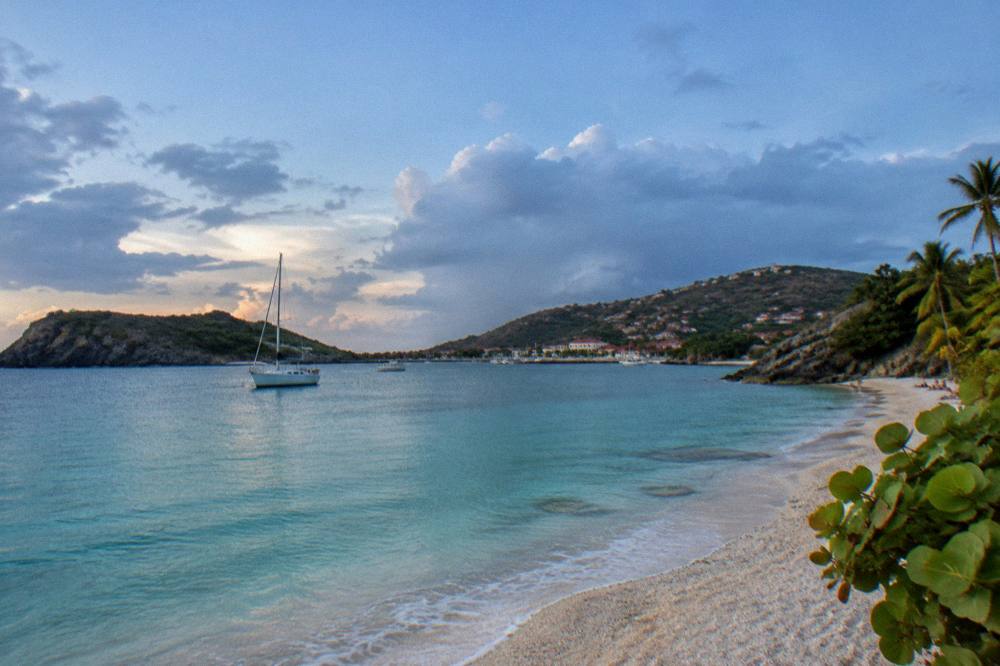
For a longer water-based visit, the overnight catamaran turns the crossing into the trip itself.
On land, September suits the slow version of the island. Gustavia's harbor and its two fort ruins, the Wall House Museum and the shell museum at Corossol all belong to the quieter sightseeing circuit, and the attractions overview lists them without seasonal claims. With many hotel spas and beach clubs closed, the month belongs to self-guided time: a rented car or Mini Moke, the island's 21 square kilometres of hills, and beaches chosen by mood rather than by reservation. Rental counters at the airport include Avis, Budget and Hertz alongside local agencies, and rates vary by season.
How Does September Compare With Other Months In St Barts?
September sits at the warm, wet, quiet end of the St Barts year: it has the highest mean daily high in the normals at 31.7 C, the third-highest rainfall at 96.9 mm, the deepest hotel closures, and the statistical peak of hurricane season, while the high-season months from December to April bring lower rainfall, full openings and the island's event calendar. Every one of those contrasts is a climate or calendar fact, not a prediction about any specific week.
The seasonal shape of the island is easiest to see when the months are lined up. The table below pulls the four shoulder and low months from the same Meteo-France normals, 1991-2020, and pairs them with what the calendar does in each.
| Month | Mean Daily High | Rain | Season Character |
|---|---|---|---|
| April | 29.8 C | 50.9 mm | Shoulder season, sailing events |
| May | 30.7 C | 61.7 mm | Shoulder season, group sail window opens |
| September | 31.7 C | 96.9 mm | Low season, deepest closures |
| December | 28.9 C | 79.2 mm | High season begins, New Year build-up |
Events are the other axis of comparison. September's own calendar is essentially empty, which is itself the point: the island's regattas, the Bucket in mid-March and Les Voiles in April, belong to spring, the Music Festival runs 8 to 18 January 2027, and the Gourmet Festival runs 9 to 15 November 2026 as the reopening celebration. A September visitor trades all of that for emptier beaches and lower demand. The season guide does this comparison month by month.
Crowds are the one contrast that should be stated carefully. The pattern is that demand is lowest in September and highest around the year-end holidays, and the New Year's Eve guide shows the opposite pole. But no figure forecasts September occupancy, and individual weeks vary with the flight and ferry schedules, so the honest statement is the seasonal pattern, not a crowd count.
What Should You Pack And Plan For A September Trip?
A September packing list for St Barts centers on heat and rain: light clothing for a 31.7 C mean daily high, a rain layer for convective showers, reef-safe sun protection for the marine reserve's waters, and documents that suit an island outside the Schengen area, where a valid passport is required and entry rules follow French overseas regulations rather than ETIAS, which is not live. Plug adapters for types C and E complete the list.
The document side is more specific than many Caribbean trips. St Barts is a French overseas collectivity and is outside the Schengen area, so a Schengen visa does not authorize entry and ETIAS does not apply; US, UK, Canadian and EU citizens are generally visa-exempt for short stays, and travelers should check their own government's travel advice for passport validity, since government guidance differs. An onward ticket is required. The passport guide covers this in full.
The rest of the plan is practical. Travel insurance that includes weather disruption is worth arranging early, before any storm exists to be excluded. Bookings should be checked for flexibility, since a September delay can cascade through a daylight-only airport. And the closure pattern means dinner plans should not assume any specific restaurant: a small number of local spots stay open, and confirmation beats assumption all month.
| Planning Item | September Reality | What To Do |
|---|---|---|
| Accommodation | Many hotels closed | Book a villa, or confirm hotel dates directly |
| Dinner | Hotel tables closed | Rely on the year-round local spots, confirm ahead |
| Flights and ferry | Weather-sensitive, daylight-only flying | Keep a slack day on each side |
| Insurance | Hurricane season peak | Buy before any storm forms |
| Beaches | All public, all open | Pack light gear and reef-safe sunscreen |
| Boat trips | Depart from St Martin or Sint Maarten | Check the operator's live listing for dates |
The one per-person boat option's calendar is itself a packing-adjacent fact: its listing runs 12 May to 31 August 2027, so September planners looking at the trio of day trips below are looking at private formats and the group sail's shoulder return in May.
Is September A Good Month To Visit St Barts?
September is the right month for a traveler who wants the island's public beaches nearly to themselves, warm sea at about 29 C, lower seasonal demand and a villa-based stay, and the wrong month for anyone who needs a specific hotel, a full restaurant scene or certainty about weather, because the Meteo-France normals show the year's highest mean daily high with 96.9 mm of rain, the closure season is at its deepest, and the month sits at the climatological peak of hurricane season.
The trade is unusually clear-cut on St Barts because the closure pattern does so much of the deciding. In most tropical destinations, low season means cheaper rooms in the same buildings. Here it means a substantial share of the hotel and restaurant stock is simply offline until the mid-October to early-November reopenings, so a September trip is built differently: a villa, a rental car, the beaches, and possibly a boat day from St Martin. Done that way, the month delivers something the high season cannot, which is the island's geography, its 21 square kilometres of hills and bays, without the peak calendar around it.
The risk side deserves its own sentence. The island's September 2017 experience with Irma is a reminder of the tail risk rather than a typical outcome. A flexible booking posture, insurance bought early, and a day of slack on either side of the crossing convert most of that risk from a crisis into an inconvenience.
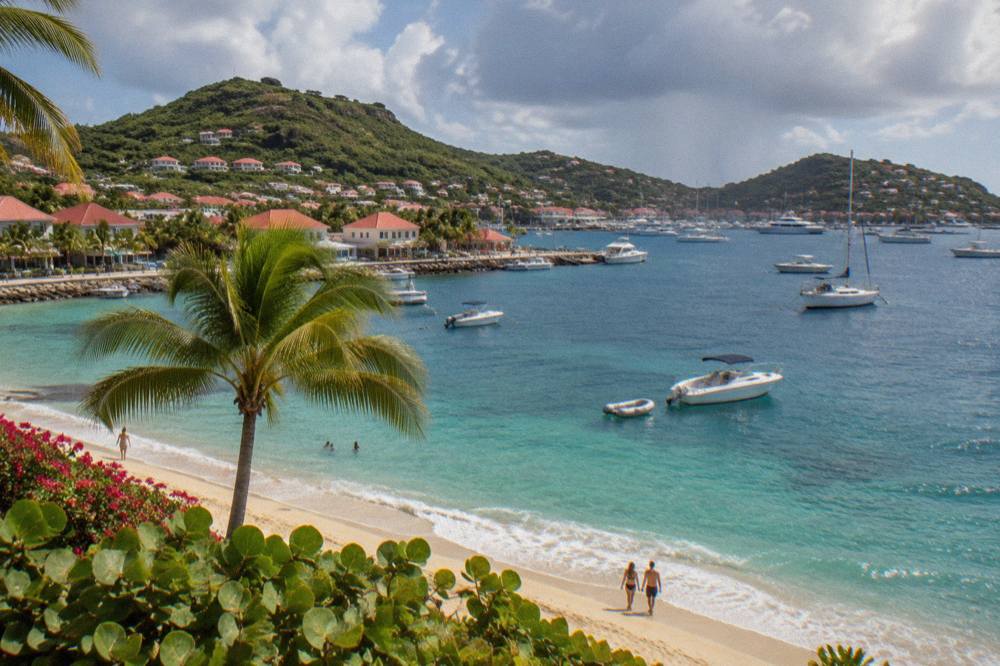
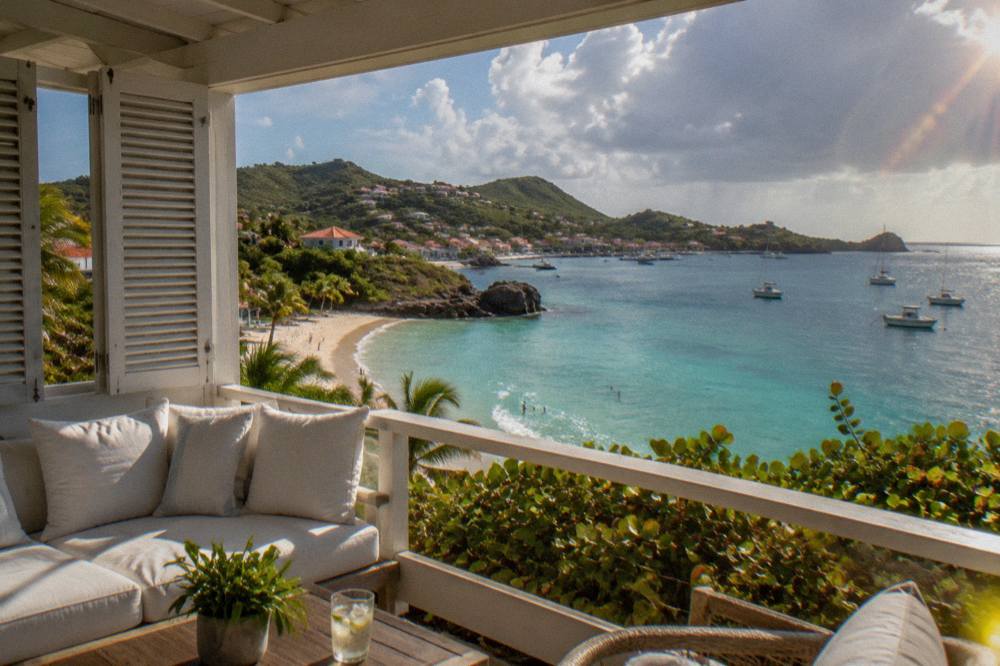
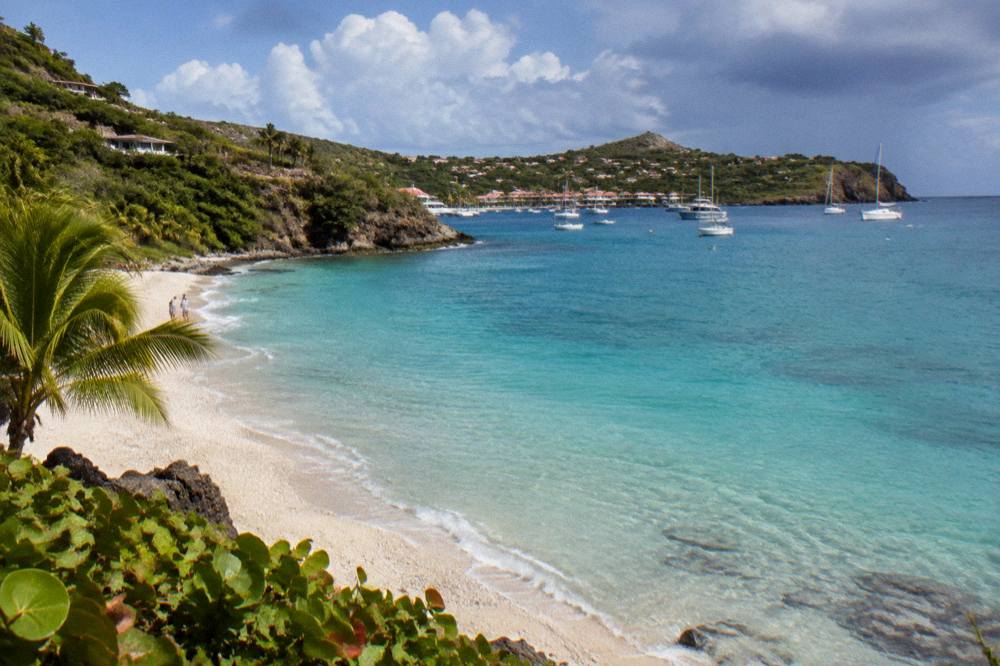
For travelers who read all this and decide the trade is wrong for them, the neighboring months are the natural pivot: October carries the same season but adds the reopening wave, and November adds the Gourmet Festival from 9 to 15 November 2026. For those it suits, September remains a legitimate time to know St Barts, and one of the few when its beaches match the pictures taken of them.
Common Questions About St Barts In September
Is September hurricane season in St Barts?
Yes. The Atlantic hurricane season runs 1 June to 30 November, with peak activity from mid-August to mid-October and the climatological peak near 10 September. A storm cannot be predicted for any specific September.
How hot is St Barts in September?
The Meteo-France normals, 1991-2020, show a mean daily high of 31.7 C and a mean daily low of 26.2 C in September, the highest monthly high of the year. The sea is warm, about 29 C from August to October according to a secondary source.
Is St Barts rainy in September?
September averages 96.9 mm of rain in the Meteo-France normals, 1991-2020, the second-highest monthly total after October's 135.6 mm. The figure is a 30-year average.
Are hotels open in St Barts in September?
Many are not. Most hotels and their restaurants close for an annual autumn break and reopen between mid-October and early November. Villas generally stay available year-round, and a smaller number of local restaurants stay open through the season.
Can you take a boat trip to St Barts in September?
Yes, and every bookable boat trip on this site departs from St Martin or Sint Maarten rather than from St Barts. Crossings are subject to weather, and operators cancel or reschedule when the swell is too high, so the operator's live listing is the reference for any date.
Do the beaches close in September in St Barts?
No. All beaches on St Barts are public and remain open year-round. The marine reserve's rules apply in every month, including a 5-knot speed limit in its zones, no jet skis, no dogs on beaches and no touching of turtles.