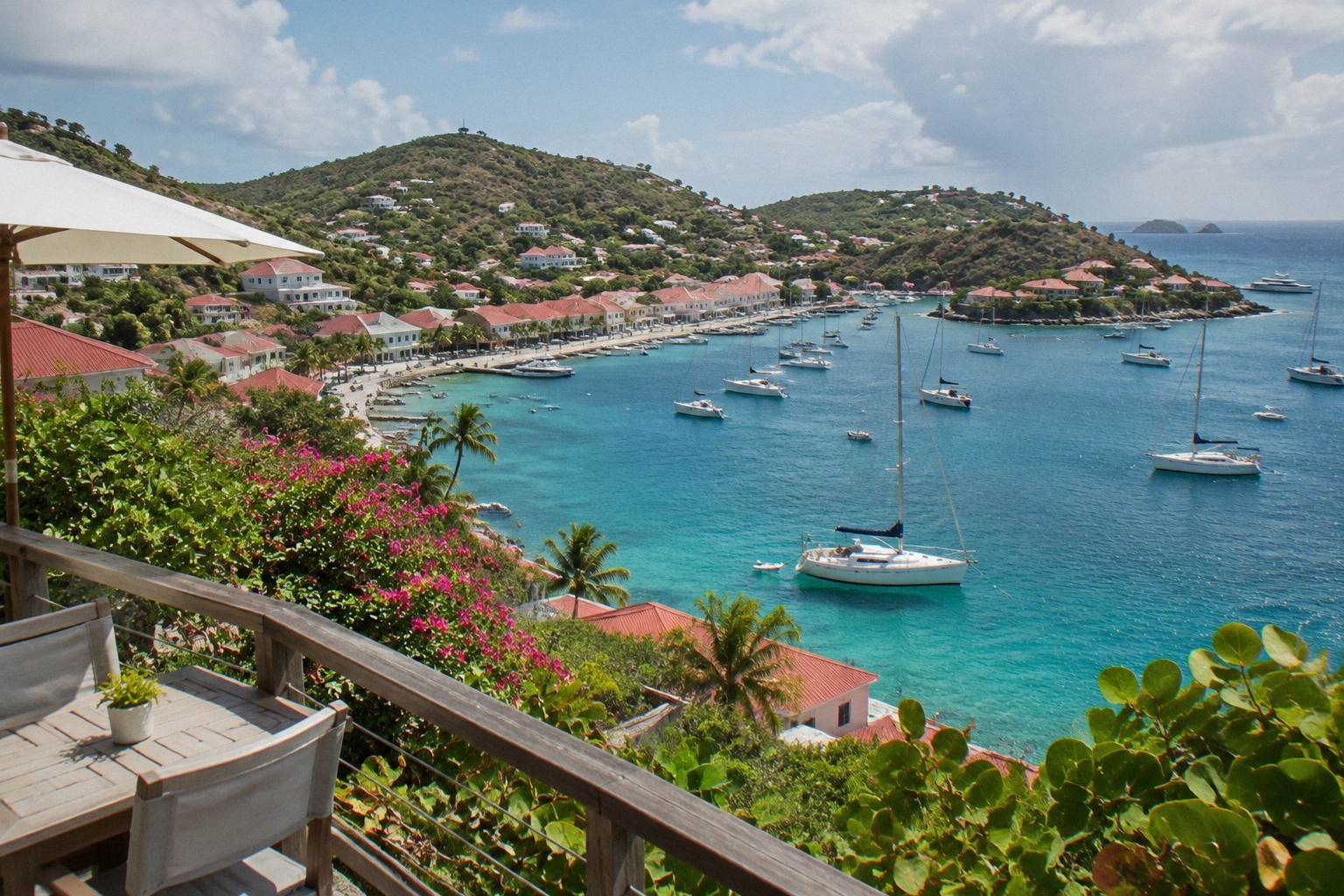
What To Wear In St Barts
St Barthelemy, the small French Caribbean island everyone shortens to St Barts, packs its dress culture into about 21 square kilometres of beaches, hills and one red-roofed harbour town, and what you wear shifts with the sun rather than the clock.
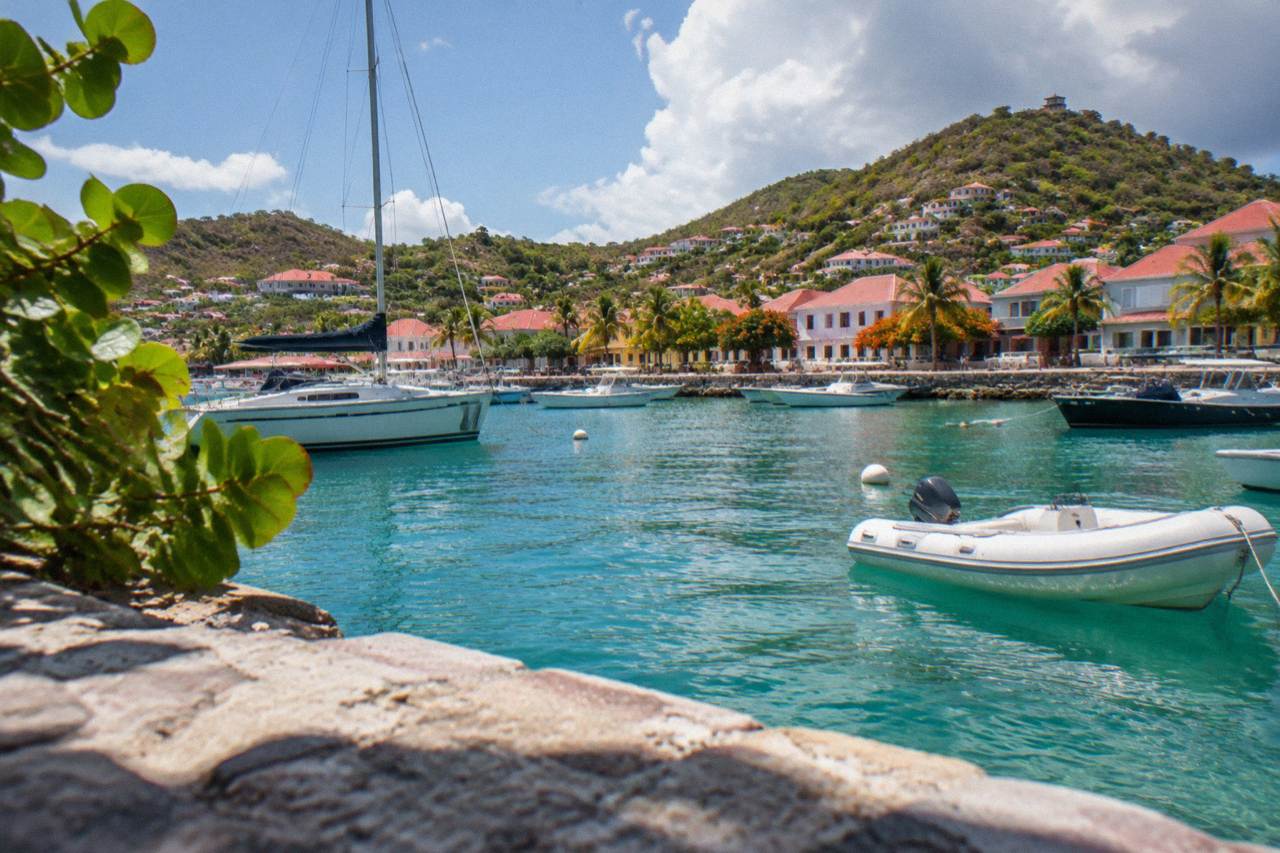
Daytime on St Barts is light and casual: swimwear, a cover-up, sandals and sun protection, because Meteo-France normals show mean daily highs from 28.5 C in January to 31.7 C in September. Evenings in Gustavia lean polished rather than formal, boat days call for reef-safe gear, and the marine reserve bans jet skis and restricts what you can do in its zones.
St Barthelemy, written St Barts on every page of this guide, is a French overseas collectivity in the Caribbean with Gustavia as its harbour capital, and its dress culture follows the climate rather than a dress code posted on any door. The Meteo-France climate normals, 1991-2020, for the island's station show a mean daily high of 28.5 C in January rising to 31.7 C in September, with a mean daily low that never drops below 23.3 C in any month of the year. That single fact drives almost every wardrobe decision on the island: fabrics stay light, layers stay thin, and the only real variables are sun exposure, sea conditions and whether the evening ends in Gustavia. What follows is a season-by-season, situation-by-situation guide from St Barthelemy Travel, built on the island's climate table, its marine reserve rules and the practical realities of getting around an island of about 21 square kilometres.
What Is The Everyday St Barts Dress Code?
There is no formal dress code on St Barts in any legal or posted sense: the island's public beaches are all public and free to access, daytime wear is swimwear, a cover-up and sandals, and the whole wardrobe question resolves into sun protection and light fabrics rather than rules. The Meteo-France normals, 1991-2020, show mean daily highs between 28.5 C in January and 31.7 C in September, which makes breathable cotton and linen the practical baseline all year.
The island's character explains the register. Gustavia is a working harbour town of red roofs, quays and boutiques rather than a resort strip, and daily life moves between the water, the car and the shops. Clothing that works in all three settings, a swimsuit under a shirt, a sundress, shorts with a proper collar, covers the day without a change. French influence shapes the aesthetic: simple, well-cut pieces in light colors read as more in keeping with the island than logos or heavy prints, and that is a matter of style convention rather than any published rule.
Footwear deserves its own sentence. Roads and beach paths are uneven, some beaches involve a short walk over rock or dirt, and flip-flops that survive pavement do not always survive a trailhead. A pair of proper sandals or lightweight closed shoes earns their place in the suitcase for anything beyond sand and quay. The rest of the day belongs to the simplest possible kit, because the heat index at 30 C with Caribbean humidity does not negotiate with structured clothing.
What Should You Wear On The Beaches Of St Barts?
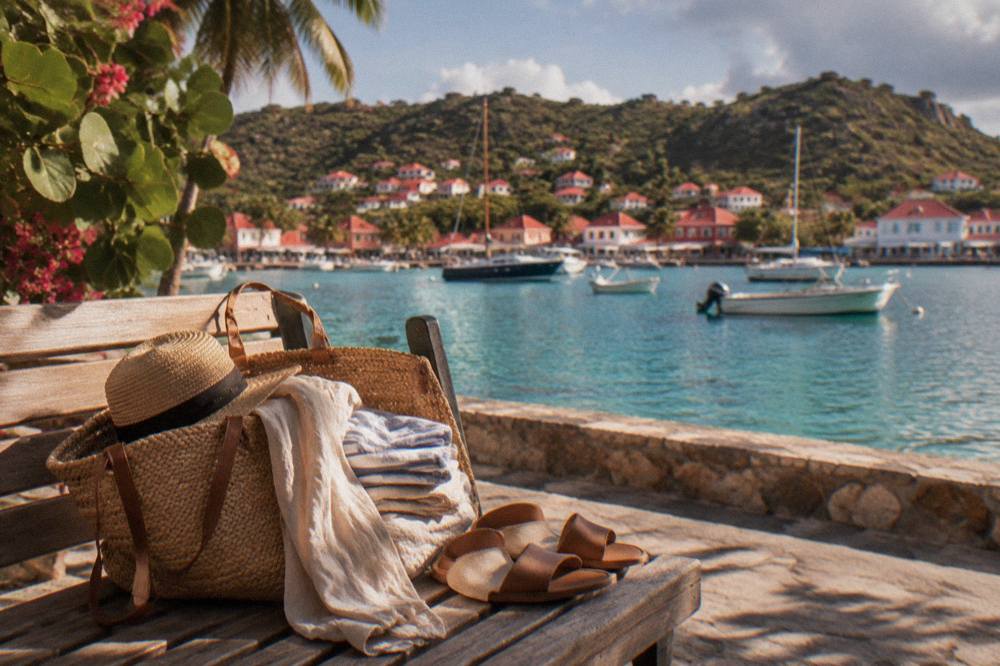
On every St Barts beach the practical uniform is swimwear, a cover-up for walking to and from the sand, a hat and reef-safe sun protection, and nothing that belongs to a motorized water toy, because the marine reserve run by the environment agency bans jet skis, seabobs and electric surfboards outright in its zones. The environment agency's regulatory-zones page also lists a 5-knot speed limit, a ban on dogs on beaches and a strict rule against touching turtles, corals or any protected species.
All the island's beaches, from Saint-Jean and Gouverneur to Saline, Shell Beach, Flamands, Colombier, Grand Cul-de-Sac and Lorient, are public, which means the beach itself carries no entry standard and no dress gate. What carries rules is the water and the shoreline ecosystem. The environment agency's page asks visitors not to collect coral, shells, sand or rocks, not to wear gloves in the water, and to keep dogs off the sand entirely under a municipal order that applies island-wide. None of that changes what you wear, but it changes what you bring: snorkel gear yes, gloves no, and a dry bag beats a handful of loose items on a crossing swim or a boat ladder.
Cover-ups do real work here beyond modesty convention. The sun near 12 degrees north is direct, sand reflects it upward, and the walk from a parked car or a dinghy to the water can be longer and hotter than a first-time visitor expects. A loose long-sleeve shirt in light fabric, a wide-brim hat and sunglasses are the three items that prevent a beach day from becoming an evening of aloe. Topless sunbathing is common on St Barts beaches, a French cultural norm, and full nudity is not legal on public beaches, so the convention is discretion at the quieter ends of the largest strands and ordinary swimwear everywhere else.
The beach question connects to the boat question more than anywhere else in the Caribbean, because several of the island's headline days out, including the Colombier and Ile Fourchue sail, put the beach and the boat in one itinerary. Swimwear worn under the day's clothes, a dry layer for the ride back and closed-toe sandals for a boarding ladder cover both halves without a wardrobe change mid-trip.
What Do You Wear On A Boat Day Around St Barts?
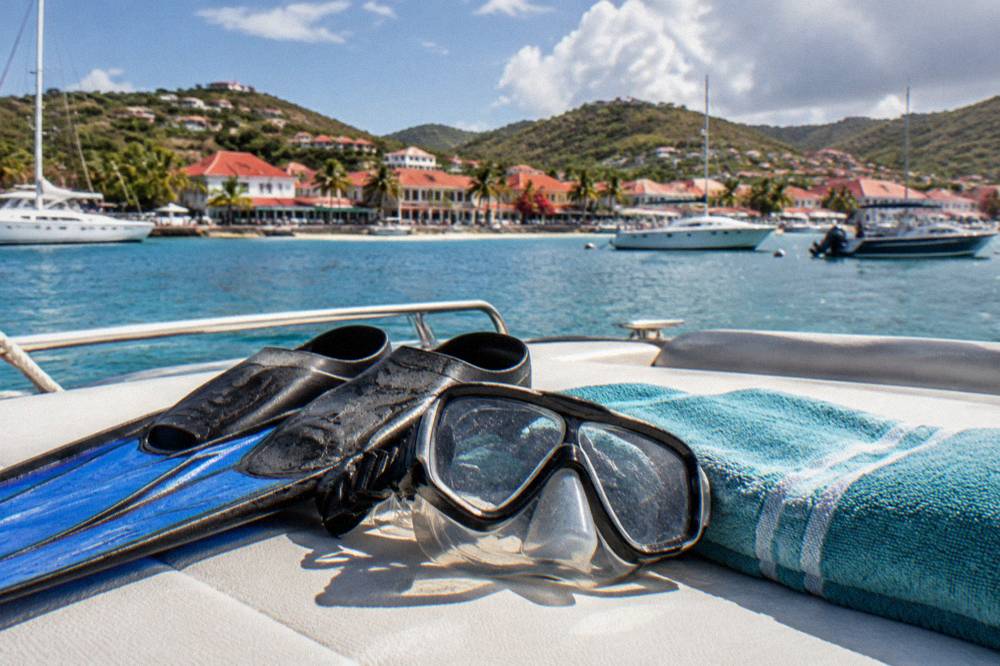
A boat day around St Barts calls for swimwear worn from the start, a light long-sleeve layer for sun, a hat that attaches, polarized sunglasses, reef-safe sunscreen and a dry bag, because the marine reserve's rules and the open Caribbean sun together define the kit. Boat shoes or bare feet replace street shoes on deck, and everything electronic or paper stays in the dry bag. Charters depart from St Martin or Sint Maarten, never from Gustavia.
Every bookable boat product listed here, from the per-person group sail to the private charters, leaves from the neighbouring island: Simpson Bay, Cole Bay, Anse Marcel and Grand Case are the departure areas, so the outfit has to survive a ferry-port morning, an open crossing and a beach afternoon in sequence. Spray is part of the deal and the crossing can be rough, so a light windbreaker or a quick-dry outer layer is the single most underpacked item. The crossing takes about 45 minutes on the Great Bay Express ferry from Philipsburg and about 50 to 60 minutes on the Voyager ferry from Marigot, per the operators' own pages, which is enough open water for anything loose or fancy to suffer.
The reserve rules finish the list. The environment agency prohibits motorized and electric water devices in its zones, so nothing in the wardrobe should assume a jetski tow, and the no-touch rule for turtles and corals means gloves stay home and fins stay off the reef itself. A rash guard does the sun work a sunscreen pass cannot hold through a long snorkel, and it complies with everything.
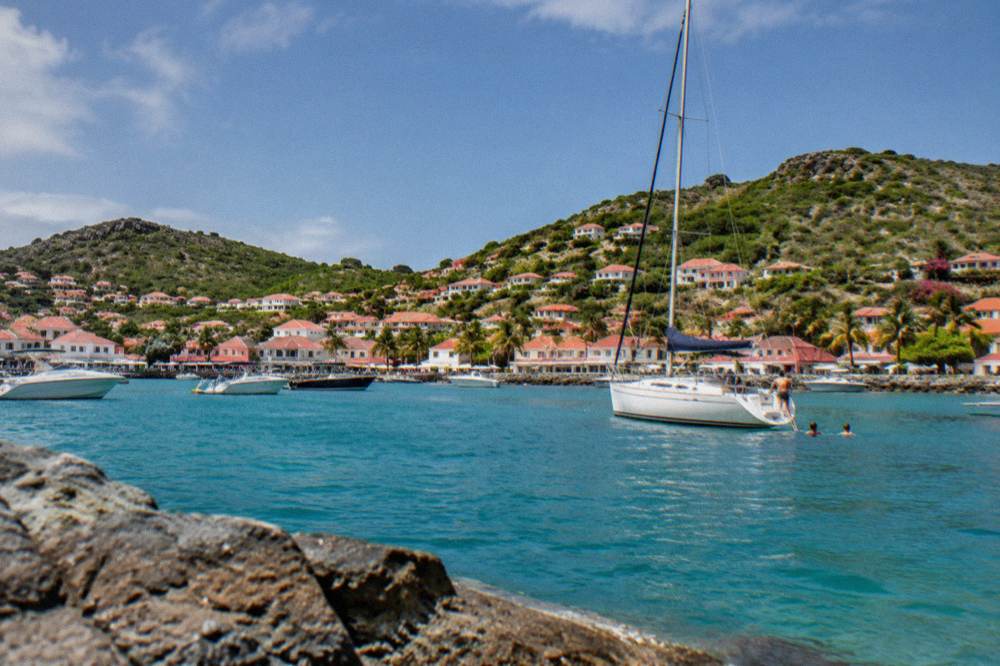
For anyone weighing the full range of options, the day trips from St Martin to St Barts span a per-person group sail to fully private charters, and the clothing logic is identical across all of them: dress for sun, salt and a boarding ladder, and leave anything that cannot get wet on shore.
What Should You Wear In Gustavia In The Evening?
Evenings in Gustavia run polished-casual rather than formal: a sundress or a linen shirt with trousers, proper sandals or espadrilles, and one layer for harbour breezes, with the French-influenced style of the island favoring simple cuts and light colors over anything structured. No venue type on the island demands black-tie, and no rule anywhere requires heels on cobblestones that do not exist; comfort at 28 C after sunset still wins.
The harbour town is the island's evening stage, with its quays, boutiques and the lights of the boats in the anchorage, and the dress culture tracks that setting. A sundress, a resort shirt, tailored shorts with a collared shirt: all of it reads correctly. What reads incorrectly is beachwear worn into town, swimwear without a cover-up, and heavy synthetic evening wear that assumes air conditioning everywhere. A light sweater or shirt-jacket earns its slot for the boat ride back or a late walk along the quay, when the trade breeze can feel sudden after a 30 C day.
Shopping is part of many Gustavia evenings, and the island's boutique scene sits alongside the harbor, so an evening outfit doubles as a browsing outfit. The practical pattern is one versatile evening set per few days, not a different look per night; the island is small, distances are short, and the wardrobe that travels light beats the one that checks a second bag. For the island's biggest dress-up moment of the year, the New Year's Eve period in Gustavia pushes the same register one step sharper, white and light fabrics being the local convention under fireworks over the harbour.
How Does The St Barts Climate Shape The Packing List?
The Meteo-France climate normals, 1991-2020, for St Barts show a mean daily high that never falls below 28.5 C in any month and peaks at 31.7 C in September, with a mean daily low between 23.3 C and 26.3 C, which means the packing list barely changes across the calendar: the real monthly variable is rain, from 38.4 mm in February to 135.6 mm in October, total 891.3 mm across the year.
The table below is the whole argument for a one-season wardrobe. Every month is a warm month. What shifts is the rainfall distribution, with October the wettest month at 135.6 mm and November second at 118.6 mm, both inside the Atlantic hurricane season that runs from 1 June to 30 November with its peak from mid-August to mid-October. A packable rain shell therefore matters more in autumn than a second pair of jeans ever will, and no month on the island justifies a coat of any weight.
| Month | Mean Daily High (C) | Mean Daily Low (C) | Rain (mm) |
|---|---|---|---|
| Jan | 28.5 | 23.5 | 52.6 |
| Feb | 28.6 | 23.3 | 38.4 |
| Mar | 29.0 | 23.5 | 41.4 |
| Apr | 29.8 | 24.2 | 50.9 |
| May | 30.7 | 25.1 | 61.7 |
| Jun | 31.2 | 25.9 | 56.0 |
| Jul | 31.2 | 26.0 | 80.4 |
| Aug | 31.6 | 26.3 | 79.6 |
| Sep | 31.7 | 26.2 | 96.9 |
| Oct | 31.4 | 25.8 | 135.6 |
| Nov | 29.9 | 25.0 | 118.6 |
| Dec | 28.9 | 24.1 | 79.2 |
Two second-order effects follow. First, the sea is warm throughout the year, about 26 C in winter to about 29 C from August to October, so swimwear gets daily use in every month and a wetsuit is never part of the conversation, only a rash guard for sun. Second, the rain comes in heavy tropical falls rather than long drizzle, so the rain layer is for warmth and dryness during a downpour and on boats, not for all-day wear. Anyone planning around the quieter months can pair this table with the site's low season and hurricane season guides for the fuller picture.
What Belongs In A St Barts Packing List?
A St Barts packing list needs four blocks: beach and swim gear, sun protection, light day-to-evening clothing, and activity items for boats and walking, all in quick-dry fabrics, with the single biggest mistake being too much clothing rather than too little. The island's heat and its laundry-friendly villa culture both reward a small, repeatable wardrobe over a large, varied one.
| Category | Items | Why It Earns Its Place |
|---|---|---|
| Beach | Two swimsuits, cover-up, quick-dry towel, dry bag | Daily use; sea is warm year-round |
| Sun | Wide-brim hat, polarized sunglasses, reef-safe sunscreen, light long-sleeve shirt | Direct tropical sun; reserve-friendly sunscreen protects reefs |
| Day wear | Shorts, linen or cotton shirts, sundresses, one pair of proper sandals | Handles 28.5 to 31.7 C mean daily highs all year |
| Evening | One polished-casual set, light layer for harbour breezes | Gustavia evenings run simple and light |
| Boat and activity | Rash guard, attachable hat, windbreaker, water shoes or secure sandals | Crossing can be rough; boarding ladders demand secure footwear |
| Rain and shoulder season | Packable rain shell | October rain normals reach 135.6 mm |
| Extras | Reef-safe insect repellent, small daypack | Tropical evenings and beach walks |
The list stays honest by staying short. There is no month that needs boots, no venue that needs a suit, and no activity on this island that needs specialist clothing beyond the boat block. Even the airport shapes the bag: Gustaf III's runway is 646 m and only small turboprops fly in, with no jets landing there at any time, which in practice means soft bags pack better into small aircraft lockers than rigid cases, a detail worth reading on the St Barts airport guide before flying. Visitors arriving by ferry face no such constraint, and the ferry operators and schedule guide covers both departure ports.
What Should You Not Wear On St Barts?
The short list of what not to wear on St Barts is beachwear away from the beach, heavy denim and synthetics in any month, hard-soled evening shoes, gloves for snorkeling, and anything built for motorized water sports, because the environment agency bans jet skis and similar devices in the marine reserve's zones and prohibits touching protected species, so the gear that assumes them has no use. Street shoes on a boat deck are equally unwelcome by every operator's convention.
The exclusions fall into two groups. The first group is ecological. Reef-harming sunscreen, snorkeling gloves and anything designed to chase or feed marine life run against the reserve's published rules, and the no-dogs order on the beaches extends the same logic to pets. The second group is climatic. Thick fabrics, dark colors and anything that needs ironing fight the island's normals rather than work with them; a mean daily high between 28.5 C and 31.7 C with high humidity punishes exactly the pieces a cold-climate wardrobe is built around.
| Item | Leave It Or Bring It | Reason |
|---|---|---|
| Denim jeans | Leave | Too heavy for 28.5 to 31.7 C highs; slow to dry |
| Structured suit or gown | Leave | No venue requires it; the register is polished-casual |
| Snorkeling gloves | Leave | Prohibited in reserve waters |
| Reef-harming sunscreen | Leave | Reserve waters; choose reef-safe formulations |
| Street shoes on boats | Leave for shore | Deck convention across operators |
| Light linen layers | Bring | Handles heat and harbour breezes alike |
| Rash guard | Bring | Sun coverage that sunscreen cannot hold in water |
| Packable rain shell | Bring | 135.6 mm October rain normals |
One wardrobe-adjacent rule finishes this section: the marine reserve prohibits drones near and within its zones without authorization, so the camera kit that often travels with resort clothing should be checked against the environment agency's regulatory-zones page before any beach photography plan that involves flying gear. The public beaches themselves carry no photography rule beyond ordinary courtesy toward other people, and discretion around sunbathers is the standing convention on the French-influenced strands.
How Does Dress Change For Weddings And Events On St Barts?
Weddings and events on St Barts call for the island's polished-casual register in its lightest form: light suits or flow dresses in breathable fabric for ceremonies, and white or light-colored resort wear for the sailing weeks and festival periods, with the calendar anchored by the Bucket Regatta in mid-March, the Music Festival from 8 to 18 January 2027 and the Gourmet Festival from 9 to 15 November 2026, while Les Voiles de St Barth and the Film Festival dates for 2027 remain unconfirmed.
Event dressing on the island follows the venue type, and the venue types are few: beaches and terraces by day, harbour settings by night. A beach ceremony wants flat or block sandals and fabrics that move in the trade wind; a hotel-terrace event wants the same silhouette one step sharper. The St Barts weddings guide covers the paperwork side of marrying on the island, and the clothing logic there is identical to the general rule: light, simple, sun-ready.
The regatta weeks deserve a special note because they combine shore spectacle with harbour glare. The Bucket Regatta in mid-March and Les Voiles in April fill Gustavia's anchorage with superyachts, and the spectator outfit is boat-adjacent: polarized sunglasses, a real hat and white or light fabrics that stand up to a full day of reflected light off the water. March normals, at a 29.0 C mean daily high and 41.4 mm of rain, are close to ideal for exactly this wardrobe.
| Event Period | Dress Register | Climate Anchor (Meteo-France Normals, 1991-2020) |
|---|---|---|
| Music Festival, 8 to 18 January 2027 | Light evening layers, resort wear | Jan: 28.5 C high, 52.6 mm rain |
| Carnival period, February | Light colors, comfortable walking wear | Feb: 28.6 C high, 38.4 mm rain |
| Bucket Regatta, mid-March | Boat-spectator kit: hat, polarized glasses, light fabrics | Mar: 29.0 C high, 41.4 mm rain |
| Les Voiles, April | As Bucket, plus wind layer for spectator boats | Apr: 29.8 C high, 50.9 mm rain |
| Fete de Saint-Barthelemy, 24 August | Day wear with sun coverage | Aug: 31.6 C high, 79.6 mm rain |
| Gourmet Festival, 9 to 15 November 2026 | Polished-casual evening wear | Nov: 29.9 C high, 118.6 mm rain |
| New Year's Eve | Sharpest white and light resort wear | Dec: 28.9 C high, 79.2 mm rain |
What About Getting Around: Does Clothing Need To Survive The Journey?
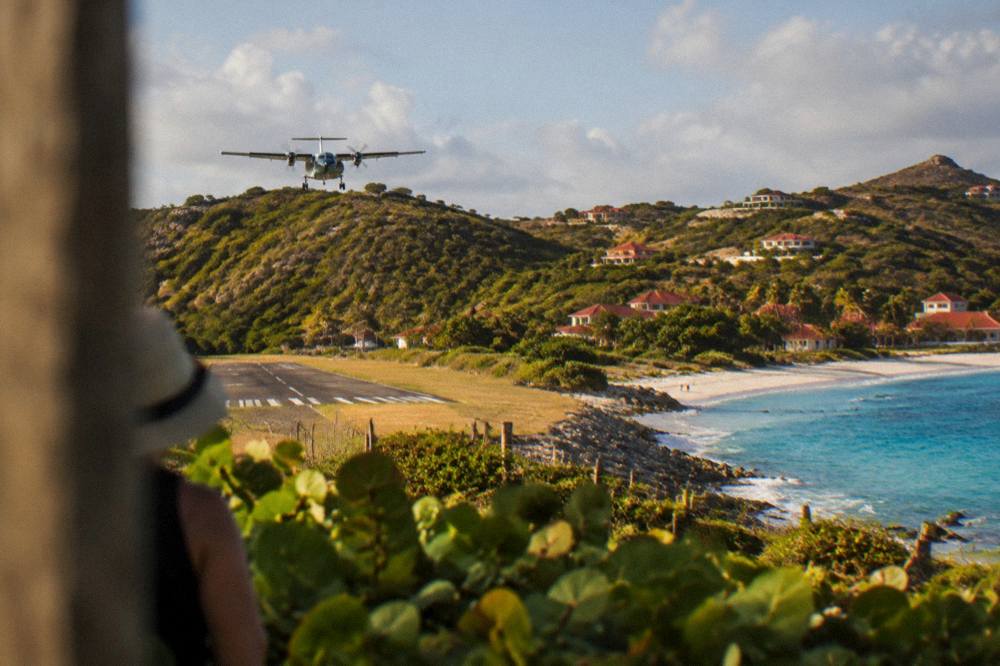
Yes, on St Barts the journey is part of the wardrobe question, because arrivals involve either a 646 m runway served only by small turboprops in daylight visual conditions, or a ferry crossing of about 45 minutes from Philipsburg and about 50 to 60 minutes from Marigot that can be rough, so the travel-day outfit needs to handle a small aircraft locker, salt spray and a warm arrival all at once. Soft bags and quick-dry fabrics beat rigid cases and delicate items.
The guide to landing at St Barts airport explains why the runway accepts only STOL turboprops and no jets, and the practical clothing consequence is cabin space: a soft duffel packs where a hard case does not, and the light clothing this island wants compresses to almost nothing. On the ferry side, the departure ports are Bobby's Marina in Philipsburg for Great Bay Express and the Marigot terminal for Voyager, and the operators ask for check-in well before departure with a passport in hand, which means the travel outfit needs pockets or a small day bag that keeps documents dry and reachable.
None of this is burdensome, and it simplifies rather than complicates the packing list. The same outfit that boards a ferry in St Martin, a hat, a light shirt, secure sandals and a windbreaker in the daypack, is the outfit that steps off in Gustavia ready for the first harbour walk. Visitors combining the islands can extend the logic with the St Maarten before or after St Barts guide, which lays out the gateway options through St Martin, San Juan, Guadeloupe and Antigua.
For travellers who turn the crossing itself into the trip, an overnight option exists: the private catamaran itinerary from St Martin covers two days and one night on the water, and it is the one product listed here where the packing list needs a genuine change of clothes and a second layer for nights at anchor.
Common Questions About St Barts Dress Code
What is the St Barts dress code?
There is no formal dress code on St Barts. Daytime is swimwear, a cover-up and sandals, and evenings in Gustavia run polished-casual: light fabrics, simple cuts and proper sandals rather than anything formal. The Meteo-France normals, 1991-2020, with mean daily highs from 28.5 C to 31.7 C all year, make light clothing the only practical choice in every month.
What should you wear to dinner in Gustavia?
A sundress or a linen shirt with trousers, and sandals or espadrilles, fit every harbour evening. The register is simple and French-influenced rather than formal, and a light layer for the harbour breeze after a warm day is more useful than any structured piece.
Can you wear beachwear in town on St Barts?
The convention is a cover-up over swimwear when leaving the beach, and swimwear alone belongs on the sand. All the island's beaches are public, but the walk from beach to shop or quay follows the same light-clothing courtesy common across French-influenced Caribbean towns.
What should you wear on a boat charter to St Barts?
Swimwear worn from the start, a rash guard or light long-sleeve for sun, a hat that attaches, polarized sunglasses, reef-safe sunscreen and a dry bag, plus a windbreaker for the crossing, which can be rough. Boat shoes or bare feet replace street shoes on deck, and snorkeling gloves stay home because the marine reserve prohibits them.
Do you need a jacket or warm clothes for St Barts?
No coat is needed in any month; the Meteo-France normals, 1991-2020, put the mean daily low between 23.3 C and 26.3 C year-round. A single light sweater or shirt-jacket for evening breezes and boat rides covers every realistic scenario.
What should you not bring to wear on St Barts?
Heavy denim, structured suits, hard evening shoes, snorkeling gloves and reef-harming sunscreen. The environment agency's reserve rules ban gloves, jet skis and touching protected species in its zones, so gear built for those uses has no place, and the climate makes heavy fabrics impractical in every month of the year.
The wardrobe that works on St Barts is small, light and repeated, and it is built entirely around three facts: warm normals in every month, public beaches that run from quay to cove, and a marine reserve whose rules touch what you bring into the water more than what you wear on land. Pack for sun, salt and one polished harbour evening, and the island does the rest.