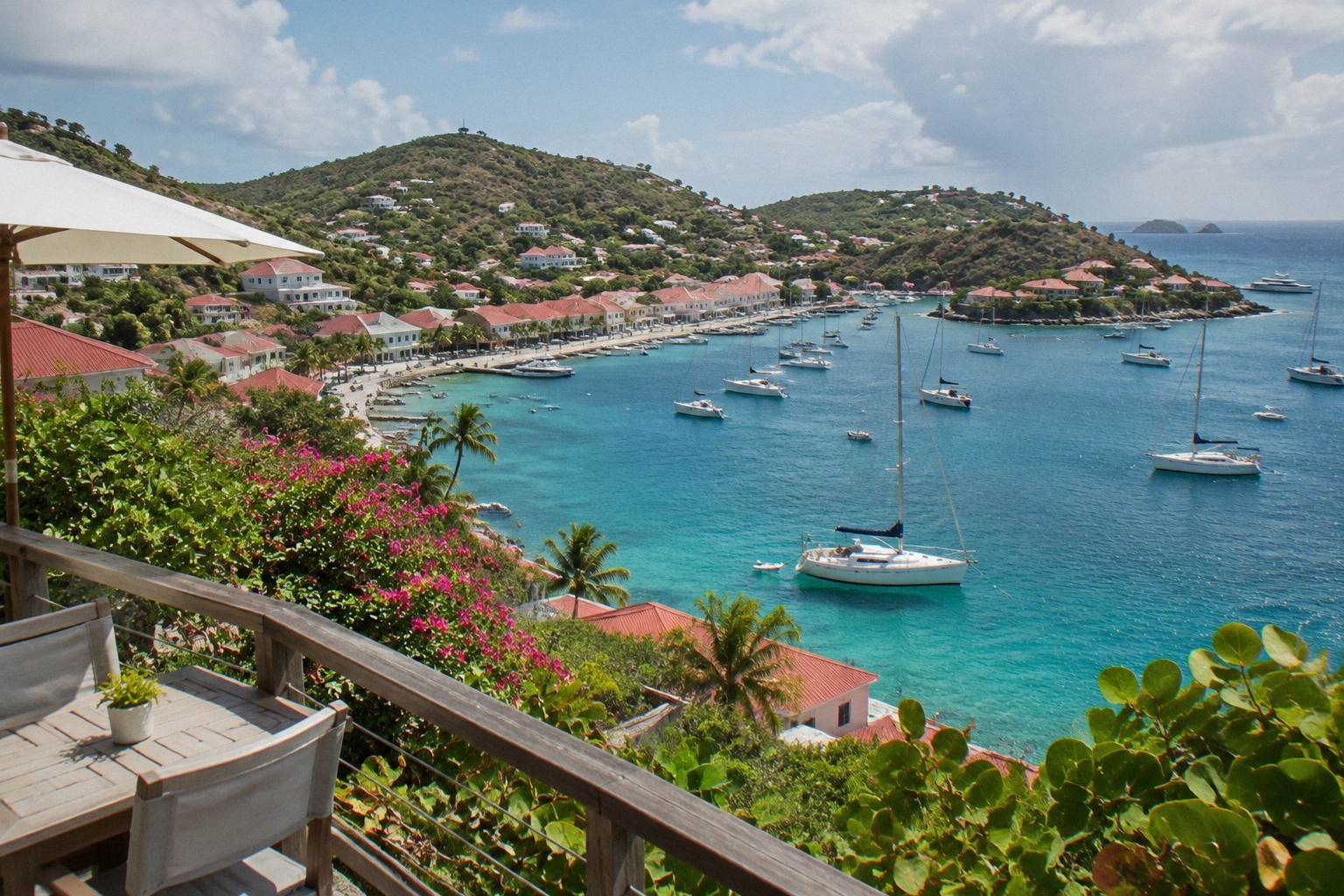
Le Sereno
Le Sereno sits at Grand Cul-de-Sac on the northeast shore of St Barts, a French Caribbean island of about 21 square kilometres where hotels follow a strong seasonal rhythm and the beach outside the door is public.
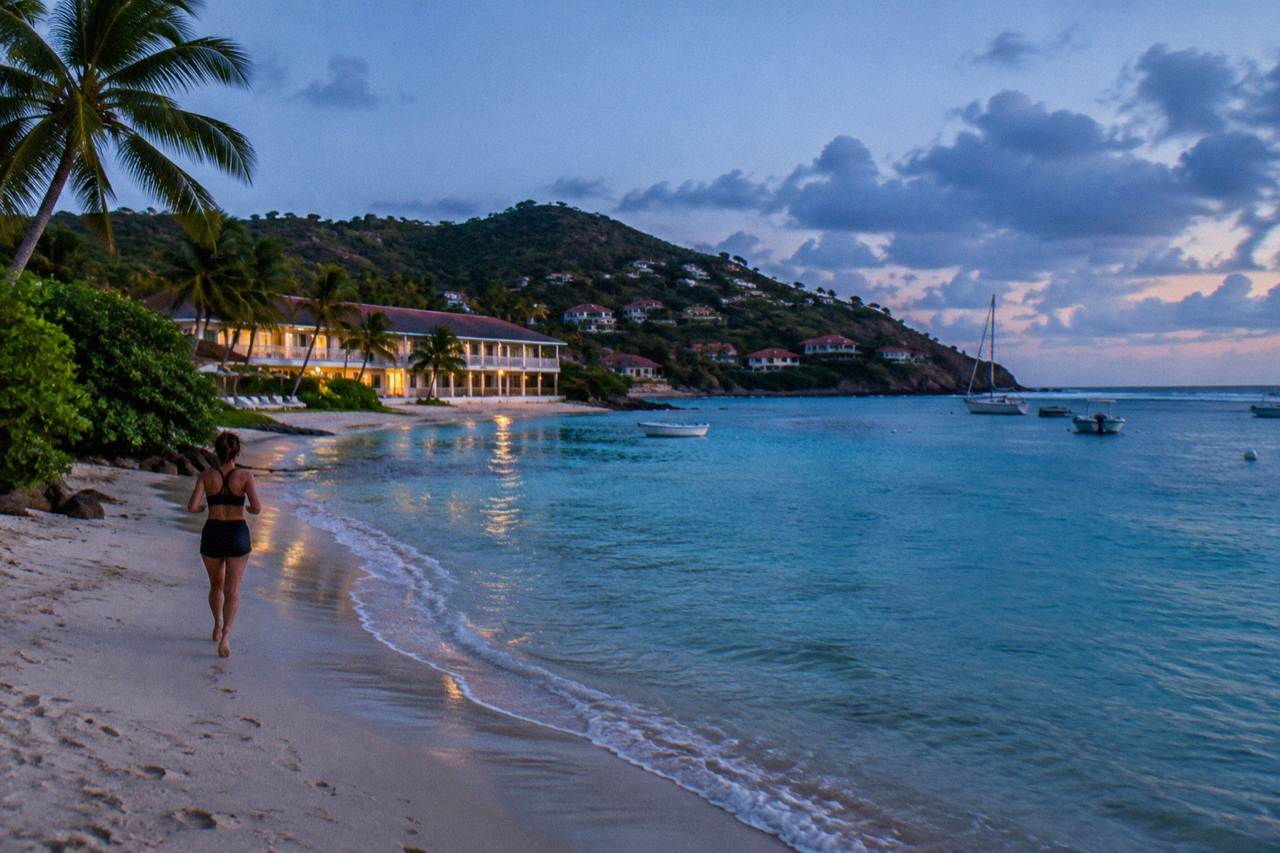
Le Sereno is a hotel at Grand Cul-de-Sac on St Barts, rebuilt after Hurricane Irma and reported to have completed its redesign around 2018 to 2019. Like many St Barts hotels it closes for part of each autumn and reopens between mid-October and early November. Rates vary by season and the property's own booking page shows them.
St Barthelemy, written St Barts almost everywhere else on this island, keeps a short list of hotels and a long list of opinions about them. Le Sereno is one of the names that comes up in every conversation about where to stay, because of where it sits: Grand Cul-de-Sac, the shallow, sheltered bay on the northeast shore where the island's marine reserve rules apply and the beach is public like every beach on St Barts. This guide from St Barthelemy Travel covers what is known about the property, the pattern of its seasons, the practical side of reaching Grand Cul-de-Sac, and what a stay there leaves within easy reach.
What Is Le Sereno On St Barts?
Le Sereno is a hotel on the sand at Grand Cul-de-Sac, on the northeast shore of St Barts, in the French Caribbean. It was rebuilt after Hurricane Irma struck in September 2017, and its redesign is credited in press coverage to the French designer Christian Liaigue, spelled Liaigre, and reported to have been completed around 2018 to 2019. It is one of the island's handful of recognised hotel names rather than a villa estate.
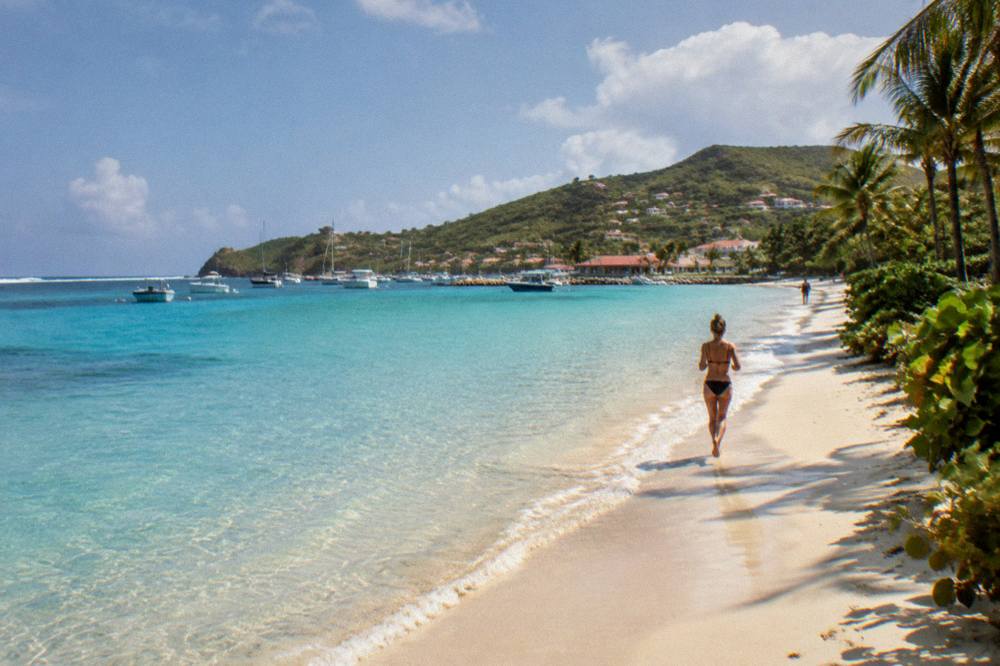
That is about all that is firmly known about the property itself. A change of general manager was announced in trade press in late 2025, and local forum discussion in October 2026 noted that widely expected room renovations had not visibly happened, along with rumours of a possible sale. None of that is confirmed by the hotel, so treat all of it as press and forum talk rather than settled fact. What is stable is the setting: a single shallow bay, a crescent of sand, and the hills of Vitet and Devet behind. The hotel does not own the beach, because no one on St Barts does. Every beach on the island is public, and the tourism committee's own materials say so.
For context, the island is small: about 21 square kilometres, roughly 10,700 residents, one harbour capital at Gustavia, and an airport with a 646 m runway that accepts only small turboprops in daylight. Any hotel choice on St Barts is really a choice of shoreline, and Le Sereno's shoreline is Grand Cul-de-Sac.
Where Is Grand Cul-De-Sac On St Barts?
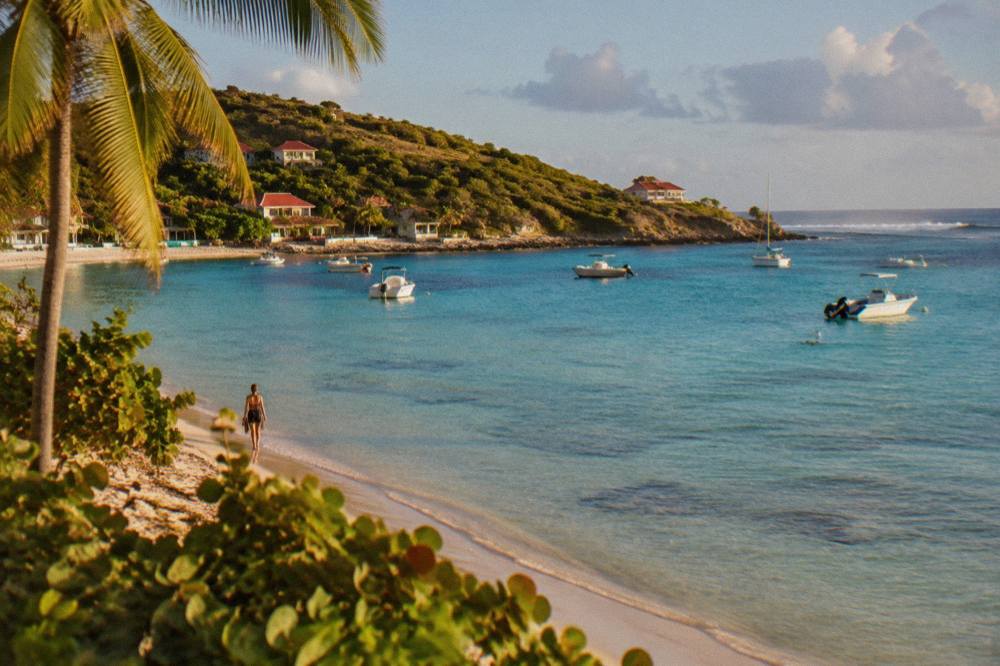
Grand Cul-de-Sac is the shallow bay on the northeast coast of St Barts, north of Lorient and east of the hills that separate it from the Atlantic side. It is one of the island's named public beaches, it sits inside the protected waters of the St Barts marine reserve, and the area around it carries the same name as a settled corner of the island with its own character. A guide to the neighbourhood, Grand Cul-de-Sac area guide aside, is best read alongside this one, and there is a dedicated Grand Cul-de-Sac area guide elsewhere in this site's coverage of areas.
Use how to get to St Barts for the journey in, and the airport guide for the last, memorable hop. About the bay itself, the environment agency's regulatory-zones page lists Grand Cul-de-Sac's waters among its protected zones, green turtles and hawksbill turtles are recorded as common in the lagoon, and the reserve's rules apply to everyone on and in the water.
The rules are worth knowing before you book anything on or near the bay. The environment agency's page lists a 5-knot speed limit in reserve zones, a ban on jet skis and other motorised and electric water devices, no dogs on any beach on the island, and a strict prohibition on touching, chasing or feeding protected species, including turtles. Drones are restricted near and within reserve zones without authorisation. If a day at Le Sereno is planned around the lagoon, those rules shape what that day can look like.
| Island fact | Figure |
|---|---|
| Land area | about 21 square kilometres |
| Population | about 10,700 |
| Status | French overseas collectivity since 2007 |
| Capital | Gustavia |
| Currency | euro |
| Official language | French, English widely spoken |
The bay's position also matters for weather planning. It faces north and east, which on an island of trade winds means the water inside the reef stays flat while the outer coasts take the swell. Grand Cul-de-Sac is a shallow, sheltered lagoon.
How Do You Get To Le Sereno And Grand Cul-De-Sac?
There is no direct long-haul flight to St Barts from outside the Caribbean: the runway at Gustaf III Airport is 646 m, jets cannot land, and operations are daylight and visual only. Travellers fly to a gateway such as St Martin (SXM), San Juan (SJU), Guadeloupe (PTP) or Antigua (ANU), then take a small STOL turboprop or one of two scheduled ferries from St Martin or Sint Maarten across to Gustavia, and a taxi or rental car onward to Grand Cul-de-Sac.
The small-plane carriers are St Barth Commuter, which serves SBH from SXM, Grand Case (SFG) and Pointe-a-Pitre (PTP), and Tradewind Aviation, which serves SBH from San Juan and Antigua with Pilatus PC-12 aircraft. Winair also serves the island from the Sint Maarten side with Twin Otter aircraft. The carriers' own pages carry live schedules. For the ferry option, two operators run the crossing: Great Bay Express from Bobby's Marina in Philipsburg on the Dutch side, about 45 minutes to Gustavia, and Voyager from the Marigot ferry terminal on the French side, about 50 to 60 minutes. Both are "about" figures from the operators, and the crossing can be rough; no one should promise a smooth one.
| Route option | Operator or carrier | Departs from | Notes |
|---|---|---|---|
| Small plane | St Barth Commuter | SXM, SFG, PTP | scheduled and charter flights |
| Small plane | Tradewind Aviation | SJU, ANU | Pilatus PC-12 aircraft |
| Small plane | Winair | SXM | Twin Otter aircraft |
| Ferry | Great Bay Express | Bobby's Marina, Philipsburg | about 45 minutes |
| Ferry | Voyager | Marigot ferry terminal | about 50 to 60 minutes |
Once on the island, Grand Cul-de-Sac is reached by road. The island drives on the right, roads are narrow, winding and steep, the speed limit is 50 km/h island-wide and 30 km/h in populated places such as Gustavia and St Jean, and rental counters at the airport include Avis, Budget and Hertz alongside local agencies and the iconic open-air Mini Moke. No rental price is printed. 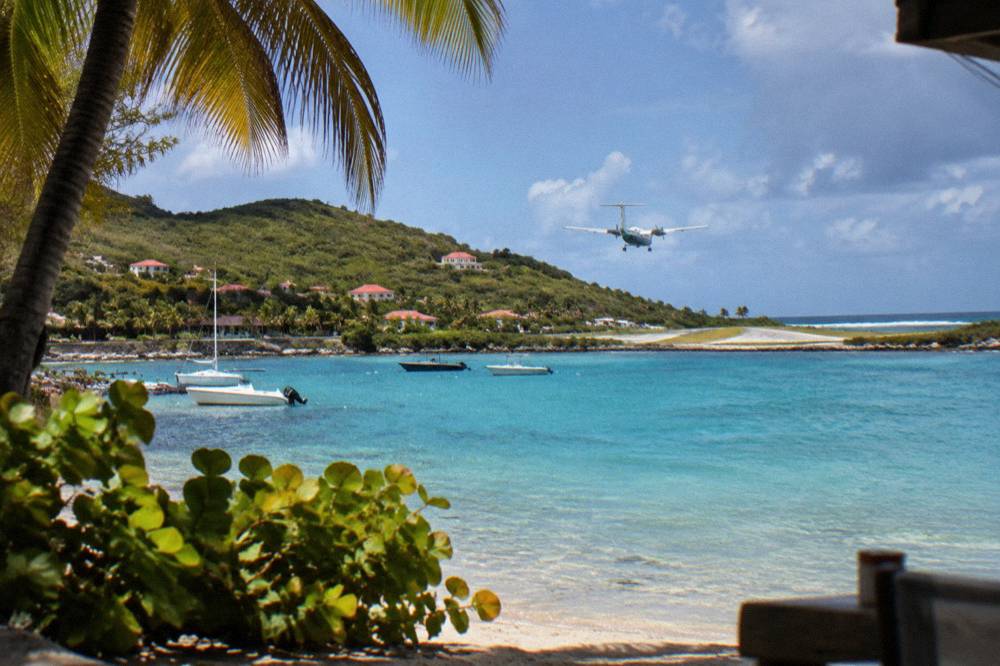
The correct internal references are the ferry and flight pages listed at the end of this article, and the airport code page for the SBH identifier. The route is a gateway flight, then a small plane or the ferry, then a short drive east from the airport area around St Jean toward the bay.
What Is The Seasonal Pattern At Le Sereno?
Le Sereno, like most hotels on St Barts, closes for a stretch every autumn and reopens as the high season builds, with reopenings spread between mid-October and early November; this is an annual pattern across the island's hotel sector, not a one-off, and the exact dates move each year. The closure window sits inside the Atlantic hurricane season, which runs from 1 June to 30 November with its peak from mid-August to mid-October.
The pattern matters more than any single date, because dated reopening notices pass quickly and this page will outlive them. What the research supports: most of the island's major hotels and many restaurants close in late August and reopen across October and early November; a smaller number of local, year-round places stay open throughout; and villas generally remain available year-round, which makes a villa a common alternative for autumn travel. Local reporting around October 2026 put Le Sereno's reopening in that late-October window, with one calendar listing a different date.
Hurricane context is part of any honest autumn answer. Hurricane Irma struck the island in September 2017 and caused severe damage; it is the storm the island is remembered by. The season's climatological peak sits near 10 September. No prediction of a storm for any date is possible or made here, and the quiet 2026 season to mid-October leaves 2027 an open question.
| Season window | What the pattern shows |
|---|---|
| December to April | the high season, hotels and restaurants fully open |
| May to mid-August | low season, warm sea, quieter island |
| Late August to mid-October | deepest closure window for hotels and restaurants |
| Mid-October to early November | reopenings spread across the island's properties |
Climate figures come from the Meteo-France normals, 1991-2020, for the St Barts station. The mean daily high runs from 28.5 C in January to 31.7 C in September; the island receives 891.3 mm of rain a year; October is the wettest month at 135.6 mm and February the least rainy at 38.4 mm. The sea is warm year-round, about 26 C in winter to about 29 C from August to October. Those numbers, not folklore, are what a stay at any month of the year actually feels like.
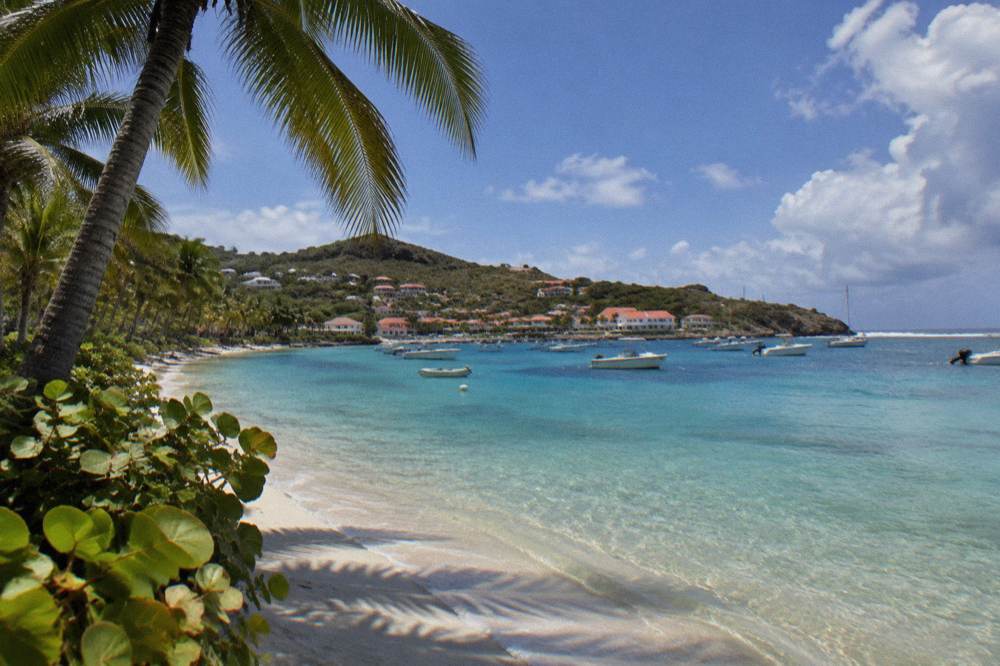
What Is The Weather Like Around Grand Cul-De-Sac?
The Meteo-France normals, 1991-2020, show St Barts warm all year: mean daily highs between 28.5 C in January and 31.7 C in September, mean daily lows between 23.3 and 26.3 C, and 891.3 mm of rain annually spread unevenly across the year. October is the wettest month at 135.6 mm and February the least rainy at 38.4 mm. No month is cold, and the sea stays warm.
| Month | Mean daily high C | Mean daily low C | Rain mm |
|---|---|---|---|
| Jan | 28.5 | 23.5 | 52.6 |
| Apr | 29.8 | 24.2 | 50.9 |
| Jul | 31.2 | 26.0 | 80.4 |
| Sep | 31.7 | 26.2 | 96.9 |
| Oct | 31.4 | 25.8 | 135.6 |
| Dec | 28.9 | 24.1 | 79.2 |
The practical reading for a Grand Cul-de-Sac stay is simple. Winter months are warm, relatively dry and the busiest. Summer months are warmer, the sea reaches about 29 C from August to October, and rain arrives more often in short heavy falls, especially from September onward. The only fully avoidable statistic is the hurricane-season overlap, and even that is a risk window rather than a forecast; travellers should watch official outlooks rather than this page. No sunshine-hour or humidity figure is printed because the normals table gives temperature and precipitation only.
What Can You Do Near Le Sereno On St Barts?
The immediate draw at Grand Cul-de-Sac is the lagoon itself, where the marine reserve protects turtle habitat and restricts boats to 5 knots and bans motorised water toys; beyond the bay, the island offers Gustavia's harbour and shops, the beaches of the north and east coasts, and the hike to Colombier. On the water, every bookable tour listed here departs from St Martin or Sint Maarten and visits St Barts by boat, none departs from the island itself.
That last point surprises people and shapes planning. A family or couple staying at Le Sereno who want a day on a boat around St Barts book a product that leaves from Simpson Bay, Cole Bay, Anse Marcel or Grand Case on the neighbouring island, sails across, and calls at Gustavia, Colombier Beach and Ile Fourchue. The related tour on this page is the per-person group sail that does exactly that route, and it runs only from 12 May to 31 August 2027 on its listing; outside that window the boat options are private charters priced per group.
To pair your stay with a day on the water, book a sail and snorkel day trip.
On the island itself, the beaches near Grand Cul-de-Sac are the everyday options. All are public.
| Beach | Position relative to Grand Cul-de-Sac | Status |
|---|---|---|
| Grand Cul-de-Sac | the bay itself | public |
| Lorient | south, along the coast road | public |
| Saint-Jean | southwest, near the airport | public |
| Anse des Cayes | northwest, on the Atlantic side | public |
| Saline | south, over the central hills | public |
| Colombier | northwest, reached on foot or by boat | public |
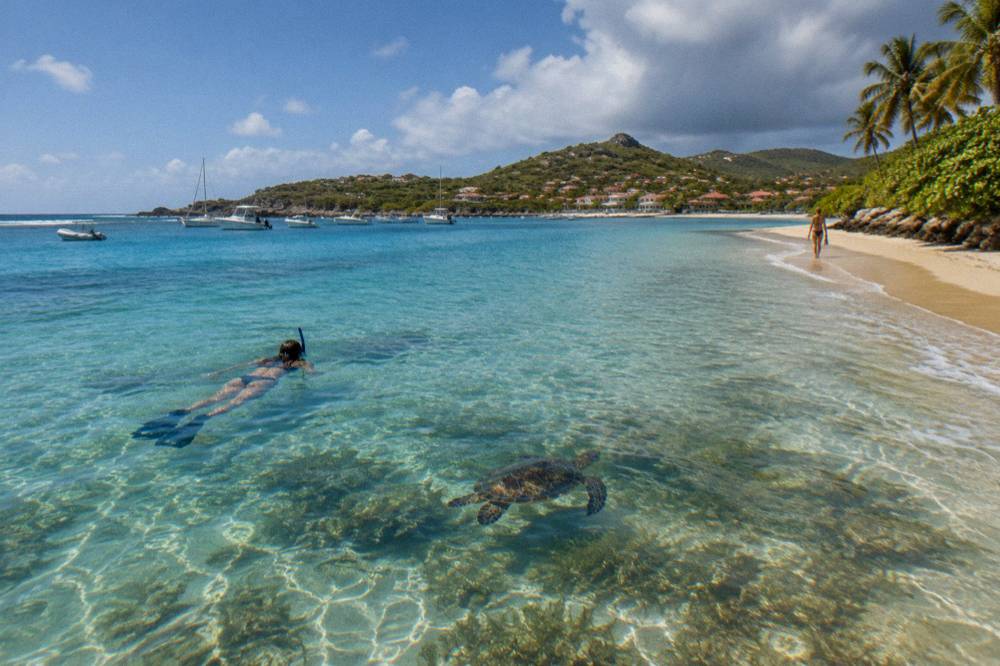
The turtle point deserves its own sentence: green and hawksbill turtles are recorded as common in the Grand Cul-de-Sac lagoon, the environment agency bans touching or disturbing them on beaches or in the water, and nest or sighting reports go to the agency. Gustavia, the harbour capital, is the island's shopping and dining hub, covered on this site in pages such as St Barts shopping and the attraction page for Le Select in Gustavia. For a longer read on the whole island, start with things to do in St Barts.
How Does Le Sereno Compare With Other St Barts Hotels?
Le Sereno is one of several named hotel properties on St Barts, and the comparison that matters is geographic: it sits at Grand Cul-de-Sac on the northeast shore, while the other recognised names cluster at St Jean, Flamands, Pointe Milou, Toiny and Gustavia. No rating, star count, room count, amenity or rate is printed for any of them, because none is attached to these properties and rates vary by season with each property's own booking page showing them.
The names and their corners of the island are straightforward to list. Travellers comparing should read the dedicated pages: Hotel Le Toiny, Rosewood Le Guanahani, Le Barthelemy Hotel, and Hotel Le Village St Jean. One structural note from the research: Rosewood Le Guanahani becomes Airelles Le Guanahani on 1 November 2026, a change carried in secondary press only, so confirm the current name before booking. All of these properties follow the same autumn closure pattern described above, with reopenings between mid-October and early November.
| Named property | Area of St Barts | Page on this site |
|---|---|---|
| Le Sereno | Grand Cul-de-Sac | this guide |
| Le Barthelemy | Grand Cul-de-Sac | /guides/le-barthelemy-hotel/ |
| Le Toiny | Toiny, southeast | /guides/hotel-le-toiny/ |
| Rosewood Le Guanahani | Grand Cul-de-Sac | /guides/rosewood-le-guanahani/ |
| Hotel Le Village | St Jean | /guides/hotel-le-village-st-jean/ |
Two properties share the bay with Le Sereno, which makes Grand Cul-de-Sac the island's most hotel-documented beach after St Jean. For travellers weighing a hotel against a house, the villa alternative exists year-round, and a large villa market with no printed count sits behind managers such as WIMCO, Sibarth and St Barth Properties. The comparison question, hotel or villa, is really a question about timing: villas keep operating through the autumn window when hotel tables and pools do not.
When Is The Best Time To Book A Stay At Le Sereno?
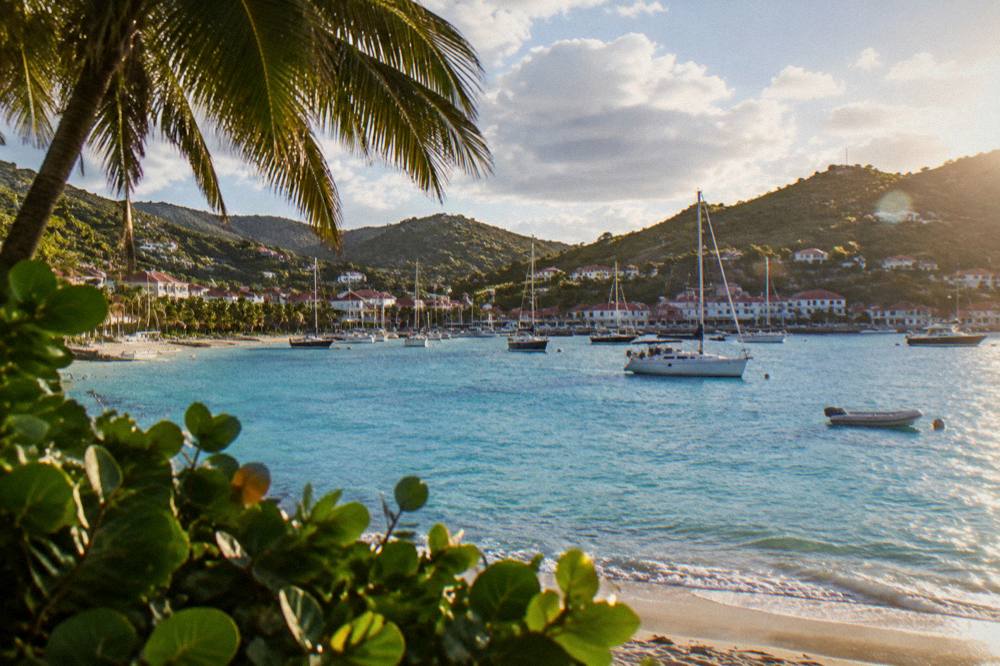
The high season on St Barts runs roughly December to April, aligned with the dry end of the Meteo-France normals and the island's event calendar, and that is when demand and availability are tightest; the low season from May onward brings the warmest sea and the quietest roads, while the late-August to mid-October window brings the hotel closures. For boat days, the group sail listed here runs only from 12 May to 31 August 2027 on its listing.
Booking timing follows from that. For a high-season stay, book flights, the hotel and any car well ahead, because the island is small and the calendar fills around the named events. The island's dated events for the season ahead are the Gourmet Festival from 9 to 15 November 2026 and the Music Festival from 8 to 18 January 2027; Bucket Regatta falls in mid-March, Les Voiles de St Barth in April with 2027 dates unconfirmed, and the Film Festival in late April or early May. New Year's Eve fireworks over Gustavia are an annual fixture, covered on the St Barts New Year's Eve page. That late-spring-to-summer window is the one where a per-person boat day is possible alongside a stay.
For an autumn or early-winter traveller, the sequencing matters: check that the hotel window is open for the chosen dates, because reopenings spread across mid-October to early November, and check the ferry and small-plane schedules at the same time, since services adjust seasonally too. Nothing on this page can promise availability for any date.
Is Le Sereno The Right Choice For Your St Barts Trip?
Le Sereno suits travellers who want to be on the flat, protected northeast shore with the turtle lagoon of Grand Cul-de-Sac on the doorstep, a short drive from both the airport side of the island at St Jean and the harbour at Gustavia; it suits a plan built around calm water and short drives rather than the surf side or the southern beaches, and in the autumn closure window it may simply be shut.
The wider question of whether the island itself suits a trip is its own topic, and the page this site carries for trip-shaping decisions around a hotel stay is the St Barts weddings guide, useful for anyone planning a ceremony or a celebration while in residence. The honest summary stands on its own. St Barts is a small French island with one short runway, two ferries from its neighbour, public beaches, a marine reserve with real rules, and a hotel calendar that breathes with the seasons. Le Sereno is one fixed point in that system: the northeast bay, the lagoon, the turtles, and a hotel whose reopening each October marks, for many people, the start of the island year.
A final practical note for anyone pairing a stay with a boat day: the boat products leave from St Martin or Sint Maarten, so they work best as either the first or last day of a trip, with a night on the neighbouring island either side, or as a round trip from a St Martin base. The ferry and flight pages listed below cover both ends of that journey: St Barts ferry operators and schedule, SXM airport to the St Barts ferry, flights to St Barts, flying to St Barts from the US, Winair St Barts, flights from Miami to St Barts, and the St Barts cruise port for anyone arriving by ship.
Common Questions About Le Sereno St Barts
Where is Le Sereno on St Barts?
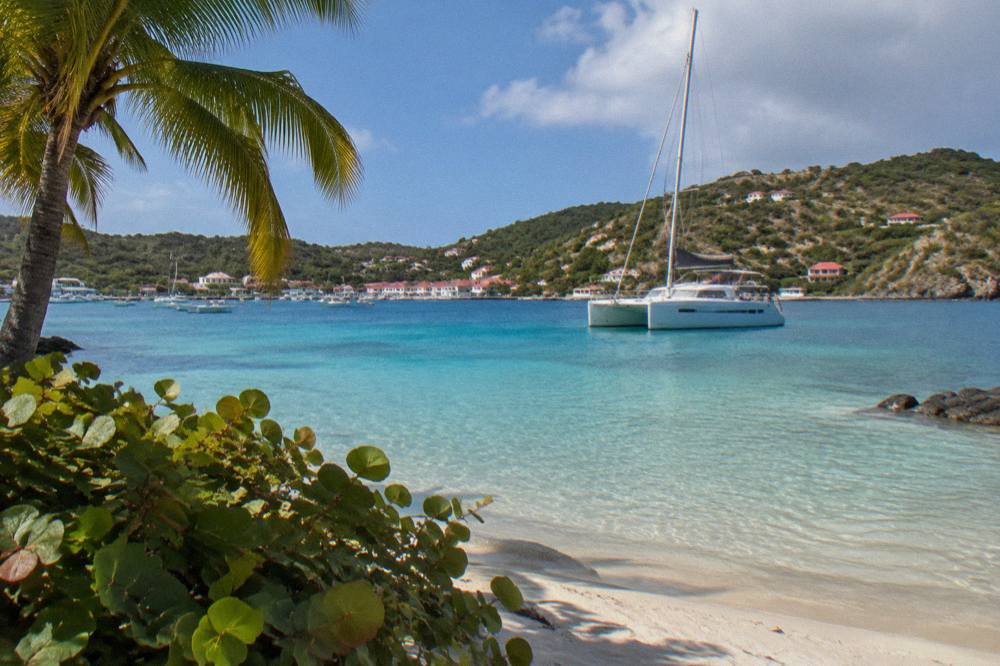
At Grand Cul-de-Sac, the shallow bay on the northeast shore of the island, inside the waters of the St Barts marine reserve. The beach in front of it is public, like every beach on the island.
Does Le Sereno close in autumn?
Yes, like most hotels on St Barts. The pattern runs from a closure in late August to reopenings spread between mid-October and early November. Exact dates move each year, so check the property's own booking page for the current season.
Can you swim with turtles at Grand Cul-de-Sac?
Green and hawksbill turtles are recorded as common in the lagoon. The environment agency's rules apply: no touching, chasing or feeding turtles, no dogs on any beach, a 5-knot limit for boats in reserve zones, and no jet skis or motorised water devices.
How do you get to Le Sereno from the US or Europe?
Fly to a gateway such as St Martin, San Juan, Guadeloupe or Antigua, then take a small turboprop to Gustaf III Airport, whose 646 m runway accepts no jets, or one of the two scheduled ferries from Philipsburg or Marigot, then drive to Grand Cul-de-Sac.
Is a car needed at Le Sereno?
That depends on the trip, and the island's roads are narrow and steep with a 50 km/h limit and 30 km/h in Gustavia and St Jean. Rental counters at the airport include Avis, Budget and Hertz, plus local agencies and Mini Mokes. Rental prices vary.
What is the weather like at St Barts year-round?
Per the Meteo-France normals, 1991-2020, mean daily highs run from 28.5 C in January to 31.7 C in September, with 891.3 mm of rain a year, October the wettest month at 135.6 mm and February the least rainy at 38.4 mm. The sea is warm year-round.