St Barts Versus St John
St Barthelemy, written St Barts, is a small French collectivity in the Caribbean with euro prices and a 646 m hilltop-and-harbour airport, while St John is a United States island in the Virgin Islands chain reached across water from St Thomas. Here is how the two islands actually differ for a traveller choosing between them.
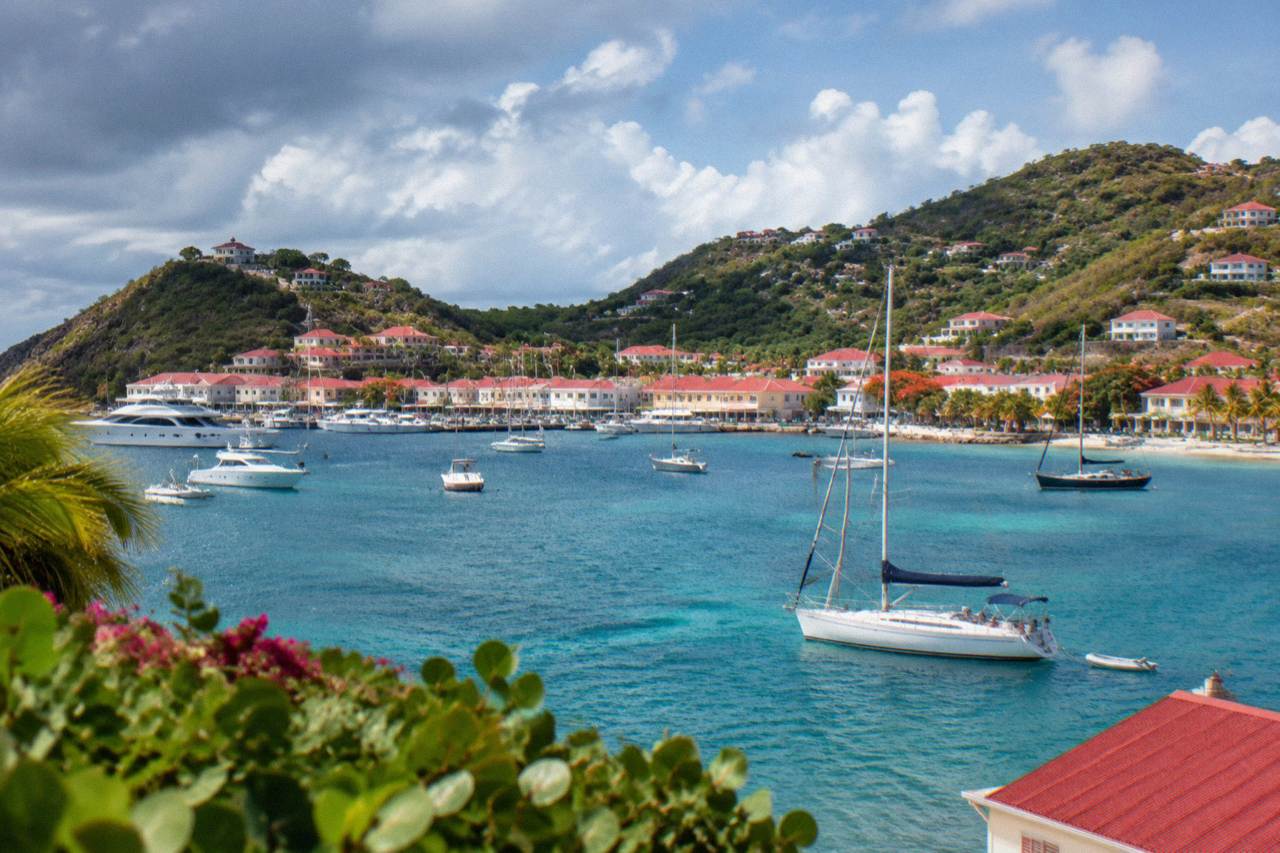
St Barts is a French overseas collectivity with euro currency, a short-runway STOL airport and ferry links from St Martin; St John is part of the United States Virgin Islands, uses the US dollar and is reached by ferry from neighbouring St Thomas. St Barts suits French-Caribbean harbour life and day charters; St John suits a US-territory national-park island.
St Barthelemy, universally written St Barts, is a French overseas collectivity in the Caribbean with about 21 square kilometres of hills, public beaches and one of the most distinctive airports in the world. St John, two thousand kilometres to the northwest in the Virgin Islands, is United States territory, an island of green slopes and protected shoreline that travellers reach across a short stretch of water from St Thomas. The two are often named in the same breath because both promise quiet coves and uncrowded sand, yet they differ in government, currency, entry rules and, above all, in how you arrive. This guide compares what can be compared, with the St Barts side drawn from the island's own facts and the St John side kept to its role as a US-territory neighbour whose costs and schedules sit outside this guide.
Is St Barts Or St John Better For A Caribbean Island Day?
St Barts is a French overseas collectivity of about 21 square kilometres with Gustavia as its harbour capital, euro currency and French as the official language alongside widely spoken English, while St John is an island of the United States Virgin Islands, using the US dollar and following US entry rules. The choice is less about scenery, both are green and ringed with public sand, and more about which country's systems you prefer travelling inside.
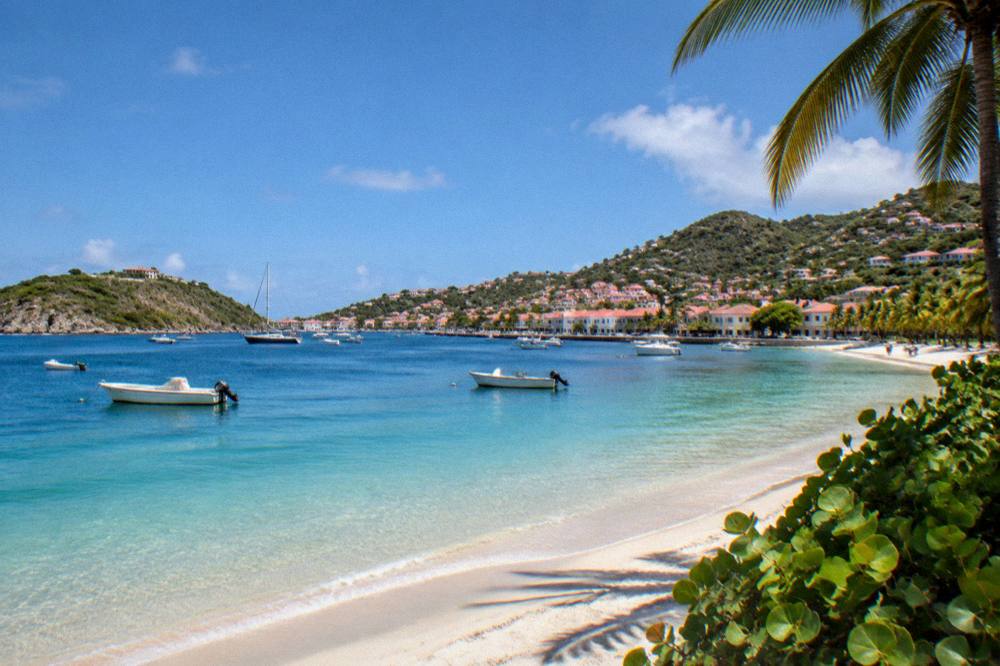
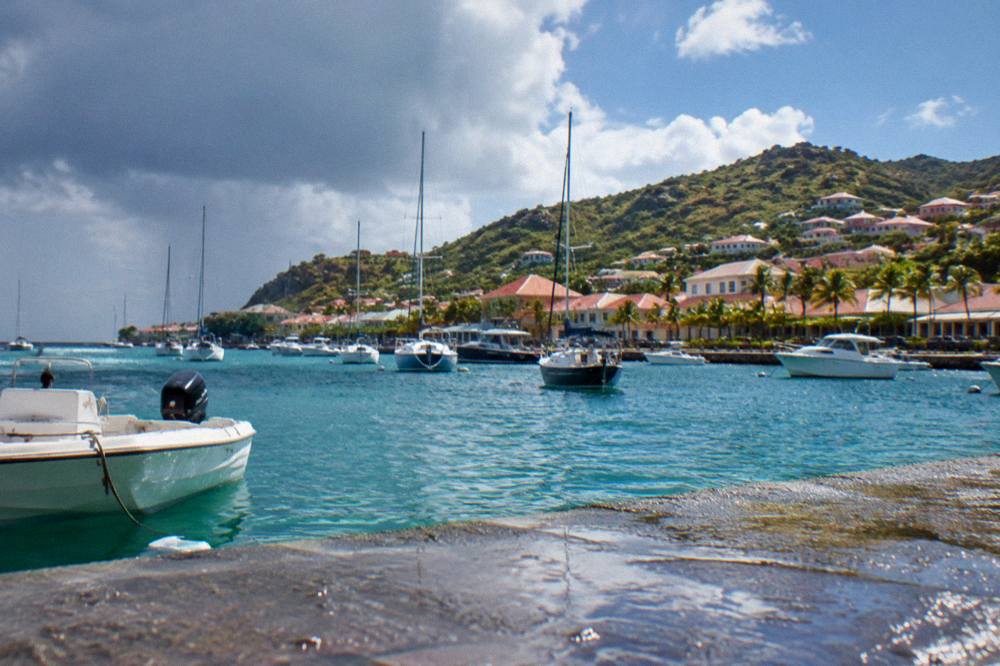
Both islands keep their coastlines open to the public. On St Barts every beach is public, from Saint-Jean beside the airport to Saline and Gouverneur on the south coast, and the official tourism committee lists them without entry fees. The island's identity is French: an overseas collectivity of France since 2007, with roughly 10,700 residents, red-roofed Gustavia wrapped around its harbour, and a calendar that mixes French holidays with Caribbean sailing weeks. The marine reserve that rings key bays is run by the territorial environment agency, whose rules shape every swim and anchorage.
St John, by contrast, belongs to the United States, and its protected land sits inside the US national-park system. That difference reaches into everything practical: the currency you spend, the phone numbers you dial in an emergency, the passport advice you follow. A trip to St Barts is a trip to France, however tropical the setting; a trip to St John is a trip to a US territory. Neither is "better" in the abstract, but the framing decides your paperwork, your money and your onward connections.
For readers planning around St Barts, the practical pages on this site carry the detail: start with things to do across St Barts and the St Barts versus St Martin comparison if the gateway island is also on your list.
| Attribute | St Barts | St John |
|---|---|---|
| Status | French overseas collectivity since 2007 | Island of the United States Virgin Islands |
| Capital or main town | Gustavia | Cruz Bay |
| Currency | Euro | US dollar |
| Official language | French, with English widely spoken | English |
| Area | About 21 square kilometres | Not covered here |
| Emergency numbers | 15, 17, 18 and 112 (French system) | US emergency system |
How Do You Get To St Barts Versus St John?
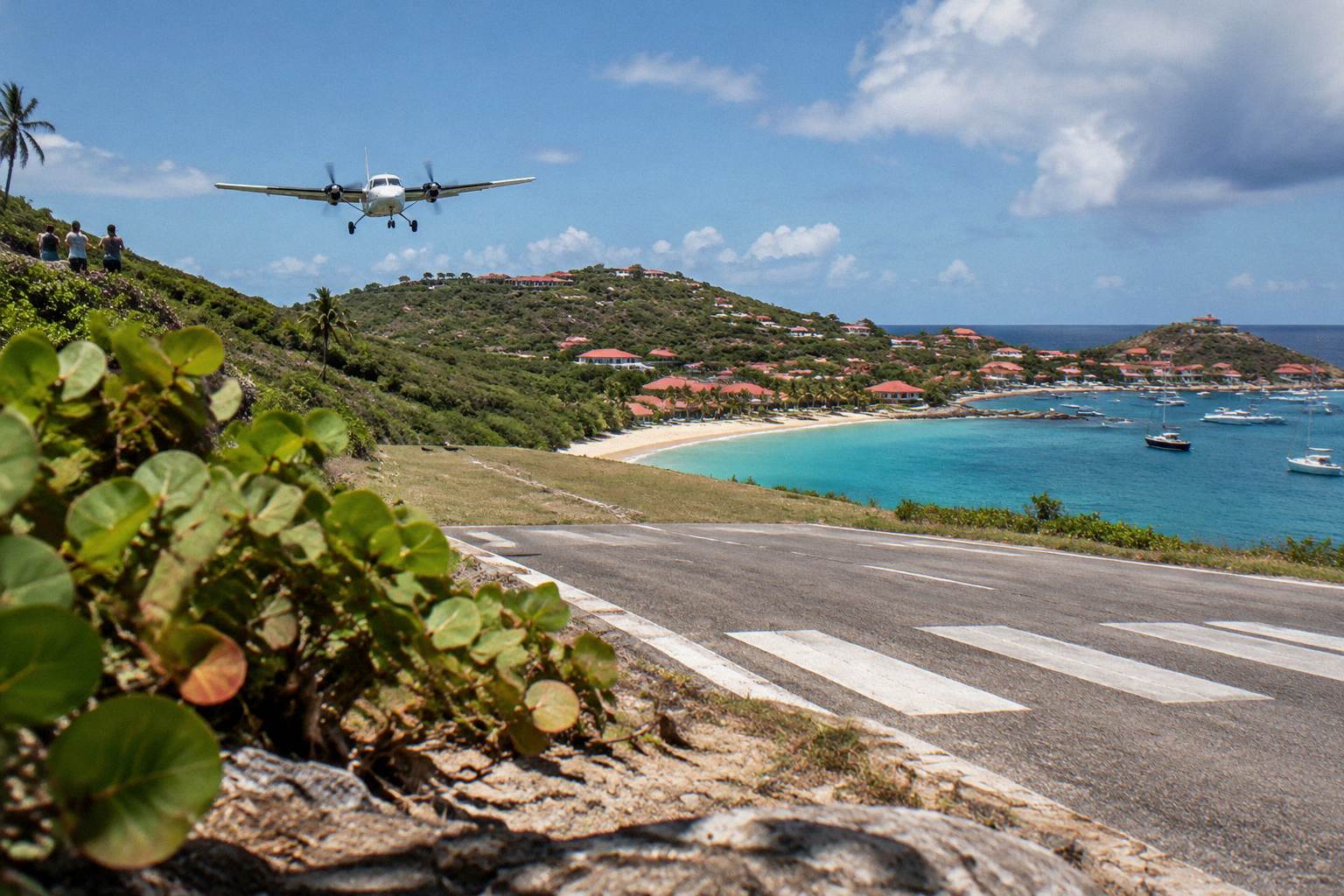
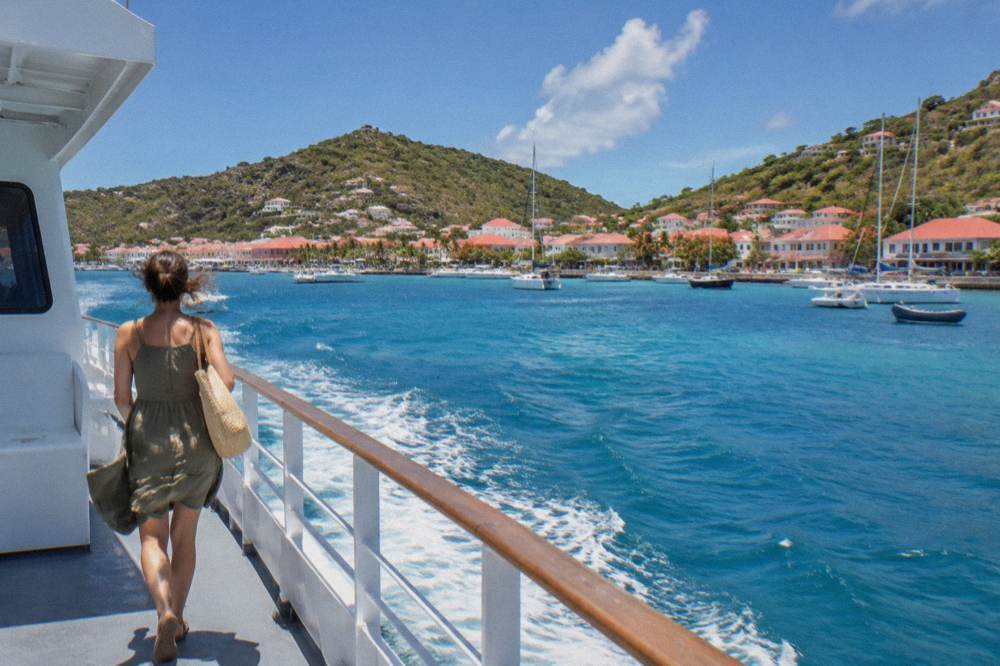
St Barts is reached through St Martin: a short hop on a small STOL turboprop into Gustaf III Airport, whose 646 m runway accepts no jets and operates in daylight only, or a ferry from Philipsburg or Marigot across about 45 to 60 minutes of open water. St John is reached by ferry from neighbouring St Thomas in the US Virgin Islands, and has no airport of its own.
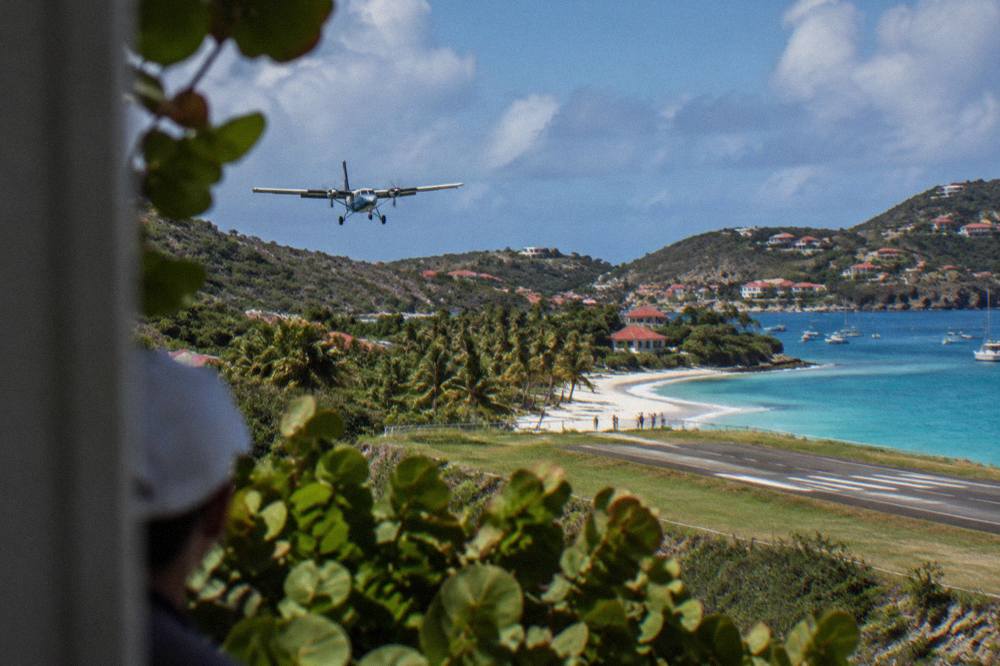
The St Barts approach is famous for good reason. Gustaf III Airport, also called Remy de Haenen, has a single 646 m runway angled toward the beach at Saint-Jean. Only small STOL turboprops fly in, in daylight and visual conditions, with pilots specially qualified for the approach. St Barth Commuter serves the field from St Martin's SXM and Grand Case airports and from Guadeloupe, and Tradewind flies to it from San Juan and Antigua; Winair also operates Twin Otters on the corridor from SXM. No jet lands on the island, and none ever has on this runway.
The sea alternative runs from two ports on St Martin. Great Bay Express departs Philipsburg on the Dutch side, Sint Maarten, for a crossing of about 45 minutes, and Voyager departs Marigot on the French side for about 50 to 60 minutes. The operators' own pages carry current sailings, which shift with season and weather, and the crossing can be rough, so no smooth passage should be promised. Arrival in Gustavia puts you in the harbour capital within walking distance of its shops and shell beaches. The practical detail, including check-in windows and seasickness planning, is covered in the site's guide to reaching St Barts through St Maarten airport.
St John's access story is simpler to state and outside this site's scope: the island has no airport, and travel articles consistently describe ferry links from St Thomas as the standard approach. This site prints no schedules, fares or crossing figures for that route, and none should be assumed from the St Barts numbers above. What can be said is structural: St John sits inside the US transport and entry system, while St Barts sits inside the French one, and every connection reflects that.
| Step | Getting To St Barts | Getting To St John |
|---|---|---|
| Main gateway | St Martin, French and Dutch sides | St Thomas, US Virgin Islands |
| Air option | Small STOL turboprop to SBH from SXM, Grand Case, Guadeloupe, San Juan or Antigua | No airport on the island itself |
| Sea option | Great Bay Express from Philipsburg, about 45 minutes; Voyager from Marigot, about 50 to 60 minutes | Ferry crossing from St Thomas, figures not covered here |
| Aircraft or vessel limits | 646 m runway, no jets, daylight and visual flying only | Not covered here |
What Does A St Barts Boat Day From St Martin Look Like?
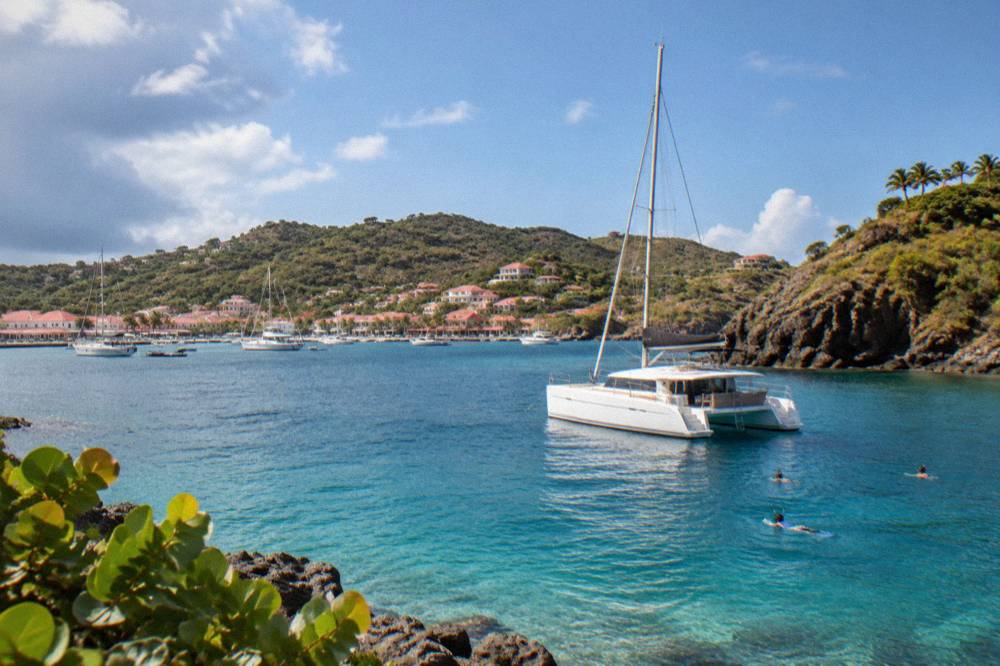
A St Barts boat day from St Martin typically means a morning departure from Simpson Bay, Cole Bay, Anse Marcel or Grand Case, a sail across the channel to Gustavia or straight to Colombier Bay and Ile Fourchue, snorkelling inside the marine reserve's rules, and a return by evening. Every bookable trip listed here departs from St Martin or Sint Maarten, never from St Barts itself.
The anchorages are the draw. Colombier Bay and Ile Fourchue sit inside the marine reserve's protected zones, where the environment agency sets a 5-knot speed limit, bans jet skis and lists 23 dive sites. Charters moor on ecological buoys, swimmers share the water with green and hawksbill turtles, and the rules are simple: no touching wildlife, no collecting shells or coral, no gloves in the water. A day on this water is not a theme-park ride; it is a regulated visit to a protected sea.
The trip list here spans group sails and private charters. The per-person option, the Boomerangs group sail, runs its listed season from 12 May to 31 August 2027, while the private products are priced per group and run year-round on their listings. Private groups get the itinerary shaped around them, and the overnight catamaran adds a night at anchor. What none of them can do is depart from Gustavia, because the logistics of the channel crossing, provisioning and clearance all begin on the St Martin side.
Between the two islands' boat cultures there is a real contrast. St Barts' sailing scene is French-Caribbean, organised around Gustavia's harbour and the reserve's zones, and many travellers arrive precisely for regatta weeks and yacht-watching. St John's water culture centres on its national-park bays and mooring fields, run under US rules. Both reward arriving by sea rather than treating the water as scenery.
Which Island Is Simpler For US Travellers On Paperwork?
US travellers reach St John without a passport question in principle because it is US territory, while St Barts requires a passport and follows French overseas entry rules: it sits outside the Schengen area, so ETIAS and EES do not govern entry, and the tourism authority states that a valid travel document is needed, with EU citizens able to use a national ID card. Each traveller should check their own government's current advice before booking.
The distinction is clean. St Barts is France, administratively: a French overseas collectivity under Article 74 of the French constitution, outside Schengen, with entry set by French overseas rules rather than by the systems travellers associate with Europe. A Schengen visa, for those who need one, does not by itself cover the territory. Visa-exempt nationalities including US, UK, Canadian and EU citizens generally stay up to 90 days, and an onward ticket is a standing requirement.
Because passport-validity advice differs by nationality and is enforced variably by airlines, check the number of months with your own government and airline. UK guidance, Canadian guidance and US guidance each phrase it differently, and the traveller's own government page is the right source. The same caution applies in reverse for St John: US territory brings its own current identification requirements for air travel, so check before flying.
One quiet detail worth knowing: St Barts is time-zone simple. The island sits at UTC minus 4 with no daylight saving, so clocks never shift, matching the Virgin Islands' offset in winter and drifting an hour apart in the US summer. Travellers combining both islands in one long trip should still confirm connection times on the day, since the ferry and flight schedules that link the region move with the seasons.
How Does The Water Around St Barts Compare On Protection Rules?
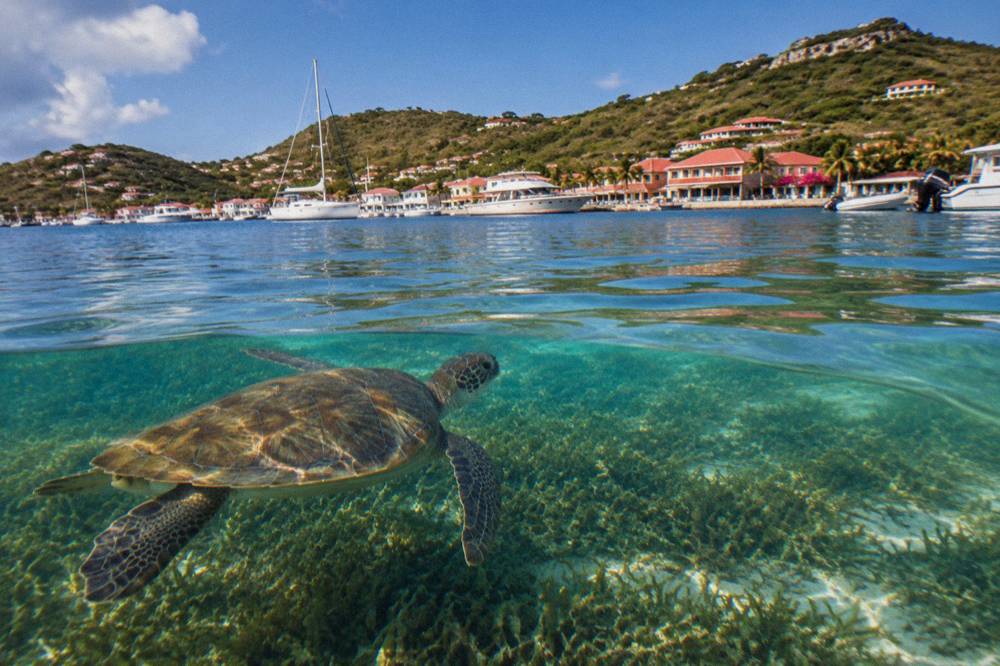
The St Barts marine reserve, administered by the territorial environment agency, sets a 5-knot speed limit in its zones, bans jet skis, seabobs and towed motorised sports, lists 23 dive sites, prohibits dogs on all island beaches and forbids touching or chasing turtles, corals and other protected species. St John's protected waters sit under US national-park rules, which this site does not detail.
The St Barts rules matter to any swimmer or sailor because they are enforced in the bays people actually visit. In Colombier and Ile Fourchue bays, vessels over 25 m are excluded, ecological mooring buoys are preferred and anchoring is restricted. Swimmers may not wear gloves, may not collect so much as a shell, and drones are prohibited near the reserve without authorization. Dogs are banned from every beach on the island under a municipal order, leashed or not, to protect nesting wildlife. The wider set of guides lives on St Barthelemy Travel.
Turtles are the emblematic case. Green and hawksbill turtles feed around Colombier and in the Grand Cul-de-Sac lagoon, and the environment agency asks that nests and sightings be reported rather than approached. The rules sound strict on paper and read, in the water, as the reason the bays stay worth swimming in. A charter crew will brief them; a visiting swimmer should know them in advance.
St John's parallel story is its national park, which covers a large share of the island's land and shoreline under US federal management. For specifics, from mooring fees to trail rules, a traveller comparing the two should read the park's own materials directly. What can be said is that both islands have chosen protection over development, each inside its own country's legal tradition.
| Rule | St Barts Marine Reserve | St John |
|---|---|---|
| Speed on the water | 5-knot limit in reserve zones | US national-park rules, not covered here |
| Motorised sports | Jet skis, seabobs, towed sports banned | Not covered here |
| Dogs on beaches | Banned island-wide, on or off leash | Not covered here |
| Diving | 23 listed dive sites, some zones ban scuba | Not covered here |
| Wildlife contact | No touching turtles, corals or protected species | Not covered here |
When Is The Best Time To Visit St Barts?
The Meteo-France normals for 1991 to 2020 show St Barts warm year-round, with mean daily highs from 28.5 C in January to 31.7 C in September, 891.3 mm of rain across the year and October the wettest month at 135.6 mm; the Atlantic hurricane season runs 1 June to 30 November with its peak mid-August to mid-October, so the calmest-weather window sits in the Caribbean winter.
The numbers deserve a careful read. February is the lowest-rain month at 38.4 mm and October the highest at 135.6 mm, while temperatures barely move: the spread between the January and September mean highs is about three degrees. The sea stays warm throughout, about 26 C in winter to about 29 C from August to October by secondary figures. Choosing a month on St Barts is therefore less about heat and more about rain statistics, hurricane-season timing and what is open.
That last point is practical. Many St Barts hotels and restaurants close each autumn and reopen in waves between mid-October and early November, a recurring pattern rather than a fixed schedule, so deep-autumn visitors find a quieter island with fewer tables. The high season that follows fills around sailing events and the holidays. Two dated fixtures anchor the calendar from the island's own announcements: the St Barth Gourmet Festival from 9 to 15 November 2026, and the St Barth Music Festival from 8 to 18 January 2027, its 43rd edition. The Bucket Regatta follows in mid-March, and Les Voiles de St Barth in April, with 2027 dates unconfirmed.
St John shares the same Caribbean rhythm, and its peak likewise follows North American winter. This site prints no crowd predictions for either island; availability and conditions are checked, not assumed, and the ferry and flight schedules that serve both move with the seasons.
| Month | Mean Daily High C | Mean Daily Low C | Rain mm |
|---|---|---|---|
| January | 28.5 | 23.5 | 52.6 |
| February | 28.6 | 23.3 | 38.4 |
| April | 29.8 | 24.2 | 50.9 |
| July | 31.2 | 26.0 | 80.4 |
| September | 31.7 | 26.2 | 96.9 |
| October | 31.4 | 25.8 | 135.6 |
| December | 28.9 | 24.1 | 79.2 |
Should You Combine St Barts And St John In One Trip?
Combining both islands in one itinerary is possible but rarely seamless, because St Barts and St John sit in different national systems with no direct link between them: the practical route runs St Barts to St Martin by ferry or plane, onward by air to the US Virgin Islands region, and finally across to St John by ferry, so the pairing suits a two-week Caribbean tour better than a single week.
The logic of combining them is contrast rather than convenience. A traveller who wants French-Caribbean harbour life, euro-priced café tables and a marine reserve policed by a French territorial agency will find it on St Barts; a traveller who wants US national-park shoreline and dollar transactions will find it on St John. Doing both means paying the region's connective tissue, the small planes and ferries that stitch the Leewards and Virgins together, twice over.
For most readers of this site the St Barts half of such a trip is the anchor, and the smarter combinations are the close ones. Island hopping from St Barts covers the neighbours within a day's reach, and the site's pages on Anguilla and Saba show how much variety sits inside a short radius of Gustavia. St Martin itself deserves at least a night on the way through, as the what to do before crossing to St Barts page lays out, since both ferries and the flight corridor start there.
If the water is the reason you are comparing islands at all, the St Barts side is best judged from a deck. The charters below cover the range from a per-person day sail to a private overnight, all departing from St Martin or Sint Maarten.
Between those two extremes sits the private sailboat option, a day priced per group, where the route to Colombier or Ile Fourchue is set with the crew rather than fixed by a schedule. It suits travellers who want the reserve's bays without sharing the boat.
And for travellers who want the crossing itself to be the trip, the overnight catamaran turns the channel into a two-day, one-night passage with a night at anchor in St Barts waters. It is the fullest version of arriving by sea.
Which Island Should You Choose For A First Caribbean Trip?
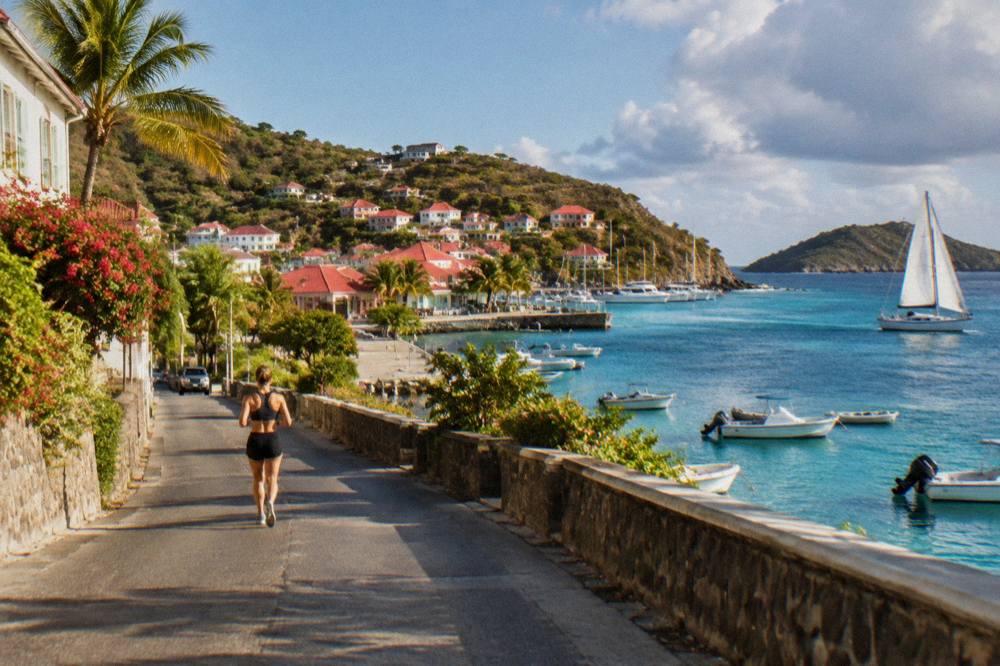
Choose St Barts for a first Caribbean trip if the appeal is a compact French island you can drive around in a morning, public beaches with a harbour capital, sailing events and a marine reserve, all reached through St Martin; choose St John if you specifically want US territory, US currency and a national-park shoreline reached from St Thomas. For a first trip built around water and boats, the St Barts side offers the deeper choice of day charters.
The honest summary is that both deliver the Caribbean basics, warm sea, green hills and public sand, and that the decision is administrative and stylistic. St Barts asks for a passport, a currency conversion and a small plane or ferry; it rewards the effort with an island that feels French in its baker's hours, its road signs and its harbour etiquette. The Saline beach guide and the Shell Beach page give a sense of how close the sand sits to the capital.
St John asks for US travel arrangements and rewards them with park-managed shoreline. Neither island is a budget decision that this site can price for you, and the St Barts cost question is answered by the properties' own booking pages, which vary by season.
For the practical St Barts half of any decision, this site carries the full toolkit, from getting around the island logistics to area guides for every coast. St Barthelemy Travel keeps the ferry, flight, climate and reserve facts current so the comparison you make is based on what the operators and agencies actually publish.
Common Questions About St Barts Versus St John
Is St Barts or St John easier to reach?
St John is US territory reached by ferry from St Thomas, which simplifies arrangements for US citizens. St Barts requires international travel to France's overseas system, then a small-plane hop or ferry from St Martin, roughly 45 to 60 minutes from Philipsburg or Marigot. Neither is hard, but St Barts adds a border crossing.
Do St Barts and St John use the same currency?
No. St Barts uses the euro as a French overseas collectivity. St John, as part of the United States Virgin Islands, uses the US dollar. Credit cards are widely accepted on St Barts, but the currency difference affects how you budget.
Can you fly directly to St Barts or St John?
Neither island takes long-haul aircraft. St Barts' Gustaf III Airport has a 646 m runway limited to small STOL turboprops in daylight conditions, fed from St Martin, Guadeloupe, San Juan and Antigua. St John has no airport at all; travel articles consistently describe ferries from St Thomas as the standard approach.
Which island has better snorkeling?
Both have protected waters. On St Barts, the marine reserve lists 23 dive sites and zones around Colombier Bay and Ile Fourchue where turtles are common and rules forbid touching wildlife or collecting shells. Compare the reserve's own pages with the US national park's materials.
Is a passport required for St Barts?
Yes for most nationalities, since St Barts follows French overseas entry rules and sits outside the Schengen area; EU citizens may use a national ID card. An onward ticket is required. Passport-validity advice differs by country, so check your own government's travel guidance rather than a fixed number of months.
When is hurricane season for both islands?
The Atlantic hurricane season runs 1 June to 30 November for the whole region, with peak activity from mid-August to mid-October and a climatological peak near 10 September. St Barts' Meteo-France normals show October as the wettest month at 135.6 mm. No storm can be predicted for a given date on either island.
The final picture is straightforward. St Barts and St John are two protected, beach-ringed islands separated by a border rather than by scenery, one French and reached through St Martin, the other American and reached through St Thomas. Pick the country whose rhythm you want your holiday to keep, then let the ferries, the reserve rules and the sailing calendar shape the days.