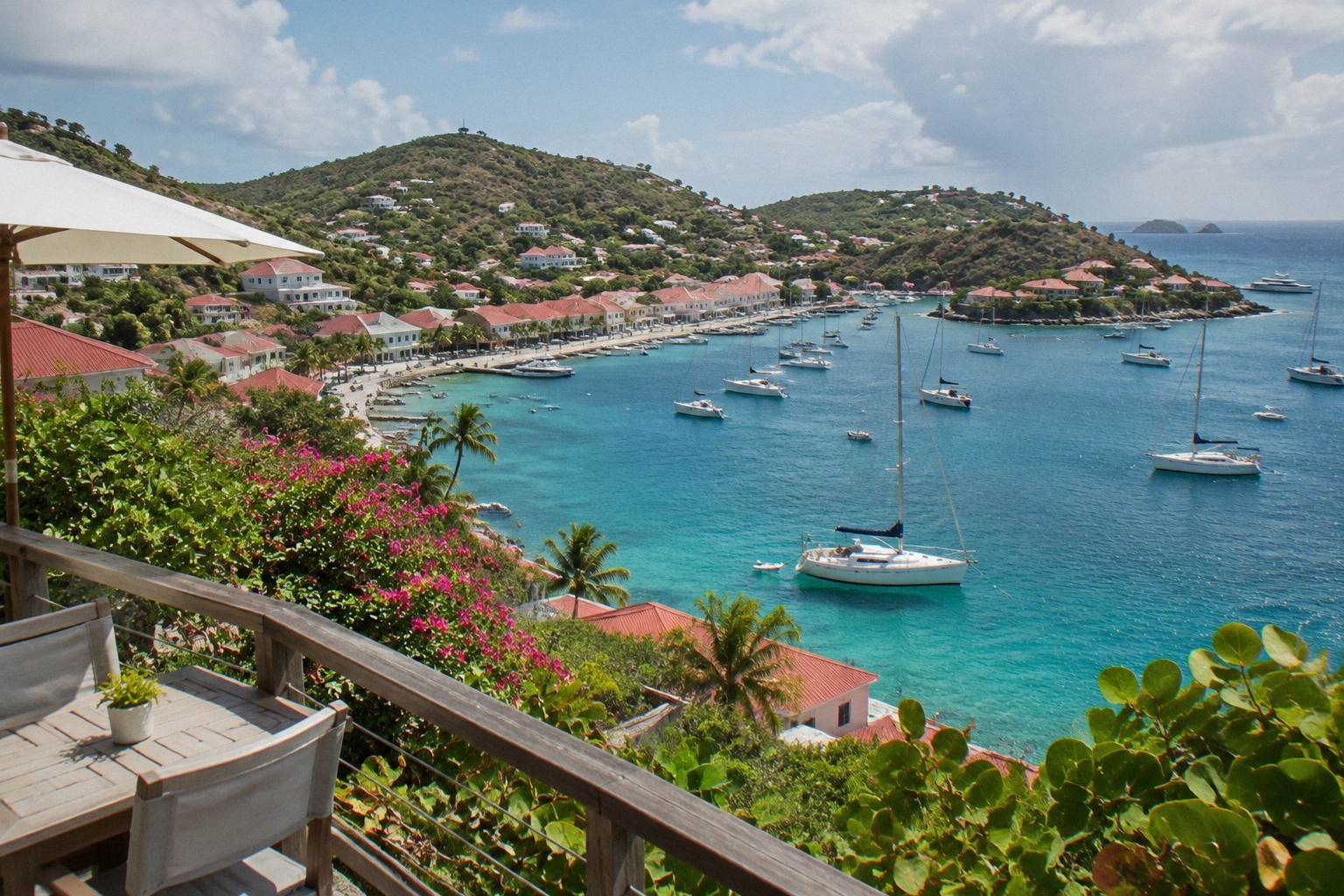
Is St. Barts Snobby?
An honest look at whether St Barts deserves its snobby reputation: dress codes, prices, beaches, Gustavia and who the island actually suits.
St Barthelemy, better known as St Barts, is a French overseas collectivity in the Caribbean with about 21 square kilometres of hills, red-roofed Gustavia and turquoise water, and roughly 10,700 residents. Its public image is built on superyachts, luxury hotels and celebrity New Year holidays, which is exactly why people ask whether the island is snobby. The honest answer comes from what the island itself publishes: every beach is public, the marine reserve treats every swimmer the same, and the tourism committee markets the place as much for its walking trails and turtle waters as for its boutiques. The wealth is real, but it sits on top of an ordinary French island, not inside a gated one.
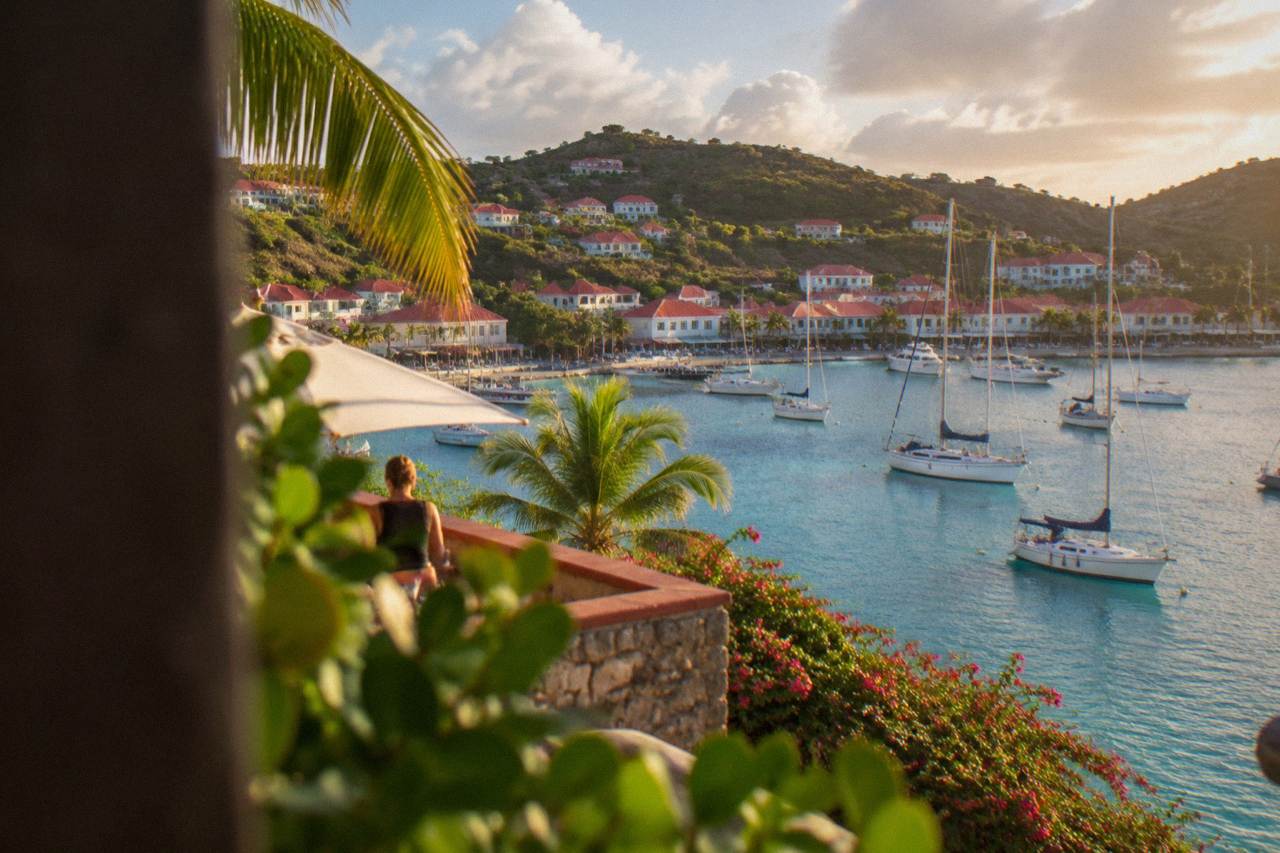
Snobby is the reputation, not the rule. St Barts has a genuine concentration of luxury hotels, villas and superyachts, and French-influenced dining, but every beach on the island is public and free to access, the harbour town of Gustavia is open to walk around, and the tourism committee promotes hiking, snorkelling and village life alongside the boutiques. The island is expensive in parts, selective in its hotels, and ordinary everywhere else.
The reputation has a factual base. The island's hotel stock skews heavily upscale, several of the best-known properties close each autumn and reopen for the winter season, and the harbour at Gustavia is a recognised port of call for large private yachts, with the port authority regulating visits and events like the Bucket Regatta in mid-March built around them. That concentration of wealth produces the image. It does not produce private beaches, because there are none: the tourism committee's own materials list Saint-Jean, Gouverneur, Saline, Shell Beach, Flamands, Colombier, Grand Cul-de-Sac, Lorient, Toiny, Marigot and Corossol as public beaches, free to access, and the environment agency applies the same rules to everyone in the marine reserve that surrounds them.
What actually decides how the island feels is logistics rather than attitude. There are no direct flights from outside the Caribbean: the airport at Gustavia has a 646 m runway served only by small turboprops in daylight, so almost everyone arrives through St Martin by small plane or by ferry. That filter makes the island quieter and harder to reach than its neighbours, which some read as exclusivity and others simply as geography. The question why is it so hard to get to St Barts covers the mechanics in detail.
Is St Barts Only For Rich Travellers?
No, and the island's own structure proves it. Accommodation is dominated by upscale hotels and a large villa market, but every beach is free, Gustavia's streets and forts are open public space, the environment agency's nature reserve costs nothing to swim in, and the scheduled ferry from St Martin makes the island reachable without a private boat or plane. The island caters to wealth without requiring it.
The money is concentrated in a handful of sectors. Hotels sit mostly at the top of the market, villas fill the hills, and the port hosts a yachting calendar. Around that core, though, is an ordinary French Caribbean community of about 10,700 people with a school system, a weekly rhythm and villages like Corossol and Lorient that have nothing to do with the luxury trade. St Barthelemy has been an overseas collectivity of France since 2007, uses the euro, and runs on French administrative routine, which is a strange foundation for a snob's paradise.
The practical test is what a visitor without a villa budget can actually do, and the answer is most of the island:
| Aspect of the island | Open to everyone | Restricted or paid |
|---|---|---|
| Beaches | All of them, public and free by law | None are private |
| Gustavia | Streets, harbour front, forts, public lots | Hotel and villa grounds |
| Marine reserve | Swimming and snorkelling in permitted zones | Some zones ban anchoring and scuba |
| Walking | Marked trails and coastal paths | Nothing on the trail network |
| Getting there | Scheduled ferry from St Martin or Sint Maarten | Private charters and transfers |
| Eating | Bakeries and casual spots exist alongside fine dining | Hotel tables in season |
The environment agency's regulatory-zones page sets a 5-knot speed limit in protected zones, bans jet skis and dogs on beaches, and lists 23 dive sites, with the same rules for a superyacht tender and a rented snorkel mask. Nobody's money buys an exception, which is the opposite of a snobby institution.
Does Gustavia Feel Exclusive?
Gustavia is a working harbour town that happens to host expensive boats. The quays, the shell beach at its edge, the Swedish-era forts and the public lots are all open to walk freely, and shops sit next to the island's administrative offices rather than behind gates. The exclusivity is visual, in the yachts and boutiques, not physical, and a day visitor from the ferry walks the same streets as a charter guest.
The town is the collectivity's capital, small enough to cross on foot, with red roofs around a harbour where cruise passengers tender in because there is no cruise pier. Boutique windows and harbour views give it the glossy surface people photograph, but the same streets hold the port office, the museums and the everyday services of a town of this size. For a sense of the town's layout and what sits where, the Gustavia harbour guide walks through it quay by quay.
Dress is where the snobbery question usually lands in practice, and the island gives no official dress code to point to. French Caribbean norms apply: swimwear belongs at the beach, topless sunbathing is accepted on many beaches, and harbour-town streets call for ordinary town clothes. Nobody checks labels. The question of what part of St Barts is best to stay in matters far more to a trip than any wardrobe concern.
What Kind Of Traveller Finds St Barts Unfriendly?
Travellers who expect easy access, familiar prices and a built-up resort strip are the ones who leave disappointed. St Barts requires a connection through St Martin, has no jet airport, no all-inclusive resorts of the mass-market kind, and a hotel market that closes in autumn and reopens between mid-October and early November. It is not unfriendly, but it is small, seasonal and logistically particular, and that reads as coldness to anyone unprepared for it.
The friction points are structural. The airport takes only small STOL turboprops in daylight, so weather and daylight end the flying day early. The ferry crossing from St Martin or Sint Maarten can be rough and the operators say so themselves. Hotels and many restaurants close for the autumn hurricane-season lull, so an October arrival meets a different island from a January one. None of that is snobbery; it is a 21-square-kilometre island with a short runway and a seasonal economy. The page on whether St Barts is worth visiting weighs the same trade-offs.
Travellers who enjoy the island tend to be the ones who accept its terms: slow arrival, a rental car or Mini Moke for the hills, mornings on a public beach, and an evening walk in Gustavia. The island rewards that rhythm with things that cost nothing, turtles in the water at Grand Cul-de-Sac, the view trails above Colombier, and the sunset spots listed in the sunset guide. For more on the island's character, St Barthelemy Travel keeps a full set of area and beach pages.
How Do Locals Treat Visitors On St Barts?
By all published accounts, with the normal politeness of a French territory that depends on tourism. French is the official language and English is widely spoken, the tourism committee's guidance is practical rather than precious, and the island's economy runs on visitors arriving by ferry and small plane. No source documents rudeness or a standoffish local culture.
The verifiable facts point the other way. The collectivity publishes visitor information in English as well as French, the ferry and airline operators run scheduled public services rather than membership-only ones, and the marine reserve's rules are written for everyone from cruise tender passengers to villa guests. Emergency numbers are the standard French ones, 15, 17, 18 and 112, for anyone who needs them. An island that posts its turtle-protection rules at beach entrances is communicating with its visitors, not screening them.
One genuine culture gap is pace and formality. Greetings matter in French-speaking places, a bonjour before a request goes a long way, and service follows French rhythm rather than a rushed one. That is convention, not condescension, and it is the same in Gustavia as in any French town.
The one per-person group sail listed here, running 12 May to 31 August 2027 on its listing, is a fair test of the island's character: it leaves from St Martin, stops at Gustavia, Colombier and Ile Fourchue, and mixes visitors who booked a single seat rather than a whole yacht. For anyone weighing a stay built around the water, where do the celebrities stay in St Barts covers the famous end of the hotel market, while the things to do overview lists what the rest of the island offers.
So Is St Barts Snobby Or Not?
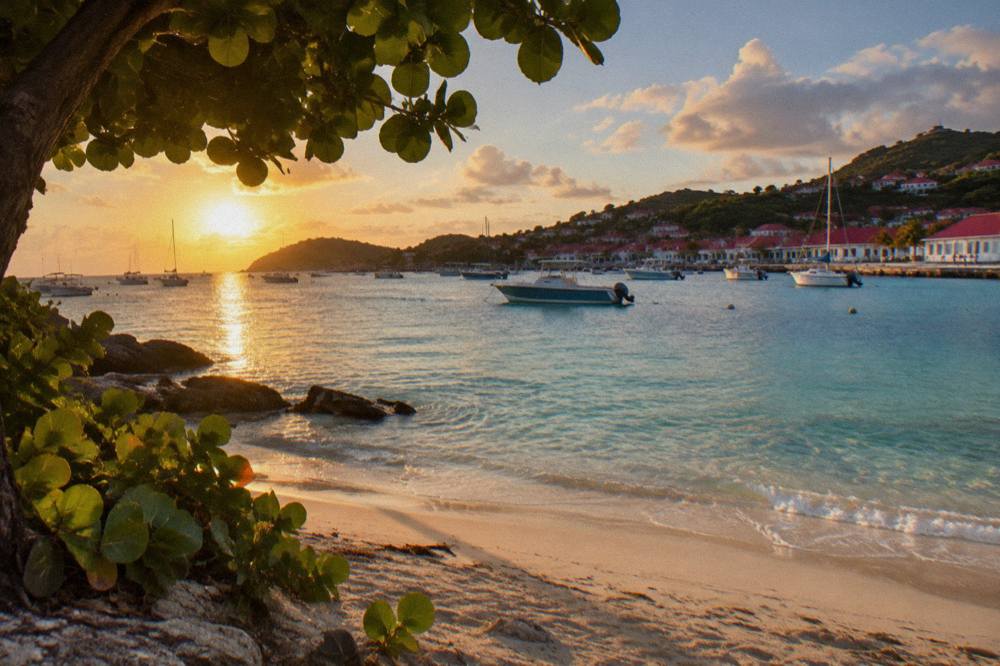
St Barts is wealthy, quiet and logistically fussy, and it is not snobby in any way a visitor actually encounters. Its beaches are public by law, its harbour town is free to walk, its nature reserve applies one rulebook to everyone, and its residents depend on ordinary travellers arriving by ferry. The snobbery lives in the island's advertising image and in second-hand gossip about yachts, not in anything the island does to a person standing on the quay in Gustavia.
The fair summary is that St Barts is two places at once. One is the winter playground of superyachts, luxury hotels and mid-March regattas, and that place is exactly as expensive as it looks. The other is a small French Caribbean collectivity with public beaches, open trails, a ferry schedule and a village culture, and that place costs about the same as its neighbours to enjoy. A traveller who arrives by ferry, swims at a free beach and walks Gustavia in the evening meets only the second place. The first one is visible from the quay, but nobody makes you board.
Common Questions About St Barts
Is St. Barts Snobby?
Snobby is the reputation, not the rule. The island has real concentrations of wealth, but every beach is public and free, Gustavia is open to walk around, and the marine reserve applies the same rules to every swimmer. It is expensive in parts and ordinary everywhere else.
Do you need to be rich to visit St Barts?
No. The scheduled ferry from St Martin or Sint Maarten and small-plane hops make the island reachable without a charter, all beaches are free, and the walking trails and public spaces cost nothing. Hotels and villas sit mostly at the top of the market, which shapes the trip more than any social barrier.
Is there a dress code in Gustavia?
No official dress code exists. French Caribbean norms apply: swimwear stays at the beach, and ordinary town clothes fit the harbour streets. Treat any dress-code claim as gossip.
Are the beaches in St Barts private?
No. The tourism committee lists all of the island's beaches, including Saint-Jean, Saline, Gouverneur, Flamands and Colombier, as public and free to access. Dogs are banned island-wide under a municipal order, but people are welcome everywhere.
Why does St Barts have such a posh reputation?
Yachts in Gustavia harbour, a luxury-heavy hotel market, celebrity New Year coverage and sailing events like the Bucket Regatta in mid-March built the image. The island's small size and hard-to-reach airport, a 646 m runway for daylight turboprops only, add an exclusivity that is really just geography.