Luggage And Weight Limits On Flights To St Barts
St Barthelemy, usually written St Barts, has one of the shortest commercial runways in the Caribbean, and that single fact shapes everything about the luggage you can bring.
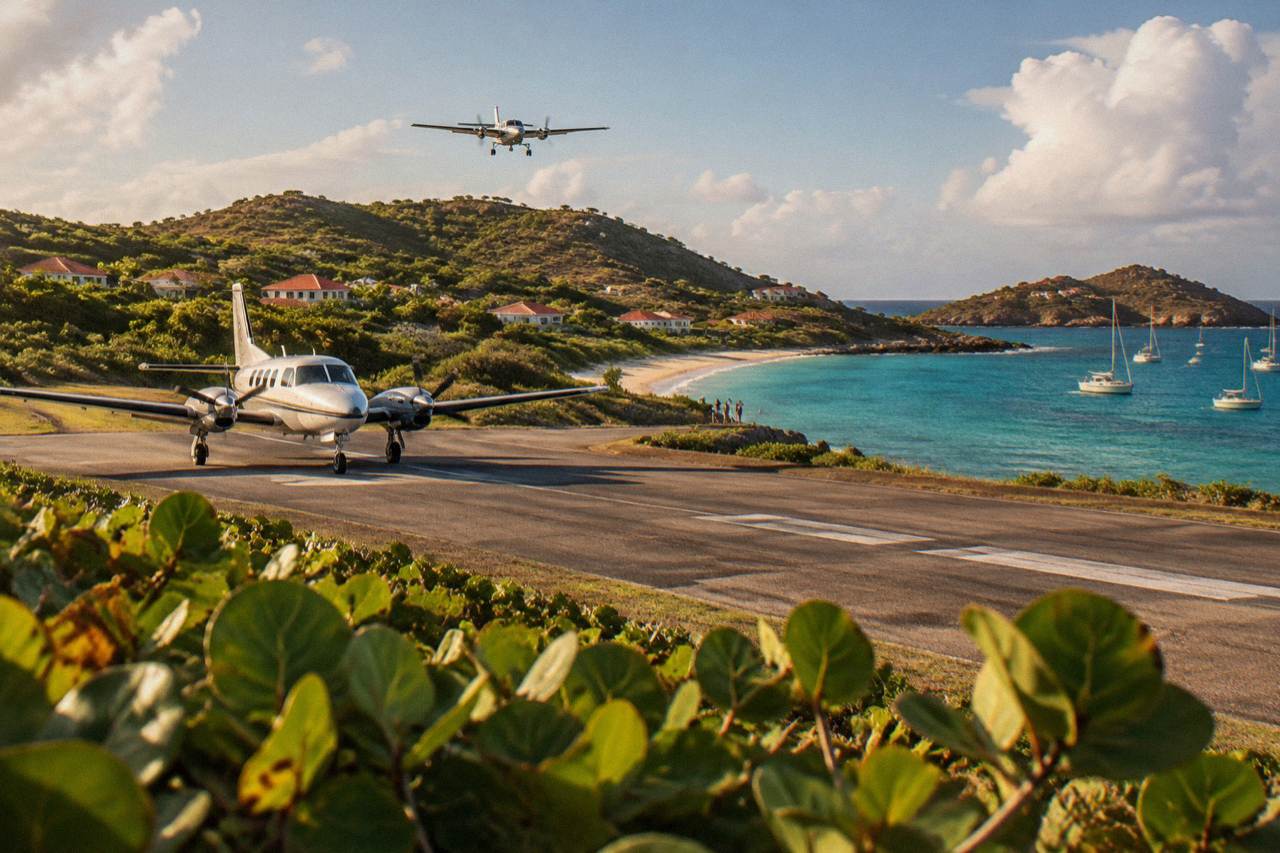
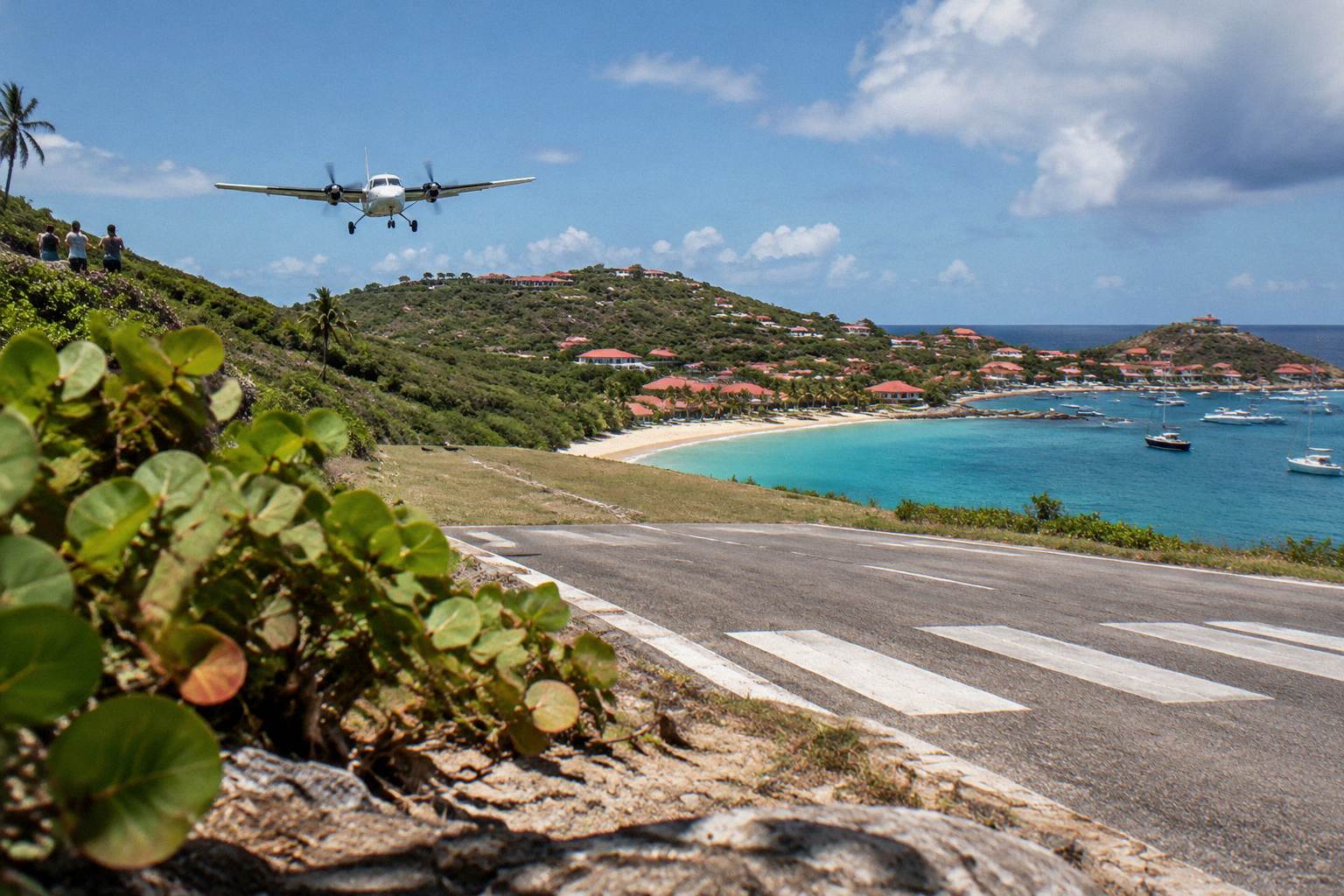
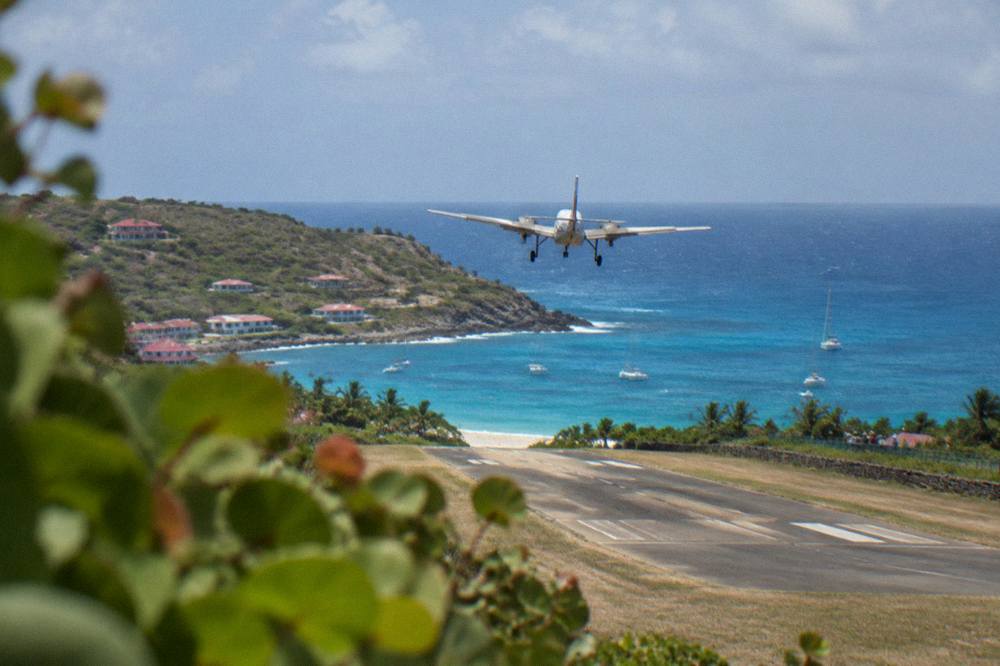
Flights to St Barts land at Gustaf III Airport (SBH), whose runway is 646 m long and serves only small STOL turboprops in daylight, visual conditions. No published baggage allowance applies across carriers, so the weight and size limits that matter are set by each operator for its own aircraft, and the practical answer is soft bags, light packing, and a confirmation with the carrier before you fly.
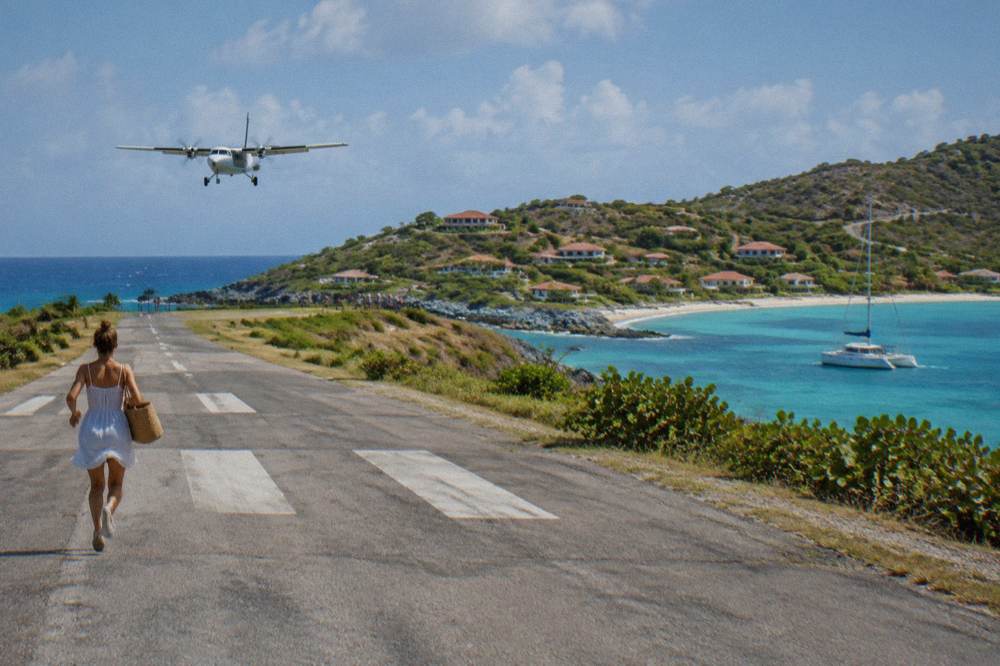
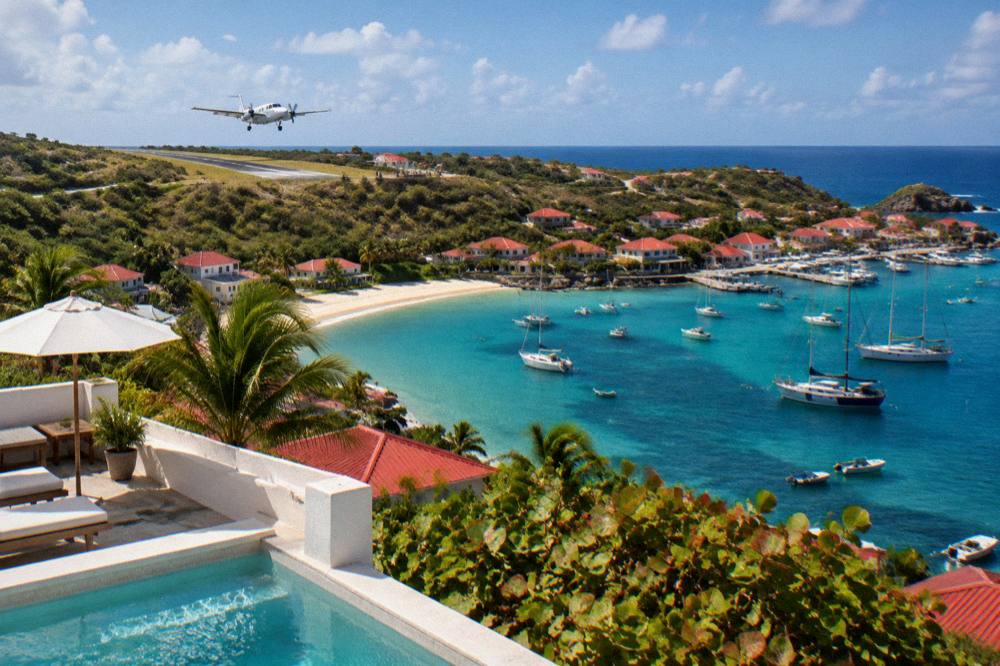
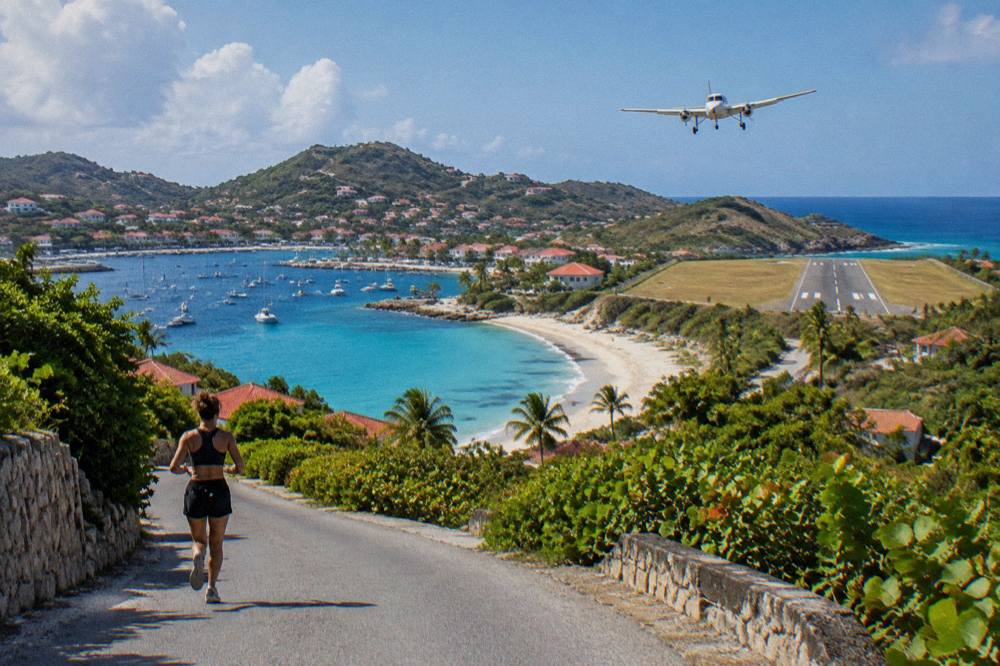
St Barthelemy, usually written St Barts, is a small French island in the Caribbean of about 21 square kilometres, and its airport imposes a constraint almost no other destination shares. The runway at Gustaf III Airport, also called Remy de Haenen and coded SBH, measures 646 m, or 2,119 ft. Only small STOL turboprops land there, in daylight and visual conditions, and no jet reaches the island from anywhere. Every bag on board shares the cabin and the cargo space of an aircraft that carries a handful of passengers, so luggage planning for St Barts is not a detail of the trip. It is part of the route itself, and this guide from St Barthelemy Travel works through what that means in practice.
Why Does The St Barts Luggage Weight Limit Exist?
The weight limit exists because the runway at Gustaf III Airport is 646 m long and serves only small STOL turboprops, and every kilogram on board affects whether such an aircraft can take off from a strip that short. The airport operates in daylight and visual conditions only, with no jets at any hour. Passengers and their bags are weighed together with the aircraft's fuel, so luggage on a St Barts flight is an operational figure, not a comfort preference.
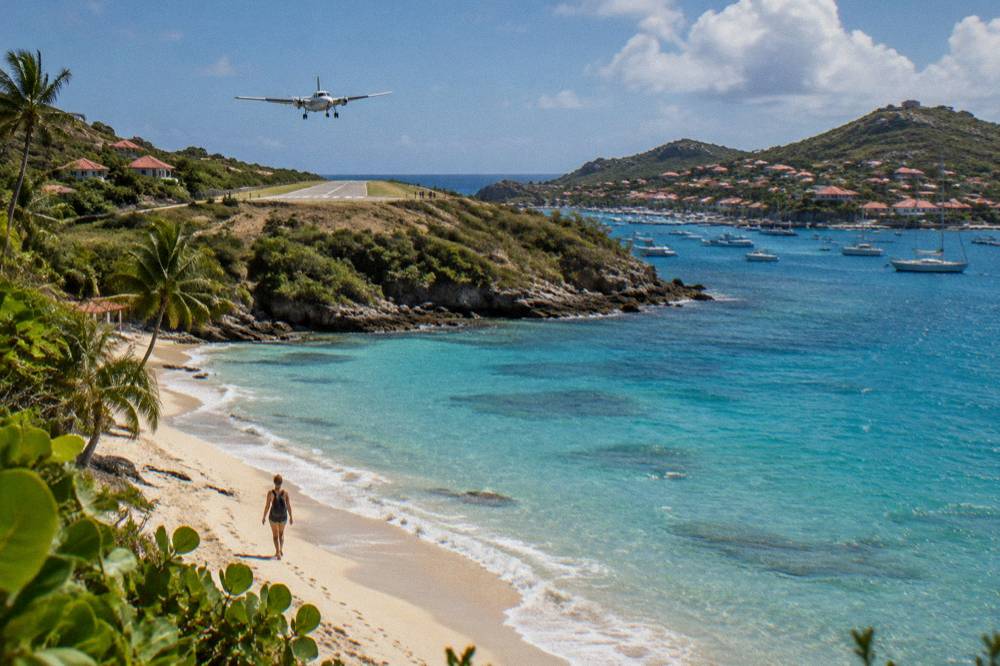
The physics is simple enough. A short runway means an aircraft must reach flying speed in a short distance, and the heavier the load, the longer that distance becomes. On a 646 m strip there is very little margin, which is why the airlines flying into SBH use aircraft specifically built for short takeoff and landing work, and why the crews account for payload with a precision that surprises travellers used to large jets. The pilot's approach is also specialised: the descent over the Col de la Tourmente requires a specific certification, and the whole operation runs only while daylight and visual conditions hold.
That has a practical consequence for packing. On a wide-body flight across the Atlantic, one extra bag is a rounding error. On a nine-seat turboprop hopping from St Martin, the same bag can displace a passenger or force a fuel calculation that changes the schedule. The gateways, carriers and connection logic for reaching the island are covered in detail in How To Get To St Barts, and the airport itself, including what the famous approach involves, is described in The St Barts Airport Guide.
There is a second, quieter reason the island favours light travellers. Cars are small, roads are narrow and steep with a 50 km/h island-wide limit and 30 km/h through Gustavia and St Jean, and villas and hotel rooms are not built around mountains of hard-shell luggage. Travellers who arrive with one soft bag per person routinely move through the island more easily than those who do not, and rental choices reflect that: the vehicles listed on the St Barts Car Rental page are compacts, small SUVs and the open-air Mini Moke, none of which swallow a family's worth of rigid suitcases.
What Kind Of Aircraft Fly To St Barts, And What Does That Mean For Bags?
Only STOL-rated turboprops serve St Barts: the DHC-6 Twin Otter flown by Winair at St Martin, the Cessna 208B Grand Caravan flown by St Barth Commuter, the Pilatus PC-12 flown by Tradewind, and the Tecnam P2012 STOL operated by St Barth Executive. Each type has a different cabin and cargo space, so the usable baggage limit differs by operator and aircraft rather than by airport. No single published allowance covers them all.
Because each operator sets its own rules for its own aircraft, the only reliable way to know your limit is to ask the carrier you have booked with, at booking, for the aircraft type on your date. What can be stated generally is the shape of the problem: cabins are small, overhead space is minimal or nonexistent, and bags are often stacked behind the last row of seats or in a nose compartment. Rigid suitcases designed for a large airliner's hold do not fit the geometry of a Grand Caravan's cargo bay, and crews will refuse a bag that does not fit through the door regardless of its weight.
| Carrier | Aircraft type | Typical route to SBH | Cabin character |
|---|---|---|---|
| Winair | DHC-6 Twin Otter | From St Martin (SXM) | High-wing twin turboprop, 19 seats or fewer, open cabin |
| St Barth Commuter | Cessna 208B Grand Caravan | From SXM, Grand Case (SFG), Pointe-a-Pitre (PTP) | Single-engine turboprop, cargo pod capability |
| Tradewind | Pilatus PC-12 | From San Juan (SJU), Antigua (ANU) | Pressurised single-engine turboprop, executive cabin |
| St Barth Executive | Tecnam P2012 STOL | Regional routes to SBH | Modern twin, short takeoff and landing type |
The gateway logic matters as much as the aircraft. A traveller arriving on a jet from North America or Europe lands at SXM, SJU, PTP or ANU and never flies a jet onto St Barts itself, because none does. The Flights From St Maarten To St Barts connection is the most used of these, and Flying To St Barts From The US explains the two-step journey. The luggage break happens at the gateway: your intercontinental allowance ends there, and the small aircraft's rules take over.
One more thing deserves emphasis because it is the single most common cause of friction at the gateway. The intercontinental airline and the St Barts carrier are separate companies with separate contracts. A bag that checked through from Miami does not automatically check through to Gustavia, and the allowance that applied on the first leg does not apply on the second. Build a buffer into your connection time for rechecking bags, and if the itinerary is tight, consider whether the ferry is a better fit for the amount of luggage you are carrying.
If you would rather skip the weight-and-balance conversation entirely, the island can be reached by water, and the tour list offers day trips that leave from St Martin and Sint Maarten with no aircraft baggage limit at all.
Is There A Published Baggage Allowance For St Barts Flights?
No single allowance is published for St Barts as a destination, because none could be: the limit is set carrier by carrier, aircraft by aircraft, and it can shift with passenger load and fuel needs on a given day. The runway's 646 m length and the daylight, visual-conditions rule are fixed facts; the bag rules attached to them belong to each operator. Confirm the number with your carrier directly rather than relying on any figure quoted secondhand.
This is an honest gap, and the right response to it is practical. When you book, ask the operator two questions: what checked and carry-on allowance applies to my aircraft on my date, and is there a surcharge or a waitlist position for bags beyond it. Write the answer into your planning, because the figure you are given at booking is the one that governs your day of travel. Operators that fly scheduled services publish their own conditions, and charter operators, where the whole aircraft is yours, calculate payload around your manifest, bags included.
The planning response travellers settle on, almost universally, is to bring less. A week on an island of about 21 square kilometres, where the climate normals show a mean daily high of 28.5 C in January and 31.7 C in September, does not call for heavy clothing at any time of year. Swimwear, linen, a rain layer for the wetter months and reef-safe sun protection cover most of it, and laundry service through a hotel or villa is the standard answer to the rest. What the island does call for is a modest amount of specialty gear, snorkel sets and water shoes above all, and those items are light.
| Month | Mean daily high C | Mean daily low C | Rain mm |
|---|---|---|---|
| Jan | 28.5 | 23.5 | 52.6 |
| Feb | 28.6 | 23.3 | 38.4 |
| Mar | 29.0 | 23.5 | 41.4 |
| Apr | 29.8 | 24.2 | 50.9 |
| May | 30.7 | 25.1 | 61.7 |
| Jun | 31.2 | 25.9 | 56.0 |
| Jul | 31.2 | 26.0 | 80.4 |
| Aug | 31.6 | 26.3 | 79.6 |
| Sep | 31.7 | 26.2 | 96.9 |
| Oct | 31.4 | 25.8 | 135.6 |
| Nov | 29.9 | 25.0 | 118.6 |
| Dec | 28.9 | 24.1 | 79.2 |
Those are the Meteo-France climate normals for the St Barthelemy station, 1991 to 2020, and they carry a luggage lesson: October, the wettest month at 135.6 mm, and November, at 118.6 mm, are the two months where a light rain shell and a quick-dry wardrobe earn their space, while February, at 38.4 mm, asks for the least. The sea stays warm year round, about 26 C in winter to about 29 C from August to October, so no wetsuit needs to travel with you. Hurricane season runs 1 June to 30 November with its peak from mid-August to mid-October, a scheduling consideration rather than a packing one, covered further in the island's season pages.
A question worth asking before the flight, too, is whether you need the flight at all. A boat day from St Martin carries none of this arithmetic.
Soft Bags Or Hard Suitcases For St Barts?
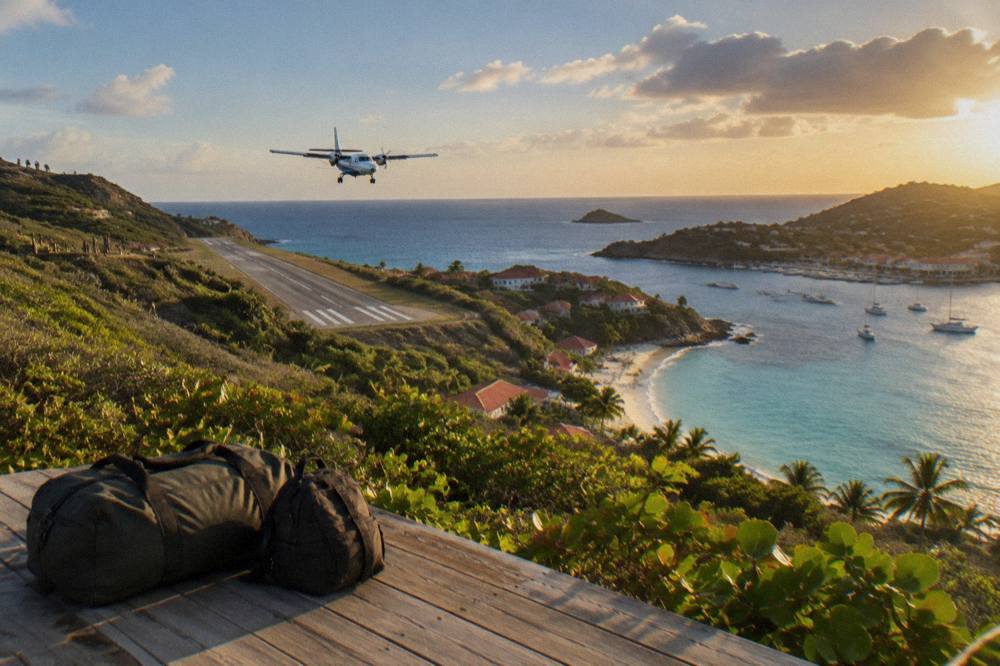
Soft, squashable duffels are the practical choice for St Barts because the cargo spaces on STOL turboprops are shaped around flexible loads, while hard-shell suitcases fit poorly, cannot be compressed, and are the bags most likely to be refused or left behind when payload is tight. No rule bans a hard case, but the aircraft's geometry argues against one, and crews load accordingly.
The reasoning is mechanical rather than stylistic. A Grand Caravan's baggage compartment is a curved, tapering volume; a Twin Otter's is a compartment behind the last seats. A duffel moulds to what surrounds it, and two duffels fill a space that one rigid case would waste. Weight matters in the same direction: hard shells add mass before anything goes inside them, and on an aircraft where every kilogram is accounted for, the case itself is a cost. Wheels, likewise, are near useless on gravel, sand and the steep lanes of Gustavia, where a shoulder strap or a backpack wins.
What to put in the bag follows the island rather than fashion. The list below is planning guidance, not an inventory of any shop on the island.
| Packing category | Why it belongs | Weight character |
|---|---|---|
| Swimwear, two or three pieces | Salt water and daily swimming; dries overnight | Very light |
| Linen and cotton daywear | Mean daily highs of 28.5 to 31.7 C year round | Light |
| Reef-safe sunscreen | Marine reserve rules protect corals and turtles | Moderate, buy locally if tight |
| Snorkel mask and water shoes | All beaches are public; turtles are common but protected | Light |
| Light rain shell | October rain normals reach 135.6 mm | Very light |
| Evening layer | Sea breeze in Gustavia after dark | Very light |
| Plug adapter for types C and E | French electrical standard on the island | Negligible |
Two rules from the marine reserve shape what should not travel with you at all, or should stay packed. The environment agency's regulatory-zones page lists a 5-knot speed limit in protected zones, a ban on jet skis and other motorised water devices, a ban on dogs on beaches and in the water, and a strict rule against touching or disturbing sea turtles, corals or other protected species, with no gloves in the water and no collecting of shells, coral or sand. A diver's gloves or a spearfishing kit therefore has no place in a St Barts bag, and drones are prohibited in and near reserve zones without authorisation, including Colombier.
For travellers carrying more than a duffel each, usually families or longer-stay visitors, the standard strategy is to split the journey: fly light and ship the surplus, or route the group through the ferry, which handles luggage by the hold rather than by payload. The St Barts Ferry Operators And Schedule page covers the two scheduled operators, and the trade-offs between the boat and the plane, seasickness included, sit alongside the St Barts Layover Itinerary for anyone building a stopover around the choice.
Can You Take More Luggage By Ferry From St Martin?
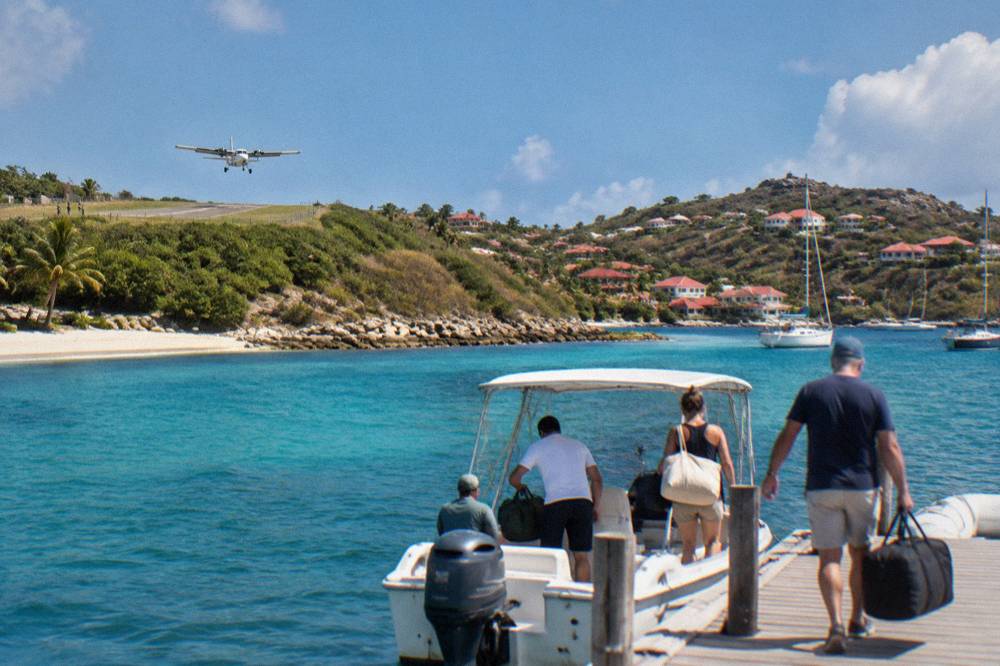
Yes, the ferry is the higher-capacity route for luggage, because the two scheduled operators, Great Bay Express from Philipsburg and Voyager from Marigot, carry passengers' bags in a vessel hold rather than inside a weight-limited aircraft. The crossings run about 45 minutes from Philipsburg and about 50 to 60 minutes from Marigot, a passport is required, and no fare or timetable figure should be trusted until the operator's own booking page confirms it for your date.
Great Bay Express departs Bobby's Marina in Philipsburg on the Dutch side, Sint Maarten, with check-in opening well before departure and closing shortly before the boat leaves. Voyager departs the Marigot Ferry Terminal on the French side, St Martin. Both are the operators to check directly for current sailing times, and the SXM Airport To St Barts Ferry page explains how the connection from Princess Juliana Airport to either terminal works. Neither crossing is promised smooth: the passage between the islands can be rough, and sailings are subject to weather.
The luggage logic is the mirror image of the aircraft's. A ferry does not weigh your duffel, and families with pushchairs, coolers, golf bags or diving gear routinely choose the boat for exactly that reason. What the ferry trades away is speed and, on some days, comfort. The aircraft is a short hop; the ferry is three quarters of an hour or more of open water, and the schedule is thinner than the air bridge's. Travellers prone to motion sickness should weigh that honestly, and anyone connecting off a jet at SXM should compare the transfer time to Philipsburg or Marigot against the time to the domestic terminal for the small plane.
| Route to Gustavia | Operator or carrier | Departure point | Luggage handling |
|---|---|---|---|
| Air, from St Martin | Winair, St Barth Commuter | Princess Juliana (SXM), Grand Case (SFG) | Payload-limited aircraft, operator's allowance applies |
| Air, from San Juan | Tradewind | San Juan (SJU) | Payload-limited PC-12, operator's allowance applies |
| Air, from Guadeloupe | St Barth Commuter | Pointe-a-Pitre (PTP) | Payload-limited Grand Caravan |
| Sea, Dutch side | Great Bay Express | Bobby's Marina, Philipsburg | Vessel hold, about 45 minutes |
| Sea, French side | Voyager | Marigot Ferry Terminal | Vessel hold, about 50 to 60 minutes |
There is a third option that combines the ferry's luggage freedom with an aircraft's scheduling: a private charter by sea. The trip list carries several, all departing from St Martin or Sint Maarten, and the per-person group sail that anchors this site's day-trip pages is the most economical entry point.
What About Luggage On A Private Charter To St Barts?
A private charter, whether by air or by sea, replaces the published per-passenger allowance with a whole-vehicle payload divided among the manifest: on the air side, a chartered turboprop or PC-12 class aircraft calculates weight around your party and your bags together, and on the sea side, the boat's capacity governs. The operator confirms the working figure when you book, and soft bags remain the right shape for both.
The sea charters listed here illustrate the range. A full-day private charter carries a group of up to ten for a day around the island's coasts, and the practical luggage question is not weight but deck space: swim bags, towels and a change of clothes for the day. The larger private charter from St Martin to St Barth takes up to eight, and the overnight catamaran takes up to four on a two-day, one-night run, where the bag question becomes an actual stowage question in a cabin. On any of them, the constraint a traveller actually feels is far from the constraint an aircraft imposes.
For a wedding party or a group trip, this is where the luggage story connects back to the island's calendar. Late April and early May belong to the Film Festival, mid-March to the Bucket Regatta, and the weeks around New Year's Eve see the harbour at its busiest, and groups travelling for those dates plan their baggage route around the charter rather than the scheduled aircraft. The St Barts Weddings and St Barts New Year's Eve pages cover those trips. Two dated events anchor the confirmed calendar: the St Barth Music Festival from 8 to 18 January 2027 and the Gourmet Festival from 9 to 15 November 2026.
How Do You Handle Luggage On A Layover Or Day Trip?
For a layover or day trip, the answer is to bring almost nothing: a small daypack per person covers a St Barts day, and anything larger turns the layover into a luggage problem, because the connection back through St Martin or the ferry terminal has to account for every bag. Day-trippers by boat have it easiest, since the vessel holds the bags for the day and no aircraft allowance is involved at all.
The layover case is the strictest. A traveller connecting through SXM with a few hours on the island has to decide what makes the small plane and what waits at the gateway, and the arithmetic rarely favours hauling a full suitcase across for an afternoon. The essentials are a swimsuit, a towel, sunscreen, cash or a card, and footwear that manages sand and a steep lane. The St Barts Layover Itinerary is built around exactly that constraint, and the island's public beaches, all of them free to access, ask nothing more of a visitor.
The day-trip case by scheduled ferry sits in between. You keep your bags with you or in the hold for the round trip, which is fine for a duffel each and awkward for a family's hard cases. The day trip by boat from St Martin, the one this site features most, is the cleanest of all: you step aboard at a marina on St Martin or Sint Maarten with a day bag, and the vessel does the rest, with a stop at Colombier and Ile Fourchue inside the marine reserve's rules. To see the full range of what fills a day on the water and ashore, start with Things To Do In St Barts and the St Barts Airport Code page for the aviation-curious.
A note on what to leave out of the daypack follows the reserve's rules again: no dogs on the beaches, no gloves in the water, nothing collected from the sea or shore, and no drone flying in or near the protected zones without authorisation. The environment agency's pages carry the full list, and the 23 dive sites inside the reserve are governed by the same framework.
Where Does Luggage Fit Into A Longer St Barts Stay?
For a stay of a week or more, the working pattern is one soft bag per person plus shared gear, shipped or bought locally where possible, with the surplus routed by ferry or charter rather than by the scheduled aircraft; hotels and villa managers are the practical partners, since many arrange transfers and deliveries, and the villa market in particular is organised around arrivals by air and sea.
The island's accommodation world makes this easier than it sounds. The villa side is served by established managers, among them WIMCO, Sibarth and St Barth Properties, and the hotel side includes properties such as Eden Rock, Cheval Blanc, Le Toiny, Le Sereno and Le Guanahani, all covered on the St Barts Hotels and St Barts Luxury Hotels pages. Many properties accept deliveries and hold bags around arrival and departure, which is the quiet solution to most luggage problems: ship the heavy things ahead, fly with a duffel, and let the property receive the rest. Confirm that service with your own property before relying on it.
| Stay type | Bag strategy that works | Route that fits it |
|---|---|---|
| Weekend or short break | One duffel per person | Scheduled aircraft from SXM or ferry |
| Week for two | Two duffels, shared snorkel and beach gear | Either air or sea, by schedule |
| Family week | Split bags, surplus by ferry from St Martin | Ferry from Philipsburg or Marigot |
| Villa stay of two weeks or more | Ship ahead, minimal flight bags, local laundry | Air for people, sea for the surplus |
| Wedding or event group | Group charter by sea, bags in the boat | Private charter from St Martin or Sint Maarten |
Season shapes the plan twice over. Many hotels and restaurants close each autumn and reopen in waves between mid-October and early November, so a deep-autumn arrival lands on a quieter island with fewer services around it, while the December-to-April high season puts the flights, ferries and roads at their busiest. And the climate normals mean the wardrobe stays tropical in every month of the year: the coolest mean daily low on the table is 23.3 C in February, so the heavy coat can stay in the departure city's left luggage rather than the island's aircraft.
What Should You Confirm Before You Fly To St Barts?
Confirm four things with your own carrier before flying: the checked and carry-on allowance for your aircraft on your date, whether bags beyond it travel on a later flight, the check-in cutoff at your gateway, and whether your intercontinental bag needs rechecking at SXM, SJU, PTP or ANU. Then confirm your passport situation against your own government's travel advice, since entry to St Barthelemy sits outside Schengen and the rules are France's, not the Schengen system's.
The entry point deserves the same directness as the baggage point. St Barts is a French overseas collectivity, outside the Schengen area, and a Schengen visa does not by itself authorise entry where a visa is needed; US, UK, Canadian and EU citizens are generally visa-exempt for short tourist stays. Passport-validity advice differs by country of citizenship, so the check belongs to your own government's travel advice rather than to a secondhand summary. The island's currency is the euro, French is the official language with English widely spoken, and plugs are types C and E, which closes out the last of the practical packing questions.
| Item to confirm | Confirm with | Why it matters for luggage |
|---|---|---|
| Aircraft baggage allowance | Your St Barts carrier | Set per operator and aircraft, not per airport |
| Baggage recheck at gateway | Your intercontinental airline and the St Barts carrier | Separate companies, separate contracts |
| Ferry sailing and check-in time | Great Bay Express or Voyager | Schedule varies by season and weather |
| Passport and entry rules | Your own government's travel advice | Entry sits outside Schengen; validity advice differs |
| Property delivery or bag holding | Your hotel or villa manager | Solves the surplus-bag problem |
And if the whole weight-and-balance conversation has made the aircraft feel like more planning than pleasure, the alternative is already on the water: a day among Colombier, Ile Fourchue and the harbour at Gustavia, departing from St Martin or Sint Maarten, with nothing to weigh but what you want to do with the day.
Common Questions About Luggage On St Barts Flights
What is the luggage weight limit on flights to St Barts?
No single limit is published for the destination. Each carrier sets its own allowance for its own aircraft, because only small STOL turboprops serve the 646 m runway at Gustaf III Airport and payload is calculated per flight. Confirm the figure with your carrier when you book.
Can I bring a hard-shell suitcase to St Barts?
Nothing bans one, but soft duffels fit the cargo spaces of the Twin Otter, Grand Caravan and PC-12 class aircraft far better, and rigid cases are the bags most likely to be refused when payload is tight. If you travel with a hard case, expect the ferry from Philipsburg or Marigot to be the easier route.
Does my baggage check through from the US or Europe to St Barts?
Not automatically. Jets do not land at St Barts; you connect at St Martin, San Juan, Guadeloupe or Antigua onto a small STOL turboprop operated by a different company. Plan to recheck bags at the gateway and leave buffer time for it.
Is the ferry better than the plane for luggage?
For volume, yes: Great Bay Express from Philipsburg and Voyager from Marigot carry bags in a vessel hold rather than a weight-limited aircraft. The trade is a longer crossing of about 45 to 60 minutes that can be rough, against a short hop by air under a stricter allowance.
How much should I pack for a week in St Barts?
One soft bag per person covers a week comfortably. The Meteo-France normals show mean daily highs between 28.5 C and 31.7 C in every month, so the wardrobe is swimwear, linen and a light rain layer for the wetter autumn months, with laundry service handling the rest.
Can a private charter carry more luggage than a scheduled flight?
Generally yes, because the payload of the whole aircraft or boat is divided among your party rather than per seat. Air charters still calculate weight against the runway; sea charters departing from St Martin or Sint Maarten are governed by vessel capacity instead, which is why groups with gear often choose the boat.