What Shops Are In St. Barts?
A guide to the shops of St Barts, from the harbor boutiques of Gustavia to the small stores of St Jean and Corossol, plus how shopping fits into a day on the island.
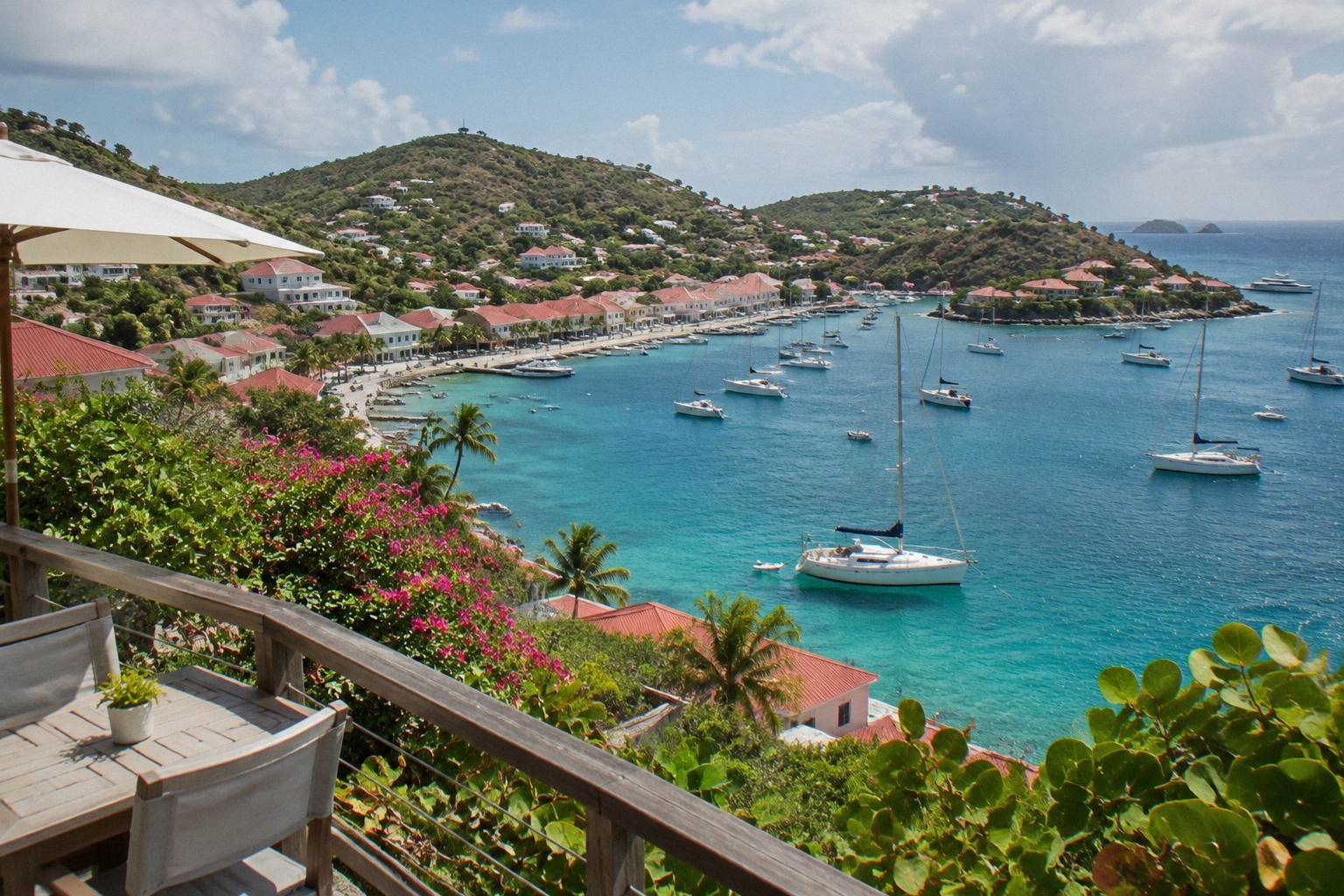
St Barthelemy, usually written St Barts, is a small French island in the Caribbean of about 21 square kilometres, and its retail geography can be stated simply: the shops are in Gustavia. The harbour capital holds the dense strip of boutiques the island is known for, Saint-Jean around the airport carries a smaller commercial cluster, and villages such as Corossol and Lorient hold a handful of local stores and craft stops. There is no mall, no department store and no shopping district beyond the water's edge. This page lays out what the shops sell, where they sit, and how a browse fits around everything else an island day involves.
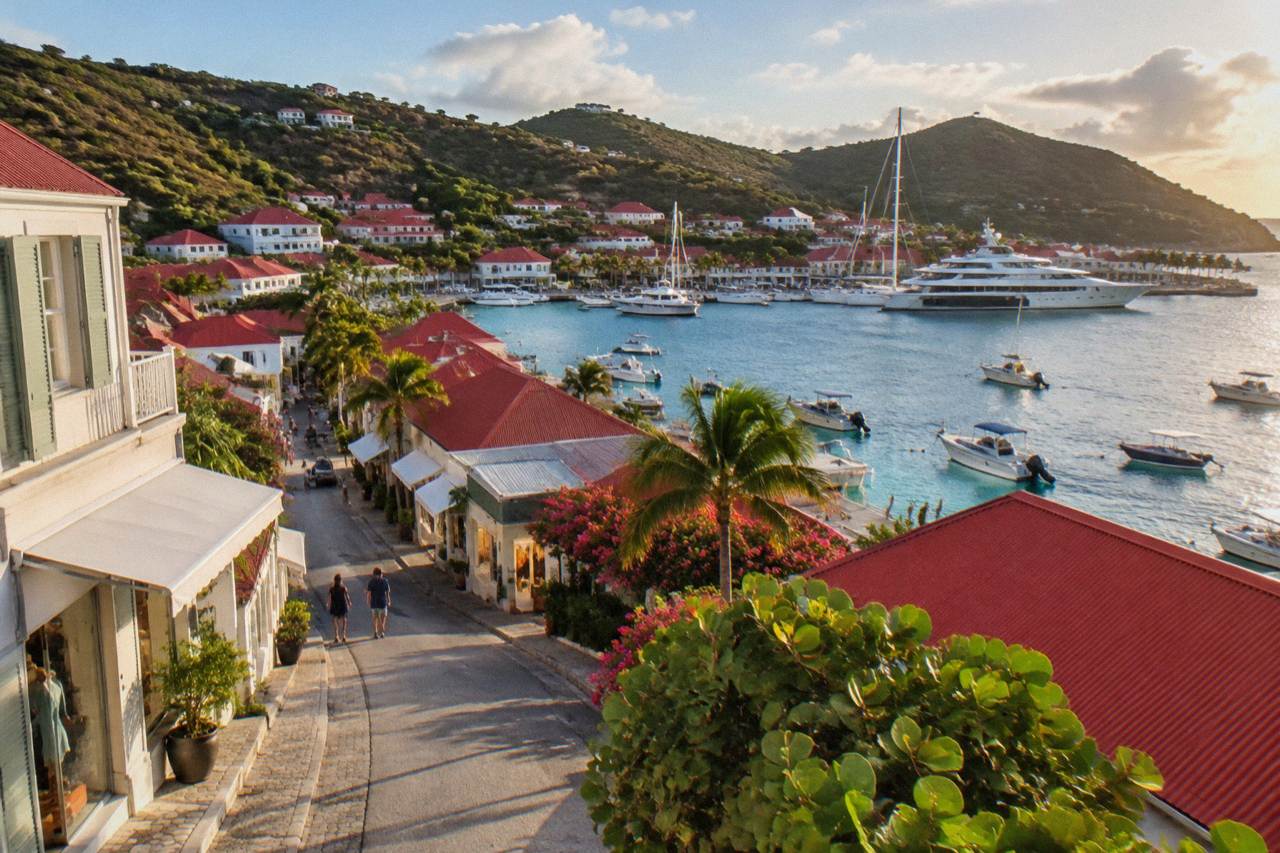
The shops on St Barts fall into four broad groups: French fashion and luxury boutiques clustered on the harbor streets of Gustavia, jewellery and watch shops in the same few blocks, beauty and perfume retailers, and a thin layer of local craft, grocery and practical stores spread between Gustavia, Saint-Jean and the villages. The tourism committee's site presents the island's shopping entirely through Gustavia's boutiques. There are no malls and no chain department stores anywhere on the island.
That short inventory surprises visitors expecting a resort island full of outlets. St Barts is an overseas collectivity of France with roughly 10,700 residents, and its retail base serves that population plus a seasonal visitor crowd, which means the commercial stock is narrow, high-end where it is high-end at all, and practical everywhere else. The fashion boutiques stock French labels, the jewellers carry recognisable international names, and the rest of the island's commerce is groceries, pharmacies, hardware and a few craft sellers.
The mix also shifts with the season. Many businesses follow the island's annual rhythm, in which some shops and most hotel restaurants close in the autumn low period and reopen in waves between mid-October and early November. Anyone visiting in September or early October should expect a thinner shopping streetscape than the winter picture, without assuming any specific store's schedule, which each business sets for itself.
Where Are The Shops Concentrated In St Barts?
Gustavia concentrates nearly all of St Barts shopping in the streets immediately behind the harbour, where the boutiques sit within a short walk of the ferry dock and the tender quay. Saint-Jean, around the airport, holds the second cluster, mixing boutiques with practical stores, while Corossol, Lorient and Flamands each support only a small handful of village shops. No part of the island has a shopping area beyond these.
The harbour capital is the reason the island shops the way it does. Gustavia wraps around a bay, the streets rise steeply behind the waterfront, and the boutique frontages line the blocks nearest the water, so a tender passenger stepping ashore from a cruise ship, or a ferry arrival from St Martin, is effectively already in the shopping district. The town is also compact enough that the entire retail strip can be walked end to end without transport, which matters because parking in Gustavia is limited and a car is a complication rather than a help on a shopping stop.
Saint-Jean is the other practical shopping reference point. It sits around Gustaf III Airport on the north coast, the beach of the same name curves along one side, and the commercial strip serves both residents and visitors staying in that part of the island. For readers weighing where to base themselves, the trade-offs between a harbor address and a beach address are laid out in where to stay in St Barts.
The villages are a different experience. Corossol, on the leeward side, is a quiet fishing village with a shell museum and a small stock of local craft, and Lorient and Flamands hold practical stores serving their neighborhoods. None of them amounts to a shopping destination in the Gustavia sense, but they round out the picture for anyone circling the island by car, a question examined in whether renting a car on St Barts is worth it.
| Area | Character Of The Shopping | What It Is Best For |
|---|---|---|
| Gustavia harbor streets | Dense boutique strip, French fashion, jewellery, beauty | A walkable half-day browse straight off the dock |
| Saint-Jean | Smaller mix of boutiques and practical stores | Shopping combined with the beach and the airport approach |
| Corossol | Village stores and a shell museum | Local craft and a quiet stop on an island drive |
| Lorient and Flamands | Neighborhood grocery and service stores | Practical needs near self-catering accommodation |
What Can You Buy In St Barts Boutiques?
Boutique shopping on St Barts means French and international fashion labels, fine jewellery and watches, perfume and cosmetics, swimwear and resort wear, and a run of home and design stores, almost all of it in Gustavia. The island's character as a French overseas collectivity shapes the stock: the fashion is Paris-leaning and the price tags are in euros. Beyond the boutiques, the local layer sells craft items, island provisions and practical goods.
The fashion and jewellery segment is the headline. Gustavia's boutiques carry the kind of French labels a visitor would find on a smart shopping street in Paris, alongside jewellers with international brand names, and the whole strip sits within a few minutes' walk of the quay. Beauty retail follows the same logic, with perfume and cosmetics stores in the same blocks. Swimwear and resort wear round out the clothing offer, which suits an island whose entire visitor economy runs on beaches, boats and lunch. The wider set of guides lives on St Barthelemy Travel.
The question visitors most often attach to this segment is price, and it deserves a direct caveat: no price on any item in any St Barts boutique can be stated here, and prices vary by brand, season and exchange movement. The honest framing is that the island is a euro-denominated French territory with a luxury visitor economy, and shoppers should compare a specific item against the same item at home before assuming any saving. Readers curious about one specific brand question can weigh the general logic themselves rather than relying on a rule of thumb.
The local layer is smaller and more interesting. Craft sellers work with island materials, village stores stock provisions, and the grocery layer matters more than visitors expect on an island with a large villa market, since self-catering is a common way to stay. The food side of the island, from bakeries to the French-influenced restaurant scene, is covered separately in what food St Barts is known for.
One rule protects what the craft layer sells. The marine reserve's regulatory page bans collecting coral, shells, sand and rocks from its zones, so shell and coral souvenirs on the island are traded goods rather than beach pickups, and the Corossol shell museum preserves the older tradition of shell work on the island. Buying is a shopper's choice; collecting from the shore is not.
How Does Shopping Fit Into A St Barts Day?
Shopping on St Barts works best as a single concentrated block in Gustavia rather than a day in itself, because the harbor boutique strip is compact and the island's real draw is its coastline. A realistic pattern pairs a morning on a beach or boat with an afternoon walk through the harbor streets, since tender passengers and ferry arrivals step directly into the shopping area. The island requires no dedicated shopping excursion.
The geography makes this easy. Gustavia's commercial strip sits behind the harbor itself, so a boat day that ends in Gustavia delivers its passengers into the boutiques without a transfer. The island's bookable boat products all depart from St Martin or Sint Maarten, and several of them build the harbor stop into the itinerary: the group sail ties Colombier Beach and Ile Fourchue to time in Gustavia, while the private charters let a party set its own balance of water and shore. Visitors weighing the overall question of the island's value can read whether St Barts is worth visiting.
For the group sail specifically, the operator's live listing carries the current dates and price, and the product runs per person rather than per group, from its St Martin departure point. The private alternatives are priced per boat, which suits a family or a group of friends splitting the cost. Both types are covered on St Barthelemy Travel in full, with the details rendered from listing data.
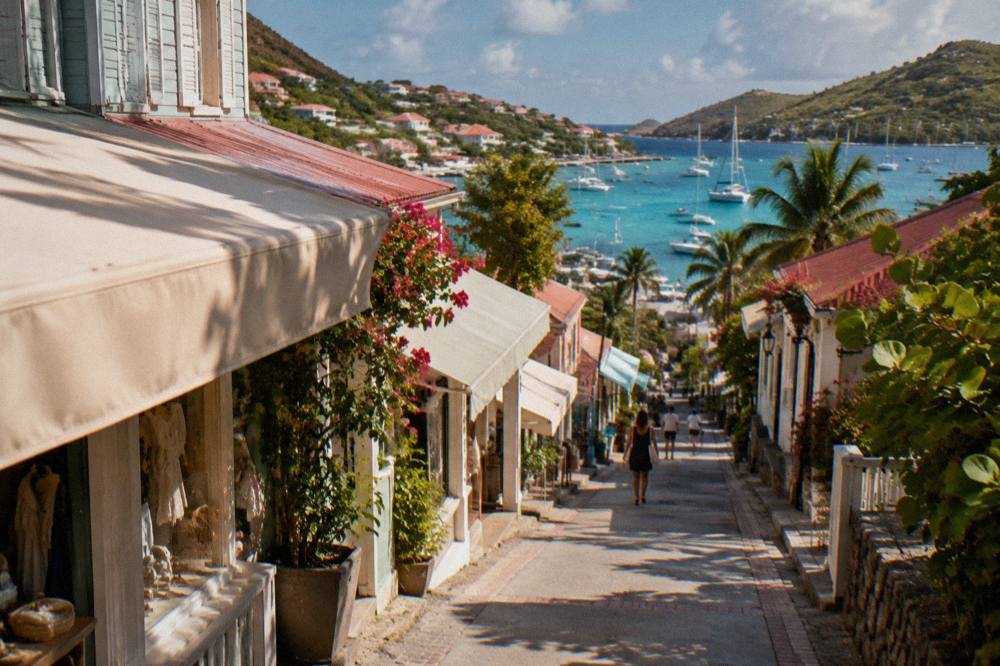
Timing matters more than visitors expect. The winter months from December through April are the high season, and the harbor is at its busiest then, both with staying visitors and with the small luxury cruise ships that tender passengers ashore, a port arrangement with no pier, since ships anchor in the bay. The harbor streets are walkable at any hour of the business day, and an early or late walk avoids the midday concentration around the quay.
What Should Shoppers Know Before Buying In St Barts?
Shoppers on St Barts should know four things: prices are in euros as the local currency, the boutique strip is physical rather than online-driven so stock is limited to what each store carries, the autumn low season thins the retail offer as businesses close and reopen in waves, and the marine reserve bans taking shells, coral and sand from the shore, which shapes what a legitimate souvenir is. None of this discourages buying; it just sets expectations.
Payment is straightforward in one sense and worth a note in another. Cards are widely accepted in the boutiques, the euro is the local currency, and US dollars are discussed in practice by every visitor, a currency question unpacked on whether US dollars can be used on St Barts. Receipts, warranty terms and brand authentication for jewellery and watches follow French consumer rules as an overseas collectivity of France, which is a stronger protection framework than many Caribbean islands offer.
| Practical Point | What Applies On St Barts |
|---|---|
| Local currency | The euro, as a French overseas collectivity |
| Card acceptance | Widely accepted in the Gustavia boutiques |
| Peak browsing window | December through April, the island's high season |
| Quieter window | The autumn period, when many businesses close and reopen in waves |
| Souvenir rule | No collecting shells, coral, sand or rocks from the reserve's zones |
The seasonal point deserves its own sentence. The reopening pattern between mid-October and early November is an annual rhythm rather than a one-off, so a late-October visitor may find some storefronts shuttered on the same street where others are fully open, and no fixed date applies to any individual business. Each shop sets its own calendar, and the pattern repeats every year around the same window.
Common Questions About Shopping In St Barts
What Shops Are In St. Barts?
French fashion boutiques, jewellery and watch shops, perfume and beauty retailers, swimwear stores and a small layer of local craft, grocery and practical shops, concentrated in Gustavia with a secondary cluster in Saint-Jean and small village stores elsewhere.
Are The Shops All In One Place On St Barts?
Nearly. Gustavia's harbor streets hold the dense boutique strip, Saint-Jean around the airport holds the second cluster, and villages like Corossol and Lorient hold only a small number of local stores.
Can You Walk To The Shops From The Harbor?
Yes. The boutique strip sits on the streets immediately behind Gustavia's waterfront, so ferry passengers and cruise tender arrivals step directly into the shopping area without needing transport.
Do St Barts Shops Close In The Autumn?
Many island businesses follow the annual pattern of closing in the autumn low period and reopening in waves between mid-October and early November. Each business sets its own schedule, so the streetscape in that window mixes open and closed storefronts.
Can You Collect Shells As Souvenirs On St Barts?
No. The marine reserve's regulatory page bans collecting coral, shells, sand and rocks from its zones, so shell souvenirs should be bought as traded craft goods rather than taken from the shore.
Is Shopping On St Barts Combined With Other Activities?
It works best that way. The harbor strip is compact, so a typical plan pairs a morning on a beach or a boat trip ending in Gustavia with an afternoon walk through the boutiques, rather than dedicating a full day to stores.
A final orientation for anyone building the wider trip: the island's full activity set, from the harbor to the beaches reachable only on foot or by boat, is laid out on the site's guide to things to do on St Barts, and the boat products that tie a day on the water to time in Gustavia are listed with live pricing from their St Martin and Sint Maarten departure points.
For a party that wants the harbor browse without the group schedule, the private sailboat option covers the same crossing from St Maarten with the day shaped by the group itself, and the other private charters, including the overnight catamaran, extend the same idea to a longer stay on the water.
Whether the day ends with a purchase or not, the shape of shopping on St Barts stays the same: a short, steep, harbor-side strip of French boutiques, a village craft layer that reflects the island's own traditions, and a coastline that remains the reason the harbor streets are full in the first place.