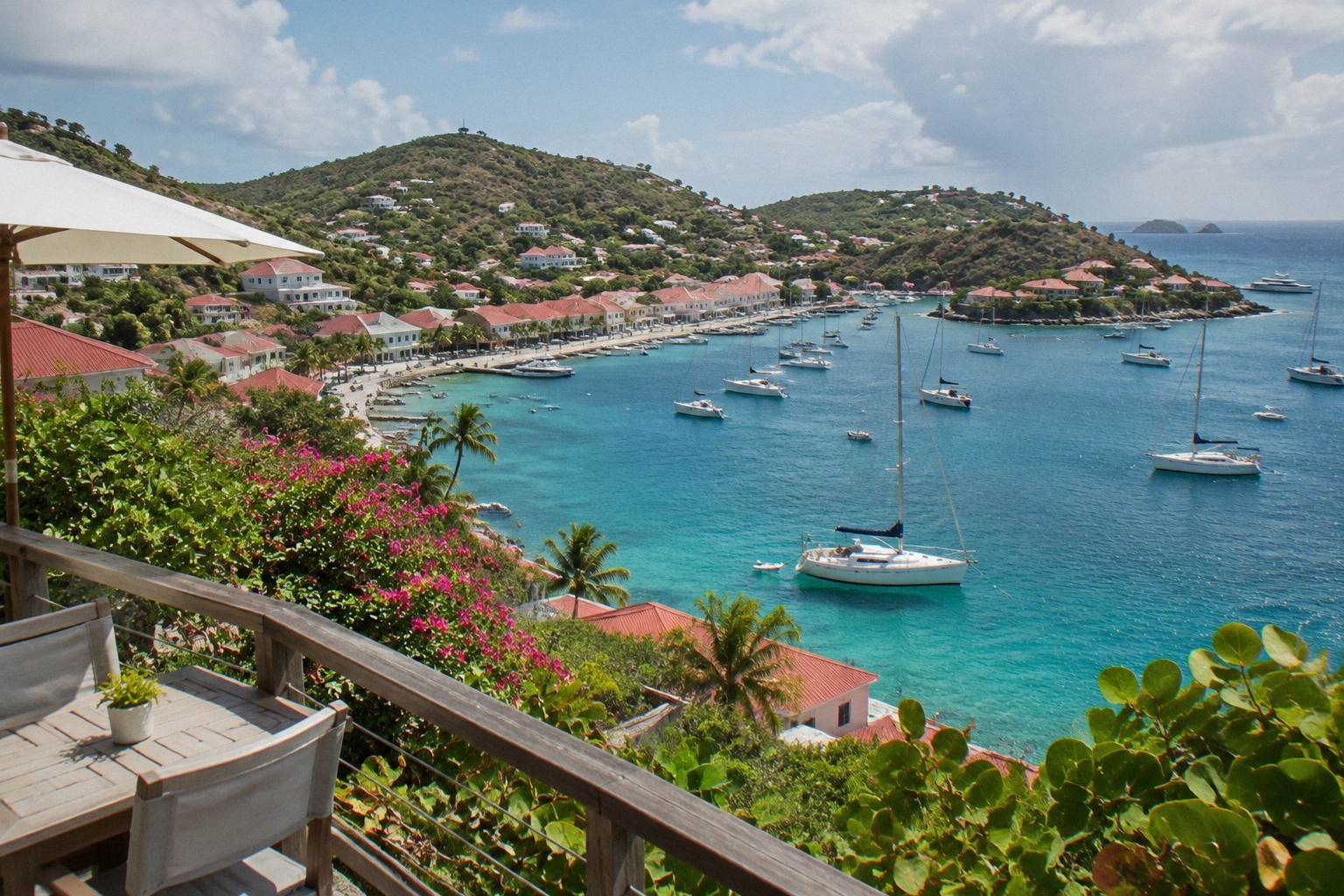
Can You Use US Dollars In St Barts?
A clear answer on using US dollars in St Barts, the euro, cards, and how day-trip bookings priced in US dollars work.
St Barthelemy, written St Barts, is a French overseas collectivity in the Caribbean, and that status decides the money question before anything else does. The island uses the euro, French is the official language, and the tourism committee states plainly that the currency is the euro. Yet almost every visitor arrives through St Martin or Sint Maarten, where the US dollar is everywhere, and plenty of day-trippers step ashore in Gustavia carrying nothing but dollars. So the practical answer sits somewhere between the official line and what actually happens at a harbour counter.
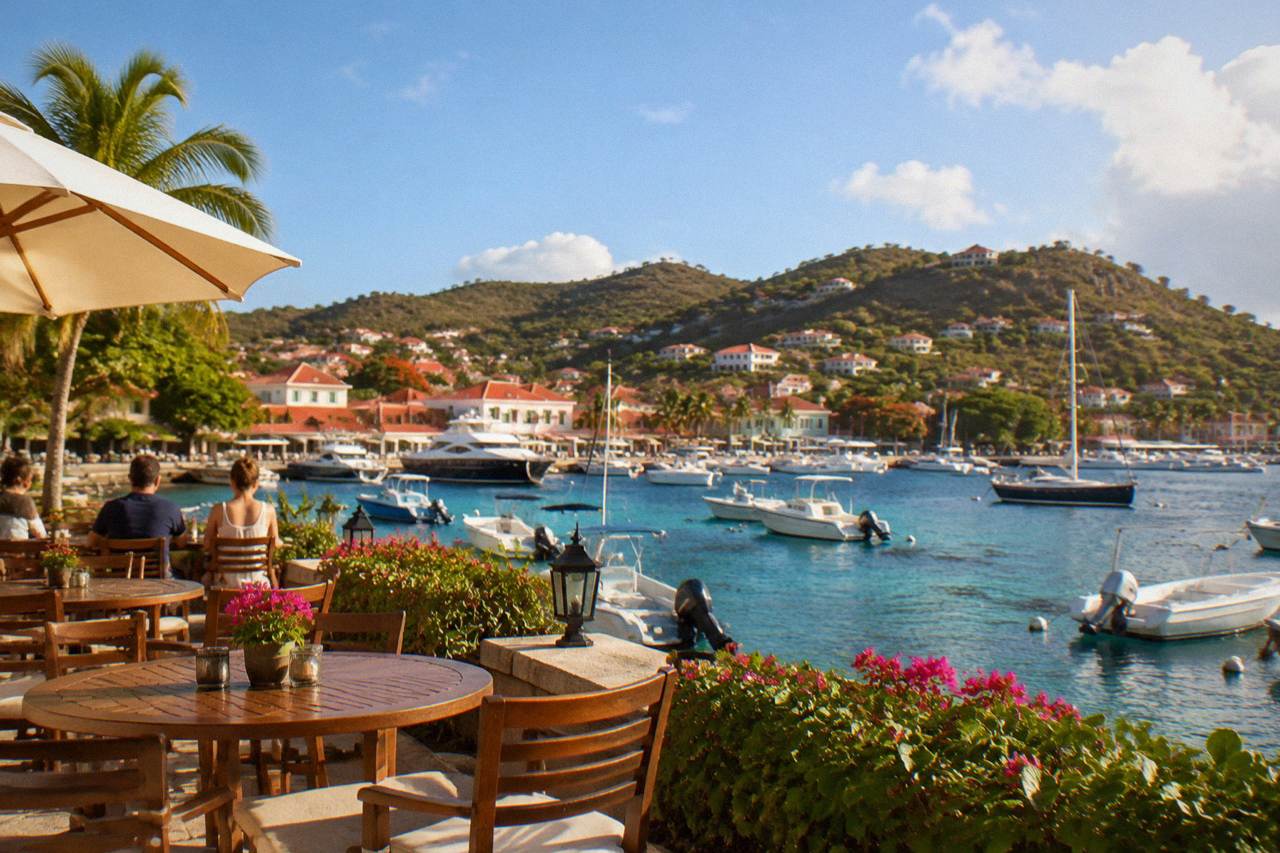
What Currency Does St Barts Officially Use?
The official currency of St Barts is the euro, because the island is an overseas collectivity of France and has been since 2007, with Gustavia as its capital. The tourism committee lists the euro as the island's currency, French is the official language, and English is widely spoken. Prices on the island, from hotel bills to harborfront lunches, are set in euros.
That single fact shapes everything else on this page. St Barts is administratively French, not Dutch and not American, and its money follows its status. There is no local St Barts currency, no Eastern Caribbean dollar, and no US dollar peg. Whatever a competing guide says about the island sitting in the Leeward Islands chain alongside Dutch and independent territories, the euro is what the banks, the Collectivité and the tourism committee work in.
For US travelers this is less of an obstacle than it sounds. The island sits about 21 square kilometres in size with roughly 10,700 residents, and its economy has run on international visitors for decades, a large share of them American. English is spoken across the shops and quays of Gustavia, and money changing hands at the counter is a routine that locals and visitors alike have long since worked out. The sections below cover what that means in practice: where dollars are taken, where they are not, and how the bookable day trips from St Martin fit in.
Can You Use US Dollars In St Barts?
Yes, US dollars are widely accepted in St Barts in practice, especially in Gustavia's shops and restaurants and in tourism-facing businesses, but the euro is the official currency and change is usually given in euros at an exchange rate set by the merchant. Small harborside and local establishments may prefer or insist on euros. For anything booked ahead, such as a day trip or charter from St Martin, prices are quoted in US dollars on the live listing.
The honest framing is that dollars are a courtesy, not a right. A shop on the quai in Gustavia that serves international visitors all day will take a twenty-dollar bill without blinking. A bakery in Corossol or a small local spot in Lorient may not, and nobody is obliged to. Where dollars are accepted, the merchant chooses the rate applied, and it will rarely be the mid-market one. The safest habit is to treat dollars as a backup for the day you arrive with nothing else, and euros as the working currency.
There is a second, cleaner path that many travelers never notice: the island's bookable experiences that leave from St Martin are priced in US dollars. The Boomerangs group sail, which runs per person only from 12 May to 31 August 2027 on its listing and calls at Gustavia, Colombier Beach and Ile Fourchue, is paid for in dollars before you ever set foot on the island. The same goes for the private charters. You can read more about that in the guide to visiting St Barts by boat, and the practicalities of reaching the island at all are covered in how to fly to St Barts from the US.
The distinction matters most for day-trippers. If you sail over from Philipsburg or Marigot on the ferry, you may spend only a few hours ashore, and a handful of dollars for a drink or a souvenir is workable. If you are staying a week, renting a car and eating out, you will want euros as your default, and you should read the island guidance in do US citizens need a passport for St Barts alongside the money question, since entry and currency are the two practical items US visitors most often ask about.
| Situation | Euros | US Dollars | Notes |
|---|---|---|---|
| Hotel and villa stays | Expected | Rarely | Billing runs in euros |
| Gustavia shops and restaurants | Preferred | Often accepted | Rate set by the merchant |
| Small local spots away from Gustavia | Expected | Not reliable | Carry euros |
| Day trips and charters from St Martin | Not how they are sold | Priced this way | Paid in advance on the listing |
| Ferry tickets from St Martin or Sint Maarten | Either side may apply | Varies by operator | Confirm with the operator |
How Do You Get Euros For A St Barts Trip?
The reliable approach is to arrange euros before travel through your own bank at home, or to withdraw euros after arriving, since the island is small and its financial services are geared to residents and visitors who arrive already prepared. The St Martin and Sint Maarten gateways, where nearly all travelers pass through, are the practical places to sort cash out. There is no St Barts banknote of its own, and no reason to carry large amounts of cash for a short stay.
Ordering euros from a US bank before departure is the least stressful option, though it usually takes a few days and comes with a fee. The alternative is handling money on the way through: almost every itinerary to St Barts passes through St Martin, whether you land at Princess Juliana on the Dutch side and continue by ferry from Philipsburg, or cross from the French side at Marigot. Both sides of that shared island are used to currency questions, euro on the French side, dollar-friendly on the Dutch side.
On St Barts itself, the island is compact and the tourism season is short, so visitors are expected to arrive largely sorted. This is also true of the island's rhythms generally: many hotels and restaurants close each autumn and reopen in waves between mid-October and early November, a pattern repeated every year rather than a dated announcement. For a longer treatment of arrival logistics, see how to get to St Barts from the US.
A reasonable plan for a week looks like this:
- Some euros in cash for small purchases, cafés and anywhere off the main quay in Gustavia.
- A card for larger payments, used wherever it is offered, with the bill in euros.
- Dollars only as a fallback, kept for the day of arrival or an unplanned purchase.
How much cash is genuinely needed is a question with no single answer, and anyone promising a precise daily figure is guessing. The scale of the island, about 21 square kilometres, keeps distances tiny, but it does not make the euro disappear.
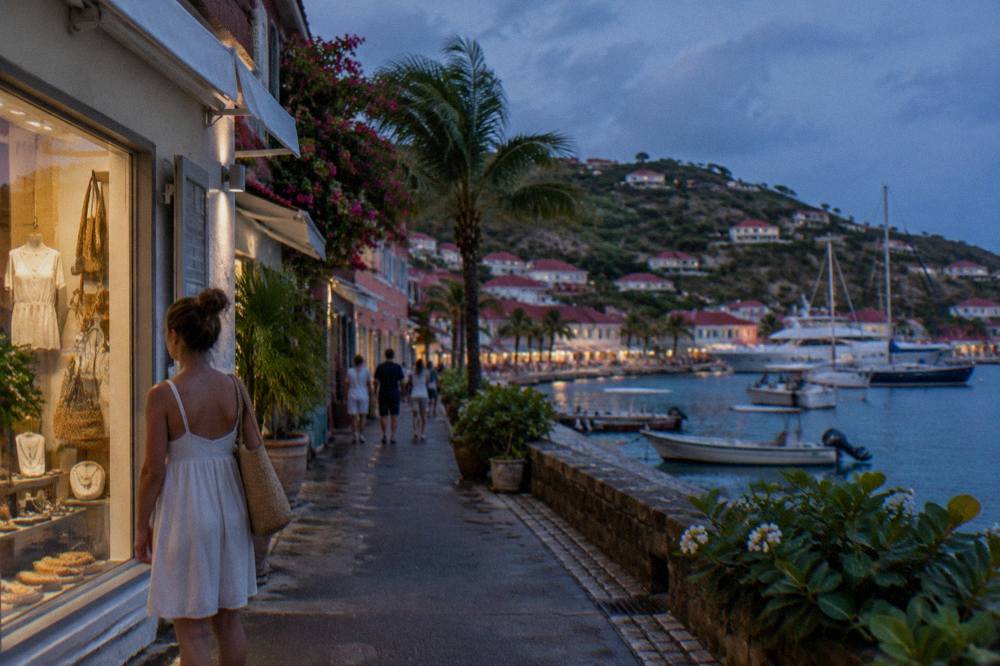
Why Are The Day Trips From St Martin Priced In US Dollars?
Because every bookable boat tour that visits St Barts departs from St Martin or Sint Maarten, from ports such as Simpson Bay, Cole Bay, Anse Marcel and Grand Case, and these products are sold to an international audience in US dollars on their live listings. No tour listed here starts in Gustavia. The price, the rating and the duration all render from the listing itself, and payment happens before travel, so no euros are needed for the booking.
This is the part of the money question travelers most often get backwards. They read that St Barts uses the euro, then assume a boat day must be paid for in euros on a dock. In practice the day-trip market is a St Martin market. The per-person group sail from St Martin, the full-day private charters and the overnight catamaran options are all US-dollar products, sold in advance, departing from the Dutch or French side of the neighboring island. The only seasonal wrinkle is that the per-person sail runs from 12 May to 31 August 2027 on its listing; outside that window, the bookable options are private charters priced per group.
Comparing the options is easier when the format is clear. The table below reflects what each product type is, not prices, which render only from the live listings.
| Product | Departs From | Format | Pricing Basis |
|---|---|---|---|
| Group sail and snorkel | St Martin / Sint Maarten | Per person, seasonal window | Per person |
| Full-day private charter | St Martin / Sint Maarten | Private day trip | Per group |
| Private charter from St Martin | St Martin / Sint Maarten | Private day trip | Per group |
| Overnight private catamaran | St Martin / Sint Maarten | Two days, one night | Per group |
For travelers assembling a wider trip, the same logic applies to planning pages such as what US cities fly direct to St Barts, where the gateway, St Martin, is the hinge of the whole itinerary. Book the boat in dollars, carry euros for the island, and the two currencies never have to compete.
What Should US Travelers Know About Money On St Barts Overall?
The essentials for US visitors are simple: the euro is the currency, dollars are accepted as a courtesy in visitor-facing businesses but not guaranteed, pre-booked boat tours from St Martin are priced in US dollars, and the island's time zone is UTC-4 year round with no daylight saving. Emergency numbers include 112. Plug types are C and E, so US travelers need an adapter. The island's French status does not make it hard to pay as an American.
A few surrounding facts help set expectations. St Barts is outside the Schengen area, so European entry systems do not govern arrival, and US citizens should check their own government's travel advice on documents. The question of territory status comes up alongside currency more often than you would expect, and it has a direct answer in is St Barts a US territory: it is not, it is French. That single fact explains the euro, the plug sockets and the official language all at once.
It also explains the character of a visit. The island is an overseas collectivity of France with about 10,700 residents, a harbour capital at Gustavia and public beaches around its coasts. Money is the least of the adjustments. What surprises most first-timers is the arrival itself: the airport runway at Gustaf III is 646 metres, served by small turboprops in daylight conditions only, and larger aircraft land at St Martin instead. The full picture is in why is it so hard to get to St Barts, a question the geography answers better than any guidebook.
For a sense of how the pieces fit, a short comparison of what needs which currency:
| Trip Element | Currency That Governs It |
|---|---|
| Hotel, villa, restaurant bills on St Barts | Euro |
| Cash for cafés and small shops | Euro |
| Ferry from Philipsburg or Marigot | Operator's own pricing, confirm direct |
| Booked tours and charters from St Martin | US dollar, on the listing |
| Car rental on St Barts | Euro, arranged with the agency |
The short version: yes, your dollars will not be useless in St Barts, but the island lives in euros, and the smart money move is a small float of euros plus a dollar-priced boat day booked ahead. Whether the rest of the trip is spent beach-hopping or watching superyachts in Gustavia, the currency question is settled the moment those two habits are in place.
Common Questions About US Dollars In St Barts
Can You Use Us Dollars In St Barts?
Yes, in practice. US dollars are widely accepted in Gustavia's shops and restaurants and in visitor-facing businesses, but the euro is the official currency, change is usually given in euros, and acceptance is a courtesy rather than a guarantee. Carry euros as your default and treat dollars as a backup.
What Currency Should I Bring To St Barts?
Euros. The island is a French overseas collectivity and prices are set in euros. Arrange cash through your bank before travel or sort it out on the way through St Martin, where nearly all itineraries pass.
Are The Boat Tours To St Barts Priced In Euros?
No. Every bookable tour that visits St Barts departs from St Martin or Sint Maarten, and these products are priced in US dollars on their live listings. Payment happens in advance, so no euros are needed for the booking itself.
Is St Barts A US Territory?
No. St Barts is an overseas collectivity of France, which is why the euro is the currency, French is the official language and plug types are C and E.
Do I Need Cash At All On St Barts?
Some. A modest float of euros covers small purchases, cafés and spots away from the main harbour. Larger bills at hotels and established businesses are handled without cash, but a cashless day in the smaller villages is not realistic.