Is St Barts A US Territory?
No, St Barts is not a US territory. It is a French overseas collectivity in the Caribbean, with the euro as its currency and Gustavia as its capital. Here is what that means for American travelers.
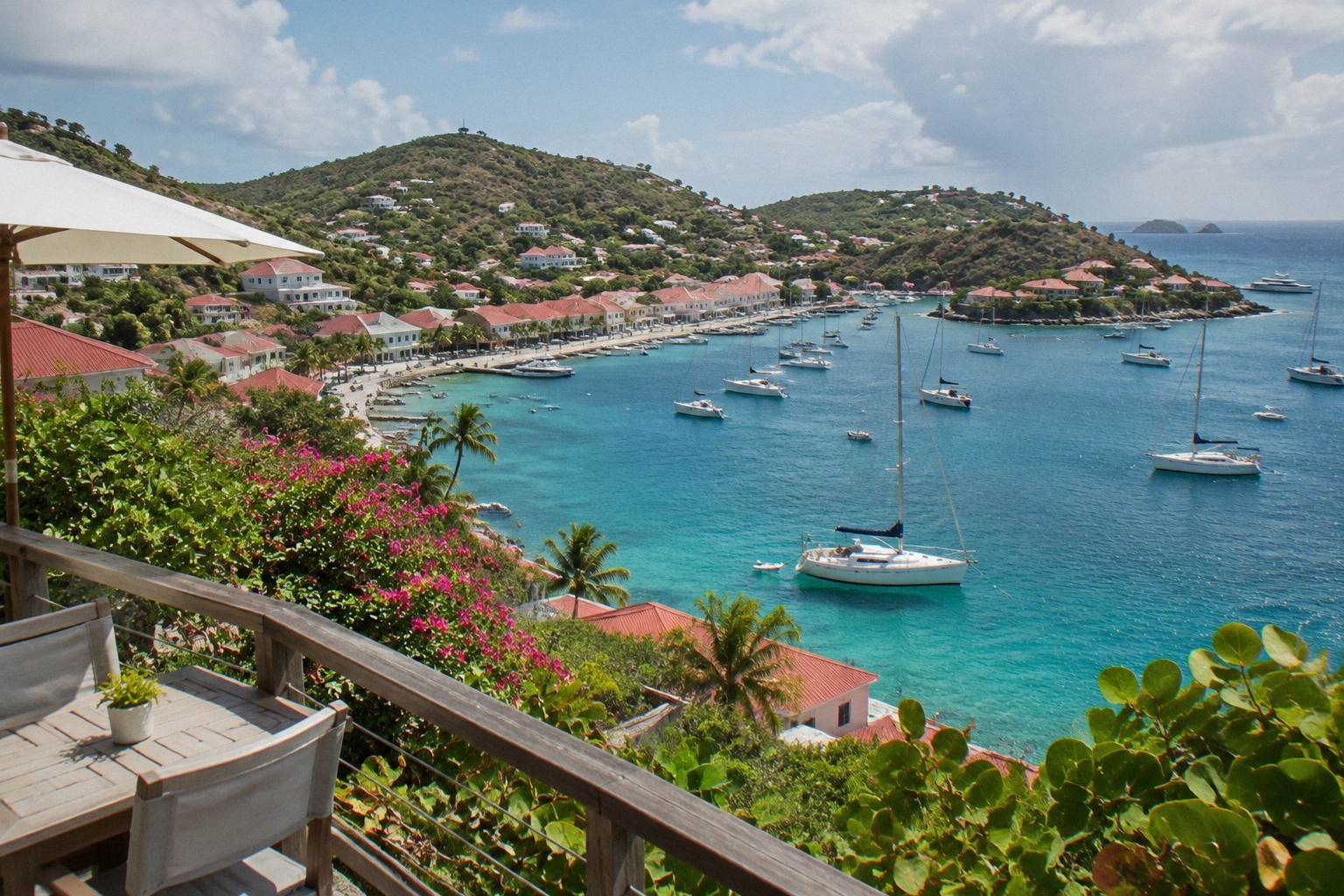
St Barthelemy, usually written St Barts, is a French island in the Caribbean, and no, it is not a US territory. It is an overseas collectivity of France, a status it has held since 2007, with Gustavia as its capital, the euro as its currency and French as its official language alongside widely spoken English. The confusion is understandable: the island sits in the Leeward Islands chain near Puerto Rico and the US Virgin Islands, it is a short flight from US territories, and its luxury profile makes it easy to mistake for an American resort outpost. The history runs the other way. Sweden held the port of Gustavia for a long stretch of the island's past before returning it to France, and the French tricolor, not the stars and stripes, has flown over the harbor ever since. This page lays out what the island's actual status is, what it means for American visitors in practical terms, and how it compares with the genuinely American territories nearby.
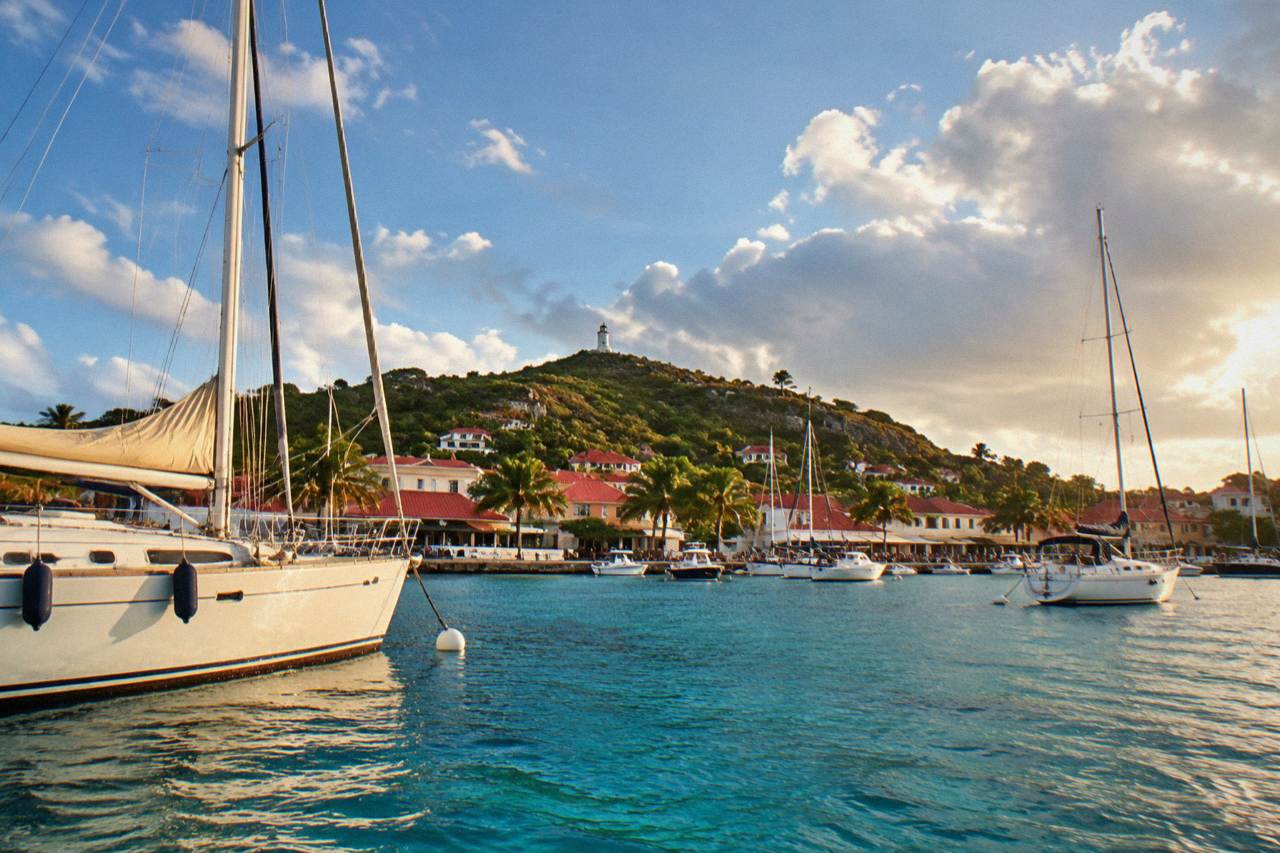
No. St Barts, the Caribbean island of St Barthelemy, is not a US territory of any kind. It is an overseas collectivity of France under Article 74 of the French Constitution, a status it took on in 2007 when it separated administratively from Guadeloupe. It has its own territorial council, it is represented in the French Parliament, and its citizens vote in French elections, with the euro as its currency and Gustavia as its capital.
The island covers about 21 square kilometres and is home to roughly 10,700 residents. The French government's overseas territories portal lists it among the collectivites d'outre-mer, and the national statistics office INSEE carries it under its own code, 977, separate from mainland departments. That administrative arrangement is the direct answer to the question: the island makes its own local rules through a territorial council, but sovereignty, defense, currency and nationality all rest with France.
The Swedish chapter explains some of the confusion visitors feel when they walk Gustavia. The town is named after a Swedish king, and street names and a Swedish-era coat of arms survive from the period when Sweden administered the island. France later reclaimed full sovereignty, and the island has remained French since, apart from the shared regional history of the Caribbean. So while Gustavia does not look classically French in the way of a Mediterranean port, the legal reality has been French territory for a long time.
For travelers coming from the United States, none of this is academic. Status determines what passport you carry, what currency you spend, what emergency number you dial and whose travel advisories apply. The sections below take each of those in turn, and St Barthelemy Travel covers the island's regions, beaches and arrival routes in detail for trip planning.
What Country Does St Barts Belong To Today?
St Barts belongs to France. It is a French overseas collectivity, which is a distinct category from both a French department and an independent country: the island is part of the French Republic but is not part of the European Union's Schengen area and is not in the EU customs territory. French national law applies, with local adaptations voted by the island's territorial council, and residents are French and thus EU citizens.
The collectivity status matters for more than trivia. Because St Barts is outside the Schengen area, the entry formalities differ from those at Paris CDG: a Schengen visa does not authorize entry, and the EU's entry systems do not govern arrival. The island also sets some of its own rules, including its tourist tax, which the Collectivite collects through lodging providers year-round. Defense, nationality and currency remain French responsibilities, administered through the prefecture based on the neighboring islands.
The distinction from US territories is worth spelling out because the comparison comes up constantly. Puerto Rico and the US Virgin Islands are US territories: US citizens move freely, the US dollar is official, and US domestic rules apply. St Barts sits in the same sea but under a different flag entirely. It is closer, culturally and legally, to Guadeloupe and Martinique, its fellow French Caribbean territories, than to any American possession. The neighboring island of Saint Martin makes the contrast even sharper, since it is itself split between a French side and a Dutch side, Sint Maarten, and neither half is American either. For the full background, see what country does St Barts belong to.
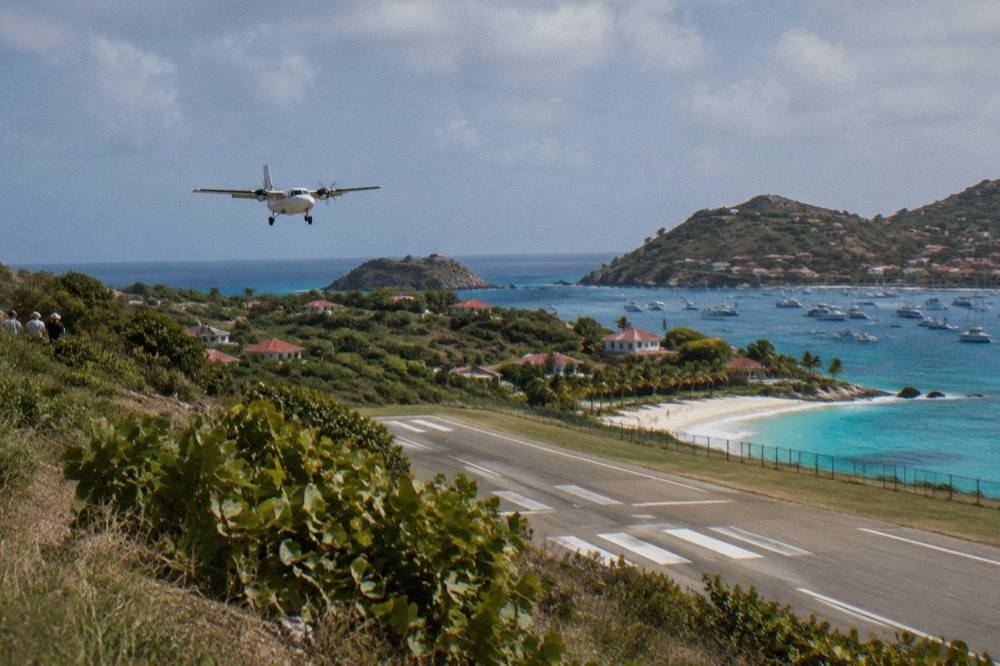
One practical consequence of French status is the way most people actually arrive. The island's Gustaf III Airport has a runway of 646 m, built for small STOL turboprops operating in daylight and visual conditions only. No jet lands there. Travelers from the United States fly to a gateway such as St Martin, San Juan, Guadeloupe or Antigua and then complete the journey on a small plane or a ferry, a two-step routing that surprises people who assumed a Caribbean island this well known would have a jet airport. The routing, along with the passport question, is covered in the guide to flying to St Barts from the US.
Getting out on the water is the other half of most itineraries, and every boat day trip to the island departs from the St Martin side. The per-person group sail from St Martin, which visits Gustavia, Colombier Beach and Ile Fourchue in one day, is the most popular option listed here, and private charters run the same corridor for travelers who want the boat to themselves. Both leave from St Martin or Sint Maarten, never from St Barts itself.
Do US Citizens Need A Passport For St Barts?
Yes. US citizens need a valid passport book to enter St Barts, because the island is French territory and not part of the United States. A passport card is not accepted for air travel, and government travel advice for the French West Indies asks for passport validity beyond the planned stay. US citizens do not need a visa for tourist visits of up to 90 days, and an onward or return ticket is required.
Because entry is governed by French rules, the visa waiver works much as it does for France: short tourist stays are visa-free for US, UK, Canadian and EU citizens. EU citizens may enter on a national ID card. The entry rules are set by a French ministerial order of 2012, as amended, and travelers should check their own government's current travel advice before flying, since airlines apply the strictest applicable validity rules at check-in. The details, including what families with children need to know, are laid out in do US citizens need a passport for St Barts.
The most common wrong assumption is that St Barts works like Puerto Rico, where a domestic flight and a driver's license suffice. It does not. Flying from San Juan or St Maarten to St Barts is an international flight between a US territory and French territory, and immigration formalities apply on arrival even though the airport is tiny and the process is quick. The same applies on the ferry from Philipsburg or Marigot: passports are checked at the terminal, and operators ask passengers to arrive well before departure for check-in.
There is one further nuance worth knowing. Because St Barts is outside the Schengen area, the European Union's ETIAS travel authorization does not govern entry, and ETIAS was not operational as of October 2026 in any case. No US-style electronic authorization applies. What does apply is simple: passport book, return ticket, proof of accommodation for the stay, and travel insurance is sensible for any Caribbean trip during hurricane season, which runs 1 June to 30 November with its peak from mid-August to mid-October.
| Question | St Barts | Puerto Rico / US Virgin Islands |
|---|---|---|
| Sovereignty | France (overseas collectivity since 2007) | United States |
| Passport for US citizens | Required, passport book | Not required |
| Currency | Euro (US dollars widely accepted) | US dollar |
| Official language | French, English widely spoken | English, Spanish |
| Emergency numbers | 15, 17, 18 and 112 (French system) | North American system |
| Time zone | UTC-4, no daylight saving | UTC-4 |
Can You Use US Dollars In St Barts?
The euro is the official currency of St Barts, but US dollars are widely accepted across shops, restaurants and taxis, and credit cards are taken almost everywhere on the island. Prices for local costs are normally quoted in euros, change may come in euros, and exchange rates offered by local businesses are not always favorable, so paying by card or carrying some euros usually works better than relying on cash dollars.
There is no currency exchange problem in the way the question implies, only a small margin question. The island has no tax-free shopping status distinct from French rules, and there are no duty-free bargains of the kind found on some cruise ports, but luxury shopping in Gustavia is a genuine activity, with French and Italian brands represented alongside local boutiques. Whether a specific item works out cheaper than at home depends on exchange rates and on how a card issuer handles foreign transactions, which is a question for the card issuer rather than the shop. For the spending side of a trip, see can you use US dollars in St Barts.
Tipping follows French-influenced Caribbean practice rather than American convention: service is usually included in restaurant bills under French law, and rounding up or leaving a modest extra amount for good service is normal rather than an expected percentage. Tour and transfer staff who work with international visitors are used to American tipping habits and will not refuse one, but nobody should feel the 20 percent pressure of a US restaurant. The overall cost picture, from hotels to car rental, is covered in the site's budget guide.
| Practical point | What applies in St Barts |
|---|---|
| Official currency | Euro |
| US dollar acceptance | Widely accepted, change usually given in euros |
| Cards | Accepted almost everywhere, including taxis in many cases |
| Tourist tax | Collected by lodging providers, year-round |
| Tipping | Service typically included; rounding up is appreciated |
| Sales tax | French overseas rates apply, not US sales tax |
Can A US Citizen Move To St Barts?
A US citizen can stay in St Barts visa-free for up to 90 days in any 180-day period, but cannot move there permanently the way one could move to a US territory, because the island is French. Long-term residence requires a French long-stay visa with territorial validity for St Barthelemy, applied for through the France-Visas system before travel, and property ownership does not confer residence rights.
The distinction trips up people who buy or consider buying property on the island, which has a real estate market open to foreign buyers. Owning a villa does not grant the right to live in it year-round without a residence permit, and the 90-day visa-free allowance is a rolling limit, not a resettable one. Americans contemplating an extended stay should also know that the island's economy runs on tourism and construction, that seasonal work contracts are the common route for young foreigners, and that the Collectivite applies French immigration law. The realistic paths and pitfalls are set out in can a US citizen move to St Barts.
For visitors rather than movers, the 90-day allowance is generous relative to the island's size. A week covers Gustavia, the main beaches and a boat day comfortably, and the site's itinerary guides break down how to use three, five or seven days well. What no one should plan around is bringing a pet dog to the beach: dogs are banned from all beaches island-wide under a local order, one of the rules the island's environmental agency enforces inside its marine reserve alongside a 5-knot speed limit in protected zones and a strict no-touch rule for sea turtles.
Common Questions About Whether St Barts Is A US Territory
Is St Barts A Us Territory?
No. St Barts is an overseas collectivity of France, a status it has held since 2007. It is not a US territory, not a US possession and not under US jurisdiction in any form.
Is St Barts part of the United States Virgin Islands?
No. The US Virgin Islands lie to the northwest of St Barts and are American territory. St Barts is French, located near the dual-national island of Saint Martin and Sint Maarten, its main transport gateway.
Do US citizens need a passport to visit St Barts?
Yes. A valid passport book is required for US citizens, including for the short flight or ferry from St Martin. A passport card is not accepted for air travel. No visa is needed for tourist stays of up to 90 days.
Is St Barts part of the European Union?
St Barts is part of France but is an overseas collectivity, not a full part of the EU's territory. It sits outside the Schengen area, so Schengen visas and the EU's planned entry systems do not govern arrival.
Can you pay with US dollars in St Barts?
The euro is the official currency, but US dollars are widely accepted and cards are taken almost everywhere. Change is usually given in euros, and card payments often give a better effective rate than paying cash dollars.
Who owns St Barts, France or Sweden?
France. Sweden administered the island for a long period, and its legacy survives in Gustavia's name and street signs, but France later reclaimed full sovereignty and the island has been French territory ever since.
The short version for any American traveler: bring a passport book, expect euros, expect French law, and expect an island that feels Caribbean, looks part-Scandinavian and is administered from Paris. For the arrival routes from the US side, start with how do I get to St Barts from the US, and for what to do once there, the things to do in St Barts page is the site's main planning guide.
The group sail from St Martin is the natural first boat day: it reaches Gustavia, Colombier Beach and Ile Fourchue in a single trip, and its per-person pricing suits solo travelers and couples who do not want a full private charter. For anyone weighing a longer stay on the water, the two-day private catamaran with an overnight stop extends the same crossing into a mini-cruise, departing from St Martin and returning there. Private sailboat charters from Sint Maarten round out the options, and all of them leave from the St Martin side, so the practical answer to almost every St Barts boat question starts with how you get to St Martin first.