Do They Take Credit Cards In St Barts?
Payment basics for St Barts: the euro, when cash helps, and how tour prices are shown in US dollars. A plain answer for the question do they take credit cards in St Barts.
St Barthelemy, usually written St Barts, is a small French island in the Caribbean, an overseas collectivity of France since 2007, and the tourism committee states plainly that its currency is the euro. That single fact answers most of the money questions a trip raises. French is the official language and English is widely spoken, so asking about payment in a shop or restaurant in Gustavia is rarely a language problem. What trips people up instead is assuming the island works like a US territory with dollar pricing and dollar tips: it does not, and the gap between the euro and the dollar is where the confusion starts.
This page walks through the payment picture the way a planning guide should: the currency rule first, then what cash is for, then how the bookable day trips that visit the island from St Martin are priced on this site in US dollars. The site's own things to do in St Barts overview covers what there is to do once the money side is settled, and St Barthelemy Travel covers the island end to end.
St Barts is euro territory, not dollar territory, and the tourism committee lists the euro as the island's only local currency. Payment acceptance varies business by business and no blanket rule can be stated for the island, so the practical approach is a card plus a supply of euro cash for small purchases. Prices on this site's own tour cards are shown in US dollars and should never be mentally converted against euro menu prices.
The euro is the currency, full stop. Any figure a traveller sees for a hotel room, a villa, a rental car or a meal on the island itself is quoted in euros, because that is the money the island's businesses keep their accounts in. What no honest guide can do is promise that any particular shop, beach club or taxi takes a particular card: acceptance is set by each business, and a claim one way or the other would be a guess. Carrying a card and some euro cash together covers both outcomes.
Two practical points follow from the French set-up. First, plug types on the island are C and E, so card readers and terminals follow European norms, and the emergency numbers include 112 alongside the French medical, police and fire numbers. Second, time is UTC-4 all year with no daylight saving, which matters for anyone checking a bank's fraud line back home and finding it closed at an unexpected hour.
| Topic | The Rule On St Barts | Where It Comes From |
|---|---|---|
| Currency | Euro, the only local currency | The tourism committee |
| Official language | French, with English widely spoken | The tourism committee |
| Time zone | UTC-4 all year, no daylight saving | Reported time-zone listing |
| Plugs | Types C and E | Reported electrical listing |
| Emergency numbers | 15, 17, 18 and 112 | French overseas government page |
| Tour prices on this site | US dollars, from each product's live listing | This site's tour cards |
Why Is St Barts A Euro Island When It Feels Caribbean?
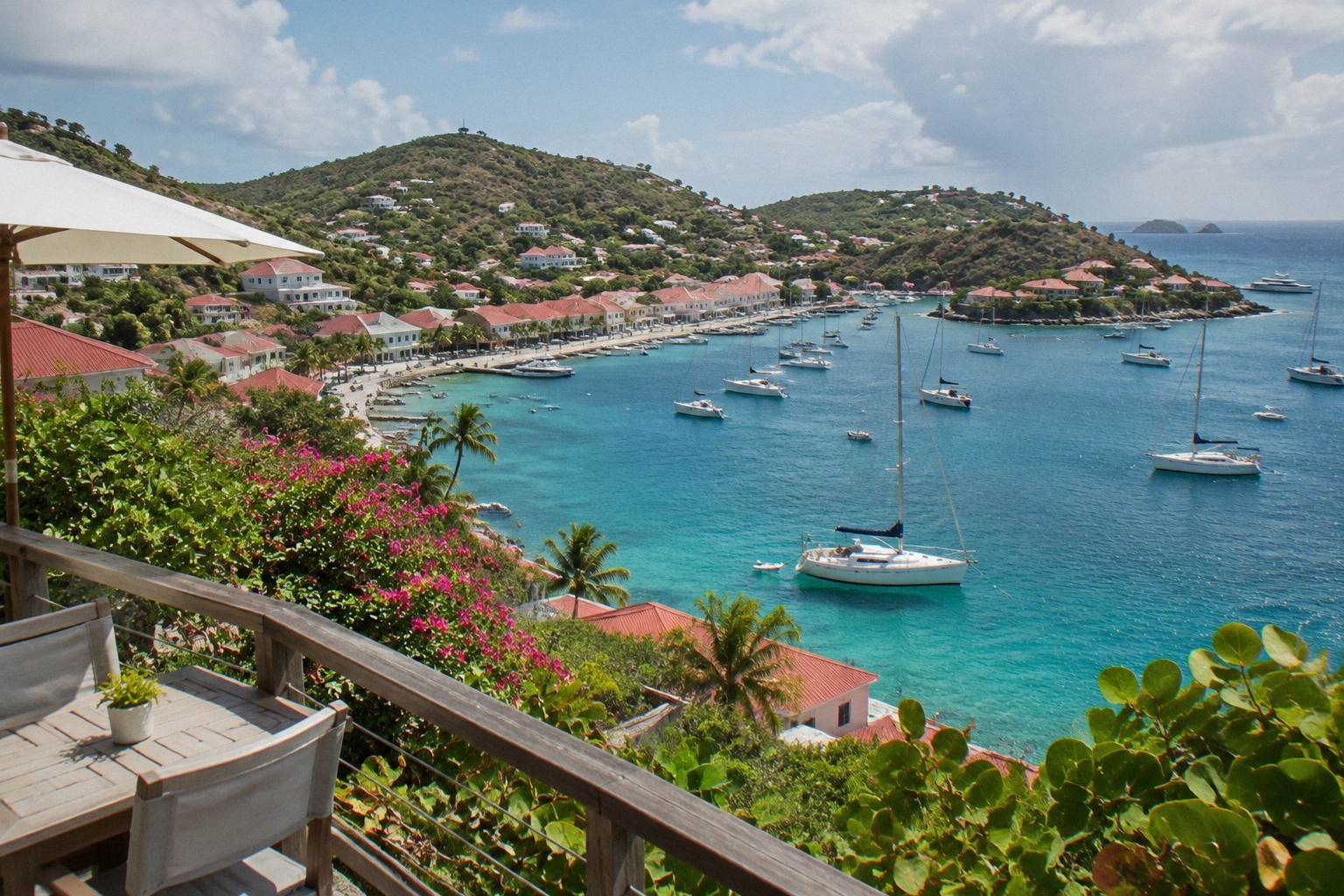
St Barts has used the euro since it became a separate French overseas collectivity in 2007, because it remains part of France's currency zone despite sitting in the Caribbean. It is not a US territory and has no local dollar of its own, so euro cash and euro-priced accounts are simply how the island operates. Roughly 10,700 residents live on about 21 square kilometres of hills and coastline around the harbour capital, Gustavia.
The status matters for payment habits in surprising ways. The island's banks, card terminals and receipts follow French practice, and its shops deal daily with visitors arriving from the Dutch and French sides of neighbouring St Martin, where dollars circulate far more freely. None of that changes the official currency on St Barts itself. A common follow-up question, what country does St Barts belong to, has the same answer from the money angle: France.
The neighbour contrast is worth one paragraph of its own. St Martin and Sint Maarten, the two halves of the next island over, sit between the euro and the Caribbean guilder, and day trips hop between the currencies in under an hour on the water. Anyone taking a boat from St Martin to St Barts should expect to end the day paying in euros, not in the currency the trip started in. The St Barts ferry and schedule guide covers the crossing itself.
For day trips on the water, the bookable options that visit St Barts all depart from St Martin or Sint Maarten, never from the island itself. The one per-person group product listed here, the Boomerangs sail, runs from 12 May to 31 August 2027 on its listing.
Between the two, the rest of the trip list is private charters priced per group, which changes the payment conversation entirely: one party pays one price for the boat, not per seat.
How Much Cash Should You Carry In St Barts?
No figure for how much euro cash to carry can be printed responsibly, because prices vary by season and business. What can be said is that cash fills the gaps where a card is not an option or a small purchase makes one awkward: a market stall, a tip, a minor purchase. Decide the amount against your own plans, then keep cards as the primary method and euros as the back-up rather than the reverse.
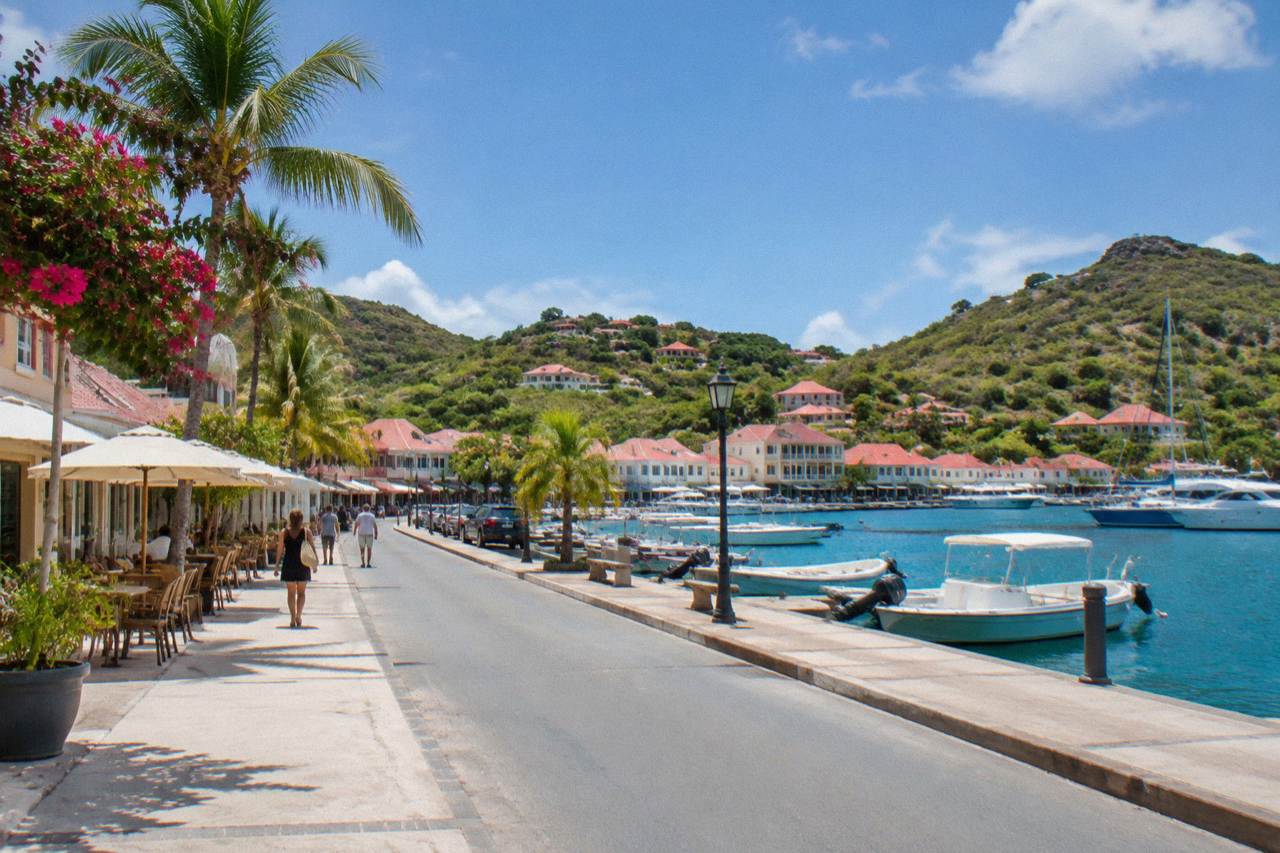
The honest version of this answer is short. Guides that print a daily cash figure are estimating, and an estimate dressed as a fact helps nobody. What the planning task actually involves is matching cash to the day: a harbour morning in Gustavia, a beach afternoon, a dinner reservation. Gustavia's centre is compact, so there is little walking between where money is spent.
A few adjacent costs come up in every St Barts money conversation, and each has a no-guess answer:
- Rental cars: Avis, Budget and Hertz have counters at the airport, and local agencies and Mini Mokes exist. Rates vary by season, and each company's own booking page shows them.
- Hotels and villas: rates vary by season, and the property's own booking page shows them. Many hotels close each autumn and reopen between mid-October and early November, a yearly pattern rather than a dated event. Taxis and meals: no fare or price figure exists for either, and any figure seen elsewhere should be checked against the business directly.
The seasonal angle deserves a sentence before moving on. The island is warm year round, with mean daily highs from 28.5 C in January to 31.7 C in September according to the Meteo-France normals, 1991-2020, so weather rarely decides the cash-versus-card question. Business hours do, and autumn closures shrink the open options until the reopening wave.
Should You Pay For St Barts Tours In Dollars Or Euros?
Bookable tours that visit St Barts are sold through their live listings in US dollars, and this site displays those prices exactly as the listings publish them, never converted to euros. The island's own costs, from hotel rooms to meals, are in euros. Keep the two ledgers separate in your head, and never treat a dollar tour price as a euro figure or the reverse.
This is the single most useful payment rule on the page, and it exists because of the geography. Every bookable product listed here departs from St Martin or Sint Maarten, from ports such as Simpson Bay, Cole Bay, Anse Marcel and Grand Case, and visits St Barts as a day trip. The seller prices in dollars; the destination spends euros. A traveller who books a charter in dollars, then budgeted dinners in euros, has the arithmetic right. One who blends the two has it wrong.
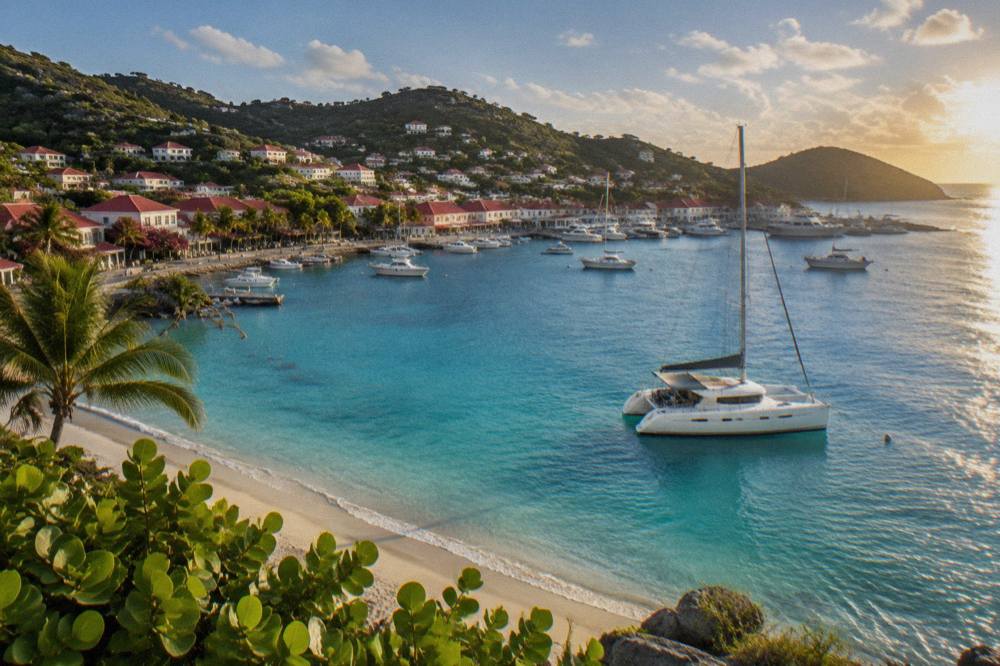
Among the options, the Boomerangs sail covers Gustavia, Colombier Beach and Ile Fourchue in a day from St Martin, and its full tour page carries the current price and season. For anyone weighing the group option against a private boat, the operator's listing beside the internal page is the clean way to compare dates. Marine reserve rules apply on the water: a 5-knot limit in protected zones, no jet skis, 23 dive sites and no touching of turtles, per the environment agency's regulatory-zones page.
What About Tips, Taxis And Small Payments?
No tipping percentage can be printed for St Barts, and the same constraint covers taxi fares, which remain unpriced. Small payments in euro cash are the practical fallback for exactly these cases, which is the strongest argument for carrying some notes even on a card-first trip. Service is included in French billing practice on the island's French model, and beyond that, no rule is stated.
That answer frustrates people who want a number, and it should: a fabricated percentage is worse than none. What planning can hold onto is structural. Taxis on St Martin and St Barts operate differently from ride-hailing models elsewhere, and the getting around St Barts guide lays out the options without inventing fares. Whether renting a car beats depending on taxis is a genuine question with an honest treatment in is it worth renting a car in St Barts, which also avoids printing rental rates.
Two more money-adjacent questions surface in the same conversation. One is whether the trip justifies the cost of getting there at all, handled in is it worth going to St Barts. The other is why the journey has so many steps, small planes and ferries included, answered in why is it so hard to get to St Barts. Neither changes the currency rules, but both shape how much money moves through how many hands before a traveller ever buys a meal in Gustavia.
Common Questions About Credit Cards And Money In St Barts
Do They Take Credit Cards In St Barts?
St Barts uses the euro, and card acceptance varies business by business, so no blanket claim can be made for the island. Carry a card plus euro cash for small purchases and places where a card may not work.
Can you use US dollars in St Barts?
The euro is the official currency and the one the island's businesses use for pricing. Tour prices on this site appear in US dollars because the products are sold through their live listings, and those figures should not be converted against euro prices.
Do you need cash for a day in Gustavia?
Gustavia's centre is compact and walkable, and some euro cash is the sensible back-up for small purchases. No amount can be prescribed; match it to your own plans.
Are tips expected in St Barts?
No tipping percentage exists for St Barts, so none is printed. Service follows French billing practice on the island's French model, and beyond that each traveller decides.
Why are the tour prices on this site in dollars?
Every bookable tour that visits St Barts departs from St Martin or Sint Maarten and is sold through its live listing in US dollars. The site shows those prices as published, while island costs such as hotels and meals remain in euros.
The money picture on St Barts is simpler than it first looks: euros on the island, dollars on the tour listings, cash for the small gaps, and no invented numbers anywhere in between.