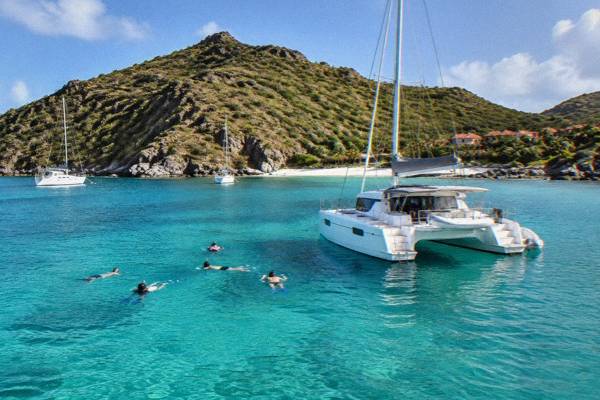
Scuba Diving In St Barts
St Barthelemy, known as St Barts, is a small French island in the Caribbean whose surrounding waters fall largely inside a national marine reserve, and the reserve's own regulatory pages are the best starting point for anyone planning to dive there.
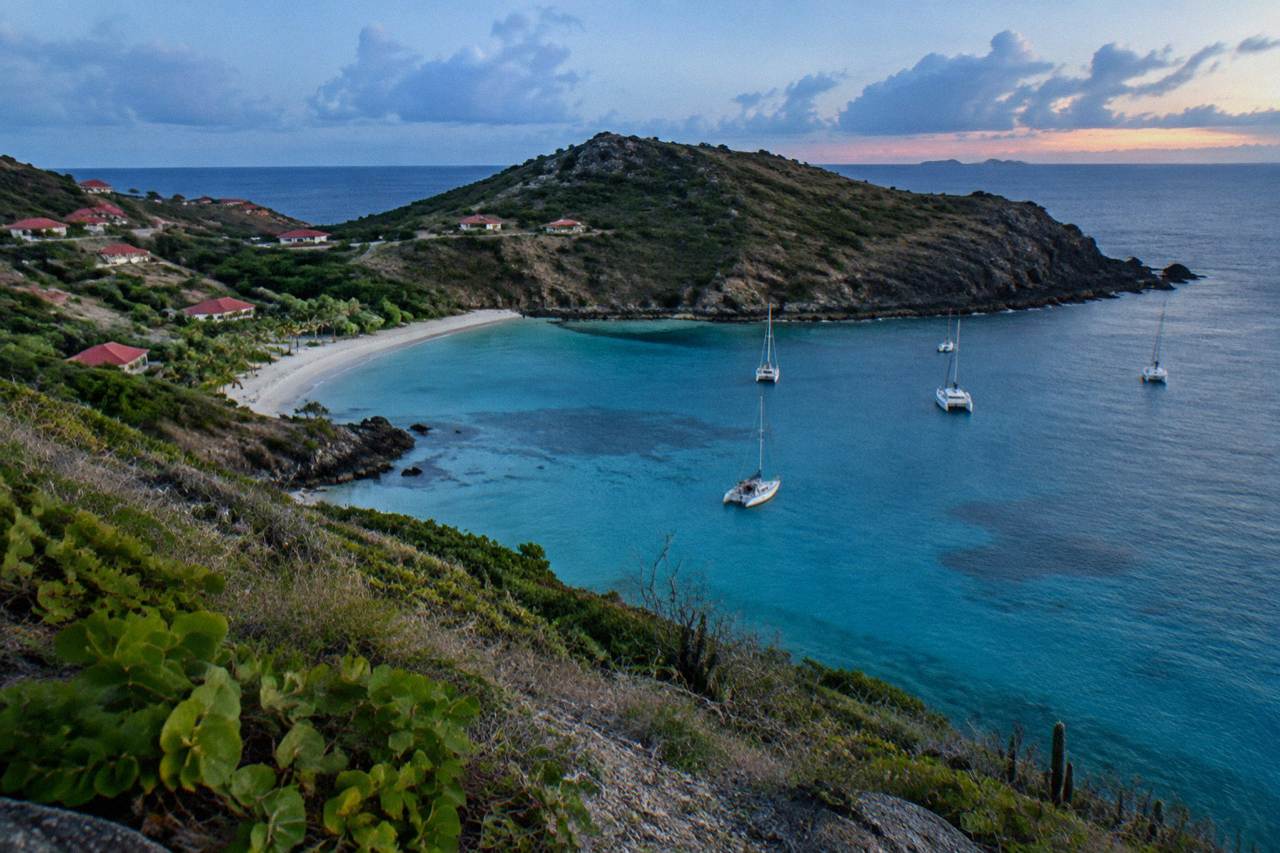
The St Barts marine reserve lists 23 dive sites and sets a 5-knot speed limit in its zones, bans jet skis and bars divers from touching turtles or collecting shells, coral or sand, according to the environment agency's regulatory-zones page.
St Barthelemy, written St Barts, is a small French island in the Caribbean, about 21 square kilometres of hills and public beaches ringed by turquoise water. Almost all of the interesting underwater territory sits inside the Reserve Naturelle Nationale de Saint-Barthelemy, a national marine reserve administered by the island's environment agency, the Agence Territoriale de l'Environnement. That single fact shapes everything about scuba diving here: where you dive, how boats behave on the water, what you may touch and what you may take. The reserve's regulatory pages are unusually clear, and this guide follows them closely, alongside the climate record and the ferry and flight options that get divers to the island at all.
What Is Scuba Diving In St Barts Like?
Diving in St Barts means diving inside a protected marine reserve that lists 23 dive sites, sets a 5-knot speed limit in its zones and bans jet skis outright, according to the environment agency's regulatory-zones page. The island is small, the sites sit close to shore, and the water is warm year round, about 26 C in winter and about 29 C from August to October.
The reserve covers five zones, including Colombier Bay and the waters around Ile Fourchue, with simple protection areas and enhanced protection areas layered on top of each other. In the enhanced zones, fishing, anchoring and scuba diving are banned or restricted in specific places, so the map of where you may dive is not the same as the map of where boats may go. Divers arriving from outside should understand that this is a regulated environment rather than an open one, and that the rules exist to protect turtles, corals and the reef fish that give the sites their character.
What the reserve's pages do not do is rank the sites or promise conditions. No source claims any bay is calm, clear or uncrowded on a given day, and this guide will not either. Sea conditions in the Caribbean can change quickly, and the crossing from St Martin, which is how many visitors arrive, can be rough. What can be said is factual: the reserve exists, it lists 23 dive sites, and its rules apply to everyone in the water.
For the wider picture of the island above the waterline, the St Barts attractions overview covers beaches, Gustavia and the areas inland.
Where Are The 23 Dive Sites Of The St Barts Marine Reserve?
The environment agency's regulatory-zones page lists 23 dive sites within the St Barts marine reserve, spread across five protection zones that include Colombier Bay and Ile Fourchue, and it divides those zones into simple protection and enhanced protection areas where diving, anchoring and fishing are treated differently. No public page ranks the sites or describes individual ones in detail.
The geography is compact. Colombier Bay sits at the island's northwestern corner, reached by water or on foot, and Ile Fourchue is a small uninhabited islet to the northwest of Gustavia. Both are named in the reserve's zone descriptions, and both carry specific boating rules: no vessels over 25 metres, ecological mooring buoys preferred, and anchoring restrictions in force. Grand Cul-de-Sac on the northeast coast is another named reserve area, a shallow lagoon where green and hawksbill turtles are common according to the environment agency's beach pages.
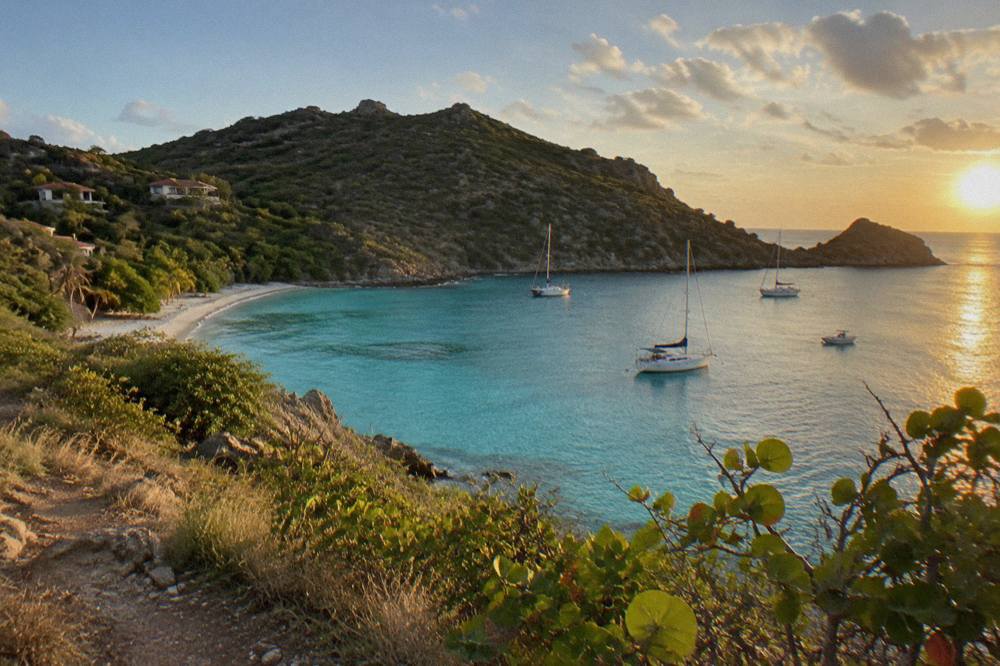
What the reserve's pages do give, beyond the site count, is a clear sense of the protection layers. The table below summarises the zone structure as the agency describes it, without adding details the agency does not publish.
| Reserve Zone Feature | What The Environment Agency's Page Says |
|---|---|
| Total zones covered | 5, including Colombier Bay and Fourchue |
| Dive sites listed | 23 |
| Protection layers | Simple protection and enhanced protection areas |
| Speed limit on the water in zones | 5 knots |
| Jet skis, seabobs, electric surfboards | Banned |
| Vessels in Colombier and Fourchue bays | None over 25 m; ecological mooring buoys preferred; anchoring restrictions apply |
Because no bookable dive trip operates from the island listed here, the reserve's waters are experienced on a boat day from St Martin or Sint Maarten. The options below are a per-person group sail and private charters, all departing from the neighbouring island.
Each of these is a day trip or overnight by boat, with snorkeling rather than tanks as the way into the water, and each is governed by the same reserve rules once inside the zones. The 5-knot limit in particular changes the feel of a boat day: approaches are slow, and the marine life is the point of the trip rather than an incidental stop.
Can You Snorkel Colombier And Ile Fourchue On A Day Trip From St Martin?
Yes. Day trips from St Martin and Sint Maarten sail to Colombier Beach and Ile Fourchue and include snorkeling stops, and the one per-person group sail listed here runs from 12 May to 31 August 2027 on its listing, with private charters available as the alternative for other dates. All depart from the St Martin side, never from St Barts itself.
The group option is the Boomerangs Group Sail and Snorkel, a seven-hour day that visits Gustavia, Colombier Beach and Ile Fourchue in one circuit. It is the only product listed here priced per person rather than per group, which makes it the natural choice for a solo traveller or a couple who do not want to charter a whole boat. Its season window is fixed on the listing, so anyone travelling between September and May needs a private option instead.
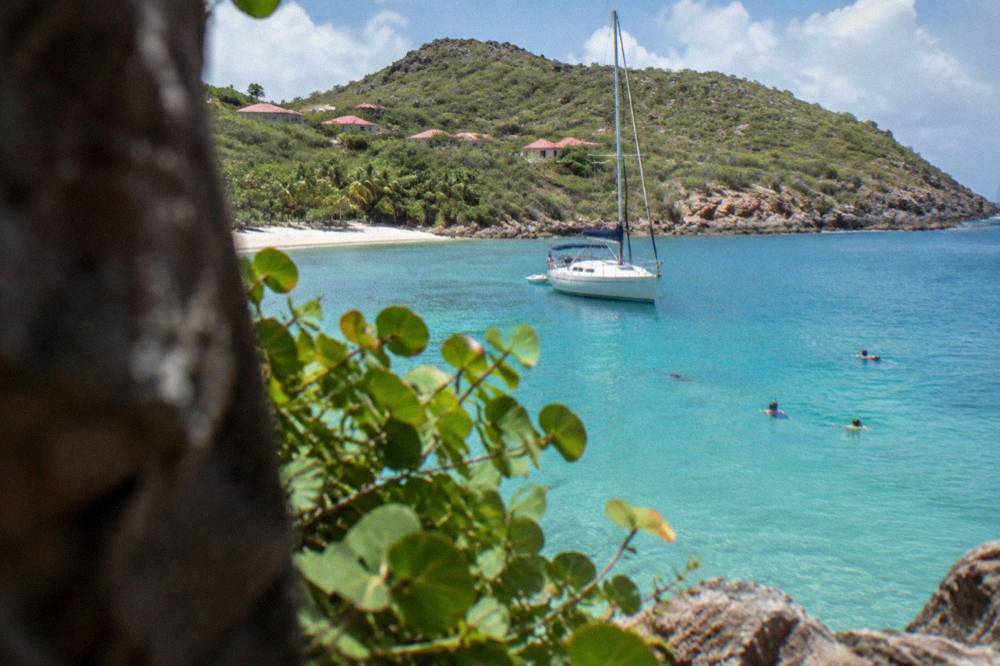
The group sail has its own dedicated guide on this site, with the full itinerary and booking details: St Barts group sail to Gustavia, Colombier and Ile Fourchue. You can also See the live listing directly.
For divers, the practical point is that these trips get you into the reserve's water with a mask and snorkel, over the same reefs the island's dive businesses explore with tanks. Snorkeling Colombier or the mooring field at Ile Fourchue is the closest a day visitor from St Martin gets to the reserve's underwater world without booking a dedicated dive arrangement on the island itself, which this site does not offer.
What Rules Apply In The St Barts Marine Reserve?
The St Barts marine reserve sets a 5-knot speed limit in its zones, bans jet skis, seabobs, electric surfboards and towed sports, lists 23 dive sites and asks visitors not to touch turtles, corals, urchins, starfish, sharks or rays, according to the environment agency's regulatory-zones page. Dogs are not allowed on the beaches. Collecting coral, plants, shellfish, crustaceans, sand, rocks or shells is prohibited, and gloves are banned in the water.
The full list is long but worth reading before you get wet, because several rules catch visitors by surprise. The ban on gloves exists to prevent collecting. The drone restrictions matter to anyone filming a dive trip from the boat: drones are prohibited in or near the reserve without prior authorization. Underwater lighting and noise pollution are addressed too, and in the enhanced protection zones, fishing, anchoring and scuba are restricted in specific areas.
| Rule Area | What Is Prohibited Or Required |
|---|---|
| Speed | 5-knot limit on the water in reserve zones |
| Motorised and electric craft | Jet skis, seabobs, electric surfboards, towed sports banned |
| Protected species | No touching, chasing or feeding turtles, corals, urchins, starfish, sharks, rays |
| Collecting | No coral, plants, shellfish, crustaceans, sand, rocks or shells |
| Gloves | Not worn in the water |
| Dogs | Banned from beaches and from the water in reserve areas |
| Drones | Prohibited in or near the reserve without authorization |
| Bays of Colombier and Fourchue | No vessels over 25 m; ecological mooring buoys preferred; anchoring restricted |
The dog ban deserves its own sentence because it is island-wide rather than reserve-specific: a municipal order prohibits dogs on all beaches on St Barts, even on a lead, with signs at the entrances. The stated reasons are protecting wildlife, including nesting turtles and birds, and preventing sand pollution. Anyone planning a boat-and-beach day should leave the dog ashore.
Turtle nests and sightings can be reported to the environment agency, which publishes a contact number for the purpose on its beach pages. Reducing light and noise near nesting areas is part of the agency's published guidance, and dogs and waste are named as threats. None of this is optional etiquette; it is the regulatory framework the reserve operates under.
When Is The Best Season For Diving In St Barts?
The sea around St Barts is warm all year, about 26 C in winter rising to about 29 C from August to October, and the Meteo-France normals for 1991 to 2020 show mean daily highs from 28.5 C in January to 31.7 C in September, so the choice of season is less about temperature than about the Atlantic hurricane season, which runs from 1 June to 30 November with its peak from mid-August to mid-October.
Rain is the sharper seasonal signal. The normals record 891.3 mm across the year, with February the lowest month at 38.4 mm and October the wettest at 135.6 mm. September and November are also wet months, at 96.9 mm and 118.6 mm respectively. The drier stretch runs from February through April, when monthly totals sit between 38.4 and 50.9 mm and air temperatures are a touch lower than the late-summer peak. Everything else covered here is indexed on St Barthelemy Travel.
| Month | Mean Daily High (C) | Mean Daily Low (C) | Rain (mm), Meteo-France Normals 1991-2020 |
|---|---|---|---|
| Jan | 28.5 | 23.5 | 52.6 |
| Feb | 28.6 | 23.3 | 38.4 |
| Mar | 29.0 | 23.5 | 41.4 |
| Apr | 29.8 | 24.2 | 50.9 |
| May | 30.7 | 25.1 | 61.7 |
| Jun | 31.2 | 25.9 | 56.0 |
| Jul | 31.2 | 26.0 | 80.4 |
| Aug | 31.6 | 26.3 | 79.6 |
| Sep | 31.7 | 26.2 | 96.9 |
| Oct | 31.4 | 25.8 | 135.6 |
| Nov | 29.9 | 25.0 | 118.6 |
| Dec | 28.9 | 24.1 | 79.2 |
Two seasonal patterns matter beyond the weather tables. Many hotels and restaurants on the island close each autumn and reopen in waves between mid-October and early November, so a diving trip in late September can coincide with a quiet island regardless of the sea. And the one per-person group sail from St Martin runs only from 12 May to 31 August 2027 on its listing, which sits squarely inside hurricane season; private charters are the option outside that window. No prediction of storms, crowds or availability can be made, and none is attempted here.
How Do You Get To St Barts For A Diving Trip?
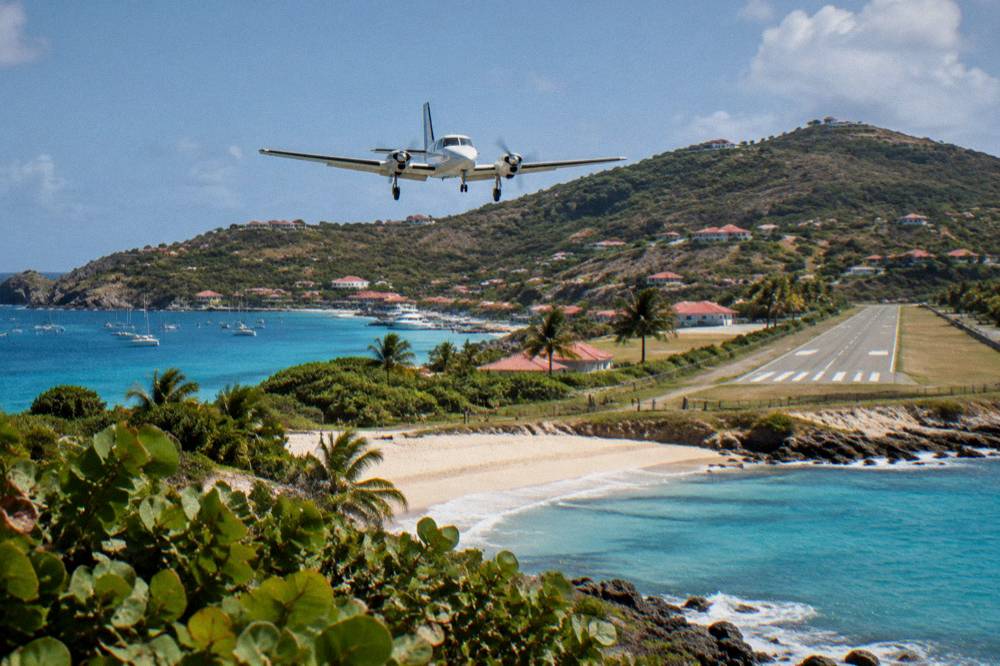
Nearly everyone reaches St Barts through St Martin: flights arrive at Princess Juliana airport on the Dutch side, then a small STOL turboprop flies the short hop to Gustaf III airport on St Barts, whose 646-metre runway takes only small aircraft in daylight and visual conditions, or one of two ferries crosses from Philipsburg or Marigot to Gustavia. There are no jet operations into St Barts.
The airport detail matters for planning. The runway at Gustaf III, also called Remy de Haenen, is 646 metres long, and only STOL-rated turboprops such as Twin Otters and Cessna Grand Caravans serve it, in daylight and visual conditions only. St Barth Commuter flies from St Martin (SXM), Grand Case (SFG) and Guadeloupe (PTP); Tradewind flies from San Juan (SJU) and Antigua (ANU). On the water, Great Bay Express runs from Bobby's Marina in Philipsburg on the Dutch side, about 45 minutes to Gustavia, and Voyager runs from the Marigot terminal on the French side, about 50 to 60 minutes; both operators' own pages carry current schedules and fares. The crossing can be rough, and services are subject to weather.
| Route To St Barts | Operator Or Carrier | Departure Point | Notes |
|---|---|---|---|
| Air | Tradewind | SJU, ANU | Pilatus PC-12 aircraft |
| Ferry | Great Bay Express | Bobby's Marina, Philipsburg | About 45 minutes; passport required |
| Ferry | Voyager | Marigot Ferry Terminal | About 50 to 60 minutes; 2 to 3 sailings daily |
The full planning detail lives in two dedicated guides on this site: how to get to St Barts and the St Barts ferry operators and schedule page, with the flights to St Barts guide covering the air side. Divers carrying gear should also check the St Barts airport guide, since the small aircraft impose their own baggage realities.
Once on the island, a rental car is the usual way to reach dive departure points and beaches; the counters at the airport include Avis, Budget and Hertz, alongside local agencies and the open-air Mini Mokes. The St Barts car rental guide covers the practicalities.
What Marine Life Can You See Around St Barts?
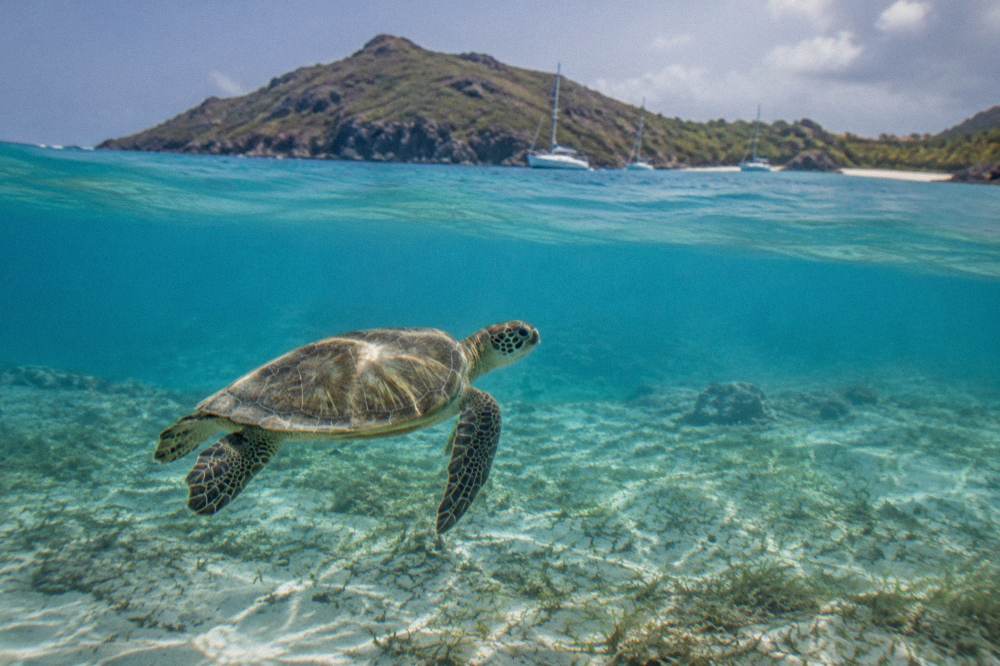
Green and hawksbill turtles are the two named species the environment agency's pages confirm around St Barts, common in the Grand Cul-de-Sac lagoon and around Colombier, and both are strictly protected: touching or disturbing them is prohibited, on the beaches and in the water, and nests or sightings can be reported to the agency. Beyond turtles, the reserve's protections cover corals, urchins, starfish, sharks and rays, none of which may be touched, chased or fed.
The agency does not publish a fish species list, and this guide will not invent one. What the regulatory pages make clear is that the reserve's structure exists precisely because the underwater life here is considered worth protecting: five zones, mooring buoys to spare the seabed from anchors, speed limits to spare large animals from propellers, and a blanket ban on taking anything, living or mineral, out of the water. Divers who follow those rules are, in effect, diving the way the reserve intends.
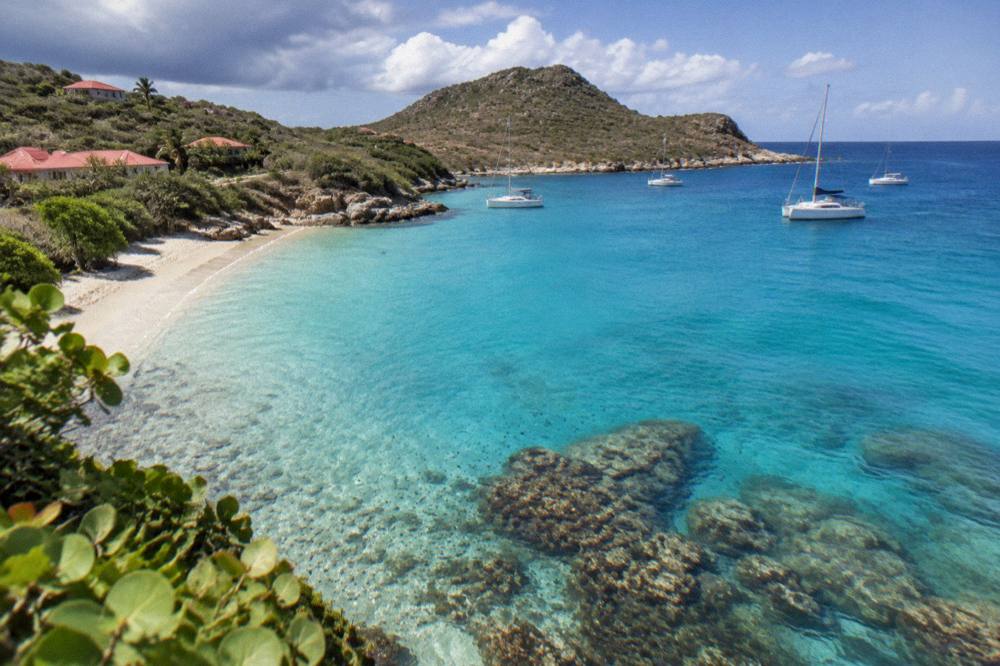
For visitors who want the reserve's water without a tank, a private charter is the other route in. A full-day private charter from St Martin can structure the day around snorkeling stops inside the zones, at the crew's discretion and within the reserve's rules.
A second private option runs the same corridor with a different boat and itinerary profile:
Both are priced per group rather than per person, and both leave from the St Martin side. Together with the group sail and the overnight catamaran below, they are the full set of ways to reach the reserve's water as a visitor.
Do You Need Certification To Dive In St Barts?
The marine reserve publishes no certification requirement of its own; its rules govern behaviour in the water, not who may enter it. Instruction and guided dives on St Barts are arranged directly with the island's dive businesses, whose own pages state current requirements, prices and schedules, and every one of those trips operates under the reserve's 5-knot limit, species protections and equipment bans.
This is the honest shape of the topic. Certification standards, course structures and dive-site assignments are commercial matters for the operators, not regulatory ones. What a diver can rely on is the regulatory layer described earlier in this guide, which applies to every diver regardless of card or experience: no gloves, no touching, no collecting, and no drones over the water without authorization.
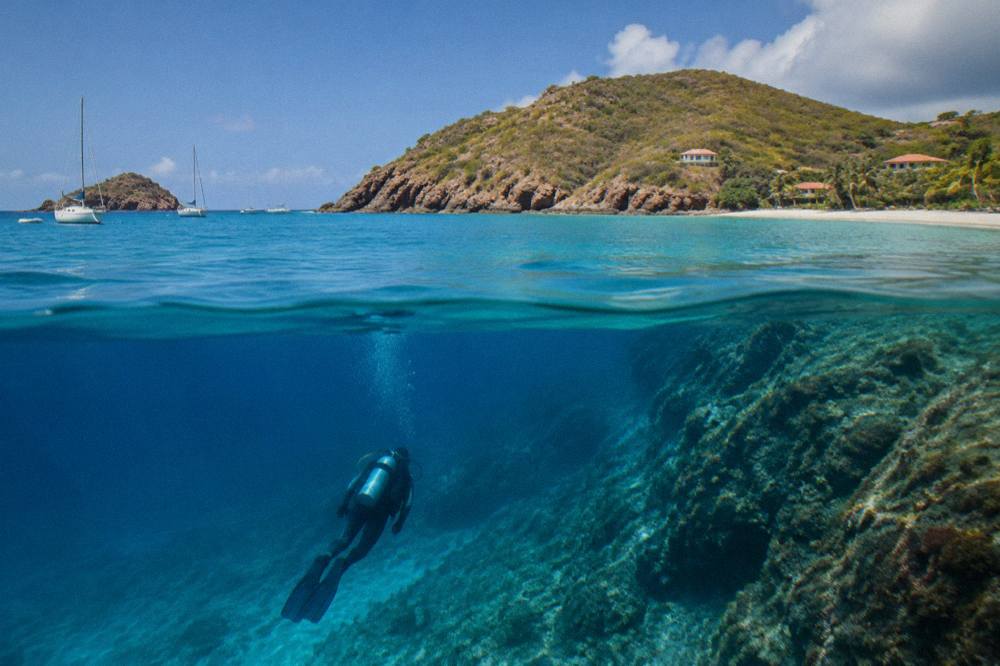
For visitors combining a dive arrangement with the rest of an island stay, the practical links are the St Barts hotels guide for accommodation and the St Barts cruise port guide for anyone arriving by ship, since cruise vessels tender to Gustavia and there is no cruise pier.
Common Questions About Scuba Diving In St Barts
How many dive sites are in the St Barts marine reserve?
The environment agency's regulatory-zones page lists 23 dive sites across the reserve's five zones, which include Colombier Bay and the waters around Ile Fourchue.
Can you touch turtles while diving in St Barts?
No. The reserve forbids touching, chasing or feeding protected species, including green and hawksbill turtles, corals, urchins, starfish, sharks and rays, both on the beaches and in the water.
Are jet skis allowed in the marine reserve?
No. The environment agency's page bans jet skis, along with seabobs, electric surfboards and towed sports, throughout the reserve's zones.
When is the water warmest for diving in St Barts?
Sea temperature is about 26 C in winter and about 29 C from August to October, so the water is warm year round; those late-summer months, however, overlap the peak of the Atlantic hurricane season from mid-August to mid-October.
Can you dive St Barts on a day trip from St Martin?
Day trips from St Martin and Sint Maarten reach Colombier and Ile Fourchue with snorkeling stops, but tank diving is arranged with the island's own dive businesses; every bookable boat trip listed here departs from the St Martin side.
Are dogs allowed on the beaches of the marine reserve?
No, and the ban is island-wide: a municipal order prohibits dogs on all beaches on St Barts, even on a lead, with signs at the entrances.
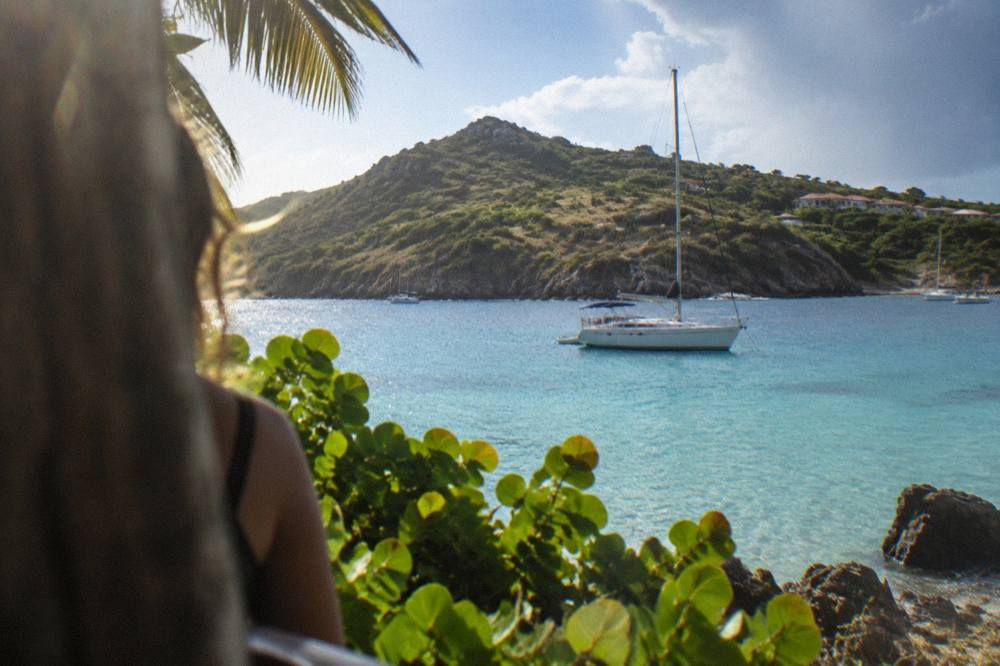
The short version for anyone planning a St Barts diving trip: the reserve is real, its rules are published and specific, the sea is warm in every month, and the reliable way in as a visiting diver runs through St Martin, by small plane or by ferry, with the reserve's 5-knot zones waiting on the other side.