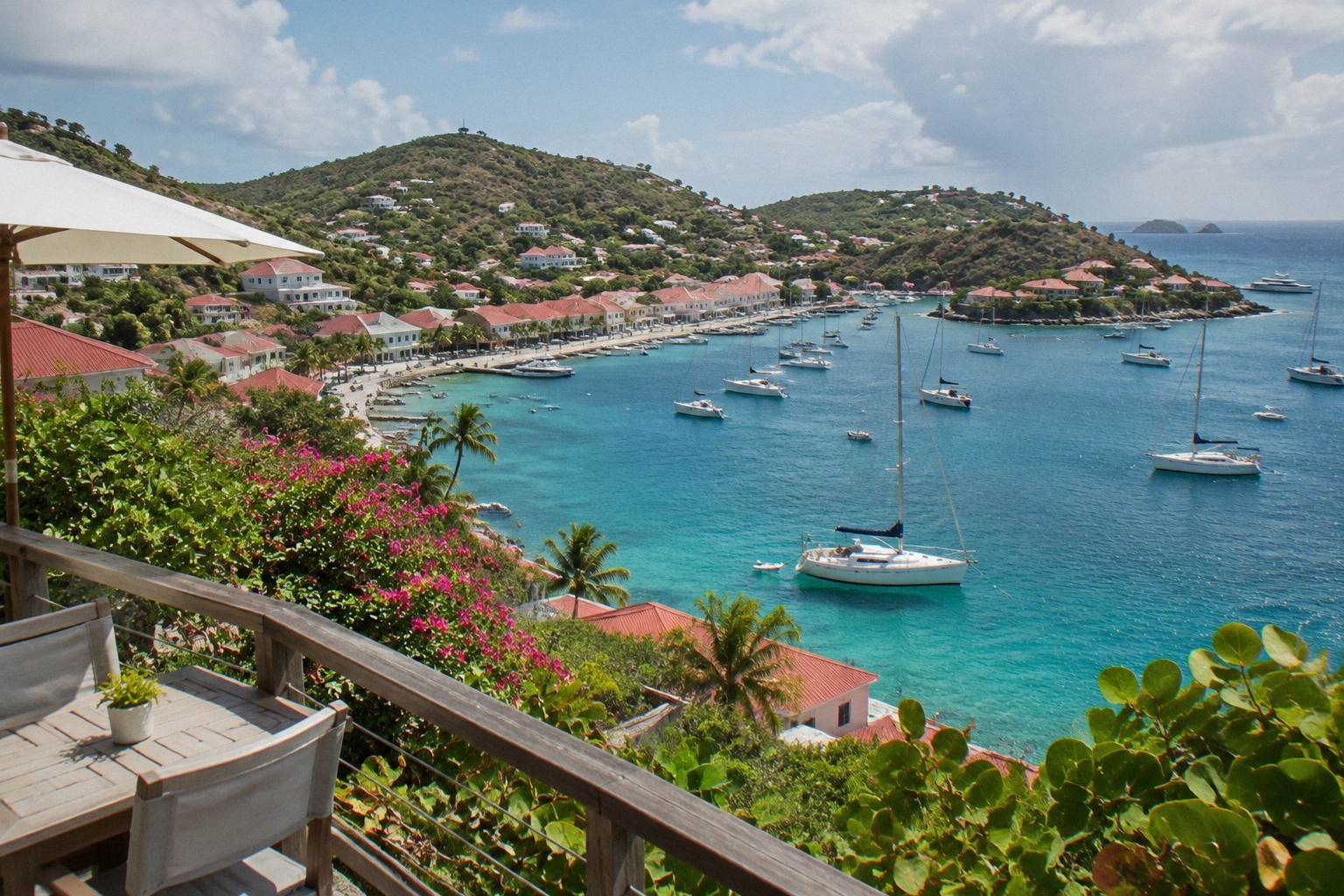
What To Eat In St Barts
St Barthelemy, usually written St Barts, is a small French island in the Caribbean where eating well is treated as a normal part of the day rather than a special occasion. This guide explains how the island's food scene is put together, what the seasons do to it, and how to plan around it.
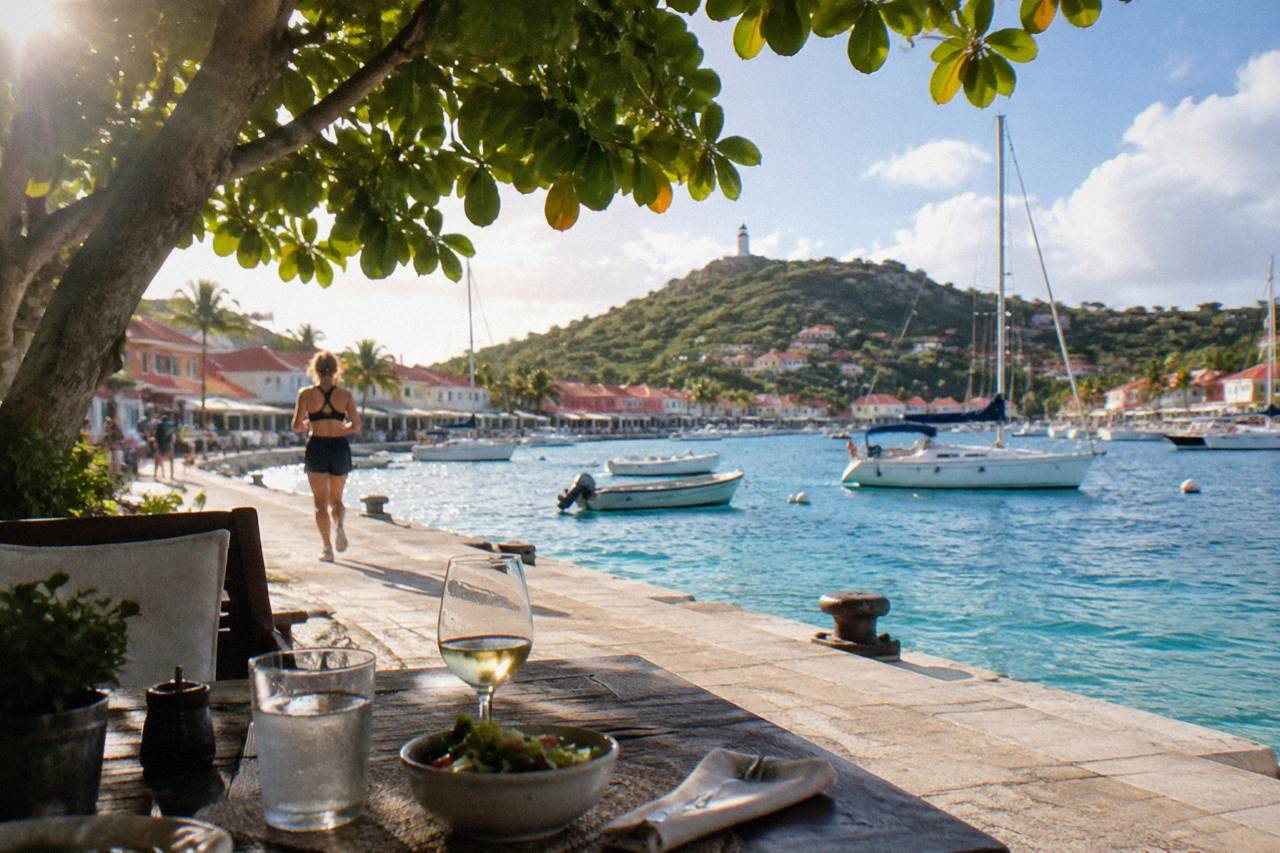
St Barts eating is French-influenced and built around the sea: harbor tables in Gustavia, hotel dining rooms in the hills, beach grills at the sand's edge, and well-stocked grocery stores for villa kitchens. Many restaurants close each autumn and reopen between mid-October and early November, and the island's food calendar peaks with the St Barth Gourmet Festival from 9 to 15 November 2026.
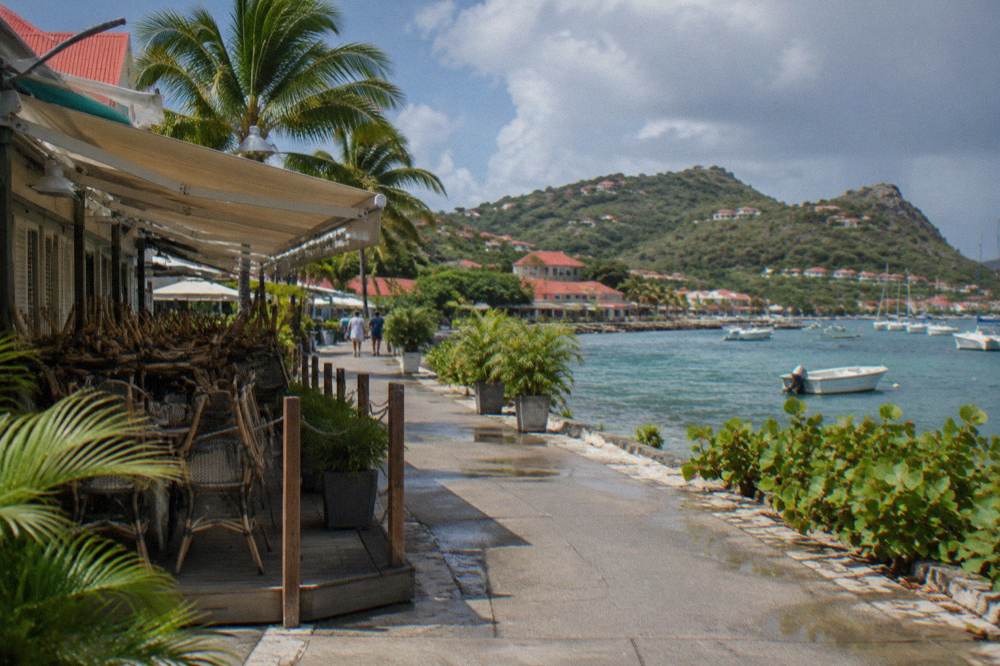
Eating is one of the reasons the island has the reputation it does. Gustavia's harbor front fills with tables at midday, hotel kitchens in Flamands and Pointe Milou serve long dinners, and grocery stores on the road out of town stock French cheese, wine and baguettes alongside island produce. This page from St Barthelemy Travel lays out how the whole food system on St Barts works, from the shape of a normal eating day to the autumn closure pattern that catches out visitors every year.
The island is small, about 21 square kilometres, which shapes the food scene more than anything else. There are no chain restaurants, no food courts and no fast delivery. What exists instead is a dense concentration of independent kitchens, most of them French-influenced, spread between Gustavia, Saint-Jean, Grand Cul-de-Sac and the hotel properties along the coast. Distances between them are short by Caribbean standards.
What Kind Of Food Scene Does St Barts Have?
The St Barts food scene is a small, dense, French-influenced dining culture built on harbor tables, hotel kitchens and beach grills, supplied by boat and plane from St Martin and Guadeloupe, with almost everything arriving on the island by sea or air. There are no chains and no franchise outlets. The island is about 21 square kilometres, so every kitchen on it sits within a short drive of every other kitchen, and the euro is the currency on every menu.
Almost nothing consumed on the island is produced there in quantity. The hills hold some small agriculture and the surrounding water supplies fresh fish, but the cheese, the wine, the flour and most dry goods come in by freight. That single fact explains both the character of the food, which leans on imported French products and same-day seafood, and the pricing structure, which reflects the cost of shipping everything to a small island at the end of the supply chain.
The geography of eating breaks into recognizable zones. Gustavia concentrates harbor-side tables and the island's densest strip of dining within walking distance of the ferry terminal and the tender quay. Saint-Jean mixes hotel kitchens with casual rooms near the airport approach. Grand Cul-de-Sac, Flamands and Pointe Milou each anchor a hotel dining scene of their own. Corossol and Lorient hold quieter, more local-feeling kitchens. None of these can be recommended by name here, but the pattern itself is stable and easy to plan around.
The French influence is structural rather than decorative. Meals follow the French rhythm: a proper lunch that can run long, a later dinner, cheese courses, wine lists weighted toward France. Layered over that is a Caribbean pantry and the day's catch, which the island's kitchens handle with the same seriousness. Specific dishes cannot be named as local specialities, but the general blend of French technique and island ingredients is visible on menus across the island.
How Does A Normal Eating Day Run In St Barts?
A normal eating day in St Barts runs on the French rhythm: breakfast at the hotel, villa or a bakery in the morning, a proper seated lunch from around noon, a late-afternoon pause for a drink as the heat eases, and a dinner that starts later than North American visitors expect and runs long. The day's catch and the morning bakery run set the pace, and everything closes around the harbor in time for the last ferry passengers to clear out.
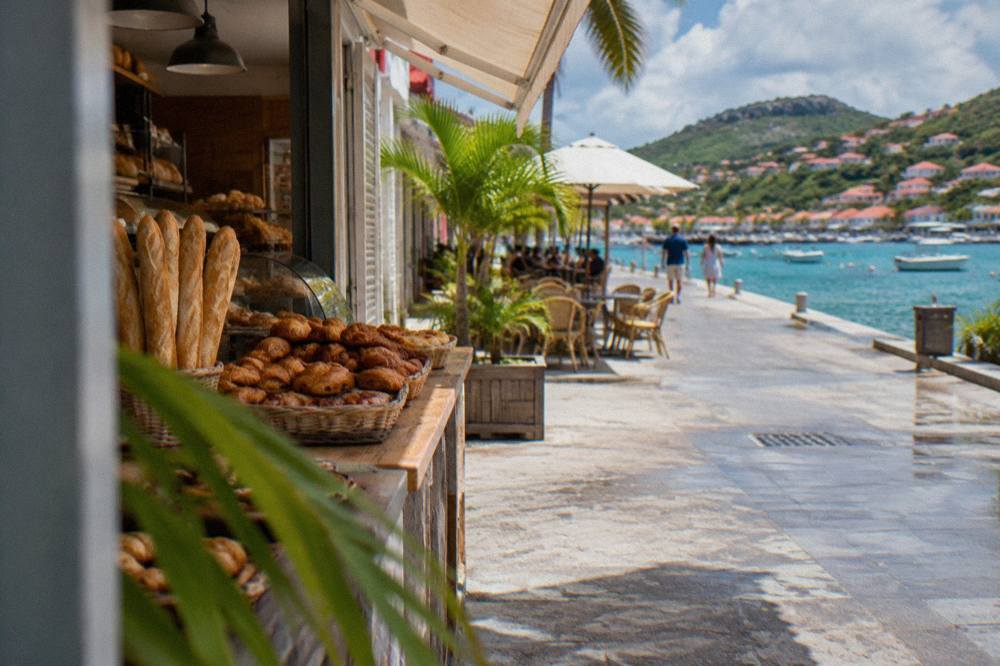
The morning belongs to bakeries and hotel terraces. Bread on the island is a daily purchase, not a weekly one, and the bakery run happens early, before the heat and before the beaches fill. Visitors staying in villas usually build the day around it, because the villa kitchen is one of the island's quiet food advantages. More on stocking one further down this page.
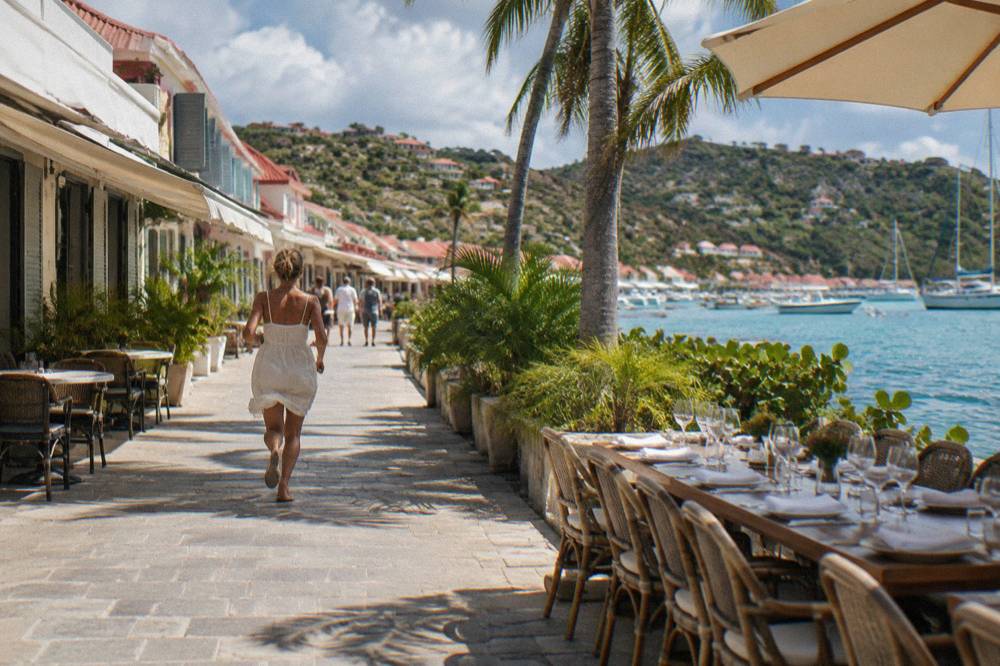
Lunch is the meal the island takes most seriously in daylight hours. Harbor tables in Gustavia, beach grills at the sand's edge and hotel dining rooms all serve through the early afternoon, and a lunch that starts at noon can comfortably still be going at three. Dinner service begins later than many visitors expect and stretches into the evening, especially in high season from December through April, when the island is at its fullest.
Between meals, the island's climate sets the schedule. The Meteo-France normals, 1991-2020, show mean daily highs of 28.5 C in January rising to 31.7 C in September, warm enough all year that the middle of the day belongs to shade, water and cold drinks rather than movement.
| Month | Mean Daily High C | Mean Daily Low C | Rain Mm |
|---|---|---|---|
| Jan | 28.5 | 23.5 | 52.6 |
| Feb | 28.6 | 23.3 | 38.4 |
| Mar | 29.0 | 23.5 | 41.4 |
| Apr | 29.8 | 24.2 | 50.9 |
| May | 30.7 | 25.1 | 61.7 |
| Jun | 31.2 | 25.9 | 56.0 |
| Jul | 31.2 | 26.0 | 80.4 |
| Aug | 31.6 | 26.3 | 79.6 |
| Sep | 31.7 | 26.2 | 96.9 |
| Oct | 31.4 | 25.8 | 135.6 |
| Nov | 29.9 | 25.0 | 118.6 |
| Dec | 28.9 | 24.1 | 79.2 |
October stands out in that table, with 135.6 mm of rain across the month against 38.4 mm in February, and that difference connects directly to the food calendar, because the wettest month sits inside both the hurricane season, which runs 1 June to 30 November with a peak from mid-August to mid-October, and the island's annual restaurant closures.
How Does The Autumn Closure Pattern Change Where You Can Eat?
Most St Barts hotels and many of their restaurants close each autumn for maintenance and staff holidays, typically from late August through to mid-October, and reopen in waves between mid-October and early November. During that window the dining scene narrows to a core of year-round local kitchens. The pattern repeats annually, so a visit in September or early October meets a quieter island with fewer tables open, and a visit from November onward meets the full high-season scene.
This is the single most useful thing to know about eating on the island, and the single thing most often missed. The closure wave is not a sign of trouble. It is the annual rhythm of a small luxury destination whose busiest months run December through April and whose quietest months coincide with the peak of hurricane season. Hotel restaurants generally follow their hotels, so when a property closes, its tables close with it.
By mid to late October the reopening begins, and by November the island is largely back in operation. The timing is worth checking directly with any property before booking an autumn trip, because individual dates shift a little each year. The one fixed marker in the reopening stretch is the St Barth Gourmet Festival, which runs 9 to 15 November 2026 and brings visiting chefs into island kitchens for a week of special menus. It is the food event of the island year and a good anchor for a November visit.
Eating well during the closed months is still possible, but the shape of it changes. Villa kitchens matter more, grocery stores stay open, and the year-round local rooms carry the season. Visitors who want the full dining scene should plan around the pattern rather than fight it.
For visitors timing a trip around the dining calendar rather than the beach calendar, the practical pairing is a food-focused stay in Gustavia or Saint-Jean with a day on the water. The group sail that departs from St Martin and calls at Colombier and Ile Fourchue fits that pattern well, and it can be booked alongside the stay.
The boat day matters to an eating plan because lunch on the water is part of the day's food, not a break from it. Charters that depart from St Martin or Sint Maarten typically build the midday meal into the trip, and the coves they visit, Colombier and Ile Fourchue among them, sit inside the marine reserve, whose rules shape what happens on and around the water.
How Do You Stock A Villa Kitchen In St Barts?
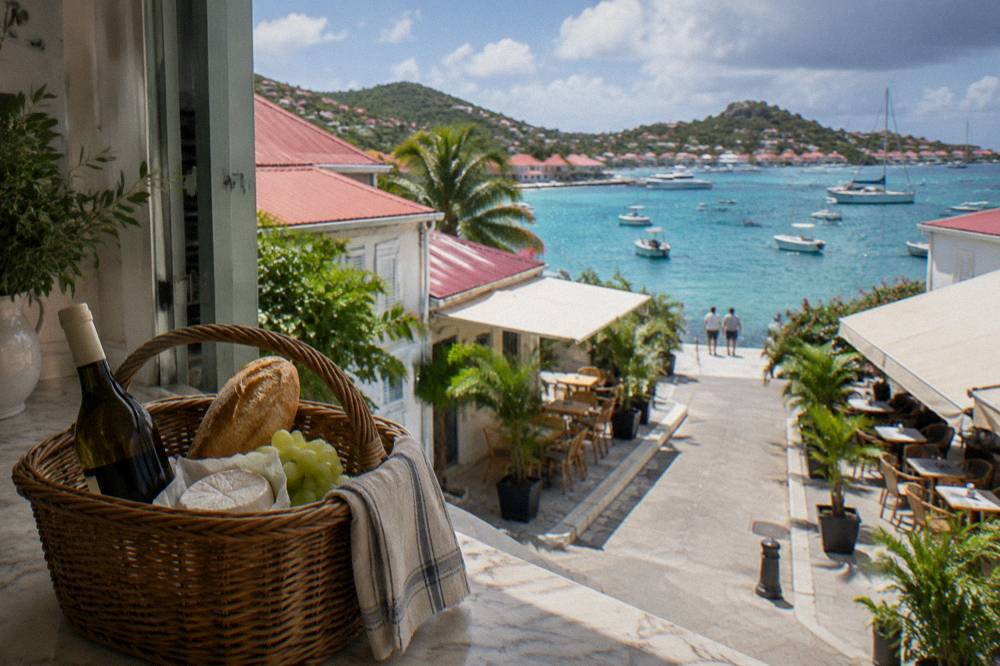
Stocking a villa kitchen in St Barts means shopping at the island's grocery stores, which carry a full French product range alongside island produce and fresh bread daily, with the largest and best-known stores on the main road between Gustavia and Saint-Jean. Villas are available year-round, including the autumn weeks when hotels close, and a large villa market exists on the island managed by firms including WIMCO, Sibarth and St Barth Properties.
The villa-plus-groceries combination is how a meaningful share of the island eats, and it is the strategy that makes the island work for longer stays and for the closed autumn months. The grocery stores on St Barts are genuinely good, in the specific French way: real cheese counters, proper wine selections, charcuterie, and bread that arrives through the day. Deliveries come in by boat and plane from St Martin and Guadeloupe, which is why shelves are fullest after delivery days and thinnest before them.
No meal, drink or grocery price has been included. What can be said is structural: local costs are in euros, the island imports nearly everything, and a grocery bill reflects that. Visitors budgeting a trip can read more in the answers page on what food St Barts is known for, and those weighing a villa against a hotel room can start from the comparison in St Barts hotel and villa options.
The villa strategy also changes the shape of the day. A villa kitchen makes breakfast and lunch self-catered affairs, which frees the evening for the island's dining rooms, and it makes a beach picnic a genuine option, since the island's beaches are all public and free to access, as the guide to things to do on St Barts explains.
Villa management on the island is a real industry rather than a listing site. The names that recur are WIMCO, which absorbed St Barth Properties, and Sibarth, a long-established family firm, and both operate on a full-service model with on-island concierge support. That concierge layer is part of the food story, because pre-arrival provisioning, a stocked fridge on the day of arrival, is a standard request in this market.
What Food Events Fill The St Barts Calendar?
The St Barts food calendar is anchored by the St Barth Gourmet Festival, which runs 9 to 15 November 2026 and brings invited chefs into island restaurants, and it sits at the front of the high season that stretches from November into April. Around it sit the island's broader cultural events, including the St Barth Music Festival from 8 to 18 January 2027 and the St Barths Bucket Regatta in mid-March, when the harbor fills with superyachts and the island's dining rooms fill with their crews and guests.
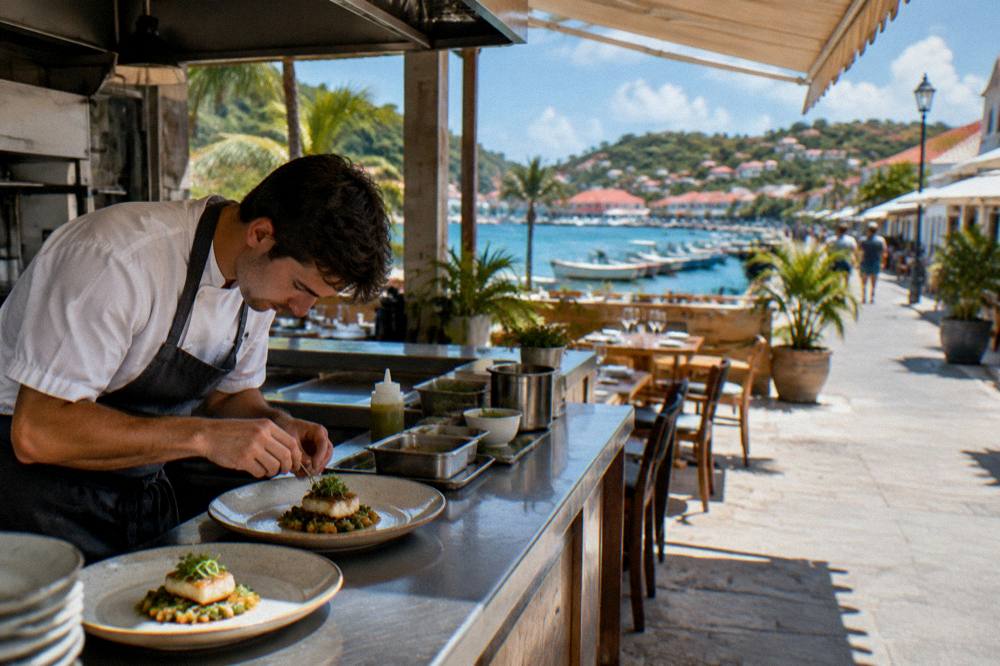
The Gourmet Festival is the one event built entirely around eating. Its format pairs visiting chefs with island kitchens for a week of collaborative menus, and it is timed deliberately for the reopening window, when the island's restaurants are back at full strength. The 2026 edition runs 9 to 15 November.
The rest of the season wraps around it. The Music Festival, from 8 to 18 January 2027 for its 43rd edition, adds concert dinners to the calendar. The Bucket Regatta in mid-March is a sailing event first, but it is also the peak of the yacht season, and Gustavia's harbor-side tables are at their busiest while the fleet is in port. The Fete de Saint-Barthelemy on 24 August and the Saint-Louis day in Corossol on 25 August bring island food traditions into the open in late summer, in the quietest part of the year.
| Event | When | What It Means For Eating |
|---|---|---|
| St Barth Gourmet Festival | 9 to 15 November 2026 | Visiting chefs cook in island restaurants for one week |
| St Barth Music Festival | 8 to 18 January 2027 | Concert season with associated dinners |
| St Barths Bucket Regatta | Mid-March | Harbor at its busiest; yacht crews ashore |
| Fete de Saint-Barthelemy | 24 August | Island feast day in Gustavia, in the quiet season |
| Saint-Louis, Corossol | 25 August | Village feast day with food traditions |
Planning around these dates matters because they coincide with the island's peaks. A Gourmet Festival week or a Bucket week is a week when tables are scarce and villas fill early, so the food calendar and the accommodation calendar have to be booked together. The St Barts New Year's Eve guide covers the busiest week of all, when the harbor fireworks draw the year's largest crowd.
How Does Getting To St Barts Shape The Food Trip?
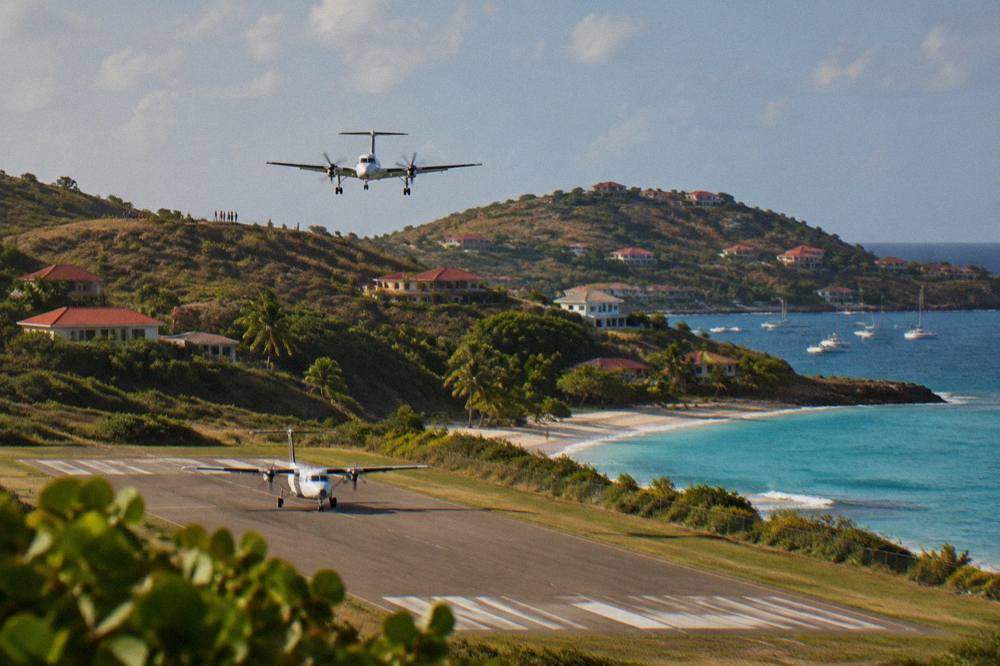
Getting to St Barts shapes the food trip because nearly everything and everyone arrives via St Martin: gateway flights land at St Maarten (SXM) or the other regional hubs, then small STOL turboprops from St Barth Commuter and Tradewind, or ferries from Great Bay Express out of Philipsburg in about 45 minutes and Voyager out of Marigot in about 50 to 60 minutes, complete the journey. The airport at Gustavia has a 646 m runway, so no jets land on the island, and restaurant provisions follow the same logistics.
The island's food system and its transport system are the same system. The ferries and the freight boats that bring visitors also bring the cheese, the wine and the produce, and the small planes that land at Gustaf III bring the perishables that cannot wait for a boat. That is worth understanding as a traveler, because it explains both the menu prices and the delivery-day rhythm of the grocery stores.
| Route Or Service | Operator Or Port | Journey |
|---|---|---|
| Ferry from Philipsburg, Sint Maarten | Great Bay Express, Bobby's Marina | About 45 minutes to Gustavia |
| Ferry from Marigot, St Martin | Voyager, Marigot Ferry Terminal | About 50 to 60 minutes to Gustavia |
| Small plane from St Maarten (SXM) and Grand Case (SFG), Guadeloupe (PTP) | St Barth Commuter | A short hop to St Barts |
| Small plane from San Juan (SJU) and Antigua (ANU) | Tradewind | A short hop to St Barts |
Both ferry crossings are sea crossings, and the sea between St Martin and St Barts can be rough; no operator promises a calm passage, and sailings are subject to weather. The ferry operators and schedule guide covers the practical detail, and the guide to getting to St Barts lays out the full range of gateways. Check-in rules matter for the morning of a food trip: the ferry operators ask passengers to arrive well before departure with a passport.
The airport itself is part of the island's character and one of its free entertainments. The approach over the road at Saint-Jean is famous, and the St Barts airport guide explains why only small turboprops fly the route.
What Should You Know About Wine And Drinks In St Barts?
Wine and drinks in St Barts follow the French model: restaurant lists weight heavily toward French wines, grocery stores sell the same bottles for less than restaurant prices, and the island's bars and beach clubs pour through the afternoon into the evening. The structure is consistent: French wine culture, Caribbean rum culture, and prices that reflect island import logistics.
The island sits at the intersection of two drinking cultures, and both are fully present. French wine lists run deep in the hotel dining rooms, and the island's cellars are a genuine attraction for visitors who care about them. Alongside that sits the Caribbean rum tradition, which the island's beach bars share with its neighbors. Both arrive by the same boats as the food, and both show the same delivery-dependent rhythm on shelves.
The practical advice is structural rather than specific. Grocery stores sell wine and spirits, so villa guests can buy at store prices rather than restaurant prices, and restaurant markups on the same bottles are what a visitor to France would expect. The general St Barts shopping guide covers what can be bought on the island, including wine to take home.
For visitors curious about where the island's high-season crowd actually eats and drinks, the answers page on where celebrities eat in St Barts covers the harbor rooms that draw the famous during the yacht weeks, without recommending any of them by name.
How Does A Boat Day Fit Into An Eating Plan?
A boat day fits into an eating plan as the one meal of the trip that happens on the water: day charters departing from St Martin or Sint Maarten visit Colombier and Ile Fourchue with lunch built into the day, and the marine reserve rules at those stops, including a 5-knot speed limit, no jet skis and no touching of turtles, shape what the day looks like. Every bookable boat trip listed here departs from St Martin or Sint Maarten, never from St Barts itself.
That last point is worth repeating because it is the most common mistake in trip planning. Visitors staying on St Barts who want a chartered boat day around the island book through operators based across the channel, and the trips rendezvous with the island's coves from the outside. The group sail and snorkel day to Gustavia, Colombier and Ile Fourchue is the per-person option listed here, running on its listing from 12 May to 31 August 2027, and it includes snorkeling stops and a meal on board.
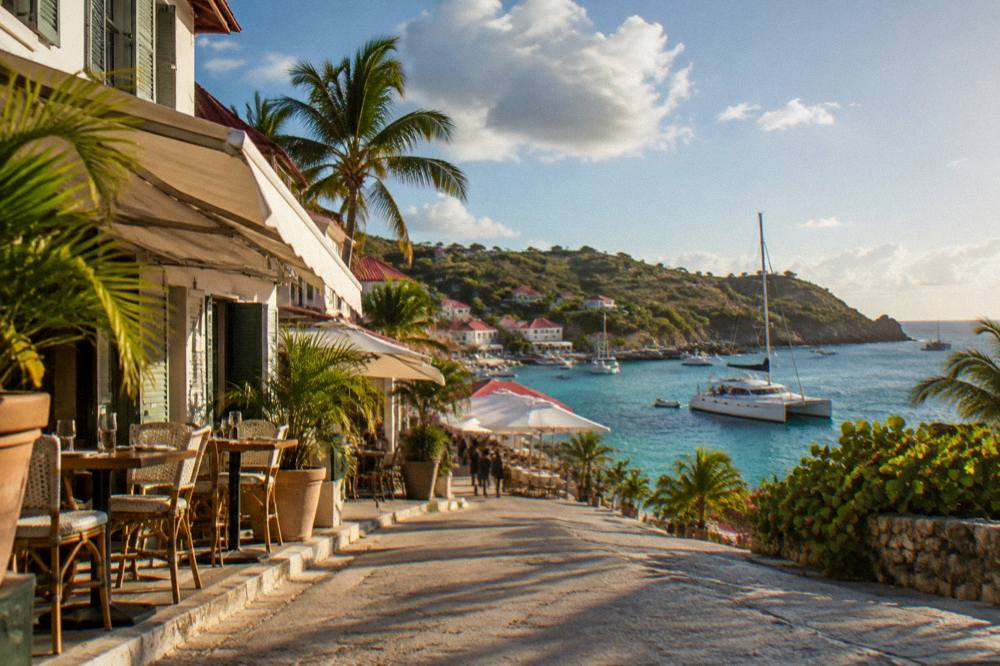
For a group of family or friends, the private options change the food plan entirely, because a private charter's galley and itinerary belong to the group alone. The Nikki Beach private charter pairs the crossing with a beach-club stop, and the private charter from St Martin to St Barth runs a full day with the island's coves on the route.
The reserve rules at those coves are strict and worth knowing before the day. The environment agency's regulatory-zones page lists a 5-knot speed limit inside reserve zones, a ban on jet skis and other motorized water devices, a ban on dogs, and a strict rule against touching or chasing sea turtles. The reserve covers Colombier Bay and Ile Fourchue, which are exactly where the boat days go.
What Should You Know About Eating With A Group Or For A Celebration?
Eating with a group or for a celebration in St Barts works best when planned as an event rather than improvised: hotel dining rooms and villa kitchens are the two venues built for large tables, private charters put a celebration on the water, and the island's wedding industry is established enough that catering is a normal service rather than a special request. No venue, caterer or price is named on this page.
Group logistics on a small island cut both ways. The short distances make assembling a party easy, and the concentration of kitchens means a group is never far from a table. Against that, the island's rooms are small by big-city standards, so a large group fills one, and high-season weeks fill several at once. Groups traveling for a celebration usually solve this with a villa as the base and restaurant tables booked well ahead, or with a private charter as the celebration venue itself. The island hosts weddings year-round, and the St Barts weddings guide covers the practical side of planning one.
The overnight option deserves a mention for food-focused groups, because two days on the water moves the eating entirely onto the boat, with the crew handling provisioning across the whole trip rather than one lunch.
Common Questions About St Barts Food
What food is St Barts known for?
The island's food is French-influenced, built around fresh seafood and imported French products, and served in harbor dining rooms, hotel kitchens and beach grills. No individual dish can be named as a local speciality, but the blend of French technique and island ingredients runs through menus across the island. Read more on the answers page about what food St Barts is known for.
Are restaurants in St Barts open all year?
No. Many hotels and their restaurants close each autumn, typically from late August through to mid-October, and reopen in waves between mid-October and early November. A core of year-round local kitchens stays open through the closed months, and by November the island is largely back in operation.
When is the St Barth Gourmet Festival?
The St Barth Gourmet Festival runs 9 to 15 November 2026. It brings invited chefs into island restaurants for a week of collaborative menus and marks the start of the full high season.
Is it better to stay in a hotel or a villa for the food?
Both work for different reasons. Hotels put a professional kitchen on site, while villas add a full kitchen and access to the island's genuinely strong grocery stores, which is the better fit for longer stays and for the autumn weeks when hotel restaurants are closed. Villas are available year-round.
Can you eat well on a boat day from St Martin?
Yes. The boat trips listed here depart from St Martin or Sint Maarten and build the day's eating into the trip, whether that is a per-person group sail or a private charter whose galley belongs to the group alone.
Do you need a reservation for dinner in St Barts?
In high season, from December through April, and during event weeks such as the Gourmet Festival and the Bucket Regatta, booking ahead is the sensible default, because the island's rooms are small and event weeks fill them. In the quieter months the pressure eases. Check booking policies directly with the room you want.