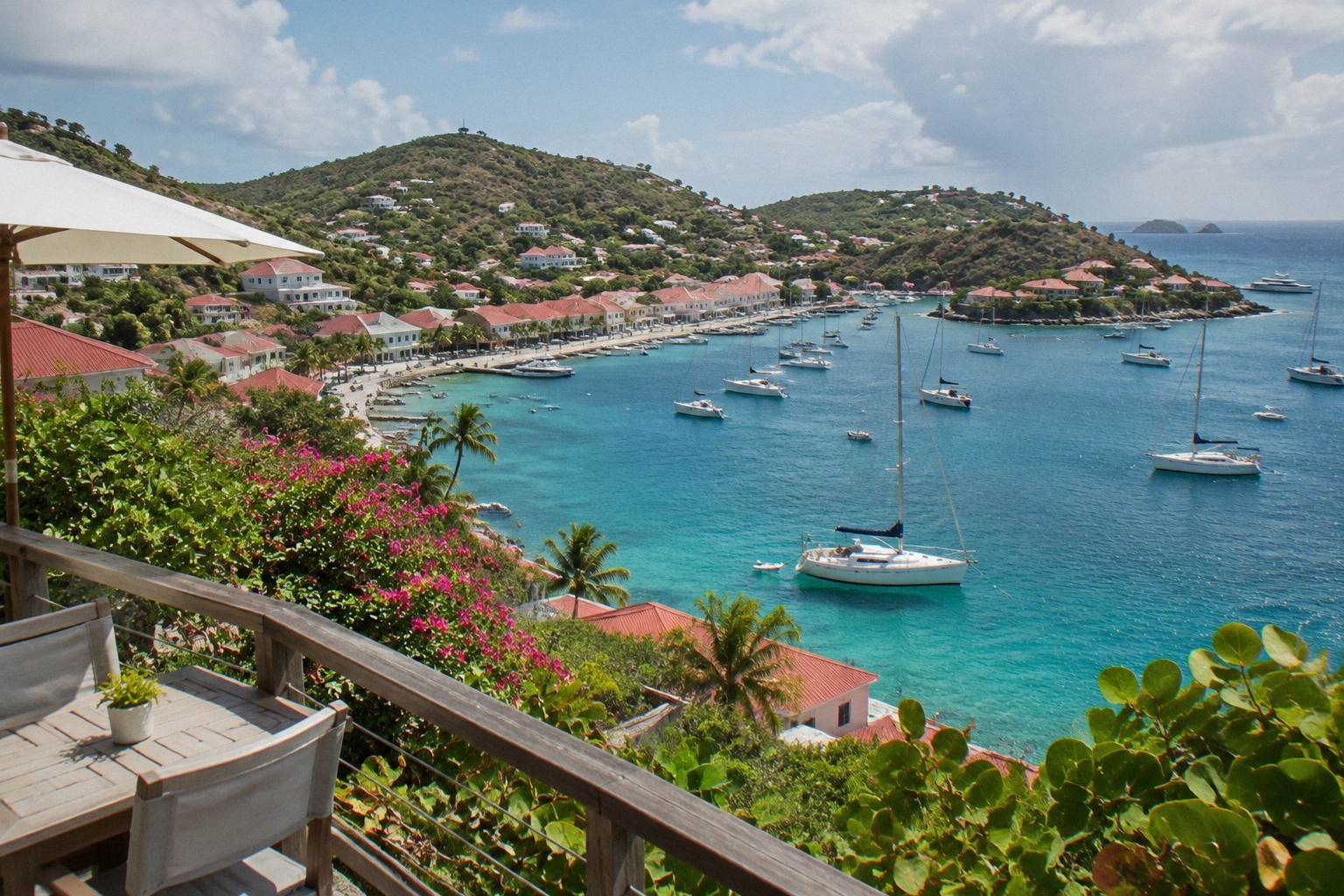
Cheap Eats In St Barts
St Barthelemy has a reputation for fine dining, but its public beaches, bakery counters and takeaway windows mean a low-cost food day is entirely realistic. This guide covers the strategies that work.
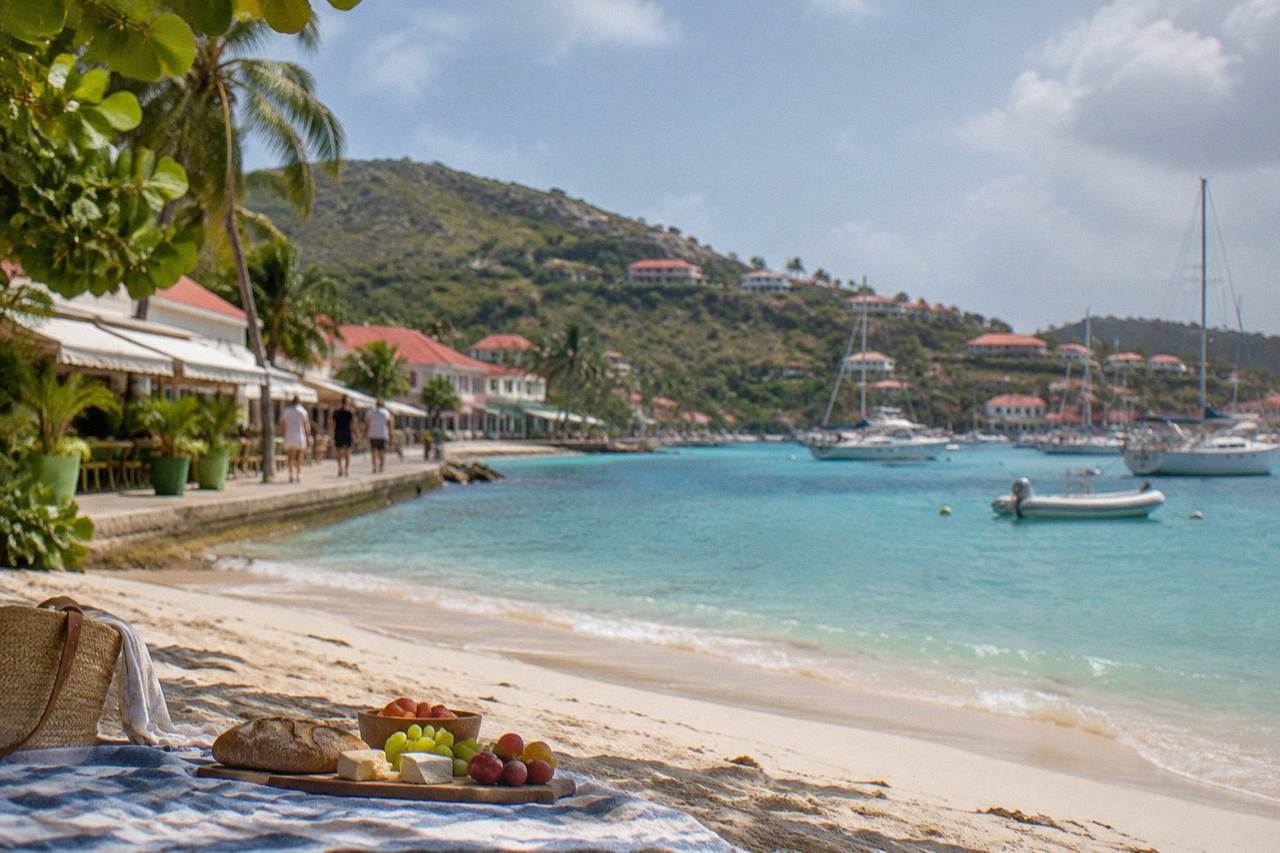
Eating cheaply on St Barts means self-catering, bakery breakfasts, takeaway lunches and picnic dinners on public beaches; every beach on the island is public and free to access, which makes the picnic the island's default low-cost meal.
St Barthelemy, better known as St Barts, is a French island in the Caribbean where the restaurant scene leans French-influenced and the beaches belong to everyone. Those two facts together shape every workable strategy for eating inexpensively here: the food side costs money, the beach side costs nothing. This guide lays out the approaches that fit together into a low-cost food day, from bakery mornings to grocery runs and picnic dinners on the sand, and it names the rules and dates that matter along the way. For the wider picture of the island's attractions, see things to do in St Barts.
What Does Eating Cheaply In St Barts Actually Look Like?
The realistic version of cheap eats on St Barts is a picnic economy built on bakeries, takeaway counters and a stocked villa kitchen, anchored by beaches that are all public and free to access. The island's currency is the euro and its food culture is French-influenced. The beach, at least, is genuinely free.
That last point is worth underlining because it changes the arithmetic of a food day in a way that a city destination never does. The tourism committee describes all of the island's beaches as public, and the environment agency's pages add the practical rules that matter at the shoreline: no dogs on any beach island-wide, no touching or chasing sea turtles, no collecting shells, coral or sand, and a 5-knot boat speed limit inside the marine reserve's zones. So the setting for an inexpensive lunch costs nothing, carries a short list of obligations, and never closes.
The money side sits in the middle of the island, in Gustavia and in the villages of Saint-Jean, Lorient and Grand Cul-de-Sac. Bakeries and takeaway counters exist across these settlements, and grocery stores serve both residents and villa renters. None of them had a price confirmed from a primary page, so this guide describes the categories rather than quoting a menu, and it names no individual establishment as a recommendation. The pattern is what matters: the island feeds a resident population of about 10,700 people year-round, which means everyday food infrastructure exists beneath the restaurant layer, and that infrastructure is where a cost-conscious visitor eats.
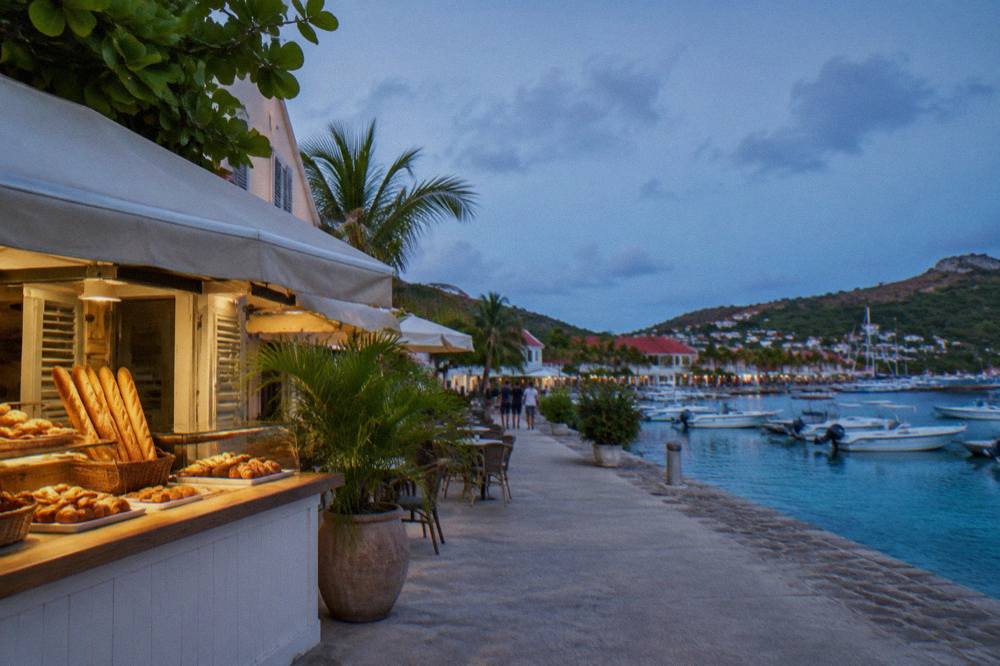
The seasonal rhythm matters too. Many restaurants and hotel tables close each autumn and reopen in waves between mid-October and early November, a pattern rather than a dated notice, so a shoulder-season visitor finds a thinner dining scene and a stronger case for self-catering. By November the island is largely back in operation, and the St Barth Gourmet Festival runs 9 to 15 November 2026, which is the opposite of a cheap-eats week but useful to know when planning around it.
Where Can You Find The Lowest-Cost Food In St Barts?
The lowest-cost food on St Barts comes in three forms: bakery items bought in the morning, takeaway meals from counters that serve residents as well as visitors, and groceries cooked in a villa or apartment kitchen. Prices at all three vary by season and are shown on each operator's own board or page. No individual meal price has been confirmed from a primary source.
The bakery habit is the easiest to adopt. French-influenced islands run on morning bread, and St Barts is no exception: bakery counters open early and sell by the piece, which makes breakfast and a packed lunch a single stop. Treat this as a category rather than an address list, and check opening days locally, especially in the September and early-October trough when many food businesses follow the hotels into their annual pause.
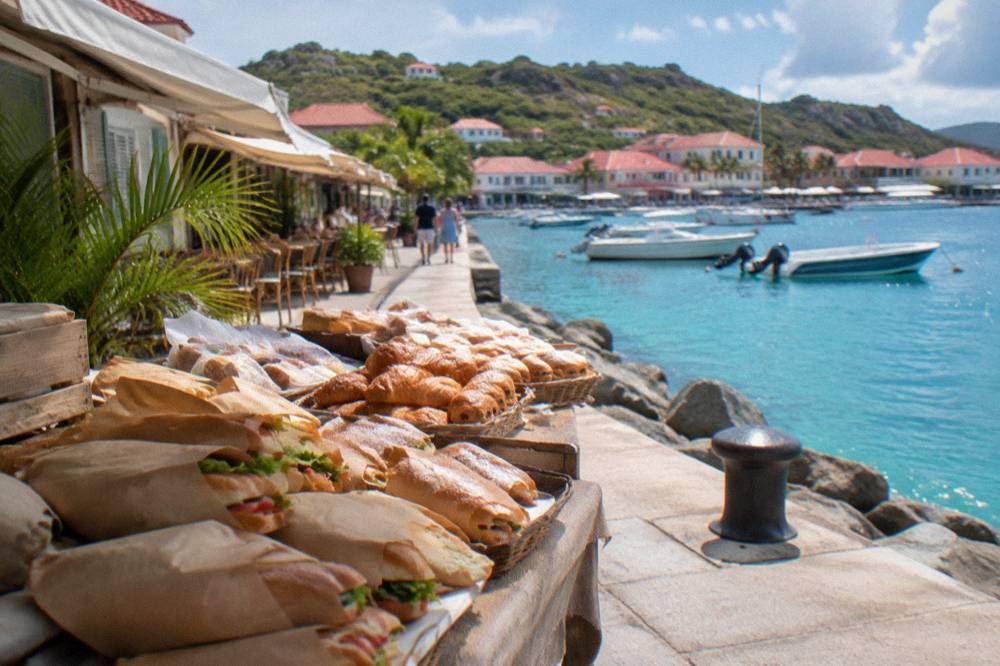
Takeaway is the second pillar. The island's year-round food spots, the ones that never close for the autumn pause, are weighted toward simple, local, resident-facing food, and several of them appear on island guides as the places that stay open when the hotel tables go dark. The reliable general statement is this: takeaway portions exist, they serve a working population, and they cluster where that population lives and works, in and around Gustavia, Lorient and Grand Cul-de-Sac. Approach them the way the residents do and the cost structure follows.
Groceries are the third and biggest lever, covered in detail further down. The sections below build the full strategy, and readers planning a full week on the water and sand can also look at how to get to St Barts to see how the arrival itself can be structured around the food plan.
Is Self-Catering The Best Cheap-Eats Strategy In St Barts?
For any stay longer than a night or two, yes: self-catering is the strongest low-cost strategy on St Barts, because villa and apartment kitchens are standard across the island's rental stock and groceries bought at island stores replace two restaurant meals a day. The villa market is large, kitchens are the norm rather than the exception, and rates vary by season, so each property's own booking page shows the real figure.
The kitchen point matters more than the villa point. A family or group that cooks dinner and assembles picnic lunches needs only one bought meal a day, and the accommodation stock cooperates: the island's rental market is dominated by villas and apartments rather than plain hotel rooms, which is why the hotel versus villa question usually resolves toward a kitchen for cost-conscious groups. Even within hotels, the pattern of closing in autumn and reopening between mid-October and early November means a villa is often the only self-catering option in the quietest weeks, since villas generally stay available year-round.
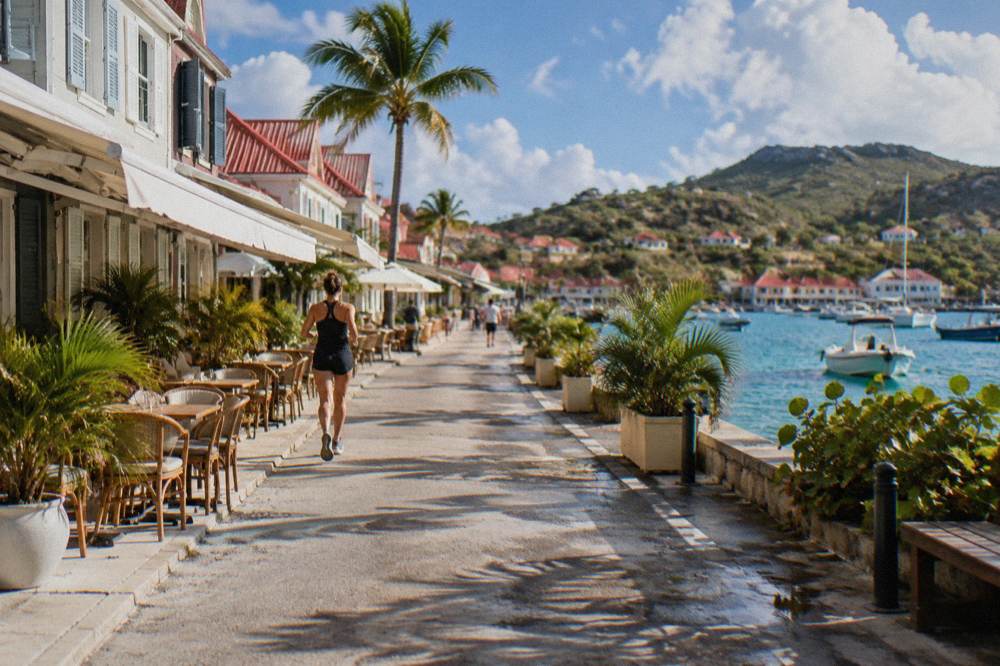
What goes in the basket is the next question, and the honest answer is that the specifics live on the shelves. Grocery stores on St Barts import the bulk of their stock, which is true of every small island, and their shelves carry a mix of French dry goods, European brands, and local and regional produce. Seasonal variation and import costs make any quoted grocery figure unreliable, and the store's own labels are the only source worth trusting. What can be said is structural: there is more than one full grocery store, they serve a year-round resident population, and they are where the island's own households shop.
One planning note belongs here because it affects the shopping rhythm. Rental cars on the island are booked through counters at the airport including Avis, Budget and Hertz, plus local agencies and the open-air Mini Moke options, and a car turns a single big grocery run into a ten-minute errand; the details are in the site's car rental guide. Carrying bags on foot between Gustavia and Saint-Jean on narrow, steep roads is a poor use of an afternoon.
Which St Barts Beaches Work For A Picnic Lunch?
Every beach on St Barts works for a picnic, because every beach on the island is public and free to access: Saint-Jean, Gouverneur, Saline, Shell Beach, Flamands, Colombier, Grand Cul-de-Sac, Lorient, Toiny, Marigot, Corossol and the smaller coves all fall under the same rule. The constraints come from the environment agency: no dogs, no glass-waste rules of general beach conduct, no collecting shells or sand, and no touching turtles.
The practical shortlist is a matter of logistics rather than law. Beaches you can park beside, such as Flamands, Lorient and Grand Cul-de-Sac, make a cooler easy to move. Beaches that sit at the end of a coastal walk, such as Colombier, earn their seclusion and reward a packed lunch precisely because nothing is sold there. The tourism committee describes all of these as public, and the site carries individual pages on several of them for readers who want the character of each shore; for shore-hopping plans, the best beaches by coast pages on this site and its shopping and beach guides cover the geography.
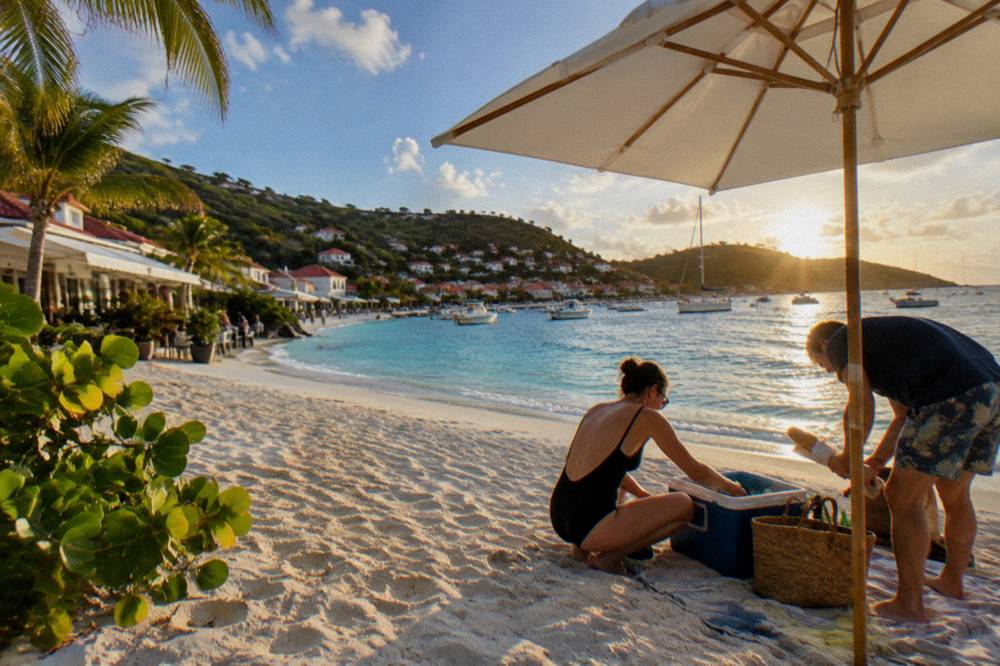
Two agency rules deserve their own table, because they are the ones a picnic-planner can actually break:
| Rule | What The Environment Agency's Page Says |
|---|---|
| Dogs | Prohibited on all beaches island-wide, even on a leash |
| Wildlife | No touching, chasing or feeding turtles, corals, urchins, starfish, sharks or rays |
| Collecting | No taking coral, plants, shellfish, crustaceans, sand, rocks or shells |
| Boats in reserve zones | 5-knot speed limit inside the marine reserve's zones |
| Dive sites | The reserve lists 23 dive sites within its coverage |
A picnic on a beach with turtles in the water, which describes several of the island's shores including the Grand Cul-de-Sac lagoon area, comes with the obligation to leave them entirely alone. The agency also asks that waste never be left behind and that nothing be fed, which for a picnic means carrying everything back out.
How Do You Stock A Villa Kitchen In St Barts?
Stocking a villa kitchen on St Barts is a normal grocery-shop exercise in euros: the island has multiple full grocery stores serving its roughly 10,700 residents, shelves mix French imports with regional produce, and prices vary by season and by store. No grocery price is confirmed from a primary page, so the shop's own labels are the source, and a rental car makes the run trivial.
The timing of the run matters more than the store. Arrive, take the car, shop once for the week's breakfasts, picnic lunches and most dinners, and top up bread and produce on foot or in short trips. Ferries and small planes both arrive with luggage limits that make a full shop on the mainland impractical, and the island's stores exist precisely for this pattern. Visitors arriving by ferry should read the ferry operators and schedule guide for the two crossings that feed Gustavia, both summarized below from operator information:
| Operator | Departure Port | Crossing To Gustavia |
|---|---|---|
| Great Bay Express | Philipsburg, Sint Maarten (Bobby's Marina) | About 45 minutes |
| Voyager | Marigot, St Martin ferry terminal | About 50 to 60 minutes |
Both operators run roughly two to three sailings a day in each direction, more in the high season, and both can be affected by weather. The airport guide covers the small-plane alternative, a short hop from St Martin's SXM or Grand Case on St Barth Commuter, or from San Juan or Antigua on Tradewind, with luggage limits that reinforce the shop-on-arrival plan.
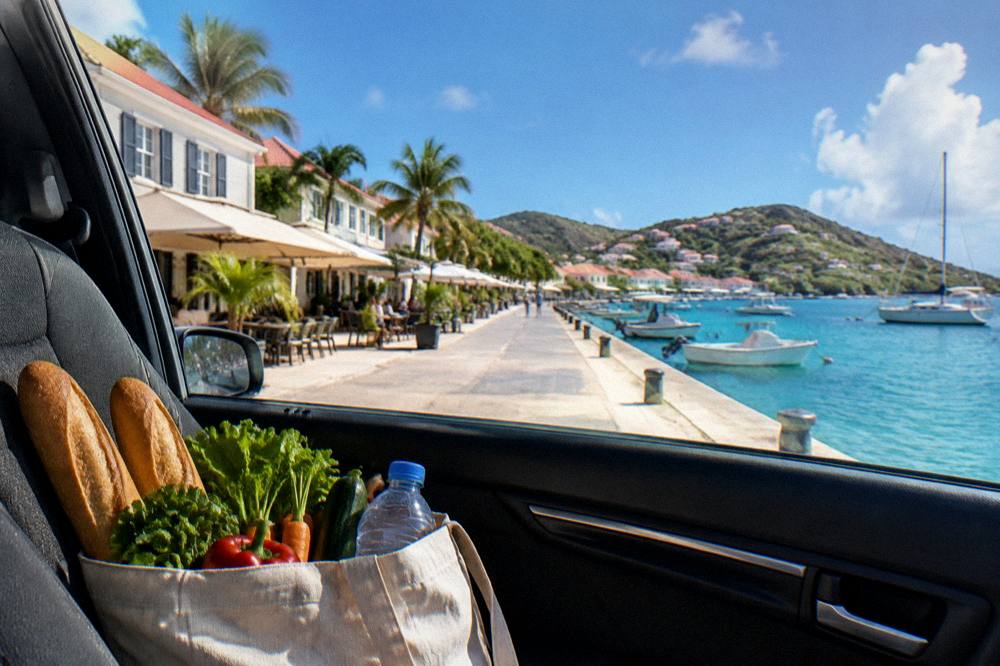
What to cook is deliberately left general. The island's food shops carry what the island's households eat, which leans French-influenced and includes charcuterie, cheeses, breads and tinned goods alongside regional produce and fresh fish when boats land it. Naming a dish as a local speciality would go beyond what any source here supports, so the honest instruction is simpler: shop the way the residents around you are shopping, and cook what travels well to a beach in a cooler.
When Is The Least Expensive Time To Eat Well In St Barts?
The least expensive eating window on St Barts is the shoulder stretch either side of the high season, roughly May to June and again in late autumn, when accommodation rates drop from their December-to-April peak, villas stay open through the autumn pause that closes many hotel restaurants, and the weather is still warm. Meteo-France normals for 1991-2020 show mean daily highs of 30.7 C in May and 29.9 C in November, with the year's rain peaking in October at 135.6 mm.
The trade-off is the hurricane season, which runs 1 June to 30 November with its peak from mid-August to mid-October, and no one can promise a quiet week inside that window. What the climate table does show is that warmth is never the problem: January averages a daily high of 28.5 C. Rain is the variable, and October is the wettest month, which is one reason the island's food businesses take their annual pause then.
| Month | Mean Daily High (C) | Rain (mm) | Eating-Scene Note |
|---|---|---|---|
| January | 28.5 | 52.6 | High season, Music Festival 8 to 18 January 2027 |
| May | 30.7 | 61.7 | Shoulder, quieter tables |
| July | 31.2 | 80.4 | Low season begins, resident-facing spots |
| October | 31.4 | 135.6 | Wettest month, many closures |
| November | 29.9 | 118.6 | Reopenings, Gourmet Festival 9 to 15 November 2026 |
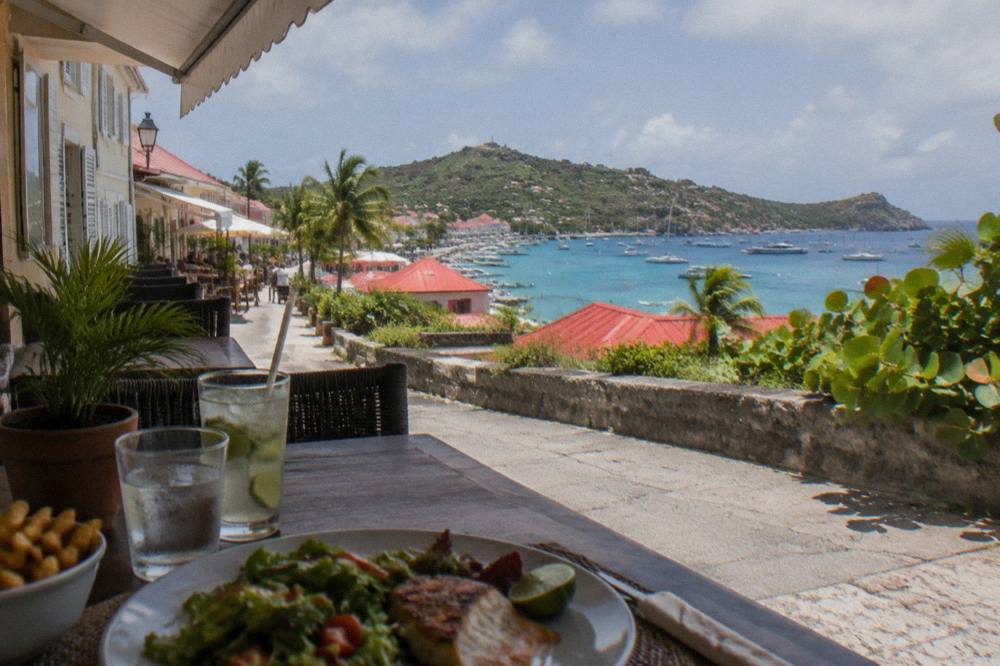
The festival calendar is worth knowing in both directions. The Gourmet Festival in November and the Music Festival in January are draws in their own right, and the Bucket Regatta in mid-March fills the harbour with superyachts and their entourages. None of these is a cheap week, but each is surrounded by quieter days when the bakery-and-picnic economy works at its smoothest.
Can A Boat Day Be Part Of A Cheap-Eats Plan?
A shared or chartered boat day can fit a careful budget as a single planned splurge, and the one group sailing listed here even bundles the lunch problem: the Boomerangs group sail and snorkel to Gustavia, Colombier and Ile Fourchue departs from St Martin or Sint Maarten, runs 12 May to 31 August 2027 on its listing, and its price and rating render on the listing itself. Every bookable trip listed here departs from St Martin or Sint Maarten, never from St Barts.
The logic is that one day on the water replaces a restaurant day rather than adding to it. A charter group brings its own food or eats what the charter provides, spends the day in the marine reserve's most protected bays, and returns in the evening to a villa dinner rather than a booked table. The reserve's rules apply to everyone on the water: the 5-knot limit in its zones, no jet skis anywhere in it, the anchoring arrangements at Colombier and Ile Fourchue, and the wildlife protections listed earlier.
Readers weighing the options can start from the trip list pages: the Gustavia, Colombier and Ile Fourchue sail as the per-person option, with private charters for groups able to split a per-boat price. A two-day, one-night private catamaran turns the equation around entirely, replacing both a hotel night and three restaurant meals, though its price is per group and renders only on the listing.
Common Questions About Cheap Eats In St Barts
Are there cheap restaurants in St Barts?
The island has year-round, resident-facing takeaway spots and simple eateries that stay open even during the autumn pause, alongside its French-influenced fine-dining layer. Treat the categories as the guide and check each place's own menu.
Can you bring food to the beaches in St Barts?
Yes. All beaches on the island are public and free to access, which makes a picnic lunch a standard St Barts meal. The environment agency's rules apply everywhere: no dogs, no collecting shells, coral or sand, no touching turtles, and everything carried out again.
Is food expensive in St Barts?
No price comparison exists between St Barts and any other destination, so this page makes no cost claim in either direction. What is structural: most food is imported, the currency is the euro, and self-catering plus picnics is the strategy that reduces restaurant meals rather than the strategy that finds cheap ones.
Do St Barts restaurants close in autumn?
Many hotels and their restaurants close each year in late August and reopen in waves between mid-October and early November. Villas generally remain available year-round, which is why the self-catering plan works best in the quietest weeks.
Where do you buy groceries in St Barts?
The island has multiple full grocery stores serving its resident population of about 10,700, mixing French imports with regional produce. No prices are confirmed here; the stores' own labels are the source, and a rental car makes stocking a villa kitchen a short errand.
How Do You Build A Full Cheap-Eats Day In St Barts?
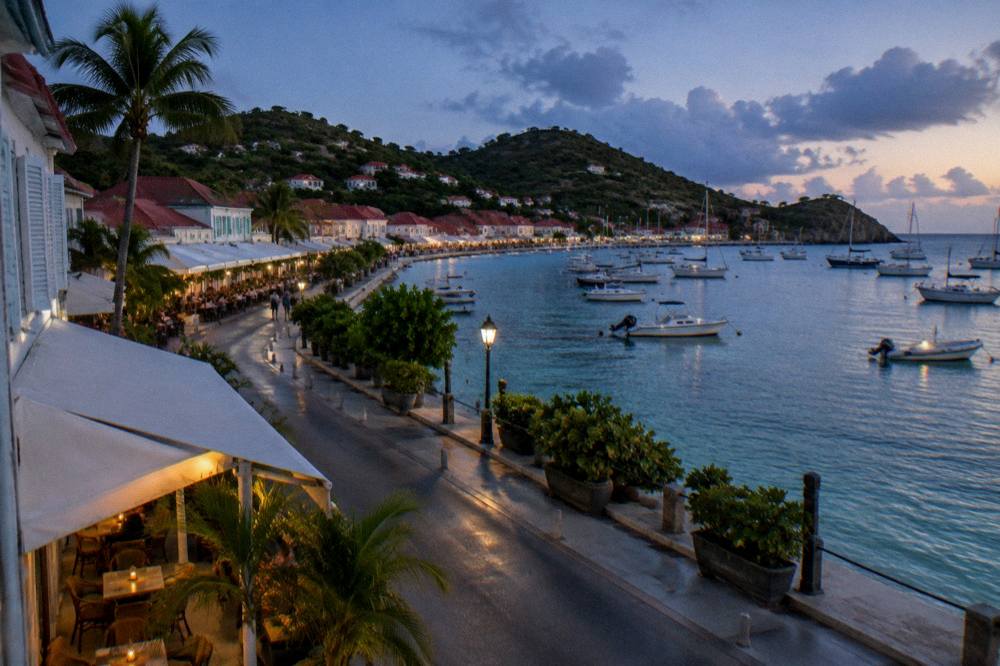
A complete low-cost day on St Barts runs bakery breakfast, a packed picnic lunch on a public beach, an afternoon swim, and a villa-cooked dinner, with one takeaway or restaurant meal kept as the day's single bought indulgence. The beach layer is free by law, the grocery layer is priced in euros at the island's stores, and the only rules that constrain the plan are the environment agency's beach protections, not any fee or ticket.
Start with bread in the morning, pack the cooler before the sun is high, and pick the shore to match the energy of the day: a park-beside beach for an easy lunch, or a walking beach like Colombier when the plan deserves the walk. Keep the dogs at home, leave the shells where they lie, give the turtles their distance, and carry out everything carried in. In the evening, cook what the grocery run bought, and if the day deserves one bought meal, spend it where the island's year-round spots feed its residents. For everything that is not food, St Barthelemy Travel covers the ferries, the flights, the beaches and the calendar of events that surround the table.