What Language Do They Speak In St Barts?
French is the official language of St Barts and English is widely spoken. A clear answer with context on creole, currency words and what to expect in shops and on the water.
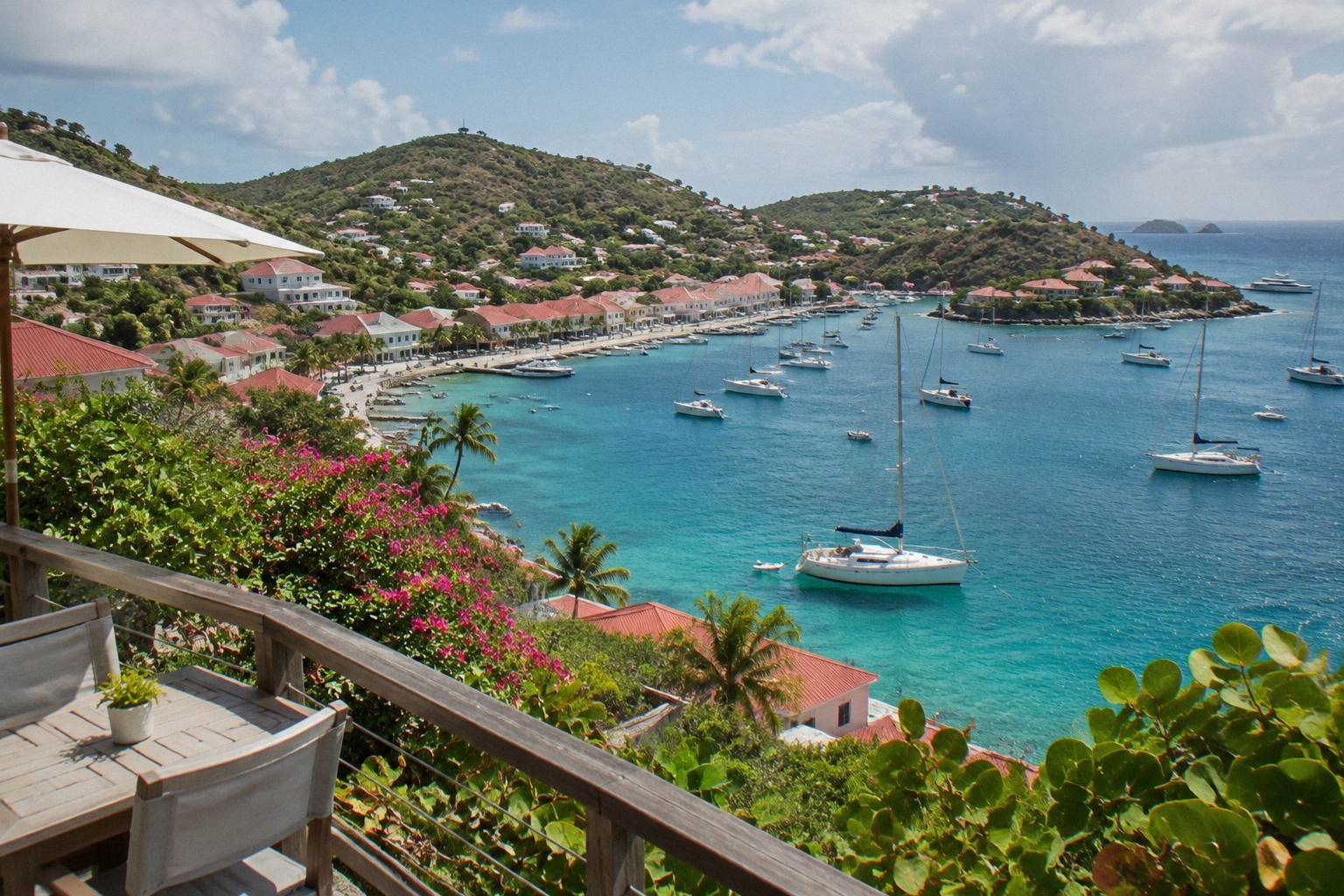
St Barthelemy, written St Barts in headings and everyday use, is a French overseas collectivity in the Caribbean, and that political fact answers the language question almost by itself. French is the official language of the island, used in government, schooling and signage, and English is widely spoken, a legacy of decades of North American visitors and an island workforce that moves easily between the two. Around roughly 10,700 residents on about 21 square kilometres, the practical reality is bilingual: menus, dock hands, shop staff and hotel teams switch languages without ceremony.
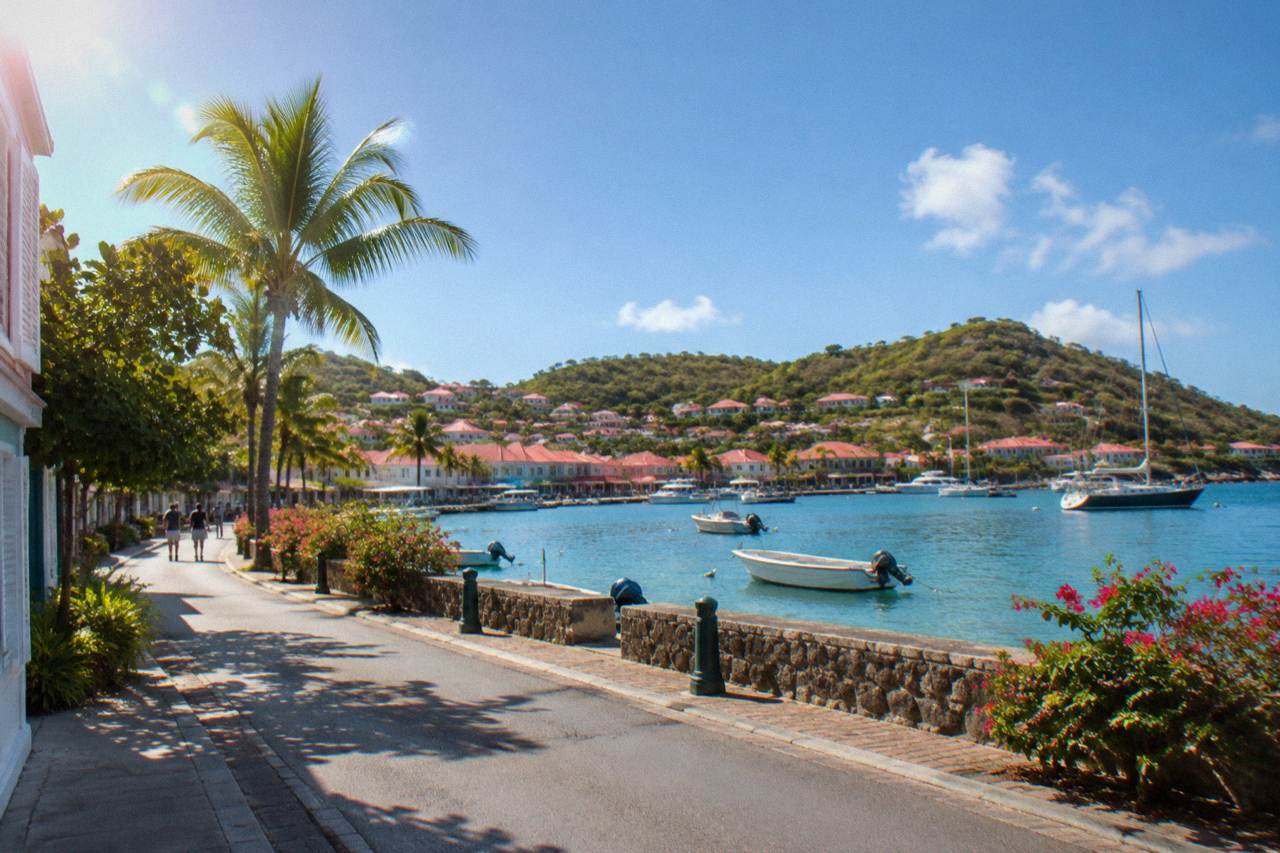
This page lays out what is actually spoken on the island, where English carries you, where a few French words matter, and what Saint-Barthelemy French Antillean Creole is. For a deeper companion read, the St Barts language guide covers greetings and pronunciation, and the question of what country St Barts belongs to explains the French framework behind all of it.
French is the official language of St Barts, the language of its administration, schools and official signage, because the island is an overseas collectivity of France. English is widely spoken across the island in shops, hotels, restaurants and around the harbor in Gustavia, and a local French-based creole, Saint-Barthelemy French Antillean Creole, is also spoken regionally by some island families.
The tourism committee states it plainly: French official, English widely spoken. What that means on the ground is less dramatic than travelers fear. An island whose economy runs on international guests has simply absorbed a second working language. A visitor who speaks only English can book a table, rent a car, buy groceries and ask for directions without a phrasebook. A visitor who speaks only French can do the same in reverse.
The official frame matters for paperwork. Customs forms, port documents, municipal notices and the territorial council's communications are in French. Anything formal, from a villa contract to a ferry check-in, will at minimum exist in French, and often in English beside it. The entry and passport rules for St Barts are a good example: the underlying French rules sit underneath, while the tourist-facing layer is bilingual.
| Context | Language you will meet | What to expect |
|---|---|---|
| Government, school, official signs | French | The legal and administrative language of the collectivity |
| Shops and hotels | French and English | Staff switch to whichever language the guest opens with |
| Around Gustavia harbor | French and English | Dockside and marine businesses serve an international crowd |
| Older island families | French and local creole | Saint-Barthelemy French Antillean Creole survives regionally |
| Tour departures from St Martin | French and English | Crews brief passengers in both languages |
Is English Enough To Get Around St Barts?
For a typical visit, yes: English is enough to get around St Barts, because the tourism committee itself describes English as widely spoken on the island. Hotel front desks, car rental counters, taxi drivers, boutiques and beach clubs handle English daily, and the island's visitor economy has run on both languages for decades. Greetings in French are appreciated but not required.
That said, a handful of French words genuinely smooth the day. Bonjour and merci are the two that matter most, and the pattern of greeting a shopkeeper on entry rather than silently browsing is the local norm, not a French class affectation. Au revoir on the way out works the same way. Staff will still answer in English, but the exchange opens warmer.
Two situations tilt more French than the rest. One is anything administrative: a gendarmerie question, a municipal office, paperwork at the port. The other is conversation with islanders whose families have been on St Barts for generations, some of whom move between French and the local creole at home. Nobody expects a visitor to follow creole, and English or standard French will carry the exchange.
The island's scale helps. With about 21 square kilometres and one real town, Gustavia, the number of situations where language could become a barrier is small, and the businesses a visitor interacts with are the ones most practiced in English. If a trip starts with questions like can you fly direct to St Barts from the US, the answer layer, airlines, ferries, transfers, is fully bilingual too.
The bookable day trips that cross from St Martin or Sint Maarten to St Barts are run for an international market, and their crews brief in both languages. Three of the strongest options, all departing from the St Martin side.
What Is Saint-Barthelemy French Antillean Creole?
Saint-Barthelemy French Antillean Creole is a French-based creole spoken regionally on and around St Barts, distinct from standard French and kept alive mainly within long-standing island families. It is not a language a visitor needs, or is likely to hear in a shop, but it is part of the island's identity, existing alongside official French and widely spoken English.
Creole in the French Antilles grew from the historical meeting of French colonization and enslaved African communities, but the site's constraints on history are narrow, so the safe summary is this: the creole is real, it is French-based, and it survives regionally rather than functioning as the island's public language. Visitors will hear standard French and English far more often than they will hear creole, unless they are guests in a family setting.
There is a second layer some travelers notice. Because St Barts has historical ties to Sweden as well as France, a few place names and family names on the island do not look typically French. That residue is visible in the phone book and on street signs, but it is not a living third language: nobody on St Barts speaks Swedish day to day. The island's working languages are French and English, full stop.
Do You Need French For Shopping, Hotels And Getting Around St Barts?
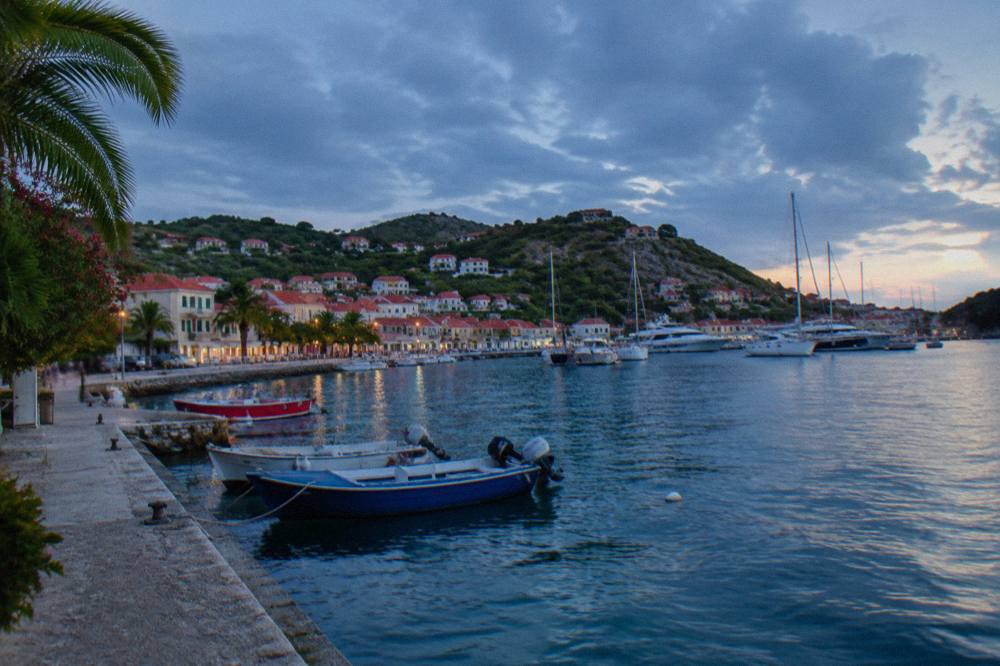
No, French is not needed for shopping, hotels or getting around St Barts. The island's tourism committee describes English as widely spoken, and the businesses visitors actually interact with, boutiques in Gustavia, hotel front desks, car rental counters and taxi drivers, serve English-speaking guests every day. A greeting in French is a courtesy, not a survival tool.
Renting a car is the clearest test, because it is the most transactional thing a visitor does on the island. The major brands with counters at Gustaf III Airport include Avis, Budget and Hertz, alongside local agencies and the open-air Mini Moke specialists, and all of them handle reservations and paperwork in English as a matter of course. The same bilingual normal applies across the island's practical services, which is one reason the question of whether renting a car in St Barts is worth it comes down to driving style, not language.
Driving itself comes with French vocabulary worth recognizing: route means road, sens unique means one way, and defense de stationner means no parking. None of these require fluency, only recognition, and the island's roads are short enough that a wrong turn corrects itself quickly.
| French word or phrase | Meaning | Where you will see it |
|---|---|---|
| Bonjour | Hello or good day | Shops, lobbies, any greeting |
| Merci | Thank you | Everywhere |
| Au revoir | Goodbye | On leaving a shop or cafe |
| Route | Road | Road signs |
| Sens unique | One way | Street signs in Gustavia |
| Defense de stationner | No parking | Curb markings in town |
| Plage | Beach | Signage near the coast |
| Ouvert / Ferme | Open / Closed | Shop doors |
Money is the other practical corner where language and habit meet. The currency is the euro, prices in local life are quoted in euros, and the question of [what currency is used in St Barts] is answered elsewhere on this site, but the language side is simple: French number words may appear on a menu or a receipt, and English translations are usually beside them. For everything bookable through this site's tour listings, prices render in US dollars directly on the listing, so no mental translation is needed at the point of booking.
If a language-first trip sounds appealing, a boat day from St Martin is the natural pick: it lands at Gustavia and puts a visitor in exactly the bilingual harbor environment where both languages are in the air. The Private Charter from St Martin is a private day on that water, and the operator's listing shows live dates.
Should You Learn Any French Before A St Barts Trip?
A few greetings are worth learning before a St Barts trip, mainly bonjour, merci and au revoir, because greeting a shopkeeper on entry is the local custom and it costs nothing. Beyond that, no preparation is needed: English is widely spoken across the island's hotels, shops and services, and any phrase beyond a greeting is a bonus rather than a necessity.
The greeting custom deserves one honest line. In French daily culture, and on St Barts as part of that culture, walking into a small shop and saying bonjour before browsing is standard politeness, and skipping it reads as abrupt. It is the single highest-return phrase on the island. Merci runs a close second. Everything after that is optional.
Travelers who enjoy preparing can go a step further with numbers, since market stalls and small shops sometimes quote in French first. But the honest planning picture is that a St Barts trip makes almost no linguistic demands. The demands it does make are logistical: the island has no jet service, arrival runs through St Martin or another gateway, and the connections are small planes and ferries. Those logistics, not language, are what to prepare for.
Common Questions About Language In St Barts
What language do they speak in St Barts?
French is the official language of St Barts, and English is widely spoken across the island's shops, hotels and services. A French-based local creole, Saint-Barthelemy French Antillean Creole, is also spoken regionally by some island families.
Do people in St Barts speak English?
Yes. The tourism committee describes English as widely spoken, and the island's visitor economy, hotels, boutiques, car rentals, taxis and boat operators, serves English-speaking guests every day.
Is St Barts French or Dutch?
St Barts is entirely French, an overseas collectivity of France since 2007. The French-Dutch split travelers sometimes picture belongs to the neighboring island of St Martin and Sint Maarten, which is also where the bookable St Barts day trips depart from.
Will I need French to rent a car or check into a hotel in St Barts?
No. Rental counters at the airport and hotels handle English routinely. Recognizing a few road-sign words such as sens unique for one way is helpful, but fluency is never required.
Is a creole language spoken on St Barts?
Yes, Saint-Barthelemy French Antillean Creole exists and is spoken regionally, mainly within long-standing island families. Visitors are far more likely to hear standard French and English.
Language is one question where St Barts genuinely is easy. French runs the official island, English runs the visitor experience, and a bonjour at the door covers the rest. To turn the answer into a day on the water, a private charter from St Martin into Gustavia is a good place to start:
For what to do once the language question is settled, things to do in St Barts is the site's main collection, and St Barthelemy Travel keeps the rest of the island's practical answers, from currency to arrival routes, under one roof. A related question worth reading next is whether St Barts is worth going to, since it weighs the island's ease of travel, bilingual included, against the effort of getting there.