Is St Barths Safe For Pregnancy?
A practical, source-based look at travel safety on St Barts during pregnancy: getting there, heat and hurricane season, beaches, boat trips and what to check with a doctor first.
St Barthelemy, written St Barts in every heading on this site, is a small French island in the Caribbean, an overseas collectivity of France since 2007, with about 10,700 residents, a harbour capital called Gustavia and no airport capable of taking jets. A pregnancy does not make the island off limits, but it does change the maths around the small-plane approach, the ferry crossing, the tropical heat and the medical care available on an island of about 21 square kilometres. This page covers each of those pieces, without a verdict, because the only person who can clear the trip is the reader's own doctor or midwife. The general island safety picture is covered separately in the St Barts safety guide.
What Should Pregnant Travellers Check Before Booking St Barts?
The first step is a medical conversation, not a destination decision: a doctor or midwife should clear the small turboprop flight or ferry crossing, the tropical heat and the distance from specialised care. The island is small, about 21 square kilometres, so advanced medical care means onward travel, and that is the fact to discuss with a clinician before any booking is made.
Several airlines place their own rules on pregnant passengers, typically tied to the stage of pregnancy and sometimes requiring a doctor's note in the later weeks, and those rules are set by the carrier rather than by the island. The reader should check the specific airline's policy for every leg of the journey, not only the long-haul flight but also the small plane from St Martin. Travel insurance is the other piece: pregnancy is treated differently by every policy, and the reader should confirm in writing that pregnancy-related care and, if needed, an onward medical transfer are covered on a French territory in the Caribbean. General government travel advice for the French West Indies, published by the reader's own government, is the right starting point for entry requirements and health notices.
Is St Barths Safe For Pregnancy?
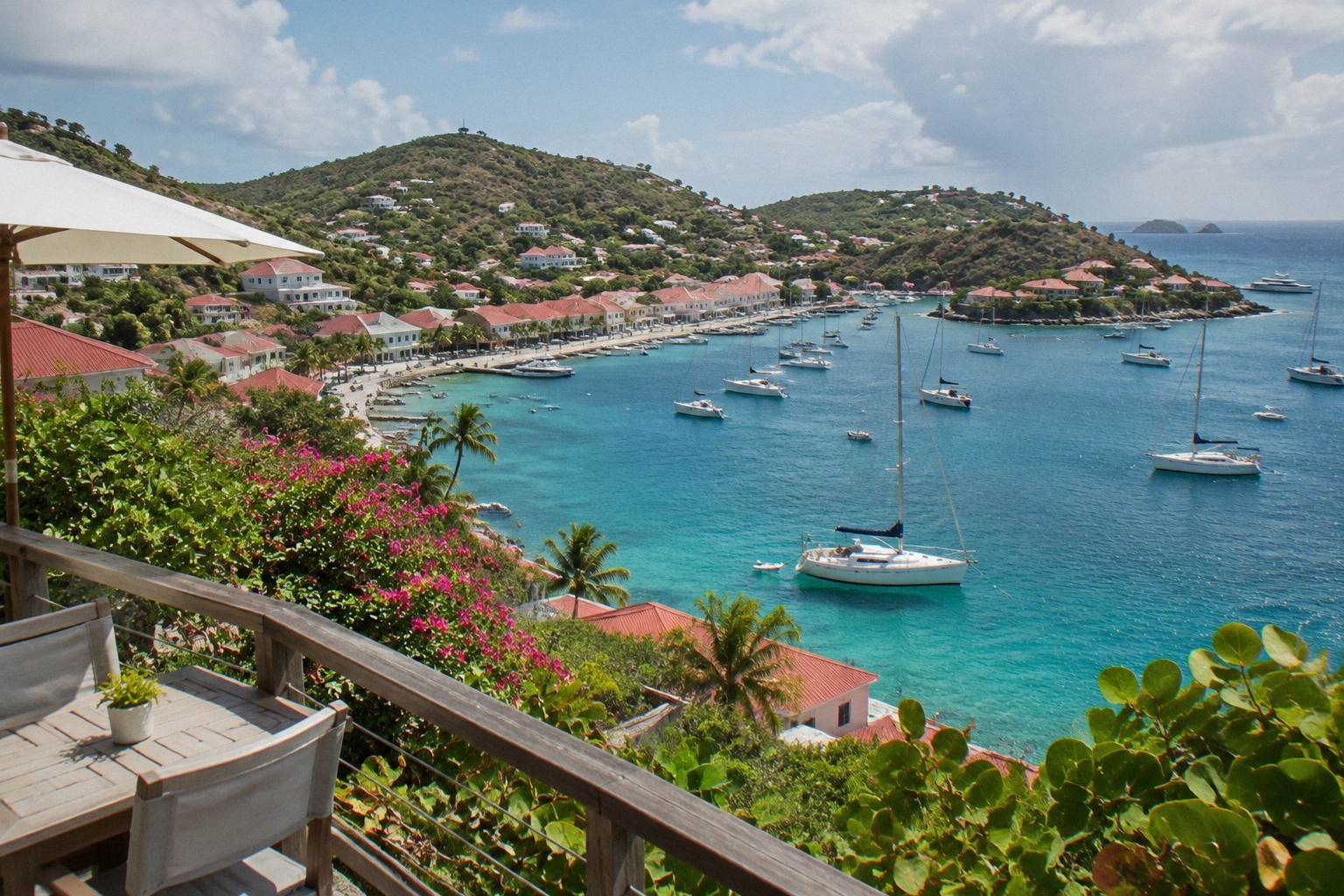
Pregnancy safety on the island is a question a clinician should assess case by case. St Barts is a quiet, walkable-scale French island with warm weather year-round, public beaches, no jet skis in its marine reserve and small-ship rather than mass tourism, while the real questions for a pregnant traveller are heat, hydration, the boat or small plane transfer and distance from advanced care, all of which a clinician should assess case by case.
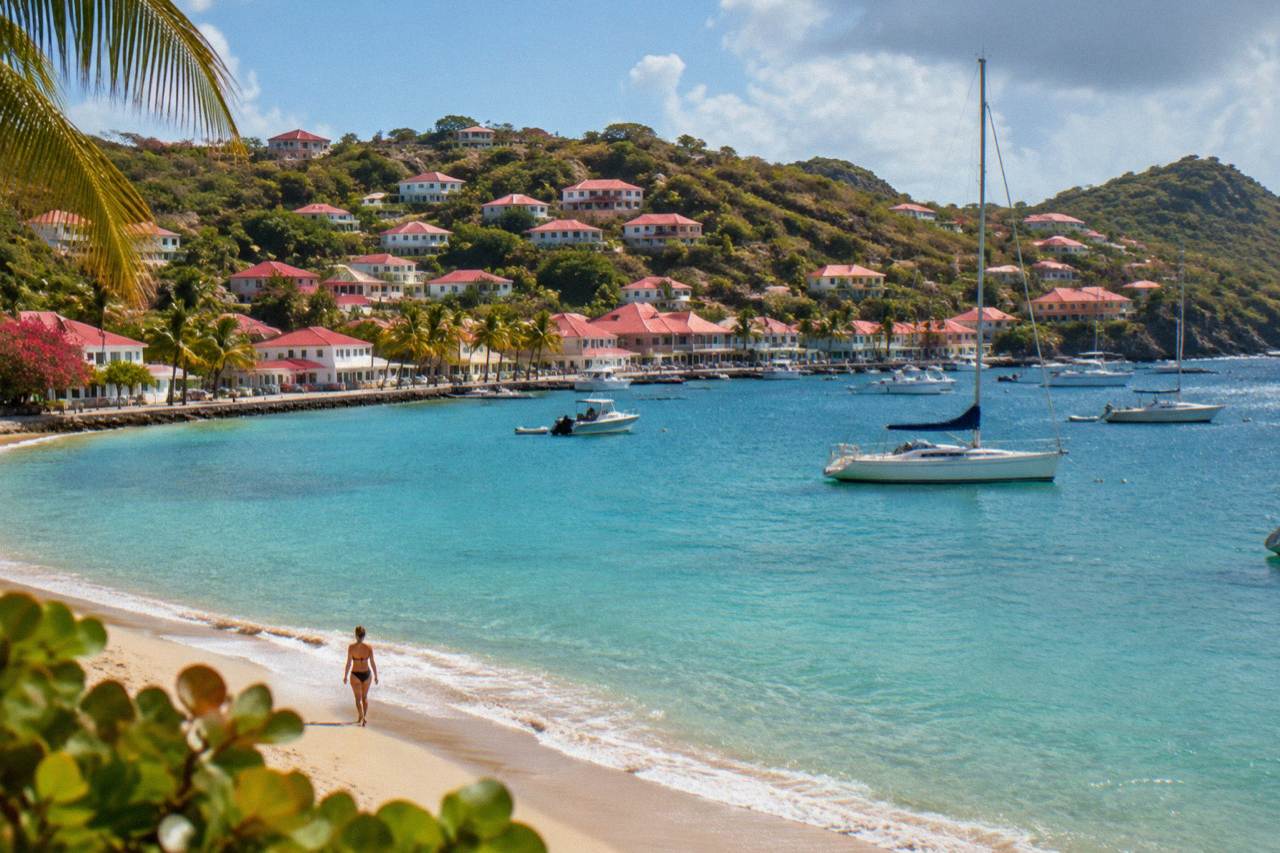
That framing matters because most online answers swing between reassurance and alarm without evidence. The island's own rules actually lean protective. The environment agency's regulatory-zones page lists a 5-knot speed limit in reserve waters, a ban on jet skis, seabobs and towed sports, a ban on dogs on beaches and a strict no-touching rule for sea turtles, so the loudest and most aggressive water activity is simply not present in the protected zones. Cruise calls are capped by the Collectivité at ships of no more than 1,200 passengers, and ships tender rather than dock, which keeps the island's rhythm small-scale. The tourism committee describes all of the island's beaches as public and free to access, which makes low-effort beach days easy to plan. None of that is a medical clearance; it is context for the conversation with a clinician.
For travellers who want a day on the water rather than a resort pool, the departure point matters: every bookable boat trip listed here leaves from St Martin or Sint Maarten, never from St Barts itself.
The per-person option in that band is a group sail from St Martin with stops at Colombier and Ile Fourchue; its listing shows it running from 12 May to 31 August 2027, and sea conditions on any crossing are worth raising with a doctor, since no operator promises a calm passage.
How Do You Get To St Barts While Pregnant?
Almost everyone reaches St Barts through St Martin: a long-haul flight into Princess Juliana airport on Sint Maarten, then either a small turboprop into Gustaf III airport or a ferry from Philipsburg or Marigot. The St Barts runway is only 646 metres, so no jets land there, flights operate in daylight and visual conditions only, and the ferry crossing can be rough. A doctor should weigh in on both the small plane and the sea crossing.
The small-plane leg is flown by St Barth Commuter from St Martin, Grand Case and Pointe-a-Pitre, by Tradewind from San Juan and Antigua, and by Winair from St Martin. The runways and the daylight-only operation are the reason the island has no direct jets from anywhere, a constraint covered in detail in the direct-flights answer. The ferry alternatives are Great Bay Express from Bobby's Marina in Philipsburg, about 45 minutes, and Voyager from the Marigot terminal on the French side, about 50 to 60 minutes; both operators require a passport, both run subject to weather, and neither promises a smooth crossing, so anyone prone to seasickness, pregnant or not, should plan for it. On arrival, the island's roads are narrow, steep and winding with a 50 km/h island-wide limit, which is why the car-rental question comes up constantly and is answered separately in the rental-car answer.
| Route | Mode | Operator | notes |
|---|---|---|---|
| St Martin (SXM) to St Barts (SBH) | Small turboprop | St Barth Commuter, Winair | Short hop; daylight and visual conditions only |
| San Juan (SJU) or Antigua (ANU) to SBH | Small turboprop | Tradewind | Short hop from San Juan; seasonal from Antigua |
| Grand Case (SFG) to SBH | Small turboprop | St Barth Commuter | Short hop |
| Philipsburg to Gustavia | Ferry | Great Bay Express | About 45 minutes, weather dependent |
| Marigot to Gustavia | Ferry | Voyager | About 50 to 60 minutes, weather dependent |
If a day trip by boat from St Martin is the plan rather than a stay on the island, the same medical questions apply, and the calendar matters too.
How Do Heat, Hydration And Hurricane Season Affect A Prenatal Trip?
The Meteo-France normals for 1991 to 2020 show St Barts warm all year, with mean daily highs from 28.5 C in January to 31.7 C in September, 891.3 mm of rain annually and October the wettest month at 135.6 mm. Atlantic hurricane season runs 1 June to 30 November with a peak from mid-August to mid-October, so heat management and travel-date planning are the two season questions a pregnant traveller should take seriously.
None of those figures describes danger; they describe a tropical climate. Practical heat advice for pregnancy in the tropics comes from health services, not from island tourism sources: steady hydration, shade at midday, and a slower pace on the island's steep hills. The sun-protection point applies to everyone, pregnant or not, and the island's beaches are free and public, so resting in the shade costs nothing. Hurricane season is the planning issue: the US National Hurricane Center publishes the Atlantic outlook that governs the whole basin, flights and ferries are suspended when weather warrants it, and travel insurance plus flexible terms matter more in these months. No source supports predicting a storm for any date, and this page will not either. Season by season, the monthly guides on this site carry the detail; the general safety question, including the island's low-key character, is treated in the current-safety answer.
| Month | Mean daily high | Mean daily low | Rain |
|---|---|---|---|
| January | 28.5 C | 23.5 C | 52.6 mm |
| April | 29.8 C | 24.2 C | 50.9 mm |
| July | 31.2 C | 26.0 C | 80.4 mm |
| September | 31.7 C | 26.2 C | 96.9 mm |
| October | 31.4 C | 25.8 C | 135.6 mm |
Meteo-France normals, 1991-2020. The sea stays warm through the year, about 26 C in winter to about 29 C from August to October.
Which St Barts Beaches And Activities Suit A Pregnant Traveller?
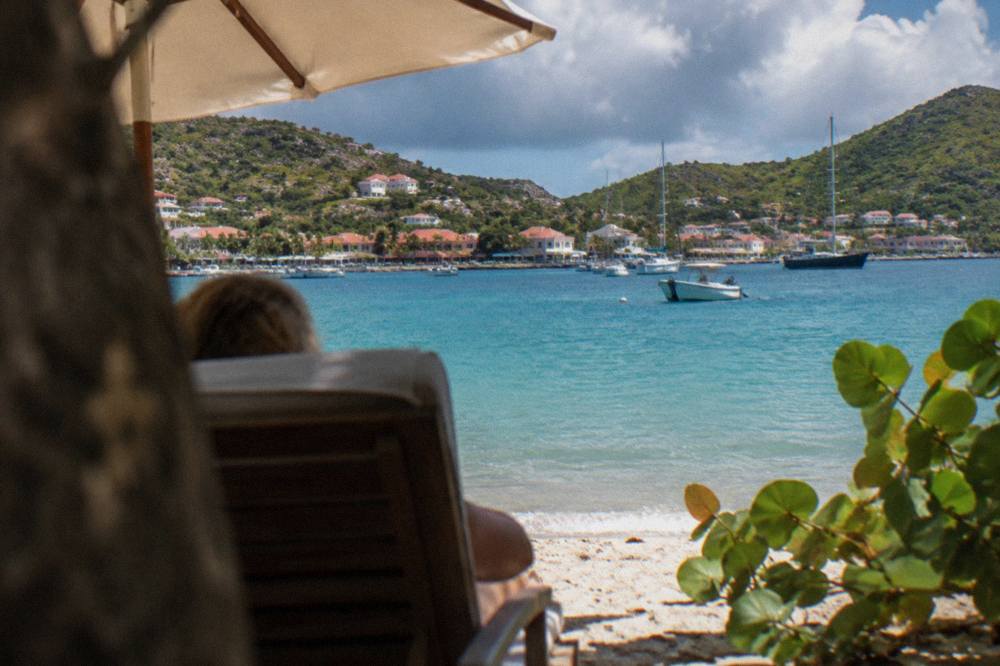
All beaches on St Barts are public and free, and the marine reserve's rules ban jet skis and towed sports in its zones, which removes the highest-impact water activities without any effort on the traveller's part. The island's terrain is the real consideration: some beaches sit at the end of hill paths, so a pregnant visitor should match the beach to her energy, and this site makes no per-beach safety claim.
The environment agency's rules apply everywhere in the reserve's zones: a 5-knot limit for boats, no motorised or electric water toys, a long-standing island-wide municipal order banning dogs from every beach, and no touching or chasing of protected species including sea turtles. For a visitor who wants gentle swimming, the practical approach is to pick beaches by access: Shell Beach sits a short walk from Gustavia, while Colombier is reached on foot along a coastal path or by boat. Beach profiles across the island are in the beach coverage, and this site deliberately makes no per-beach safety claim for children, currents or waves. Snorkelling in the reserve is possible under the same no-touch rules; scuba and diving are medical questions for a doctor, since diving and pregnancy are a combination clinicians, not travel sites, assess.
Which Boat Trips From St Martin Work For Pregnant Travellers?
Every boat product on this site departs from St Martin or Sint Maarten, never from St Barts, and five of the six are private charters priced per group, which gives a pregnant traveller control over pace, shade and the day's rhythm. The crossings and anchorages fall inside reserve rules, including the 5-knot limit and the jet-ski ban, but sea state on any given day is a weather matter, and a doctor's advice on rough passages, motion and sun exposure should shape the choice.
The practical difference between the products is the frame around the day. A private charter can slow down, extend a shaded stop and skip anything that feels wrong on the water; the group sail has a fixed shared itinerary and runs only on its listed summer dates. The related tour on this page is the group option, and it can be checked here: See the live listing. For the private options, current dates and terms sit on each operator's live listing, and nothing on this page should be read as a promise of calm seas on any date.
Whatever the choice, the same three checks apply: the doctor's view of a full day on open water, the operator's own pregnancy terms on the live listing, and the weather picture for the crossing days on both sides, since the return leg to St Martin is part of the trip.
Common Questions About St Barts Safety In Pregnancy
Is St Barths Safe For Pregnancy?
There is no safety verdict for pregnancy on the island, and this page does not issue one either. The verifiable facts: the island is small, warm year-round, its reserve bans jet skis and high-speed towed water sports, and the main considerations for a pregnant traveller are heat, hydration, the small-plane or ferry transfer and distance from advanced medical care. A doctor or midwife should make the call case by case.
Is The Tap Water On St Barts Safe To Drink While Pregnant?
Hydration matters more than usual in a tropical climate, and the water question is treated on its own page, the tap water answer. Pregnant travellers often carry bottled water regardless; that choice is a personal and medical one.
Can You Fly To St Barts While Pregnant?
St Barts is reached by small turboprop only, since the 646-metre runway takes no jets and operates in daylight and visual conditions. Carriers set their own pregnancy rules, usually by stage of pregnancy and sometimes with a medical certificate, so check every airline on the route, not just the long-haul leg.
Is The Ferry Crossing From St Martin Rough?
The operators' own pages describe crossings of about 45 minutes from Philipsburg and about 50 to 60 minutes from Marigot, and both services run subject to weather with no promise of a calm passage. Anyone prone to seasickness should plan for it, and a pregnant traveller should ask a doctor about motion remedies before the trip.
When Is Hurricane Season On St Barts?
The Atlantic hurricane season runs 1 June to 30 November, with activity typically peaking from mid-August to mid-October. The National Hurricane Center publishes the outlook, and travel flexibility plus insurance matter most in those months. No source supports predicting a storm for a specific date.
Are St Barts Beaches Free And Public?
Yes. The tourism committee describes every beach on the island as public and free to access, and an island-wide municipal order also bans dogs from all beaches, which is why the sand stays as it is. Beach choice comes down to access and shade, since this site makes no per-beach safety claims.
The honest summary: St Barts poses the questions any small tropical island poses to a pregnant traveller, and it answers several of the loudest ones, jet skis, mass tourism, entry fees at beaches, in the reassuring direction on its own. The medical questions belong to a clinician, and the calendar belongs to the reader. For everything else on the island, St Barthelemy Travel carries the beaches, the areas and the boat days in detail.