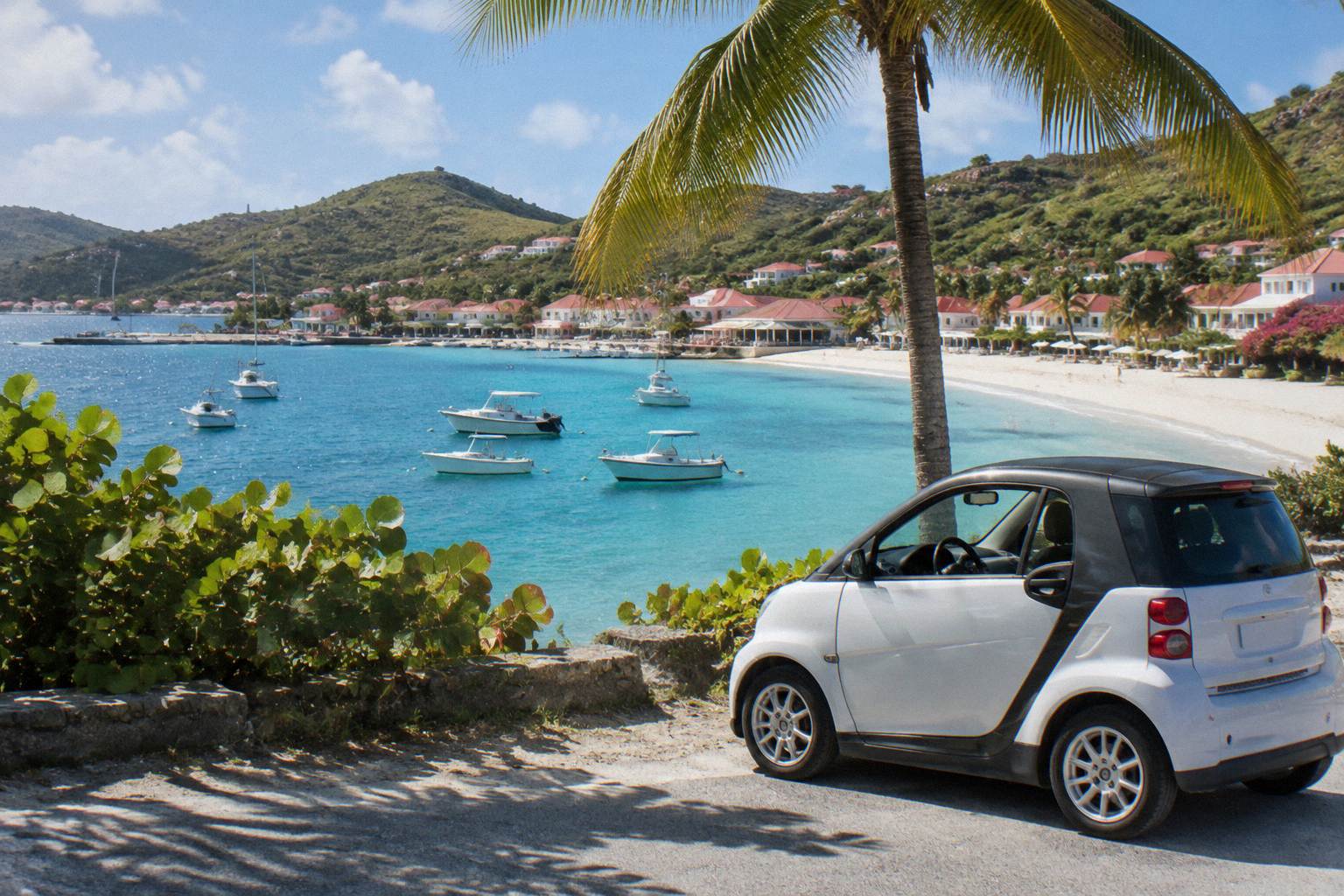
Is Saline Beach Clothing Optional?
Is Saline Beach clothing optional? A sourced answer for Saline Beach on St Barts: what the law says, what etiquette guides report, and how to plan a day there.
St Barthelemy, usually written St Barts, is a small French island in the Caribbean, and Saline Beach is one of its named public beaches on the south coast, reached from the Lorient side of the island behind a belt of dunes and ponds. The question of clothing there comes up constantly in travel forums, and the answer is genuinely two-sided: the law says one thing, and long-standing practice at the far ends of the beach says another. This page sets out both, using what the environment agency, the tourism committee and established beach etiquette guides report, without pretending the island hands out an official ruling it does not hand out.
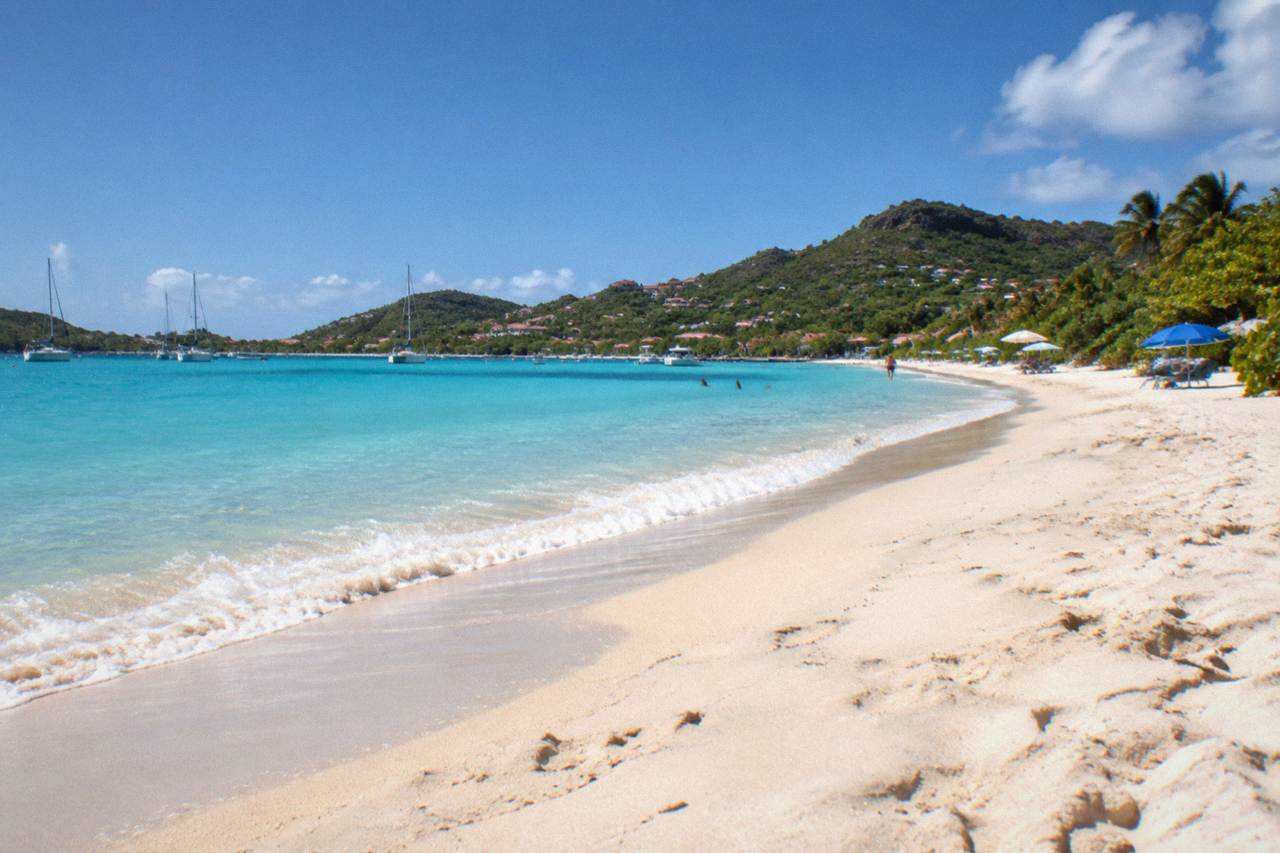
Officially no. Public nudity is illegal on St Barts, because the island applies French law, and no beach on the island is designated as clothing optional. What beach etiquette guides consistently report, however, is that discreet full nudity has long been tolerated at the quiet far ends of Saline Beach, and at Gouverneur, as an unwritten tradition rather than a right, while topless sunbathing is widely accepted across the island's beaches.
That gap between the letter of the law and daily practice is the whole story, and it is worth understanding before you spread a towel. Nobody will sell you a ticket to a nude beach, because none exists as a matter of designation. What the island's own etiquette reporting describes is discretion: people who choose to go without swimsuits do so at the remote ends of long beaches, away from family areas and entrances, and keep cover-ups within reach for walking the length of the sand. The nearer you sit to the dune path at Saline, the more conventional the crowd, in the ordinary way that beaches sort themselves without signage.
Topless sunbathing is a different matter and needs no hedging. The tourism committee's own materials present the island's beaches in a French cultural frame, and etiquette guides describe toplessness as common and unremarkable across many of the island's public beaches. A visitor comfortable with a European beach norm will find it unremarkable here too. If you want the fuller picture across the island, the site's dedicated guide to St Barts nude beach norms covers the other stretches of sand where the question comes up.
What The Law And The Rules Actually Say On St Barts
French law applies on St Barts as an overseas collectivity of France, and under that framework public nudity is an offence, not a tolerated activity in the legal sense. The island publishes no clothing-optional beach designation, no signage permits nudity, and the environment agency's beach rules for the reserve areas cover wildlife, dogs and anchoring, not swimwear. Everything beyond that legal baseline is practice and etiquette, reported by long-standing local guides rather than enacted by any authority.
The environment agency, the Agence Territoriale de l'Environnement, is the body whose rules actually shape beach behaviour on the island, and its regulatory-zones page lists the constraints that matter: a 5-knot speed limit in protected waters, no jet skis, no dogs on any beach, and no touching or disturbing sea turtles. Saline sits adjacent to protected natural areas, and the dune and pond behind the beach are part of what makes the stretch environmentally sensitive. None of those rules mentions clothing, which is the clearest signal that the clothing question is a social matter, handled by convention.
What the etiquette sources report is consistent enough to plan around. The convention at Saline is discretion at the far ends, and respect for families near the main access. Photography of other beachgoers is called out repeatedly as unacceptable. Covering up when walking the full length of the beach is described as basic courtesy. And the same sources are clear that tolerance is conditional and unwritten: it survives because people behave reasonably.
| Question | What the law says | What local etiquette guides report |
|---|---|---|
| Full nudity on Saline Beach | Illegal under French law; no clothing-optional designation exists | Quietly tolerated by tradition at the far ends, practiced discreetly |
| Full nudity at Gouverneur | Same legal position | Same reported tradition, at the remote ends of the sand |
| Topless sunbathing | Not an offence | Described as common and widely accepted on the island's beaches |
| Designated nude beach | None on the island | No signage and no official recognition anywhere |
| Photography of others | Ordinary privacy rules apply | Explicitly discouraged in etiquette guides |
The distinction matters most for expectations. A visitor who arrives believing Saline is an official nude beach will be wrong twice over: wrong about the law, and probably wrong about the density of nude sunbathers, which varies with the day, the crowd and the season without any pattern a guide can honestly promise.
Where Else On St Barts Does The Clothing Question Come Up?
Gouverneur Beach is the other stretch where the same reported tradition of discreet nudity exists, and parts of Colombier are sometimes mentioned the same way, while the island's busier and more developed beaches are described in purely conventional terms. Topless sunbathing is reported as accepted across many beaches island-wide. There is no official map of any of this, because no authority has ever drawn one.
The geography explains the pattern. The beaches where tolerance is reported are the long ones with space to spread out: Saline Beach with its dune-backed expanse, and Gouverneur Beach on the south coast. The beaches closest to hotels, beach clubs and family traffic, such as St Jean Beach and Shell Beach by Gustavia, are described in ordinary swimwear terms, and nobody should arrive at a beach club expecting anything else. The question of whether you can swim at Shell Beach is a separate one, but the social setting there is conventional.
Colombier is the interesting third case. It is reached by boat or by a walk, which naturally limits crowds, and its position inside the marine reserve's protected zones adds a layer of rules that have nothing to do with swimwear. Boat-based visitors should know the environment agency's zone rules before anchoring or swimming there. A day sail that stops at Colombier and Ile Fourchue is one of the most direct ways to see those reserve bays, and the site's page on the Boomerangs group sail and snorkel explains what the trip covers; it departs from St Martin or Sint Maarten, not from St Barts itself.
For swimmers and snorkelers, the sea is warm year-round, about 26 C in winter to about 29 C from August to October, which is why swimwear questions dominate packing lists here more than wetsuit questions ever will. Other pages covering the same trip are gathered on St Barthelemy Travel.
How To Handle A Day At Saline Beach Respectfully
The etiquette that etiquette guides describe is simple: settle away from the entrance if you plan to sunbathe without a swimsuit, keep a cover-up within reach, dress when walking the full beach, never photograph other beachgoers, and respect families near the main access path. Bring water and shade, because Saline is a public beach without development, and the dune path is the only way in from the parking side.
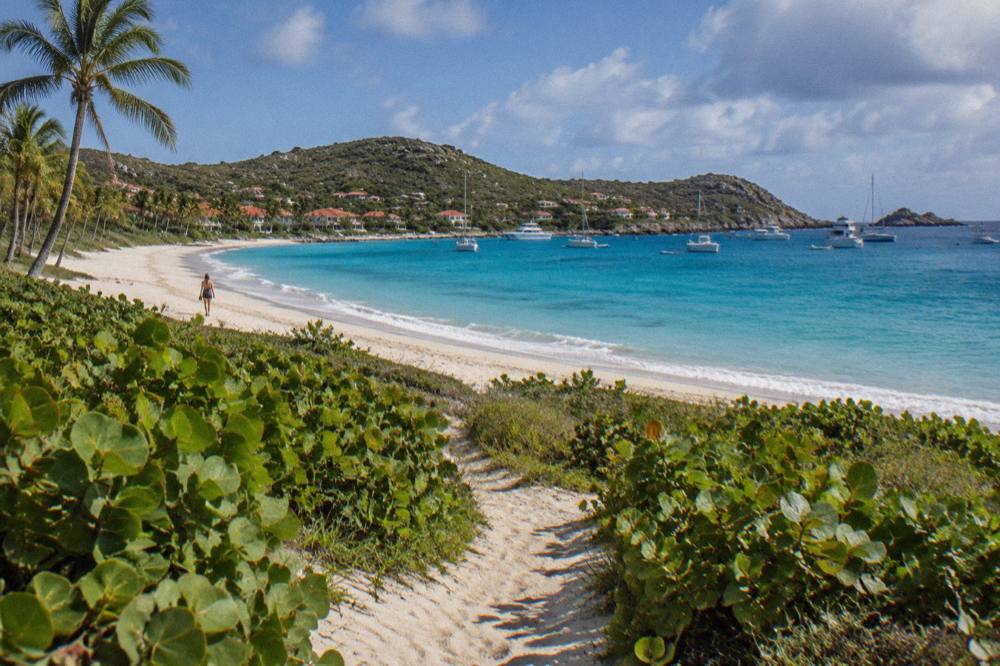
The practical details are worth a sentence each. Saline is public, like every beach on St Barts, and access is on foot over the dune from the roadside. There is no beach club row, no vendor line and no promenade; what the tourism committee's materials describe is a natural stretch of coast with a pond behind it. That undeveloped character is exactly why the far-end tradition took hold, and it is also why a visitor's own footprint matters: no dogs are allowed on any beach on the island, under a municipal order the environment agency restates, and litter and noise rules apply as they do across the reserve's sphere.
For anyone weighing which beach day suits their group, the comparisons on this site help: the rundown of the island's most beautiful beach and the guide to which St Barts beach is best for what both cover the trade-offs between developed and natural stretches. A traveller who wants beach clubs and service will be happier elsewhere; a traveller who wants space and quiet will understand Saline's appeal immediately.
| Situation at Saline | What etiquette guides advise |
|---|---|
| Sunbathing without a swimsuit | Only at the far ends, discreetly, never near the entrance |
| Walking the full length of the beach | Cover up before leaving your spot |
| Families near the main dune path | Give the entrance area a wide berth |
| Taking photos | Never point a camera at other beachgoers |
| Bringing a dog | Not allowed on any beach on the island |
| Litter and noise | Carry everything out; the dunes and pond are sensitive |
Seeing The Coast By Boat Instead Of From The Sand
Every bookable boat trip listed here departs from St Martin or Sint Maarten and visits St Barts by sea, which means the clothing question rarely arises on them at all: they are swimwear-and-snorkel days, not beach-club days. The group sail runs per person, while the private charters price per group, and all of them approach the island's south and west coasts from the water, the same view the environment agency regulates with its 5-knot zones.
That framing is useful for a traveller planning a combined trip. A day or two based on St Barts for the beaches, plus a boat day from the St Martin side, is a common shape for a first visit, and the site's St Barts travel pages cover both halves. The boat option also sidesteps the whole question of beach etiquette, since swimming stops happen at anchorages like Colombier where the rules that matter are the reserve's: no touching turtles, no collecting shells or coral, and no jet skis anywhere in the zones.
Common Questions About Saline Beach On St Barts
Is Saline Beach clothing optional?
Not officially. Public nudity is illegal under French law and no St Barts beach is designated clothing optional, but etiquette guides report a long-standing tradition of discreet nudity at the quiet far ends of Saline, while topless sunbathing is widely accepted across the island's beaches.
Is Saline Beach public?
Yes. Every beach on St Barts is public, including Saline, and access is on foot over the dune path from the roadside.
Can I bring a dog to Saline Beach?
No. Dogs are prohibited on all beaches on St Barts under a municipal order the environment agency restates, even on a leash.
Is topless sunbathing allowed on St Barts?
Topless sunbathing is described by local etiquette guides as common and widely accepted on many of the island's beaches, in line with French cultural norms.
Are there other beaches like Saline on St Barts?
Gouverneur is the other beach where the same discreet far-end tradition is reported, and parts of Colombier are sometimes mentioned. No beach has any official designation.
Saline rewards exactly the kind of visitor who reads the rules first: someone happy to walk the dune path with water and shade in a bag, settle wherever the crowd thins, and treat the unwritten conventions as the price of a beach that stays natural. The law sets the outer boundary, etiquette fills the middle, and the sea is warm either way.