How Much Is The Ferry From SXM To St Barts?
What the ferry from SXM to St Barts costs, which operators run the crossing, how long it takes and what to know before booking the boat to Gustavia.
St Barthelemy, usually written St Barts, sits about 21 square kilometres of hills and public beaches into the Caribbean, and a large share of its visitors reach it through St Martin: either by small plane into Gustaf III Airport or by ferry across the Saint-Martin Channel to Gustavia. The ferry question comes in two parts, and the second part is the one with a number attached, because the crossing time is published while the fare is not fixed in any way this site can responsibly quote. The operators' own booking pages carry live fares, and those fares respond to season, demand and booking timing. What can be stated plainly is who runs the boats, where they leave from, how long the crossing takes and what the rules are at the terminal.
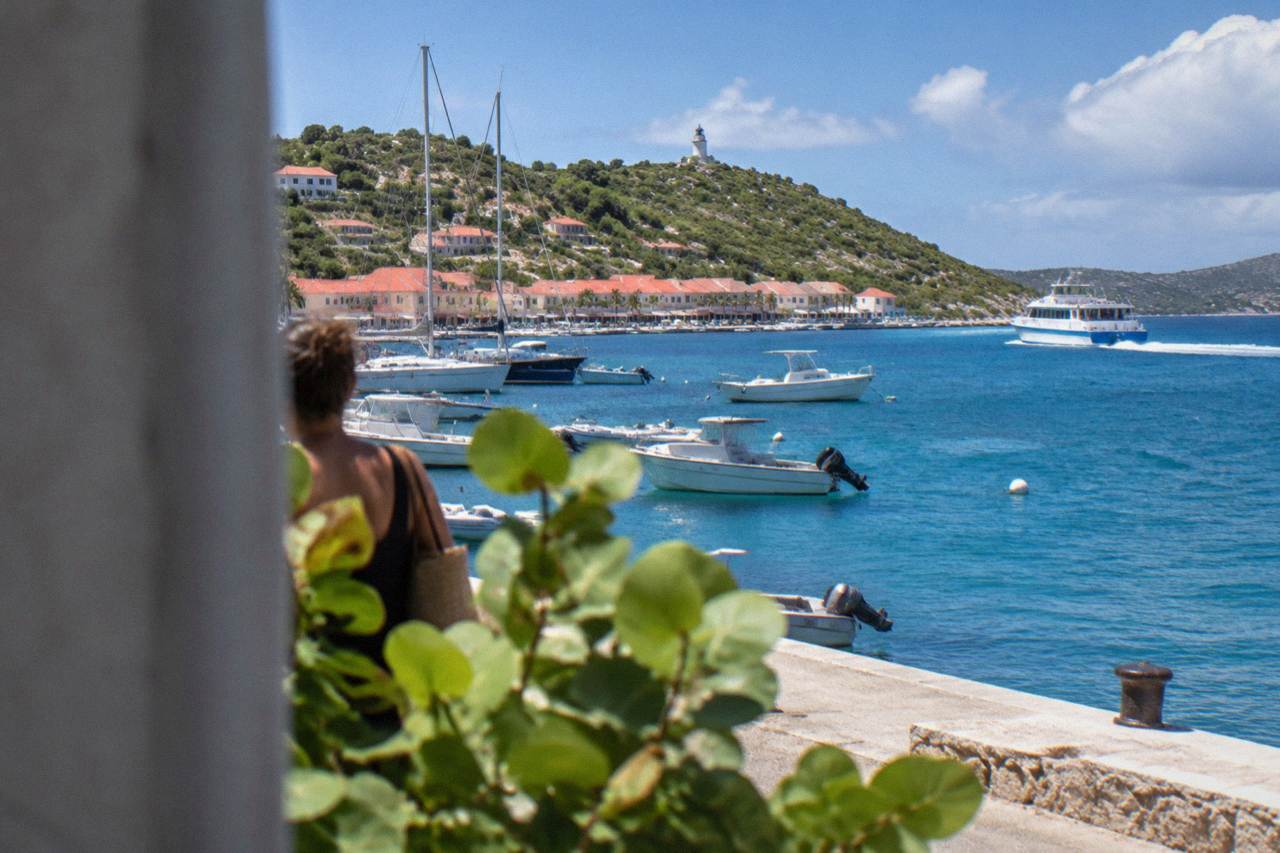
No fixed ferry fare applies to the crossing from SXM to St Barts, because the two operators price dynamically on their own booking pages and publish no static tariff this site can quote. Great Bay Express runs from Philipsburg on Sint Maarten in about 45 minutes, and Voyager runs from Marigot on the French side in about 50 to 60 minutes. Both carry passengers to Gustavia on St Barts, and both show the current fare only on their live booking pages.
The practical answer is to treat the fare the way you would treat an airline seat. The operators' pages are the price source, and checking a specific date there beats any rounded figure a guide might print. Fares respond to the winter high season, roughly December through April, when the island fills and sailings are busiest, and to the quieter months when both operators run somewhat reduced schedules. Booking ahead for peak dates is standard practice on any Caribbean crossing, and the Saint-Martin Channel is no exception.
It also matters which side of St Martin you start from. SXM, Princess Juliana Airport, sits on the Dutch side, and the Great Bay Express terminal at Bobby's Marina in Philipsburg is the closer option from there. Voyager leaves from Marigot on the French side, which is the natural choice if you are staying on that side or arriving through Grand Case. The routing decision is covered in detail in the guide to getting from SXM airport to the St Barts ferry, including how the transfer between the airport and each terminal works.
Which Ferry Operators Run The Crossing To St Barts?
Two operators run scheduled ferries to Gustavia: Great Bay Express from Bobby's Marina in Philipsburg, Sint Maarten, with a crossing of about 45 minutes, and Voyager from the Marigot ferry terminal on the French side of St Martin, with a crossing of about 50 to 60 minutes and two to three sailings a day. A passport is required on both, and Great Bay Express asks passengers to arrive about 45 minutes early, with check-in closing about 15 minutes before departure.
That is the complete scheduled picture. No other public ferry on this corridor could be confirmed, so no third operator appears here. The comparison below holds only what the operators' pages state.
| Operator | Departure port | Crossing to Gustavia | Notes from the operator |
|---|---|---|---|
| Great Bay Express | Bobby's Marina, Philipsburg, Sint Maarten | about 45 minutes | arrive about 45 minutes early; check-in closes about 15 minutes before departure; passport required |
| Voyager | Marigot ferry terminal, St Martin | about 50 to 60 minutes | two to three sailings a day; passport required |
Both terminals sit close to the heart of their towns, and both land you in Gustavia harbour, a short walk from the shops and the shell museums of the capital. If you are weighing the ferry against the famous small-plane approach over the Col de la Tourmente, the guide to ferry operators and schedules for St Barts lays out the full picture, and the article on flying directly to St Barts from the US explains why almost every itinerary routes through St Martin in the first place.
If your reason for crossing is a single big day on the water rather than a stay on the island, there is a third option that changes the arithmetic: a booked boat day that starts on St Martin and visits St Barts as part of the trip.
Fancy turning the crossing into a full day on the water? Book a private day charter.
Ferry Or Flight: Which Way From SXM To St Barts?
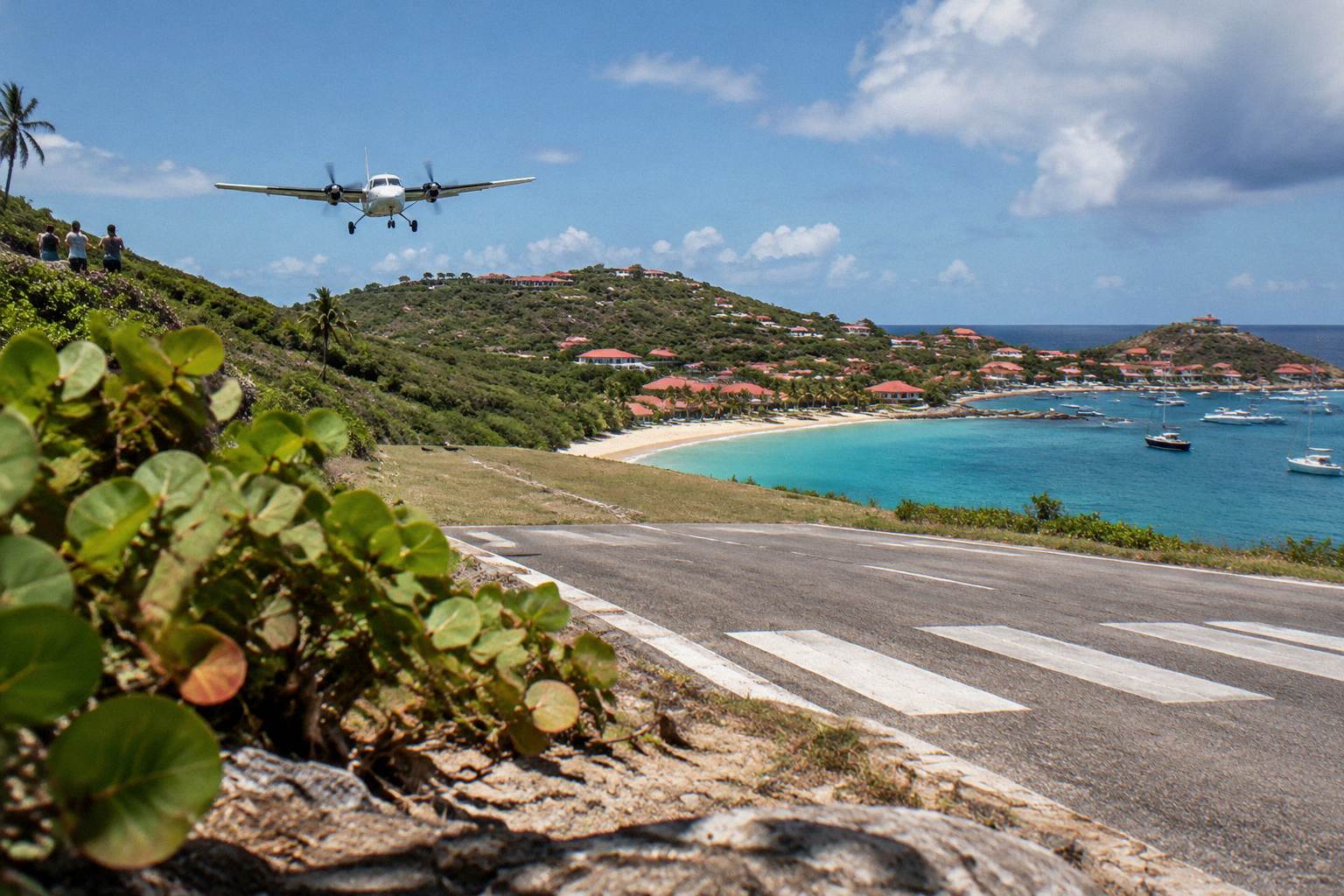
The ferry from SXM to St Barts suits travellers who want a set daily crossing, a passport-stamped arrival by sea into Gustavia and no dependence on the daylight-only limits of Gustaf III Airport, whose 646 m runway takes small turboprops only, with no jets and no night operations. The flight is a short hop on a small plane and is the standard alternative when sea conditions turn the channel rough. Neither option's price is fixed, because neither operator nor airline fare is fixed.
The choice usually comes down to sea state and schedule. The Saint-Martin Channel can be choppy, and ferry sailings are subject to weather, a point both operators are candid about. When a crossing is cancelled, the small-plane route from SXM to St Barts absorbs the demand, which is one reason Winair, St Barth Commuter and Tradewind keep steady frequencies on the corridor. The reverse also holds: when clouds or wind close the visual approach into SBH, the ferry is the fallback. Building a slack afternoon into a same-day connection on either side is simply good planning.
Sea conditions also affect comfort, not just operations. Travelers who are prone to seasickness should read the site's guide to seasickness on the St Barts ferry, which covers what the crossing is actually like and how people manage it.
What Do You Need At The Ferry Terminal For St Barts?
A valid passport is required for the ferry to St Barts on both operators, and St Barthelemy sits outside the Schengen area, so the crossing is a real border point even though it feels like an inter-island hop. Great Bay Express asks passengers to arrive about 45 minutes before departure, and its check-in closes about 15 minutes before the boat leaves. US citizens need a passport book, and the same document rules that govern flights apply at the ferry pier.
The border point surprises people. St Barthelemy is a French overseas collectivity, separate from Schengen for entry purposes, and the ferry terminals in Philipsburg and Marigot handle departure and arrival formalities accordingly. EU citizens can use a national ID card. The details, including what applies to children and to onward tickets, are laid out in the answer to whether US citizens need a passport for St Barts.
Two further practical notes come straight from the operating environment. First, sailings are weather-dependent, so a same-day tight connection to a flight out of SXM is a fragile plan; an overnight buffer on either side is safer. Second, the ferry lands in the middle of Gustavia, and everything in the capital is walkable from the pier, though the island's hills and scattered beaches make a rental car the usual next step once you are staying over. Everything else covered here is indexed on St Barthelemy Travel.
When Is The Best Time Of Year To Take The Ferry To St Barts?
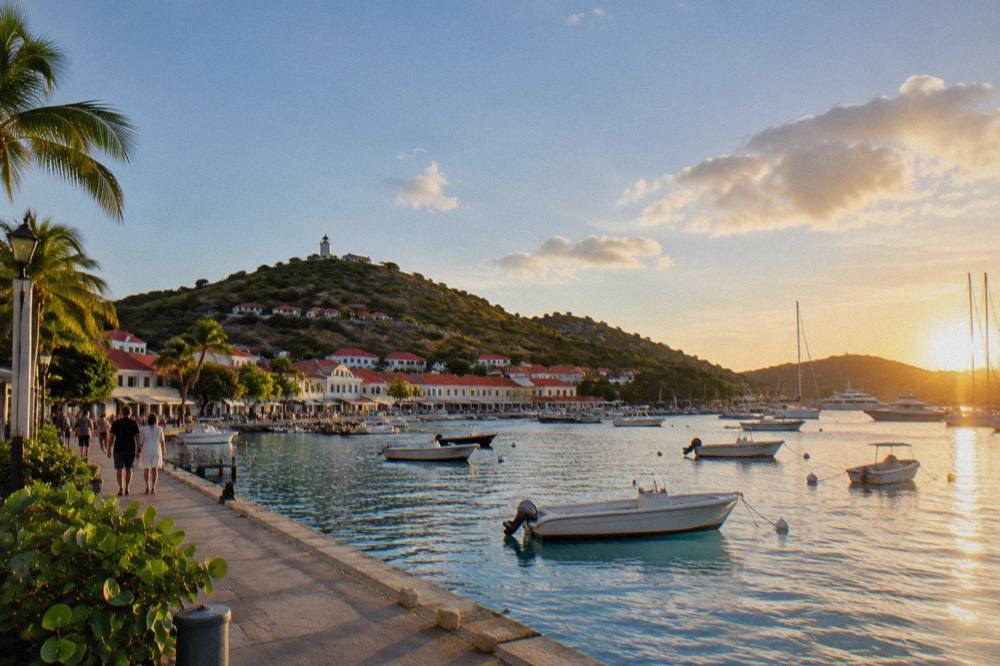
The calmest planning window for the ferry to St Barts is the high season from December through April, when the Meteo-France normals, 1991-2020, show mean daily highs of 28.5 C in January rising to 29.8 C in April and the lowest monthly rainfall of the year, 38.4 mm in February. The Atlantic hurricane season runs 1 June to 30 November with its peak from mid-August to mid-October, and October is the wettest month at 135.6 mm.
The climate table below is drawn from the Meteo-France station normals for St Barthelemy, the same series used across this site. It shows why the winter months anchor the island's calendar, and why the autumn is the quiet, closed season when many hotels and restaurants shut and reopen between mid-October and early November.
| Month | Mean daily high | Mean daily low | Rain |
|---|---|---|---|
| January | 28.5 C | 23.5 C | 52.6 mm |
| February | 28.6 C | 23.3 C | 38.4 mm |
| April | 29.8 C | 24.2 C | 50.9 mm |
| July | 31.2 C | 26.0 C | 80.4 mm |
| October | 31.4 C | 25.8 C | 135.6 mm |
The summer months are warm and the sea is at its warmest, about 26 C in winter to about 29 C from August to October. No storm can be predicted for a date, and none should be: the seasonal pattern is all anyone can say. If your dates fall in the peak of hurricane season, travel insurance with transport coverage and a flexible ferry ticket are the sensible pairing, and both operators' booking pages state their own change and cancellation terms, which is also where the live fare sits.
Money tip within the rules: whatever the fare on the day you book, the crossing buys a full day's access to an island whose beaches are all public and free, a point worth remembering when the ticket starts to look like the expensive part of the trip. The site's overview of things to do in St Barts is the natural next stop once the boat is booked.
Beyond The Ferry Ticket: Boat Trips That Include St Barts
A second way to price a St Barts day from St Martin is a charter or group sail that departs St Martin or Sint Maarten and visits St Barts as part of the trip, priced per person or per group on each product's listing. These are not ferries: they run from Simpson Bay, Cole Bay, Anse Marcel and Grand Case, and their itineraries include stops the scheduled ferry cannot offer, such as Colombier and Ile Fourchue.
Six boat products exist listed here, five of them private charters priced per group.
The distinction matters for the budget question this page asks. A ferry ticket buys passage to Gustavia and nothing more, while a boat day buys the crossing plus the coastline. For some travelers the comparison is the whole decision, and the per-person group sail, which runs 12 May to 31 August 2027 on its listing, sits at the accessible end of that range.
The charter end of the trip list covers full-day private options for groups of up to eight or ten, plus a two-day, one-night catamaran that turns the crossing itself into the trip. Each product's price, rating and duration render from its live listing rather than from this page, which keeps the numbers current and honest.
Planning the wider route? The guides on St Barts versus St Martin and the Anguilla ferry route fill out the island-hopping picture for the same stretch of water. And if the day-trip question is live, the answer to the nicest beach in St Barts helps decide whether one afternoon on the island is enough or merely the first of many.
Common Questions About The St Barts Ferry
How Much Is The Ferry From Sxm To St Barts?
No fixed fare applies. Great Bay Express and Voyager price dynamically and show current fares only on their own booking pages, which move with season, demand and booking timing. This page prints no figure for that reason, and the operators' live listings are the price source.
How long does the ferry from St Martin to St Barts take?
The Great Bay Express crossing from Philipsburg takes about 45 minutes, and the Voyager crossing from Marigot takes about 50 to 60 minutes. Both figures come from the operators' pages and both crossings are weather-dependent.
Do you need a passport for the ferry to St Barts?
Yes, on both operators. St Barthelemy is outside the Schengen area, so the crossing is a border point, and a valid passport is required. EU citizens may use a national ID card, and US citizens need a passport book rather than a passport card.
When should you arrive at the ferry terminal?
Great Bay Express asks passengers to arrive about 45 minutes before departure, and its check-in closes about 15 minutes before the boat leaves. Arriving early is the general rule at both terminals, since boarding and border formalities happen before departure.
Can the ferry to St Barts be cancelled?
Yes. Sailing schedules are subject to sea conditions on the Saint-Martin Channel, and crossings can be rough or suspended in bad weather. Never plan a same-day tight connection from the ferry to a flight without a buffer.
Is the ferry cheaper than flying to St Barts?
No cost comparison is possible, because neither the ferry fares nor the small-plane fares on this corridor are fixed or published as static tariffs. Both the operators' booking pages and the airlines' own sites show live prices for specific dates, and those are the only reliable sources.