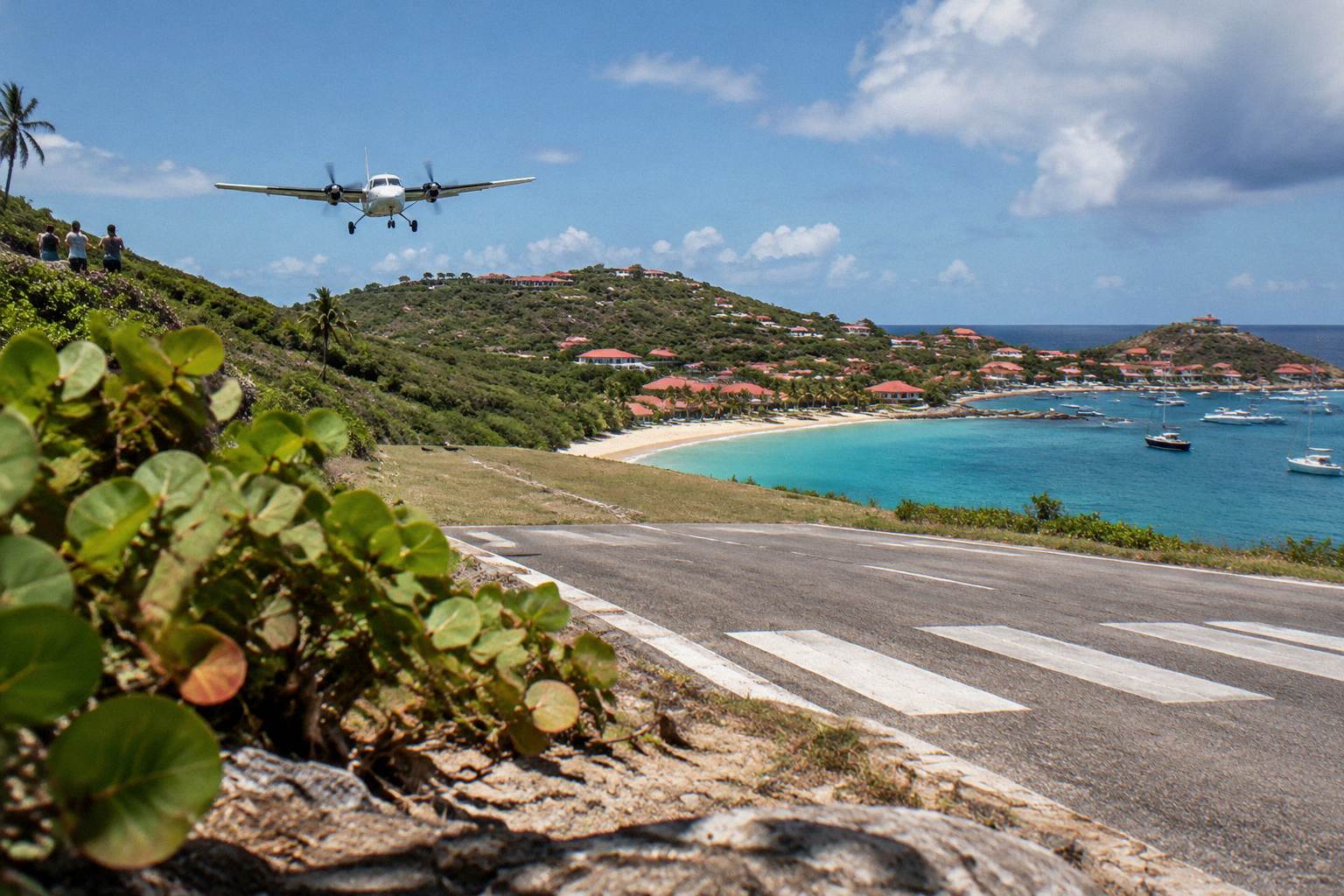
How Do You Pronounce St Barthelemy?
How to say Saint-Barthélemy, why the island is written St Barts, and how to pronounce Gustavia, Colombier and other island place names.
St Barthelemy, the small French island in the Caribbean usually shortened to St Barts, carries one of the more awkward names in regional travel, and the spelling on the map does not tell an English speaker where the sounds fall. The official French form is Saint-Barthélemy, written with an accent in France and usually without one in English-language travel writing. The short forms, St Barts and Saint Barth, are far simpler, and both rhyme with common English words rather than following French rules. This page breaks the names into syllables, explains where each version comes from, and covers the island's main place names, from Gustavia to Colombier, so that a booking, a taxi ride or a ferry check-in goes smoothly.
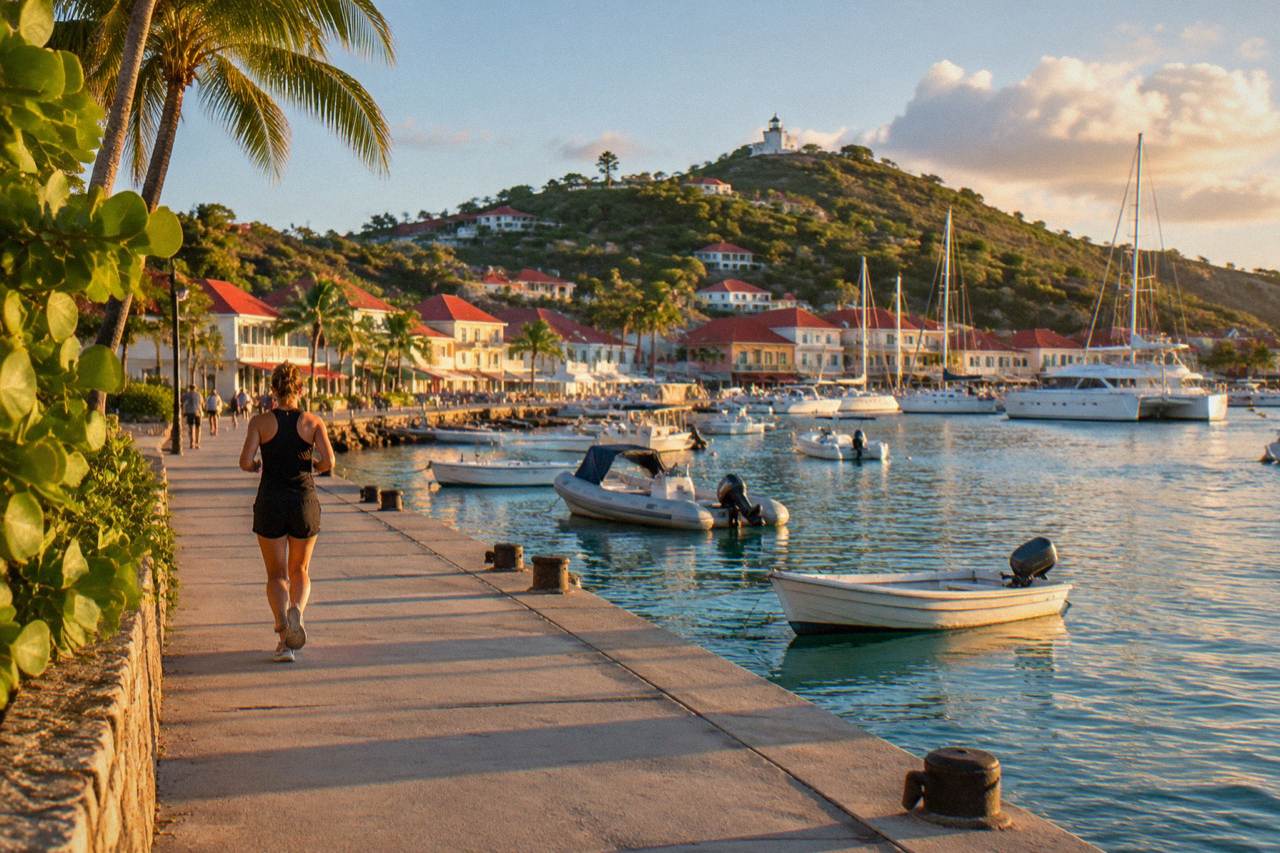
The French name Saint-Barthélemy is pronounced roughly "san bar-tay-leh-MEE", four to five syllables with a soft French ending, while the English short form St Barts is said exactly as spelled, "saint barts". The accent in Saint-Barthélemy falls on the final syllable in common English speech, and the "th" is pronounced as a plain "t" because the name came into French from another language. The safest version for everyday travel is the short one: St Barts never causes confusion on the island, and English is widely spoken alongside French, the official language. Writing the full name matters more than saying it: signs, official documents and the tourism committee's own materials use Saint-Barthélemy or St-Barth in French contexts and St Barts or St. Barths in English ones.
Breaking the full name into pieces makes it manageable. Saint is pronounced "san" in French, with a nasal vowel and no hard "t" at the end. Barthélemy splits into three syllables: "bar-tay-leh-MEE". The accent over the first "é" marks a clear "ay" sound, the middle "è" is a short open "eh", and the final "y" is an "ee". English speakers who say "san bar-tuh-luh-MEE" will be understood everywhere on the island. The one thing to avoid is treating it like the English name Bartholomew, which shifts the sounds in ways French does not.
The spelling without accents, Saint Barthelemy, is the standard English-language compromise used across travel booking, journalism and this site's own pages. Accented characters survive in French government contexts: the island is a French overseas collectivity, the Collectivité de Saint-Barthélemy, with its own territorial council since 2007, and INSEE, the French statistics agency, lists it under code 977. So a flight booking may show Saint-Barthélemy, a hotel confirmation may show St. Barths, and both refer to the same island of about 21 square kilometres and about 10,700 residents.
The short form raises its own small question: St Barts or St. Barths? Both spellings appear across English-language travel writing, with and without the apostrophe-abbreviation and with or without the plural "s". The plural is part of the name's history rather than a grammatical error. Spoken aloud, every version sounds identical, "saint barts", so the choice is purely written style.
Is Saint Barthelemy The Same Island As St Barts?
Yes: Saint-Barthélemy, St Barthelemy, St Barts, Saint Barth and St Barth all name the same French Caribbean island, an overseas collectivity of France since 2007 with Gustavia as its capital and harbour town. The variants reflect language and context rather than geography. French speakers and official documents use Saint-Barthélemy, English-language travel uses St Barts, and the airport code SBH abbreviates the name yet again. No separate island exists behind any of these spellings, so a ferry ticket, a hotel reservation and a flight confirmation may each use a different form and all be valid. The island also answers to Ouanalao, the name recorded for it in early colonial-era sources, which survives today in local business and villa names.
The multiple names have practical consequences for travel planning. Search results, map labels and booking systems mix the forms freely, and the plural "St Barths" can confuse spell-checkers into "correcting" it. The island's own tourism committee presents the destination as Saint-Barthélemy in French materials and St Barts in English ones. Being fluent in the variants helps when cross-checking a ferry operator's page against a hotel's page, or when reading the difference between St Martin, the French side of the neighbouring dual island, and Sint Maarten, the Dutch side. Those two names matter as much as the island's own, since every bookable boat trip to St Barts listed here departs from one side or the other.
For visitors arriving by sea, hearing the names spoken is part of the day. A group sailing that leaves St Martin and stops at Gustavia, Colombier Beach and Ile Fourchue gives a full circuit of the island's French place names in one trip, and the crew's pronunciations are the reference version.
How Do You Pronounce Gustavia And Other St Barts Place Names?
Gustavia, the capital, is pronounced "goos-tah-VEE-ah", with a hard "g" and the stress on the third syllable, and its name honours Sweden's King Gustav III, a legacy of the island's Swedish period that also explains the town's street names. Colombier is "ko-lom-bee-AY", Flamands is "flah-MAHN", and Grand Cul-de-Sac is pronounced much as it reads, "grahn kool-duh-SAK". French place names on the island keep their French vowel sounds even in English conversation, and locals who speak English still use the French versions of these names. The airport adds another layer: it is officially Gustaf III Airport, also called Remy de Haenen, with the code SBH, so the Swedish king's name appears again in a French island's aviation paperwork.
The island's beaches and quarters carry the same pattern. Here is a syllable guide to the names most likely to appear on a rental-car route, a villa booking or a beach plan:
| Place name | Syllable guide | Notes on the name |
|---|---|---|
| Gustavia | goos-tah-VEE-ah | Capital and harbour town, named for King Gustav III of Sweden |
| Saint-Jean | san-ZHAHN | Beach and village on the north coast, beside the airport |
| Colombier | ko-lom-bee-AY | Northwestern beach inside the marine reserve |
| Flamands | flah-MAHN | Large beach on the northern shore |
| Gouverneur | goo-ver-NUR | South-coast beach above the hills of the same name |
| Saline | sah-LEEN | Beach behind the salt-pond lowlands of the south coast |
| Lorient | loh-ree-AHN | Village and beach on the northwest side |
| Grand Cul-de-Sac | grahn kool-duh-SAK | Sheltered bay and lagoon area on the east coast |
| Corossol | ko-ro-SOL | West-coast village near Gustavia |
| Ile Fourchue | eel foor-SHOO | Uninhabited islet north of the island, a common boat stop |
Two habits help with all of these names. First, final consonants in French are usually silent: the "t" at the end of Colombier's English-looking spelling is not heard, and the "ds" of Flamands fades to a soft nasal ending. Second, stress generally lands on the last syllable of a French word, which is the opposite of English instinct. A speaker who follows those two rules will land close enough on every name in the table that any taxi driver, ferry clerk or hotel receptionist on the island will recognize it immediately.
The marine reserve names deserve one extra note. The Reserve Naturelle covers zones including Colombier Bay and the waters around Ile Fourchue, and the environment agency's regulatory-zones page lists the rules that apply there, including a 5-knot speed limit and a ban on jet skis. Booking a boat trip that includes these stops means the names move from the map to the mouth, which is usually where the pronunciation questions start.
Why Does The Name Have A Silent Ending And An Accent?
The accent and the silent ending both come from French orthography: the name Saint-Barthélemy is the French form of a name that originally referred to the apostle Bartholomew, written Barthélemy in French, and French keeps the written consonants while softening or silencing them in speech. The "é" accent tells a French reader to say "ay" rather than "eh", and the final "my" is pronounced "mee", not "my" as English would suggest. English dropped the accents and adjusted the sounds, producing Saint Barthelemy in writing and a range of spoken approximations, of which "san bar-tuh-luh-MEE" is the most common. None of this affects travel documents, which accept every written variant.
The island's layered history is visible in its names more than in its buildings. The current French name came with French colonial administration, the Swedish period left Gustavia and the three-crown symbols still seen around the harbour, and since 2007 the island has been a separate French overseas collectivity, no longer administered as part of Guadeloupe. The Caribbean name Ouanalao sits underneath all of it. A traveller who knows this can read the island's street signs and monument plaques with some fluency, and Gustavia's small museums cover the Swedish chapter in detail. The wider set of guides lives on St Barthelemy Travel.
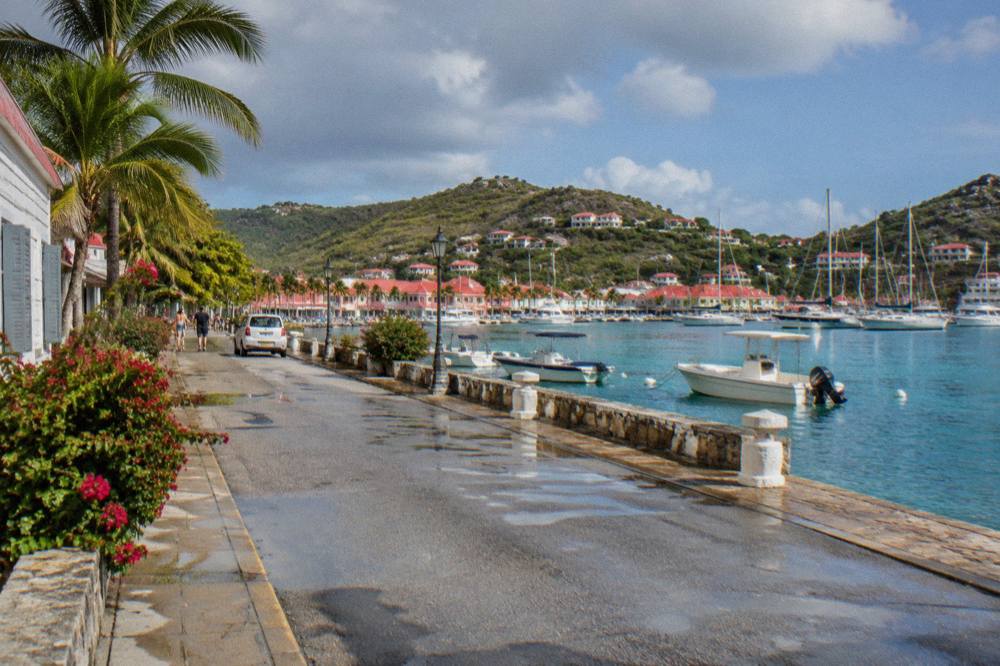
The mixed spellings also matter for search and booking. A ferry from St Martin, a flight connection through Princess Juliana airport on the Dutch side, and a hotel in Gustavia may each render the destination differently, and the airport's own code, SBH, uses yet another abbreviation, from Saint-Barthélemy's former identity in French aviation paperwork. For more on the arrival side, the site's pages on flying to St Barts and what country St Barts belongs to cover the gateway routes and the island's political status in detail, and the guide to getting around St Barts by rental car puts these place names onto an actual driving route.
Getting the names right also pays off on the water. The trips below all depart from St Martin or Sint Maarten and put the island's French names into a day's itinerary.
For planning beyond pronunciation, the site's overview of things to do in St Barts and the answer to whether St Barts is worth the trip put the vocabulary into an itinerary. More naming questions surface constantly, so the common ones follow.
Is It St Barts Or St Barth?
Both are correct: St Barts, with an "s", is the most common English short form, and St Barth, without one, is closer to the French abbreviation St-Barth seen on the island's own signage. The two are pronounced slightly differently, "barts" versus "bart", but every local context accepts both, and the ferry operators, hotels and airlines serving the island use each freely in English materials. The choice is one of written style rather than correctness. English-language travel writing, including this site's pages, generally uses St Barts, while French documents and many official signs use Saint-Barthélemy or St-Barth. Saying either version aloud on the island will be understood immediately.
How Do You Pronounce St Barthelemy?
Roughly "san bar-tay-leh-MEE", with the stress on the final syllable. The French name has a silent "t" in Saint, an "ay" sound on the accented "é", and a final "mee". The common English rendering "san bar-tuh-luh-MEE" is equally well understood, and the short form St Barts is said exactly as spelled.
How Do You Say Colombier Beach?
Colombier is pronounced "ko-lom-bee-AY", four syllables with the stress at the end and no "ay-r" blend on the final syllable as English might guess. The name belongs to the beach and bay inside the marine reserve on the island's northwest, reachable on foot by trail or by boat, and the environment agency lists the bay among its regulated zones with a 5-knot speed limit on the water. Boat crews departing St Martin announce it regularly on trips that stop there. The spelling sometimes appears as Colombier Bay in English contexts, and the pronunciation does not change.
Is Saint Barthelemy French Or Swedish In Origin?
The name is French, but the island's written record carries both influences. The current name came from French administration, while the capital Gustavia and its street names date from a Swedish period in the island's past, honouring King Gustav III of Sweden. Since 2007 the island has been a French overseas collectivity in its own right, separate from Guadeloupe.
Do People On St Barts Speak English?
Yes, English is widely spoken alongside French, which is the official language, so pronunciation mistakes cause no real friction on the island. The tourism committee publishes English-language materials for the whole destination, and the businesses that serve international visitors, including ferry operators, hotels and car rental counters, work in both languages daily. Saint-Barthélemy French Antillean Creole is also recorded regionally alongside the two. A traveller who attempts the French names will be met with patience, and one who simply uses "St Barts" in English will be understood everywhere, which is why the short form carries so much of the island's daily conversation.
Saying the name confidently comes down to one habit: use the short form in speech, recognize the long form in writing, and let the syllable guide above handle the rest when a map, a menu or a boat itinerary brings the full French names into play. The island answers to all of them, and has for a long time.